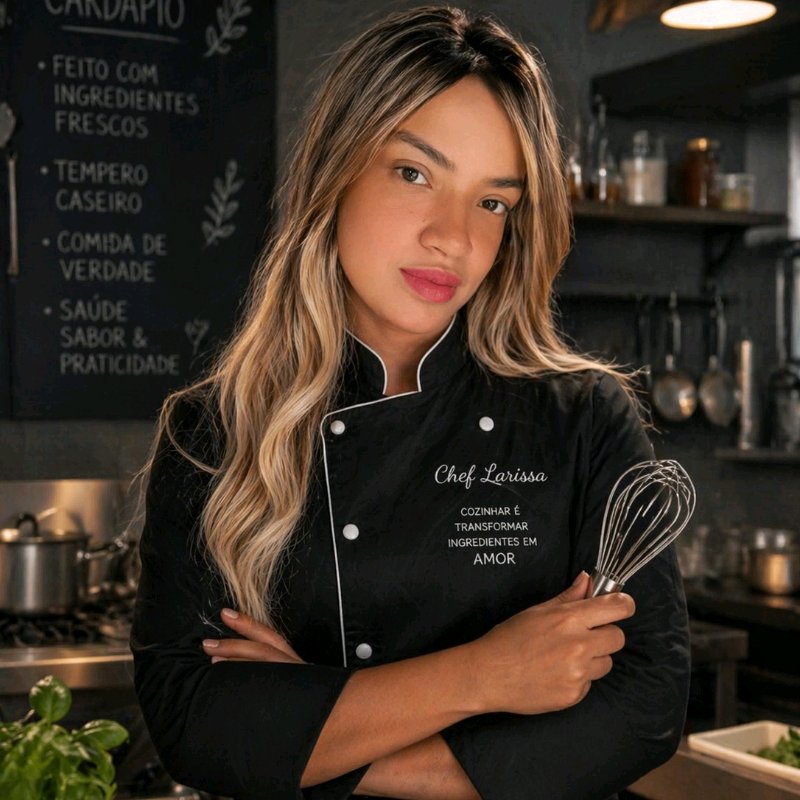


Chef Larissa Sannliver
From R$ 273.90

The city that headquarters Bradesco, Mercado Livre and iFood still lacks a fine-dining scene of its own. A myChef contemporary chef closes that gap at your table in Vila Yara or Cidade das Flores — with a fusion pantry no other city can match.
São Paulo caterers and chefs charge a travel fee to cross into Osasco, and driving into Pinheiros or Jardins after a ten-hour shift is its own tax. A contemporary chef working Osasco itself brings capital-grade tasting menus to your building — priced for the occasion, not for the commute.
Armenian and Lebanese kitchens in Presidente Altino, the Italian roots of founder Antônio Agù's railway town, Northeastern heritage from the factory era, and the 1953 Mercadão stocked with bacalhau and spices — Osasco's immigrant table is fusion cuisine waiting to be plated. A contemporary chef turns that history into a menu.
In the city where the delivery apps themselves are headquartered, dinner has collapsed into the same dozen kitchens on a screen. A chef composing courses at your counter — torch in hand, explaining each plate — is the opposite of another cardboard box at the door, and exactly what a special night deserves.
Eight to ten courses tracing the railway town's story, wave by wave of arrival: Italian pasta, Armenian and Lebanese spice, Northeastern fire — each immigrant chapter reinterpreted with modern technique and served in order.
Best for: milestone celebrations, impressing out-of-town guests
Presidente Altino's heritage on a plate: torched lamb kibe over a smoked coalhada espuma, zaatar oil and pickled pearl onions — the bairro remembered as 'peixes e coalhada' speaking in fine-dining form.
Best for: heritage dinners, adventurous starters
Handmade pasta honoring the city's Italian founder: tortelli filled with feira-fresh mandioquinha and aged Minas cheese, dressed in brown butter with crispy sage.
Best for: family dinners, comfort-food lovers
The Mercadão's Syrian-Lebanese counter reimagined: charred flatbread topped with beef cooked low and slow for twelve hours, tahine cream, sumac and fresh herbs — street memory, tasting-menu execution.
Best for: sharing courses, casual-elegant gatherings
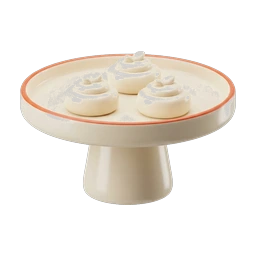
A silky panna cotta perfumed with cardamom and orange blossom from the spice stalls of the 1953 Mercado Municipal, finished with pistachio praline.
Best for: tasting menu finales, dinner-party desserts
A midweek executive dinner for Bradesco or Mercado Livre colleagues, a Sunday almoço in Vila Yara, an anniversary in Cidade das Flores — share the date, guest count and dietary notes, and the chef drafts the menu.
On the day of service the chef sources from the Mercado Municipal — bacalhau, spices, Armenian and Syrian goods — plus that day's feira livre among the city's 53 weekly markets, with Ceagesp across the line for volume.
The chef arrives early, builds the mise en place and serves course by course, narrating each technique and each immigrant chapter on the plate. Torch finishes and espumas happen in front of your guests.
The kitchen is returned spotless before the chef leaves. Your only evidence of the evening is the group chat asking when you're hosting again.
From R$ 273.90

From R$ 330.00
Osasco holds the second-largest GDP in São Paulo state and the eighth in Brazil, yet its restaurant scene never caught up to its corporate weight — the home of Bradesco, Mercado Livre and iFood is still better known for the cachorro-quente than for chef-driven food. That mismatch is precisely the opening: the households of Vila Yara, Cidade das Flores and Adalgisa have capital-level incomes and nowhere local to spend them on a serious dinner.
What they do have is a pantry with real history. The Armenian colony of Presidente Altino has been cooking kibe and coalhada since the 1920s; the Mercadão has sold bacalhau and spices since 1953; 53 weekly feiras livres move produce through the city every single day; and decades-old houses like Dozza and Casa da Síria keep the Middle Eastern thread alive. A fusion chef doesn't import a concept into Osasco — the fusion was already here, waiting for contemporary technique.
Demand runs year-round on the corporate calendar: midweek executive dinners follow the bank cycle, June and July bring the festa junina season, and December fills with year-end confraternizações. For hosts, that rhythm is useful — Tuesday to Thursday dates are easy to land, while December weekends behave like réveillon on the coast.
Local Tip
Book midweek if you can: Tuesday-to-Thursday executive dinners are the easiest slots to secure, and they let the chef shop that morning's feira livre — with 53 spread across the week, there is always one running near Vila Yara or Centro on the day of your dinner.
Pricing follows course count and ingredients — the Km 16 menu with premium proteins sits at the top, shorter fusion dinners near the base. Every tier undercuts the São Paulo equivalent once the capital's travel surcharge is factored in.
R$150 - R$380 per person
Tasting menus built from the Mercadão, Presidente Altino and the city's 53 feiras — fine dining that finally matches Osasco's corporate weight, served at your own table.
Also available on the app