
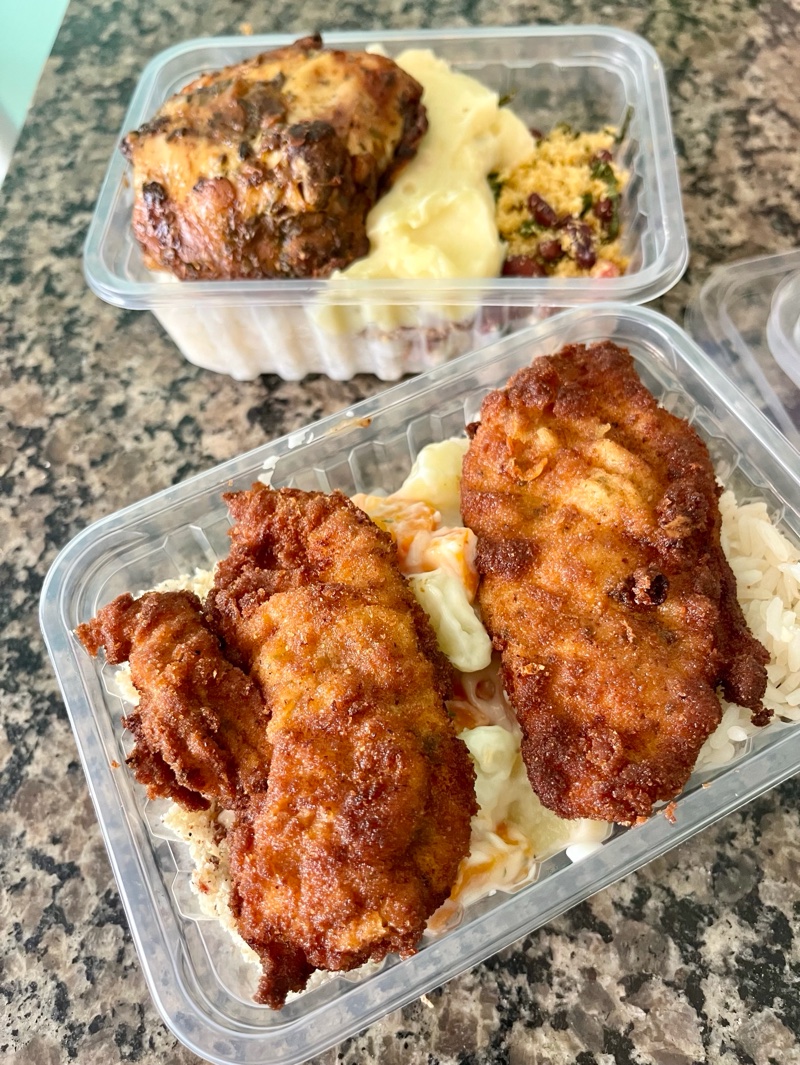
 Weekly meal prep
Personal Chef — Cuisine
Korean Personal Chef in Duque de Caxias: K-BBQ Comes to the Baixada
Rio's chefs won't cross Avenida Brasil, and there isn't a single Korean restaurant in the Baixada Fluminense. A myChef Korean chef flips that story — bringing tabletop galbi, a parade of banchan, and gochujang-glazed fried chicken straight to your quintal in Jardim Primavera or your apartment in Vinte e Cinco de Agosto.
See other experiences in Duque de Caxias
Chat with the chef after booking
Chef confirms in 24h
Protected payment
Other experiences in Duque de Caxias
None of them has this specialty listed in our catalog. Each experience shows its menu and what is included.
Weekly meal prep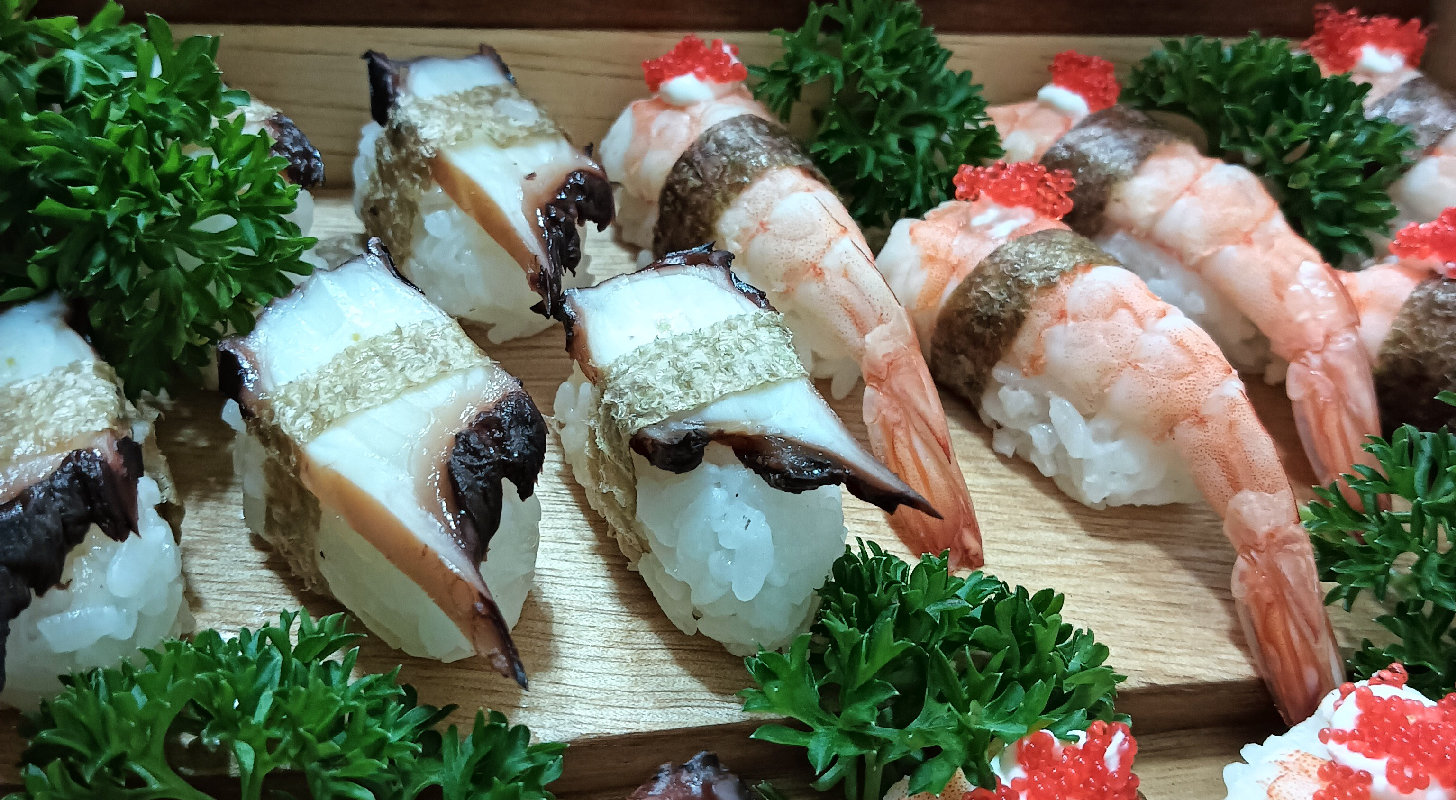 Cooking class
Why Korean Cuisine Belongs in Duque de Caxias
A Grill Culture Made for Galbi
Caxias already lives around live fire — weekend churrasco in Jardim Primavera quintais and chouriço na brasa smoking at the Sunday feira. Korean BBQ is the same ritual with a new vocabulary: marinated short ribs and bulgogi sizzling at the table while everyone gathers around, scissors snipping meat straight onto lettuce wraps. If your family loves a churrasqueira, galbi will feel like coming home.
Big Tables, Many Dishes — the Nordestino Way
The Northeastern families who built Caxias entertain in numbers: extended clans of fifteen around a table crowded with carne de sol, feijão de corda and farofa. Korean dining works exactly the same way — a spread of a dozen banchan side dishes where every plate is shared and nobody serves themselves alone. A Korean chef scales that generosity to a Baixada-sized family gathering without breaking a sweat.
K-Food Without Crossing Avenida Brasil
The nearest proper Korean dining rooms are deep in Rio, an hour or more away through Avenida Brasil traffic — and after a shift at REDUC, nobody is making that drive for dinner. A Korean personal chef comes to you, turning your own dining room in Campos Elíseos or your sítio in Xerém into the first K-dining experience most of your guests will ever have.
Korean Dishes Your Chef Grills and Plates in Duque de Caxias
Tabletop Korean BBQ (Galbi and Bulgogi)
Soy-and-pear marinated beef short ribs and thin-sliced bulgogi grilled right at the table, wrapped in lettuce with ssamjang, garlic and kimchi — the interactive centerpiece of Korean dining, run entirely by your chef so guests only eat and grill.
Banchan Spread with House Kimchi
Eight to twelve small shared plates — napa cabbage kimchi, seasoned spinach, soy-glazed potatoes, pickled radish, fish cakes — refilled through the meal the way a Korean table demands. The chef ferments and preps everything in advance.
Bibimbap
A hot bowl of rice layered with seasoned vegetables, marinated beef and a fried egg, brought together at the table with gochujang — bold, balanced and endlessly adaptable to each guest's spice tolerance.
Korean Fried Chicken (Yangnyeom)
Double-fried for a shattering crust, then lacquered in a sweet-spicy gochujang glaze. Made with galinha caipira from the sítios of Xerém and Imbariê, it beats any delivery box the Baixada has ever seen.
Kimchi Jjigae
The deep, funky stew of aged kimchi, pork and tofu that Koreans crave weekly — served bubbling in its stone pot. Comfort food with real fire behind it.
Korean Flavors in the Capital of the Baixada
Duque de Caxias and Korea have more in common at the table than anyone expects. The city's Nordestino soul is built on preservation and intensity — carne de sol cured in salt, manteiga de garrafa, chouriço smoked over coals at the 2.5 km Sunday feira on Avenida Presidente Vargas. Korean cooking runs on the same logic: kimchi fermented for depth, doenjang aged for months, meat kissed by live fire. A city raised on strong, honest flavor doesn't need convincing to love gochujang.
There's also a practical truth: Caxias is a city of 866,000 with the Baixada's highest income and essentially zero access to Korean food. The K-pop generation here streams the same dramas and mukbangs as teenagers in São Paulo, but the nearest Korean table means facing the Washington Luiz or Avenida Brasil at rush hour. For REDUC engineers coming off turno shifts and couples who want a date night without the bridge-and-tunnel ordeal, a chef who brings Seoul to the sala is the only version of this experience that actually fits Caxias life.
Sourcing locally is the quiet advantage. The Feira de Duque de Caxias — Brazil's second-largest open-air market — supplies vegetables for banchan and fresh herbs by the crate, the Mercado do Produtor covers premium cuts for galbi, and galinha caipira from Xerém and Imbariê sítios makes a Korean fried chicken with more character than anything double-fried in a food court. Korean technique, Baixada pantry.
Other chefs in Duque de Caxias
None of them has this specialty listed in our catalog. Each profile shows what they offer.
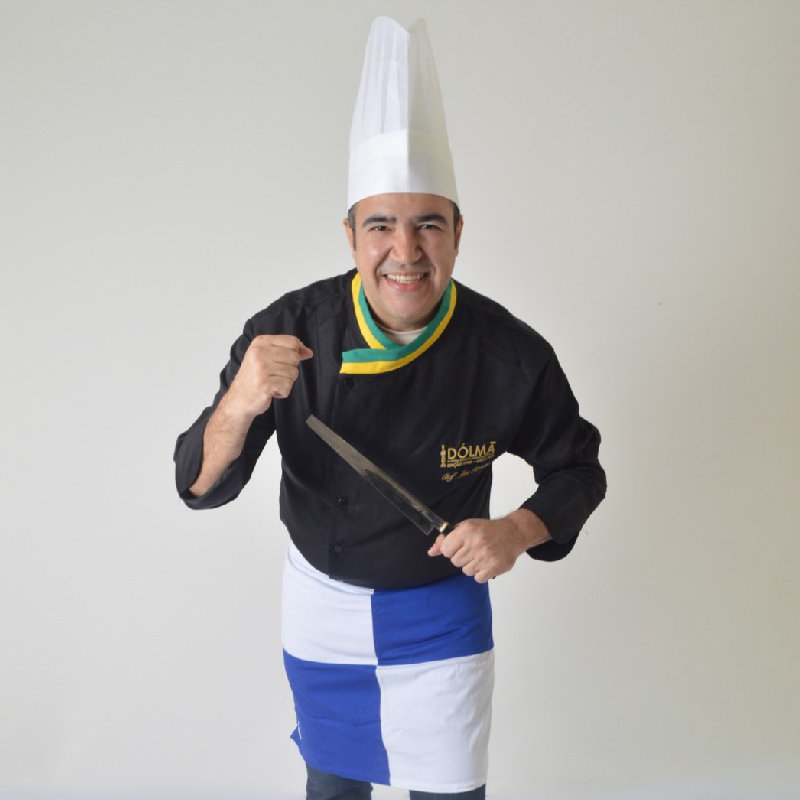
Chef Alex Ferreira
From R$ 1,485.00
Chef Fernanda Souza
From R$ 704.00
How Your Korean Chef Experience Works in Duque de Caxias
Tell Us Your Occasion and Neighborhood
A birthday feast in Jardim Primavera, a date night in Vinte e Cinco de Agosto, or a country-house weekend in Xerém — share the occasion, guest count and address, and we match you with a Korean cuisine specialist who serves the Baixada.
Plan the Menu and the Grill Format
Your chef designs the menu with you: full tabletop BBQ, a banchan-and-bibimbap dinner, or a fried-chicken night. Spice levels are calibrated per guest — essential when three generations of a Nordestino family share one table.
The Chef Handles All Sourcing
Korean pantry staples — gochujang, gochugaru, sesame oil, glass noodles — travel with the chef, while fresh produce, meat and eggs come from the Feira de Duque de Caxias, the Mercado do Produtor and the sítios of the 4th district. You buy nothing.
Grill, Feast, and Walk Away from the Dishes
The chef arrives with tabletop grills and equipment, cooks every course, manages the BBQ service, and leaves your kitchen spotless. Your only job is deciding who gets the last piece of galbi.
Frequently asked questions
The price depends on the package, minimum quantity and inclusions. Check the published packages on this page or the chef's profile for the minimum-order total and whether ingredients are included. Add-ons can change the final amount, shown before payment.
myChef chefs serve Duque de Caxias directly — Jardim Primavera, Campos Elíseos, Centro, Saracuruna, and even country houses in Xerém and Imbariê. Pricing is quoted for your address upfront.
No. Your chef brings portable tabletop burners and Korean grill plates sized for your group. If you have a quintal churrasqueira, the chef can also run galbi and bulgogi over your own charcoal — a hybrid Caxias-Seoul barbecue that works beautifully for larger gatherings of 12-20.
Yes — this is standard for Caxias's large extended-family tables. Gochujang-based sauces are served on the side, kimchi comes in mild and fully fermented versions, and dishes like bulgogi, japchae and fried chicken with soy-garlic glaze are naturally kid-friendly. Tell your chef the age range and they'll balance the menu.
Yes. Weekly Korean meal prep runs R$70-220 per week: bibimbap bowls, japchae, marinated proteins and jjigae portions that reheat well at any hour — built for refinery turno schedules where dinner might happen at 6 a.m. The chef preps in your kitchen or delivers ready-to-heat containers.
Book a Korean Personal Chef in Duque de Caxias
Tabletop galbi in your quintal, banchan for the whole family, and fried chicken that never saw a delivery bag — Seoul comes to the Baixada, no bridge required.
- Menu and price on screen before you book
- The chef confirms within 24h
- Full refund if the chef declines