
 Private dinner
Personal Chef — Cuisine
Thai Personal Chef in Rio de Janeiro
The sweet-sour-salty-spicy balance that defines Thai cuisine—impossible to nail from a jar, transformative when built from fresh curry pastes pounded that morning. Our Thai personal chefs bring fragrant lemongrass, galangal, kaffir lime and wok fire to your Rio de Janeiro home for an experience no Thai restaurant in the city comes close to matching.
See experiences in Rio de Janeiro
Chat with the chef after booking
Chef confirms in 24h
Protected payment
Thai cuisine experiences in Rio de Janeiro
Private dinner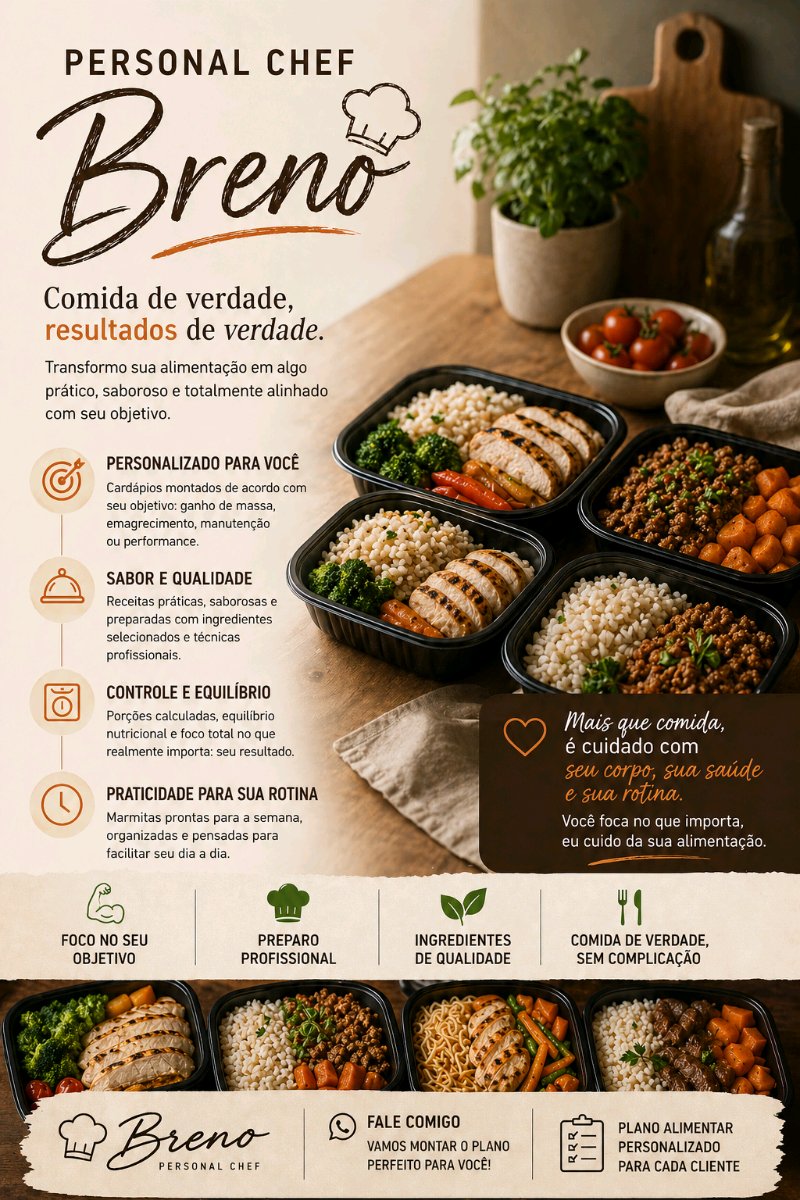 Weekly meal prep
Custom meal prep / personalized lunchbox
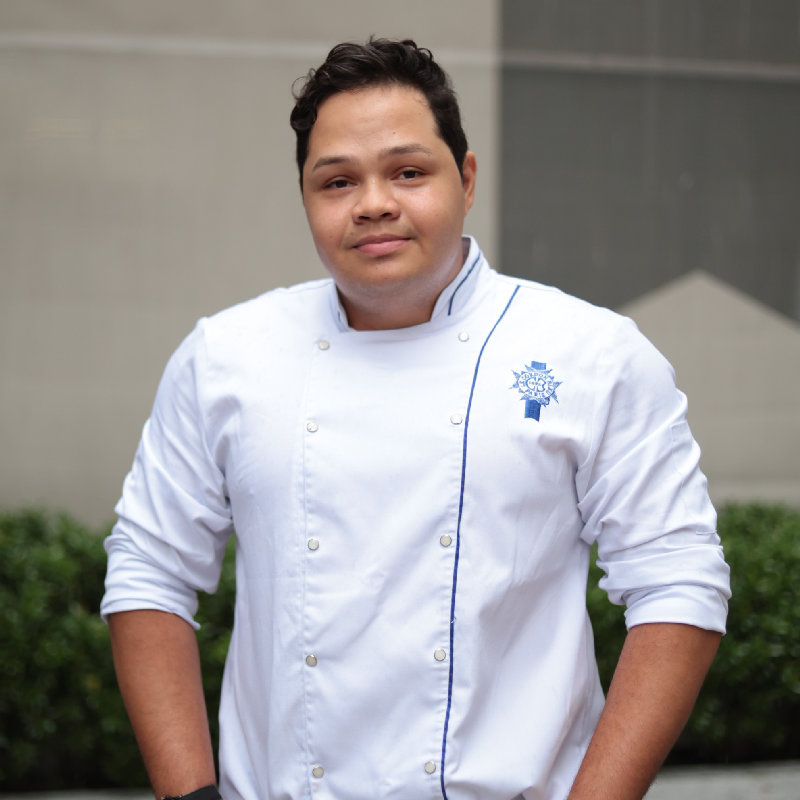 Chef Breno Felix
Rio de Janeiro
From R$ 220.00 · for up to 50 lunch boxes
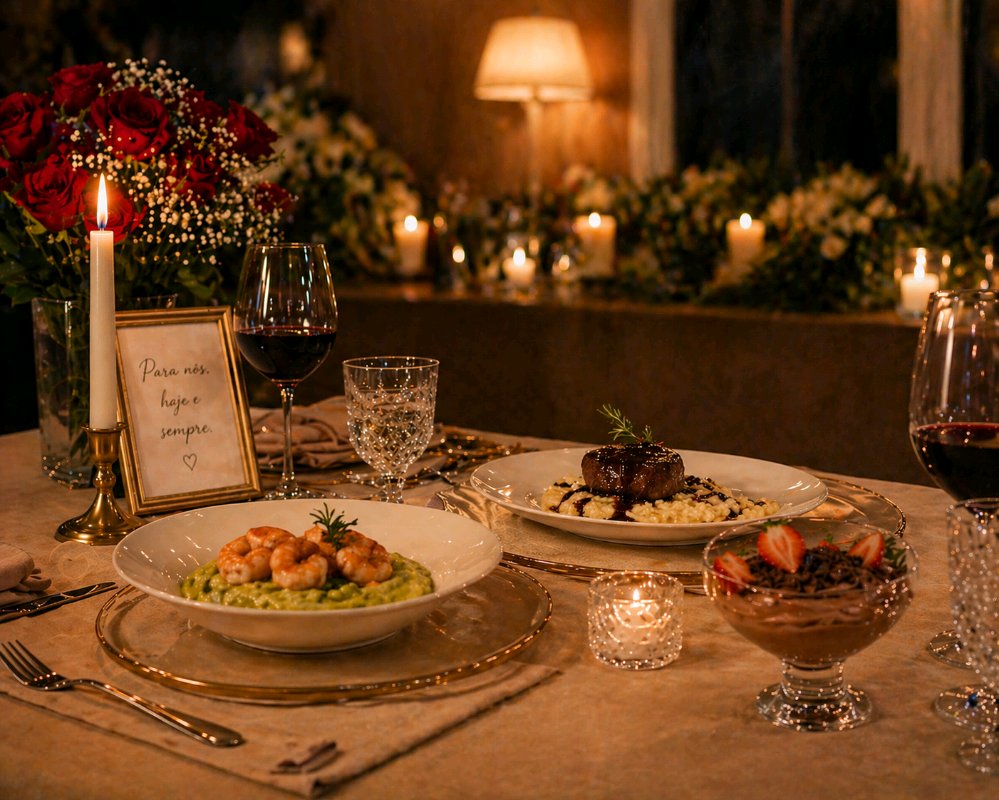 Private dinner
Cooking class
Why Thai Cuisine Is Extraordinary at Home in Rio
Rio's Tropical Pantry Mirrors Thailand's
Thai cooking relies on fresh aromatics—lemongrass, galangal, fresh lime leaves, coconut milk—that are either available in Rio or have close tropical equivalents. Fresh coconut milk is easily sourced at Cadeg in Benfica. Lemongrass grows in Rio's gardens. The aromatic bridge between the two tropical cultures makes Thai cooking feel at home in Rio's kitchens in a way it doesn't in colder cities.
A Cuisine That Still Surprises Rio's Food Scene
Rio has excellent Japanese, Italian and increasingly Peruvian food, but authentic Thai is still genuinely rare. Most Brazilian encounters with Thai cuisine are padded with substitutions, missing the real fresh curry pastes pounded from whole aromatics, the wok heat that makes pad thai sing, and the complexity of a proper tom kha. A personal Thai chef delivers the real thing—and Rio's adventurous food lovers are ready for it.
Thai Food Is Built for Rio's Social Dining Culture
A Thai dinner arrives in waves of shared dishes—green curry, pad thai, som tam, spring rolls—each on the table at once, designed to be tasted and passed around. This is exactly how Cariocas already eat: communally, generously, with an eye on what everyone else has. A Thai multi-dish dinner on a Botafogo rooftop or a Leblon terrace matches the city's social spirit perfectly.
Authentic Thai Dishes for Your Rio Dinner
Pad Thai
Fresh rice noodles wok-fried at extreme heat with egg, shrimp or chicken, tamarind water, fish sauce and palm sugar, finished with bean sprouts, scallion and lime—topped with crushed peanuts. The version that takes minutes to eat and takes years of wok technique to perfect.
Green Curry (Gaeng Keow Wan)
Curry paste pounded from scratch—fresh green chiles, lemongrass, galangal, kaffir lime skin, coriander root, shrimp paste—dissolved into fresh coconut milk with Thai eggplant, bamboo shoots and basil. The difference between this and a jarred-paste version is the difference between live music and a recording.
Tom Kha Gai
A soup balanced on the edge of sour and creamy: coconut milk scented with galangal, lemongrass and kaffir lime leaves, soured with lime and fish sauce, with tender chicken and mushrooms. Served as a starter in small cups or as a shared bowl, it immediately signals that this Thai dinner will be unlike anything your guests have had in Rio before.
Som Tam (Green Papaya Salad)
Unripe papaya shredded in a mortar with dried shrimp, palm sugar, lime juice, fish sauce, fresh chiles and cherry tomatoes—pounded just enough to bruise and release the juices. Rio's tropical climate means green papaya is accessible year-round, making this the most locally resonant dish on the menu.
Mango Sticky Rice
Sweet glutinous rice cooked in fresh coconut milk and palm sugar, served warm with ripe Alphonso-style mango, a drizzle of salted coconut cream and toasted sesame. In a city where mangoes arrive at every feira in peak season, this dessert bridges Thailand and Rio with one perfect bite.
Thai Cuisine in Rio de Janeiro
Thai food is one of the world's most globally adored cuisines, and yet it remains genuinely rare in Rio de Janeiro at the level of authenticity a personal chef delivers. The few Thai restaurants in the city offer approachable versions, but the real experience—curry paste pounded by hand, wok fired at restaurant-grade heat, coconut milk pressed fresh that morning—is something that barely exists here. A personal Thai chef in Rio is not filling a crowded market; they're opening a door most Cariocas haven't walked through yet.
The tropical connection between Thai and carioca cooking is real. Both cuisines depend on fresh coconut milk, bright lime, fresh herbs and the kind of aromatics that grow in tropical heat. Rio's feiras sell green papaya, fresh lemongrass, young coconuts and ripe mangoes—staples that allow a Thai chef to cook authentically without compromise. The pantry gap is narrower than most imagine.
Thai cuisine also plays beautifully to Rio's social dinner culture. A Thai feast is never one dish—it's a table of shared plates: a curry here, a noodle dish there, a salad for balance, a soup for warmth. Guests reach across the table, try everything, compare notes. On a rooftop in Botafogo or around a long table in Leblon, that communal format matches the city's spirit perfectly and creates an evening that's as much about the sharing as it is about any individual dish.
Chefs for Thai cuisine in Rio de Janeiro


Chef Maurivan Mendes
From R$ 1,320.00
Chef Breno Felix
From R$ 220.00
How to Book a Thai Personal Chef in Rio de Janeiro
Tell Us About Your Dinner
Share your guest count, the occasion, spice preference and whether you want a focused multi-curry experience or a full Thai street-food-style feast. We use these details to match you with the ideal chef for your vision.
Confirm the Menu with Your Chef
Your Thai personal chef discusses the menu in detail—covering which curry pastes they'll pound from scratch, whether fresh seasonal seafood from Rio's markets should replace standard options, and how to calibrate heat across the table for mixed spice tolerances.
Aromatic Sourcing the Morning of the Dinner
Your chef sources fresh lemongrass, galangal, coconut milk, kaffir lime leaves and dried aromatics on the day of the event—from Cadeg in Benfica, Asian specialty stores in Centro, and the nearest feira for fresh herbs and tropical produce. Curry pastes are pounded fresh, not retrieved from a jar.
Fragrant, Vibrant Thai Food at Your Rio Table
Your chef arrives with the aromatics and sets up the wok. As lemongrass and galangal hit the pan, your home fills with scents that transport your guests before the first dish arrives. Dishes come to the table shared-style, all at once, with rice and accompaniments—precisely as a Thai dinner is meant to be eaten.
Frequently asked questions
Thai cooking is adjustable to any spice level—and a skilled chef manages this by changing how much fresh chili goes into the curry paste and adjusting fish sauce and palm sugar balance accordingly. Your chef discusses tolerance levels before cooking and can deliver a fully authentic Thai meal that's mild, medium or proper-hot depending on your group's preference.
Yes. Thai cuisine offers genuine vegetarian depth—vegetable green curry, tofu stir-fries, mushroom-based dishes, papaya salad adapted without dried shrimp, and desserts that are naturally plant-based. A pescatarian menu centered on shrimp, squid and fish is equally easy to construct and extremely popular.
Your chef sources from multiple locations: Cadeg market in Benfica for fresh coconut milk and aromatics, Asian specialty stores in Centro and Botafogo for dried ingredients, kaffir lime leaves and lemongrass, and the local feira for fresh herbs and tropical produce. The complete Thai pantry is achievable in Rio without shipping or substitution.
Yes. A hands-on Thai cooking experience—where guests pound curry paste in a mortar, toss pad thai in the wok, and taste at every stage—is one of our most popular formats. It works for groups of 4 to 12 and combines the cooking lesson with the full dinner experience. Book through myChef and specify the interactive format when you reach out.
For most dinners, 4–5 days in advance is sufficient as the fresh aromatic ingredients can be sourced relatively quickly. For larger group events, Réveillon, Carnival or holiday parties, book 2 weeks ahead. Weekend slots fill faster than weekday ones.
Book Your Thai Personal Chef in Rio de Janeiro
Curry pastes pounded from scratch, wok-fired noodles and coconut curries fragrant with lemongrass—real Thai cuisine, at your Rio de Janeiro home tonight.
- Menu and price on screen before you book
- The chef confirms within 24h
- Full refund if the chef declines