Event at home
cooking class · Vitória
Cooking Classes in Vitória: Learn Moqueca Capixaba in the Clay Pot It Was Born In
Capixabas will tell you theirs is the original moqueca — no dendê, no heaviness, just fish, tomatoes, urucum and a panela de barro. A personal chef teaches you to make it properly, in your own kitchen, with seafood off the morning boats.
See other experiences in Vitória
Chat with the chef after booking
Chef confirms in 24h
Protected payment
Other experiences in Vitória
None of them has this specialty listed in our catalog. Each experience shows its menu and what is included.
Event at home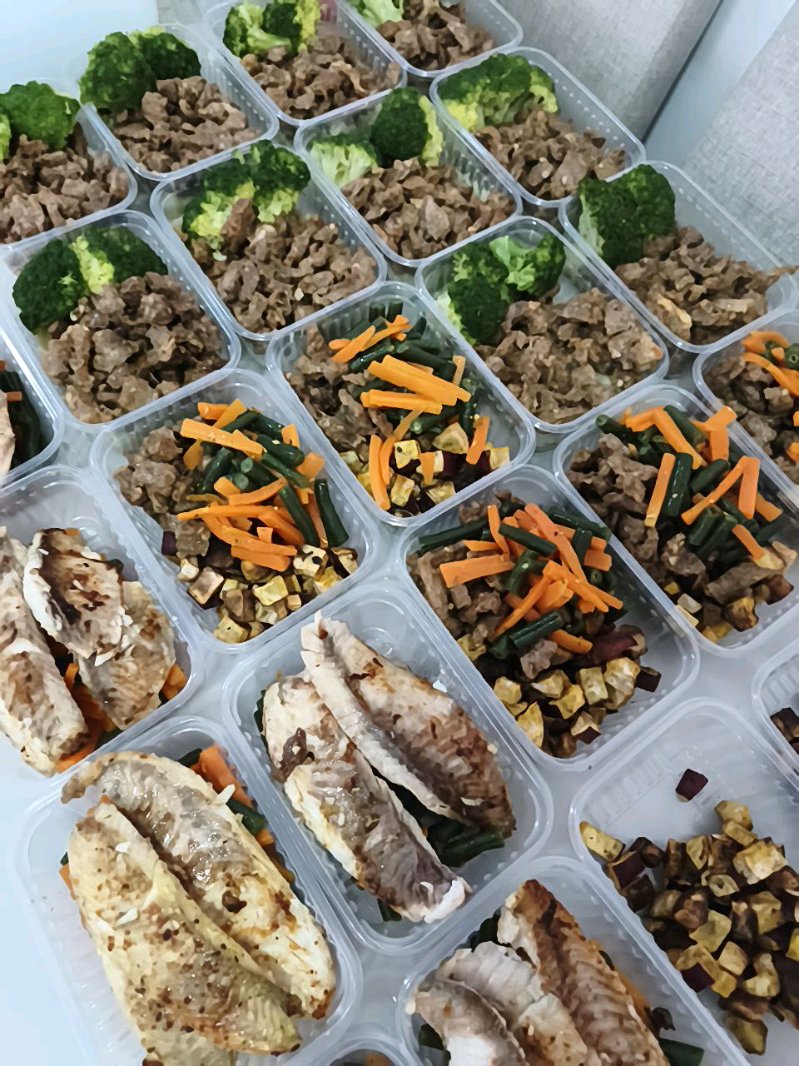 Weekly meal prep
Class Themes to Choose in Vitória
Ideas to bring to the conversation with your chef. Each chef's own menu is on their experience page.
Other chefs in Vitória
None of them has this specialty listed in our catalog. Each profile shows what they offer.
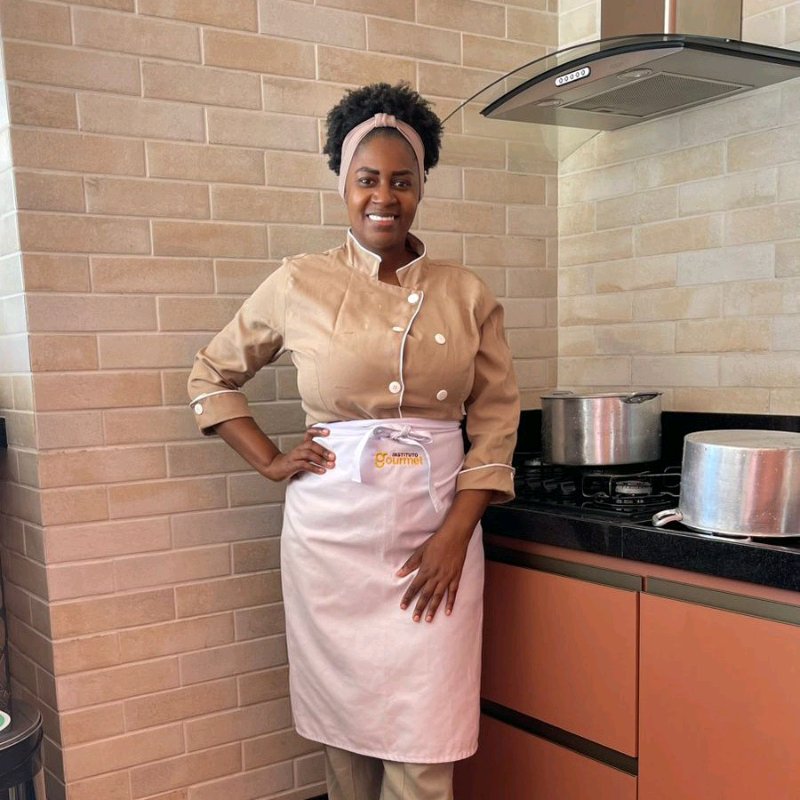
Personal Chef Lu
From R$ 605.00

Chef Rô
From R$ 220.00
Why Take a Private Cooking Class in Vitória?
Moqueca Capixaba Is a Technique, Not Just a Recipe
The lightness that separates capixaba moqueca from its Bahian cousin is deceptively hard to achieve: the clay pot's heat behavior, the layering of fish so it cooks without breaking, the balance of urucum, lime and coentro with no dendê or coconut milk to hide behind. Restaurants guard their versions; a personal chef hands the method over — including how to season, cure and care for the panela de barro itself.
The Coast Delivers Your Ingredient List
Class ingredients come from the source: fresh catch from Vitória's fishing villages, shrimp from Anchieta, shellfish sold loud and early at the Mercado da Vila Rubim, produce down from the Santa Teresa highlands. Your chef shops that circuit the morning of your class, so the fish hitting your clay pot in Praia do Canto or Jardim da Penha was swimming the day before.
A Skill That Pays Off Every Summer
For families with a beach house in Guarapari, couples in Jardim Camburi apartments, or executives who entertain in Enseada do Suá, moqueca is the dish guests actually hope you'll serve. One class covers the full arsenal — moqueca, pirão made from the broth, arroz branco soltinho — and turns every future summer weekend into an event you host with confidence.
Learning to Cook in the Moqueca Capital of Brazil
Vitória's claim to the original moqueca is serious business — capixabas consider the Bahian version a different dish entirely, and the difference is the whole lesson: no dendê, no coconut milk, just impeccably fresh fish, tomatoes, onions, coentro and urucum slow-cooked in a panela de barro. Those black clay pots, still shaped by hand by the paneleiras of the Goiabeiras neighborhood using techniques recognized as Brazilian cultural heritage, are not props; the porous clay and gentle heat retention genuinely change how the fish cooks. A class here starts with the pot and builds outward.
The city's island geography does the sourcing. Fishing boats supply the day's catch, the Mercado da Vila Rubim moves shellfish and produce from dawn, shrimp comes up the coast from Anchieta, and the mountain towns behind Vitória — Santa Teresa and its Italian-immigrant heritage — send down vegetables, coffee and a pasta-and-polenta tradition that shows up in the city's home cooking more than visitors expect. Chefs teaching in Praia do Canto, Mata da Praia and Jardim da Penha work this entire supply chain into a single class.
Two calendar notes matter. Easter is the torta capixaba season — the layered seafood torta is Espírito Santo's most sacred food tradition, and classes teaching it book out three to four weeks before Semana Santa. And from December to March, the Guarapari beach house season fills weekends, when families book chefs to teach group classes at the coast. Winter months offer the calmest scheduling and the most chef attention.
How Your Class Works
Choose Your Theme
Go classic with moqueca capixaba, seasonal with torta capixaba before Easter, or broader with a seafood menu for entertaining. Tell us your group size (2–8), skill levels, dietary needs and whether the class happens in Vitória, Vila Velha or a Guarapari beach house.
The Chef Shops the Coast
Your chef plans 2–3 hands-on dishes and sources them the morning of class — fish and shellfish from the Mercado da Vila Rubim and trusted fishmongers, Anchieta shrimp, highland produce. If you don't own a panela de barro, the chef brings one.
Cook Hands-On, About 3 Hours
You do the real work under live correction: cutting and layering the fish, building the urucum base, making pirão from the moqueca broth, timing the clay pot's slow heat. The chef explains the why behind every step and the history the dish carries.
Eat It Overlooking the Water — Then Keep the Skill
Class ends with the meal you made, served at your own table or terrace. You keep written recipes, the chef's clay pot care guide, and a clean kitchen. Many students book a second session to graduate to torta capixaba.
Frequently asked questions
The price depends on the package, minimum quantity and inclusions. Check the published packages on this page or the chef's profile for the minimum-order total and whether ingredients are included. Add-ons can change the final amount, shown before payment.
No — the chef brings a properly cured clay pot if you don't have one. If you want your own, the handmade pots from the paneleiras of Goiabeiras are the authentic choice, and your chef can advise on size and teach you the traditional curing process during class so it's ready for solo use.
Yes, and it's the smartest booking of the year — but plan ahead. Torta capixaba classes concentrate in the three weeks before Semana Santa and sell out roughly a month in advance. The class covers the seafood base, the egg structure and make-ahead strategy, so your torta comes out of your own oven on Good Friday.
Yes. Vila Velha (Praia da Costa, Itapuã) falls within normal service range, and Guarapari beach houses are a popular summer booking. Confirm the kitchen setup when booking; chefs bring any specialty equipment a rental kitchen lacks, including the clay pot.
Definitely. Chefs here also teach the region's highland side: Santa Teresa's Italian-immigrant cooking, chicken moqueca as a legitimate capixaba variation, and contemporary Brazilian menus. Tell us your preferences and the lesson plan is built around them — the hands-on method is the same regardless of the menu.
Book Your Cooking Class in Vitória
Anyone can order a moqueca. Learning to make the real one — clay pot, morning-fresh fish, pirão from the broth — is a different kind of souvenir. Your kitchen, your chef, your skill.
- Menu and price on screen before you book
- The chef confirms within 24h
- Full refund if the chef declines