The Anatomy of a Perfect Chá de Bebê Menu
Brazilian baby showers — chá de bebê — typically run from late morning through early afternoon, making them a natural brunch-to-lunch hybrid. The food landscape spans sweet and savory simultaneously: finger sandwiches, mini quiches, pão de queijo fresh from the oven, fresh fruit skewers, and a dessert table anchored by the bolo principal (the main cake) surrounded by docinhos, brigadeiros, and individually plated sweets.
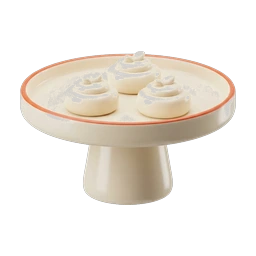
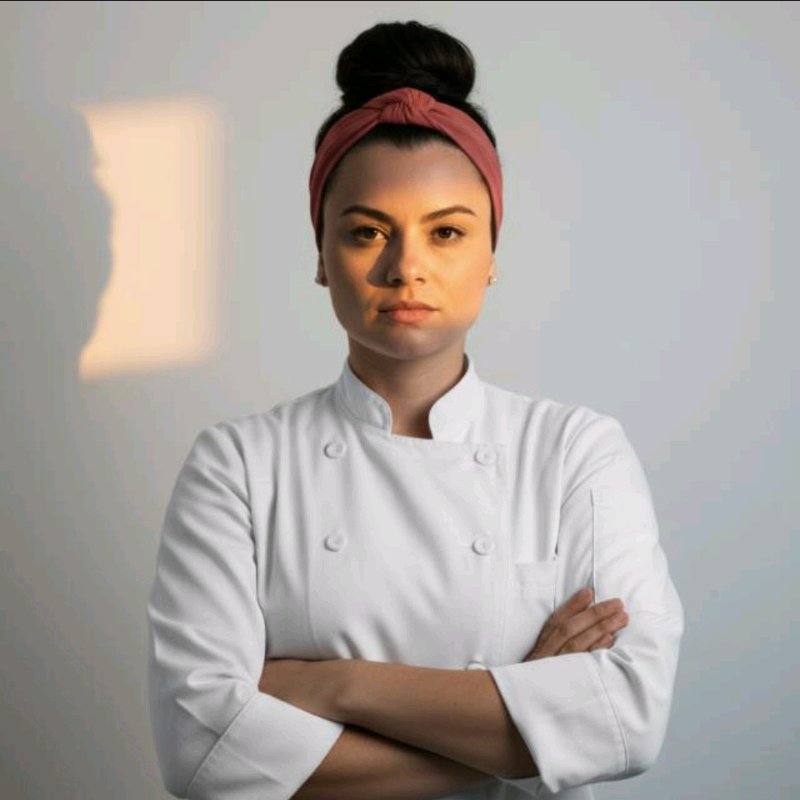
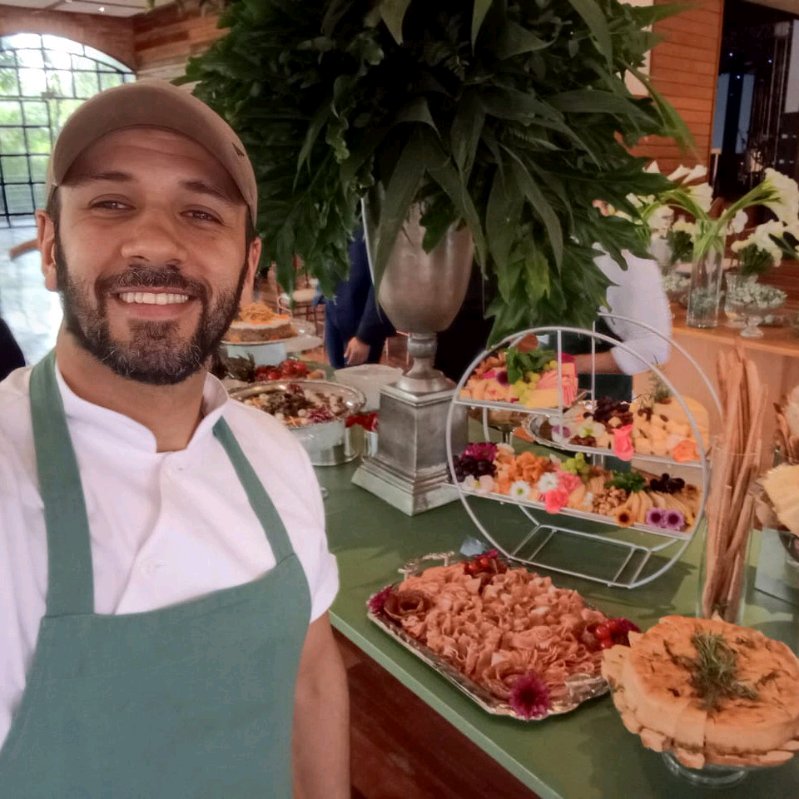
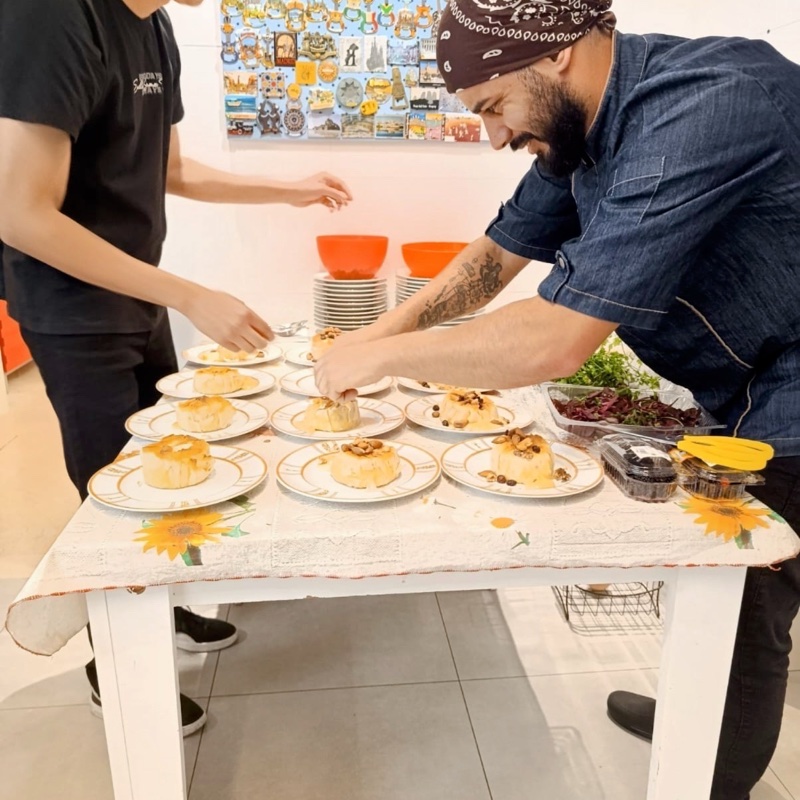
Personal chefs design these tables as visual compositions as much as menus. Varying heights (cake stands, pedestals, flat platters), colors that match the event's palette, and the interplay of sweet and savory create a table that guests naturally gravitate toward and photograph. The chef works with the event decorator — or with you directly — to ensure the food presentation aligns with the party's aesthetic.
A well-planned chá de bebê menu for 30–40 guests might include three to four savory finger-food options, two to three sweet non-cake items, fresh seasonal fruit, a juice and sparkling water station, and the cake. Personal chefs typically charge R$120–R$250 per person for this format, with prices depending on premium ingredients (imported cheeses, artisan chocolates) and the complexity of bespoke desserts.
Pro Tip
Ask your chef to include a salgado (savory bite) that is labeled clearly as 'sem glúten' and one that is 'sem lactose' — pregnant guests and family members often have restrictions, and clear labeling removes any social awkwardness.
Gender Reveal Menus: The Color Reveal Moment in the Food
Gender reveal parties have added a new dimension to baby celebration catering: the reveal itself can live in the food. Personal chefs design this in multiple ways — a cake cut to reveal a pink or blue interior (always coordinated in advance with the couple), individually boxed colored brigadeiros distributed right before the reveal, or a chilled punch that turns color when the host drops in a packet of edible color.
The drama of the reveal moment elevates the entire party, and a chef who has done several gender reveals knows exactly how to time and sequence it so the food reveal happens seamlessly alongside balloons, confetti, or smoke cannons. Brief your chef on the format and confirm they will keep the secret — a good professional treats the reveal color as seriously as a medical confidence.
Beyond the reveal moment, gender reveal menus often adopt the palette of the reveal — blue and white desserts for a boy, pink and gold for a girl, or a neutral yellow-and-green aesthetic for a surprise party. Edible flowers in specific colors, macaron towers color-matched to the palette, and buttercream piped in coordinating hues make the table a complete visual statement.
✓Choose your reveal vehicle
Inside of the cut cake, individual boxed sweets, colored punch, or a surprise dessert brought out by the chef.
✓Share the reveal color with the chef only
Give the chef the color in a sealed note or a private message — they are the only person (besides the couple) who needs to know.
✓Coordinate with the decorator
The chef's food palette and the decorator's balloons and flowers should be color-matched. Introduce them early.
✓Plan the timing
Build the reveal into the event schedule — usually 60–90 minutes after guests arrive, when everyone is there and the energy is high.
✓Have a neutral dessert option ready
Some guests may be leaving before the reveal. Have neutral-colored sweets available throughout so everyone eats.
Savory Finger Foods That Work Beautifully at Baby Showers
Baby shower food needs to be easy to eat while standing, holding a drink, and talking — which means bite-sized, not messy, and varied enough to sustain guests for two to three hours. Personal chefs build savory selections around this constraint without sacrificing quality.
Classic choices include mini tortinhas de frango (chicken tartlets with catupiry cream), wrap rolls with cream cheese and smoked salmon, bruschetta with roasted cherry tomatoes and fresh basil, and pão de queijo stuffed with a sliver of queijo minas cured for three months. For a more elevated take, chefs add mini croque-monsieur pressed in a panini iron, gougères (French cheese puffs that bridge the savory-sweet line elegantly), and cucumber rounds topped with cream cheese and dill.
Chefs working with groups that include pregnant guests automatically avoid raw fish (smoked salmon is acceptable if hot-smoked), undercooked eggs, and soft unpasteurized cheeses. These substitutions happen without drawing attention — a well-briefed chef simply builds around them from the start.
Pro Tip
A live pão de queijo station — where the chef bakes them in a small countertop oven and serves them hot throughout the event — is consistently the most talked-about food moment at any chá de bebê. The aroma alone draws guests in.
Dessert Tables: The Visual and Gustatory Centerpiece
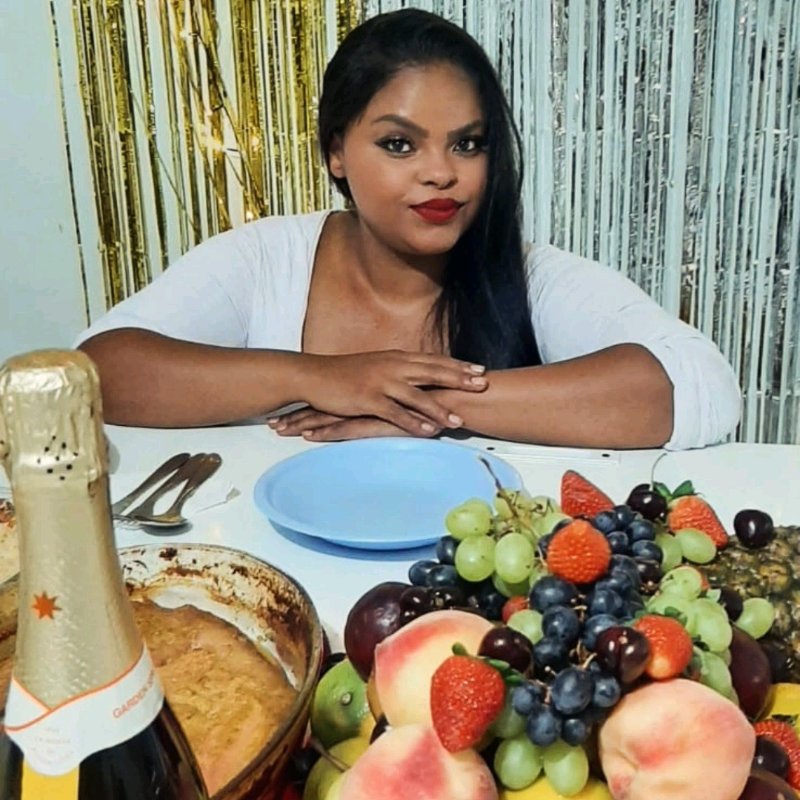
The dessert table is the most photographed element of any Brazilian baby shower, and personal chefs approach it with the eye of a food stylist. A typical dessert spread includes the main cake (two to three tiers, fondant or buttercream, aligned with the party's theme), brigadeiros in three to four flavors, cajuzinhos (cashew nut sweets), beijinhos, mini pavês in individual cups, and fresh seasonal fruits arranged in clusters.
For elevated baby showers, chefs add macaron towers (shipped in from artisan producers in São Paulo or made in-house), petit fours with piped ganache, chocolate truffles dusted with cocoa or colored lustre dust, and individual cheesecake jars. The aesthetic goal is abundance without chaos — each item clearly labeled, color-matched to the party palette, and accessible without the guest having to reach.
Brazilian party culture expects both volume and variety on the dessert table. A rule of thumb from experienced event chefs: plan for four to five sweet bites per guest, not including the cake. For 30 guests, that means 120–150 individual sweets across all types. This sounds like a lot until you see guests returning to the table three or four times.
Drink Stations That Feel Festive and Pregnancy-Friendly
Baby shower drinks require special thought because a significant portion of the guests — at minimum the guest of honor — are not drinking alcohol. Personal chefs often design a mocktail station as the centerpiece of the drinks area: sparkling water with fresh citrus and herbs, cold-pressed lemonades with lavender or mint, hibiscus iced teas, and a signature non-alcoholic punch that can be photogenic and themed to the party color.
A fresh agua de coco station — Thai coconuts served with a metal straw, or chilled coconut water in individual glass bottles — is both genuinely Brazilian and deeply appreciated by pregnant guests. It aligns perfectly with the health-conscious, festive tone of a baby shower.
If the couple wants to include alcohol for non-pregnant guests, the best approach is a dedicated prosecco or rosé station positioned separately from the mocktail station, so no guest feels conspicuous about their choice. A good chef helps design this dual-track drinks experience without it feeling divided.
How to Brief and Work with a Chef for Your Baby Shower
The most successful baby shower catering experiences happen when the host shares three things upfront: the aesthetic (a mood board or Instagram references work well), the guest list composition (how many adults, any children attending, dietary restrictions, the pregnant guest's current aversions), and the event timeline (arrival, reveal timing, lunch hour, cake cutting, end time).
Book at least three weeks in advance for a standard baby shower; six weeks for a large event or if you want bespoke desserts made from scratch by the chef. Last-minute bookings are possible but limit your options — the most sought-after chefs for baby celebrations are often booked four to six weeks out.
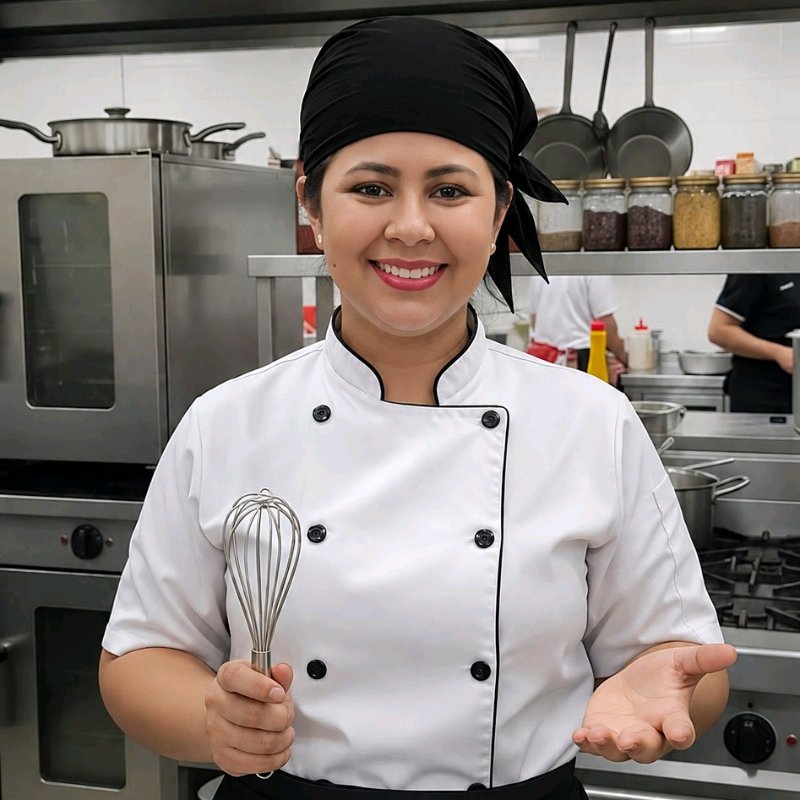
On the day, the chef typically arrives two to three hours before guests to set up. Confirm that your kitchen has adequate refrigerator space (chefs often need it for cold items), and clear counter space for the dessert table assembly. A brief walk-through a week before the event prevents almost every day-of logistical issue.
Pro Tip
Ask your chef to provide printed ingredient cards for each item on the dessert table. Guests with allergies appreciate knowing what is in each sweet, and the small cards add a polished, intentional detail that elevates the overall presentation.