Why Personal Chefs Are Becoming the Go-To for Despedida Celebrations
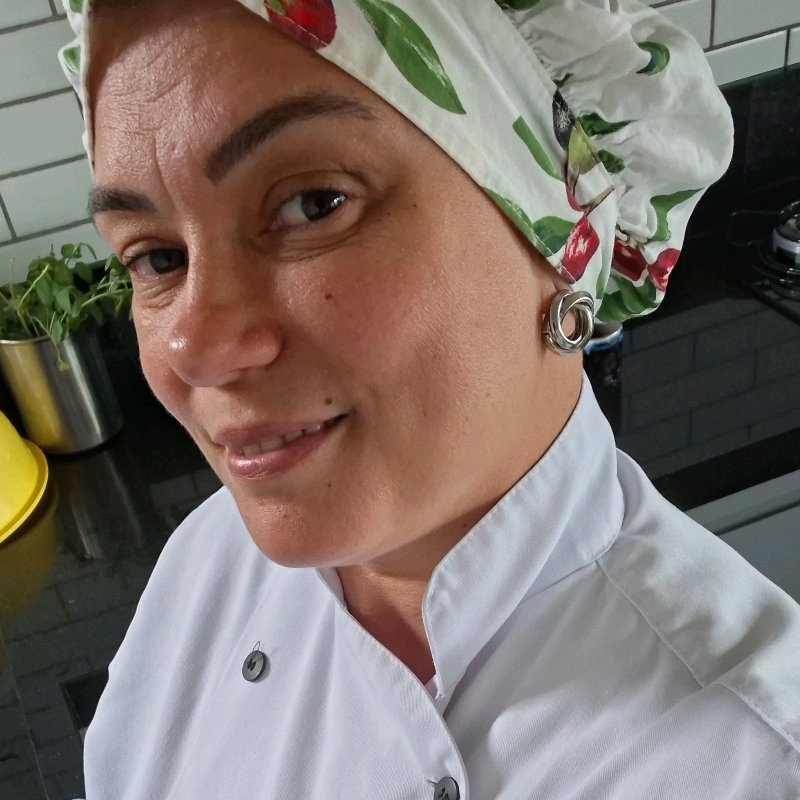
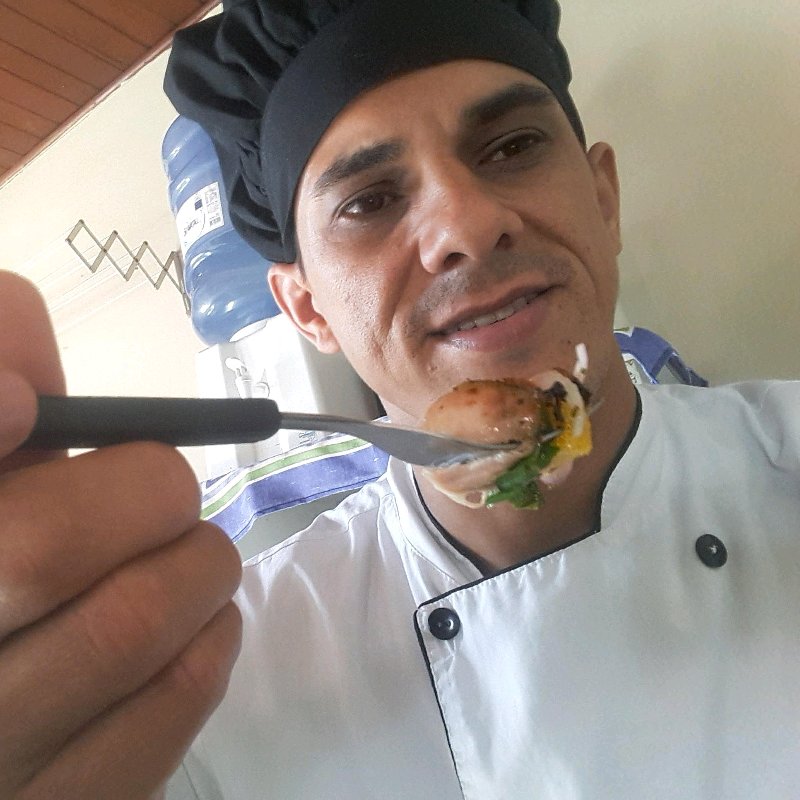
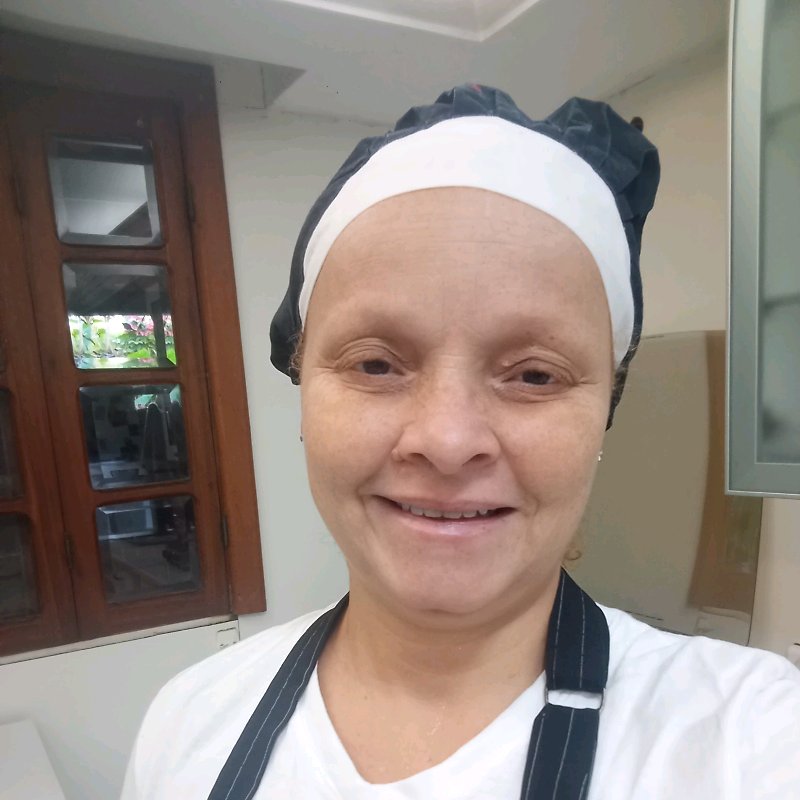
The Brazilian despedida de solteira has traditionally centered around spas, nightclubs, or beach trips. But an increasingly popular alternative — particularly among urbane groups in São Paulo, Rio, and Curitiba — is the chef-led culinary experience: intimate, interactive, and genuinely memorable in a way that transcends the conventional format. Personal chefs offer something a nightclub cannot: an experience that the group builds together, that generates conversation and laughter, and that results in a shared meal.
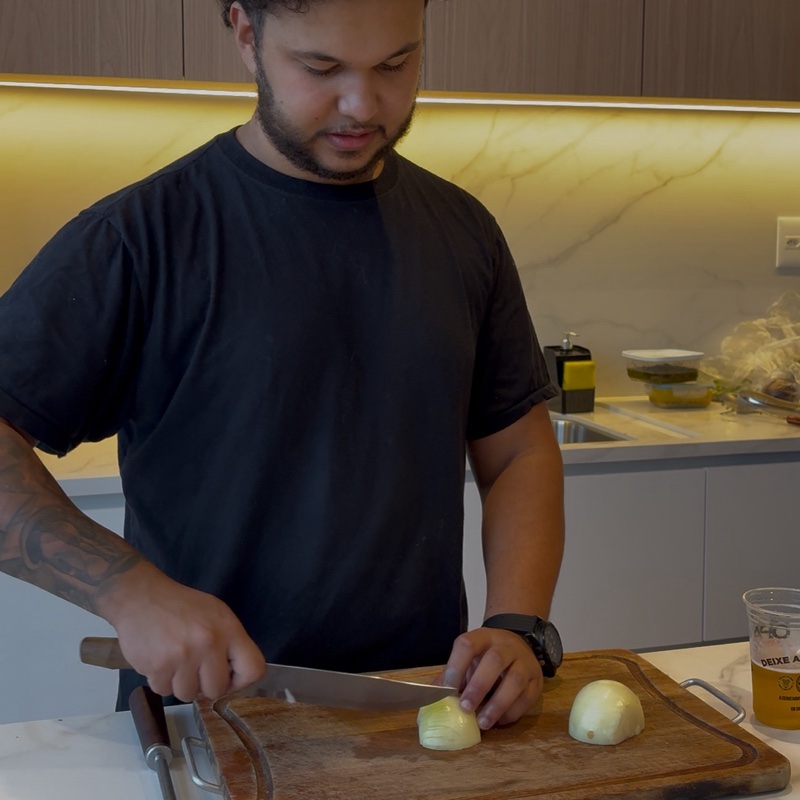
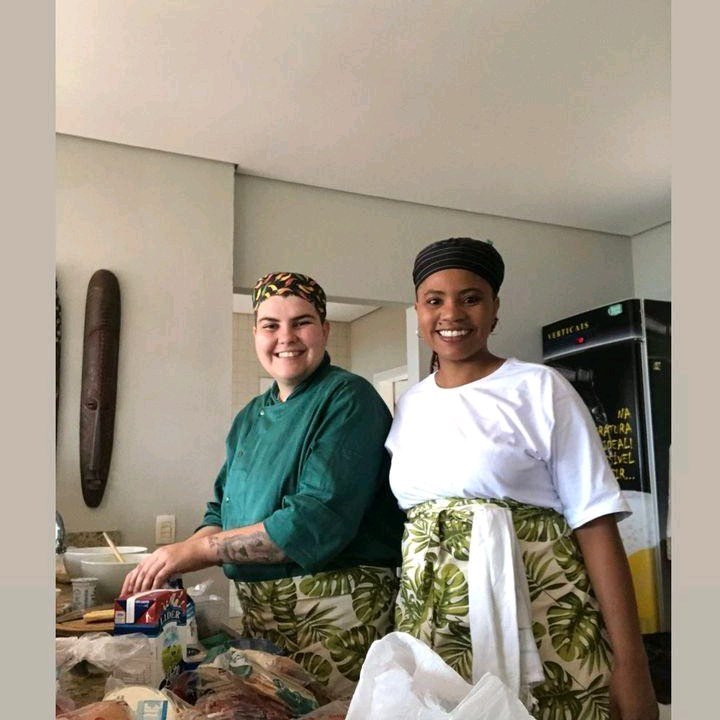
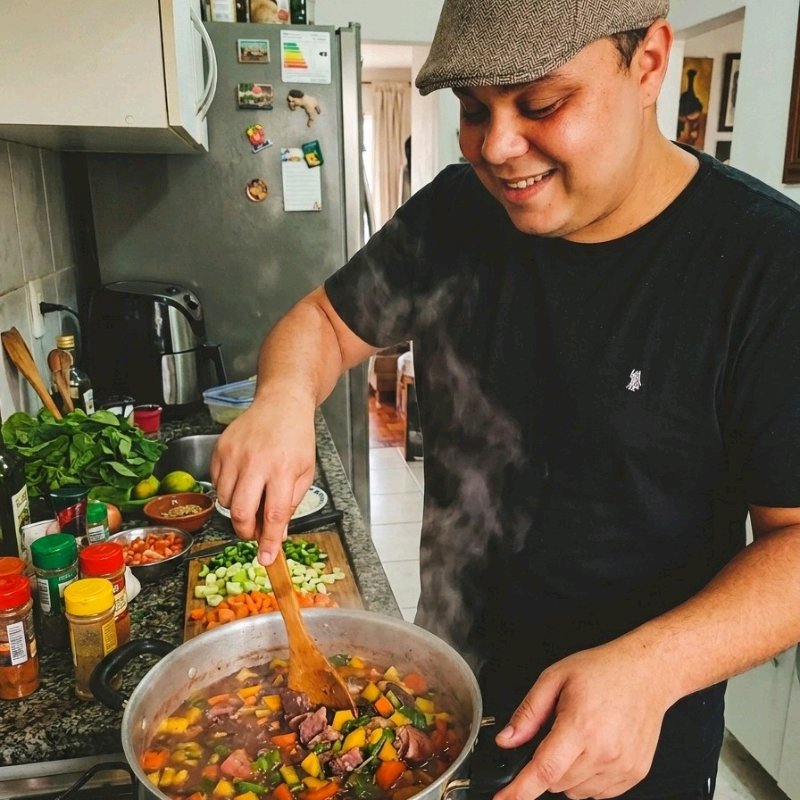
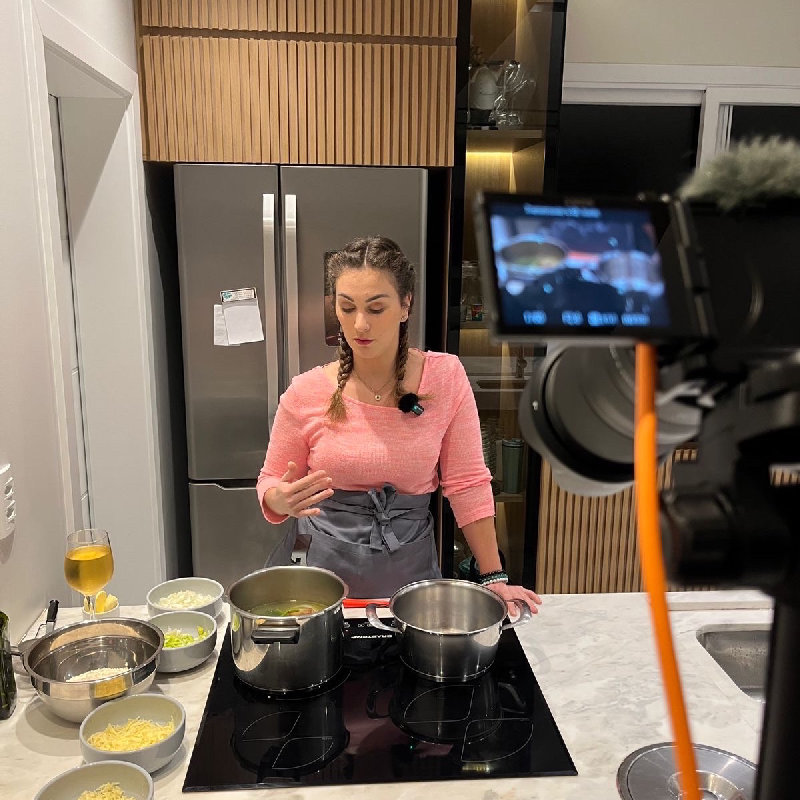
The most booked format is the private cooking class: a chef guides the group through making two to three dishes from scratch — often the bride's or groom's favorite cuisine — while everyone drinks, talks, and laughs around the kitchen island. The class typically runs two to three hours and culminates in eating what the group made together. For a group of eight to twelve friends, this format costs R$200–R$400 per person and is consistently rated as more memorable than a restaurant dinner.
For groups who prefer a more passive experience — where the food appears and the group celebrates without cooking — a personal chef can design an elegant cocktail party or a seated dinner that has the intimacy of a private home with the quality of a restaurant. This format works particularly well for mixed-gender despedidas or for larger groups where a cooking class would be logistically challenging.
Pro Tip
Ask the chef to design a signature cocktail named after the bride or groom — something that references their personality, their story, or their wedding theme. Served as the welcome drink at the start of the event, it sets the tone immediately and always generates a delighted reaction.
The Cooking Class Format: What to Expect and How to Plan It
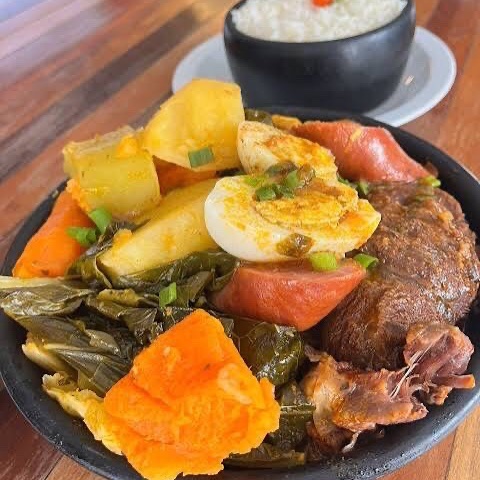
A chef-led cooking class for a bachelorette or bachelor party is structured as a guided experience, not a lesson — the emphasis is on fun and connection, not technique. The chef designs a menu of two to three dishes that the group can realistically make in two to three hours with varying levels of cooking experience. Popular choices include fresh pasta with two sauces, sushi and maki rolls (particularly popular for despedidas in cities with a strong Japanese-Brazilian culture, like São Paulo's Liberdade neighborhood), or a traditional Brazilian menu of dishes the group doesn't typically cook at home — moqueca, vatapá, or a classic Bahian caruru.
The chef manages the structure and ensures the food actually comes out well, while the group participates at their own level. Some guests take over the rolling pin enthusiastically; others pour wine and offer moral support. Both are valid, and a good chef reads the group energy and adjusts accordingly — pushing the engaged cooks further, keeping the experience light for those who are there more for the social energy than the cooking.
After the cooking session (which typically includes an apron for each participant, a printed recipe card to take home, and steady drink service throughout), the group sits down to eat what they made. This moment — eating together around a table after making the food — consistently produces the most relaxed, genuine conversation of the entire despedida celebration.
✓Choose the cuisine theme
Ask the bride or groom's closest friends what cuisine to focus on — it should reflect the guest of honor's tastes.
✓Group size for a cooking class
8–14 participants is ideal. Below 6 it can feel flat; above 16 becomes logistically difficult for one chef.
✓Aprons and recipe cards
Confirm whether the chef provides these — many do as part of the class package. They double as party favors.
✓Drinks coordination
Decide whether the chef includes drinks service or whether the group provides their own wine, prosecco, and beer.
✓Post-class dinner timing
The cooking and eating should flow together — plan two to three hours for the class and one to one-and-a-half hours for dinner.
Elegant Despedida Dinner: When the Group Wants to Be Served
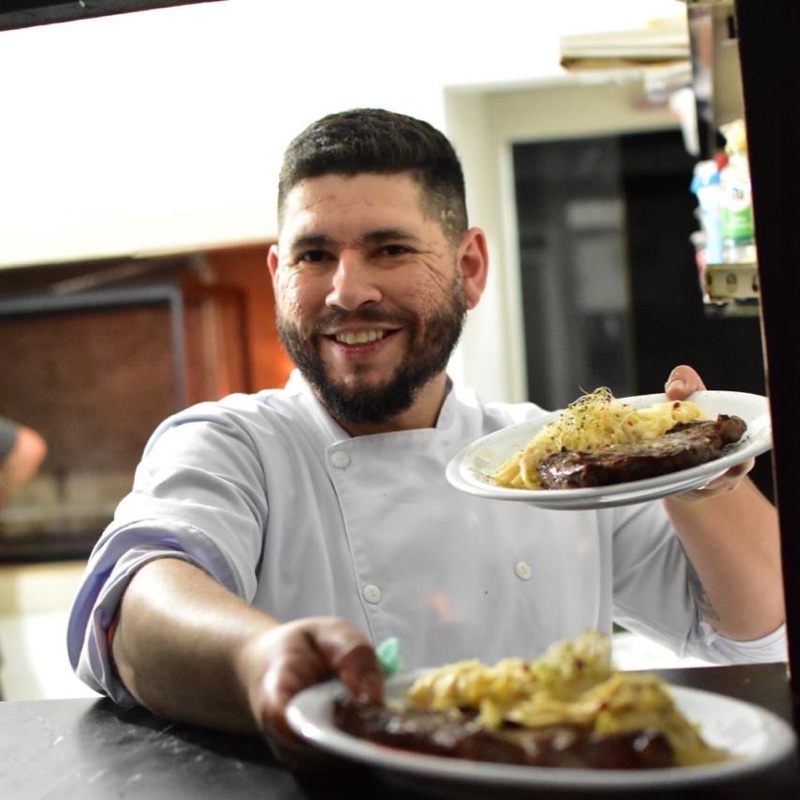
For groups that prefer the elegance of a private dinner over the interactivity of a cooking class, a personal chef designs a bachelorette or bachelor dinner that feels simultaneously festive and sophisticated. These dinners typically run three to four courses, served at a large table or a U-shaped setup that allows everyone to talk to everyone, with a theme that reflects the occasion.
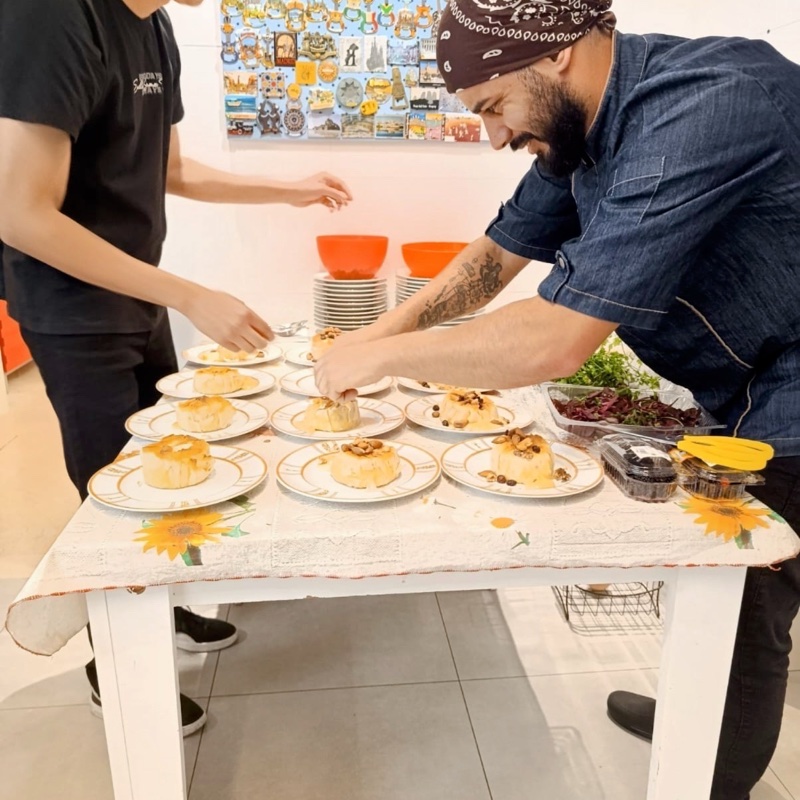
Personal chefs for despedida dinners often incorporate playful elements into a sophisticated menu: a champagne welcome with a signature cocktail, a charcuterie and cheese grazing board during the pre-dinner social hour, followed by a composed dinner of starter, main, and dessert. The dessert course often features a personalized element — a mousse in the shape of a wedding ring, a macaroon tower in the wedding's color palette, or individual chocolate boxes personalized with the bride's name.
Menu choice for despedida dinners often reflects the group's identity. A group of architects in São Paulo might lean toward a sophisticated Italian or French tasting menu. A group of friends from Bahia might want a proper moqueca followed by a cocada pudding. A mixed-gender despedida might gravitate toward a hearty Brazilian asado. Brief the chef on the group's personality as much as the guest of honor's preferences.
Pro Tip
For a despedida de solteira, many groups incorporate a 'confessions and wishes' card activity during dinner — small cards at each place where guests write a wish or memory for the bride. Coordinate the timing with the chef so a course is cleared before the cards are read aloud, creating a natural pause in the meal for this emotional moment.
Cocktail Party and Grazing Table Formats
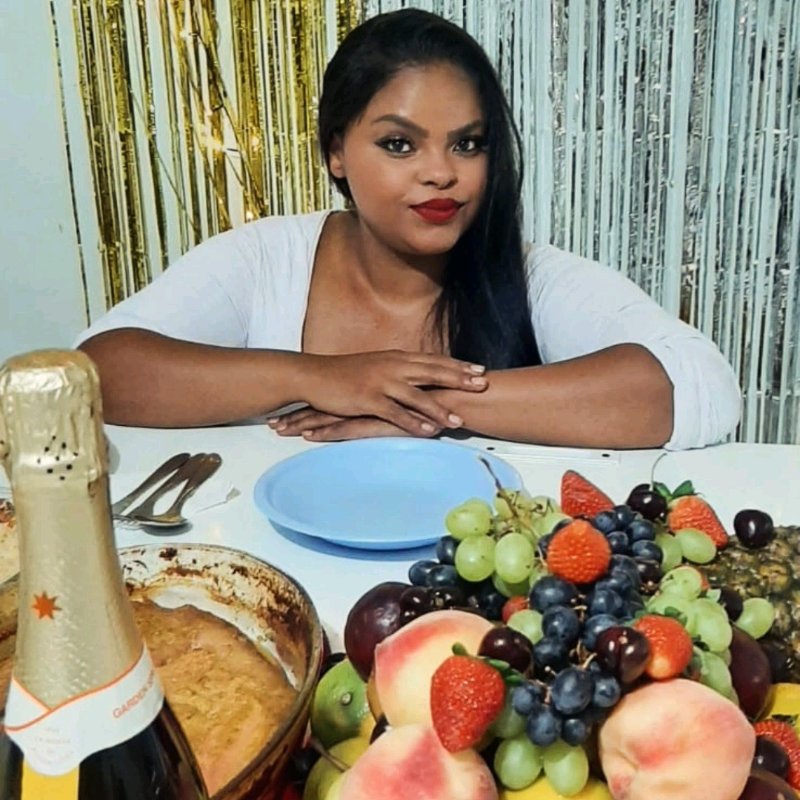
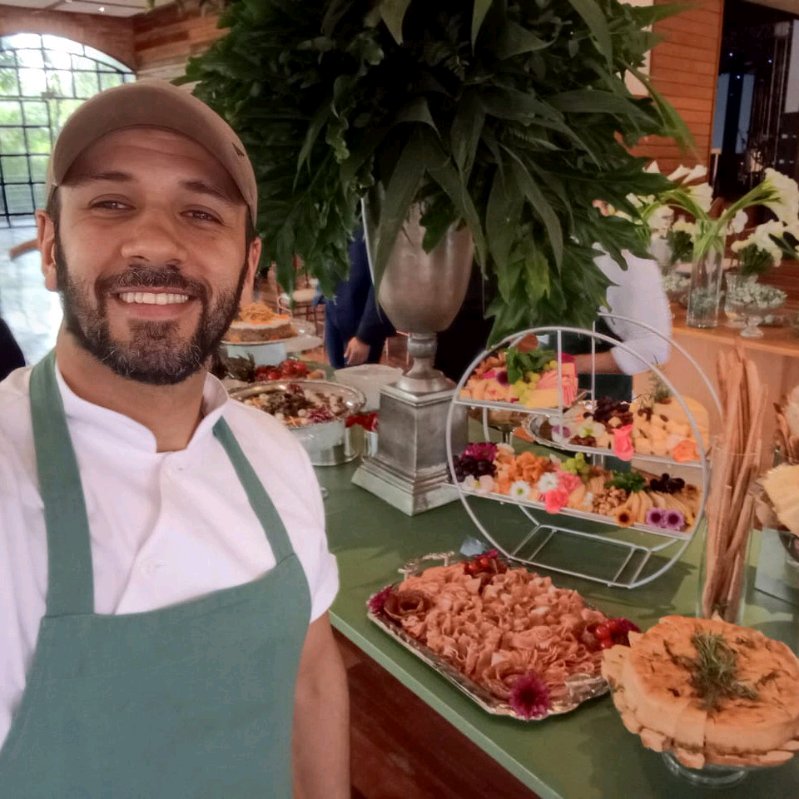
For larger groups (15–30 guests) or for hosts who prefer a flowing, social energy over a seated dinner, the cocktail party with grazing table is an excellent despedida format. A personal chef designs a generous grazing display — charcuterie, cheeses, fresh fruits, antipasti, dips and crudités, artisan breads — alongside three to four passed canapés that circulate throughout the evening on trays.
This format works particularly well for late-afternoon or early-evening despedida parties that transition into going out later — the food is generous enough to be a full meal but not so heavy that it derails evening plans. The grazing table is also highly photogenic, which matters for a Brazilian despedida where documentation for social media is part of the celebration culture.
Personal chefs charge R$150–R$250 per person for a cocktail-and-grazing format, significantly less than a seated dinner, and the format scales more easily to larger groups. Ask the chef whether the grazing table is assembled as a single composed display (more elegant, photograph-ready) or replenished throughout the event (more functional, less visual). For a despedida, the composed display almost always creates a better first impression.
Drinks Planning for a Despedida with a Personal Chef
Drinks are as central to a despedida as the food, and the best chef-led despedida events integrate drinks into the culinary experience. For a cooking class, continuous drink service throughout the session (prosecco, beer, a signature cocktail, and non-alcoholic options) keeps the energy high and the atmosphere festive. For a seated dinner, the chef can suggest wine pairings or design a matching cocktail for each course.
Brazilian despedida de solteira traditions have a rich vocabulary of pink and feminine drinks — rosé sparkling wine, hibiscus spritz, strawberry caipirosca — while bachelor parties often gravitate toward whisky sours, traditional caipirinhas, or craft beer selections. Neither is universal; the best approach is to ask the guest of honor what they actually love to drink and build from there.
For groups who want a 'mocktail-inclusive' despedida — increasingly common when one or more guests are pregnant, breastfeeding, or simply don't drink — ask the chef to design a parallel non-alcoholic menu of equal sophistication: hibiscus and elderflower spritz, fresh cucumber and mint agua fresca, passion fruit and ginger kombucha. Non-drinkers should never feel like they are getting the second-rate option.
How to Plan and Book Your Despedida Chef
Book your despedida chef three to six weeks in advance. Weekends — when most despedidas take place — fill quickly, especially in peak months (June, November, and December when weddings cluster). A cooking class requires slightly more lead time than a dinner because the chef needs to design the curriculum, source specialty ingredients, and (for some cuisines) source equipment like pasta machines or sushi rolling mats.
In your briefing, share: the format you want (cooking class, dinner, cocktail party), the approximate guest count, the guest of honor's culinary personality and preferences, any dietary restrictions in the group, and the space (apartment kitchen with a large island works perfectly for a cooking class; a living and dining room works better for a dinner or cocktail format). The more specific your brief, the more precisely the chef can propose a package.
Confirm what the chef provides: in a cooking class, do they bring ingredients, aprons, and recipe cards? In a dinner, do they bring plates and equipment or use yours? For a cocktail party, do they bring serving platters and labels? These logistics are more variable than in a restaurant context and clarifying them prevents day-of confusion.
Pro Tip
If you are coordinating a surprise despedida where the guest of honor doesn't know a chef is involved, brief the chef on the reveal plan. Many chefs incorporate a surprise reveal moment — appearing from the kitchen, presenting the first course with a little fanfare — that adds a delightful theatrical element to the reveal.