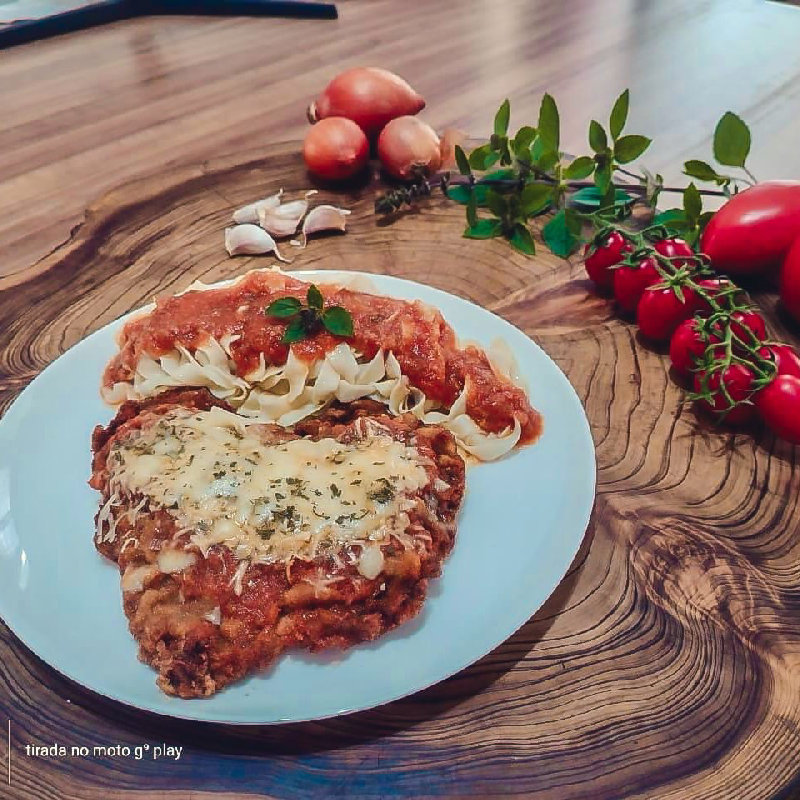
Choosing the Right Party Format for Your Birthday Menu
The format of the party—sit-down dinner, buffet, cocktail/finger food, or barbecue—should be decided before any menu discussion begins. Format determines staffing, space requirements, and menu style entirely. A seated dinner for ten in a Jardins apartment is a very different undertaking from a standing cocktail party for forty on a Moema terrace.
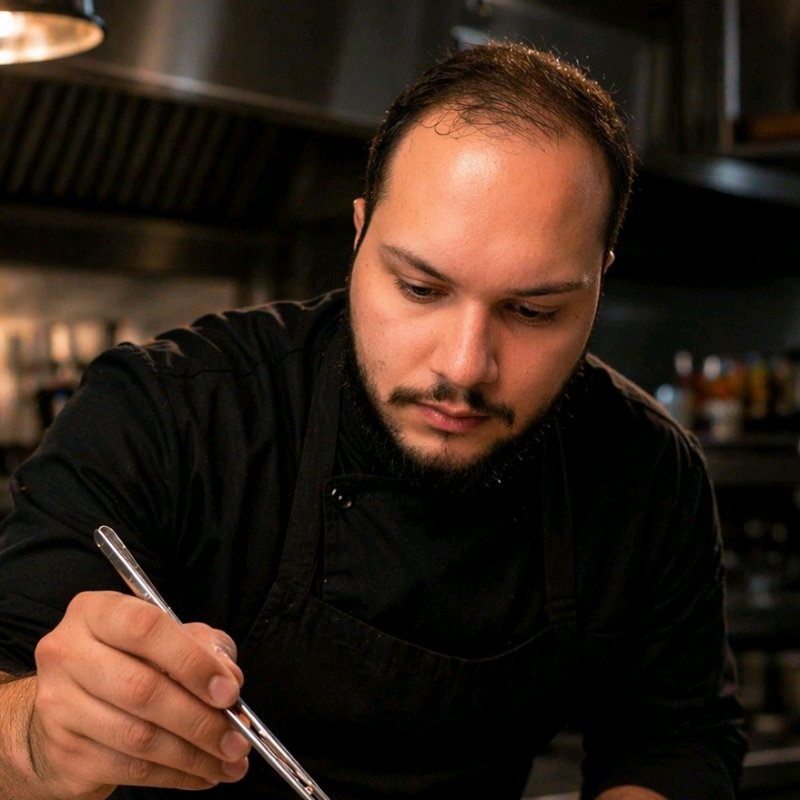
For intimate groups of eight to fifteen, a sit-down tasting menu is the format that creates the most memorable birthday atmosphere. Courses arrive timed, guests stay at the table and talk, and the food is genuinely restaurant-quality. This format works particularly well for milestone birthdays—30th, 40th, 50th—where the occasion warrants something more formal and ceremonial.
For groups of twenty to sixty, a well-designed buffet or finger food spread is the most common and versatile format in Brazil. Personal chefs in this space design stations—a carving station, a sushi station, a cold antipasto display, a hot mains table—rather than a single buffet line. Stations invite guests to move, mingle, and return, which keeps energy high throughout the party.
Churrasco-style birthday parties deserve a separate mention because they are deeply embedded in Brazilian celebration culture. A personal churrasqueiro—a chef who specializes in live-fire cooking—can transform a backyard, condominium grill area, or sítio into a professional barbecue experience, carving prime picanha, costela, fraldinha, and linguiça tableside while guests help themselves to farofa, vinagrete, and fresh bread.
Pro Tip
If your group has guests of varied ages—children and adults, older family members and young friends—choose a buffet or finger food format over a seated dinner. It allows everyone to eat at their own pace and navigate their own preferences without holding up a table.
Birthday Finger Food and Canapé Ideas
Finger food birthday parties are the fastest-growing format in Brazil's urban centers, particularly for parties of twenty-plus guests. The appeal is social: guests eat while they talk, move freely between conversations, and the party feels alive rather than segmented into 'before dinner' and 'during dinner.' For the host, the format also allows more adventurous menu design because no single dish needs to satisfy everyone for an entire meal.
Chefs design finger food menus in rounds—typically three savory rounds over two hours, followed by sweet bites and the birthday cake. A first round might include mini coxinhas with house aioli, bruschetta with burrata and sun-dried tomato, and cucumber rounds with smoked salmon crème fraîche. The second round escalates: beef tartare on crispy tapioca, grilled scallops with passion fruit butter, mini risotto balls. The third round is more substantial—sliders, arancini, or small plates of tagliatelle.
Sweet finger food rounds close the savory service: brigadeiro bonbons in assorted flavors (classic, pistachio, coconut, passion fruit), mini churros with dulce de leche dip, salted caramel macaron towers, and seasonal fruit skewers. The birthday cake itself is served after the sweet round, not before—a sequence that most chefs advocate because it preserves the drama of the cake moment.
✓Round 1 — light savory
Coxinhas, bruschettas, cold bites—easy to eat while meeting guests.
✓Round 2 — elevated savory
Tartare, scallops, arancini—slightly more elaborate as the party warms up.
✓Round 3 — substantial bites
Sliders, mini pasta dishes, skewers—anchors the meal and slows alcohol absorption.
✓Sweet round
Brigadeiros, churros, macarons—signals the party is moving toward its peak.
✓Birthday cake moment
Served after the sweet round; the chef coordinates timing with the host so it lands at the right emotional beat.
Seated Birthday Dinner: Menu Ideas for a Milestone Celebration
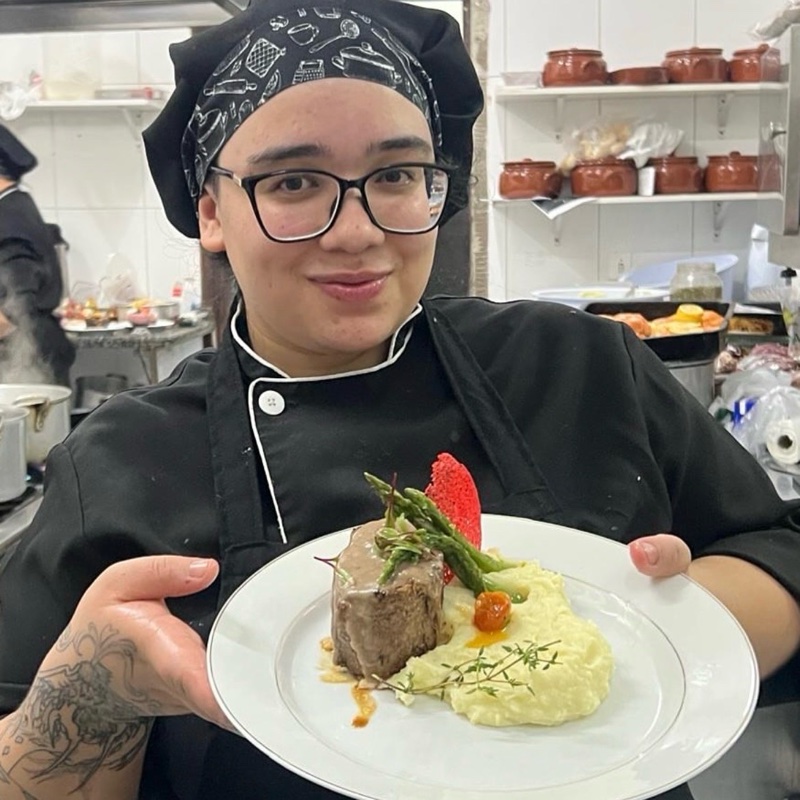
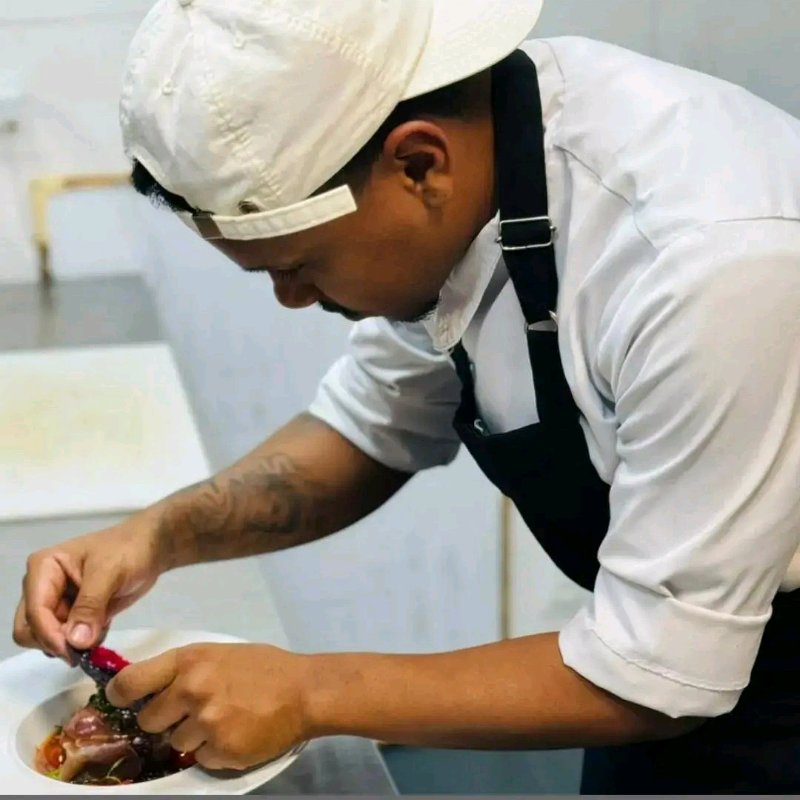
For a 30th, 40th, or 50th birthday dinner, guests expect something that matches the occasion's significance. Personal chefs typically propose a four-to-five-course tasting menu that uses the guest of honor's favorite flavors and dishes as anchor points. The first question in the briefing is always: what does this person love to eat? The answer shapes everything.
A classic Brazilian-inflected birthday tasting menu might open with a ceviche of fresh corvina with lime, ginger, and cassava chips, followed by a cream of Bahian dendê with hearts of palm, then a filet mignon with Gorgonzola cream and polenta fries, and close with a chocolate brigadeiro tart with flambéed caça-e-pesca ice cream. Every element has a Brazilian identity, but the execution is fine-dining.
International cuisine themes are also popular for birthday dinners in Brazil's cosmopolitan cities. A Japanese-themed birthday with fresh sashimi, miso soup, black cod with miso glaze, and a yuzu panna cotta is a format many São Paulo chefs have refined to perfection. An Italian-themed evening with hand-rolled pasta, osso buco, and a tiramisu made tableside creates instant occasion. The theme gives the evening a coherent identity that guests can talk about and the guest of honor will remember.
Wine pairing is a premium add-on that transforms a birthday dinner into something truly restaurant-caliber. Many chefs work with sommeliers from São Paulo's wine import scene or can recommend specific bottles from the Vale dos Vinhedos in Rio Grande do Sul. A birthday dinner with a coordinated wine flight—aperitivo Prosecco, white with the starter, red with the main, dessert wine with the final course—elevates the experience comprehensively.
Pro Tip
Ask the chef to prepare a single surprise course not on the menu card—a palate cleanser, an amuse-bouche, or a small celebratory element like a personalized petit four. The unexpected moment in an otherwise known progression is what guests remember and retell.
Birthday Menus for Large Groups and Outdoor Events
Outdoor birthday parties in Brazil—in quintas, sítios, condominium garden areas, or beach houses—require a different kind of planning. Chefs working outdoors manage logistics that don't exist indoors: heat, insects, sun exposure of food, timing across longer distances from the kitchen. An experienced outdoor chef will visit the space beforehand or request photos and measurements to plan their setup.
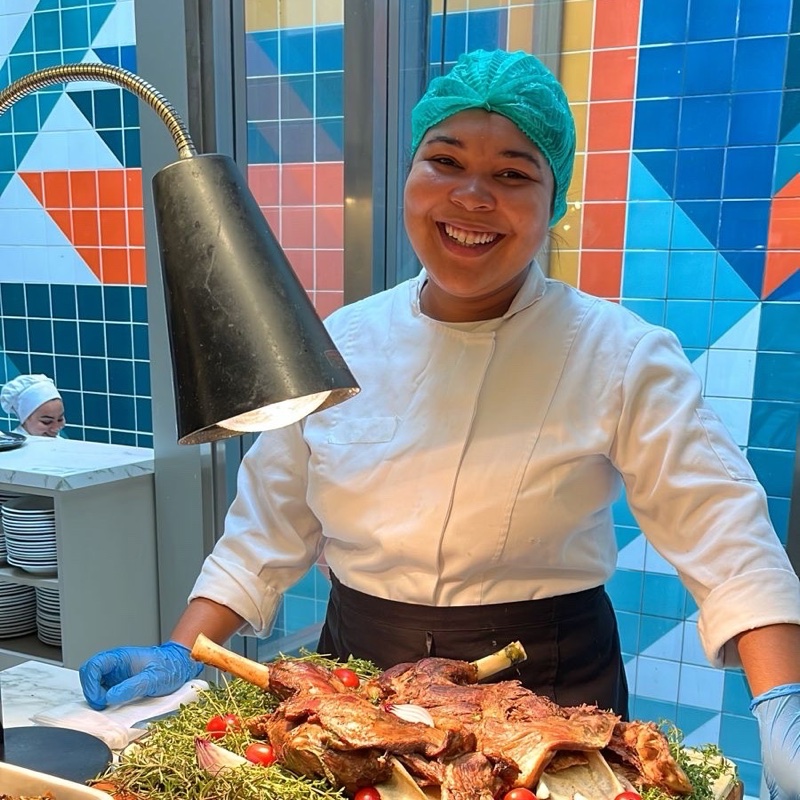
For outdoor parties of thirty or more, a live carving station is one of the most socially dynamic elements a chef can add. A whole roasted leg of lamb, a side of slow-smoked brisket, or a traditional Brazilian pernil (roasted pork leg) carved live on a wooden board creates immediate theatre and gives guests a reason to gather, photograph, and interact. The station itself becomes a focal point.
Vegetarian and dietary accommodation becomes more visible at large parties because it directly affects some guests' ability to fully participate. Good chefs design the menu so that vegetarians have two to three full options in every round rather than an afterthought. In São Paulo and Rio, where plant-based eating has grown significantly, this is increasingly standard—but it's worth confirming explicitly when briefing the chef.
Birthday Cake and Dessert Coordination
The birthday cake is typically the client's choice and responsibility—the chef cooks the food, but the cake usually comes from a preferred confeitaria. What the chef controls is how the dessert service flows around it. In a professional setup, the chef coordinates sweet bites to arrive before the cake so that the cake feels like a final act rather than just another dessert.
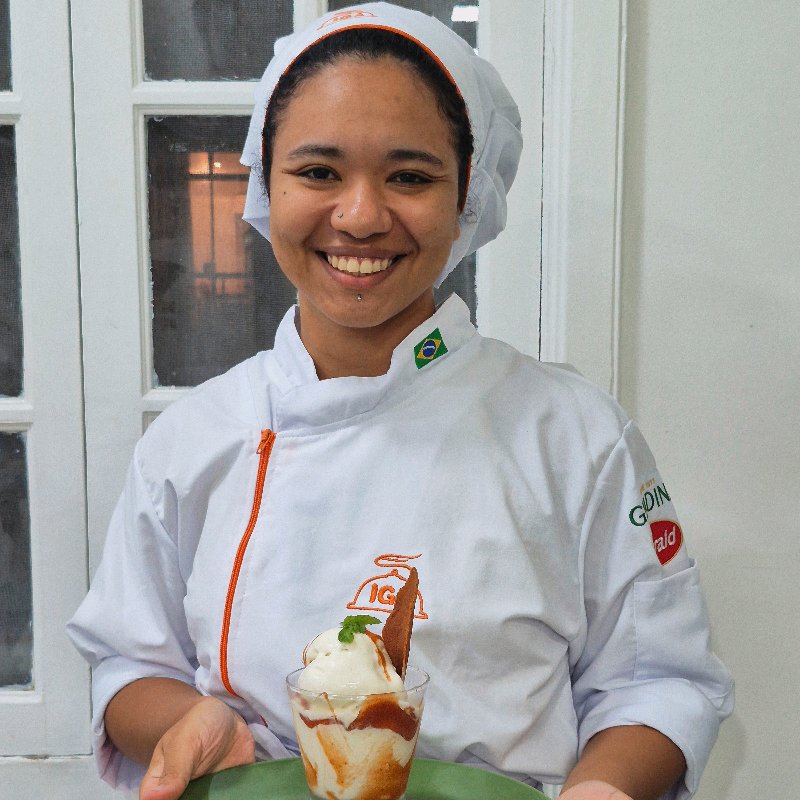
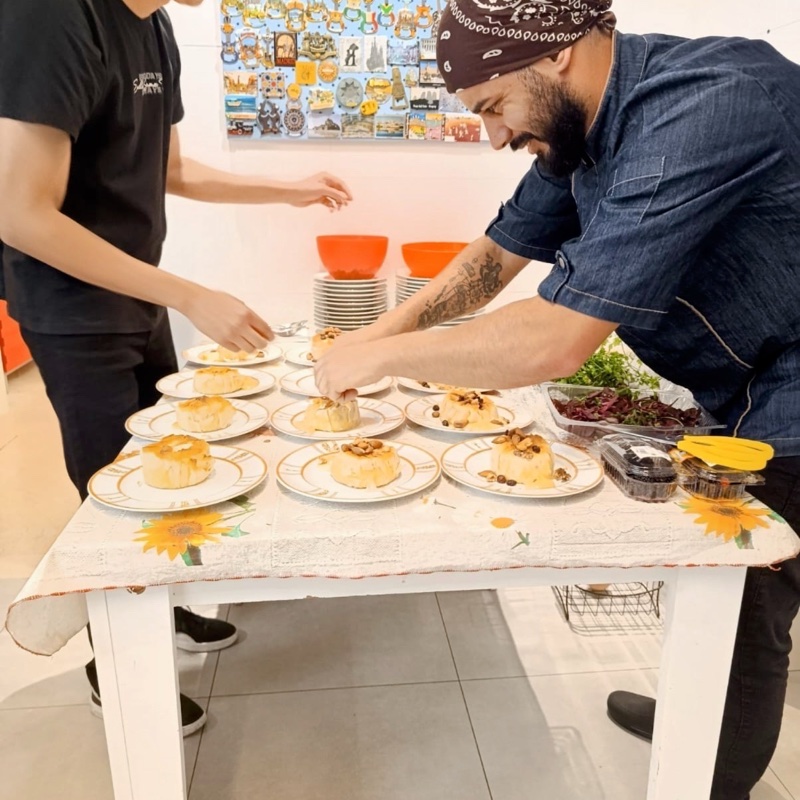
For birthday dinners, chefs often prepare a complementary plated dessert in addition to the birthday cake—a small chocolate fondant, a scoop of house-made sorbet, or a tableside flambé that's served immediately before the cake is brought out. This gives the moment a clear theatrical build.
If you want the chef to make the birthday dessert themselves—without an external cake—many chefs excel at showstopping birthday desserts: a multi-layered opera torte decorated with edible gold, a deconstructed tropical pavlova with fresh mango and passion fruit, or a churros tower drizzled with Valrhona chocolate. These require advance planning but produce unique results that a standard confeitaria cannot replicate.
✓External cake from a confeitaria
Standard choice—coordinate delivery time with the chef so it arrives chilled and intact.
✓Chef-made birthday dessert
Higher cost and more planning, but yields something completely unique to the evening.
✓Plated dessert before the cake
A small complementary dessert builds theatrical tension before the cake moment.
✓Sweet bites throughout the party
Brigadeiros, macarons, and petit fours signal the celebration's peak and lead naturally to the cake.
✓Dietary-friendly dessert option
If any guests are lactose intolerant, vegan, or have other restrictions, confirm the chef has a dessert option for them too.
What to Budget for a Birthday Party Chef in Brazil
Birthday chef costs in Brazil vary significantly with guest count, menu format, and menu complexity. For a seated dinner for ten to twelve guests, expect R$1,500–R$3,500 for the chef's service, with ingredients on top depending on what the menu requires. For a finger food party for thirty guests with three savory rounds and a sweet round, the total service cost including ingredients typically runs R$2,500–R$5,000.
For a full outdoor buffet for fifty or more guests, including a live carving station, multiple food stations, and dessert service, budget R$4,000–R$10,000 for the full chef-and-team package. Large events often require a chef plus one or two assistants—staffing costs should be confirmed during initial quotes.
These are service costs only and do not include beverages, rental equipment (additional tables, linens, glassware), or external entertainment. When comparing against a catering company's per-person quote, factor in that a personal chef's food is typically fresher, more customized, and cooked on-site rather than transported in heated containers—a difference that guests consistently notice.
Pro Tip
Request an itemized quote that separates the chef's labor fee from ingredient costs. This makes it easier to adjust the menu if the total exceeds your budget—often a few ingredient substitutions can meaningfully reduce costs without degrading quality.