The Five Culinary Regions a Brazilian Chef Can Bring to Your Table
Understanding Brazilian cuisine means understanding its regional geography. The Northeast — Bahia, Pernambuco, Ceará — is the homeland of acarajé, moqueca, carne de sol, baião de dois, and the complex interplay of dendê, leite de coco, pimenta-de-cheiro, and dried shrimp that defines afro-Brazilian cooking. A chef from or trained in Bahian cuisine will bring ingredients that most São Paulo supermarkets don't carry and techniques that are simply not replicated elsewhere.
The Sudeste — São Paulo, Minas Gerais, Rio de Janeiro — is where comida mineira reigns: tutu de feijão, frango com quiabo, pão de queijo feito na hora, virado à paulista, and the heavy, soul-satisfying food built on lard, feijão, and farinha. Minas food is the most emotionally resonant for most Brazilians — it is the food of farms, family Sunday lunches, and the interior.
The Sul — Rio Grande do Sul, Santa Catarina, Paraná — is the homeland of churrasco culture, barreado, cuca de banana, and the strong Italian and German immigrant cooking traditions that make Serra Gaúcha one of Brazil's most interesting food destinations. A chef with gaúcho roots will approach fire, meat, and bread with a completely different sensibility than a paulistano or carioca.
Signature Brazilian Dishes a Personal Chef Executes at a Professional Level
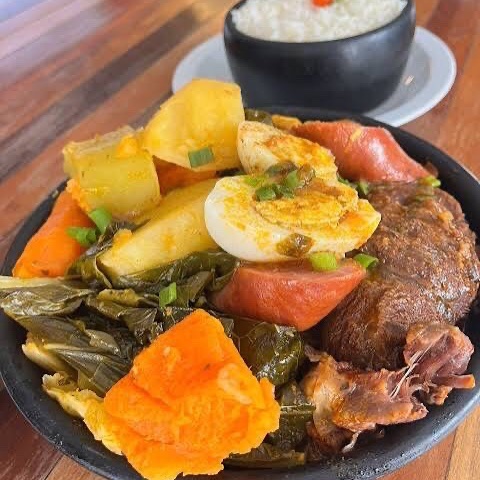
Feijoada completa is the showpiece of Brazilian home cooking — and one of the most demanding dishes to execute well. A personal chef who makes proper feijoada begins the process the day before: soaking the dry beans, separately preparing the defumados (linguiça, paio, carne seca, orelha, pé de porco), and building the dish in stages so each element achieves its texture independently before being combined. The sides — couve mineira refogada com alho, farofa de manteiga, laranja fatiada, arroz branco — must each be perfect. When a chef does this correctly, it is a fundamentally different experience from a restaurant version.
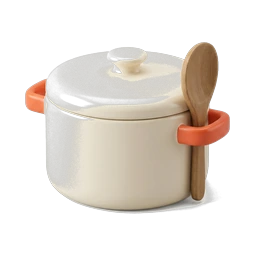
Moqueca — whether Bahiana (with dendê and leite de coco) or Capixaba (with urucum and without dendê) — is a dish of great technical subtlety despite its apparent simplicity. The fish must be fresh and firm, the dendê used with restraint (too much is soapy and heavy), the leite de coco added only at the end to preserve its sweetness. The panela de barro in which it cooks is itself part of the flavor. A Brazilian chef trained in Bahian cooking knows all of this instinctively; replicating it without that background is genuinely difficult.
Pão de queijo, made properly with polvilho azedo, queijo meia cura mineiro, and baked fresh on-site, is a completely different food from any commercial version. A Brazilian personal chef who makes pão de queijo from scratch as a welcome snack while guests arrive is doing something extremely simple that produces enormous pleasure — and exemplifies the philosophy of Brazilian home cooking: generous, honest, made with love.
Pro Tip
Tell the chef your family's regional origin or the regional cuisine you feel most connected to. A chef who knows you grew up in Minas Gerais will design around comida mineira; one who knows you spent formative years in Bahia will reach for the dendê. This specificity is exactly what makes a Brazilian personal chef experience irreplaceable.
The Sunday Almoço: Brazil's Most Sacred Meal Elevated
The Sunday lunch is the most important meal in Brazilian family culture — larger than any weekday dinner, more laden with expectation than Christmas. For many families, this is the weekly ritual that holds the extended family together: avós, filhos, genros, noras, netos, all seated at a table that must feed everyone from the 3-year-old to the 85-year-old, with dishes that span dietary preferences and generational tastes.
A Brazilian personal chef who takes on a Sunday almoço is managing exactly this complexity. The menu for a family of 15 with three dietary restrictions, children who won't touch anything green, a grandmother who needs soft textures, and an uncle who demands picanha is genuinely challenging to execute at a high level. A professional handles it with the calm and organizational skill that comes from experience, freeing the host to sit at the table rather than standing in the kitchen.
The return on this investment is particularly high for Brazilian families because the Sunday almoço is emotionally weighted. When the food is right — when the feijão is perfectly seasoned, the frango is tender, the farofa has that exact texture — the whole experience of the gathering is elevated. When it goes wrong, it is remembered. A professional chef makes the food the best version of itself without requiring the host to sacrifice their own enjoyment of the occasion.
Brazilian Street Food and Regional Snacks as a Party Format
One of the most underused formats for a Brazilian personal chef experience is the tasting or petiscos evening: a parade of elevated Brazilian street food and regional snacks served as the entire experience. Coxinha artesanal with catupiry and cheiro-verde. Bolinho de bacalhau with a proper remoulade. Esfiha aberta de carne. Empada de palmito. Acarajé com vatapá e camarão. Pastel de queijo frito na hora. Quibe frito com tahine.
This format works extraordinarily well for celebrations where guests arrive and depart across a window of two or three hours — birthday parties, informal reunions, holiday gatherings. The food is interactive and recognizable, the quality is immediately apparent to anyone who has eaten the mediocre commercial versions, and the chef's presence creates a live cooking element that keeps the experience dynamic throughout.
A Brazilian personal chef who specializes in petiscos and finger food brings sourcing knowledge — where to find the best polvilho, the right catupiry, the dried shrimp that smell of the sea rather than the shelf — that elevates even the most familiar snack to something remarkable.
Pro Tip
For a petiscos party format, ask the chef to prepare at least one regional specialty that your guests likely have not encountered — acarajé if you're hosting in São Paulo, barreado if you're in Curitiba, paçoca de carne if it's a Nordeste-themed evening. The element of discovery within a familiar Brazilian context is what makes this format memorable.
What Makes Brazilian Cuisine Uniquely Rewarding as a Personal Chef Experience
Brazilian cuisine is particularly well-suited to the personal chef format because so much of its character comes from time and technique that home cooks simply can't invest on a regular basis. Costela de boi no bafo — slow-cooked for 8 hours in foil over charcoal, steaming in its own fat until the meat falls from the bone — requires infrastructure and attention that no home cook manages on a Tuesday night. Carne seca desfiada feita em casa — prepared properly, not just bought ready-made — requires soaking, cooking, and shredding that takes most of the day.
The ingredients question is equally important. A Brazilian personal chef has supplier relationships that the average home cook lacks: the açougue that receives the best picanha cut in the city, the feira stall with the freshest quiabo and jiló, the specialist who carries legítimo polvilho azedo from Minas. These sourcing relationships are built over years and produce a quality difference that is immediately apparent in the finished dish.
Finally, Brazilian food is food that demands generosity — food that is always too much, always abundant, always with something extra. A personal chef who understands this cultural context doesn't serve minimalist portions on fancy plates. They serve the table the way a great Brazilian host does: full, warm, and with the implicit message that you are welcomed and cared for.
How to Brief a Brazilian Personal Chef: Getting the Best from the Experience
The most important information you can give a Brazilian personal chef is your regional food identity and your guests' composition. 'I grew up in Belo Horizonte and want comida mineira' produces a completely different and more resonant menu than 'please cook Brazilian food.' Similarly, telling the chef that three guests are vegetarian, two don't eat pork, and one is gluten-intolerant allows them to design around these constraints from the beginning rather than adapting on the night.
Share the occasion clearly. A Sunday almoço for family needs a different structure than a formal dinner for corporate guests, a birthday celebration for a nordestino friend who wants the tastes of home, or an intimate feijoada for six on a Saturday afternoon with cachaça and live music. Brazilian personal chefs are versatile, but they design better menus when the context is vivid.
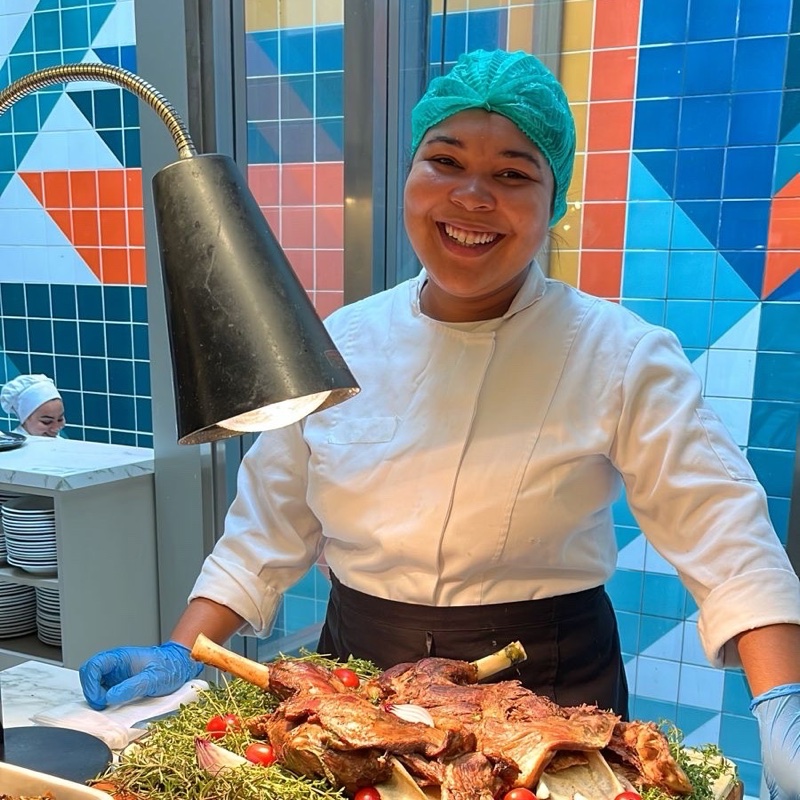
Discuss the format — sit-down served courses, or buffet? Live cooking elements, or fully plated? For groups over ten, the Brazilian buffet format (where the chef circulates and serves from the counter) typically works better than plated service. For intimate dinners of four to eight, plated is the right choice and lets the chef's presentation skills show.
✓Name the regional cuisine you want
Bahiana, Mineira, Gaúcha, Nordestina, Carioca — being specific about regional identity produces a far more authentic and personal menu than a generic 'Brazilian food' request.
✓List all dietary restrictions by guest
Brazilian cuisine uses pork extensively in some dishes. Identify which guests don't eat pork, shellfish, gluten, or meat — the chef will build around this from the outset.
✓Confirm a cachaça or beverage arrangement
A Brazilian dinner deserves a caipirinha. Confirm whether the chef will prepare caipirinhas as part of the service or whether you'll handle beverages. Many Brazilian chefs do both beautifully.
✓Agree on the service format — plated or buffet
Plated service for intimate groups (4–8), buffet for larger gatherings (10+). This decision shapes how the chef prepares, times, and presents the food.