The Anatomy of a Perfect Home Brunch
A well-designed brunch is not breakfast with a few extra dishes—it is its own distinct meal format with its own logic. The best home brunches, as designed by personal chefs, are built around four categories: sweet elements, savory elements, fresh elements, and drinks. When all four are represented abundantly and in balance, guests graze contentedly rather than feeling they've had breakfast or lunch.
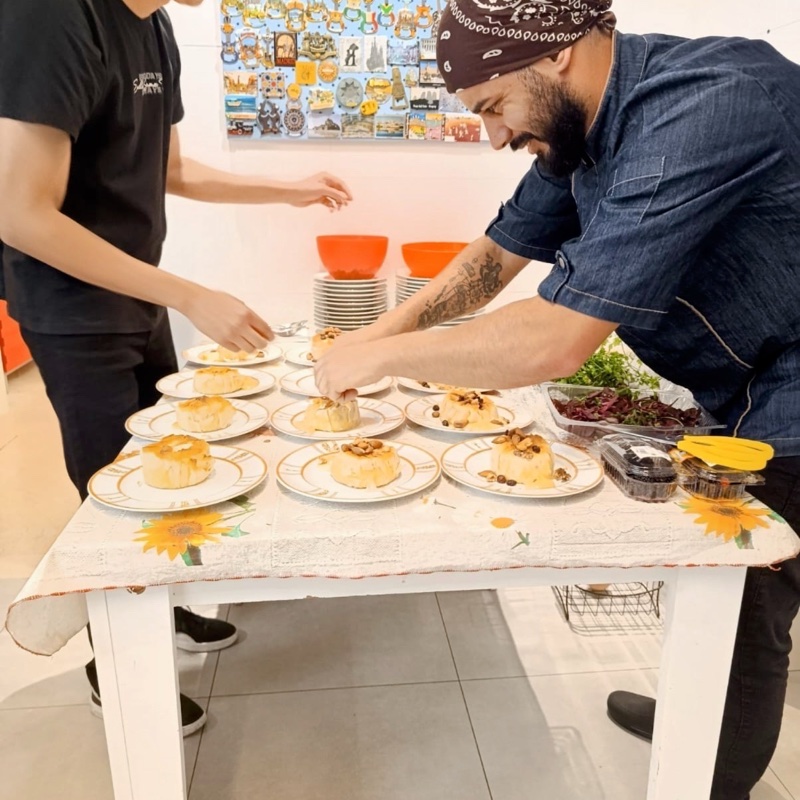
Sweet elements anchor the brunch visually and emotionally: fresh-baked pão de mel, French toast with dulce de leche, waffles with seasonal fruit compote, a ricotta pancake tower, acaí bowls with granola and banana, a pavlova base with fresh tropical fruits. These should be plentiful enough that the table looks abundant rather than carefully rationed.
Savory elements provide the counterpoint and the substance: scrambled eggs with herbs and cherry tomatoes, a fritata or shakshuka baked tableside, avocado toast with lime and malagueta, a charcuterie board with Brazilian queijo colonial and Italian salami, smoked salmon on blinis, tapioca with shredded chicken and catupiry cheese. The savory selection should be as generous as the sweet—brunches that skimp on savory leave guests hungry by early afternoon.
Fresh elements—raw fruit, fresh-squeezed juices, cold yogurt with toppings, a fruit salad with fresh mint—are the palate cleansers of the brunch format. They provide lightness and acidity that balance the richer sweet and savory dishes. A platter of fresh mango, papaya, and pineapple with a squeeze of lime is simultaneously the healthiest and most refreshing element on any Brazilian brunch table.
Pro Tip
When briefing your chef, ask specifically for balance between sweet and savory—not 'mostly sweet' or 'mostly savory.' Brunches where one category dominates the other consistently leave some guests unsatisfied. True abundance means both categories feel generously represented.
Brunch Menu Ideas: Brazilian and International
A Brazilian-inflected brunch draws on some of the most distinctive morning and midday flavors the country has to offer. Tapioca in savory formats (shredded chicken with catupiry, ham and cheese, açaí with banana) is a uniquely Brazilian brunch element that surprises international guests and delights locals. Açaí bowls—made with properly sourced fresh açaí from a quality supplier rather than from an industrial frozen pack—are incomparable when made by a chef who knows the right consistency and toppings. Pão de queijo, fresh from the oven, belongs on every Brazilian brunch table without discussion.
For an internationally-influenced home brunch—increasingly common in São Paulo's expat-heavy neighborhoods—the centerpiece dishes shift toward eggs Benedict (a personal chef's version with house hollandaise made from scratch tableside), shakshuka made with Bahian pimentas and fresh cilantro, a smoked salmon and crème fraîche board, and French-style pain perdu with caramelized bananas. These dishes feel contemporary and cosmopolitan while retaining the generosity and warmth that makes home brunches special.
Seasonal fruit deserves particular attention in Brazil, where the tropical fruit calendar produces extraordinary ingredients that European brunch traditions don't access. A brunch in December serves fresh manga-rosa from the Vale do São Francisco; in March, the jabuticaba crop is at its peak for a simple sauce over vanilla yogurt; in August, caju (cashew fruit) from Ceará produces a juice that is incomparably refreshing. A chef who shops the season can make the brunch table feel genuinely of this moment and this country.
✓Fresh-baked items
Pão de queijo, croissants, or French toast—something warm and freshly made anchors the sweet section.
✓Egg station or baked egg dish
Scrambled eggs, shakshuka, or a frittata provides the protein core of the savory section.
✓Açaí or yogurt station
A base (açaí or Greek yogurt) with toppings (granola, fresh fruit, honey, seeds) encourages customization and extends grazing time.
✓Cheese and charcuterie board
Brazilian queijo colonial, queijo minas, and Italian-style cold cuts—a savory anchor guests return to repeatedly.
✓Fresh seasonal fruit platter
Sliced mango, papaya, pineapple, and seasonal tropical fruits with lime—essential freshness and color.
✓Fresh-squeezed juices
Laranja, maracujá, acerola—freshly squeezed juices are one of Brazil's greatest brunch advantages.
Brunch Drinks: From Fresh Juices to Cocktails
The drinks table is as important as the food table at a successful brunch. Fresh-squeezed juice is non-negotiable in a Brazilian home brunch—laranja (orange), maracujá (passion fruit), and acerola are the three most requested. A chef who squeezes juice fresh that morning is offering something qualitatively different from carton juice, and guests consistently notice.
Mimosas—sparkling wine with fresh orange juice—are the canonical brunch cocktail and remain as popular in São Paulo as anywhere in the world. A more Brazilian alternative is the brunch caipirinha: a lighter, more citrus-forward version of the classic, sometimes with lime and maracujá rather than just lime, served over ice in a wine glass rather than a rocks glass. Both should be available.
Hot drinks require their own station. Brazilian café in a pressurized espresso machine is the standard; a French press coffee for guests who prefer it; a selection of herbal teas. If the brunch extends into late morning, a second round of fresh juice and coffee will be needed—plan for this in the chef briefing so that second-wave service doesn't catch anyone off guard.
For a non-alcoholic centerpiece drink that feels special—appropriate for events with children, pregnant guests, or sober guests—a sparkling water with fresh mint, cucumber, and lime, or a cold brew coffee with oat milk, elevates the drinks table beyond the standard. Brief the chef to prepare this specifically so it's a deliberate offering rather than an afterthought.
Brunch Formats: Buffet, Grazing Table, and Plated
The buffet brunch is the most common format for home brunches of more than eight guests: dishes are laid out on a central table or kitchen island, and guests serve themselves throughout the two to three hours of the event. This format maximizes social freedom—guests move between food and conversation without being anchored to a seat—and allows the chef to replenish dishes as they run low rather than serving everyone simultaneously.
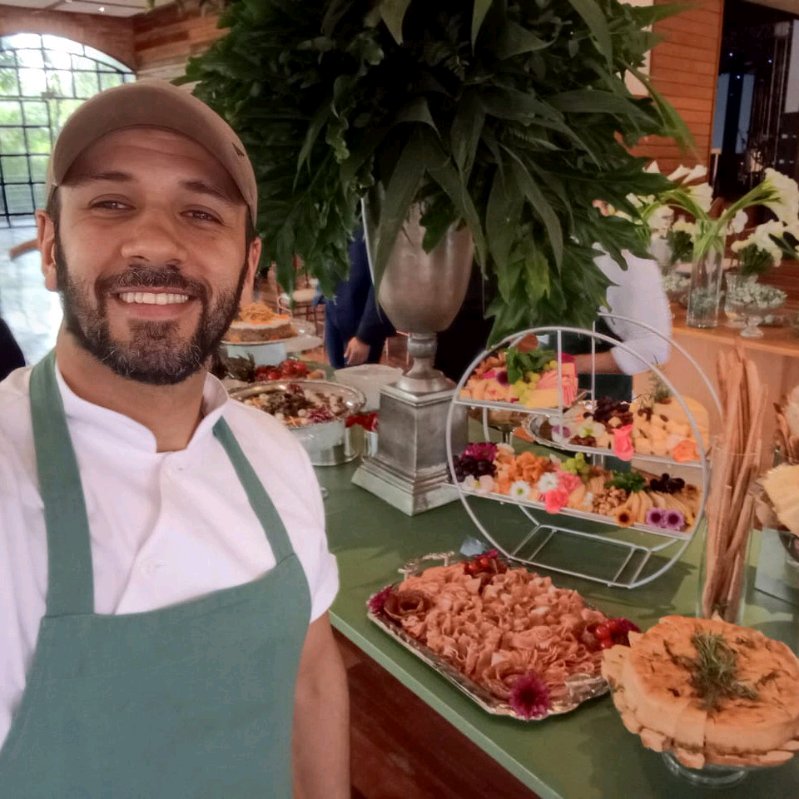
The grazing table is a more design-forward version of the buffet, where dishes are arranged not in separate serving vessels but as a continuous visual composition across a long surface—breads tucked alongside cheeses, fruits scattered among charcuterie, flowers interspersed with food. A chef who does grazing tables well creates a brunch that is also a visual installation. This format is particularly popular in São Paulo's Pinheiros and Vila Madalena neighborhoods, where aesthetics are taken as seriously as the food itself.
Plated brunch service—where guests are seated and each dish is brought to them in sequence—is appropriate only for very intimate brunches of four to eight people where the occasion is celebratory rather than casual. A birthday brunch, a Mother's Day brunch for six family members, or an anniversary brunch for two or three couples works well in plated format. The service makes the occasion feel special without requiring the formality of a full dinner service.
Pro Tip
For a grazing table brunch, coordinate with the chef two to three days before on the visual layout and color palette. The visual impact of a well-designed grazing table is significant—a chef who understands aesthetics as well as flavor will consult on where each element sits relative to color, height, and texture contrast.
Brunch for Special Occasions and Groups
Mother's Day brunch is the single most popular occasion for a home chef brunch in Brazil—a date in May where families across the country want to honor the matriarch with a meal that requires no effort from her. Personal chefs are booked out weeks in advance for the second Sunday of May. The menu should be the mother's favorites, not the host's idea of what an impressive brunch looks like. Ask her what she wants on the table.
Baby shower brunches have become the dominant format for chás de bebê in Brazil's urban centers—replacing the traditional afternoon tea model with a morning spread that feels lighter, fresher, and more flexible. A baby shower brunch menu typically leans sweet and pastel, with seasonal fruit as a centerpiece, a custom açaí station, delicate finger sandwiches, and a cake in addition to the brunch spread.
Sunday family brunches—a growing format for extended families who gather weekly or monthly—work best with a consistent base menu that the family knows and loves, supplemented each week with one or two new elements. A personal chef contracted for a recurring family brunch develops a rotating repertoire around the family's preferences, introducing new dishes gradually while maintaining the anchors that define 'our brunch.'
Cost and Logistics of a Home Brunch with a Personal Chef in Brazil
A home brunch for eight to twelve guests with a personal chef typically costs R$800–R$2,000, including chef labor and all ingredients. This covers a generous spread with both sweet and savory elements, fresh juices, and a chef-managed replenishment service throughout the event. For a more elaborate brunch with premium ingredients (smoked salmon, truffle eggs, a grazing table with imported cheeses), the range extends to R$2,500–R$4,000.
Most chefs recommend a two-to-three-hour service window for a home brunch—enough time for guests to arrive, settle, eat at leisure, and say their goodbyes without the chef being present for an entire morning. The chef sets everything up, manages the replenishment, and cleans up—typically a four-hour total engagement including prep and cleanup.
Book two to three weeks in advance for a standard home brunch. For Mother's Day, book in March or early April—the available slots fill quickly as May approaches. Baby shower brunches and other occasion-specific events should also be booked two to four weeks ahead to give the chef sufficient time for menu planning and sourcing.