What Each Format Actually Means
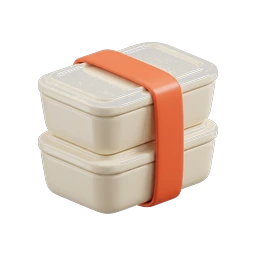
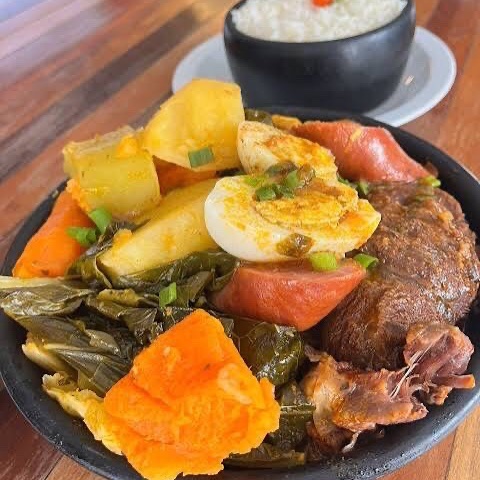
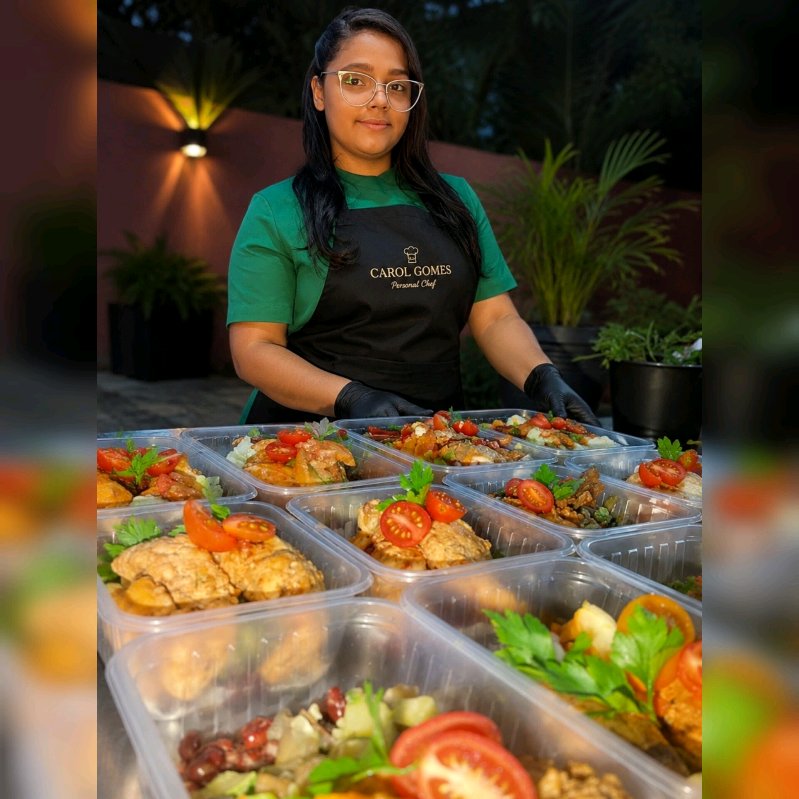
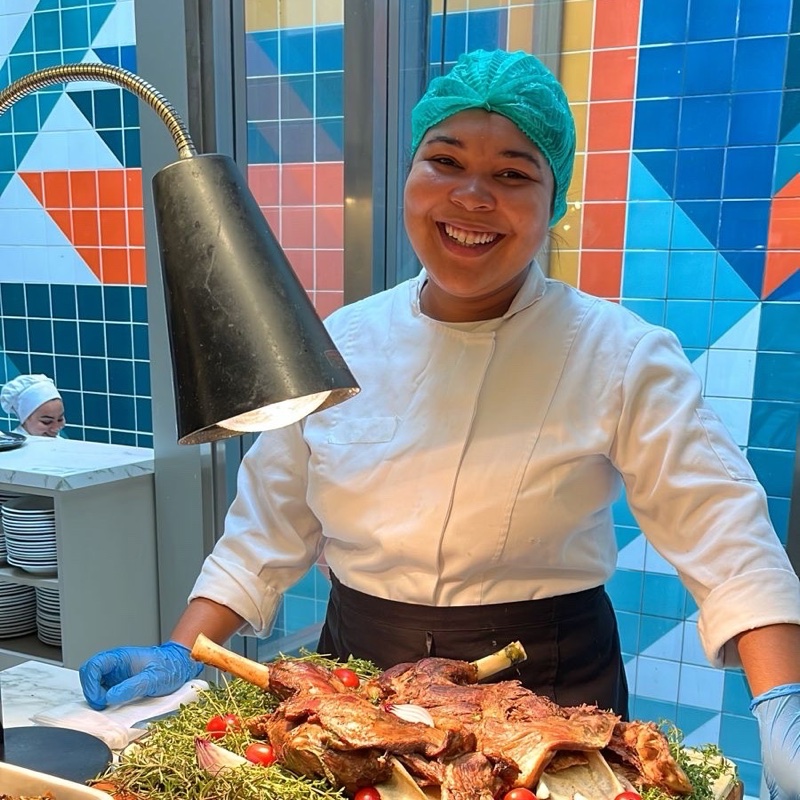
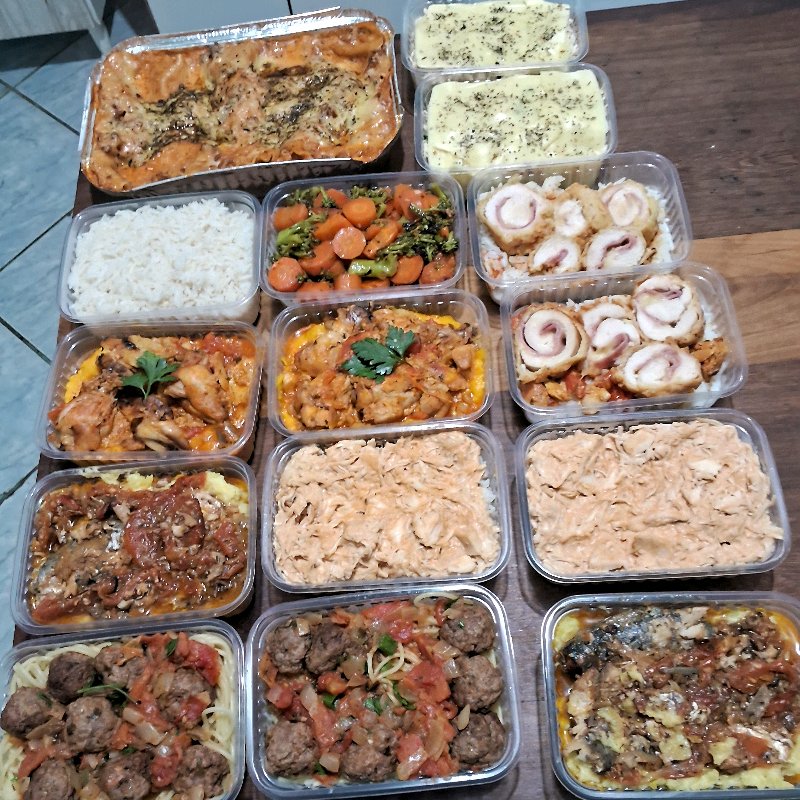
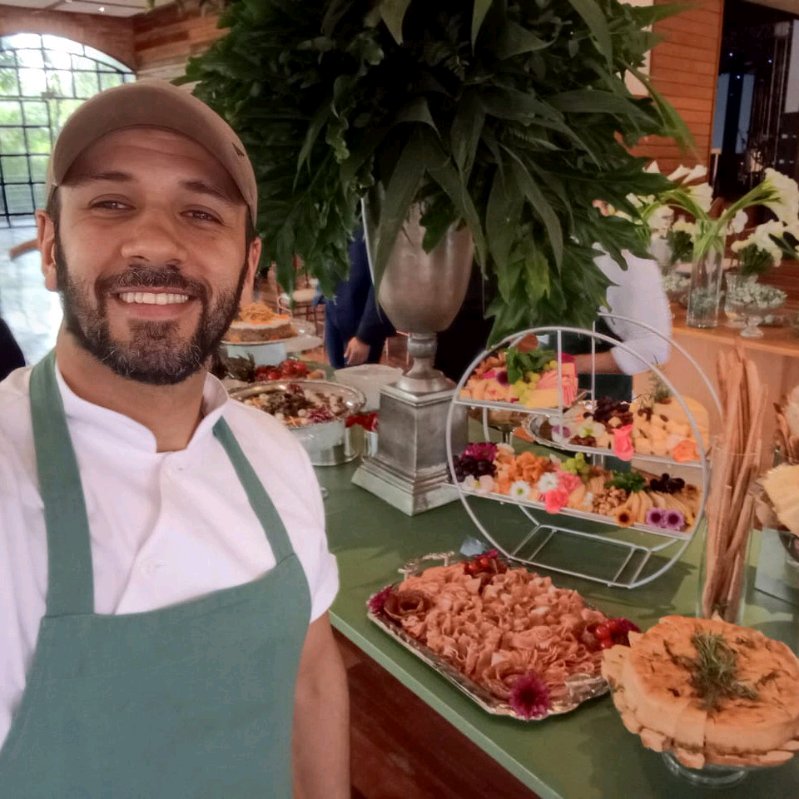
A buffet is a self-service spread where dishes are laid out on a table or stations and guests plate themselves. It works in both sit-down and standing formats, though it's most natural when at least some seating exists. Buffet dishes tend to be substantial — rice, proteins, salads, sides — because guests can choose quantity and combination. The format implies a meal rather than a snack.
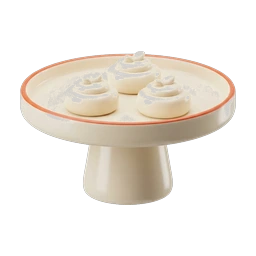
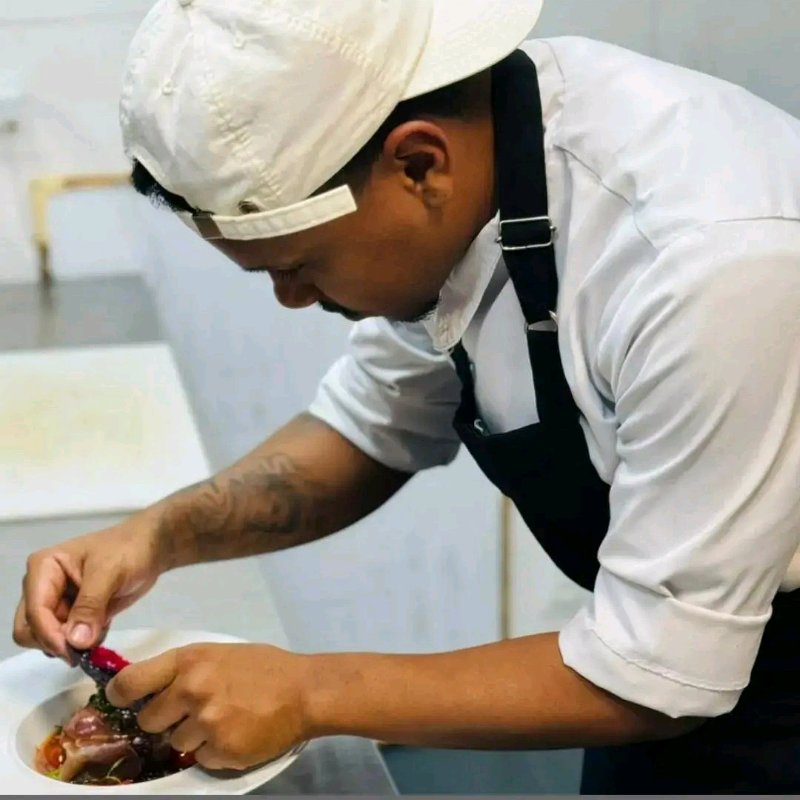
Finger food (or cocktail format) means bite-sized pieces passed on trays or arranged on stations around the venue. Each item is designed to be eaten in one or two bites without a plate, ideally without cutlery. The format implies circulation — guests move, mingle, and eat opportunistically rather than sitting for a meal. Quantity is managed through the number of passes rather than self-service.
A hybrid model — finger food during cocktail hour followed by a buffet for the meal — is common in Brazilian festas and works well when the event has two distinct phases. Knowing which model fits which phase of your event is as important as knowing which model fits the event overall.
Which Format Fits Your Guest Count and Space
Guest count and available space are the two most objective decision factors. For intimate events under 30 guests with a dining table available, a seated or partial-buffet format is usually more appropriate and elegant. Finger food at 15 people around a table often feels like an incomplete meal.
For standing events from 40-200+ guests, finger food is almost always the better format. A buffet for 150 standing guests creates a logistical bottleneck — a queue that disrupts flow and leaves guests plate-juggling. Finger food distributed by servers or placed at multiple stations around the venue lets 200 people eat simultaneously without congestion.
The key variable is seating ratio. If more than 70% of your guests have a seat, a buffet or family-style format makes sense. If fewer than 50% have seats, finger food is the more functional choice. The in-between range (50-70% seated) is where the hybrid model — finger food for the standing portion, buffet for seated guests — often works best.
✓Count your confirmed seats versus total guest count
If seat count is less than 60% of guests, lean toward finger food or a hybrid model.
✓Map where a buffet table would sit in your venue
A buffet needs 2-3 linear meters of table space plus circulation room on both sides. Verify this fits without blocking the venue's natural flow.
✓Decide whether the event is a meal or a mingling occasion
Birthday dinner: buffet. Cocktail reception: finger food. Graduation party with dancing: hybrid. Match the format to the event's primary activity.
✓Consider outdoor vs. indoor settings
Outdoor events in heat (common in São Paulo summers) favor finger food — cold passed items and fresh bites hold better than hot buffet chafing dishes that vary in temperature.
Cost Comparison in the Brazilian Market
Finger food is generally more economical per guest than a buffet at comparable quality levels. A finger food cocktail reception with 12-15 pieces per person from a personal chef in São Paulo typically costs R$60-R$120 per head, including service. A full buffet with proteins, rice, salads, and sides from a comparable quality source runs R$100-R$200 per head.
The cost driver difference is ingredients versus labor. Finger food items require more intricate preparation labor per piece but use less raw ingredient per person (a canapé uses 15g of smoked salmon; a buffet portion uses 150g of protein). Buffets use more ingredient but less delicate preparation. At the very high end, finger food can exceed buffet pricing because of the artisan preparation involved in complex canapés.
Waste profiles also differ. Buffet food that isn't eaten is often thrown away at the end of the event. Finger food that isn't served stays in the kitchen and can sometimes be repurposed. Experienced caterers and chefs will recommend quantities based on event duration and guest profile — 12-15 pieces per person for a 2-hour reception, 20-25 for a 4-hour event.
Pro Tip
For long events (4+ hours), plan for both more pieces per person and a more substantial option mid-event — a carving station, a mini slider, or a soup shot — to prevent guests from feeling hungry despite eating all evening.
The Atmosphere Each Format Creates
A buffet implies a meal event with a beginning, middle, and end. Guests know they will eat properly and can plan accordingly. There's a collective moment when everyone moves toward the buffet, which creates a natural social reset — conversations pause, new ones start in the queue, people discover who else is there. This social function of the buffet queue is underrated.
Finger food creates a continuous cocktail energy — there's no formal mealtime, just a flowing evening where food accompanies conversation. The absence of a meal structure frees the event from a timeline and lets the energy peak and hold rather than having a post-meal lull. This works beautifully for mix-and-mingle events where the social interaction is the primary purpose.
Consider your guests' expectations explicitly. A birthday dinner for family members in their 50s and 60s probably expects to sit and eat a proper meal. A product launch for 100 colleagues expects to stand, drink, and network. Mismatching format to expectation — serving finger food at an event where guests expected a meal — is the most common catering disappointment in Brazilian corporate events.
Logistics: What Each Format Demands of the Venue
Buffets need a continuous temperature solution. Hot dishes need chafing trays with fuel or electrical heating; salads need to be kept cool or placed away from heat. If your venue has an outdoor element or poor ventilation, hot buffet food quality degrades quickly in São Paulo's summer heat. Cold buffet options (salads, cold proteins, room-temperature Brazilian classics) are more resilient.
Finger food demands circulation space and service coordination. Servers need clear paths to move through the crowd. If your venue is densely configured with furniture, trays can't move efficiently. The number of servers also scales with finger food — you need roughly one server per 25-30 guests to maintain adequate pass frequency. This is a staffing consideration that affects total event cost.
Both formats benefit from a chef or caterer who has worked in your specific venue or one similar to it. Venue logistics are genuinely important — a chef who doesn't know the kitchen setup, the distance to the event space, or the layout for circular service will spend time on the day solving problems they could have anticipated. Always share a venue floor plan with your chef in advance.
✓Plan one server per 25-30 guests for finger food
Understaffing finger food service is the most common execution failure. Guests notice when trays are rare or slow.
✓Identify heating and cooling solutions for buffet items
Confirm chafing fuel availability, power outlets for electric warmers, and refrigerated holding space for cold items.
✓Share the floor plan with the chef before booking
A good chef will plan the circulation, station placement, and service flow based on the actual layout — not a generic assumption.
✓Plan timing for each service phase
For a hybrid event, agree on when finger food begins, when it transitions to buffet, and when service closes. Clear timing prevents gaps and overruns.
Making the Final Decision
Default to finger food when: the event is a cocktail reception, product launch, or networking occasion; the venue is a standing format or limited seating; the guest list exceeds 50; the event is 2-3 hours; or guests are expected to be mobile and socially active throughout.
Default to buffet when: guests expect a proper meal; the occasion is a birthday dinner, family lunch, or graduation celebration; seating exists for the majority of guests; the event includes children; or you want a collective mealtime as a social anchor for the event.
Use a hybrid model when: the event has a cocktail reception followed by a seated dinner; you're serving a mixed crowd (some expect a meal, some prefer to stand); or the event runs long enough that finger food alone won't satisfy guests adequately.
Working with a Chef to Design Either Format
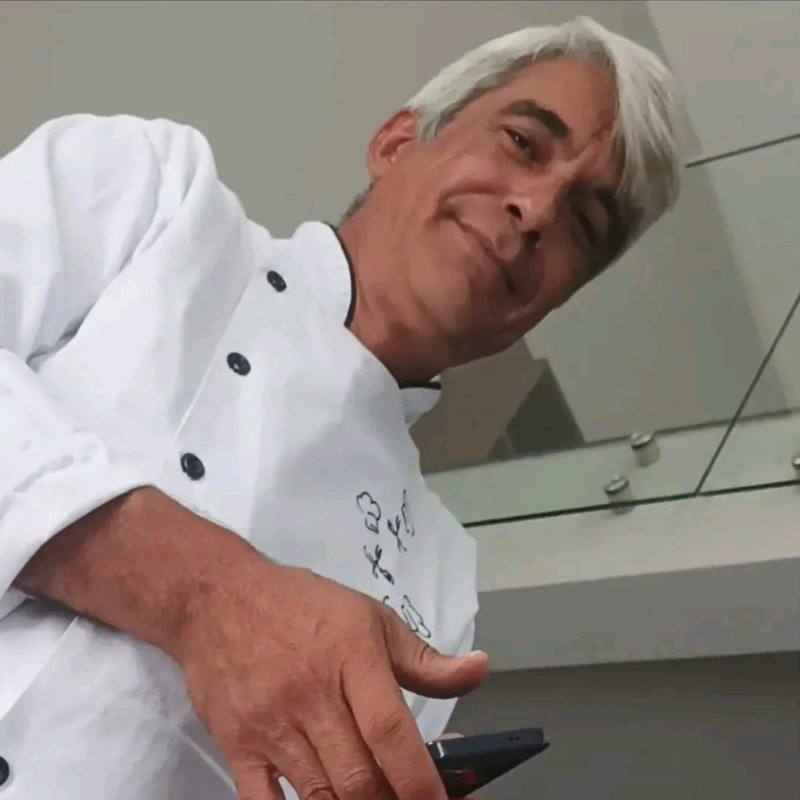
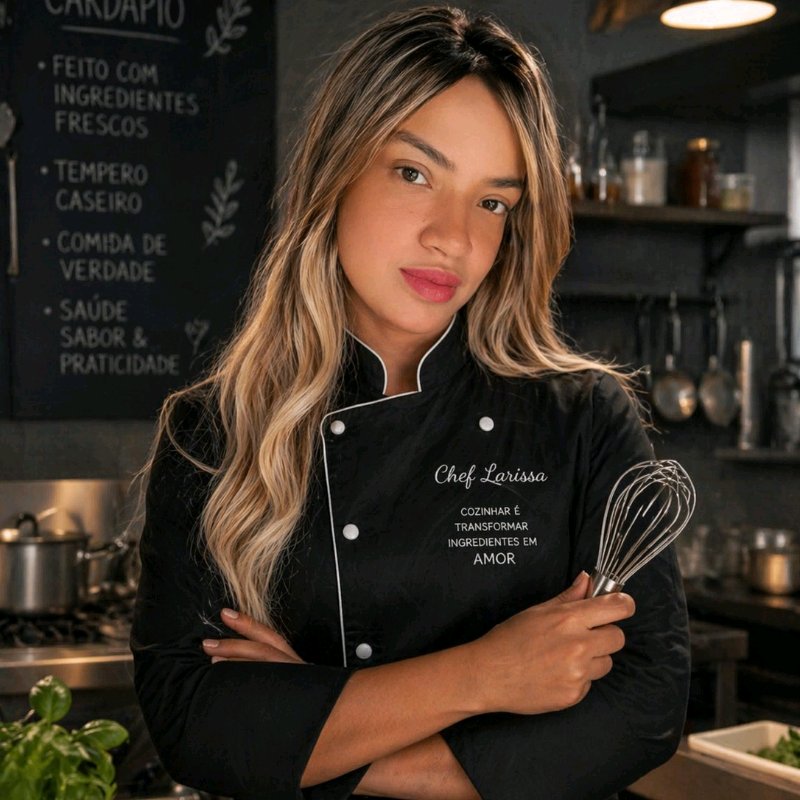
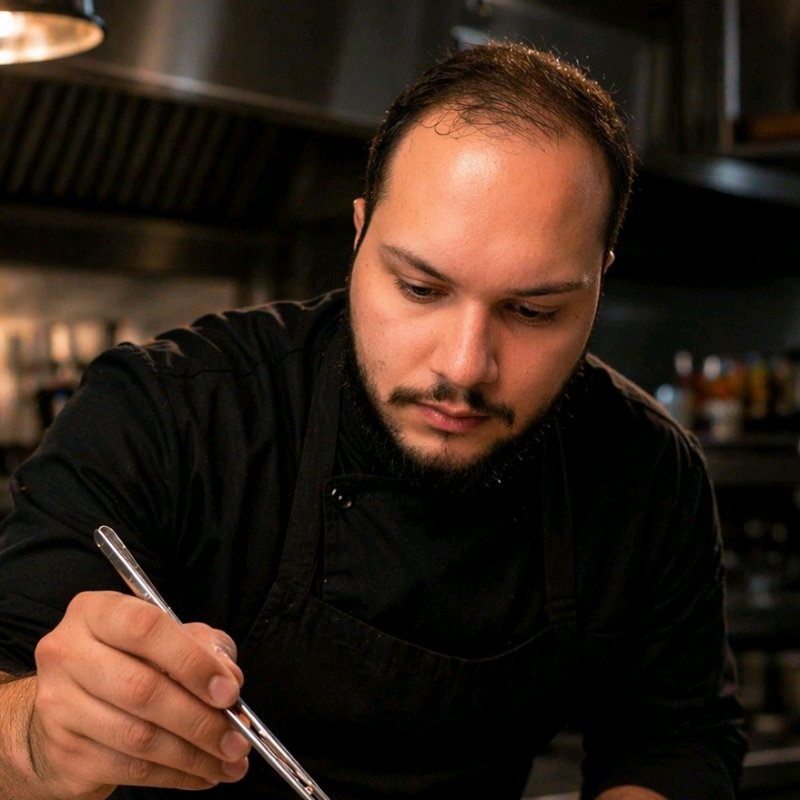
Whether you choose buffet or finger food, the brief you give a personal chef should specify the format explicitly. Many hosts say 'food for a party' without specifying, and chefs will ask — but you'll save time by deciding ahead of your first conversation.
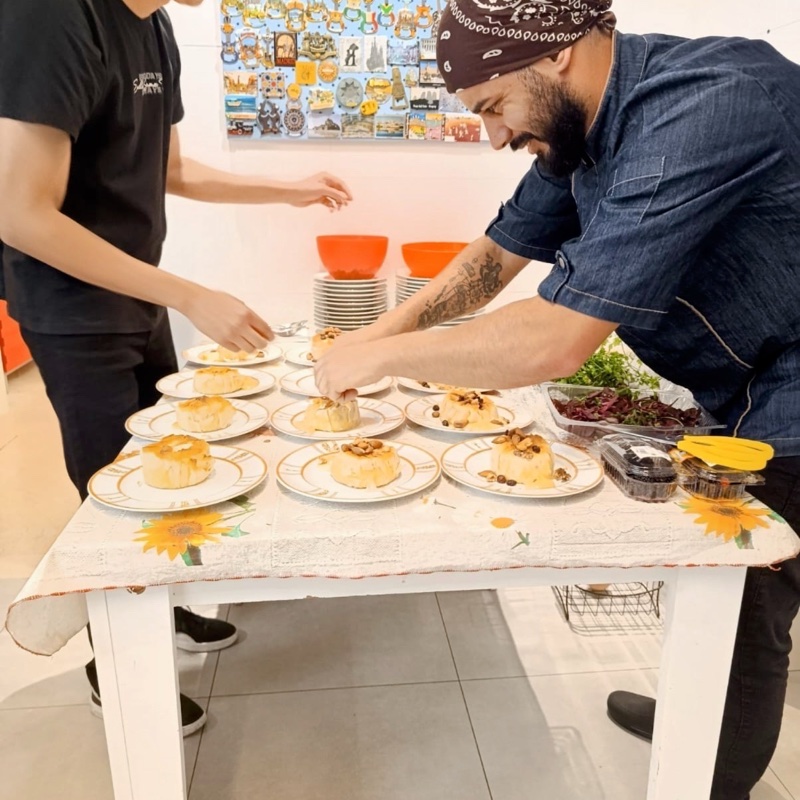
For finger food, share: the event duration, the approximate guest count, any VIP dietary restrictions, and the cuisine style or theme. A good chef will propose 6-10 items that form a coherent experience — not just a random assortment of canapés — with variety across protein, vegetable, carb, and price point.
For a buffet, share: the guest count, the event duration, whether the buffet is a full meal or supplementary, the occasion type (formal dinner vs. casual), and any dietary requirements across the guest list. Request a written dish list with serving quantities so you can verify it covers the event duration and appetite level adequately.
Pro Tip
For finger food events, ask the chef to design items that look beautiful on the tray. Finger food is a visual medium — the appearance of trays arriving fresh from the kitchen is part of what guests experience. Chefs who understand this will propose items with visual contrast and elegance, not just flavor.