How the Two Models Work
A traditional wedding caterer operates at scale. They have pre-set menus, a team of servers, chafing dishes, and established logistics for feeding 80-300 people efficiently and safely. You choose from their packages, negotiate a per-head price, and the machine runs on the day. The professionalism and systems are real — so is the distance between you and the food.
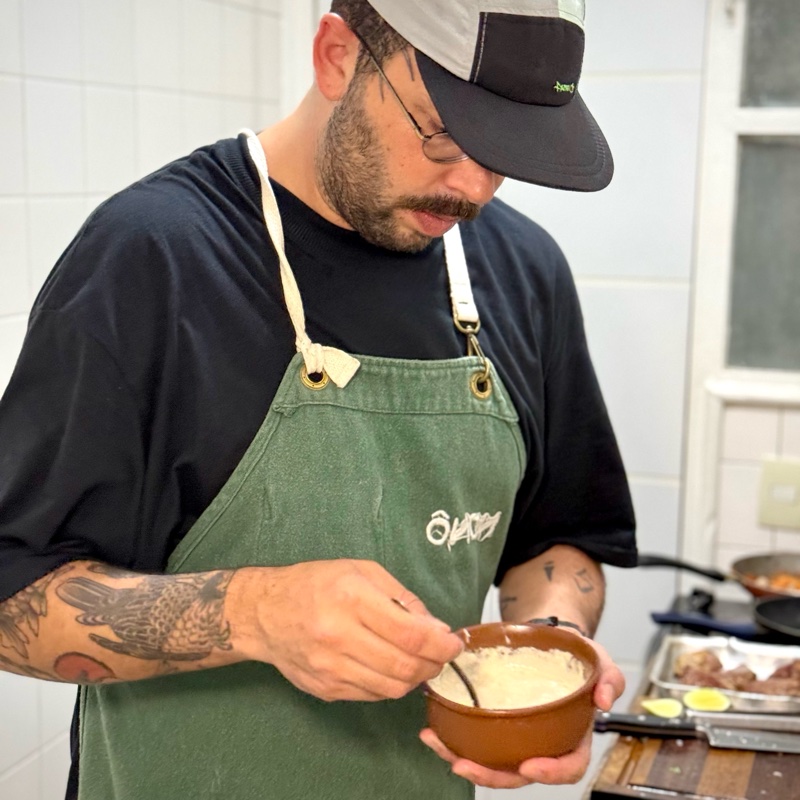
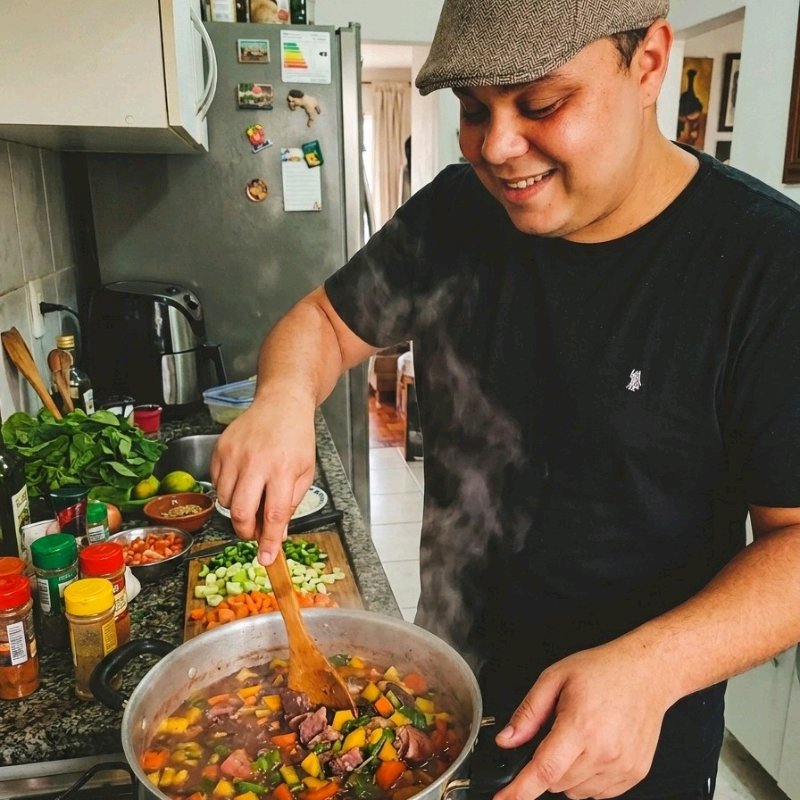
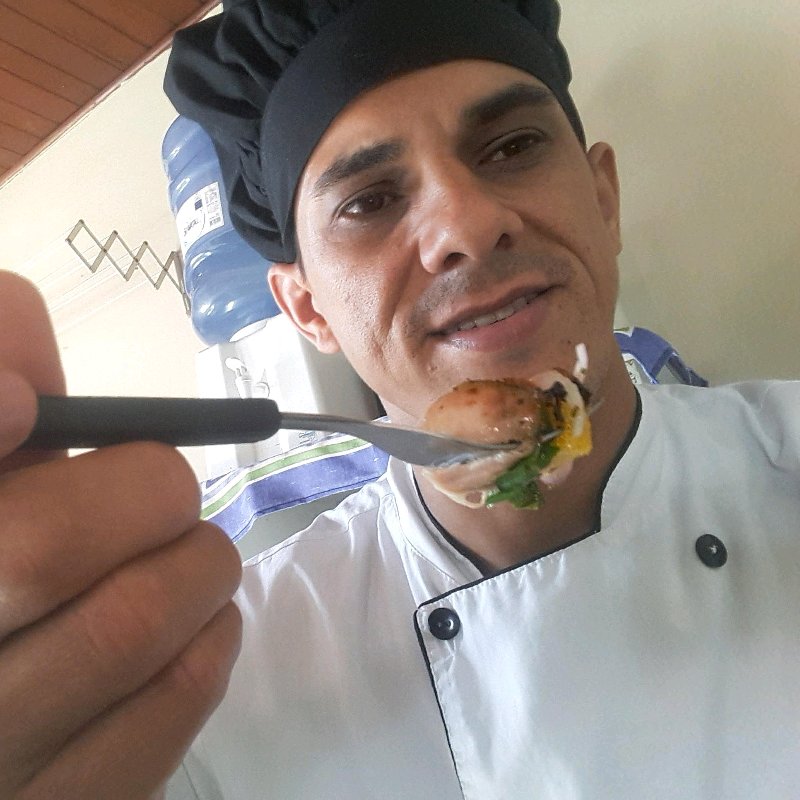
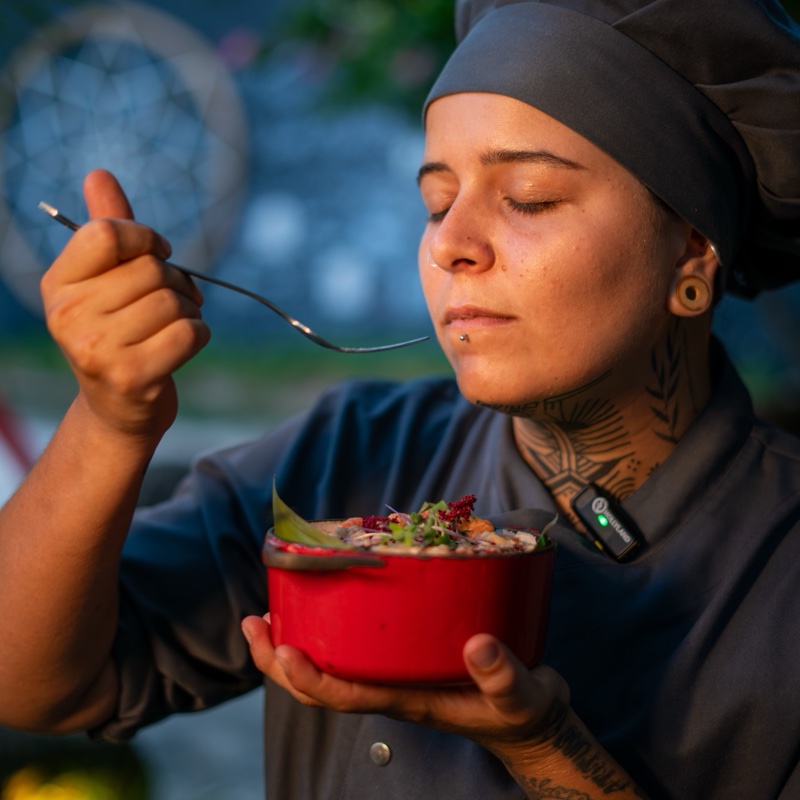
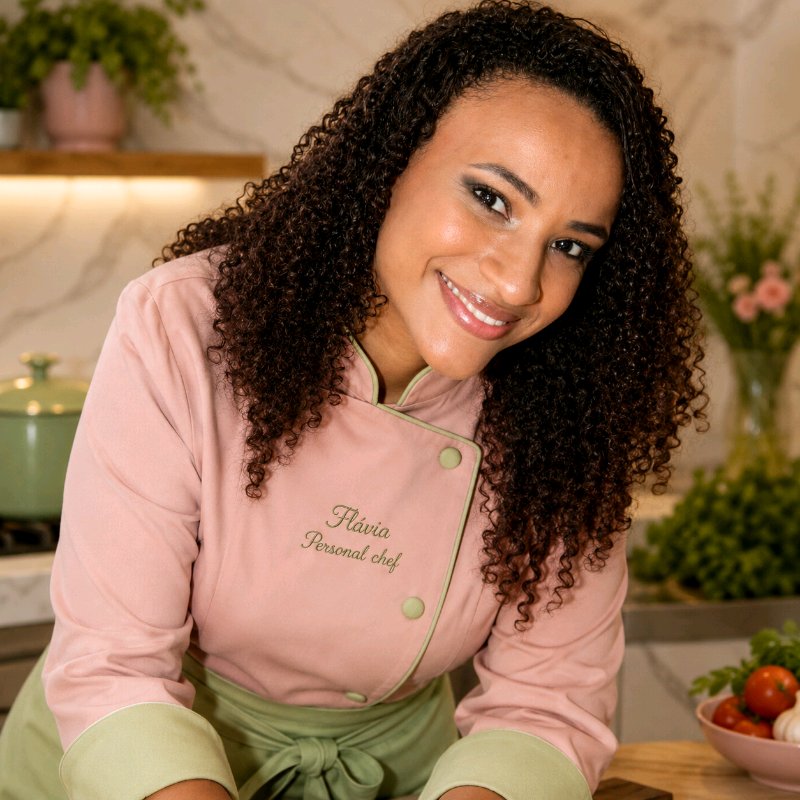
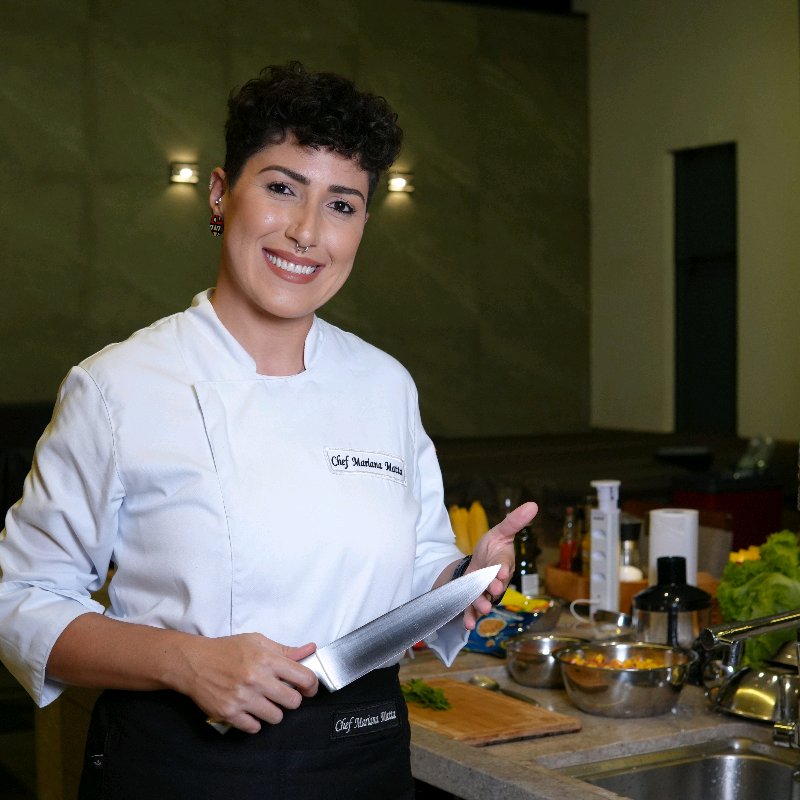
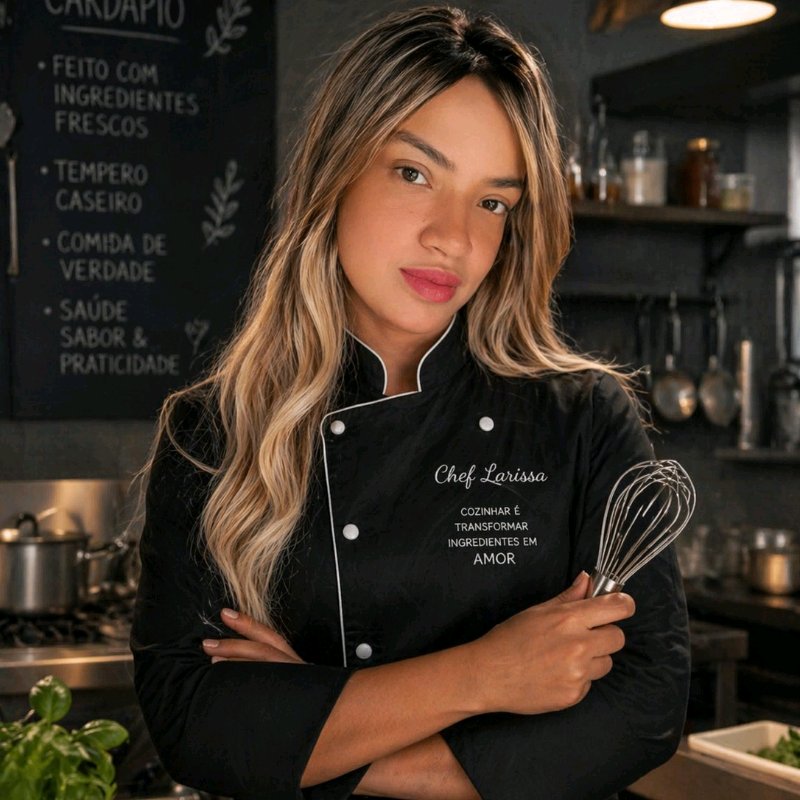
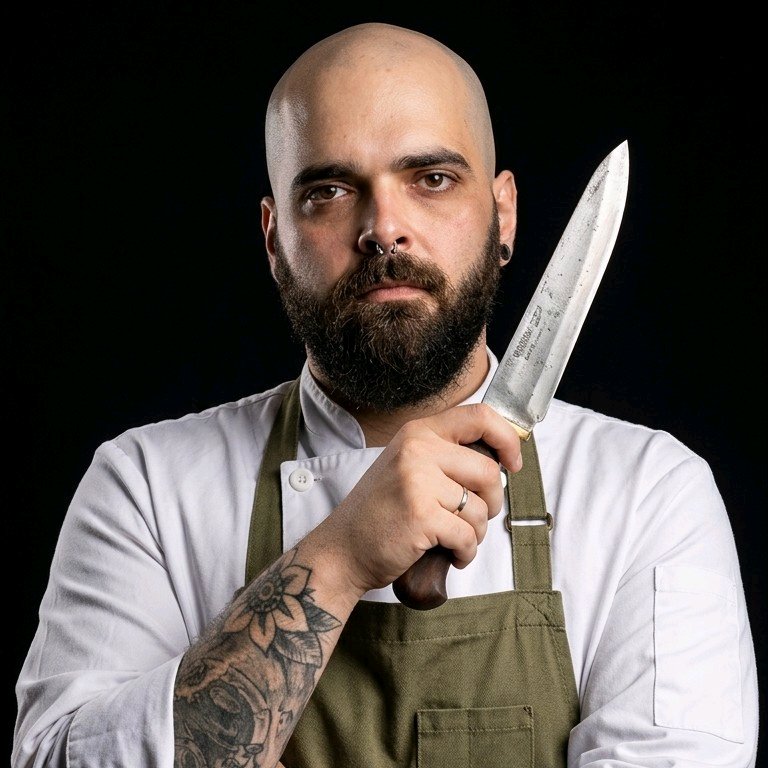
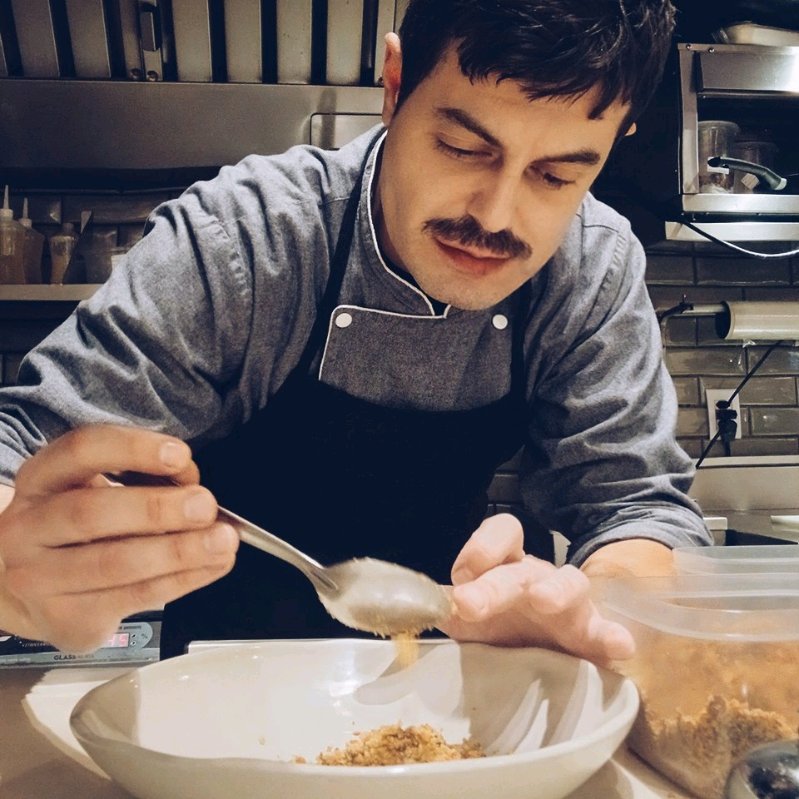
A personal chef for an intimate wedding works the opposite way: you discuss the wedding's theme, your palate, your guests' dietary profiles, and any cuisine you want to honor — perhaps a grandmother's dish, a destination honeymoon inspiration, or a regional Brazilian specialty that means something to your family. The chef designs the menu around those specifics, sources ingredients, and cooks on-site the day of the wedding, often in front of guests as part of the experience.
The structural difference is customization versus scale. Caterers are optimized for reliability and volume; personal chefs are optimized for singular, specific, irreplaceable experiences. For a mini-wedding with 30 guests, the caterer's scale advantages disappear while the personal chef's customization advantages become the centerpiece of the day.
Cost Comparison for Intimate Weddings in Brazil
Traditional wedding caterers in São Paulo typically quote R$180-R$450 per head for full service, depending on the package tier and menu quality. For 30 guests that's R$5,400-R$13,500, plus rentals if not included. In Rio de Janeiro and other capital cities, comparable numbers apply. Most packages have minimum guest counts — sometimes 50-80 people — making them economically mismatched for micro-weddings.
A personal chef for the same 30-guest intimate wedding in São Paulo typically charges R$2,500-R$6,000 in chef fees plus ingredient costs of R$2,000-R$5,000 depending on the menu's ambition. Total investment: R$4,500-R$11,000 — often cheaper than a comparable caterer while delivering significantly more personalization. Service staff (servers, assistants) can be hired separately at R$150-R$200 per person for an evening.
The cost comparison narrows at higher-end menus — a chef designing a 6-course tasting dinner for a wedding can approach caterer pricing — but at comparable quality levels, the personal chef often represents better value for guest counts under 50, primarily because you're not paying for the infrastructure, minimum-count overhead, and margin built into catering packages.
Pro Tip
Ask caterers for their minimum guest count and per-head price. Then get a personal chef quote for the same guest count. For under 40 guests, the chef is almost always more economical for comparable food quality.
Menu Personalization: The Central Advantage
A wedding caterer's menu is constrained by their kitchen, their staff's skill set, and the need to produce the same dish reliably for any client who books that package. Customization exists at the margin — you can often choose between 3-4 protein options and perhaps request one dietary accommodation — but the menu is fundamentally theirs, not yours.
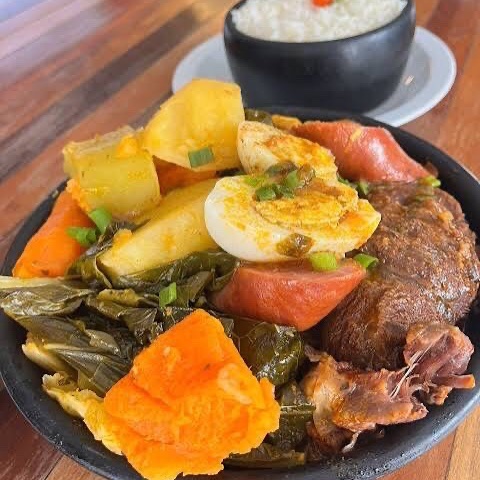
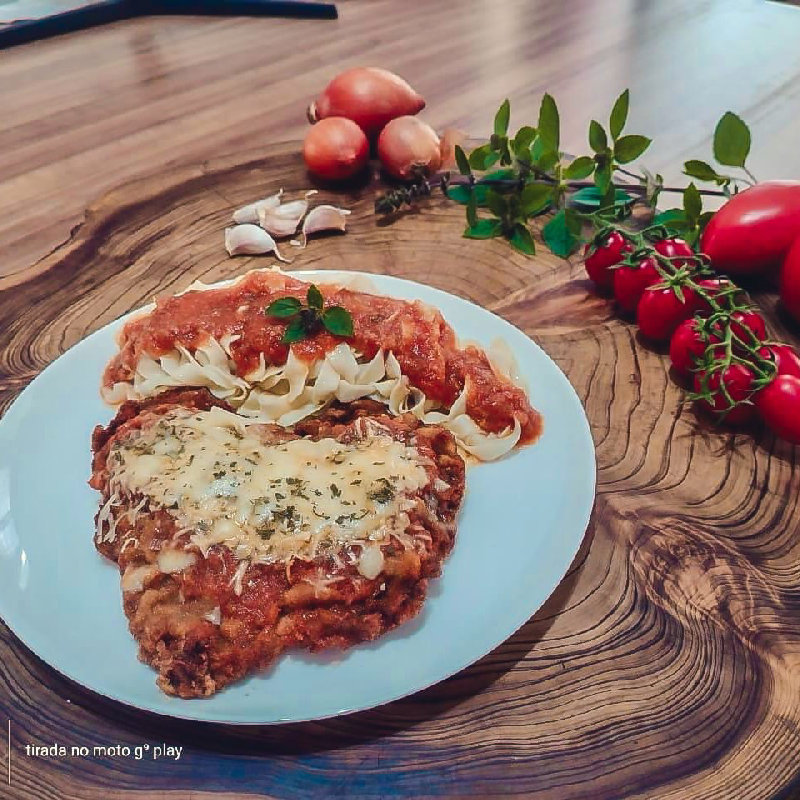
A personal chef begins from a blank page. Couples who married in Northeast Brazil but live in São Paulo can have their wedding menu honor carne de sol, paçoca, and rapadura dessert alongside modern preparations. Couples who met while traveling Southeast Asia can have a Thai-Brazilian fusion menu that means something specifically to them. A chef can incorporate a recipe from a late grandparent, source a specific ingredient from a family's region, or replicate a dish from the restaurant where they got engaged.
This level of personalization is not cosmetic — it turns the wedding food from a logistics category into a meaningful expression of who the couple is. Guests at intimate weddings remember and comment on food far more than guests at large ballroom receptions. At 30 people around a table, the food is part of the conversation.
✓Identify any dishes with personal or family significance
A recipe from a grandmother, a dish from the region where you met, or a cuisine that connects to your story — these become anchors for the chef's menu design.
✓List the dietary restrictions of all guests
At 30 guests you likely know everyone. Collect restrictions carefully so the chef can design inclusively from the start.
✓Decide on service style: plated courses, family-style, or stations
Each style creates a different atmosphere. Plated courses feel formal and intimate; family-style encourages sharing and warmth; stations create movement and social energy.
✓Agree on how many courses and which drinks are in scope
Clarify whether drinks, welcome bites, or the cake are included in the chef's scope or handled separately.
Reliability and Logistics: Where Caterers Have the Edge
Traditional caterers have done hundreds or thousands of weddings. Their logistics — arrival timing, food safety protocols, service flow, handling of late starts and unexpected guest counts — are tested and systematized. For large weddings, this reliability is genuinely valuable.
For intimate weddings, the logistical complexity is much lower, and a professional personal chef who has worked events has comparable reliability for the smaller scale involved. The key is verifying event experience specifically — a chef who does mostly meal prep may be less prepared for the service choreography of a wedding dinner than one who regularly cooks private events.
The critical verification is references. Ask any prospective chef for 2-3 references from weddings or large private dinners they've cooked. Speaking with past wedding clients for 10 minutes will tell you more about reliability than any portfolio photo.
Pro Tip
Ask the chef specifically: 'Have you cooked a private wedding before? Can I speak to a past client?' A chef who has done 3+ weddings will have learned the specific timing, buffer, and contingency planning that makes the day run smoothly.
The Experience the Chef Creates
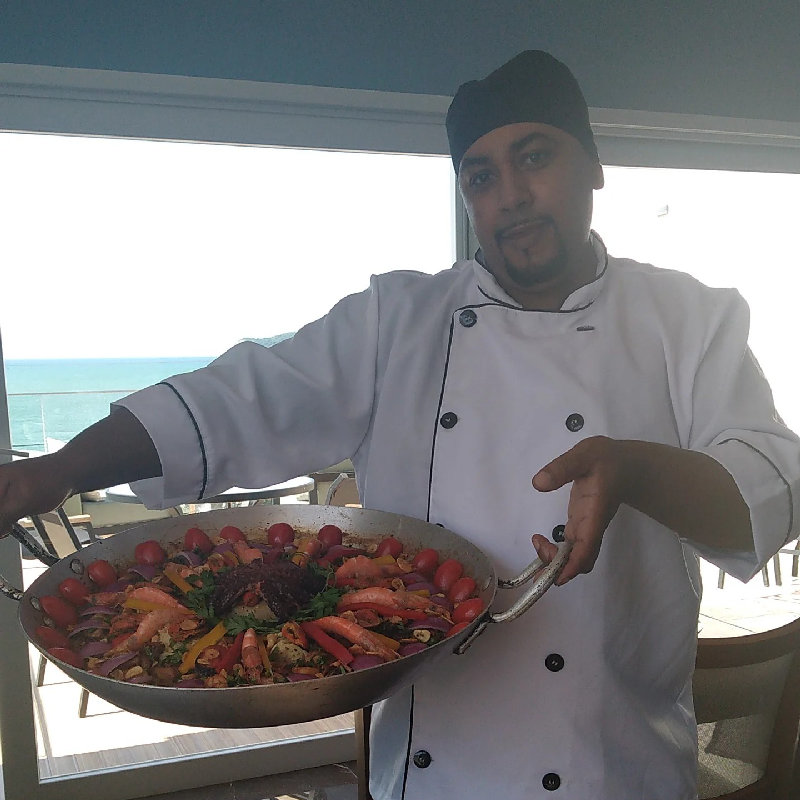
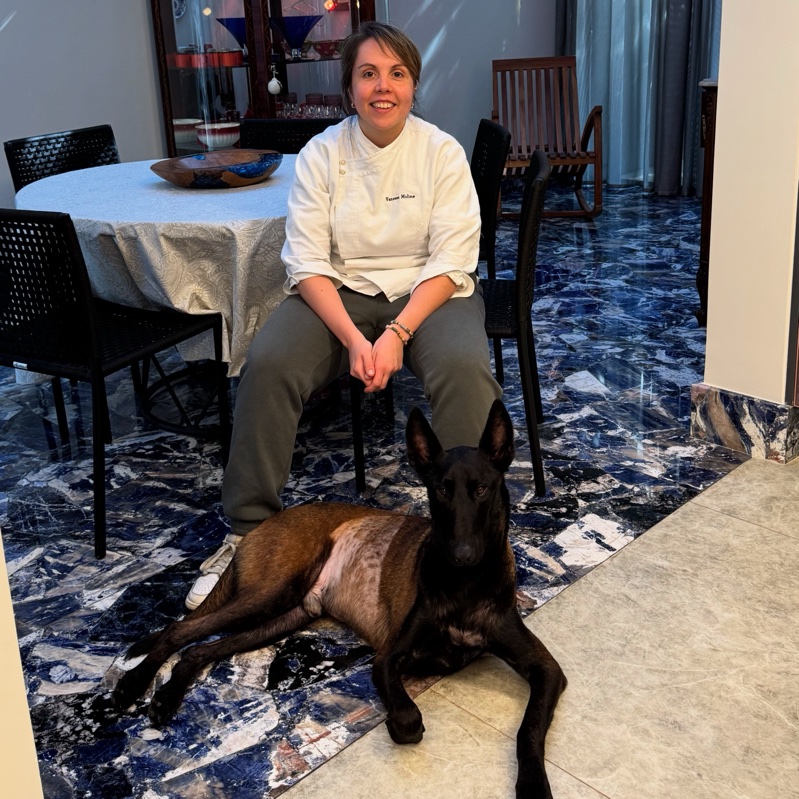
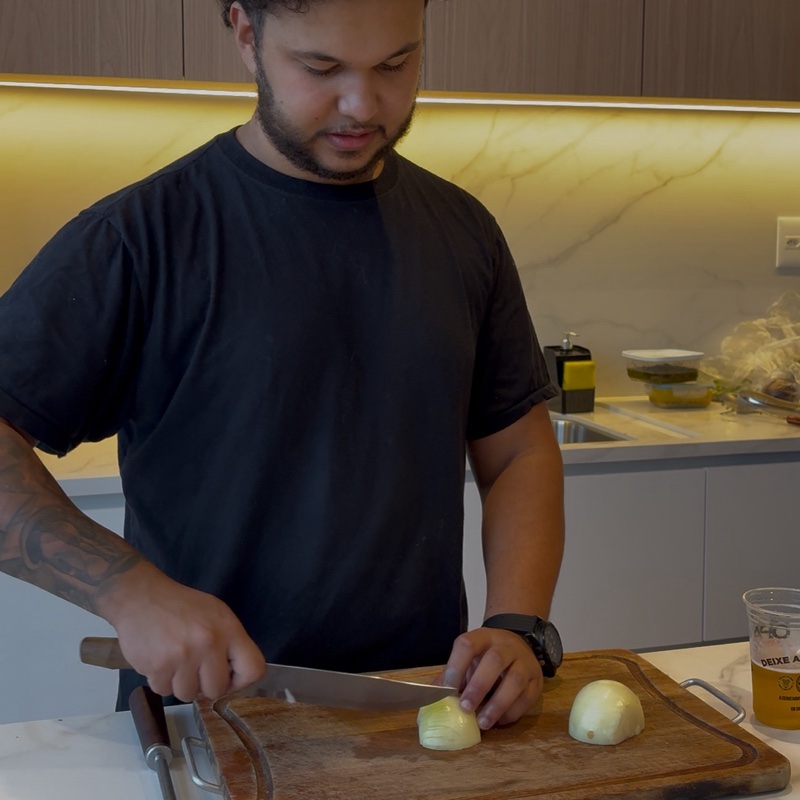
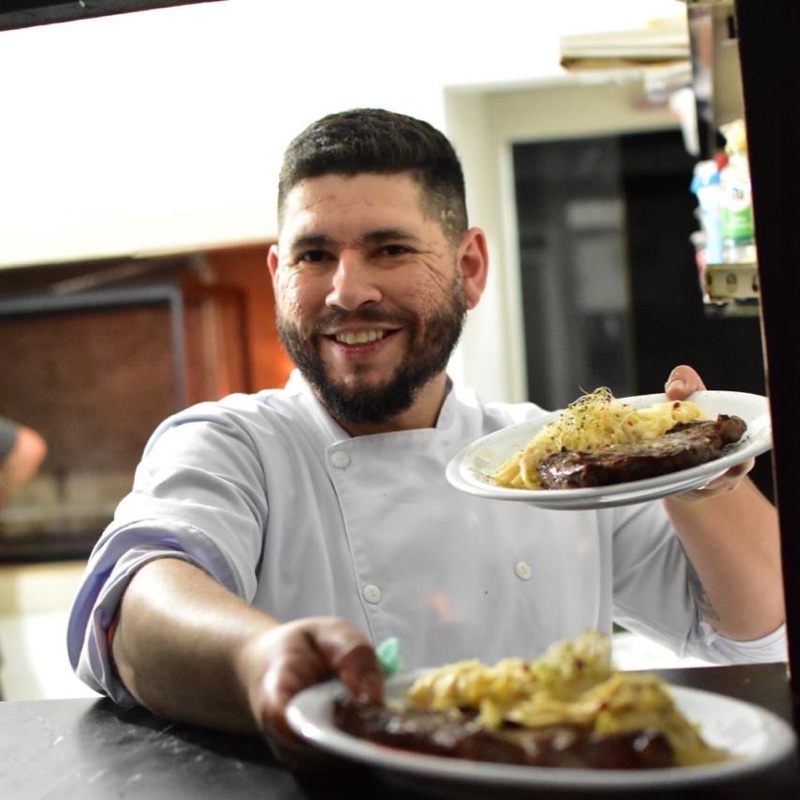
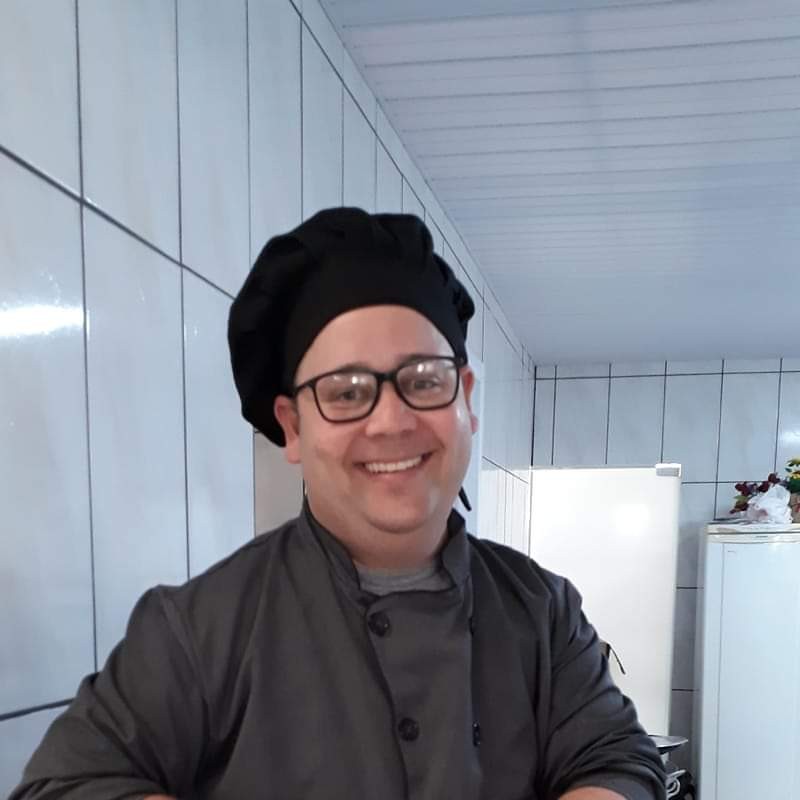
One of the most distinctive aspects of having a personal chef at an intimate wedding is that the chef becomes part of the experience. At a small gathering, guests can see the kitchen, smell the food being prepared, and often interact with the chef during welcome cocktails. This transparency — knowing who made your food and watching them work — creates a warmth and intimacy that no caterer's setup can replicate.
Some couples incorporate the chef explicitly into the event: a welcome bite that the chef personally presents and explains, a live cooking station where guests can watch a key dish being finished, or a moment where the chef speaks briefly about the menu's significance. These touches are natural at a micro-wedding in a way that would feel forced at a 150-person reception.
The cleanup and coordination burden on the couple also shifts. A personal chef typically handles kitchen cleanup as part of the service scope. A caterer brings their own team and handles their equipment return — but the logistics of coordinating multiple vendors can be more complex than coordinating with one highly capable chef.
When a Caterer Is Still the Right Choice
Guest count is the clearest signal. Above 60-70 guests, the personal chef model becomes operationally strained — a single chef cannot maintain quality across that many plates without a significant kitchen brigade, at which point you've essentially assembled a catering team anyway.
Venue logistics matter too. If your wedding venue requires licensed catering operations — some hotel venues, clubs, or event spaces have supplier lists or require ANVISA-certified catering operations — a caterer may be mandatory or strongly preferred. Check your venue's requirements before committing to a personal chef.
For ultra-traditional families where wedding food expectations are very specific (a set of regional dishes, very large family-style quantities, or specific religious dietary requirements at scale), an established caterer who specializes in those formats may simply have more relevant experience than a personal chef.
✓Confirm your venue's catering requirements
Some venues require approved supplier lists or licensed catering. Verify before committing to a personal chef.
✓Confirm your guest count
Under 50 guests: personal chef is usually the stronger choice. Over 60: caterer logistics become more relevant.
✓Assess service staff needs
A personal chef covers cooking; you may need to hire servers separately. Some chefs coordinate this; others don't. Clarify upfront.
✓Verify the chef's event experience
Ask specifically about weddings and private events. Request references. Event cooking requires different skills than meal prep.
Building Your Wedding Menu with a Chef
The most productive first conversation with a prospective wedding chef covers four things: the number of guests, the service style you envision (plated, family-style, buffet), any dishes or cuisines with personal meaning, and the dietary profile of your guest list. A chef who asks thoughtful follow-up questions in this conversation is one who will deliver a thoughtful menu.
Request a written proposal with a draft menu, an itemized cost breakdown (chef fee plus estimated ingredient cost), and a timeline for the day. Compare proposals from 2-3 chefs before deciding — the difference in approach, creativity, and understanding of your brief will be apparent.
Book your chef at least 3-4 months before the wedding for peak dates (June-August, November-January in Brazil). Popular chefs fill their calendars quickly, and the lead time also allows for proper menu planning, ingredient sourcing, and potentially a trial dinner where you taste the proposed menu before the day.
Pro Tip
Ask your chef if they offer a trial dinner — a chance to taste the wedding menu at home before the day. Many chefs offer this as an additional service. It removes all uncertainty about the food and doubles as a rehearsal for the chef's logistics.