The Real Cost of Cooking Yourself
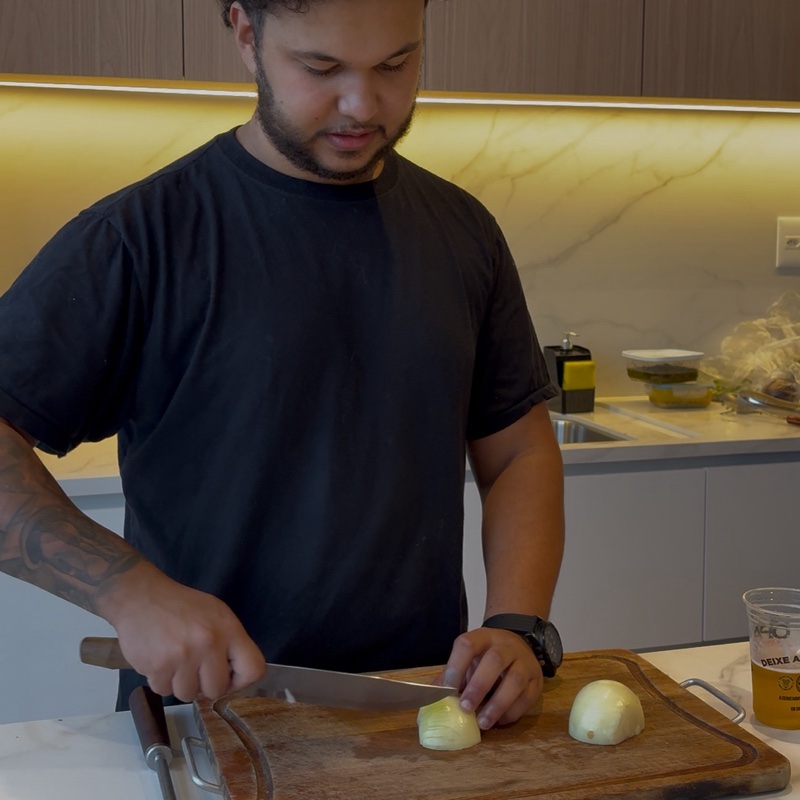
Cooking yourself is almost always cheaper in direct out-of-pocket cost — no chef fee, just ingredients. But the honest calculation includes your time, and time has a real value. An elaborate dinner party for 8 guests might require 4 hours of shopping, 3 hours of prep, 2 hours of active cooking, and an hour of cleanup — 10 hours that consume your entire day before guests arrive.
For everyday meals, the math shifts. A competent home cook can prepare a nutritious weeknight dinner in 30-40 minutes with practice and a stocked pantry. If you genuinely enjoy cooking and have that rhythm, there's no economic or experiential argument for hiring help on a Tuesday night.
Where the calculation changes is at the high end: complex menus, large gatherings, or occasions where your own enjoyment of the event matters. If you're spending the dinner party sweating in the kitchen while your guests drink without you, the 'savings' of cooking yourself come at the cost of the experience you were trying to create.
Pro Tip
Before hiring a chef, ask yourself honestly: will I be able to enjoy my own event if I cook? If the answer is no, a chef is likely worth it.
When Cooking Yourself Is the Clear Winner
Everyday meals for one or two people: if you have the time, the skill, and the enjoyment, home cooking beats any alternative on cost, nutrition control, and satisfaction. A couple who enjoys cooking together on weeknights is not the target market for a personal chef — and they shouldn't feel pressure to become one.
Casual, small gatherings where the cooking is part of the fun: a barbecue among close friends where everyone pitches in, a low-key birthday dinner for four where you know exactly what to make, or a Sunday family lunch where the kitchen chaos is itself part of the tradition. In these contexts, a personal chef would feel transactional and out of place.
When budget is genuinely constrained: personal chefs are a premium service. A weekly meal prep session costs R$400-R$700. If that represents a significant portion of your food budget, cooking yourself is simply the correct choice. There is no quality argument that overrides a genuine budget constraint.
✓You enjoy cooking and have the skill
Home cooking is rewarding when you're good at it and like doing it. Don't outsource something that gives you genuine pleasure.
✓The gathering is casual and cooking is part of the culture
Intimate dinners with close friends who'll pile into the kitchen with you are better without a chef in the room.
✓You have adequate time to cook without stress
If you can cook a great dinner and still be relaxed when guests arrive, do it yourself.
✓Your food budget doesn't comfortably accommodate a chef fee
A personal chef is a luxury. Cook yourself until the budget genuinely supports the upgrade.
When a Personal Chef Is the Better Choice
High-stakes occasions: a proposal dinner, a milestone anniversary, a business dinner at home where the meal reflects your judgment and taste. These are not moments to gamble on your own execution under pressure. A personal chef brings professional reliability — the risotto will not overcook while you're greeting guests at the door.
Large gatherings beyond your comfortable scale: most home cooks have a number beyond which they lose control of timing and temperature simultaneously. That number varies — for some it's 8, for others it's 12 — but beyond it, a professional is more than just helpful. The quality difference at 20 guests between a skilled chef and a stressed home cook is significant.
When you want to be a guest at your own party: this is the most underrated reason to hire a chef. You planned the event, curated the guest list, chose the wine — why spend the evening managing burner timing while your friends are in the living room? A chef liberates you to be present.
Pro Tip
For dinner parties of 6 or more where the menu has more than 2 courses, professional help almost always produces a better outcome — both in food quality and your enjoyment of the evening.
Skill Gap: Honest Self-Assessment
Most home cooks have a ceiling. You might make excellent everyday food but struggle with timing multiple complex dishes simultaneously, managing a tasting menu, breaking down whole fish, or executing a technically demanding dessert without a dry run. A personal chef has practiced these skills across hundreds of events — their experience is the product you're buying.
There's no shame in recognizing a skill gap. The best home cooks are often the most honest about where professional help raises the ceiling. A São Paulo chef who has cooked 80 private dinners will produce a better magret de canard than someone making it for the third time in a high-pressure social setting.
The exception is when the imperfection is the point. A cake baked by a grandmother with a slightly uneven rise carries emotional weight that no professional pastry chef can replicate. Know the difference between occasions that call for professional polish and those that call for personal meaning.
The Time Equation for Regular Cooking
For busy professionals in São Paulo, Belo Horizonte, or Brasília, the arithmetic of daily cooking often tips toward chef meal prep even if they enjoy cooking. A full-time professional with 2 children cooking 5 weeknight dinners at 45 minutes each is spending 3.75 hours per week on execution alone — more on shopping, planning, and cleanup.
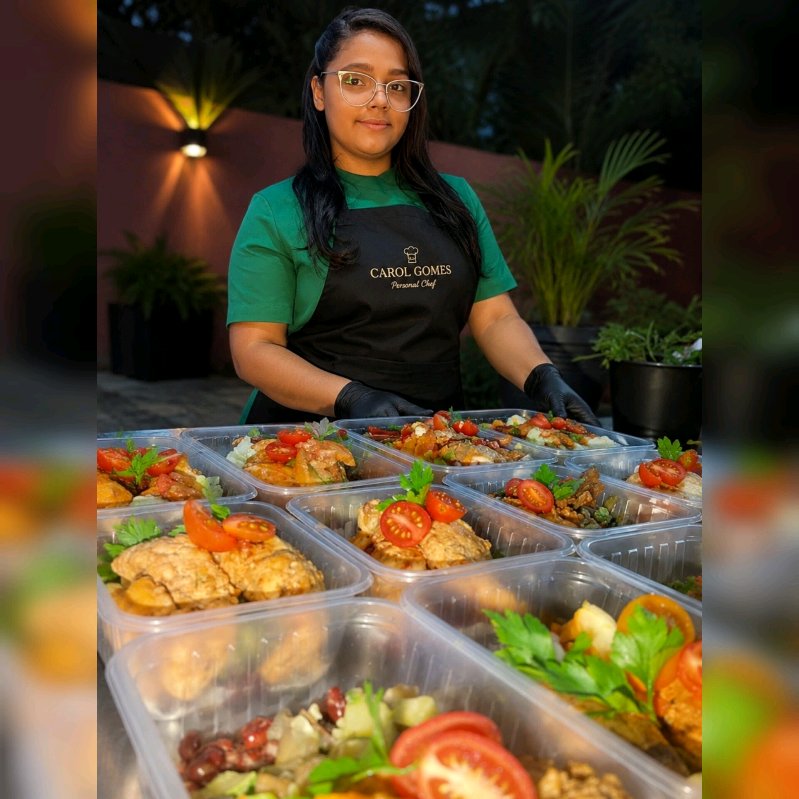
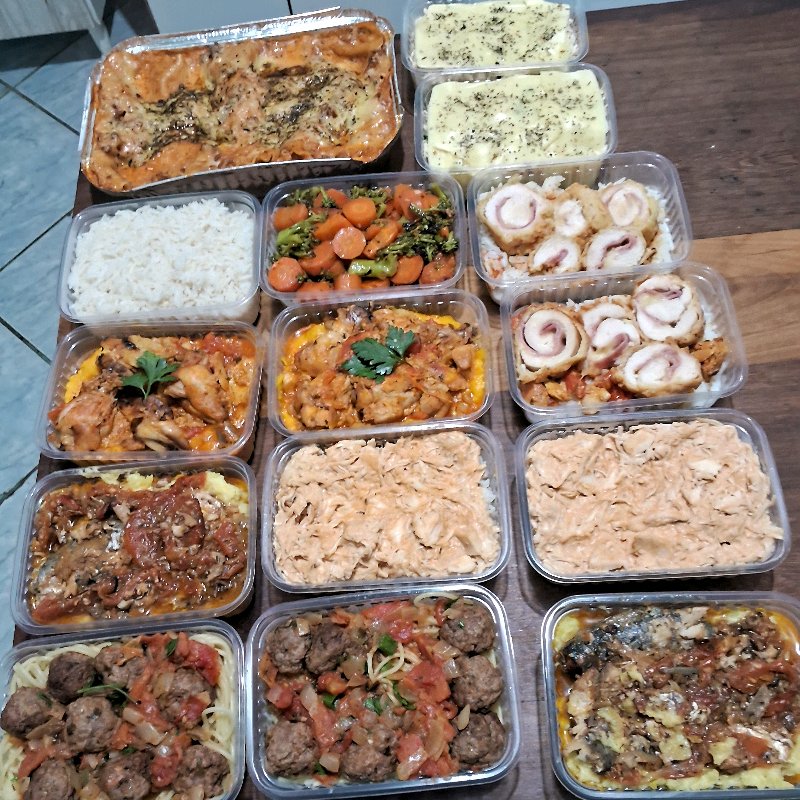
A weekly chef session that covers weekday lunches and dinners trades that 7-8 hours of weekly food effort for a single 3-minute microwave routine per meal. The freed time has value — for exercise, family presence, or work — that is often worth considerably more than the chef fee.
The honest counter is that cooking is sometimes how people decompress. If the 45-minute evening cook is your preferred way to transition from work to home life, that benefit is real and doesn't show up in a time audit. Optimize for what your life actually needs.
✓Calculate your actual weekly cooking hours
Include planning, shopping, prep, cooking, and cleanup. Most people spend 6-10 hours per week on food when they tally everything.
✓Assign an honest hourly rate to your time
If your professional time is worth R$100/hour, 8 hours of weekly cooking represents R$800 in implicit cost — often more than a chef session.
✓Identify your genuine enjoyment threshold
Some cooking activities you enjoy; others you don't. Consider outsourcing the portions you dread and keeping the ones you like.
✓Factor in the quality of outcomes you actually produce
Be honest about whether your everyday cooking meets your own standards, especially when tired. Fatigue degrades cooking quality.
A Practical Decision Framework
Cook yourself when: the occasion is casual and small, you genuinely enjoy cooking, budget is a meaningful consideration, or the act of cooking is itself part of the experience you want to share.
Hire a personal chef when: the occasion is high-stakes or large, you want to be fully present as a host, the menu exceeds your comfortable skill level, your time cost outweighs the chef fee, or the food quality matters more than the cooking process.
Consider a hybrid over time: cooking your own everyday meals while booking a chef for events and special dinners is how most myChef clients use the service. You don't have to choose one model permanently — the right choice depends on the specific occasion, not a fixed lifestyle label.
Finding the Right Chef for Your Occasions
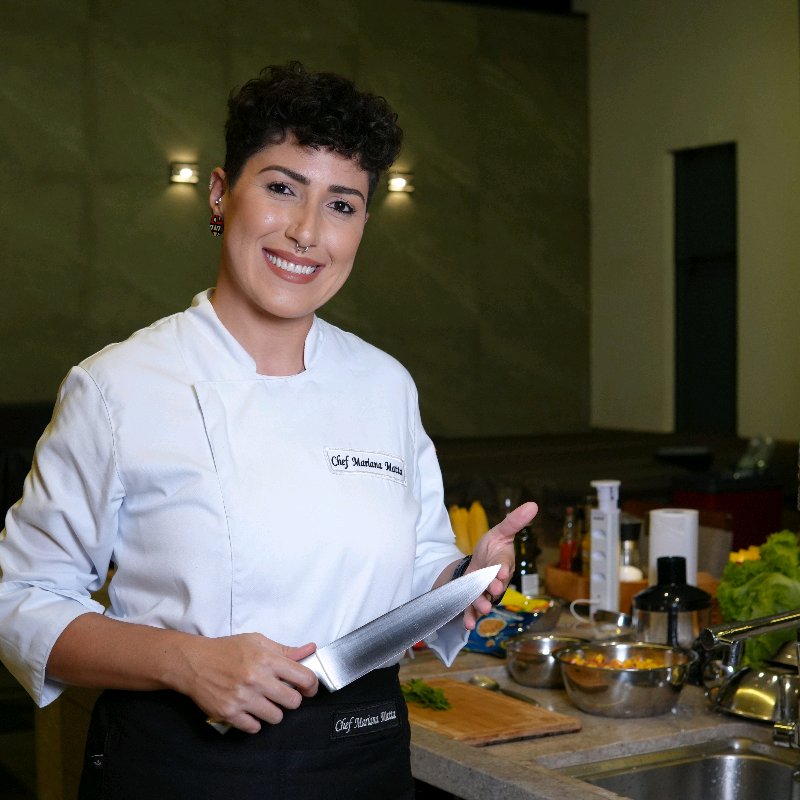
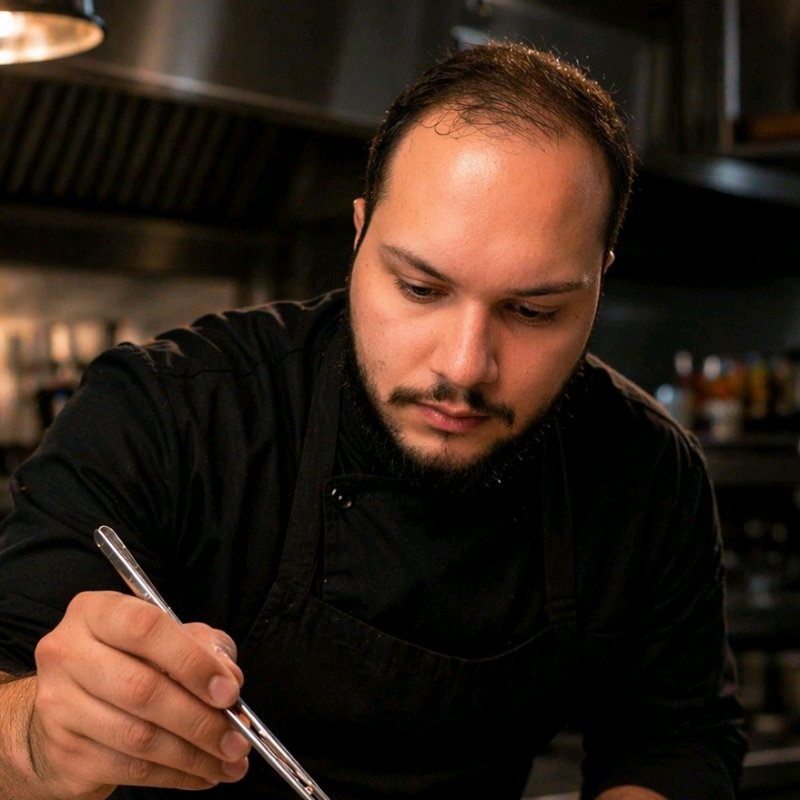
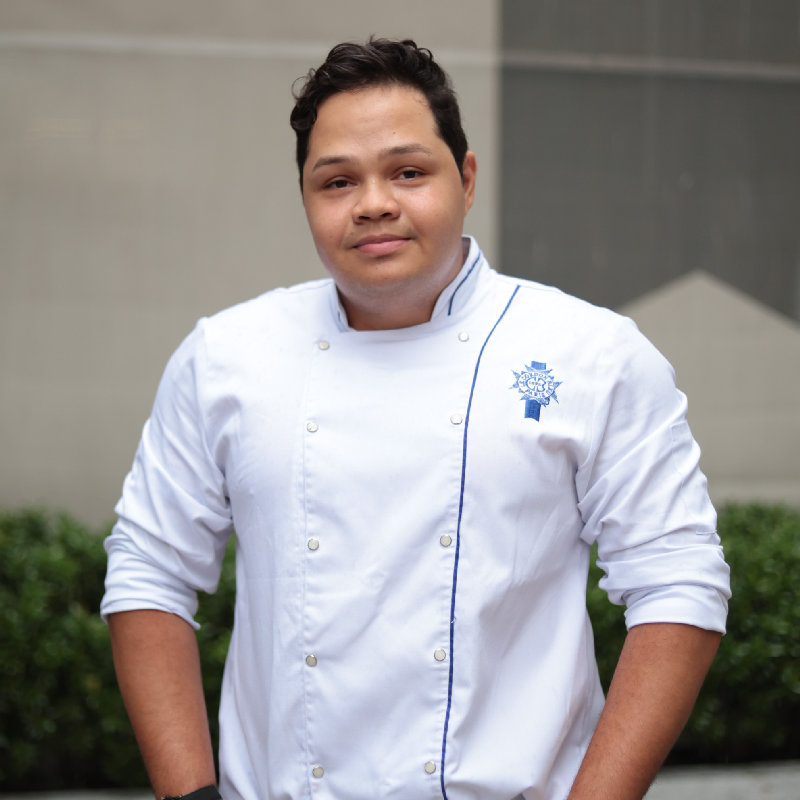
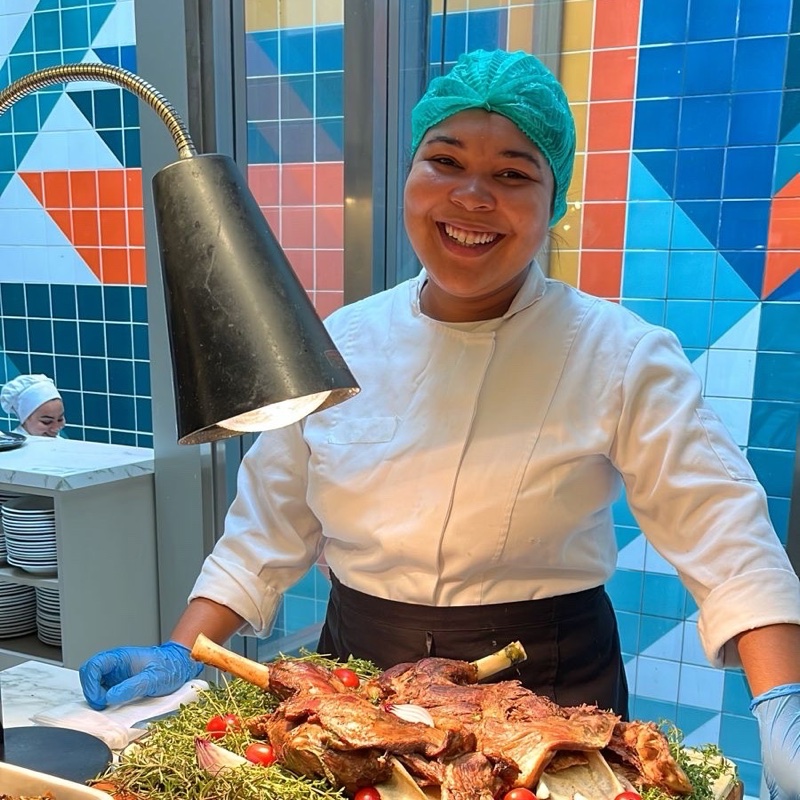
If you've decided certain occasions call for a chef, the right match matters enormously. A chef who specializes in Japanese omakase experiences is not the best fit for a Brazilian family Sunday lunch. Look for chefs whose stated specialty and portfolio reviews align with what you're trying to create.
On myChef, chef profiles specify their cuisine specialties, the type of events they most frequently serve (intimate dinners, meal prep, large events), their price range, and verified reviews from past clients. Reading 5-6 reviews from events similar to yours gives a reliable prediction of the outcome.
The first booking with a new chef is always an opportunity for calibration. Communicate your style expectations, your guests' palates, any dietary restrictions, and the atmosphere you're trying to create. The more you share, the closer the output will be to the event you imagined.
Pro Tip
When trying a new chef for a dinner party, brief them on your guests as well as the menu. Knowing that two guests are pescatarians, one avoids spicy food, and the birthday guest loves chocolate changes the menu design significantly.