What a Private Cooking Class at Home Includes
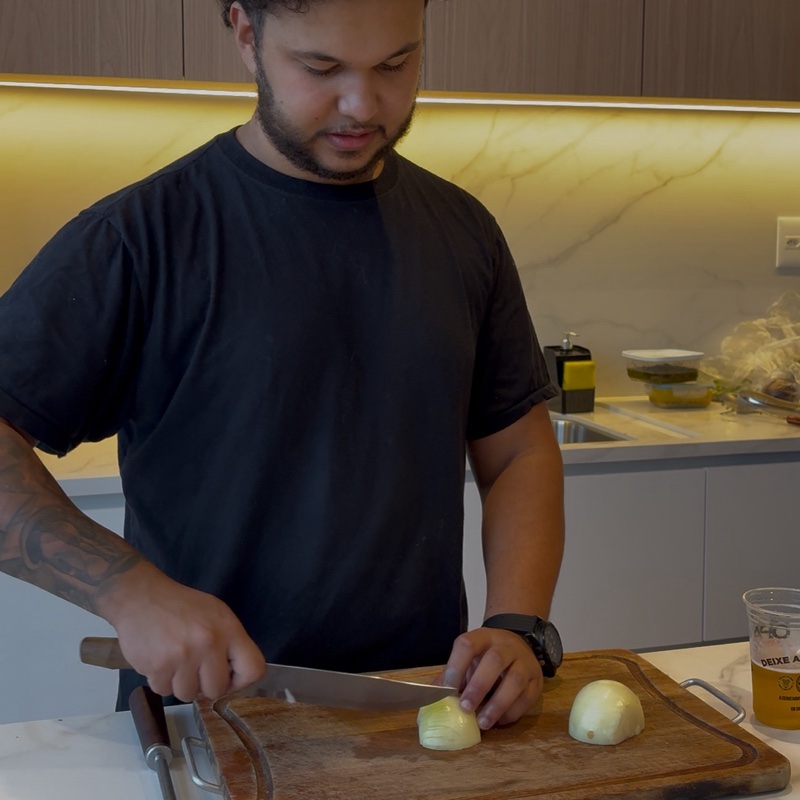
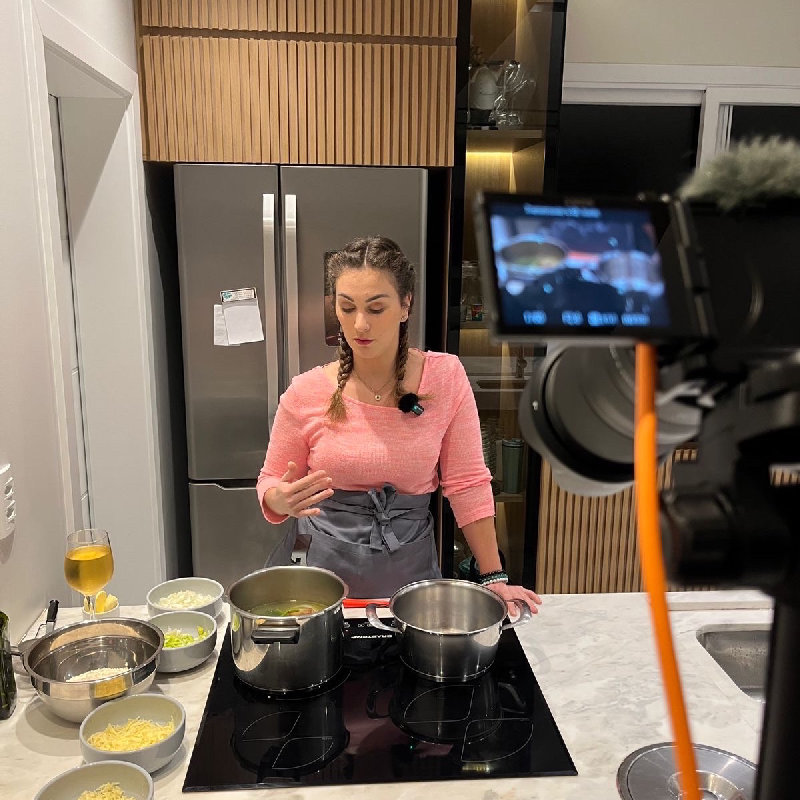
A home cooking class with a personal chef typically includes: a pre-session consultation to establish your skill level and cuisine interests, the chef shopping for all ingredients, a structured teaching session at your kitchen (usually 2.5–4 hours), hands-on cooking with the chef guiding you through each step, and sitting down to eat what you've made together at the end.
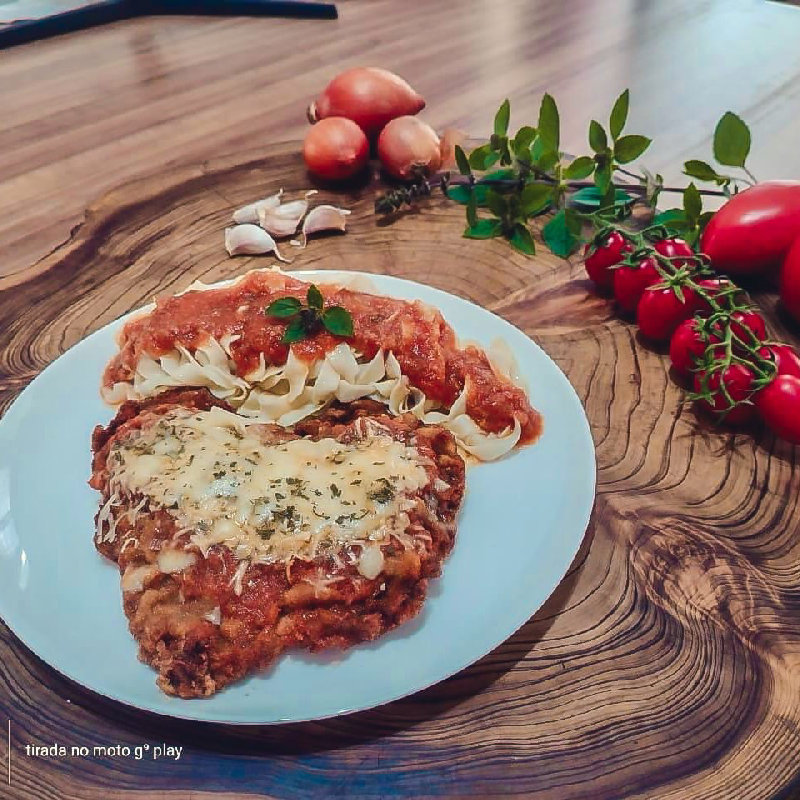
Most classes are designed around a full meal — two to three dishes that form a coherent dining experience. A pasta class might cover fresh egg pasta from scratch, a classic ragù, and tiramisu. A Japanese class could teach knife technique, sushi rice, nigiri, and miso soup. The food you cook is the meal you eat.
What's usually not included: beverages (bring your own wine or drinks to enjoy during or after the class), specialized equipment beyond what a well-stocked home kitchen has, and printed recipe cards — though most chefs will share recipes digitally. Always confirm what the quote covers.
Price Ranges: What Each Tier Delivers
Entry level (R$200–R$300 per person): Classes at this price point are typically led by talented cooks with culinary training but limited formal teaching experience. The cuisine tends to be accessible — Italian basics, Brazilian regional dishes, or foundational techniques like knife skills and stocks. Great for curious beginners or casual group experiences.
Mid level (R$300–R$450 per person): The majority of quality home cooking classes in São Paulo, Rio de Janeiro, and other major Brazilian cities fall here. Chefs at this tier have professional kitchen backgrounds and experience teaching. They can cover more technically demanding cuisines — Japanese, French fundamentals, modern Brazilian — with clear explanations and hands-on instruction.
Premium level (R$450–R$700+ per person): Classes taught by chefs with formal culinary education, international experience, or deep specialization. A sushi master who trained in Japan, a pastry chef with a confectionery background, or a recognized expert in Amazonian ingredients. These classes are genuinely educational in ways that go beyond recipes — they transmit professional knowledge.
Pro Tip
For groups, the per-person cost drops considerably because the chef's base fee is shared. A class for two might cost R$800–R$1,000 total; the same class for six typically costs R$1,400–R$2,000 total — R$240–R$330 per person, far more economical.
What Shapes the Final Price
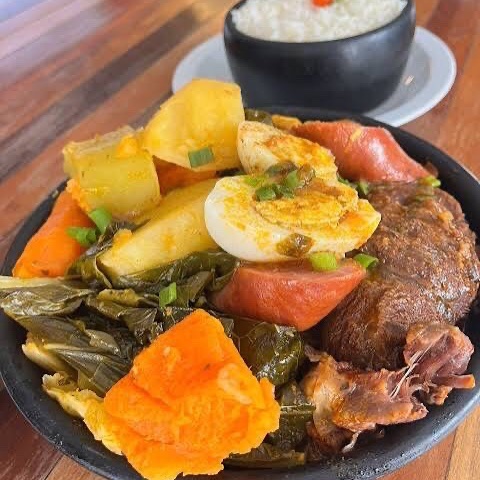
Cuisine complexity is the primary driver. A Brazilian feijão tropeiro or a basic pasta all'amatriciana requires less time, technique, and specialized ingredients than a proper bouillabaisse, a sushi omakase, or a proper croissant. More complex cuisines cost more because they demand a chef with deeper expertise and because the class itself requires more time.
Group size works in your favor: the chef's base fee is fixed regardless of whether one or eight people are learning. More participants spread that cost across more tickets. However, for hands-on classes where everyone is at the counter cooking, most chefs cap participation at six to eight people to preserve the quality of individual instruction.
Occasion premium: bachelorette parties, team-building events, and birthday class bookings often attract a weekend or group-event premium of R$100–R$300 above the base rate. Weekday classes are consistently cheaper for the same chef and curriculum.
✓Clarify the class format upfront
Ask whether you'll be actively cooking or watching a demonstration — hands-on costs more but is more valuable as an experience.
✓Confirm ingredients are included
Most classes include ingredients in the per-person price, but confirm this to avoid billing surprises.
✓Ask about your kitchen requirements
Some cuisines require specific equipment (a wok burner, a pasta machine). Confirm the chef can work with what you have.
✓Check the skill level match
A class designed for beginners will frustrate an experienced cook; an advanced class will overwhelm a first-timer. Discuss your baseline honestly.
✓Inquire about dietary adaptations
Most chefs can adapt recipes for vegetarian, gluten-free, or other dietary needs if notified in advance.
Popular Class Types and Their Typical Costs
Pasta and Italian fundamentals (R$250–R$400/person): The most popular class type in Brazil, reflecting the strong Italian culinary influence in cities like São Paulo. Typically covers fresh pasta from scratch — tagliatelle, pappardelle, ravioli — with a sauce and dessert. Easy to tailor to beginners while still producing genuinely impressive results.
Japanese / sushi class (R$350–R$600/person): High demand, specialized skills, and relatively expensive ingredients make sushi classes one of the pricier options. A quality class covers sushi rice technique, knife handling, nigiri, and rolls — skills that take years to master but whose fundamentals are teachable in an afternoon. Premium ingredient sourcing (salmon, tuna, quality nori) is part of the cost.
French and pastry (R$350–R$550/person): Fundamentals of French cooking or pastry technique — croissants, eclairs, boeuf bourguignon, classic sauces. Technically demanding, which means these classes require a chef with real French technique. Among the most educationally dense class types available.
Cooking Classes as Gifts and Group Events
A private cooking class is one of the most consistently well-received gifts in the experience economy. For couples (a cooking date), for mothers on Dia das Mães, for a partner who's been wanting to learn to make sushi — it's personal, participatory, and leaves you with a skill rather than an object.
For group events — bachelorette parties (despedida de solteira), team building, friend groups celebrating a birthday — a cooking class transforms a gathering into an activity. Guests arrive, cook together, and eat together. The cooking becomes the conversation, and the results are immediately gratifying.
Gift vouchers for cooking classes are available on myChef and allow the recipient to choose a date and cuisine that suits them — a practical solution when gifting someone who has a complicated schedule.
How to Choose the Right Class
Start with the cuisine: what does the recipient or group most want to eat or learn? Matching the class to a genuine food interest produces far better engagement than picking the most impressive-sounding option. Someone who loves sushi will get far more from a Japanese class than from a French pastry session.
Then match the chef to the class. Read reviews that specifically mention the class format and teaching style, not just the food quality. A talented chef who is a poor teacher delivers a frustrating experience; a skilled communicator who can articulate technique while cooking is what makes a class genuinely educational.
Finally, check logistics: your kitchen size (counter space for everyone to work simultaneously), the equipment the chef will need, and the available time window. A three-hour class requires a different afternoon commitment than a five-hour one.