How a Private Cooking Class at Home Works
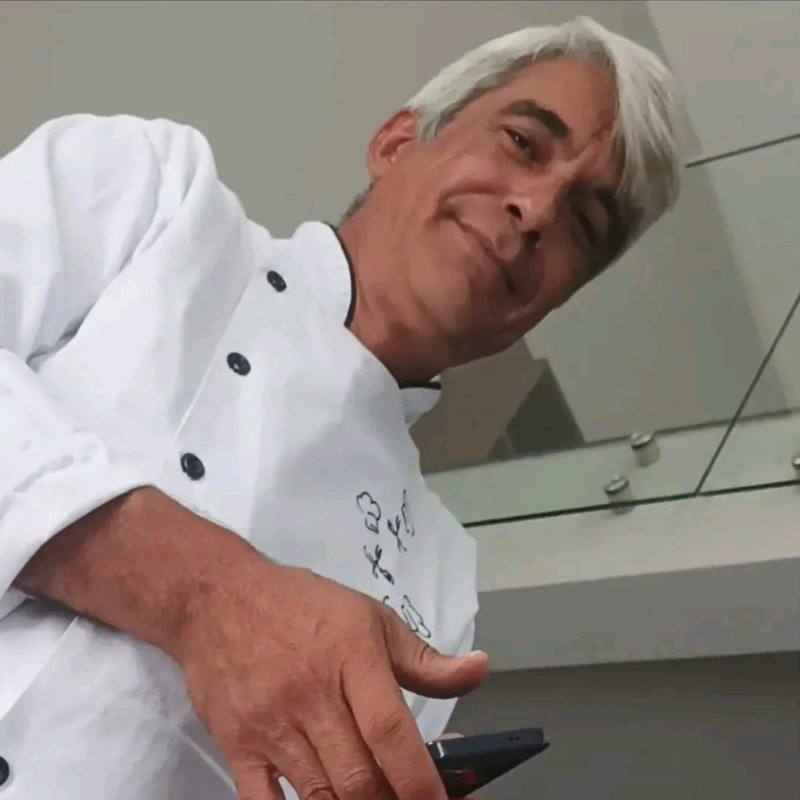
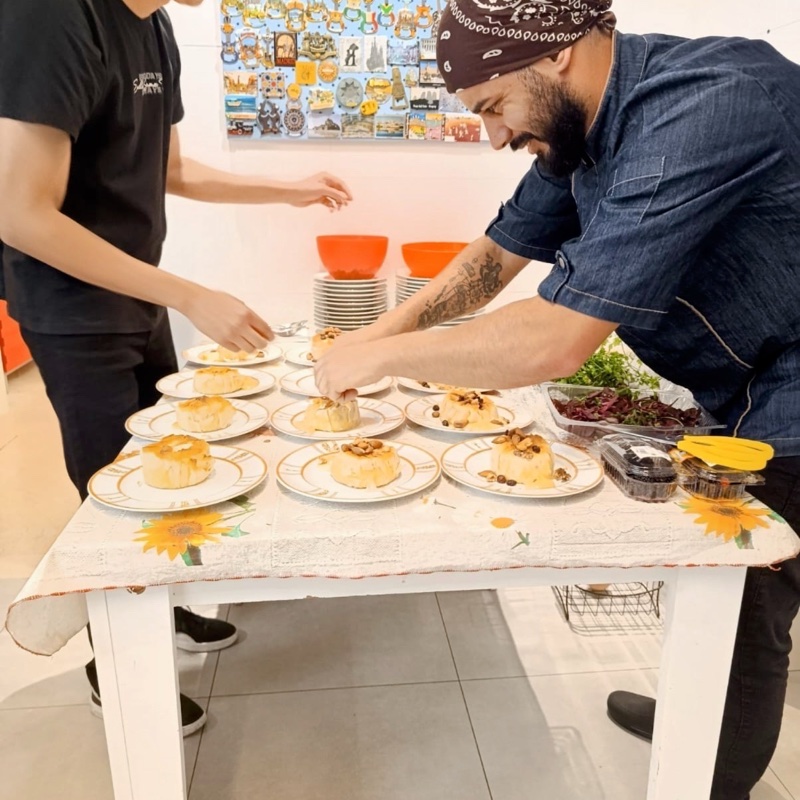
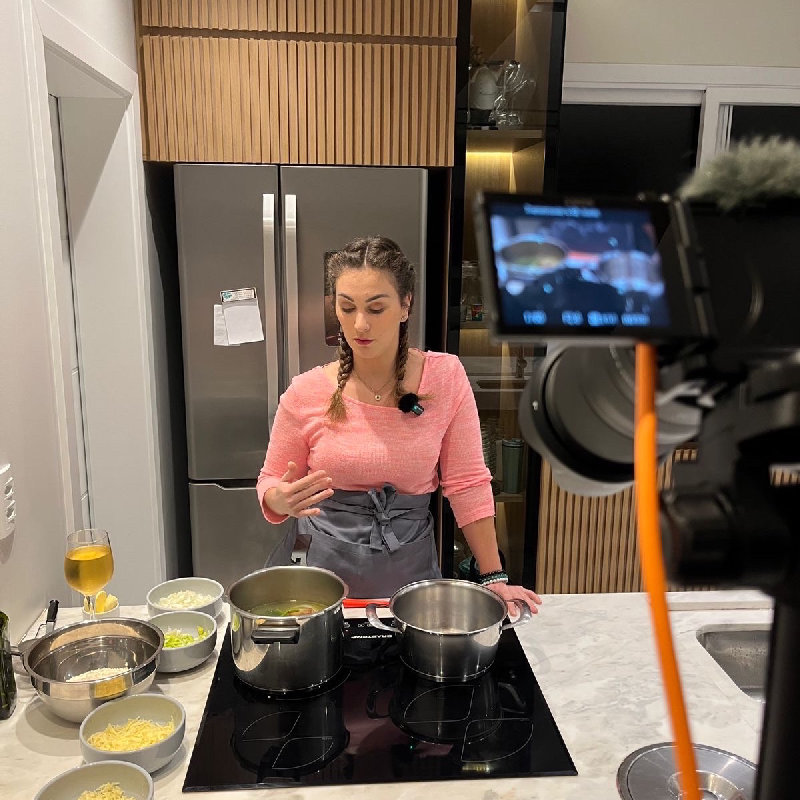
A private cooking class typically runs two to three hours and ends with a meal. The chef arrives 30 to 45 minutes before participants to set up mise en place—ingredients washed, measured, and laid out at each station, equipment in place, recipe cards printed or projected. When participants arrive, they move straight into cooking rather than waiting for prep.
The class structure varies by chef and cuisine, but most follow a similar arc: a brief introduction to the session's theme and techniques, hands-on preparation of two to four dishes in sequence, a tasting and Q&A during the meal, and a short discussion of what to do at home to practice. The ratio of chef instruction to participant hands-on time should be roughly 30/70—you should be cooking far more than watching.
For group classes of six or more people, chefs often divide participants into stations—one pair making pasta, another preparing the sauce, another working on a dessert—and then rotate, so everyone experiences every element of the menu. This keeps energy high and prevents the common problem of larger groups where some people end up watching rather than participating.
Pro Tip
Before booking, be honest with the chef about your current skill level. A beginner-friendly class is genuinely different from an intermediate or advanced session—the techniques demonstrated, the pace, and the complexity of the dishes all change. Booking above your level leads to frustration; below it leads to boredom.
Cooking Class Menu Ideas by Cuisine and Theme
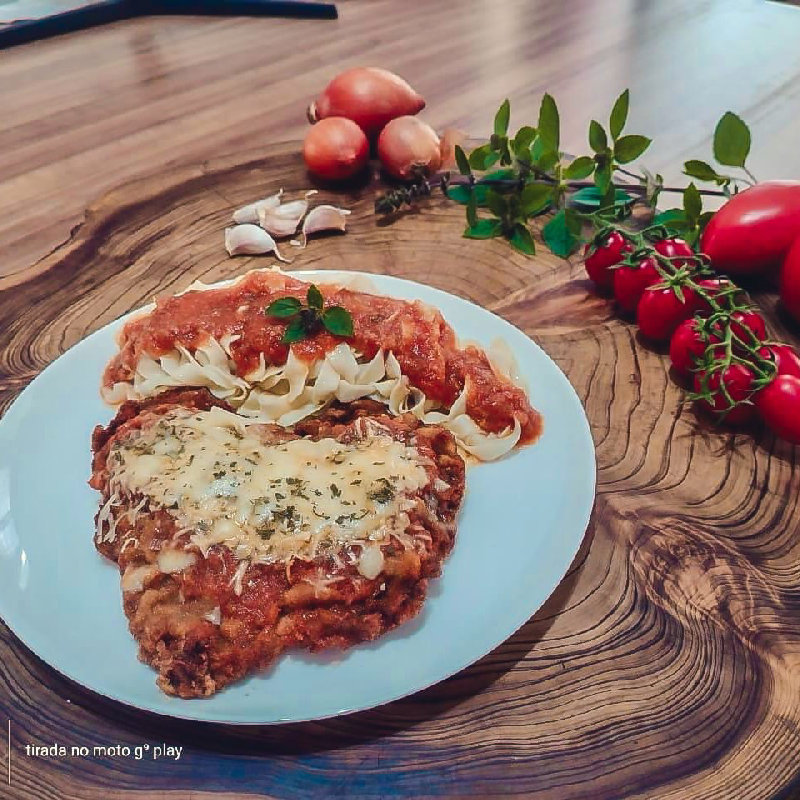
Italian pasta is the most-requested cooking class theme in Brazil—by a significant margin. Rolling fresh tagliatelle, folding tortellini, or shaping gnocchi by hand produces an immediate sense of accomplishment and teaches transferable technique. A typical pasta class covers one or two pasta shapes, one classic sauce (cacio e pepe, Bolognese, burro e salvia), and a complementary starter or dessert. Participants leave being able to replicate the full menu at home.
Japanese cuisine—particularly sushi and sashimi—is the second most popular class theme, reflecting São Paulo's extraordinary relationship with Japanese food culture. A private sushi class covers knife technique (how to break down a whole fish, how to cut sashimi precisely), seasoning and shaping rice, and three to five different roll types. Many São Paulo chefs who run sushi classes studied under Liberdade's Japanese masters or worked in Bairro da Liberdade restaurants before moving into private service.
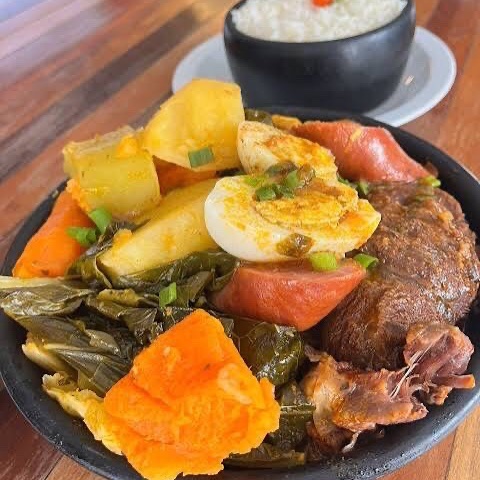
Brazilian regional cuisine classes are increasingly popular with both Brazilian and international participants. A Bahian class covers the fundamentals of dendê, coconut milk, and Bahian spice—vatapá, moqueca, acarajé—and is a revelatory experience for participants who have only experienced these dishes in restaurants. A Minas Gerais class might focus on feijão tropeiro, tutu de feijão, and frango ao molho pardo—dishes that are the soul of the state's cooking but rarely taught formally.
Dessert and confectionery classes deserve special mention because they attract participants who want specifically sweet skills. A brigadeiro class sounds simple but covers tempering chocolate, understanding fat ratios, and achieving different textures (soft, hard, creamy)—genuinely technical content. A croissant and viennoiserie class covers laminated dough technique, which is the foundation of many of pastry's most impressive preparations. These classes attract serious home bakers and are available from pastry chefs in major Brazilian cities.
✓Fresh pasta (Italian)
Hand-rolling tagliatelle, tortellini, or gnocchi with a classic sauce—most popular beginner theme.
✓Sushi and sashimi (Japanese)
Knife technique, rice preparation, and rolling—deeply tied to São Paulo's Japanese food culture.
✓Bahian regional cuisine
Moqueca, acarajé, vatapá—the flavors of dendê and coconut milk in hands-on format.
✓Churrasco technique
Fire management, cut selection, seasoning, and timing—for those who want to master Brazilian barbecue.
✓Pastry and confectionery
Brigadeiros, croissants, macarons—genuinely technical sweet skills taught by pastry specialists.
✓Peruvian ceviche and tiradito
Acid technique, leche de tigre preparation, and the subtle art of curing fish—growing rapidly in popularity.
Cooking Classes as Gifts and Group Experiences
A private cooking class is one of the most consistently well-received gifts in Brazil's experience-economy era. Unlike physical gifts that sit unused, a cooking class is consumed entirely—there's a memory, a skill, and a meal. It works particularly well as a birthday gift for someone who enjoys cooking but lacks formal technique, as a Valentine's Day alternative to a restaurant reservation, or as a graduation gift for a young adult setting up their first apartment.
For couples, a private cooking class is an increasingly popular date-night format that offers something a restaurant dinner cannot: participation. Rather than sitting across a table being served, both people are working together, making decisions, tasting, adjusting, and building something shared. Chefs who run couples' classes often structure the session around dishes that require collaboration—one person making pasta while the other prepares the sauce, then switching roles.
Corporate team cooking classes are a growing segment, particularly in São Paulo where team-building activities that produce something tangible—a meal everyone eats together—are favored over purely recreational options. A class of twelve to twenty colleagues divided into competitive stations, each making a course of a shared dinner, creates genuine camaraderie. The meal at the end is the celebration. Many companies in Faria Lima and Paulista now host quarterly team cooking classes rather than traditional happy hours.
Pro Tip
For corporate team classes, ask the chef to incorporate a light competitive element—a best-plated-dish judging round, a taste-blind identification challenge—to raise engagement. Friendly competition within a team cooking class consistently produces more energy and better group dynamics than purely collaborative formats.
What the Chef Provides and What You Need at Home
A private cooking class chef typically brings all ingredients, recipe cards, and any specialized equipment the menu requires—a pasta machine, a sushi rolling mat, a Japanese santoku knife for demonstration, a cook's blowtorch for crème brûlée. Your kitchen needs only basic equipment: stovetop, oven, mixing bowls, and standard utensils. Confirm the equipment list with the chef during booking so there are no surprises on class day.
The kitchen itself needs minimal preparation from your side. Clear a working surface of approximately one square meter per participant—more if the class is large. The chef will set up stations, lay out ingredients, and handle all mise en place before the class begins. Your only job is to arrive in comfortable clothes you're not worried about staining and to be ready to cook.
Ingredient sourcing is the chef's responsibility, but you can discuss preferences. If you want the class to use organic produce, specify this at booking. If you have strong preferences about protein provenance—local fish, free-range chicken—share this in advance. Most chefs are flexible and appreciate clients who know what they want.
Skill Levels and How Classes Are Adapted
Good cooking class chefs adapt their sessions fluidly to participant skill levels, but the adaptation works best when the chef knows what to expect in advance. Be honest during booking: are the participants absolute beginners who have never made fresh pasta? Intermediate home cooks who want to expand their technique? Enthusiasts who already make sushi at home and want to refine precision?
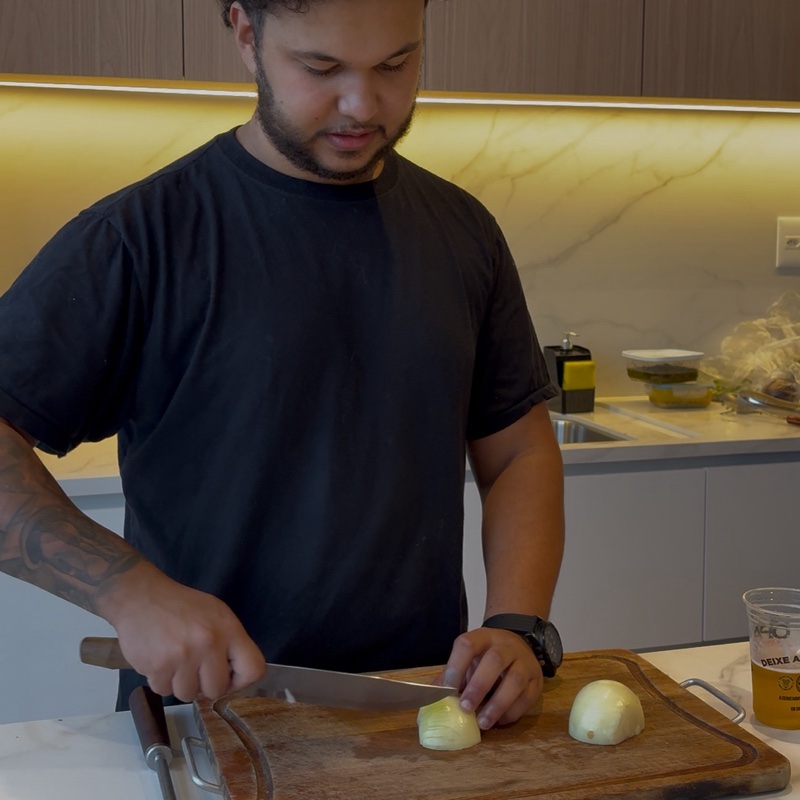
Beginner classes focus on foundational technique—knife skills, heat management, seasoning by taste rather than by measurement, understanding how flavors balance. The menu is typically simpler, the instruction is more detailed, and the chef takes more time explaining 'why' rather than just 'how.' These classes are appropriate for participants who rarely cook and are looking for confidence as much as technique.
Advanced classes assume baseline competence and focus on either a demanding specific technique (laminated dough, Japanese cutting, precision sauce-making) or a cuisine deep enough that its underlying logic—the flavor logic of Bahian cooking, the acid-fat-heat balance of Peruvian cuisine—requires exploration rather than simple instruction. These are genuinely absorbing classes for people who already cook well.
Cost of a Private Cooking Class in Brazil
A private cooking class for two people at home typically costs R$500–R$1,200, including the chef's time, ingredients, and materials. For a group of four to six people, the per-person cost drops meaningfully—a class for six typically runs R$1,200–R$2,500 total, or R$200–R$420 per person. Corporate team classes for twelve or more participants are priced differently and often include a full meal service component.
The price varies with the chef's specialization. A sushi class with a chef who trained under Liberdade masters commands higher rates than a general Italian pasta class. Pastry classes requiring expensive specialty ingredients (Valrhona chocolate, premium butter, Madagascar vanilla) also run at the higher end of the range.
Compared to in-person cooking schools in São Paulo—where a single group class can run R$250–R$450 per person in a shared class with twelve or more students—a private class at home offers a dramatically better learning ratio (direct access to the chef at every moment), complete menu customization, and the convenience of not leaving your home.