What a Daily Cook (Cozinheira Diarista) Actually Does
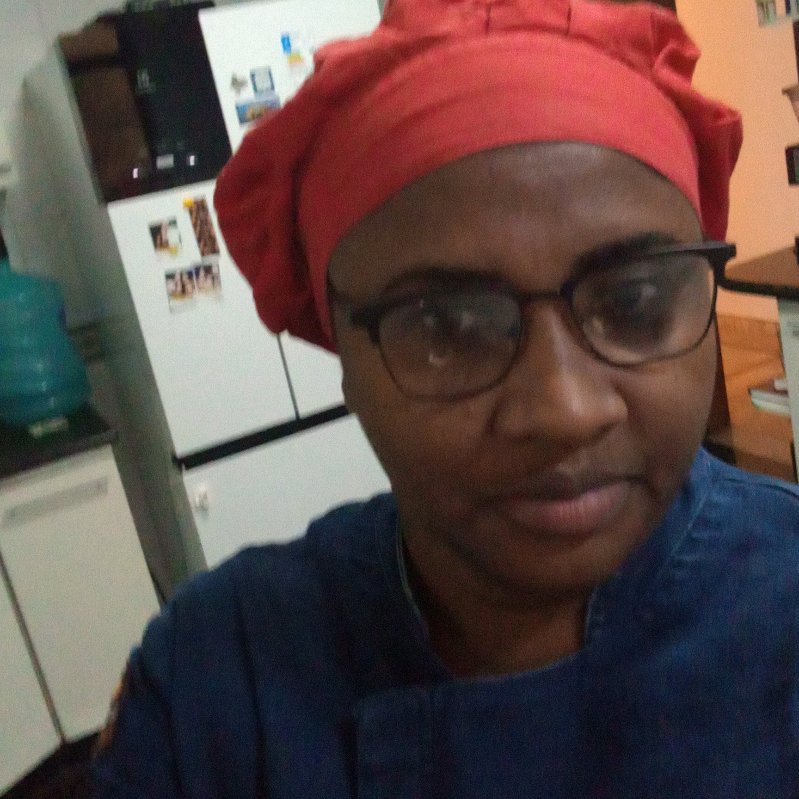
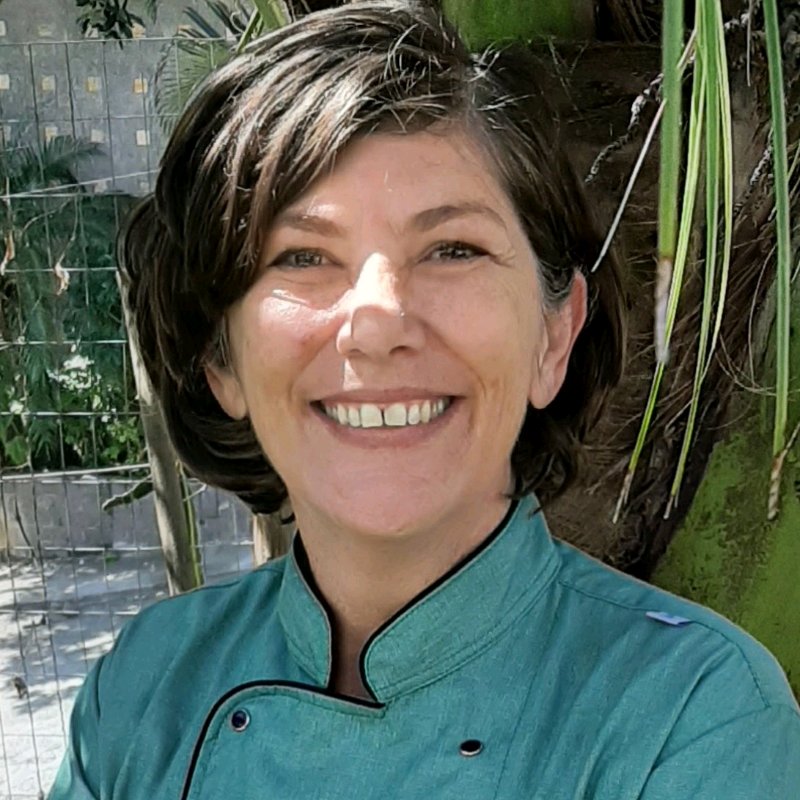
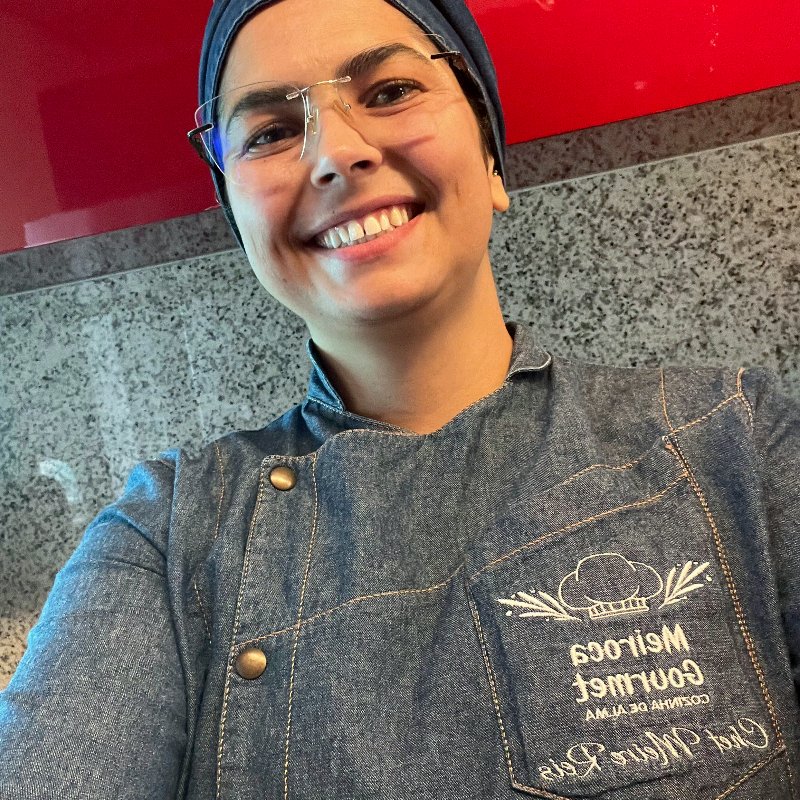
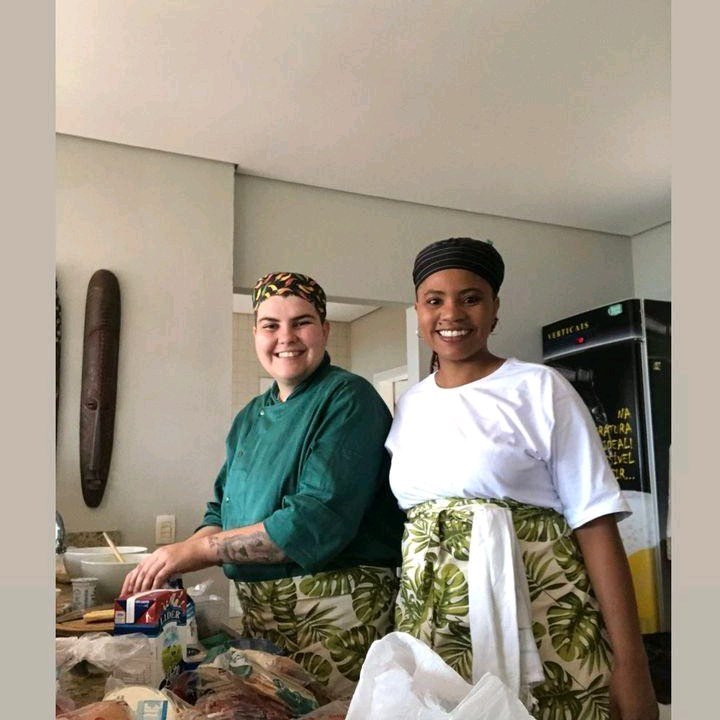
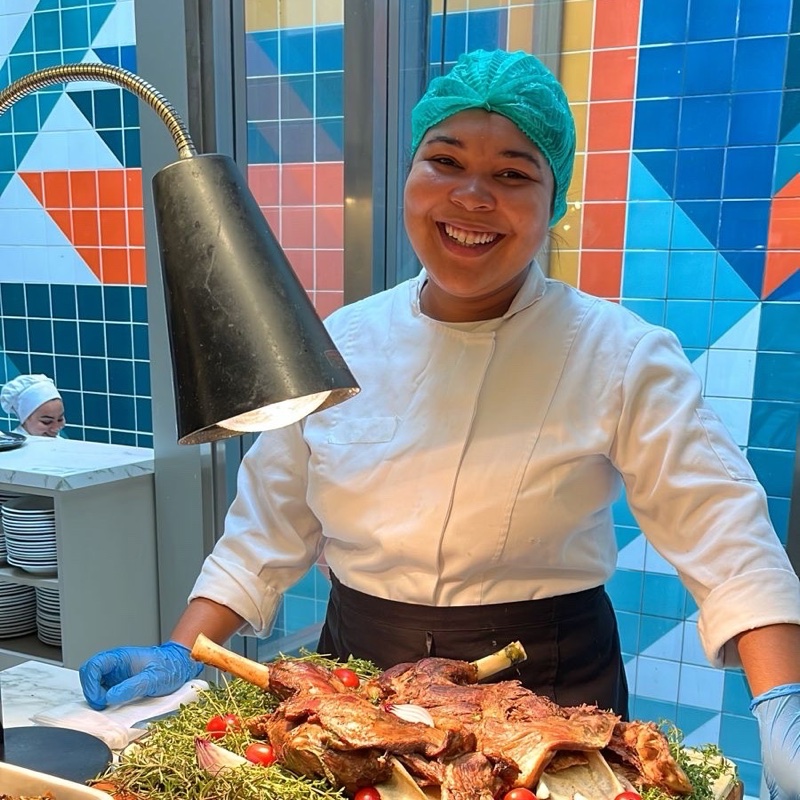
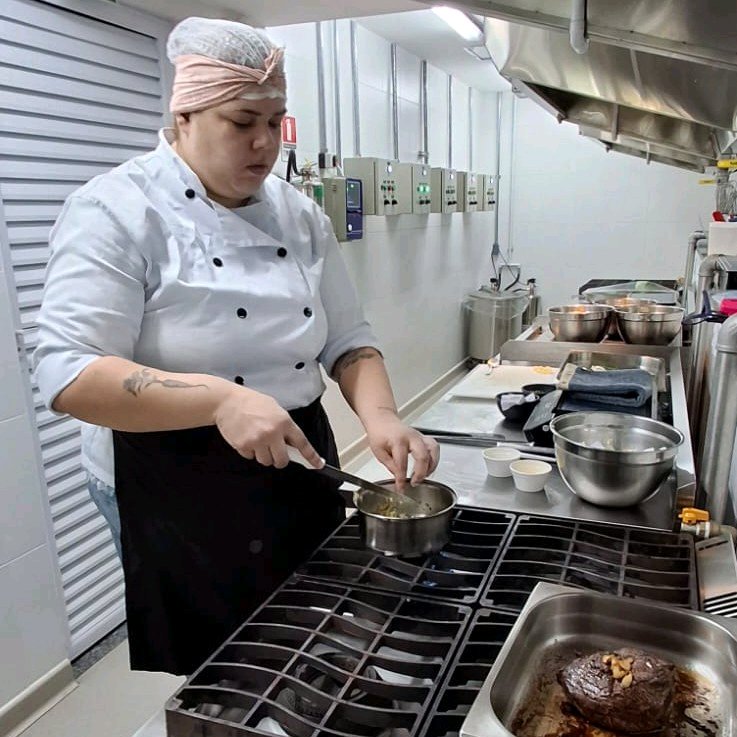
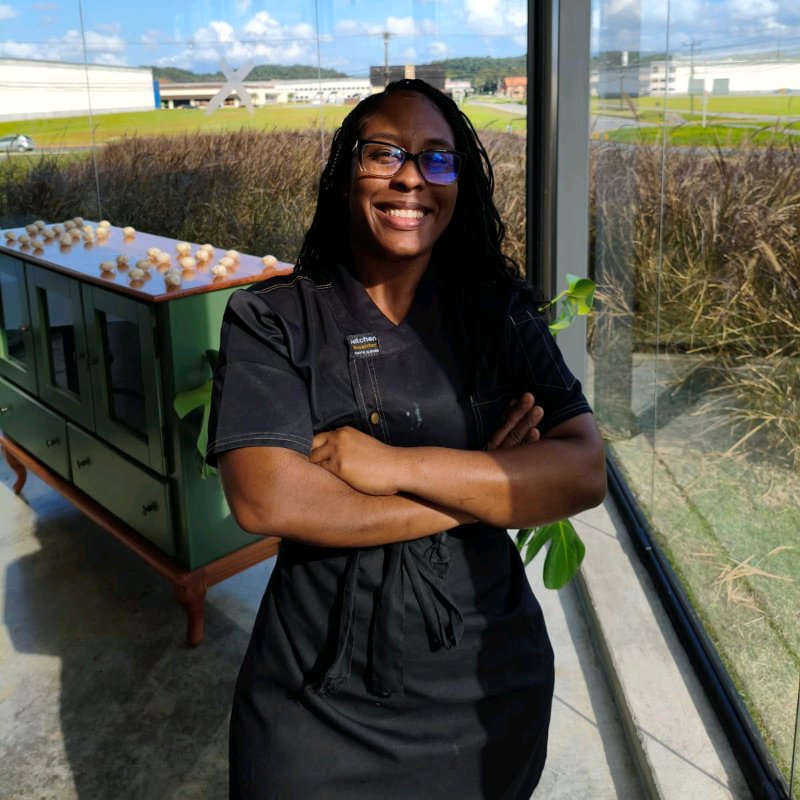
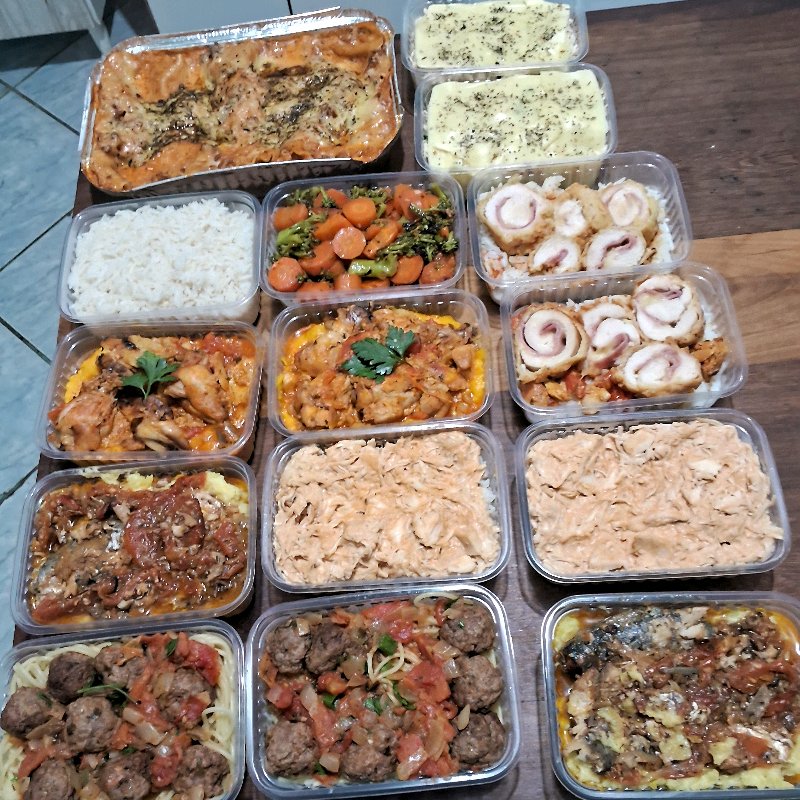
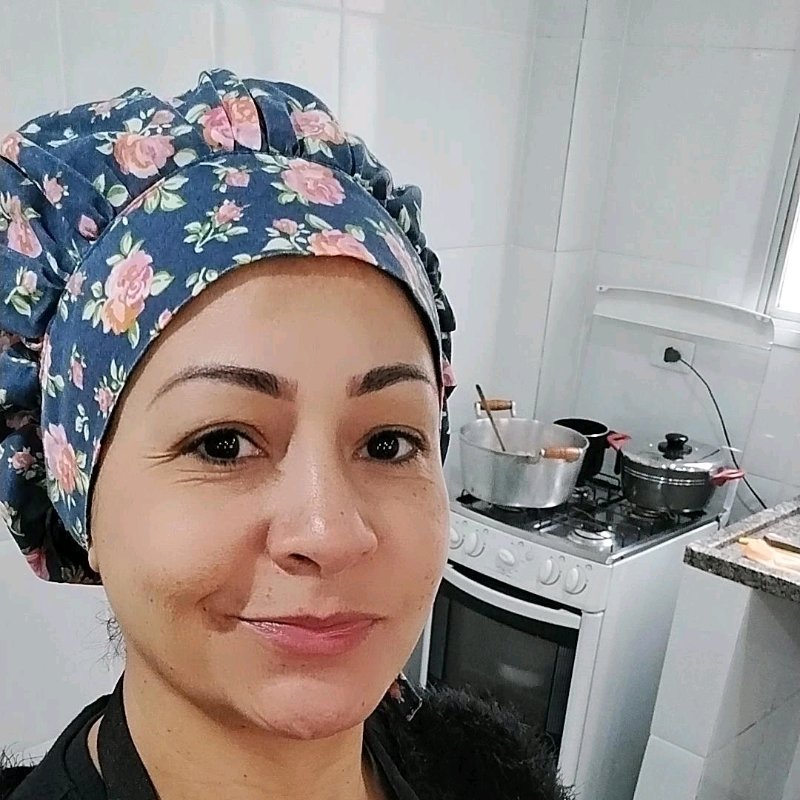
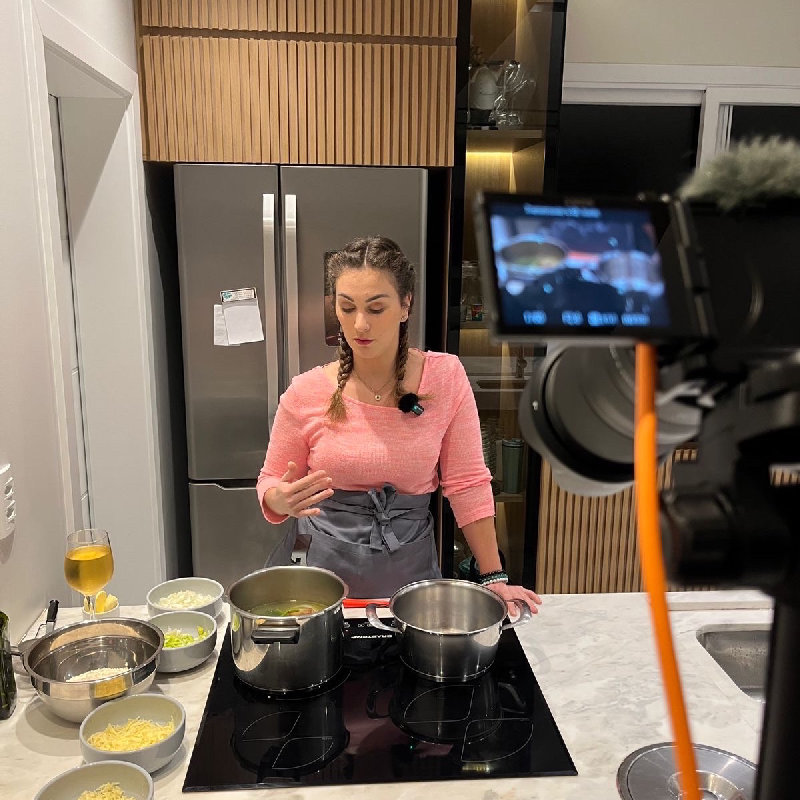
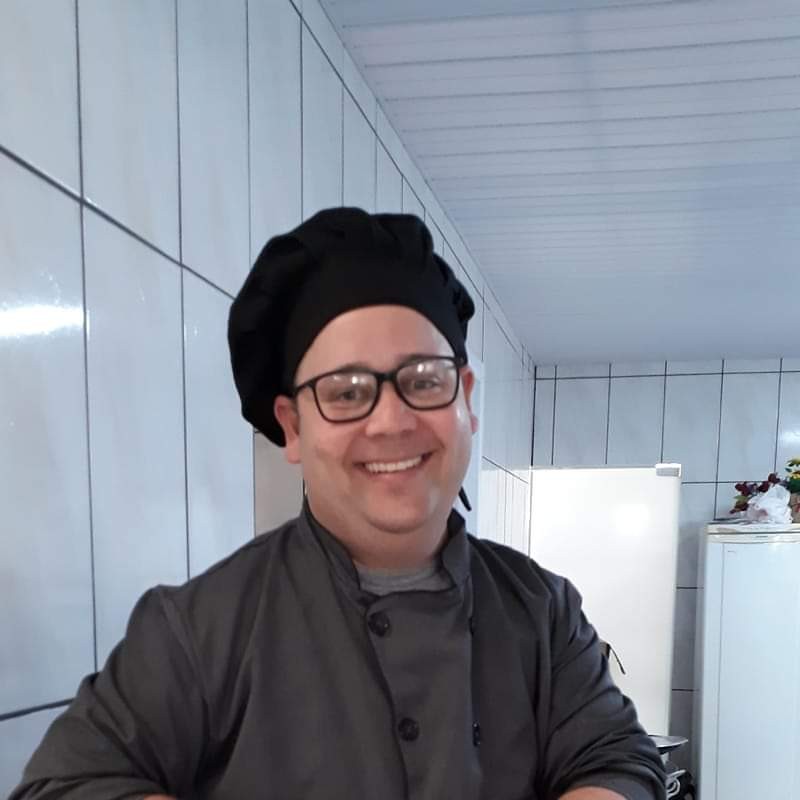
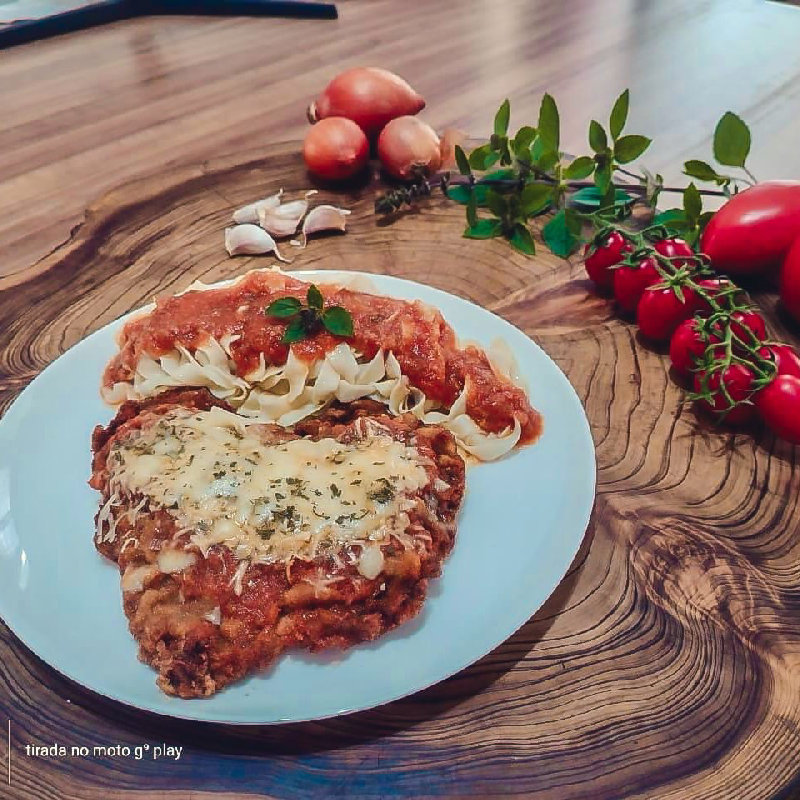
A cozinheira diarista — often called simply a diarista or cozinheira — is a domestic worker who comes to your home on set days to cook meals from a repertoire you establish together over time. The work centers on reliable, consistent execution of familiar dishes: arroz, feijão, a frango assado, a soup, a salad. The expectation is comfort food cooked well, not culinary creativity.
The relationship is ongoing and intimate in a household sense — the cozinheira learns your family's preferences, your children's pickiness, your partner's restrictions, and adjusts without being asked. This accumulated knowledge of your specific household is irreplaceable. A good diarista is a cornerstone of many Brazilian family kitchens.
Diaristas typically work on a hourly or daily rate basis — in São Paulo, commonly R$150-R$250 per day — and are often formalized under CLT employment law if working regularly. The legal and administrative aspects of this relationship are part of the model and should be respected.
Pro Tip
If what you need is consistent, family-style daily meals from a familiar repertoire, a diarista is almost certainly the right choice — and typically less expensive than a personal chef for that purpose.
What a Personal Chef Actually Does
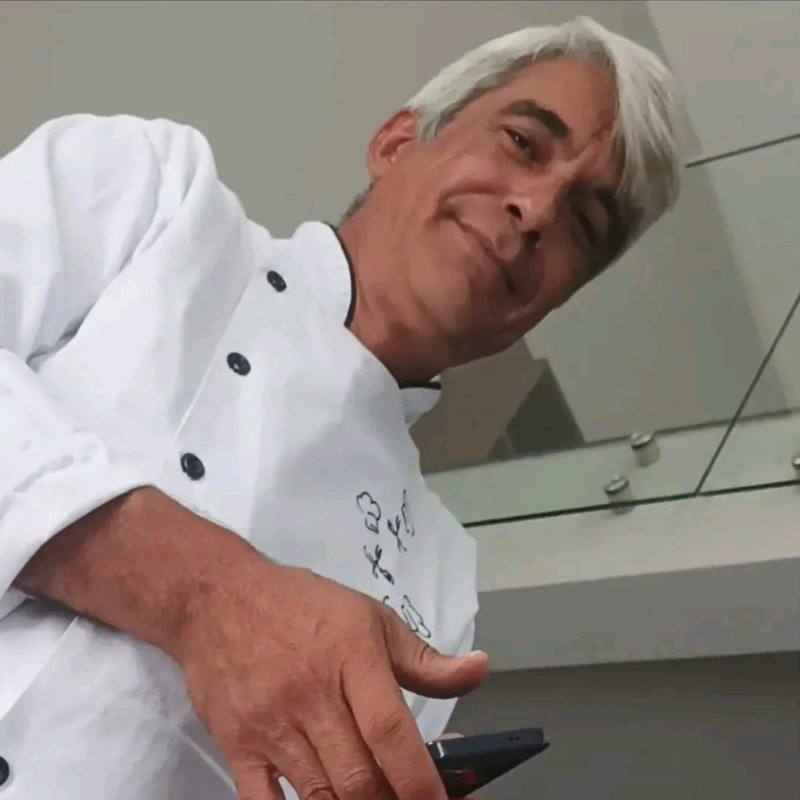
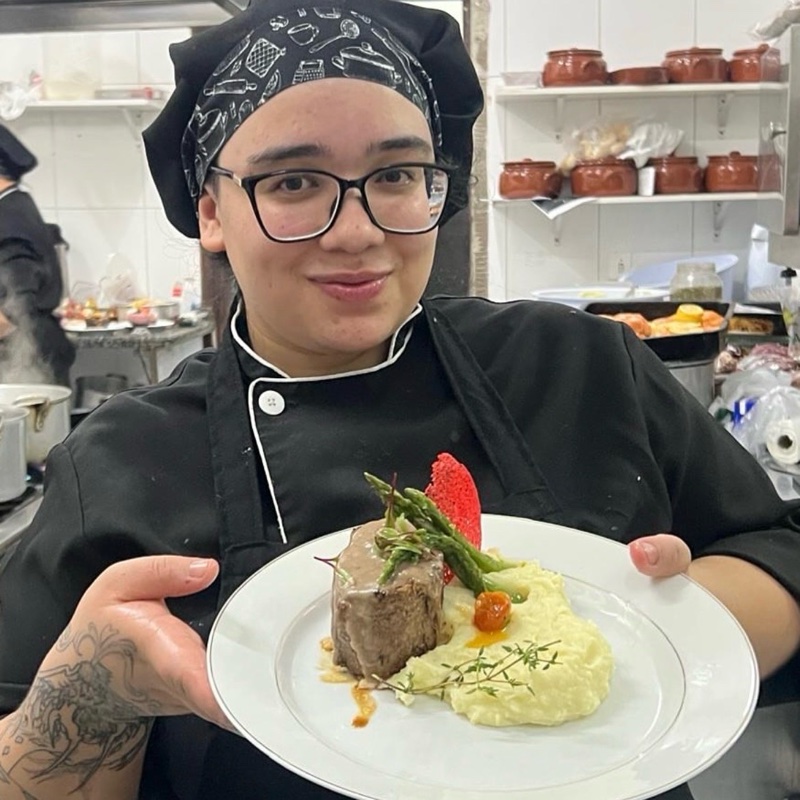
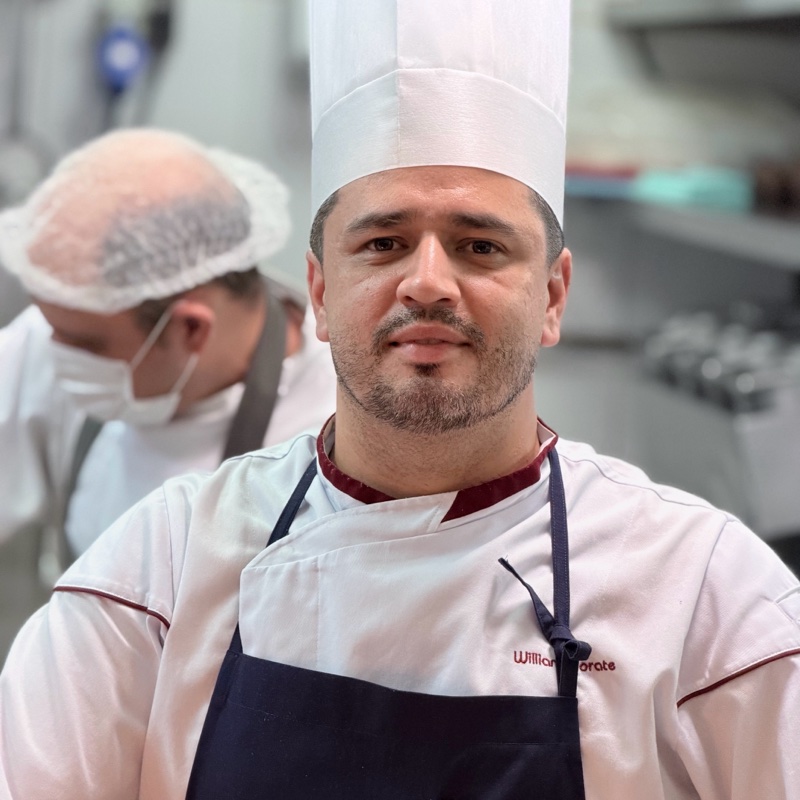
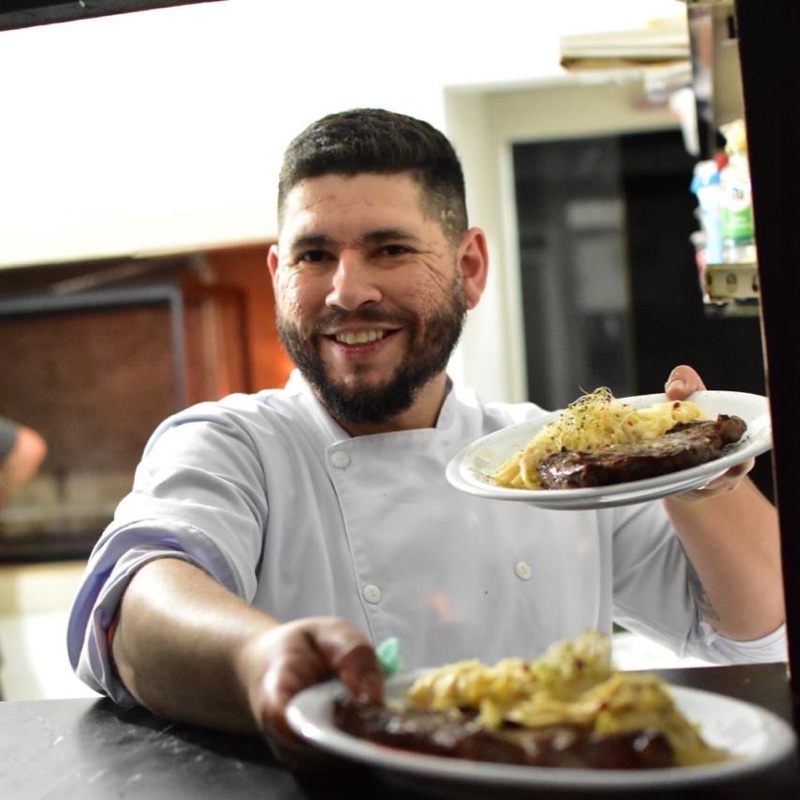
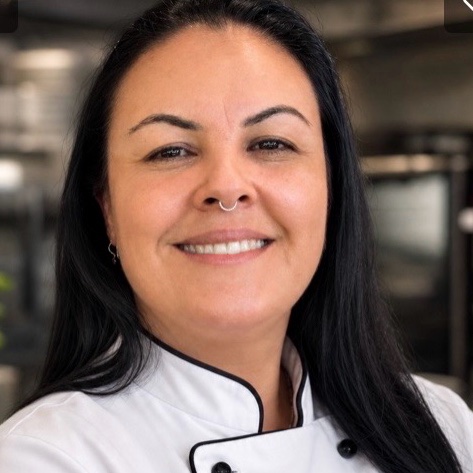
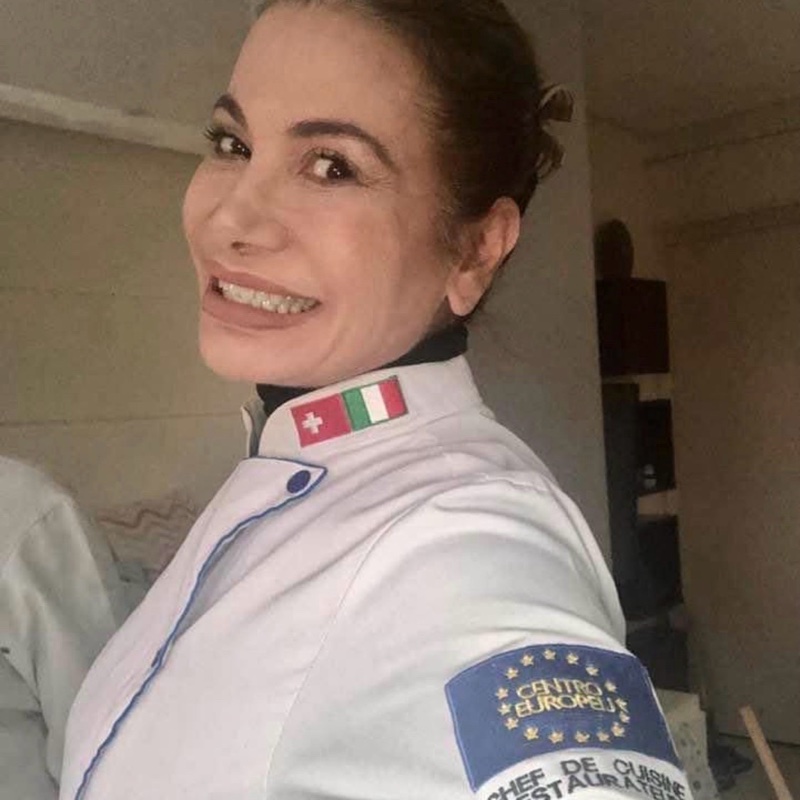
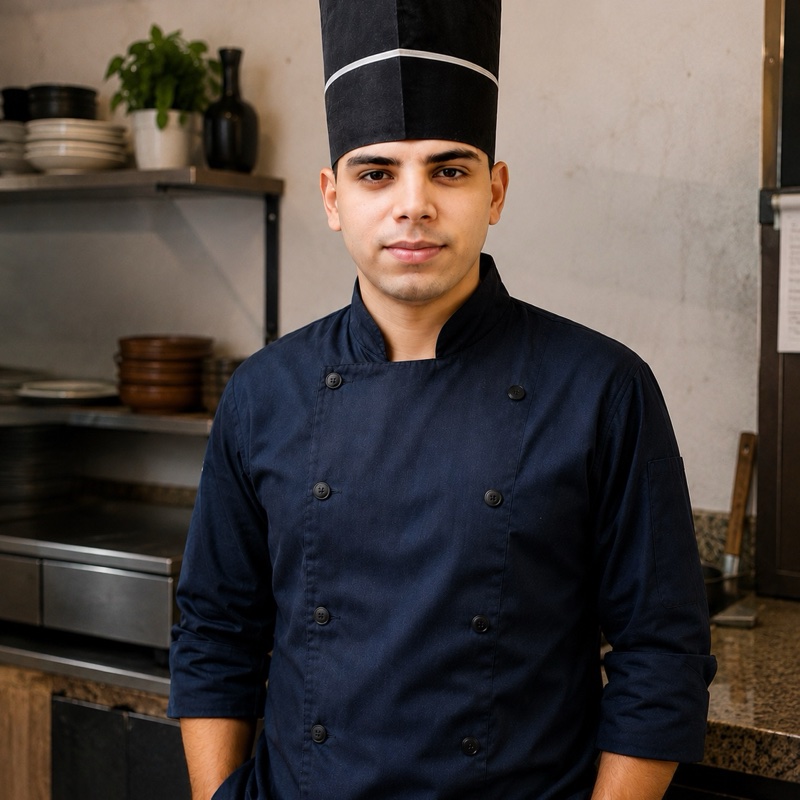
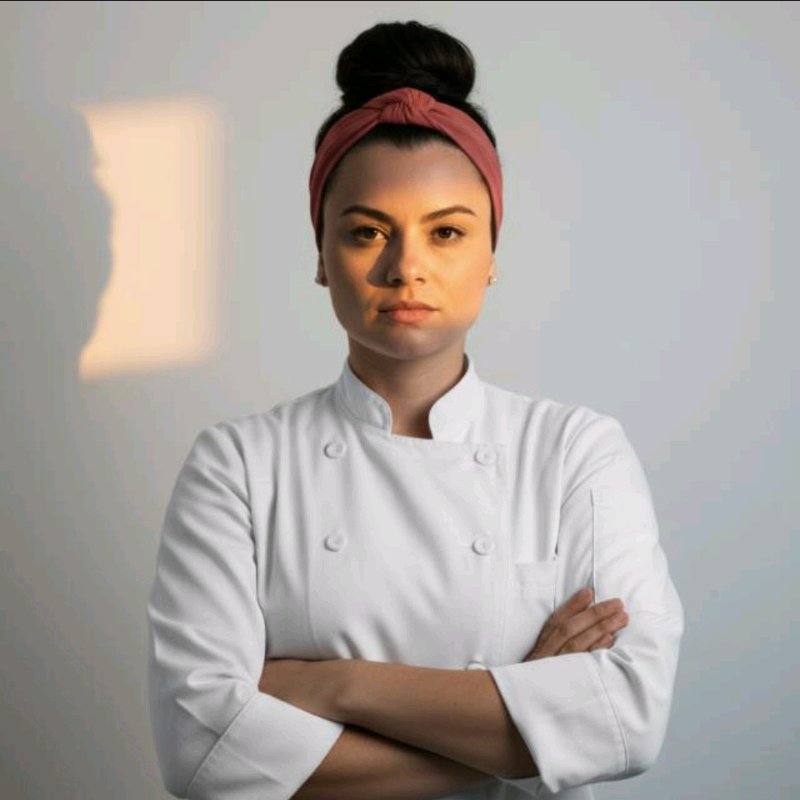
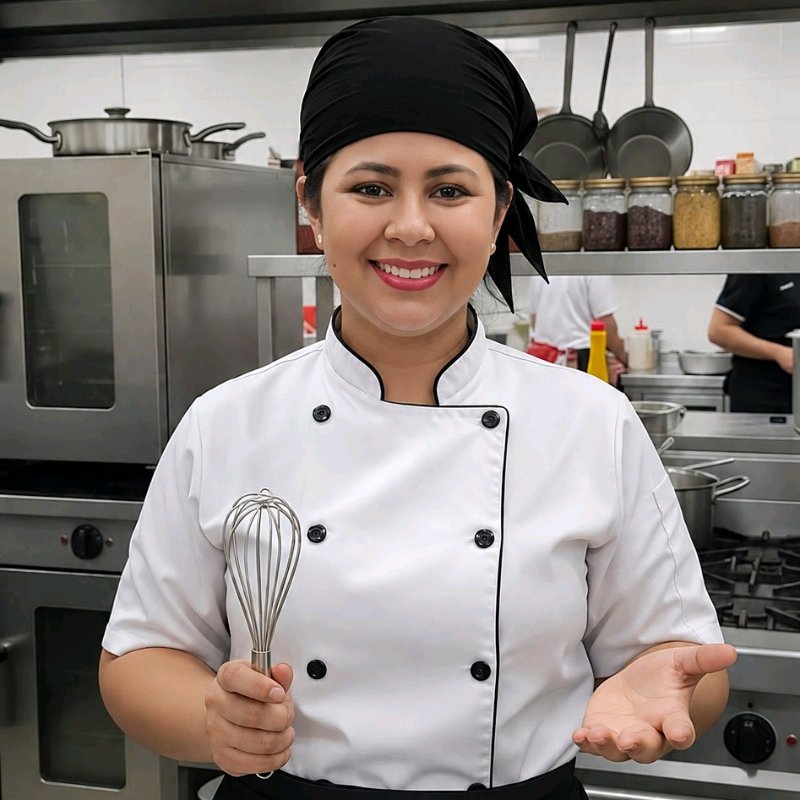
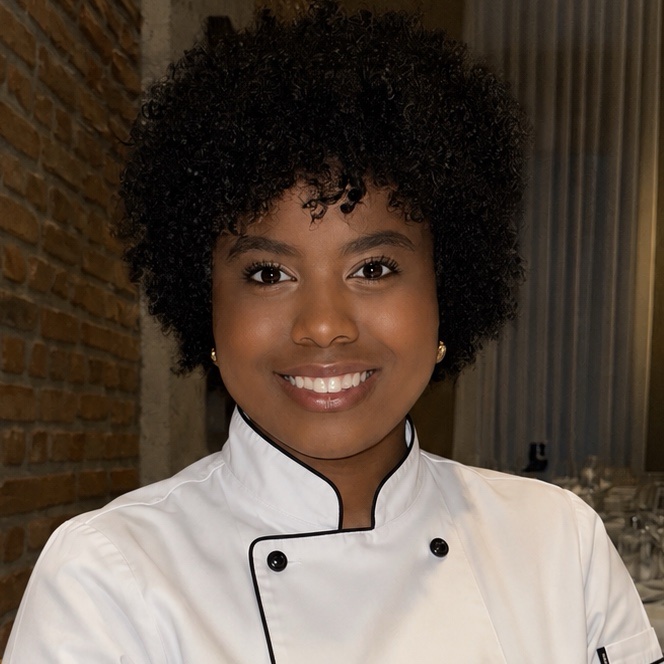
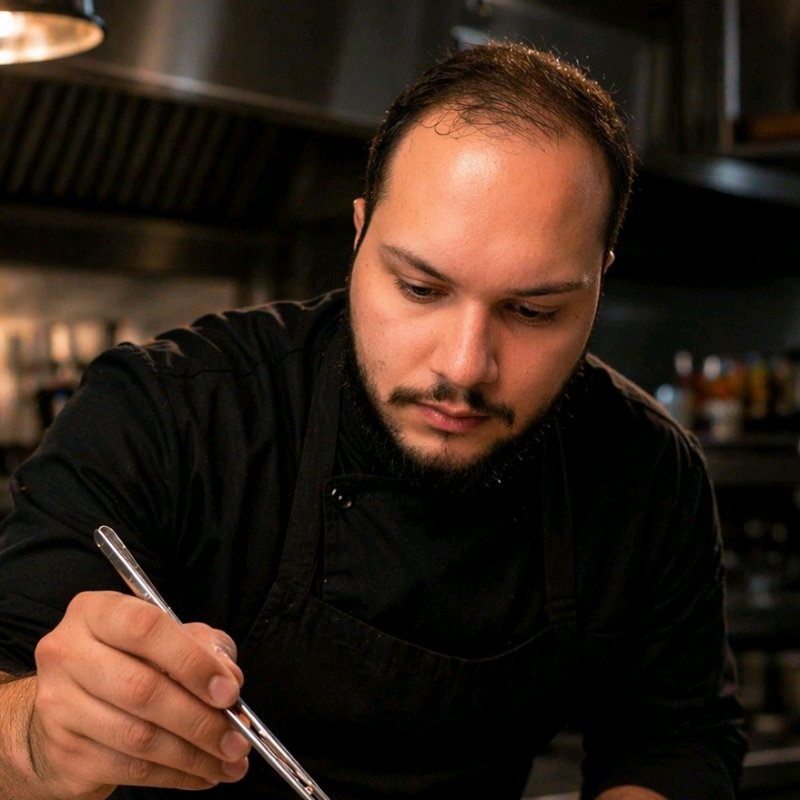
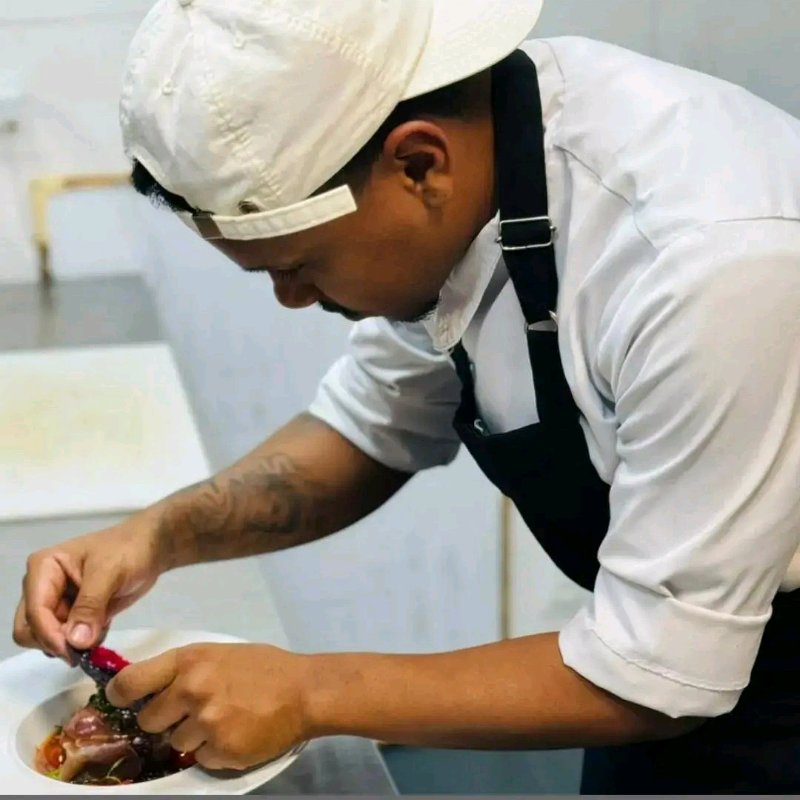
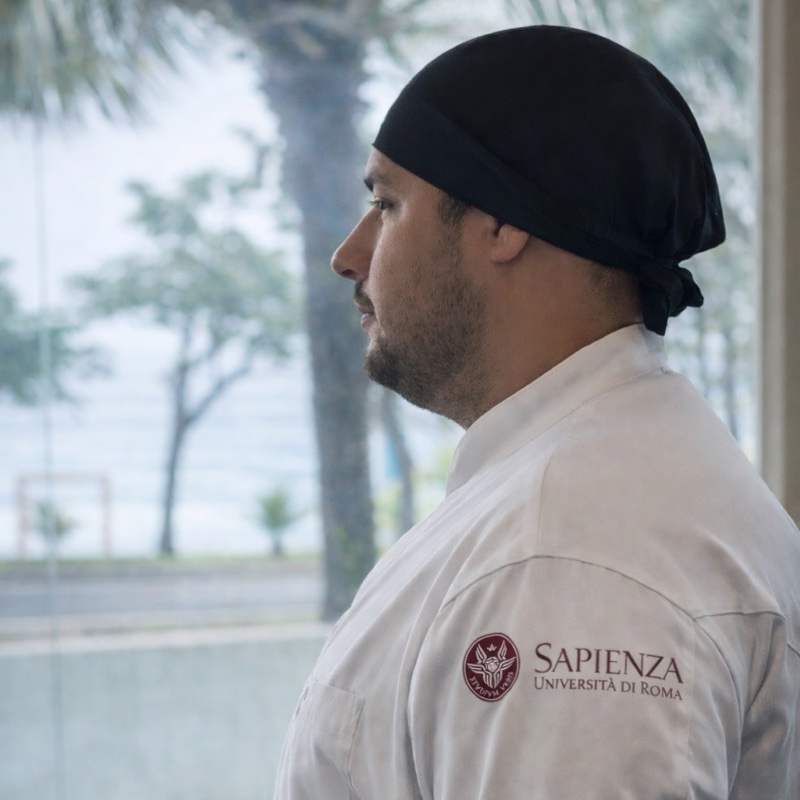
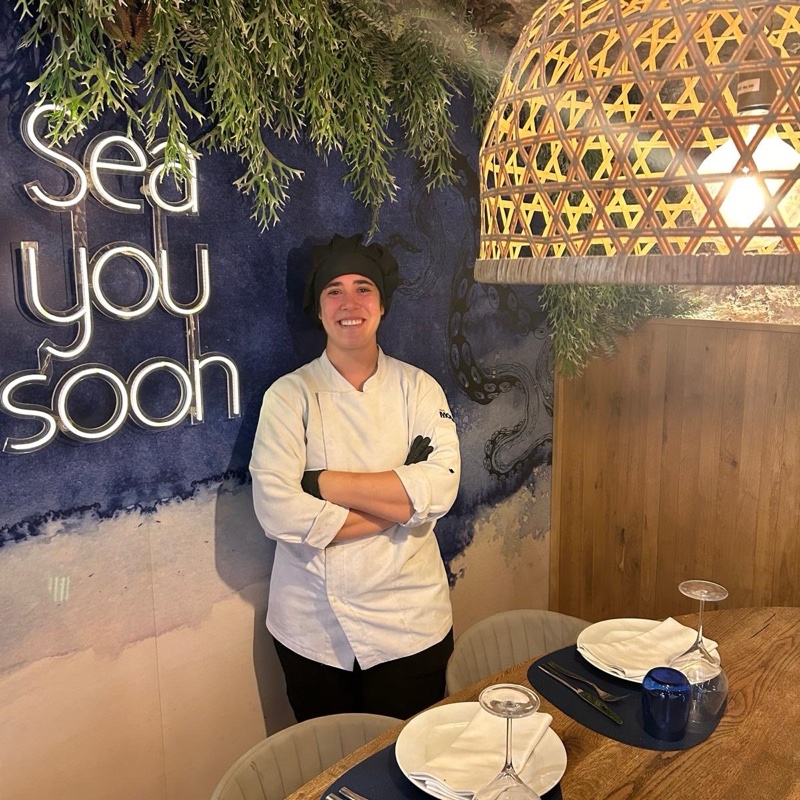
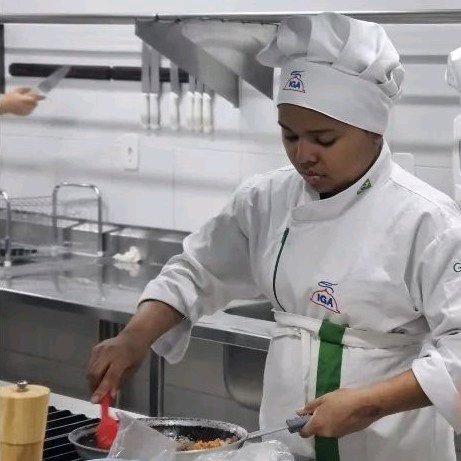
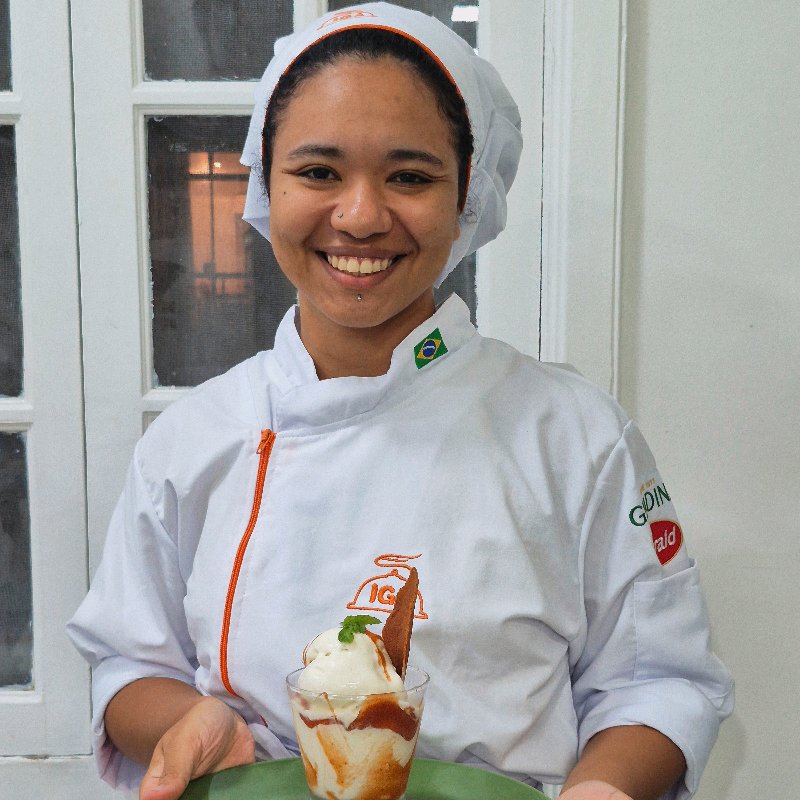
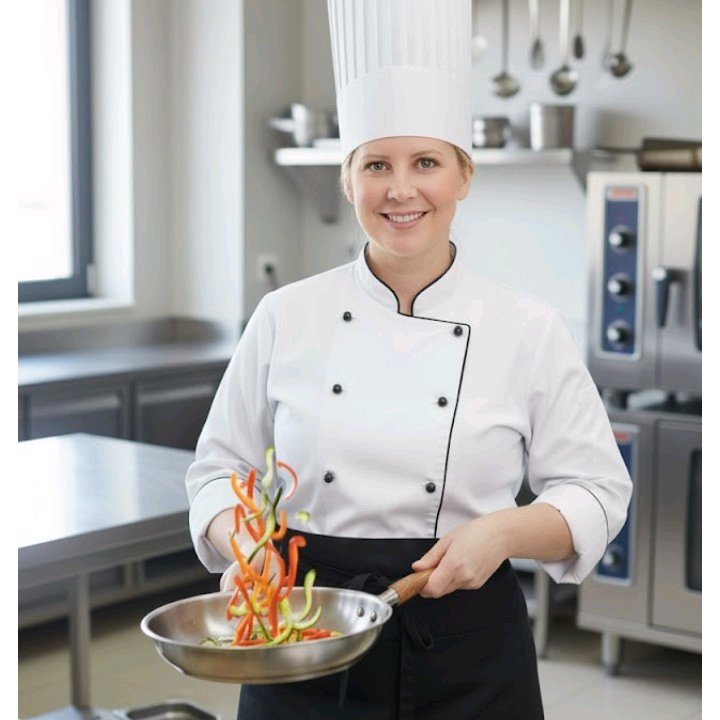
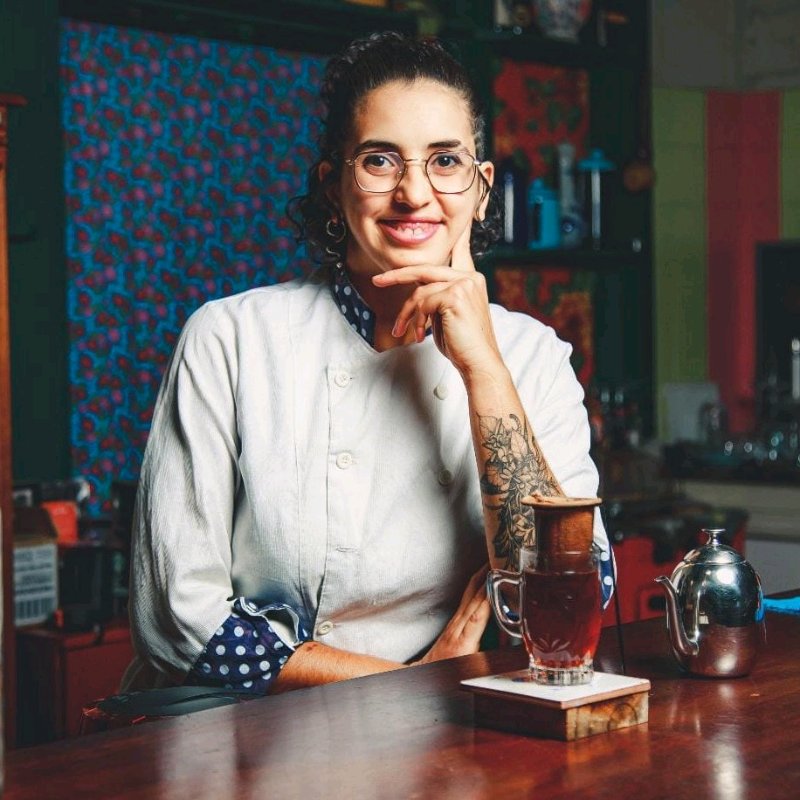
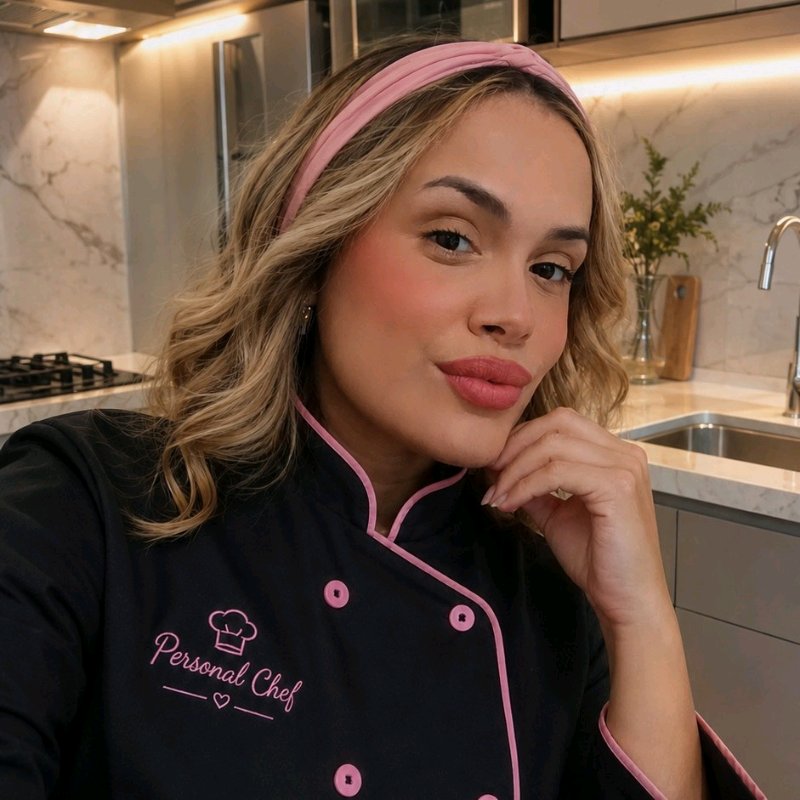
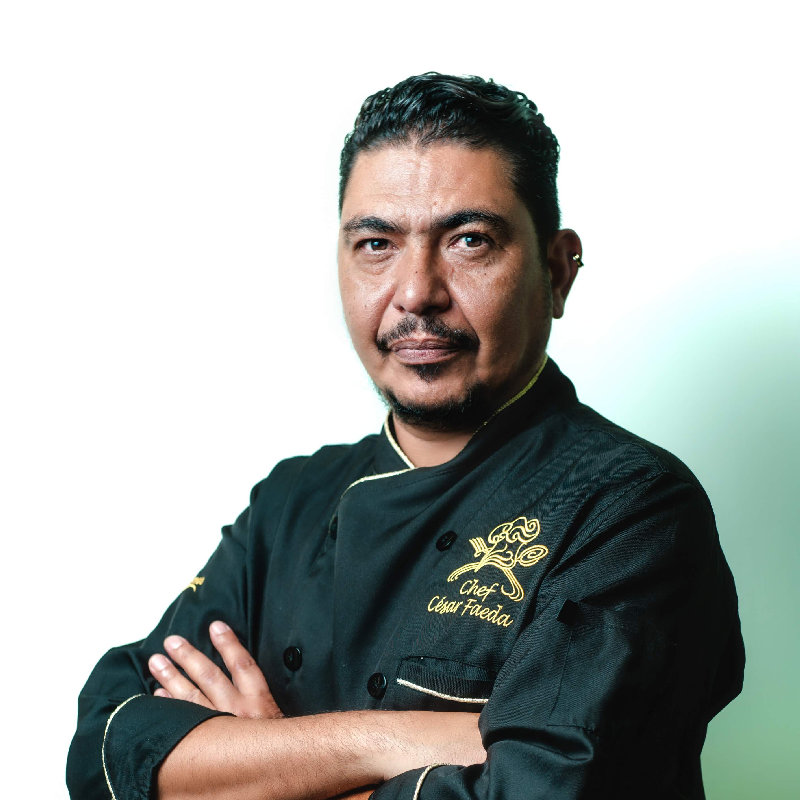
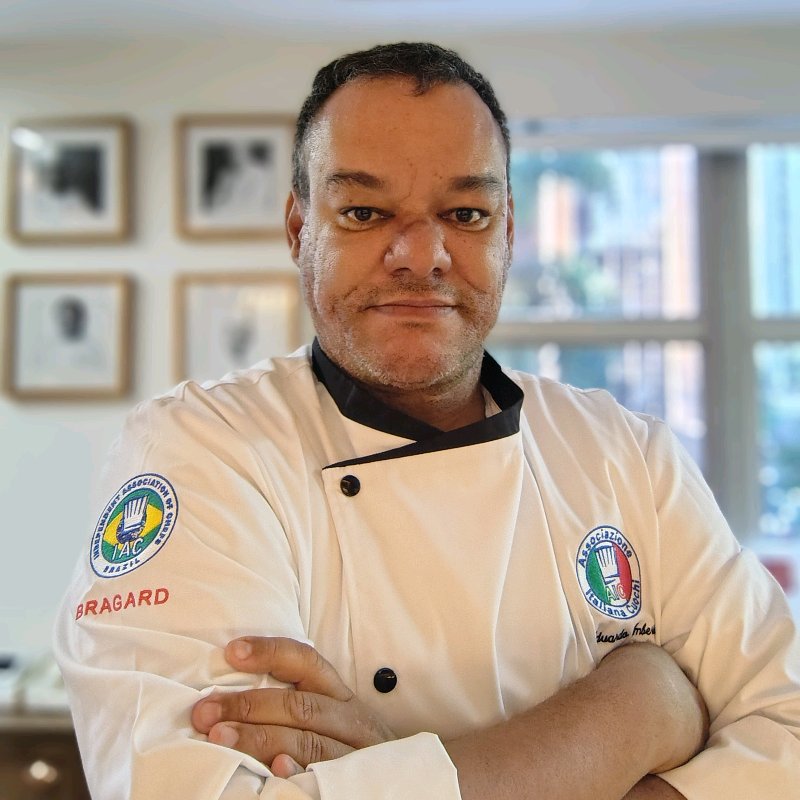
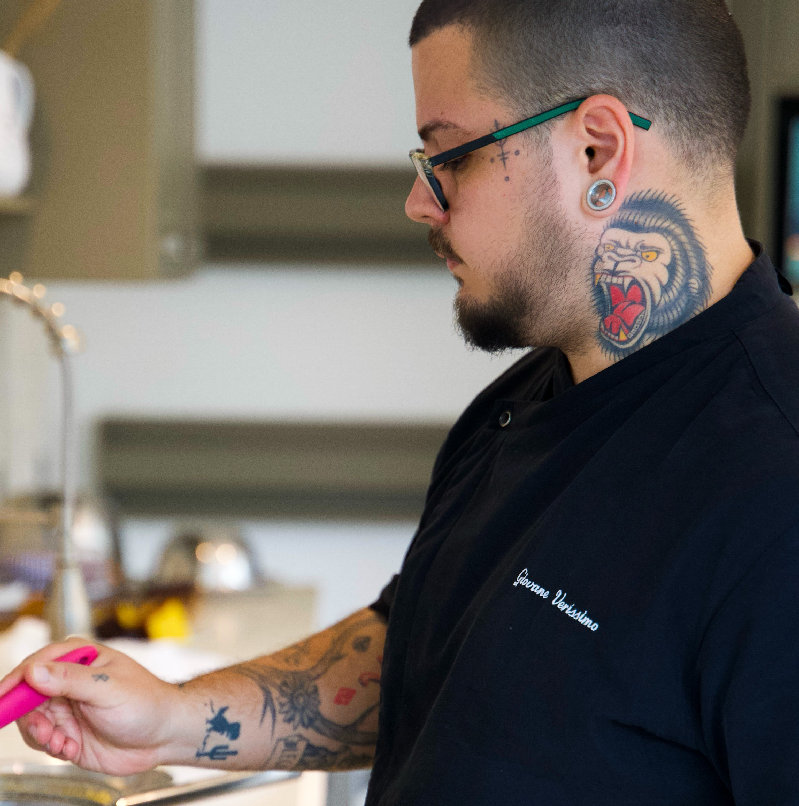
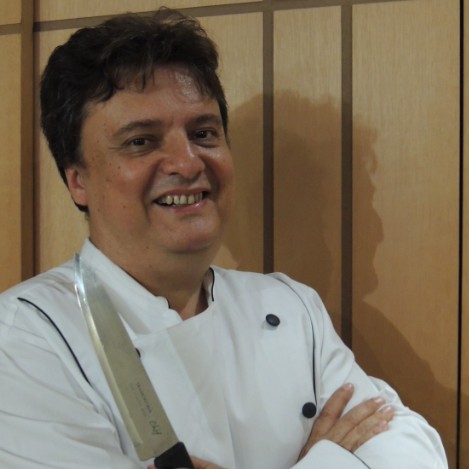
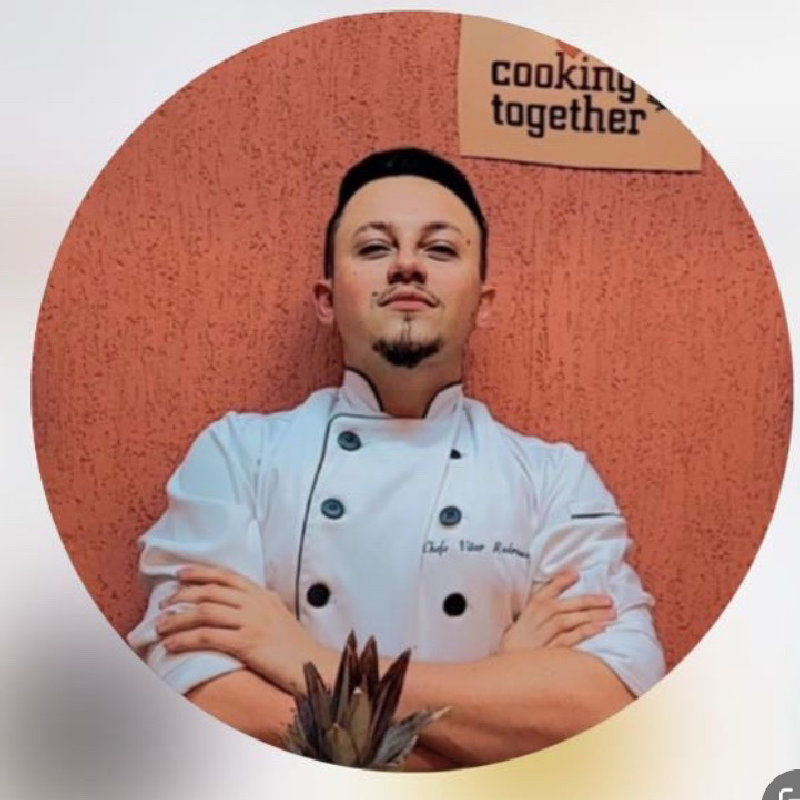
A personal chef has formal or professional culinary training and experience in restaurant or event kitchens. They are hired for their ability to design menus, execute complex preparations, work across multiple cuisines, and deliver a quality level above everyday home cooking. They are not household employees — they operate as service providers, typically engaged per event or session.
The personal chef's value is in skills that a diarista usually does not have: menu design from scratch, knowledge of culinary technique (emulsification, temperature control, sauce construction, pastry science), experience with diverse international cuisines, the ability to handle dietary complexity, and the confidence to execute ambitious dishes for guests.
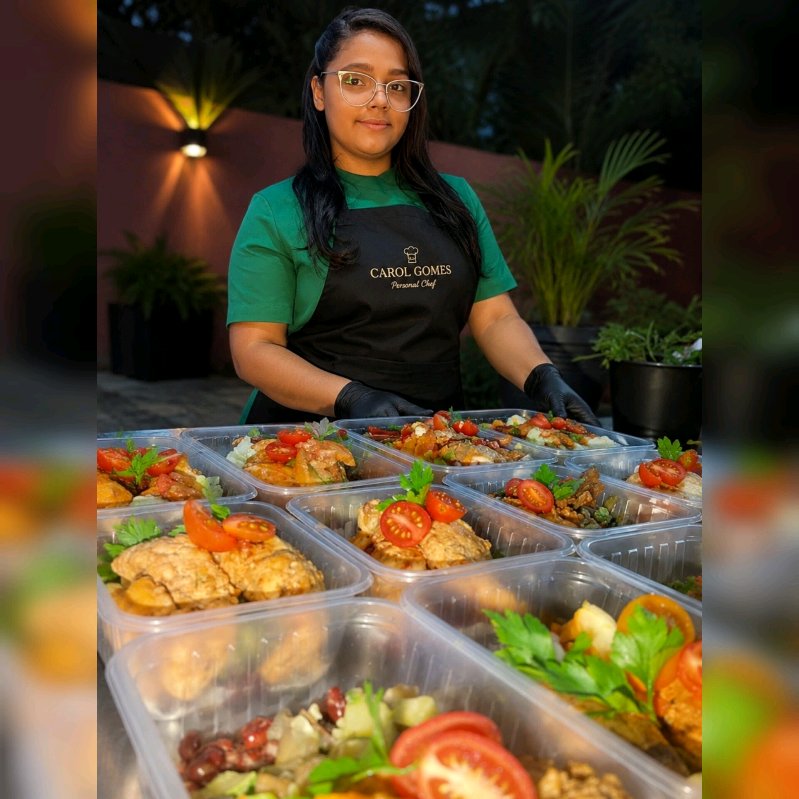
Personal chefs are typically engaged for: weekly meal prep sessions focused on nutrition and dietary goals, special occasion dinners and events, and recurring premium cooking services where the quality level is meaningfully above everyday comfort food. They charge R$400-R$1,500+ per session depending on scope, menu complexity, and their experience level.
Where the Roles Overlap — and Where They Don't
Both roles involve cooking in your home, and the best diaristas produce genuinely excellent food — there is no quality judgment implied in the distinction. The difference is in the type of food, the scope of service, and the professional formation behind it.
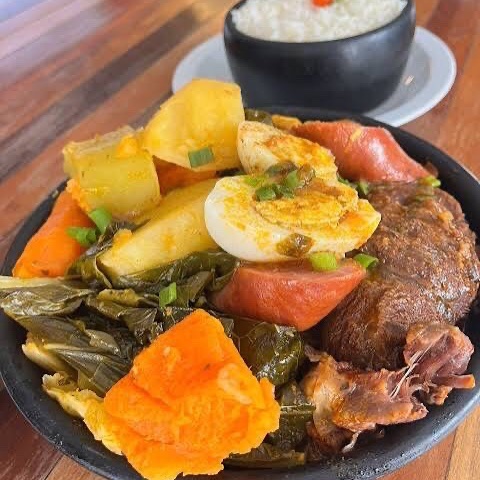
A diarista's strength is in the everyday: the arroz com feijão that your children eat without complaint, the sopa de legumes that appears on cold Saturdays, the bolo de cenoura that is always right. These are not simple things — they require care, intuition, and knowledge of your household. A personal chef does not replace this.
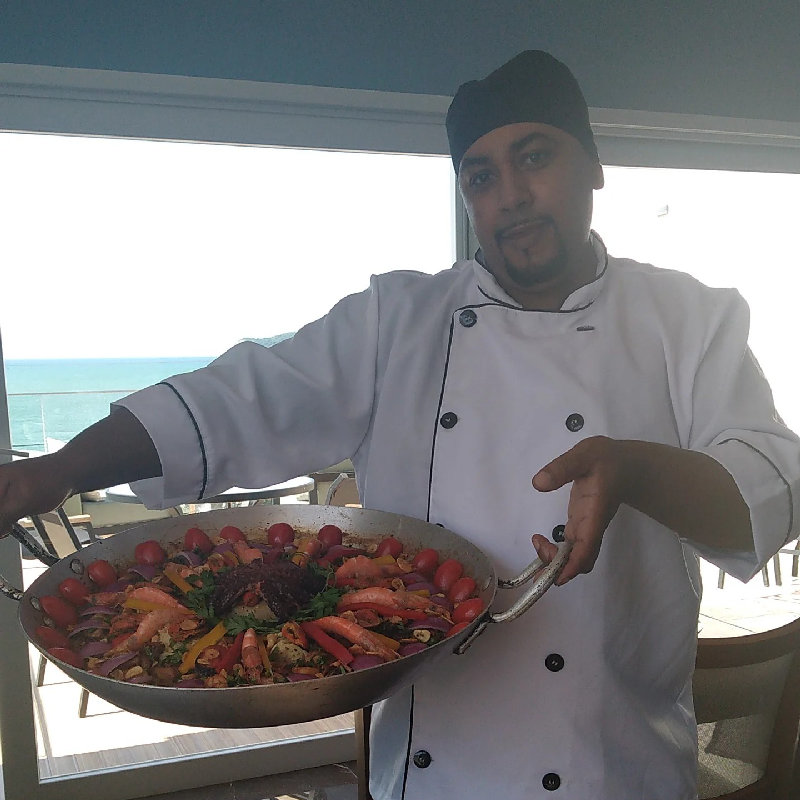
A personal chef's strength is in the exceptional: a dinner party menu for 10 guests with three courses and dietary accommodations, a week of meal prep calibrated to your macro targets, or an anniversary dinner that represents a specific cuisine at a professional standard. A diarista is not positioned to be expected to deliver this — and you shouldn't ask them to.
✓Daily family meals from a known repertoire
Need: a cozinheira diarista. This is their core expertise and why the long-term household relationship model exists.
✓Weekly meal prep with specific macro or dietary goals
Need: a personal chef. Nutritional precision and diverse preparation techniques are professional culinary skills.
✓Dinner party or event cooking for guests
Need: a personal chef. Event timing, multi-course execution, and presentation for guests require professional training.
✓Consistent presence in the household kitchen
Need: a cozinheira diarista. Personal chefs work per-session; a diarista provides ongoing household kitchen support.
Cost Comparison in the Brazilian Market
A cozinheira diarista in São Paulo typically earns R$150-R$250 per day (food cost separate). If she comes 3 days per week, your monthly labor cost is roughly R$1,800-R$3,000. For an ongoing household cooking arrangement, this is usually the most economical model for everyday meals.
A personal chef charges R$400-R$1,500 per session, with session length varying from 3 hours for a meal prep to a full day for a complex event. For occasional or weekly premium cooking — not daily household food — this structure makes sense. It becomes expensive if you're trying to use a personal chef for everyday comfort food that a diarista handles better at lower cost.
Many São Paulo households use both: a diarista for weekday family meals and a personal chef for weekly meal prep sessions or special occasions. This is not redundant — the two services address genuinely different needs and the combined arrangement often costs less than relying on delivery for premium meals.
Pro Tip
Don't ask your diarista to step into personal chef territory without compensating and discussing expectations. 'Can you do something a bit fancier for my dinner party?' is a request that changes the scope of her work and should be treated as such.
Making the Right Choice for Your Household
The clearest signal is what you need most days. If your primary food need is reliable, family-friendly everyday meals that your household eats comfortably week after week, a cozinheira diarista is the right hire and will serve you better than a chef at that specific task.
If your primary food need is nutritional precision, culinary creativity, dietary management, or event-quality cooking — with less emphasis on daily household cooking continuity — a personal chef is the right service. This is especially true for single professionals, couples without children, and households with specific health or dietary goals.
If your household has both needs — daily family meals and occasional premium cooking or events — consider maintaining both relationships. This is common in São Paulo, Rio, and Belo Horizonte among households that prioritize food quality across all contexts.
Legal and Practical Considerations
A cozinheira diarista who works for you regularly (more than twice per week) is a domestic employee under Brazilian labor law and is entitled to all CLT protections: FGTS, férias, 13th salary, INSS registration. Treating an ongoing diarista as an informal arrangement creates legal exposure — formalize the relationship correctly.
A personal chef engaged through a platform like myChef is a service provider, not an employee. The relationship is per-session with no ongoing employment obligation. This is a meaningful administrative difference that simplifies the engagement — no payroll, no compliance, no ongoing relationship management beyond booking.
When in doubt about which role you need, describe what you want to a personal chef and ask honestly whether it fits their service model. A professional chef will tell you if what you're describing is actually better served by a diarista — and vice versa. The goal is the right solution, not a sale.
✓Confirm the legal framework for your diarista
If she works more than twice per week, she's a domestic employee under CLT. Register her correctly with INSS and respect her rights.
✓Use a platform like myChef for personal chef bookings
Platform bookings handle the service provider relationship correctly — insurance, reviews, and payment are managed without creating employment obligations.
✓Separate the two roles if you use both
Don't blur the lines between your diarista's scope and your chef's scope. Clear expectations protect both relationships.
✓Communicate scope clearly to both
Both a diarista and a personal chef perform best when they know exactly what's expected. Write it down for both.
Transitioning Between Models
Some households start with a diarista and add a personal chef as income or health priorities shift. Others start with a personal chef for meal prep and add a diarista when the family expands. The two services aren't mutually exclusive and shouldn't be treated as competitive choices.
If you're transitioning away from a diarista to a personal chef model entirely, be honest about whether all your needs are actually covered. A personal chef coming once a week for meal prep doesn't replace someone who knows how to feed your children on a Tuesday night when you're late from work — unless the meal prep explicitly covers that scenario.
Start with your primary need and layer in the second service only when you've validated the first. Trying to replace both with one and failing is a more disruptive experience than building the right combination from the start.