How Food Affects Blood Sugar: What Your Chef Needs to Know
Blood sugar management for people with Type 1 or Type 2 diabetes centers on controlling the rate at which carbohydrates enter the bloodstream. Foods with a high glycemic index (GI) cause rapid blood sugar spikes; foods with a low GI digest more slowly, producing a gentler, more manageable glucose curve. Fiber, protein and fat all slow carbohydrate absorption, which is why a balanced meal produces a more stable response than a carbohydrate-only snack.
A personal chef designing for diabetes does not just avoid sugar — they manage the entire macronutrient profile of every meal. Carbohydrates are not eliminated (this is not keto) but are moderated, timed and sourced from lower-GI alternatives. Total carbohydrate load per meal is calibrated to the client's target range, which varies by diabetes type, medication protocol and whether insulin is involved.
Share your blood glucose targets with your chef if you have them: your post-meal target (often <140 mg/dL two hours after eating for well-managed Type 2), your daily carbohydrate ceiling (if prescribed by your endocrinologist), and any foods your doctor has specifically flagged. This clinical context allows the chef to design around your actual physiology, not a generic 'diabetic diet.'
Low-Glycemic Ingredients in the Brazilian Kitchen
Brazil's culinary tradition offers a rich selection of naturally low-glycemic ingredients that are culturally familiar and genuinely enjoyable. Feijão (black and pinto beans) has a GI of around 30 — significantly lower than white bread at 70+ — and provides protein and fiber alongside its carbohydrates. Lentilha (lentils) ranks similarly. Mandioca (cassava), when cooked and cooled, develops resistant starch that further reduces its glycemic impact.
Batata-doce (sweet potato) has a GI of approximately 50-65 depending on preparation (boiled is lower than baked), making it a good choice over batata inglesa (white potato) at GI 75-85. Quinoa and arroz integral offer significantly more fiber and lower GI than white rice. Whole grain options including aveia (oats), pão de forma integral and massas integrais are preferable to their refined counterparts.
Tropical fruits native to Brazil vary widely in glycemic impact. Acerola, goiaba and maracujá are lower GI and rich in vitamin C and fiber. Banana (especially slightly under-ripe) has a moderate GI. Mango and pineapple are higher-GI and should be consumed in smaller portions. A diabetic-aware chef calibrates fruit use accordingly — fresh fruit in desserts rather than fruit juices, and smaller portions of higher-GI varieties.
Pro Tip
Ask your chef to use vinegar or lime juice in dressings and sauces whenever possible. Acidity slows gastric emptying, which reduces the glycemic impact of the entire meal — a small technique with a meaningful effect on post-meal blood sugar.
Designing a Week of Diabetic-Friendly Meals
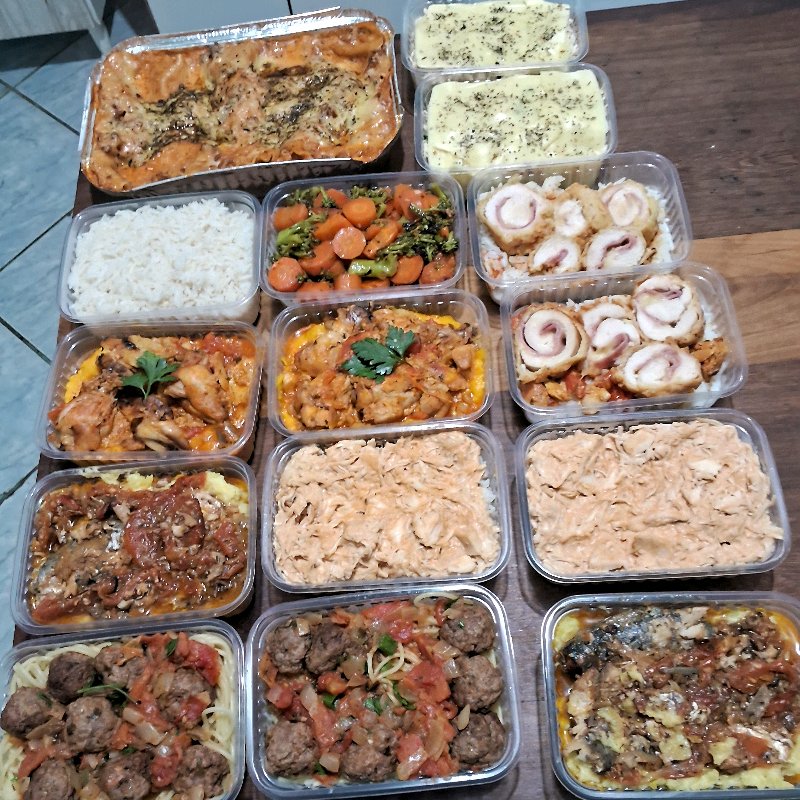
A sample week of chef-designed meals for a person with Type 2 diabetes managing on diet alone: Monday breakfast is aveia com canela, nozes e frutas vermelhas — high fiber, moderate protein, low GI. Lunch is frango grelhado com salada de folhas escuras, grão-de-bico assado e molho de limão e azeite — protein-rich, high fiber, low carbohydrate. Dinner is salmão com legumes assados (abobrinha, berinjela, pimentão) and a small portion of arroz integral.
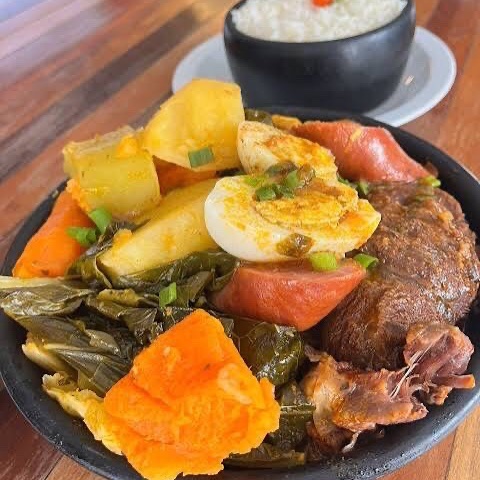
Tuesday features ovos mexidos com espinafre e queijo cottage for breakfast, a lentilha guisada com cenoura e ervas for lunch (high fiber, excellent GI), and frango assado com batata-doce e brócolis for dinner. Wednesday includes tapioca com ovos e queijo minas for breakfast (moderate GI, high protein), and a feijoada leve with black beans in moderate portions alongside couve refogada for lunch. Thursday and Friday continue with fish, legume and leafy green combinations that keep carbohydrate load low and protein content high.
Snacks are carefully designed: a small handful of nozes or castanhas (healthy fats, near-zero GI), iogurte grego natural without added sugar with a tablespoon of chia seeds, celery with pasta de amendoim natural, or a boiled egg. These are prepared in advance by the chef and portioned to prevent overconsumption.
What to Avoid and Why: A Chef's Hidden-Sugar Radar
The most dangerous foods for blood sugar management are not the obvious ones (cake, soda, candy) — most people with diabetes know to avoid these. The genuinely tricky sources are: commercial fruit yogurts (often contain more sugar than a candy bar), packaged açaí without specifying sem açúcar (acai is often sold pre-sweetened), rice cakes and crackers marketed as 'light' (high GI despite low calories), commercial granola (often very high in added sugar), white rice in restaurant portions (larger than home portions and consistently underestimated), and starchy soups thickened with potato or flour.
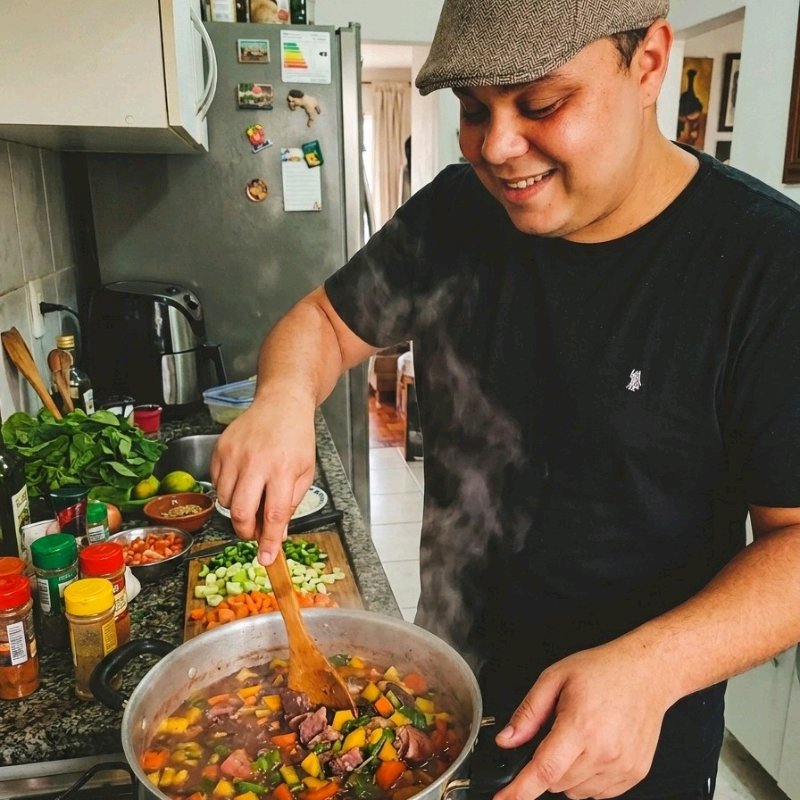
A chef cooking for diabetic clients reads labels as a reflex. They make their own granola with oats, seeds and a small amount of honey. They serve açaí in its natural, unsweetened form. They build sauces with vegetable bases rather than starch thickeners. They use spices — canela, cardamomo, noz-moscada — to add sweetness perception without glycemic impact.
Alcohol requires a specific conversation. Beer raises blood sugar significantly; dry wines have a lower impact; spirits have minimal direct impact but can mask hypoglycemia symptoms in insulin-using diabetics. If alcohol is part of your social life, discuss this with your chef so meal timing and composition can account for it.
Working with Your Medical Team and Your Chef
A personal chef is not a medical professional. For people with diabetes — particularly Type 1, insulin-dependent Type 2, or anyone with complex management protocols — the chef's role is to execute culinary guidance from your endocrinologist or registered dietitian, not to provide that guidance independently. Share written dietary guidelines from your medical team with the chef before the first session.
If you are managing diabetes through diet alone (no medication), a chef who understands glycemic index, portion control and macronutrient balance can make a significant practical contribution to your management without clinical input. The evidence that dietary intervention reduces HbA1c in Type 2 diabetes is strong; the challenge is implementation — and implementation is exactly what a meal prep chef provides.
For clients who count carbohydrates for insulin dosing, labeled containers with carbohydrate totals per meal are essential. Ask your chef to provide this information for every meal, ideally calculated from the actual recipes used, not from generalized database averages. Precision here is meaningful.
✓Share your endocrinologist's or dietitian's dietary guidelines in writing
A PDF or a clear message with carbohydrate targets, portion guidelines and any food restrictions gives the chef a clinical foundation.
✓Request carbohydrate totals on every labeled container
Essential for carbohydrate counting and insulin dosing. Ask the chef to calculate from actual recipes, not from generalized database averages.
✓Clarify your daily carbohydrate ceiling per meal
Many diabetes meal plans specify a maximum carbohydrate per meal (e.g., 45g per meal for Type 2) rather than a daily total. Give the chef this per-meal number.
✓Discuss your blood sugar patterns
If you spike after breakfast, ask the chef to keep morning meals lower-GI. If afternoons are difficult, a higher-protein, lower-GI lunch may help. Patterns guide menu design.
✓Flag any hypoglycemia history
If you experience lows, your chef should know — the meal timing, composition and snack strategy changes to reduce that risk.
Costs and the Long-Term Value of Chef Meal Prep for Diabetics
Diabetic-friendly meal prep sessions in Brazil cost comparably to standard meal prep — R$280-R$700 per weekly session including ingredients for 10-15 meals. The per-meal cost of R$20-R$50 compares favorably to specialty health-food delivery services and restaurants where carbohydrate content is unknown.
The long-term value of consistent, medically-aligned meal prep for people with diabetes extends beyond food cost. Stable blood sugar management through diet reduces the risk of complications (neuropathy, retinopathy, kidney disease), may reduce medication requirements over time, and improves daily energy and cognitive clarity. These outcomes are genuinely significant — the investment in a weekly meal prep session should be viewed against the full cost of suboptimal diabetes management, not just the cost of alternative food options.
Many clients with diabetes report that chef meal prep is the most impactful single change they made to their management routine — more impactful than any app, any supplement or any motivational program — because it eliminates the gap between knowing what to eat and actually eating it, every day, without effort.