What Sets a Friends' Dinner Party Apart
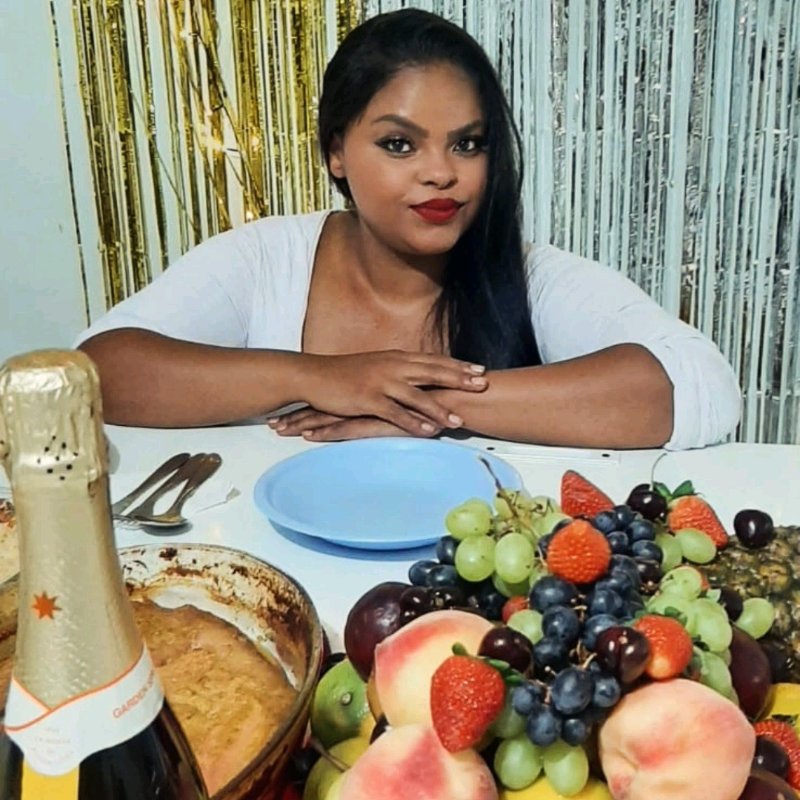
A dinner party with friends is fundamentally different from a corporate dinner or a family celebration. The social dynamic is looser, the conversation more freewheeling, and the expectations more implicit — guests arrive knowing the host personally, which raises the stakes in some ways (you do not want to disappoint people who know you well) and lowers them in others (nobody is there to judge; they are there to enjoy themselves).
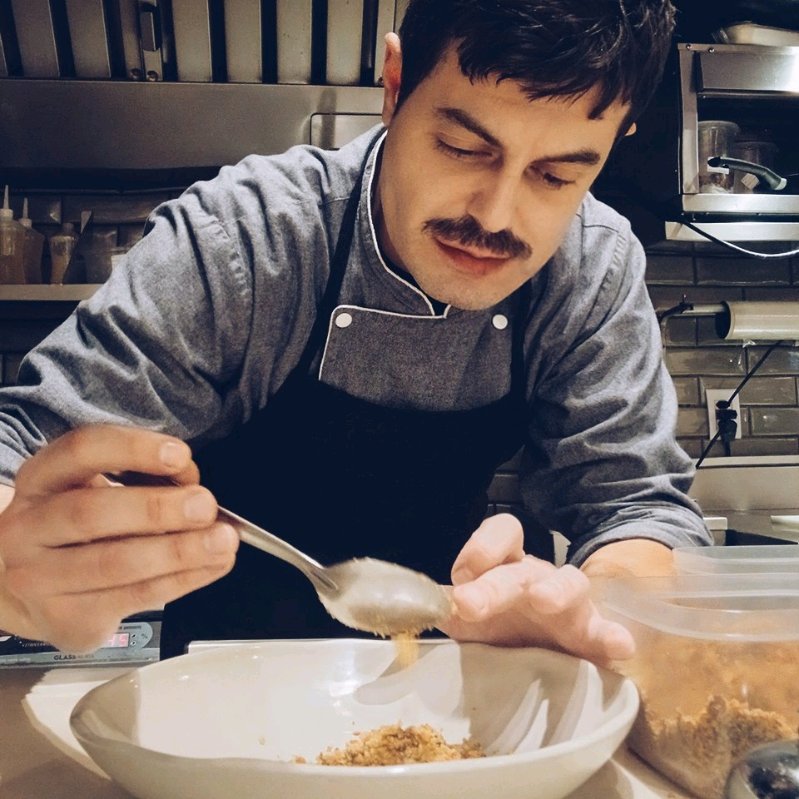
Personal chefs who excel at dinner parties understand this social context. They design menus that generate conversation — a surprising ingredient, a theatrical moment at the table, a dish that carries a story — rather than menus that exist purely to nourish. The food becomes part of the social experience, not a backdrop to it.
The typical dinner party for friends in Brazil runs from 8 p.m. to midnight or later. Chef services for this format range from R$200 to R$500 per person depending on menu complexity and group size (usually 6–16 guests). A chef who stays through dessert service and cleans up afterward is the gold standard — the host goes to sleep with a clean kitchen.
Pro Tip
Tell your chef about your friend group's personality. Are they adventurous eaters who love to try new things, or do they prefer elevated versions of familiar favorites? This single piece of context shapes the entire menu design.
Menu Formats That Work Best for Friend Dinners
The most successful personal-chef dinner parties for friends use one of three formats: a tasting menu (5–7 small courses, ideal for groups of 6–10 who love food), a composed three-course dinner (starter, main, dessert, ideal for groups who want elegance without theatrics), or a sharing-plates format (multiple dishes placed in the center for the table to share, ideal for groups with a relaxed, convivial energy).
The sharing-plates format is currently the most popular among Brazilian dinner parties with friends, particularly in São Paulo and Rio de Janeiro, where restaurant culture has normalized the middle-of-table sharing style. A chef designs five to seven dishes of varying sizes — some large sharing plates, some individual — that arrive in waves throughout the evening. The table is perpetually active, which keeps the energy up and conversations flowing.
For groups with a more formal or occasion-based energy — a friends' celebration of a milestone, a pre-wedding dinner, a reunion of people who haven't seen each other in years — a composed three-course or tasting-menu format works better. It creates a sense of ceremony without requiring a black-tie atmosphere.
✓Tasting menu (5–7 courses)
Best for food-focused groups of 6–10. Creates conversation and surprise. Budget: R$350–R$500/person.
✓Three-course composed dinner
Elegant and simple. Starter, main, dessert with individual plating. Budget: R$250–R$400/person.
✓Sharing-plates format
5–7 dishes for the table, arriving in waves. Convivial, relaxed, high energy. Budget: R$200–R$350/person.
✓Cocktail-into-dinner
Canapés for the first hour while guests arrive, then transition to a seated dinner. Ideal when guests arrive at different times.
✓Late-night cheese and wine wind-down
After dessert, a cheese board with crackers and nuts invites guests to linger without committing to another course.
Menu Ideas That Generate Conversation
The best dinner party dishes are the ones guests talk about — either because they are surprising (an ingredient they haven't tried before), because they are nostalgic (a dish that reminds someone of childhood), or because they are theatrical (something prepared or finished tableside). Personal chefs for friend dinners often intentionally include at least one of each.
For the surprising element, Brazilian chefs are drawing increasingly from indigenous and regional Brazilian ingredients: baru nuts from the Cerrado as a canapé base, pequi-spiked butter with pão artesanal, bacuri sorbet as an intermezzo, or jambú (the tingling Amazonian leaf) in a cocktail sauce served with fresh oysters. These ingredients open conversations about Brazilian biodiversity that guests remember long after the dinner.
For the theatrical element, classic choices include a risotto finished tableside with aged Parmigiano stirred dramatically at the table, a fish cooked en papillote opened at the table to release a cloud of fragrant steam, or a chocolate soufflé with a 12-minute countdown announced to the table. These moments require the chef to be present and confident — which is exactly what a good personal chef delivers.
Pro Tip
Ask the chef to share one story about each dish as it arrives — the inspiration, the ingredient's origin, or a technique behind it. This turns the meal into a guided experience and gives guests permission to ask questions, which dramatically increases the energy at the table.
Wine and Drink Pairing for Dinner Parties
A dinner party with friends almost always involves wine, and a personal chef who can guide the pairing — even informally — significantly elevates the experience. The best approach is to brief the chef on your rough wine budget and let them suggest two to three bottles from Brazilian or South American producers that work across the menu's arc.
Brazilian wines from the Serra Gaúcha are ideally suited to friend dinners: accessible, interesting, and often unfamiliar to guests from outside Rio Grande do Sul, which makes them conversational. A light Pinot Noir from Bento Gonçalves pairs beautifully with delicate starters; a Tannat from Campanha Gaúcha stands up to red meat; a late-harvest Moscato finishes dessert with an elegant sweetness.
For groups that prefer cocktails over wine, ask the chef to design a signature cocktail for the evening — a single, beautiful drink made in a batch that the chef mixes and pours as guests arrive. A well-made cachaça sour with fresh citrus, or a mezcal-based drink with Brazilian honey and lime, sets the tone for the evening immediately.
Managing Dietary Restrictions Without Killing the Vibe
Dinner parties with friends increasingly involve a patchwork of dietary needs — one guest is vegetarian, another is on a low-FODMAP protocol, a third is lactose-intolerant, and a fourth eats everything. This used to be a hosting nightmare; with a personal chef, it becomes a logistical exercise that the chef handles quietly and completely.
The key is sharing all dietary restrictions with the chef at least a week in advance, in writing. A professional chef designs the menu so that the base of most dishes is naturally accommodating (a grilled fish with herb oil works for dairy-free and gluten-free guests), with optional additions for those who can have them (a parmesan crisp on the side, a bread course alongside). The guest with restrictions gets the same quality of experience; they just don't get the optional add-ons.
The one thing not to do is design two entirely different menus — a 'normal' menu and a 'restriction' menu — because this signals the restricted guest as other at the table. A skilled chef weaves accommodations invisibly into a unified menu, which is one of the clearest markers of professional caliber.
The Host's Experience: What Hiring a Chef Changes
The most transformative thing about hiring a chef for a friends' dinner is not the food quality — it is the host's experience. Without a chef, the host spends 40% of the party in the kitchen, misses conversations, arrives at the table stressed, and ends the evening exhausted. With a chef, the host greets guests with a drink already in hand, sits at the table for every course, and goes to bed with a clean kitchen.
In cities like São Paulo, where social dinners are a primary form of entertainment and hosting is a meaningful expression of care for friends, this transformation is significant. Guests notice when the host is present — relaxed, laughing, at the table from beginning to end. The dinner becomes a better social experience for everyone when the host is a guest at their own table.
Personal chefs for friend dinners typically arrive two to three hours before guests. They set up, prep, and have the kitchen under control before the first ring of the doorbell. Confirm at booking that the chef handles cleanup — it should be standard, but always worth verifying in writing.
Pro Tip
Brief your chef on who the most adventurous eater at the table is, and who is the most conservative. The chef can use this to calibrate how far to push — putting the more surprising elements in courses the adventurous guest will love, while ensuring the conservative eater always has something familiar on the plate.