You're Not the Audience You Think You Are
The most persistent myth about personal chefs is that they're exclusively for wealthy families, celebrities or corporate executives. In Brazil today, this couldn't be further from reality. The personal chef market has democratised significantly over the past five years — a direct result of platforms that connect clients with talented chefs directly, eliminating the agency overhead that once inflated prices beyond reach.
Today, a personal chef dinner for four in São Paulo starts at around R$600–R$800 in service fees. That's comparable to, or in some cases less than, a dinner for four at a mid-range restaurant in Pinheiros or Vila Madalena — but with a fully personalised menu, the comfort of your own home and no bill shock at the end of the evening.
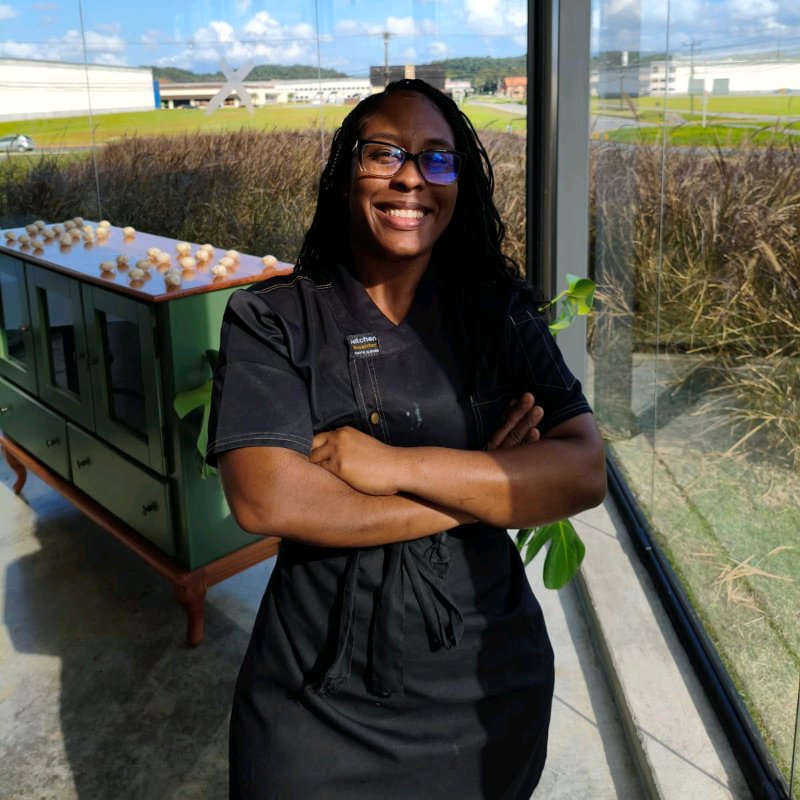
The clients who book personal chefs in Brazil today are couples celebrating anniversaries in a Florianópolis beach house, busy professionals in Recife who want healthy meals ready for the week, groups of friends in Belo Horizonte hosting a dinner party in an apartment, and parents in Brasília who want a beautiful birthday dinner without the stress of cooking. The profile is wide and growing.
What You Actually Need (Less Than You Think)
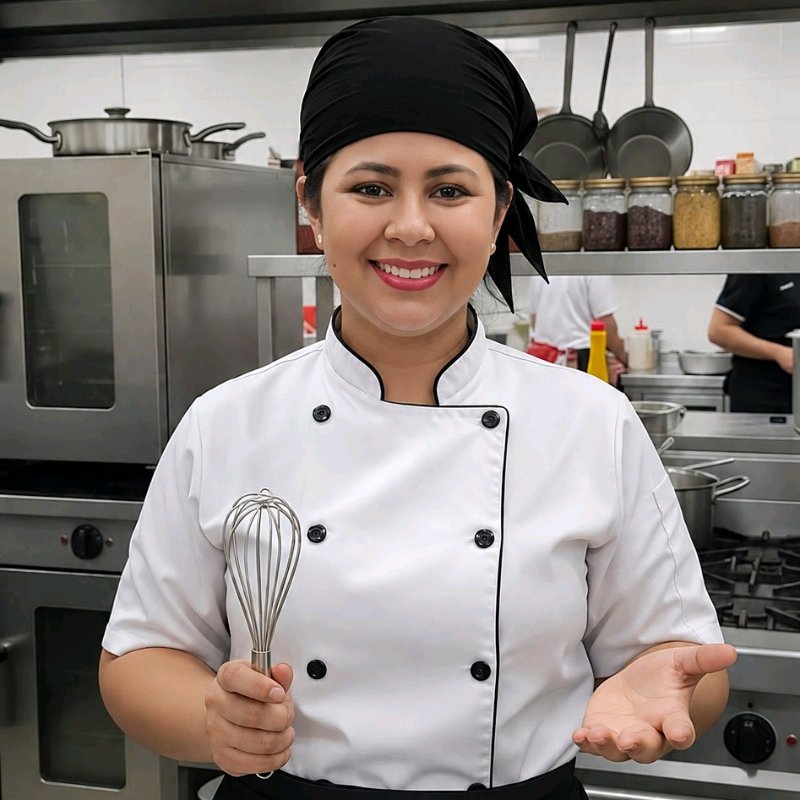
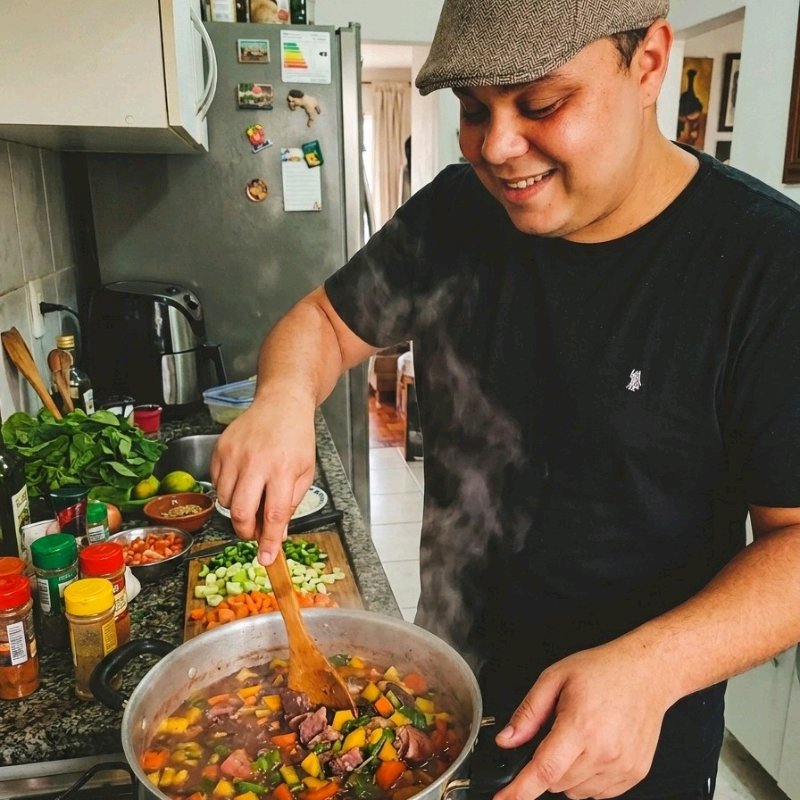
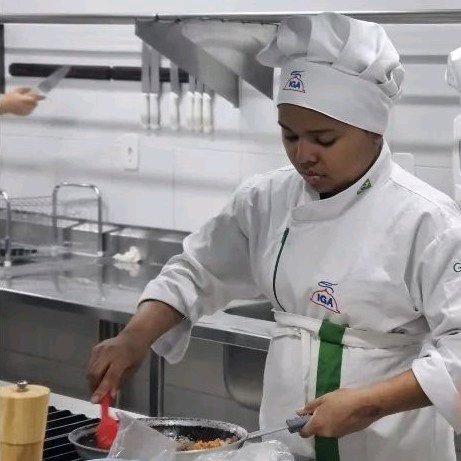
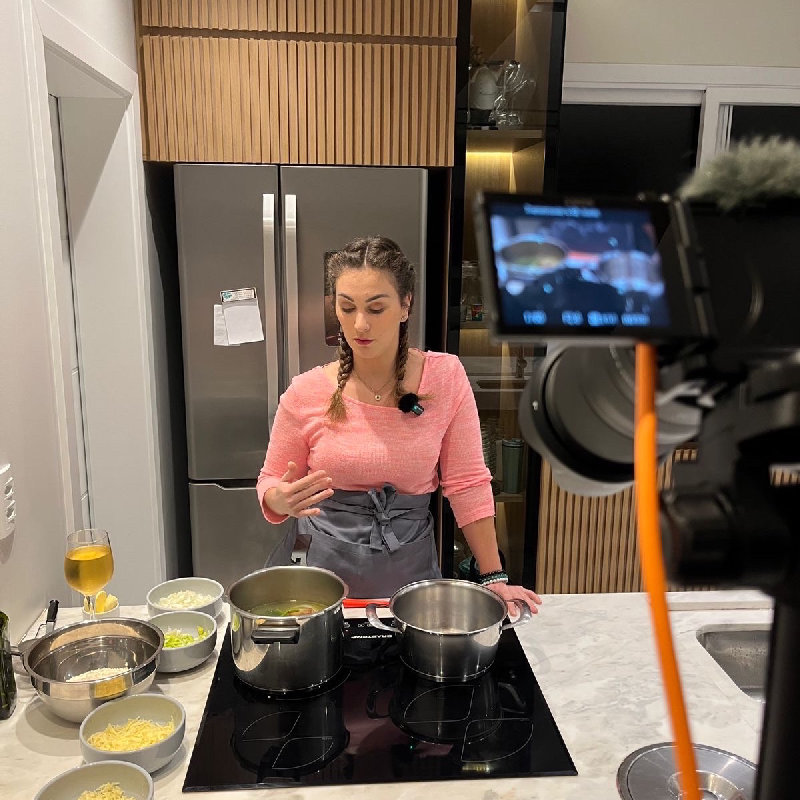
You need a working kitchen with a stove and oven, a refrigerator, basic cookware (pots, pans, a cutting board) and clean utensils. That's it. Personal chefs bring their own professional knives and any specialised equipment their menu requires. They adapt to your kitchen, not the other way around.
Your kitchen does not need to be large. Some of the most accomplished personal chef dinners in Brazil happen in the compact kitchens of Copacabana or Itaim Bibi apartments where the chef has exactly 80cm of counter space and a four-burner stove. Professionals cook in restaurant kitchens that aren't much bigger — they're trained for constraint.
You also don't need any culinary knowledge. You don't need to know what a beurre blanc is, what 'resting a protein' means or why sous-vide produces better results at 56°C than 60°C. Your job is to tell the chef what you love to eat, what occasion you're marking and who will be at the table. They translate that into a menu.
Pro Tip
If you're nervous about not knowing enough about food to brief a chef, start with a simple brief: 'I want a delicious dinner for four people, I love seafood and Italian flavours, nothing too heavy.' A great chef will ask exactly the right follow-up questions.
Choosing Your First Booking Type
For a first personal chef experience, the two best formats are a dinner for a small group (two to six people) or a single meal prep session. Both are low-risk and give you a clear picture of the experience without overcommitting.
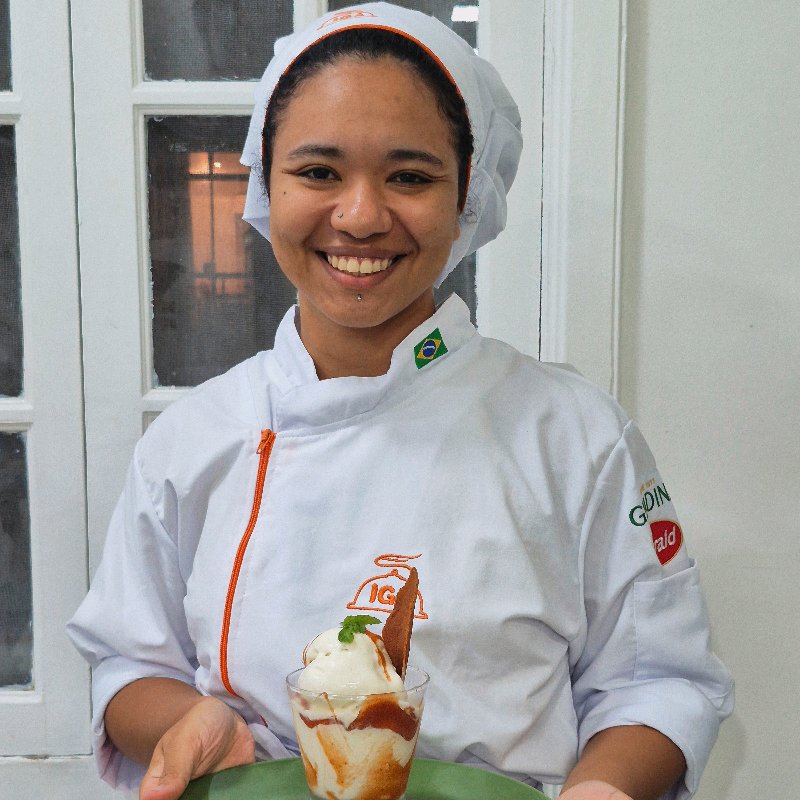
A small dinner gives you the full experience: the chef arriving, cooking in your kitchen, plating courses and leaving everything clean. It's the format that most clearly demonstrates what a personal chef does and why people become devoted regulars. Choose a cuisine you genuinely love so the menu feels familiar and exciting rather than adventurous-to-the-point-of-risky.
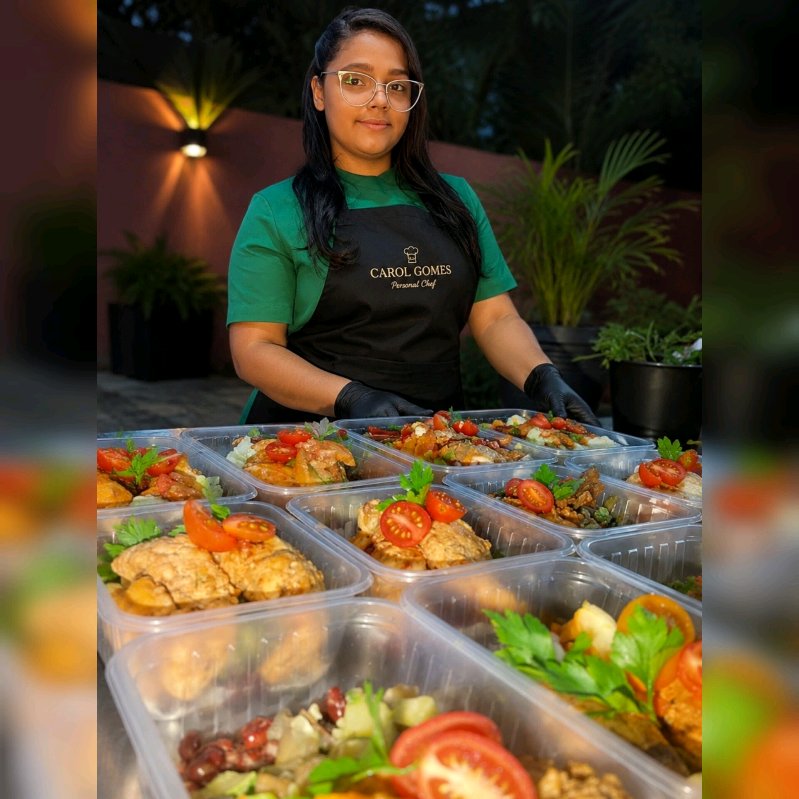
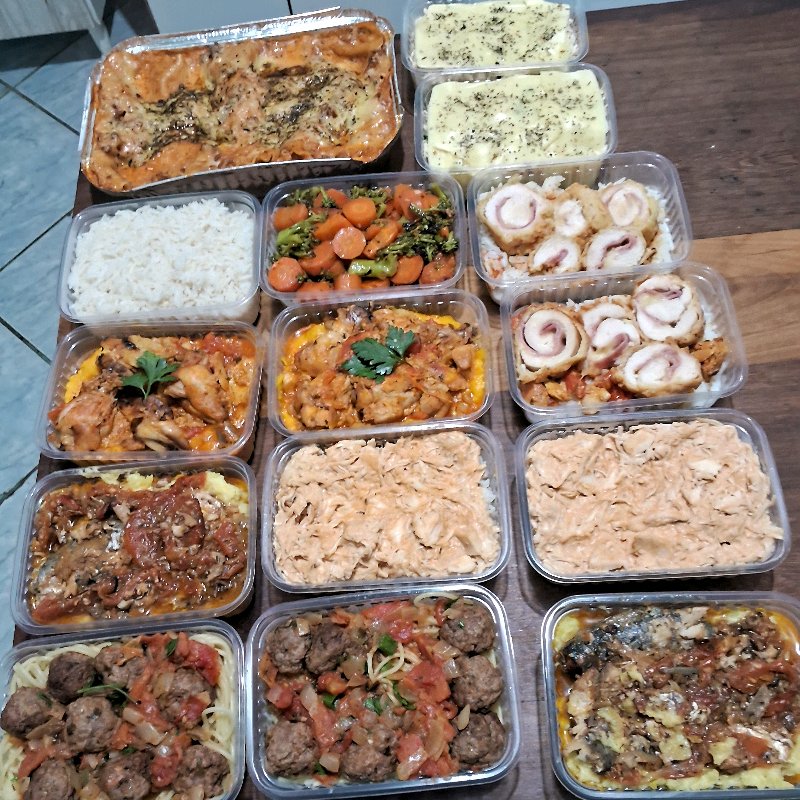
A meal prep session is ideal if your primary motivation is practical: you want healthy, well-made meals ready for the week without cooking them yourself. It's lower in 'wow' factor than a dinner event but immediately useful — and it lets you evaluate the chef's skill and communication style in a lower-stakes context before booking a dinner party.
✓Dinner for 2–6 guests
Best for: experiencing the full personal chef format, a special occasion, a dinner party.
✓Weekly meal prep session
Best for: practical daily nutrition, busy schedules, evaluating a chef before a bigger booking.
✓Cooking class
Best for: a social activity, a gift, learning while eating with 2–8 people.
✓Churrasco party
Best for: casual groups of 10–25, an outdoor or terrace setting, a Brazilian cultural experience.
How to Write Your First Brief
A brief is just a description of what you want. You don't need to write it formally — a WhatsApp message or a platform form with honest answers is perfectly sufficient. The key elements are: the date and time, your address, how many people you're feeding, what you generally love to eat and any dietary restrictions.
For a first booking, sharing something about the occasion helps the chef calibrate the mood. 'It's a birthday dinner for my partner who loves Japanese food' gives a chef vastly more useful information than 'birthday dinner.' 'I want a relaxed Friday night dinner for some close friends' tells the chef to build something warm and social, not a formal tasting experience.
Don't agonise over the brief. More information is always better than less, but a chef who is worth hiring will ask the right follow-up questions if anything is unclear. Your brief is a starting point for a conversation, not a contract.
Managing Expectations for Your First Experience
Your first personal chef experience will almost certainly be excellent — but it's also a first. It may take the chef a few minutes to find things in your kitchen. The timing between courses may not be perfectly restaurant-smooth. A dish you described as a preference might arrive slightly different from what you imagined.
None of this is a failure — it's a first booking with a new professional who is learning your preferences. The second booking with the same chef is almost always noticeably better because the chef knows your kitchen, your taste and your serving rhythms. Many people who've been using personal chefs for years describe the third or fourth booking with a chef they love as the moment when the experience clicks into something genuinely extraordinary.
Set yourself up for success: brief clearly, choose a cuisine you know you love, start with a format that suits your space and guest count, and leave a detailed review afterward. That feedback loop — your review, the chef's refinement, your next booking — is what builds the relationship that makes the personal chef experience truly exceptional over time.