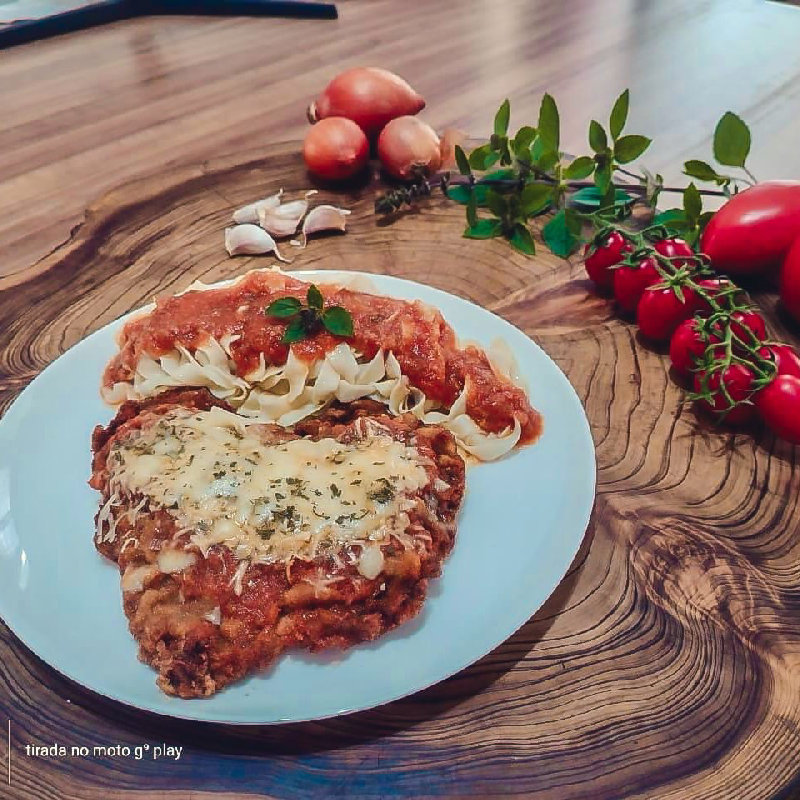
The Gold Standard: Why French Cuisine Defines Fine Dining at Home
French cuisine occupies the pinnacle of the culinary world for a reason that goes beyond tradition or prestige: the technique is genuinely difficult, and when executed well, it produces results that are categorically different from any other cooking style. A properly made sauce beurre blanc — white wine reduced, shallots softened, cold butter mounted in slowly — is silky, complex, and balanced in a way that no shortcut produces. A soufflé that rises perfectly carries the emotional weight of genuine skill on the plate.
In Brazil, French cuisine carries a specific prestige that makes it the natural choice for the most significant occasions: a marriage proposal dinner, a milestone anniversary, a farewell dinner for an important client, a 50th birthday celebration. The French personal chef experience signals both sophistication and hospitality — the host cared enough to source the best.
The Brazilian fine dining scene, led by restaurants like D.O.M., Oro, and Maní in São Paulo, has deep roots in French classical technique. Many of the country's most celebrated chefs trained in France or under French-trained mentors. This means the talent pool for French personal chefs in Brazil is genuinely strong — these are professionals who understand both the classical tradition and how to adapt it to local ingredients with intelligence.
A Multi-Course French Dinner: The Arc of the Evening
A formal French dinner at home follows a classical structure that creates a narrative arc over the evening. It begins with the amuse-bouche — a single bite sent from the kitchen before the first course, a signal of the chef's style and a warm welcome to the palate. This might be a tiny gougère filled with comté mousse, a verrine of vichyssoise with crème fraîche, or a blini with a curl of salmon and a drop of crème fraîche.
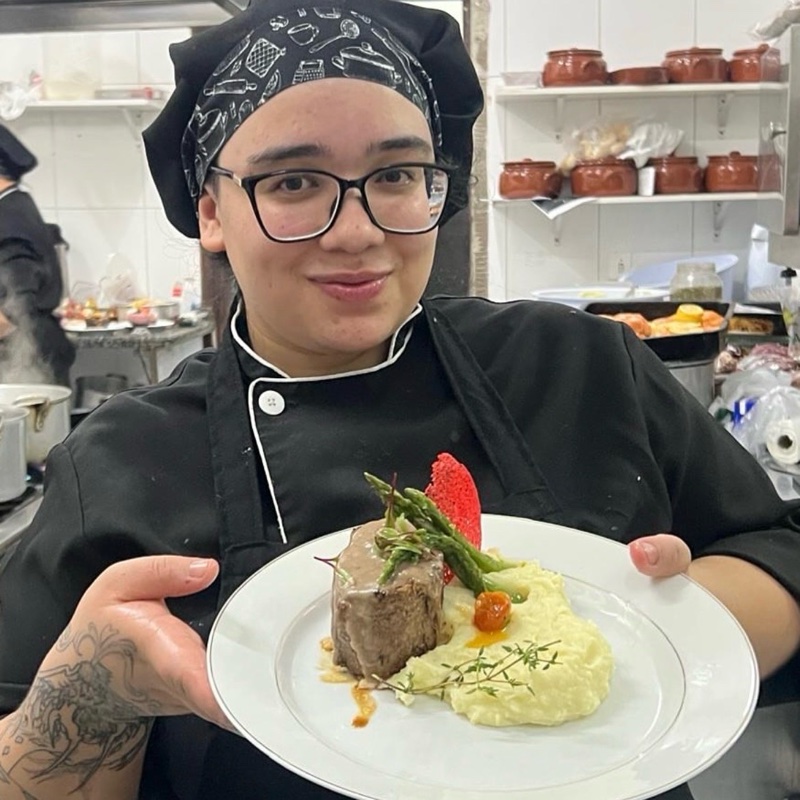
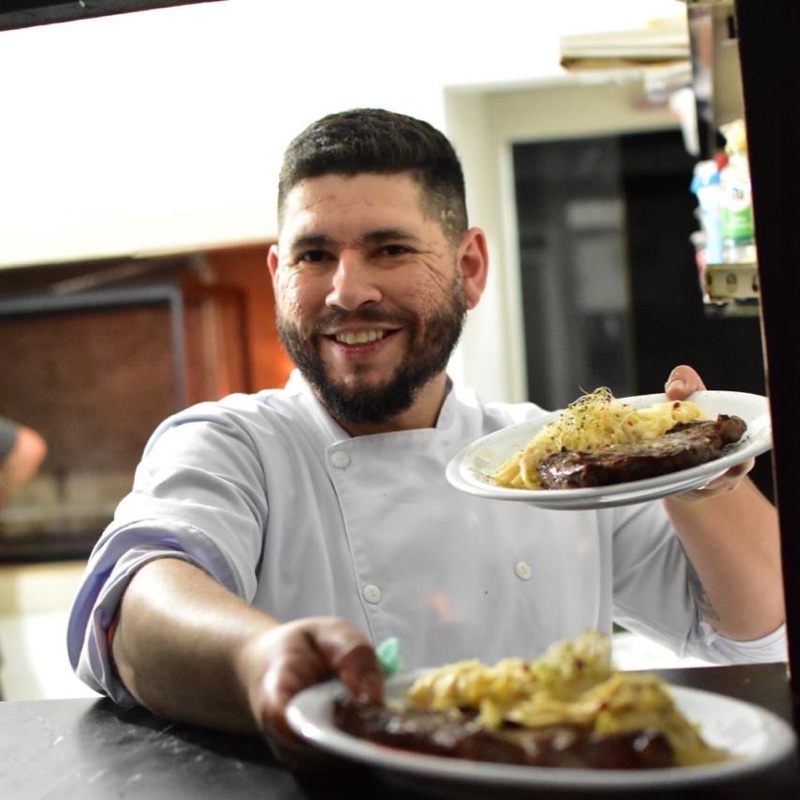
The entrée (starter) follows: a composed salad, a terrine, a seared foie gras with brioche and chutney, or an elegant crab rillettes. The plat principal (main course) is the evening's centrepiece — duck confit with sarladaise potatoes, a rack of lamb with herbed crust and ratatouille, a Dover sole meunière or a lobster thermidor. Each dish is plated with classical precision, which is one of the most visually distinctive aspects of the French personal chef experience: food that looks like fine dining photography, served at your table.
Cheese follows the main — a carefully selected plateau of three to four varieties, served at room temperature with bread and accompaniments. Then dessert: a chocolate fondant with salted caramel, a tarte tatin with crème fraîche, or a perfectly set crème brûlée torched tableside. The entire evening, from first amuse-bouche to last digestif, runs two to three hours — which is exactly the right pace for this kind of meal.
Pro Tip
Ask the chef to bring a cheese selection from São Paulo's fine cheese shops or specialty importers. A plateau with a French brie, a Portuguese queijo da Serra, and a Brazilian queijo meia cura artesanal bridges culinary cultures in a way that is both sophisticated and locally resonant.
The Techniques That Define French Personal Chefs
French technique is where the difference between a personal chef with classical training and a general-purpose cook becomes undeniable. The mother sauces — béchamel, velouté, espagnole, hollandaise, sauce tomat — form the backbone of classical French cooking, and a chef who knows how to build and vary them can produce a menu of near-infinite sophistication from a finite set of principles.
The classical approach to cooking proteins is equally distinctive. Properly seared duck breast — skin rendered down slowly, fat completely released, flesh pink and rested — is the result of a technique that most home cooks consistently miss: starting skin-side down in a cold pan, increasing heat gradually, turning only once. Beef bourguignon, built with a wine sauce reduced for hours, with pearl onions and mushrooms cooked separately and combined only at the end, shows the French principle of treating each element with separate care rather than throwing everything in together.
French pastry is its own world — one where a personal chef's classical training becomes most evident. A soufflé that rises to the precise height with no crack, a croissant laminated correctly (27 layers of butter and dough), a tarte tatin that releases cleanly from its pan with a perfect caramel: these require years of practice and fail routinely for home cooks. When a French personal chef produces one of these at your table, the result is genuinely impressive.
Wine Pairing with a French Personal Chef: The Natural Companion
French cuisine and wine are inseparable — the cuisine was, in large part, designed around wine accompaniment. A French personal chef will typically arrive with specific pairing recommendations for each course, and the most experienced will have a relationship with a wine specialist or sommelier who can source appropriate bottles.
The classical French pairing logic: delicate starters (seafood, foie gras) with white Burgundy or Alsatian Riesling; protein mains (lamb, beef) with Bordeaux or Rhône reds; cheese with Sauternes or Port; dessert with a demi-sec Vouvray or a demi-sec Champagne. In Brazil, where French wine imports are available but expensive, quality substitutions from the Vale dos Vinhedos, Argentina's Mendoza, or Portugal's Alentejo can be incorporated without dishonoring the pairing logic.
Champagne deserves specific mention. Serving Champagne — or a quality Brazilian espumante from Miolo or Cave Geisse — as an aperitif before a French dinner sets the tone of the evening more effectively than any other single decision. It communicates to guests, from the first moment, that this evening is exceptional. Most French personal chefs will suggest this as the opening move.
Pro Tip
If you want to invest in one truly special bottle for the evening, choose it for the main course rather than the aperitif. A great Burgundy Pinot Noir or a mature Bordeaux Cabernet Sauvignon paired with the plat principal will be remembered longest — and deserves to accompany the moment of greatest culinary intensity.
The Best Occasions for a French Personal Chef Experience
A marriage proposal is perhaps the occasion for which the French personal chef experience was invented. The intimacy of a private home, the table set for two, a menu designed around the moment — this is a scenario that no restaurant setting, however excellent, can replicate. The chef cooks, serves, and is discreet; the couple exists in their own world; the proposal happens at the right moment, uninterrupted.
Milestone anniversaries — 10th, 25th, 50th — are another natural home. A French dinner for four or six couples who have shared decades together demands a meal as significant as the occasion. The multi-course format creates a structure for the evening that sustains conversation and celebration over three hours rather than the 90-minute rush of a restaurant table.
Corporate entertaining is a third strong use case. A French dinner for six to eight business associates or international guests in a private home creates an atmosphere of exclusive hospitality that signals investment in the relationship. It is the business dinner that gets remembered — and repeated.
Preparing Your Home and Table for a French Dinner
A French dinner at home benefits from a deliberately set table. White or cream linen, proper wine glasses (ideally separate red and white), good candlelight, and a small floral arrangement compose the visual frame that matches the food. These elements do not need to be expensive — a set of decent wine glasses from a department store and a single bunch of white roses from the corner floricultura achieve the effect perfectly.
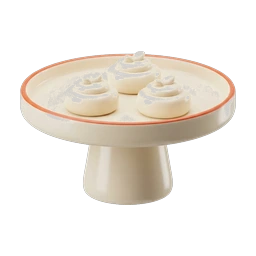
Discuss the table setting with the chef if you're uncertain — many French personal chefs are happy to advise on tablescaping or even bring specific serving pieces. The cheese board presentation, the amuse-bouche serving vessel, and the dessert plating are all within the chef's aesthetic control if you invite that input.
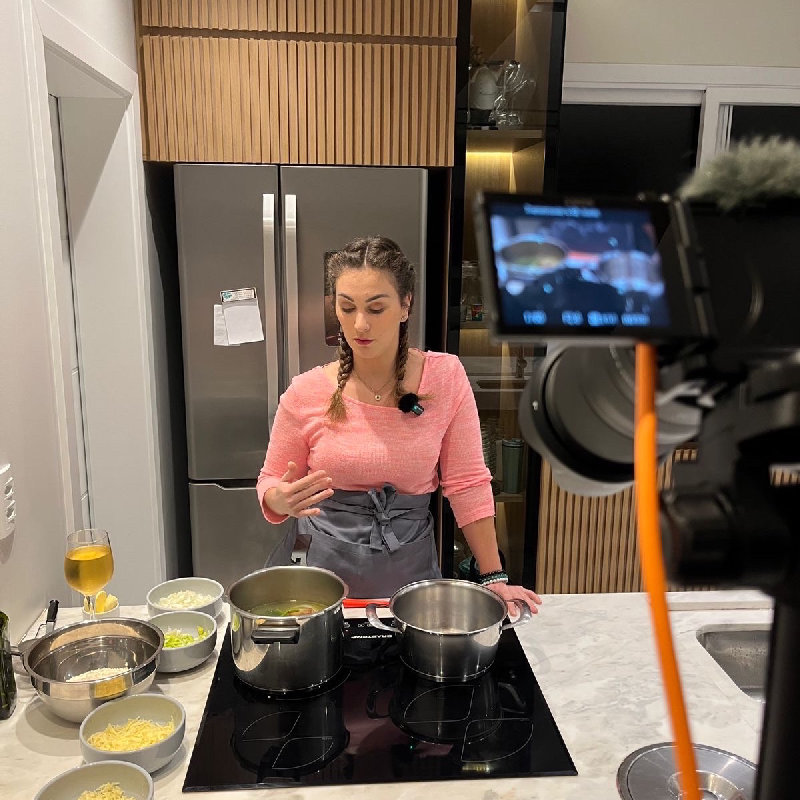
The kitchen setup for a French dinner requires a functional oven (essential for many preparations), at least two to three stovetop burners, and adequate workspace. The chef will typically need access 90–120 minutes before the first course and appreciates a kitchen cleared of everyday clutter. The smell of classical French cooking — butter browning, herbs sweating in olive oil, wine reducing — fills the home in a way that begins building the atmosphere long before the first plate arrives.
✓Set the table in advance and confirm with the chef
Have the table fully set — linen, glasses, cutlery, candles — before the chef arrives. This frees them to focus on cooking, and you can refine any aesthetic details with their input before guests arrive.
✓Confirm oven availability and size
Many French preparations — roasted lamb, tarte tatin, soufflé — require oven time. Confirm the oven is working, at what temperatures it is reliable, and that the chef has uncontested access during cooking.
✓Plan a clear guest arrival time separate from chef arrival
The chef should arrive 90–120 minutes before guests. This separation keeps the kitchen a working space and ensures guests arrive to a fully prepared mise en place, not a visible cooking rush.
✓Share all dietary restrictions at booking, not on the evening
A French menu built around duck confit cannot be adapted for a vegetarian guest on the night. All restrictions — vegetarian, gluten-free, dairy allergy, nut allergy — must be communicated at booking.