Celiac Disease vs. Gluten Sensitivity: Why the Distinction Matters for Your Chef
Celiac disease is an autoimmune condition where trace amounts of gluten — measured in parts per million — trigger intestinal damage. For celiac clients, cross-contamination is a medical risk, not a preference. A single breadcrumb from a shared toaster or a tablespoon of sauce thickened with flour is enough to trigger symptoms and intestinal damage, even if the person feels fine immediately.
Non-celiac gluten sensitivity (NCGS) involves real symptoms — bloating, brain fog, fatigue — but without the autoimmune mechanism and with generally higher tolerance for trace contamination. Many NCGS clients do fine with 'prepared in a gluten-aware kitchen' rather than the strict celiac protocol.
Your chef needs to know which category applies to you, because the protocols are meaningfully different. A celiac-safe kitchen requires dedicated cutting boards, dedicated pots and pans that have never cooked gluten-containing food, certified gluten-free processed ingredients, and a cleaned prep surface. An NCGS-aware kitchen applies good practices but without the same clinical strictness. Tell your chef clearly which level of protocol you need.
Why Brazil Is Actually a Good Country for Gluten-Free Eating
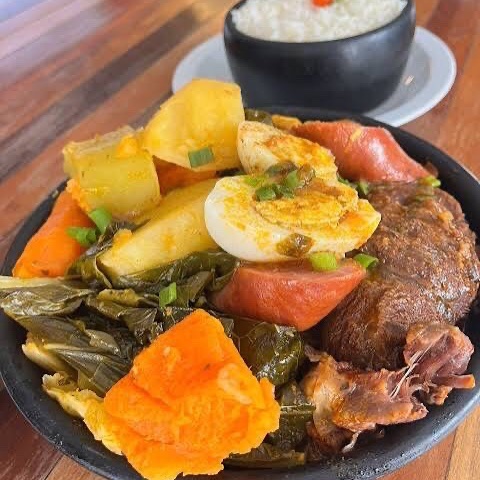
Brazilian food culture's reliance on rice and beans rather than wheat as a carbohydrate staple means that many traditional Brazilian dishes are naturally gluten-free. Arroz e feijão, moqueca, feijoada, churrasco, farofa (made from cassava flour), pão de queijo, tapioca — these iconic Brazilian preparations require no modification to be completely safe for celiac and gluten-sensitive eaters.
The Brazilian pantry offers alternative flours that are inherently gluten-free and culturally rooted: farinha de mandioca, farinha de arroz, fubá (corn flour), farinha de coco and polvilho (tapioca starch). A chef who knows these ingredients can bake bread, make pastry, thicken sauces and prepare desserts that are genuinely satisfying — not obvious compromises.
In major cities like São Paulo and Rio de Janeiro, specialty gluten-free ingredients (certified flours, pastas, crackers) are now widely available in Pão de Açúcar, Natural da Terra and specialty stores near neighborhoods with high demand. A chef who shops regularly for gluten-free clients knows which brands are trustworthy and certified.
Pro Tip
Ask your chef to showcase Brazilian naturally gluten-free dishes rather than trying to recreate wheat-based dishes with alternative flours. A tapioca com queijo, a polenta cremosa or a quinoa salad is a great dish on its own — not a 'gluten-free version' of something else.
Cross-Contamination: The Protocol Every Celiac Chef Must Follow
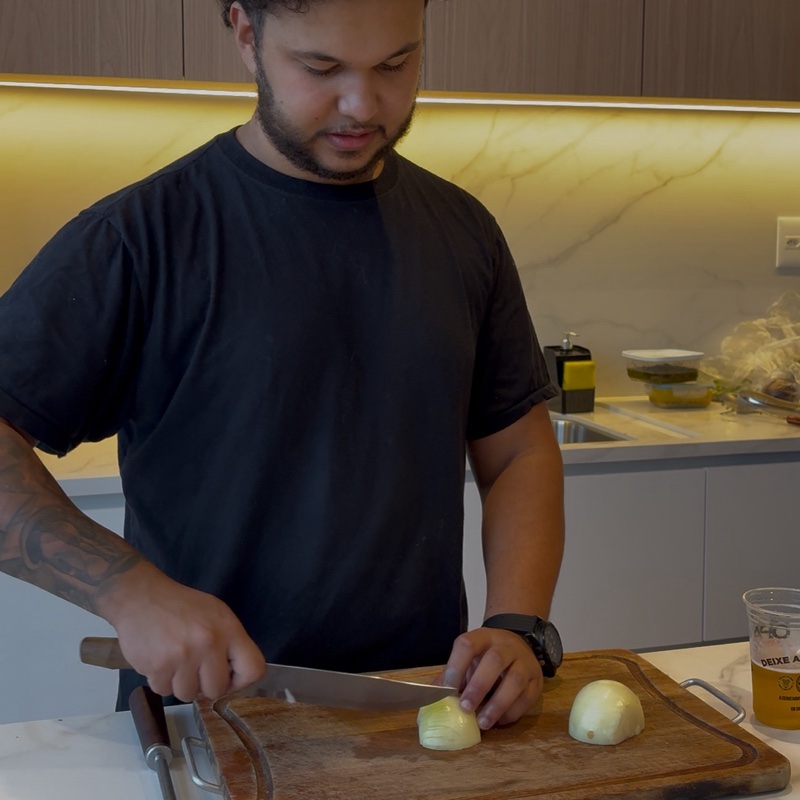
For celiac clients, cross-contamination prevention is non-negotiable. A professional chef cooking for a celiac client follows a protocol that includes: washing all surfaces, equipment and hands before starting any gluten-free preparation; using dedicated cutting boards that have never had contact with bread, pasta or gluten-containing sauces; using dedicated pots, pans and utensils (or confirming that shared equipment has been washed with soap and water between uses); checking every commercial product's ingredient label — including spice blends, stocks, soy sauce and dressings; and buying certified gluten-free versions of any product where cross-contamination risk exists at the production level.
Shared cooking fat is a common and overlooked contamination route. If a pan has been used to fry breaded items and is then used to cook a gluten-free meal, contamination occurs even after washing. A dedicated celiac-safe pan, used only for gluten-free preparations, eliminates this risk.
When asking a chef about their cross-contamination practices, listen for specificity: a chef who says 'I clean everything well' is describing good hygiene. A chef who says 'I bring my own cutting board and dedicated pans for celiac clients' is describing a protocol. For celiac clients, only the latter is acceptable.
✓Confirm the chef uses dedicated celiac-safe cutting boards
Boards that have never had contact with gluten-containing food, or new boards brought specifically for your sessions.
✓Ask about shared cookware
Pans used for breaded or flour-coated food are contamination risks even after washing. A dedicated celiac pan is the safest approach.
✓Request certification check on all processed ingredients
Spice blends, stocks, sauces and even oats can contain gluten through processing contamination. The chef should read labels for every processed product.
✓Specify your threshold: celiac or NCGS
Make absolutely clear whether you have celiac disease (strict medical protocol) or gluten sensitivity (good practices sufficient). This determines the entire kitchen approach.
✓Discuss your home kitchen setup
If shared toasters, bread bins or pasta colanders exist in your kitchen, identify them so the chef avoids cross-contamination from your own appliances.
A Week of Gluten-Free Meals: What a Chef Prepares
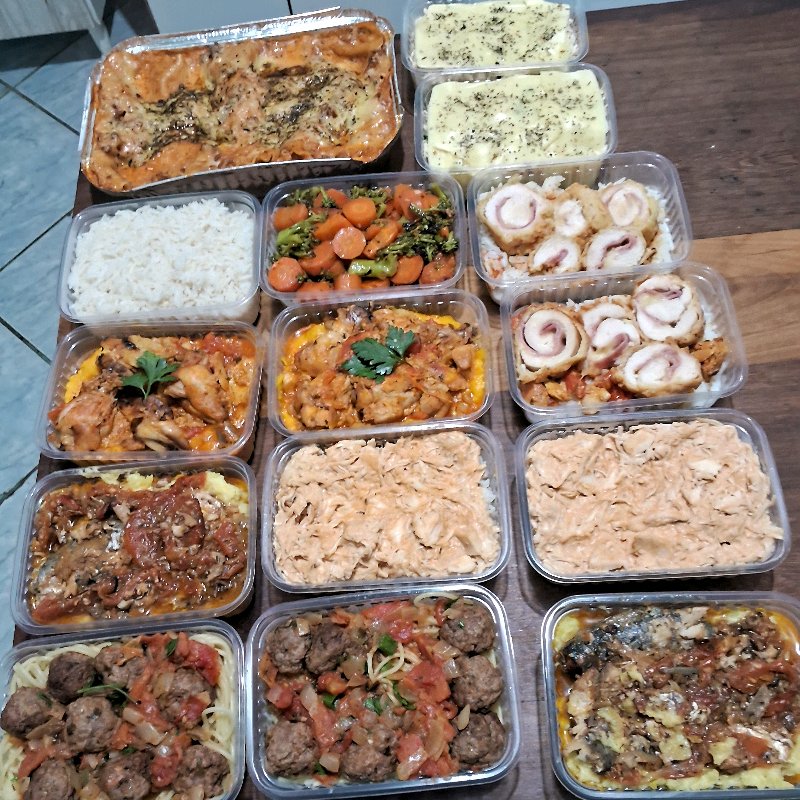
A sample gluten-free week designed around Brazilian ingredients: Monday breakfast is tapioca recheada com queijo minas e tomate (naturally gluten-free, no substitution needed). Lunch is arroz integral com feijão carioca, frango assado com ervas frescas and salada de rúcula com limão. Dinner is salmão grelhado com molho de limão-siciliano e abobrinha grelhada.
Midweek includes a polenta cremosa with mushroom ragù (no flour in the thickening — the polenta itself creates the desired texture), a feijoada ligeira with all-natural processed meats checked for gluten binders, and a risoto de cogumelos made with certified gluten-free stock. Fridays might feature a moqueca de camarão — naturally gluten-free, rich in flavor — with white rice and farofa de dendê.
Desserts throughout the week include mousse de chocolate made without any flour additives, pudim de leite condensado (traditionally gluten-free), bolo de mandioca (cassava cake, inherently gluten-free) and fresh fruit platters. The overall picture is a week of food that is culturally satisfying and nutritionally complete — not a restricted diet, just a thoughtfully designed one.
Hidden Gluten: Where It Appears and How Your Chef Avoids It
The most dangerous sources of hidden gluten for both celiac and NCGS clients are: commercial soy sauce (most brands contain wheat — look for tamari certified gluten-free); malt vinegar; commercial stocks and bouillon cubes (often contain wheat as a binder or flavor carrier); processed meats including sausage, presunto and salame (flour is used as a binder in cheaper brands); certain oats (contaminated with wheat during processing unless certified gluten-free); spice mixes and seasoning sachets (may contain wheat flour as anti-caking agent); and beer-based marinades or sauces.
A chef who cooks for gluten-free clients reads every label as a habit. They substitute tamari for soy sauce automatically, make stock from scratch using roasted bones and vegetables, choose certified gluten-free products and verify processing statements ('produced in a facility that also processes wheat') when the celiac protocol requires it.
When eating gluten-free outside the chef's preparations — at restaurants or friends' homes — the hidden sources above are the ones most likely to cause inadvertent exposure. Your chef can prepare a simple guide to safe eating outside the home based on their ingredient knowledge.
Costs, Finding the Right Chef and What to Expect
Gluten-free meal prep sessions in Brazil cost similarly to standard meal prep when the menu relies on naturally gluten-free ingredients (which is most of traditional Brazilian cooking). When specialty gluten-free products (certified pastas, artisan breads, specialty flours) are frequently requested, costs rise modestly — typically 10-20% above standard. Expect R$300-R$750 per weekly session for 10-15 meals including ingredients.
Finding the right chef requires more diligence than for standard meal prep. When evaluating, ask directly: 'Do you have experience cooking for clients with celiac disease?' and 'Can you describe your cross-contamination protocol?' A chef who answers specifically and confidently has done this before. Also look for chefs who mention having family members with celiac disease or who have completed food safety training — these are meaningful signals of genuine familiarity.
Once you find a chef you trust and who understands your protocol, long-term bookings (monthly rather than ad hoc) tend to produce better outcomes — the chef refines your menu over time, learns your preferences, and the cross-contamination protocol becomes automatic rather than effortful.