What a Healthy & Fit Personal Chef Does
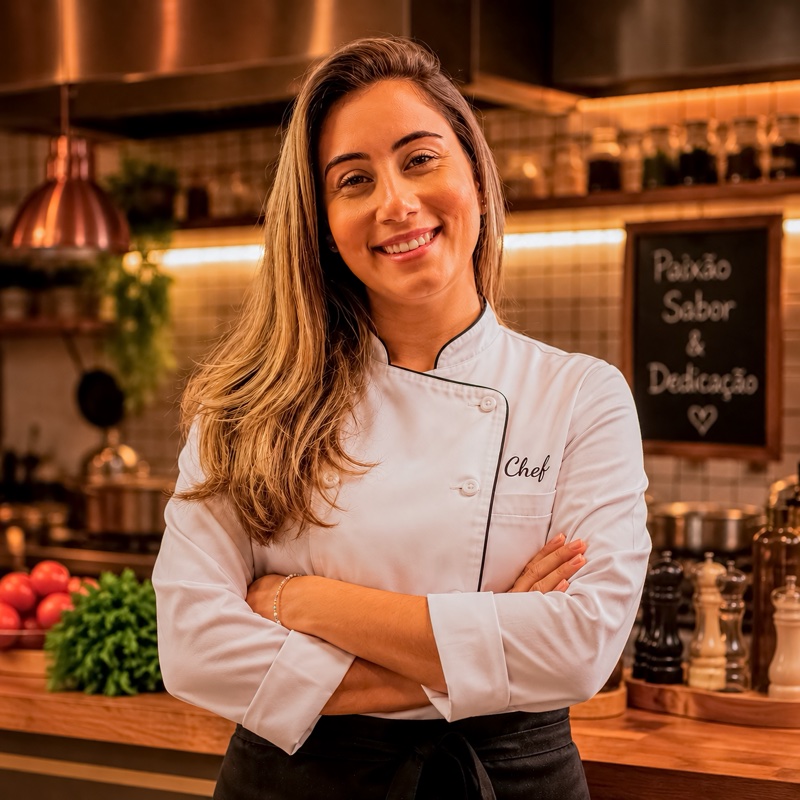
A healthy & fit personal chef specialises in nutrition-aligned cooking: meals built around precise macro ratios (protein, carbohydrate, fat), micronutrient density, controlled calories, and anti-inflammatory ingredients — without sacrificing taste. These chefs bridge the gap between a dietitian's prescription and a restaurant-quality plate.
In Brazil, this chef taps into an extraordinary pantry of functional superfoods: chia from Mato Grosso, whey-compatible quinoa, amaranth, Brazil nuts rich in selenium, cupuaçu, and a rotating cast of tropical fruits that make smoothie bowls, salad dressings, and recovery desserts genuinely exciting.
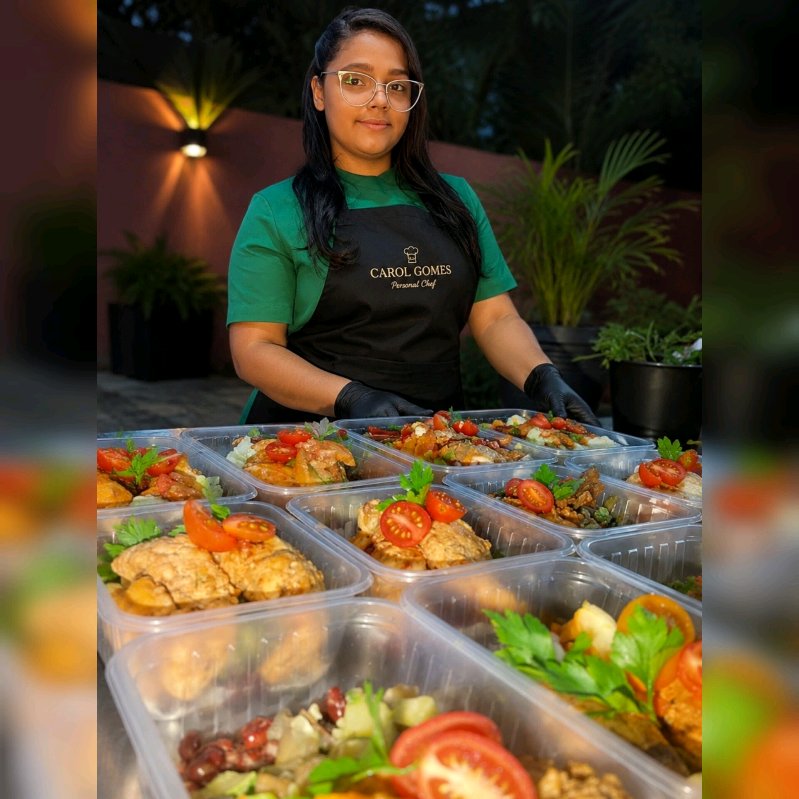
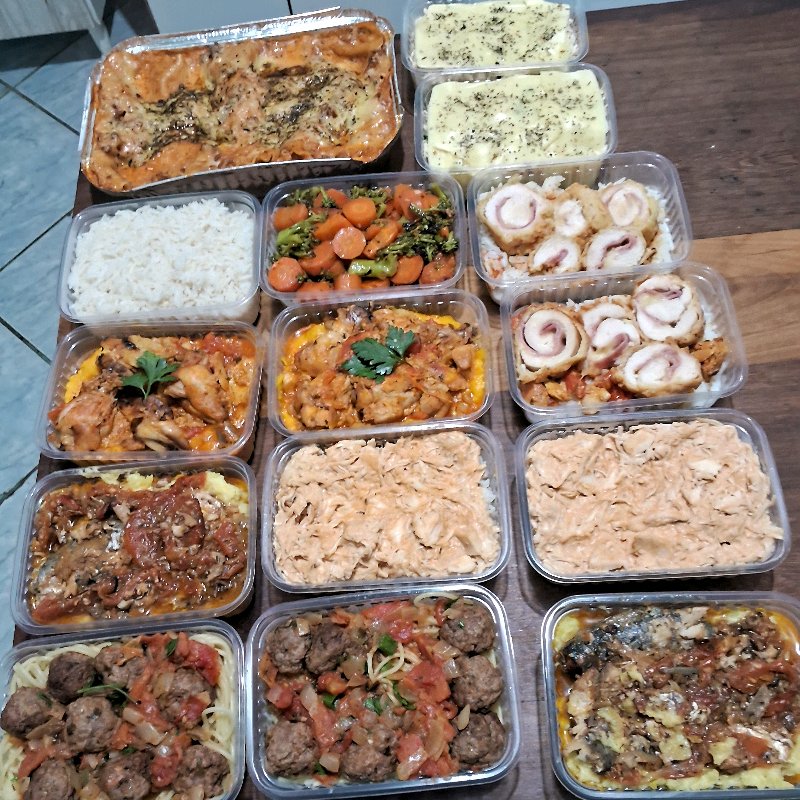
The typical service covers weekly or biweekly meal prep — batch-cooking a week's worth of lunches and dinners, stored in individual portions. Some fit chefs also offer on-demand dinner service for clients who want a nutritious special-occasion meal without the calorie ambiguity of restaurant dining.
Pro Tip
The best fit chefs work in tandem with your nutritionist or personal trainer. Share your macro targets and training schedule before the first session for a genuinely personalised result.
Signature Dishes on a Healthy Chef's Menu
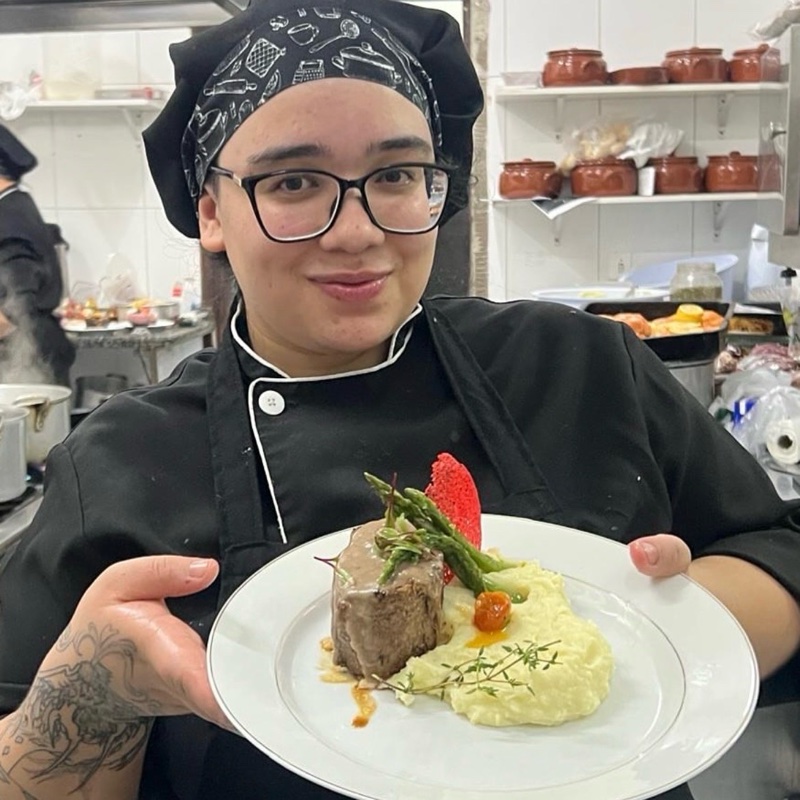
Expect a repertoire that is diverse enough to prevent diet fatigue. A weekly box from a skilled fit chef in Brazil might include: frango grelhado com molho de maracujá e batata-doce assada, tilápia no vapor com legumes crocantes e arroz negro, omelete de claras com espinafre e ricota, and overnight oats with granola artesanal and mixed red fruits.
Proteins cycle through lean chicken breast, turkey, white fish (tilápia, merluza), eggs, shrimp, and plant proteins (lentils, edamame, falafel de grão-de-bico) so the palate never tires. Carbohydrate sources rotate between sweet potato, brown and black rice, quinoa, and whole-grain pasta to maintain glycaemic control.
Snacks and extras are often included: energy balls made with oats, dates, and almond butter; yogurt parfaits with whey-boosted granola; and chilled soups like sopa de abóbora com gengibre that double as anti-inflammatory recovery meals.
For clients in a caloric surplus phase (muscle gain), the chef scales portion sizes and incorporates calorie-dense whole foods — avocado, olive oil, cashews, and dark chocolate — without resorting to processed supplements.
The Meal Prep Session: What Happens in Your Kitchen
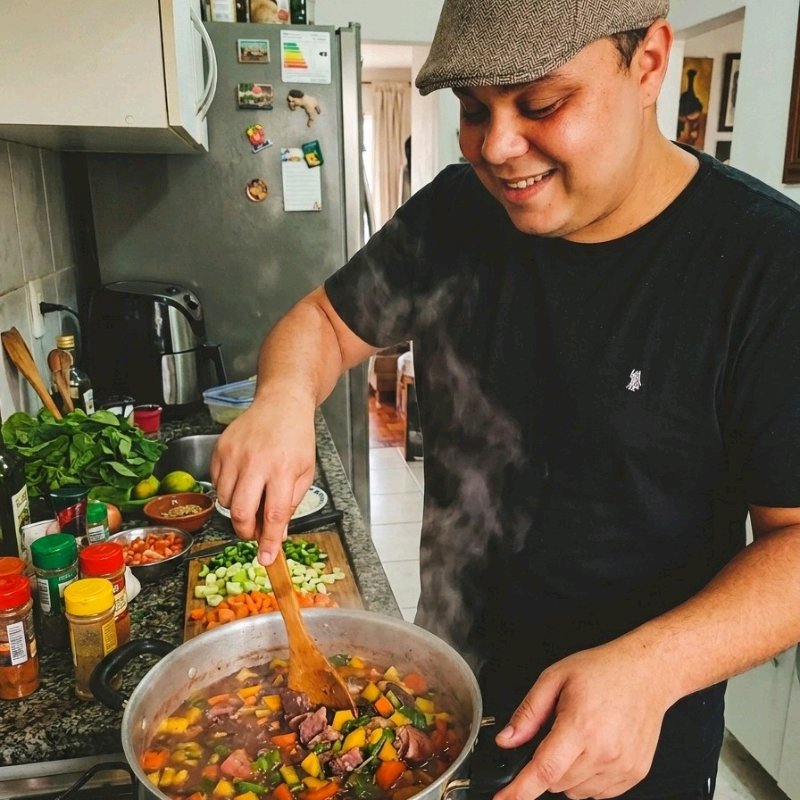
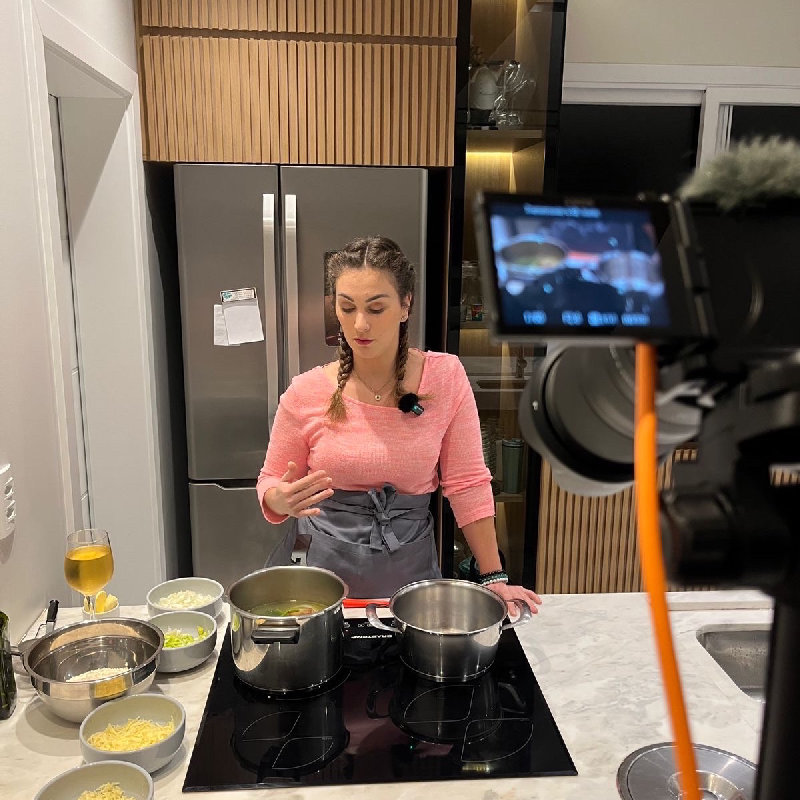
A typical fit-chef meal prep session lasts 3–5 hours for a couple's weekly supply (12–16 portions). The chef arrives with pre-sourced, weighed ingredients, sets up a systematic workflow, and runs multiple cooking tasks simultaneously — roasting sweet potatoes while grilling chicken and slow-cooking legumes — to maximise efficiency.
Every portion is sealed, labelled with macros (when requested), and refrigerator- or freezer-ready. Many fit chefs provide a simple reheating guide so you always know the best way to finish each dish without compromising texture or nutrition.
At the end of the session, the chef does a walkthrough of everything prepared, explains storage times, and notes any ingredient swaps they made if a planned item was unavailable. The kitchen is left spotless.
✓Provide your macro targets in grams
Protein, carb, fat, and total calorie targets per meal allow the chef to build precise portions rather than estimating.
✓Share your training schedule
Higher-carb days around heavy training sessions and lower-carb days on rest days can be built into the weekly plan.
✓List foods you genuinely enjoy
Fit eating only works if you actually eat the food. Be honest about preferences — a chef can make almost any nutritious ingredient taste good.
✓Confirm container supply
Have 12–16 clean, sealable glass or BPA-free containers ready. Airtight lids are essential for food safety and flavour preservation.
Pricing: What to Budget for a Fit Chef in Brazil
Healthy meal prep chef services in Brazil range from R$ 600 to R$ 1,500 per session, including labour and ingredients, for a standard week's supply for one to two people. The price reflects the chef's seniority, the complexity of the macro plan, the number of distinct recipes prepared, and your location.
In major cities like São Paulo, Belo Horizonte, and Curitiba, a well-regarded fit chef typically charges R$ 800–R$ 1,200 per biweekly session (every two weeks). Clients who book monthly recurring services often negotiate a 10–15% discount.
On-demand healthy dinner service (a nutritious 3-course meal for two, plated at home) runs R$ 350–R$ 600, including the chef's time and ingredients. This is a popular option for clients who eat clean during the week but want a special, restaurant-quality meal on weekends without the menu ambiguity of eating out.
Pro Tip
Compare the per-meal cost of a fit chef against your current delivery app spending. A biweekly session producing 14 lunches and dinners at R$ 1,000 total works out to R$ 71 per meal — often cheaper than quality healthy delivery and vastly fresher.
Choosing the Right Fit Chef for Your Goals
The fit-chef market in Brazil spans a wide spectrum: some chefs prioritise aesthetics and Instagram-worthy bowls; others focus on clinical precision and are happy working alongside a registered dietitian (nutricionista). Identify which end of the spectrum you need before searching.
Look for chefs who ask about your goals — not just your food preferences. A chef who opens the conversation with 'What are your performance objectives?' rather than 'What do you like to eat?' signals a serious approach to the functional side of the work.
Check whether the chef has worked with clients who share your profile: endurance athletes, post-partum mothers, executives managing metabolic syndrome, or people in body-recomposition phases all have different nutritional needs, and experience with your specific context matters enormously.
✓Verify nutrition knowledge
The chef should understand macros, glycaemic index, and anti-inflammatory eating — not just general healthy cooking.
✓Ask for sample weekly menus
A strong fit chef can produce a sample 5-day meal plan tailored to your macro targets within 24 hours of receiving your brief.
✓Request photos of labelled portions
Seeing how the chef presents and labels individual meals tells you about their professionalism and attention to client needs.
✓Confirm they collaborate with your dietitian
The best fit chefs welcome guidance from registered nutritionists and adjust menus based on clinical recommendations.
✓Check consistency reviews
Look for testimonials from clients who have used the chef for 3+ months — consistency is the hallmark of a great fit chef.
Making the Most of Your Fit Chef Service
The clients who get the best results treat their fit chef as a collaborator, not a vendor. Share weekly training data, weigh-ins (if relevant to your goals), energy levels, and feedback on each dish. A great chef iterates based on this information — adjusting portion sizes, swapping ingredients, and evolving the menu as your goals change.
Keep a simple feedback log: after each session, note one dish that worked brilliantly and one that didn't excite you. Sharing this at the next session booking takes 2 minutes and dramatically improves the trajectory of your service.
For athletes in a competitive season, give the chef your event calendar well in advance. A chef who knows you have a triathlon in three weeks will naturally front-load complex carbohydrates, reduce dietary fat, and increase anti-inflammatory spices like turmeric and ginger in the final week.
Common Mistakes When Hiring a Fit Chef
The most common mistake is hiring a general chef and expecting them to deliver performance-nutrition results. A generalist can cook healthy food, but they may not understand the difference between a low-glycaemic carbohydrate and a high-glycaemic one, or how to time nutrients around your training windows.
Another frequent misstep is under-specifying the brief. 'Healthy meals for the week' is not a usable brief. 'High-protein, moderate-carb, low-fat meals, approximately 500 kcal per portion, for a person training 5 days a week targeting 160g of protein daily' gives the chef the information they need to deliver real results.
Finally, resist the urge to micromanage the menu selection. Within your macro parameters, give the chef creative latitude on specific dishes. This keeps the food interesting and plays to the chef's culinary strengths.
Pro Tip
Start with a one-off session before committing to a recurring plan. It lets both you and the chef calibrate expectations and identify any adjustments needed before a longer engagement.