Planning Your Brunch: Time, Size and Format
The sweet spot for a home brunch is 10 to 12 guests — large enough to feel social and festive, small enough to be genuinely manageable. More than 15 guests pushes into event catering territory and requires either help or a significantly simplified menu. For a first brunch, 6 to 8 guests is an easy starting size.
Start time matters: 10:30 or 11:00 is ideal. Earlier feels rushed; later edges into lunch territory and misses the relaxed morning feeling that makes brunch special. Plan for guests to arrive over 20–30 minutes and keep the spread open and self-service for the first hour, then transition to any warm items you are serving.
Decide upfront whether you are doing a buffet-style brunch (everyone helps themselves from a central spread) or a plated brunch (you bring dishes to the table in rounds, more like a proper meal). For most home settings, buffet-style is dramatically easier to manage and allows guests the freedom to graze at their own pace, which fits the relaxed brunch spirit.
Pro Tip
Set the table and all cold items fully the night before. On the morning of the brunch, all you need to do is brew coffee, warm the savory items and put out the fresh fruit. This approach means you are composed and relaxed when your first guest arrives.
The Sweet Side of the Brunch Spread
Sweets anchor a brunch visually and emotionally — they are what guests see when they arrive and what they gravitate toward. A well-executed sweet spread includes: artisan pães (sourdough, brioche, pão de leite), a selection of geleias and manteiga, fresh seasonal fruits arranged beautifully (a mix of morangos, uva, melão, mamão and abacaxi is both colorful and practical), and one or two homemade baked items.
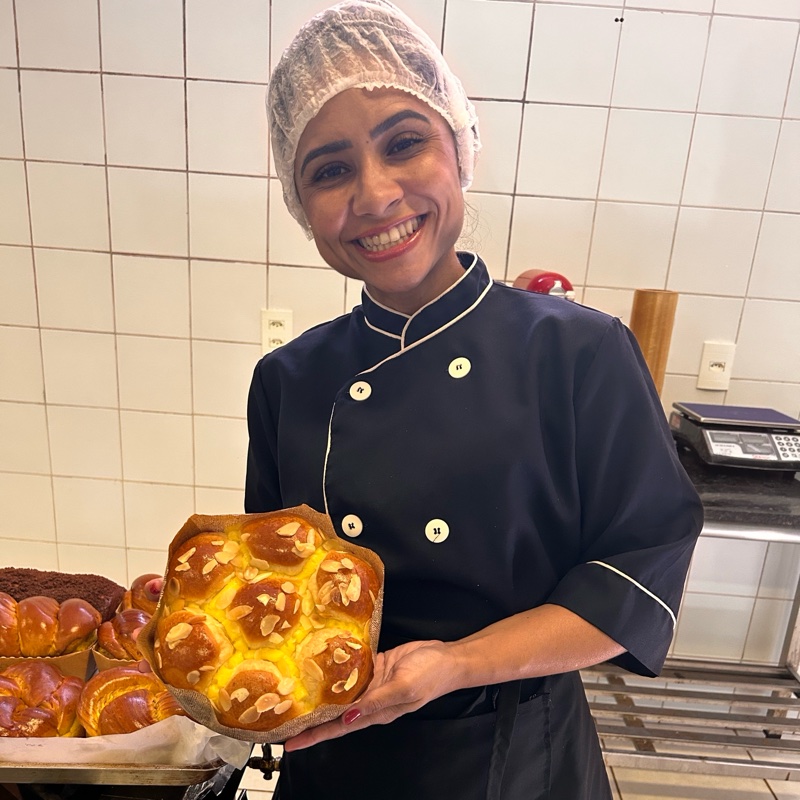
The homemade baked item is your signature: a bolo de banana com canela, a torta de limão, a carrot cake with cream cheese frosting, or simple classic panquecas (pancakes) made to order at the stove. Choose one you make confidently. The rest of the spread does not need to be homemade — quality purchased items are completely appropriate for a brunch and save your morning significantly.
Açaí bowls have become a Brazilian brunch staple and are easy to prepare at scale: keep the pureed açaí in a large bowl with granola, mel, coco ralado and sliced fruits arranged alongside for guests to customize their own. This interactive element is popular with guests and requires no cooking.
The Savory Side: Brazilian Classics and Modern Options
The savory anchor of a Brazilian brunch is unmistakable: tapioca, ovos mexidos, pão de queijo and frios. Tapioca is particularly effective because guests can customize their own — set out a tapioca station with toppings (queijo fresco, frango desfiado, banana com mel, chocolate) and guests serve themselves. The act of filling and folding a tapioca is itself entertaining.
For an elevated savory element, a salada de ovo (egg salad) on brioche toast, mini quiches de queijo e espinafre, or a smashed avocado with lime and chili flakes on sourdough is what separates a thoughtful brunch from a simple café da manhã. These can all be prepared partly or fully the night before.
A warm item that holds well is invaluable: frango desfiado com requeijão kept warm in a chafing dish or slow cooker, or a baked egg dish (ovos assados no molho de tomate, shakshuka-style) brought to the table in the cast iron it cooked in. These give the meal substance and ensure that guests who arrive hungry leave satisfied.
✓Tapioca station with toppings
Set out the tapioca goma (pre-hydrated) and a selection of sweet and savory fillings. Guests make their own — it is interactive and requires no last-minute cooking from you.
✓Pão de queijo fresh from the oven
These can be frozen raw and baked while guests arrive — 20 minutes at 200°C fills the house with an irresistible aroma.
✓Ovos mexidos cremosos
Scrambled eggs done slowly in butter until just set and silky. Cook them while guests are settled with coffee and the cold items.
✓Charcuterie and cheese board
Presunto cru, queijo brie, queijo de cabra, gouda — with crackers and mel. Prepare the night before and refrigerate covered.
✓Mini quiches or savory tartlets
Bake the night before and warm briefly in the oven before service. They hold at room temperature for 2 hours.
Brunch Drinks: Coffee, Juice and Something Celebratory
Coffee is the non-negotiable cornerstone of a Brazilian brunch. Use quality café coado (filtered coffee in a traditional flannel filter) or a cafetière — the ritual of making good coffee is part of the occasion. Keep a thermos warm throughout the brunch so guests can refill without interrupting the host. Offer both café puro and leite quente alongside for guests who want a café com leite.
Fresh sucos naturais are essential: suco de laranja coado is the classic, and a jug of suco de maracujá or de abacaxi com hortelã adds a tropical note that is quintessentially Brazilian. For a large group, pre-juice everything the night before and refrigerate in sealed jugs.
For the celebratory element — and every good brunch has one — a mimosa or a sprizz (espumante with Aperol or Campari, topped with sparkling water) is the standard. Prepare a large pitcher rather than mixing individual drinks. Non-alcoholic guests will appreciate a suco de uva gaseificado served in wine glasses, which gives the same festive visual without the alcohol.
Pro Tip
Brew the coffee very strong and keep a jug of hot milk separately. Strong café com leite (half coffee, half hot milk) is the preferred format for most Brazilians and is far more satisfying than weak white coffee. The ratio controls itself when guests pour their own.
Table Setting and Ambience for a Brunch
Brunch calls for a more relaxed, layered table than a formal dinner. Natural linen napkins or paper napkins in a matching color work equally well. A simple centerpiece of mixed seasonal flowers in a jam jar (margaridas, girassóis or sunflowers in season) is appropriately casual and colorful. Mix heights on the table — a tall pitcher of juice, a flat board of frios, a elevated cake stand — so the spread has visual interest without a formal structure.
Natural light is your single biggest asset for a brunch. Position the table near windows if possible and resist drawing the blinds. The combination of good morning light, fresh flowers and coffee aromas creates an atmosphere no amount of decoration can substitute.
A background playlist of relaxed, upbeat music — Brazilian MPB, bossa nova, or a well-chosen jazz playlist — sets the pace without overwhelming conversation. Volume low enough that guests don't have to raise their voices, but present enough that there is no awkward silence when groups momentarily drift apart.
Hiring a Personal Chef for a Brunch
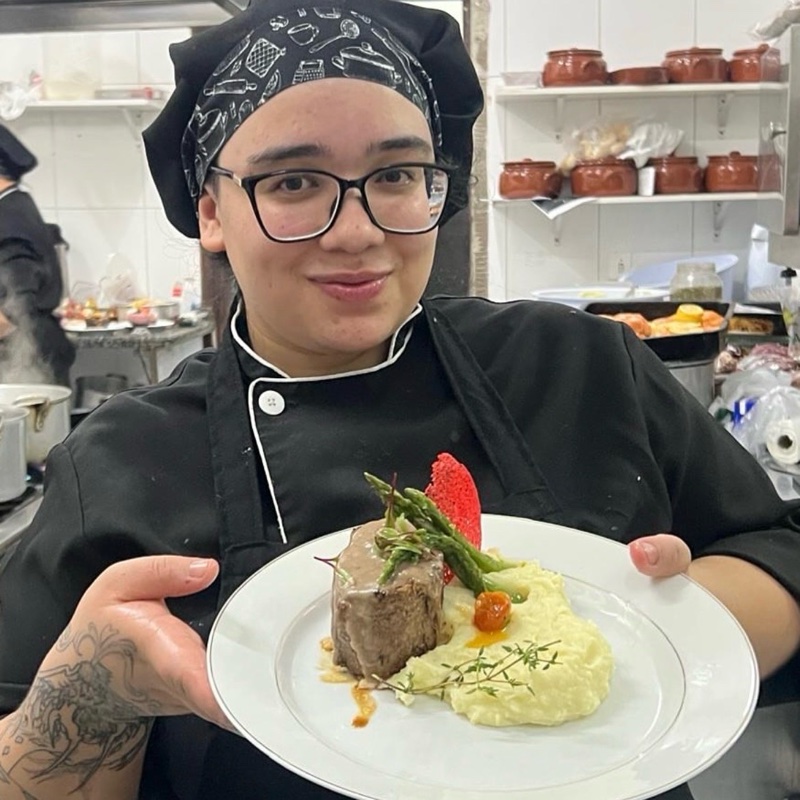
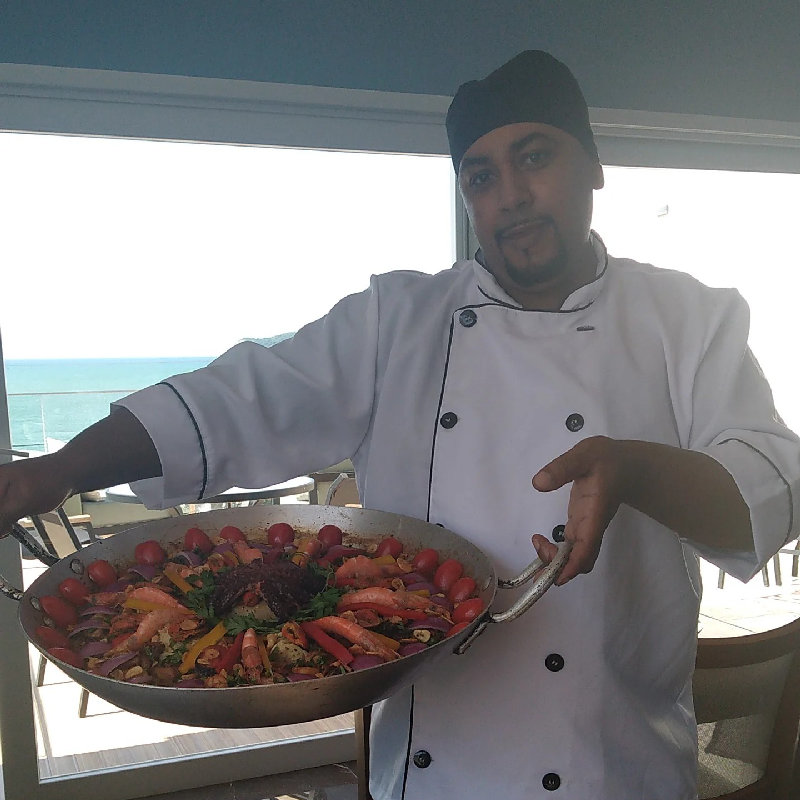
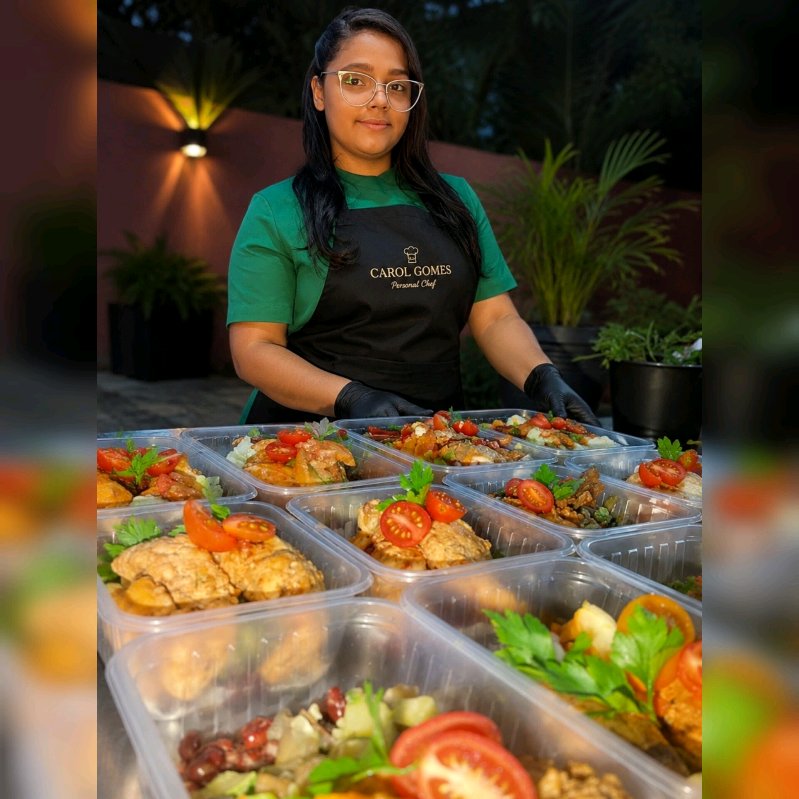
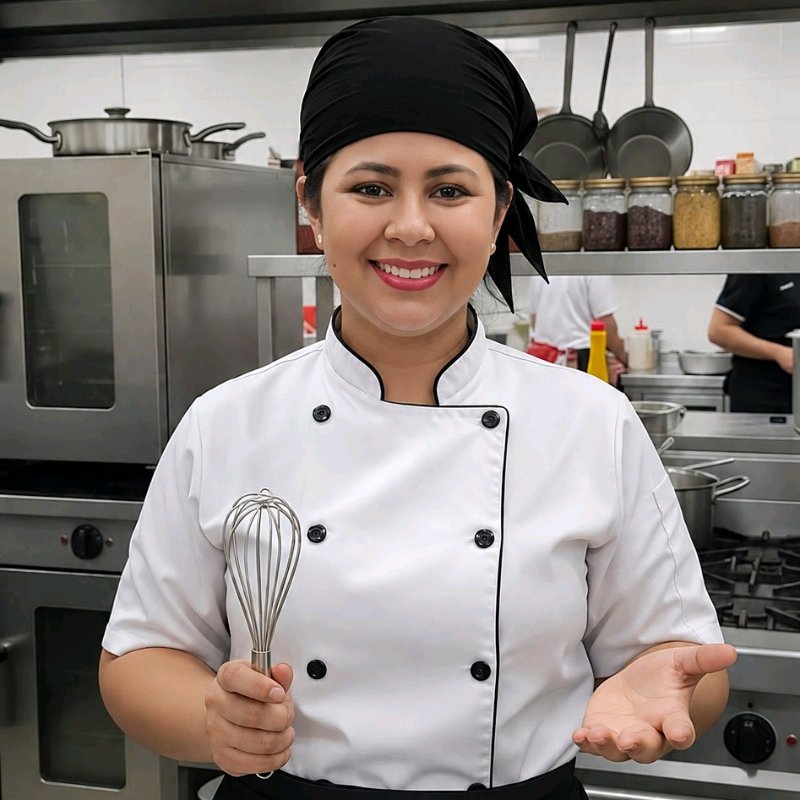
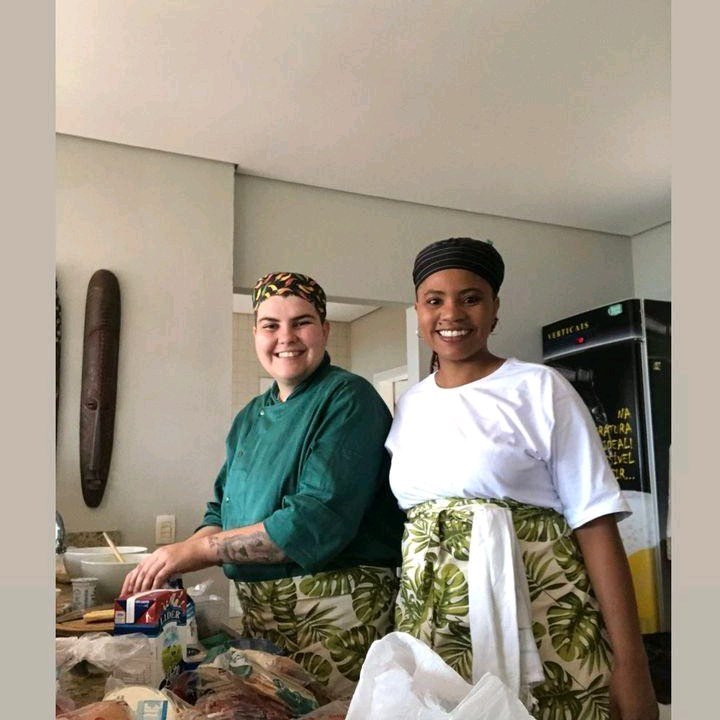
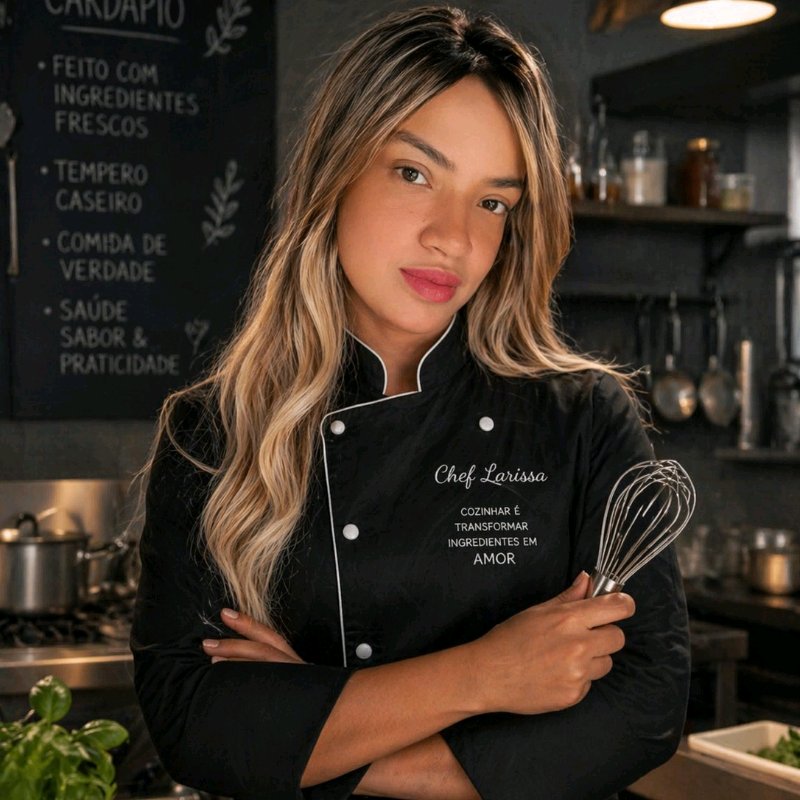
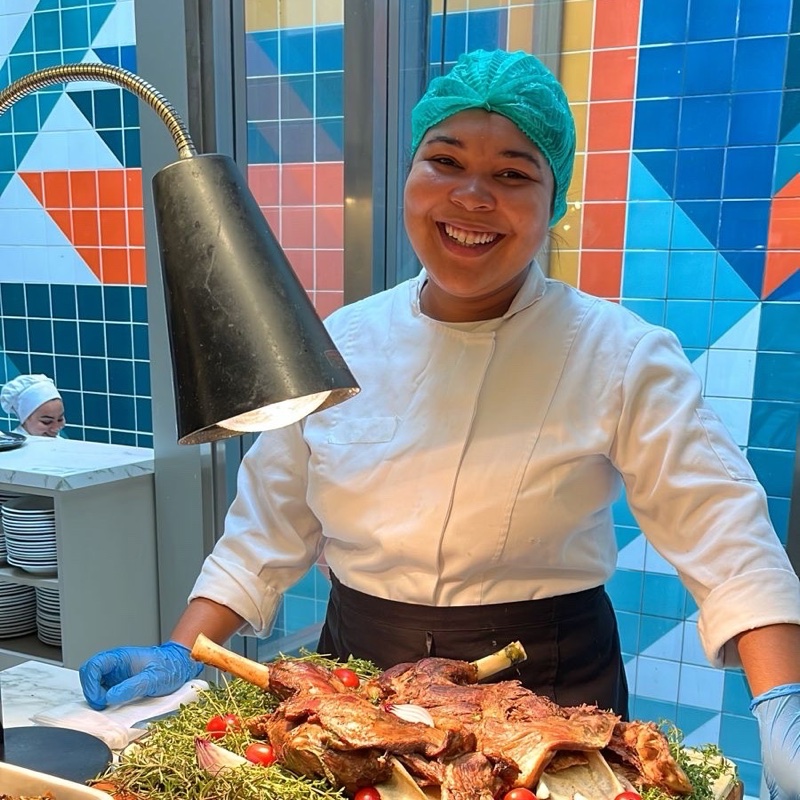
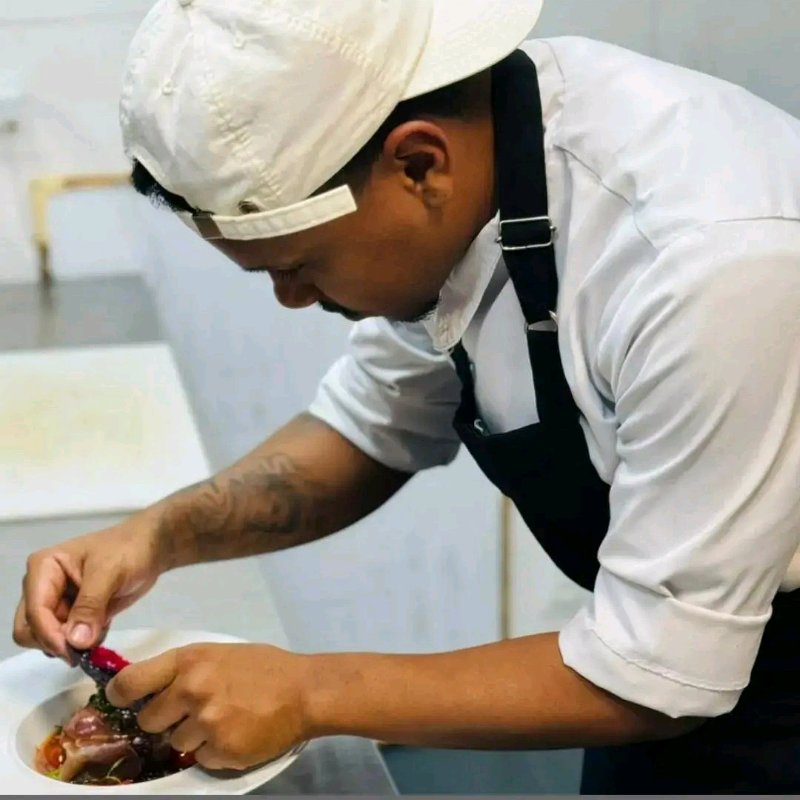
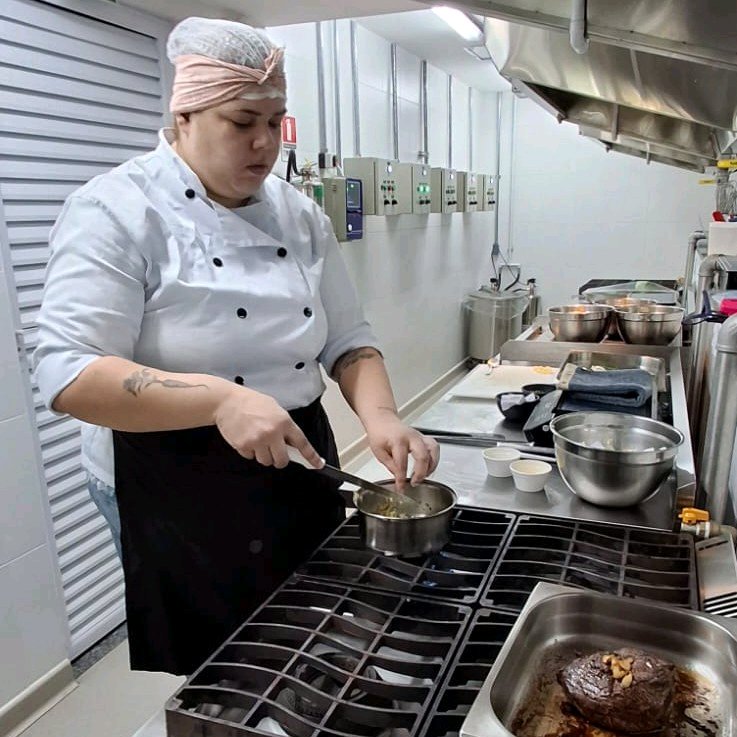
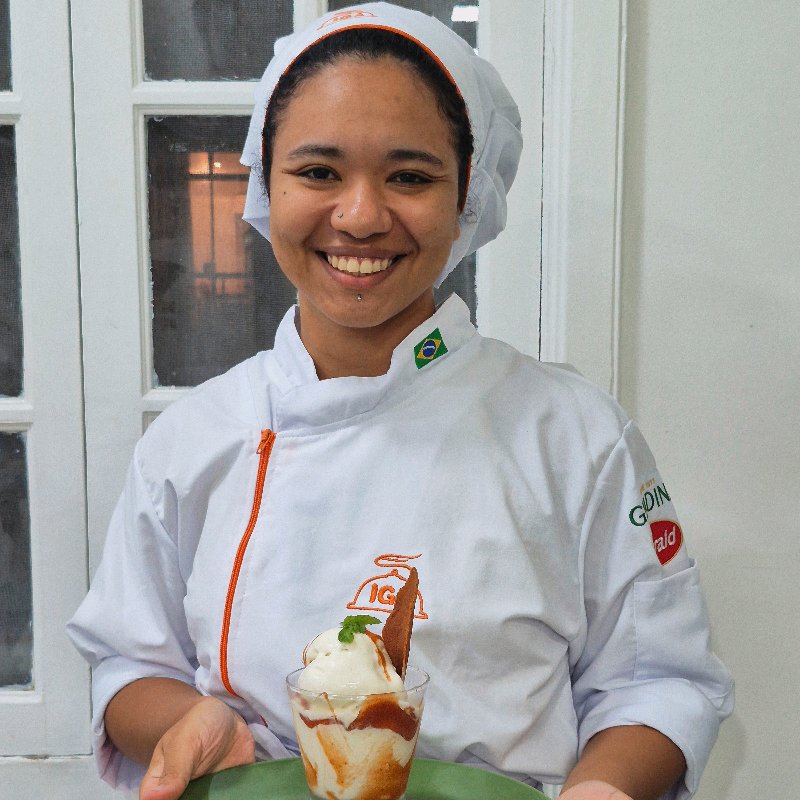
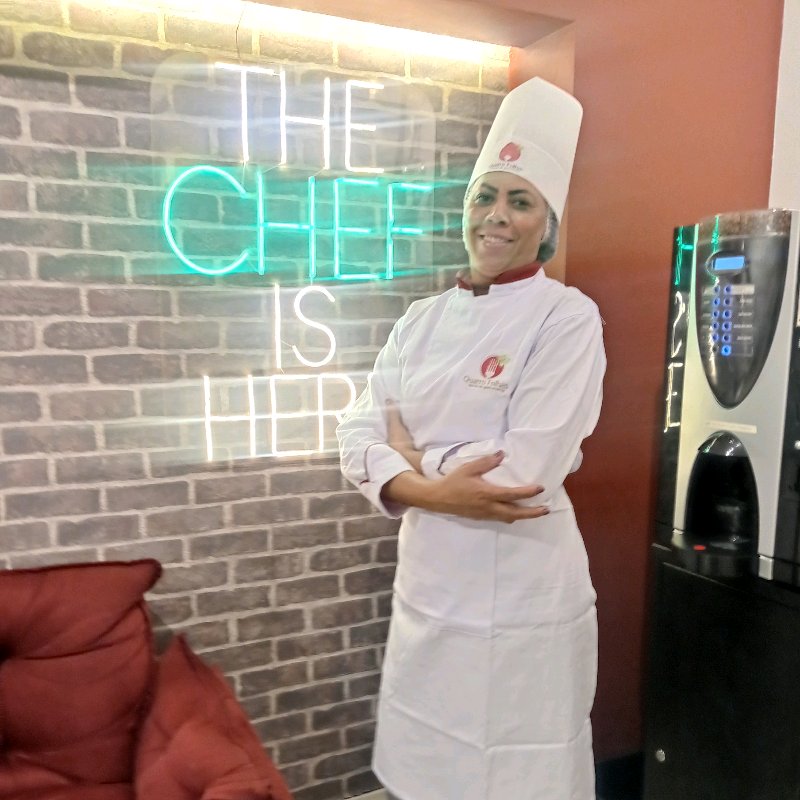
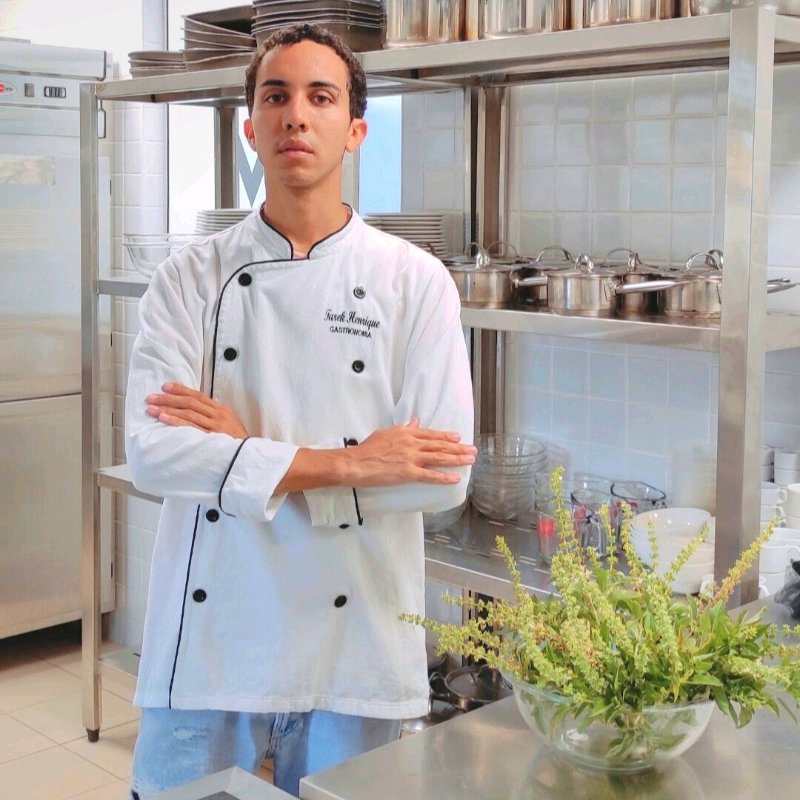
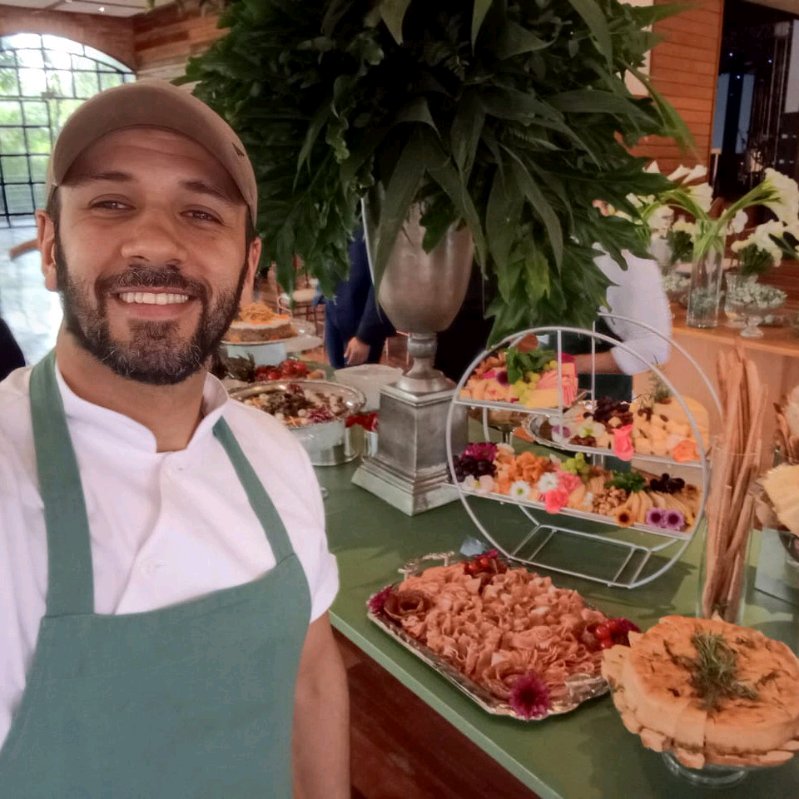
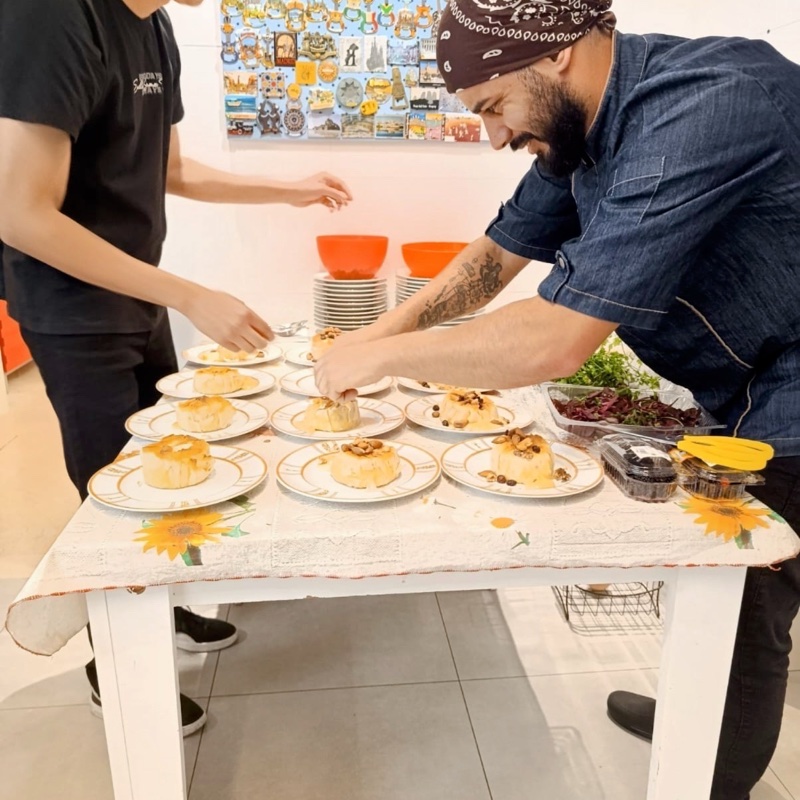
A personal chef hired for a brunch typically arrives 1.5 to 2 hours before service begins, prepares all the hot and cold elements, sets the spread, and can remain to manage the food during service (refilling platters, warming fresh items, making ovos mexidos to order) while you host. For brunch events of more than 10 guests, this division of labor is both practical and worth the investment.
myChef chefs who specialize in brunch events can also design a cohesive menu tailored to your preference — whether you want a classic Brazilian café da manhã amplified, a continental European style, or something more eclectic. Service in major Brazilian cities typically starts from R$ 200 per person for a quality brunch, including ingredients and setup.