Choosing the Right Cuts for Your Churrasco
The selection of cuts defines your churrasco more than any other decision. Picanha is non-negotiable — it is Brazil's most celebrated grilling cut, taken from the rump cap, and its thick fat cap is what makes it extraordinary. Buy it whole (1.2–1.8 kg) from a quality açougue, and insist on a visible fat cap of at least 1.5 cm. Pre-sliced picanha from a supermarket is almost always an inferior substitute.
Build your selection around different cooking speeds and flavor profiles. Alongside picanha, a good home churrasco includes: costela de boi (beef ribs, slow-cooked low and slow — at least 4 hours on indirect heat), linguiça toscana (goes on early, serves as a snack while the main cuts cook), fraldinha (flank steak, fast and intensely flavorful) and coração de frango (marinated chicken hearts — a polarizing but authentic churrascaria classic).
For a group of 8 to 10 adults, plan 300–400 g of total meat per person. That sounds like a lot, but between the bones in the costela, fat rendering off the picanha and the variety of cuts keeping guests eating over two to three hours, it is the right quantity. Buy slightly more than you think you need — running short at a churrasco is a social disaster.
✓Picanha (whole, with fat cap)
The undisputed star. 1.2–1.8 kg serves 4–6 as one of several cuts.
✓Costela de boi (beef ribs)
Requires 4+ hours on indirect/low heat. Start these first, well before guests arrive.
✓Linguiça toscana
Goes on 20–30 minutes before service. Serves as appetizer while mains cook.
✓Fraldinha or maminha
Faster-cooking, intensely flavored secondary cut. Great for variety.
✓Coração de frango (chicken hearts)
Marinated overnight in garlic, lime and salt. Grill fast over high heat.
✓Queijo coalho or provolone na grelha
A crowd-pleasing vegetarian option that grills beautifully alongside the meats.
Managing the Fire: Carvão, Heat Zones and Timing
The most common home churrasco mistake is cooking over flames. Fire means raw fuel — the goal is glowing embers (brasa), which provide even, sustained, intensely radiant heat with no bitter flare-up smoke. Light your carvão (charcoal) at least 45 minutes before you plan to grill, using a chimney starter (churrasqueira cilíndrica) rather than chemical lighter fluid, which leaves an acrid aftertaste.
Create two heat zones in your grill: a direct zone with a deep bed of glowing embers for fast-cooking cuts, and an indirect zone (no coals beneath) for slow cuts like costela. This gives you control — you can move pieces between zones as needed rather than having everything cook at the same speed over a single-temperature surface.
For a traditional churrasco, the grelha height matters enormously. The cut should sit far enough from the embers that fat drips and creates small flares without the meat being in direct contact with the flame. An adjustable-height grelha is the single most valuable upgrade for a serious home churrasqueiro. The standard grelha height for picanha is about 40 cm from the embers for medium — lower for a faster sear, higher for gentle, slower cooking.
Pro Tip
A quick temperature test: hold your palm 10 cm above the grelha. If you can hold it there for 2–3 seconds, the heat is right for picanha. Less than 2 seconds is too hot; more than 4 seconds, too low. The fire tells you what it is ready for.
Seasoning: The Sal Grosso Principle
The authentic churrasqueiro uses nothing but sal grosso (coarse rock salt) on beef. Applied generously to all surfaces 30 minutes before grilling, sal grosso draws out surface moisture, creates a crust as it cooks, and amplifies the meat's natural flavor without masking it. The salt brushes off (or dissolves into) the crust before serving — you are not eating a salty piece of meat, you are eating a correctly seasoned one.
For chicken and pork, a marinade of garlic, lemon juice, olive oil, oregano and salt adds necessary moisture and flavor that these proteins need to stay interesting on the grill. Chicken hearts benefit from an overnight marinade in garlic, salt and lime juice — this also tenderizes the muscle fibers significantly.
Resist the temptation to marinate beef cuts in acid-heavy marinades. Acid denatures the surface proteins quickly and creates a soft, pale exterior rather than the beautiful mahogany crust that makes a picanha so satisfying. Salt is all a good cut of beef needs.
Acompanhamentos: The Sides That Complete the Experience
The sides of a churrasco are not afterthoughts — they are structural parts of the meal. Vinagrete (a finely diced tomato, onion and pepper salsa with cider vinegar and oil) cuts through the richness of the meat and refreshes the palate between bites. It should be made several hours ahead to let the flavors meld, and served at room temperature.
Farofa — toasted cassava flour cooked with butter, onion and sometimes bacon — is an essential textural anchor. It absorbs the meat juices on the plate and gives every bite a slightly crunchy, savory dimension that rice alone cannot provide. For a more festive version, add banana slices crisped in butter, sultanas or egg to the farofa.
Rounding out the table: arroz branco (plain rice cooked perfectly dry and fluffy), salada de maionese (a creamy potato and vegetable salad, best made the day before), and bread for the table. Pão de alho — crusty bread stuffed with garlic butter and grilled — is the most beloved churrasco bread and takes only minutes on the grelha.
Pro Tip
Make the vinagrete and farofa the day before. They both improve overnight as flavors develop. On the day of the churrasco, you want all your attention on the fire, not chopping tomatoes while the picanha calls for attention.
Drinks and Service Flow
A well-run churrasco has a drinks strategy. Start with caipirinhas — cachaça, lime and sugar, served ice-cold in heavy glasses — while the linguiça grills and guests settle in. The strong citrus and spirit cuts through the early smoke and whets the appetite. Cerveja (craft or the classic Brahma or Skol) is the default companion throughout the meal; stock twice as much as you think you need, and keep it cold.
Bring cuts to the table in stages rather than all at once. Start with the linguiça and queijo coalho as appetizers while guests are arriving and drinking. Then bring the fraldinha or maminha (faster cuts) once the main event is ready. The picanha should be the penultimate reveal — sliced tableside directly from the espeto, letting each guest choose their preferred doneness from the outside-in slice. The costela, if you have cooked it, comes on a board and is the communal climax.
End the meal with doce de leite, brigadeiros or a simple mousse de maracujá served in small glasses. After hours of savory richness, something small, sweet and cold is universally welcome.
Hiring a Churrasqueiro Through myChef
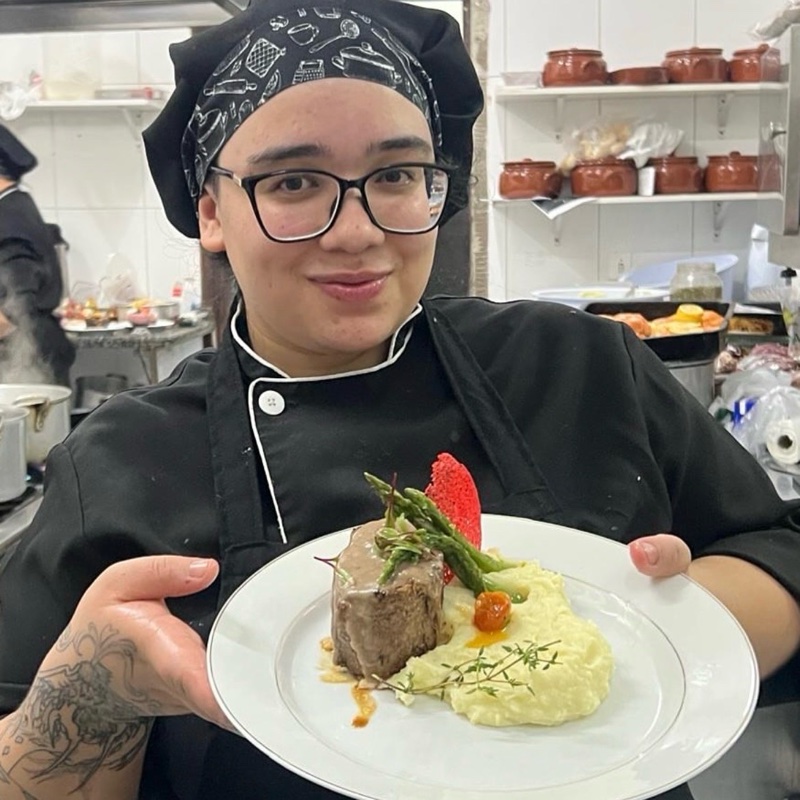
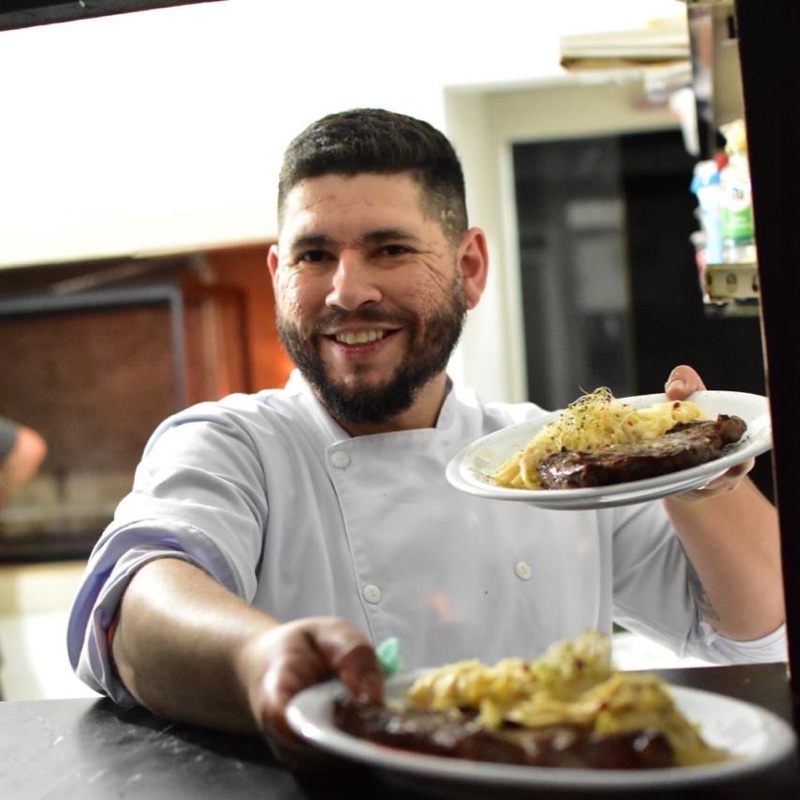
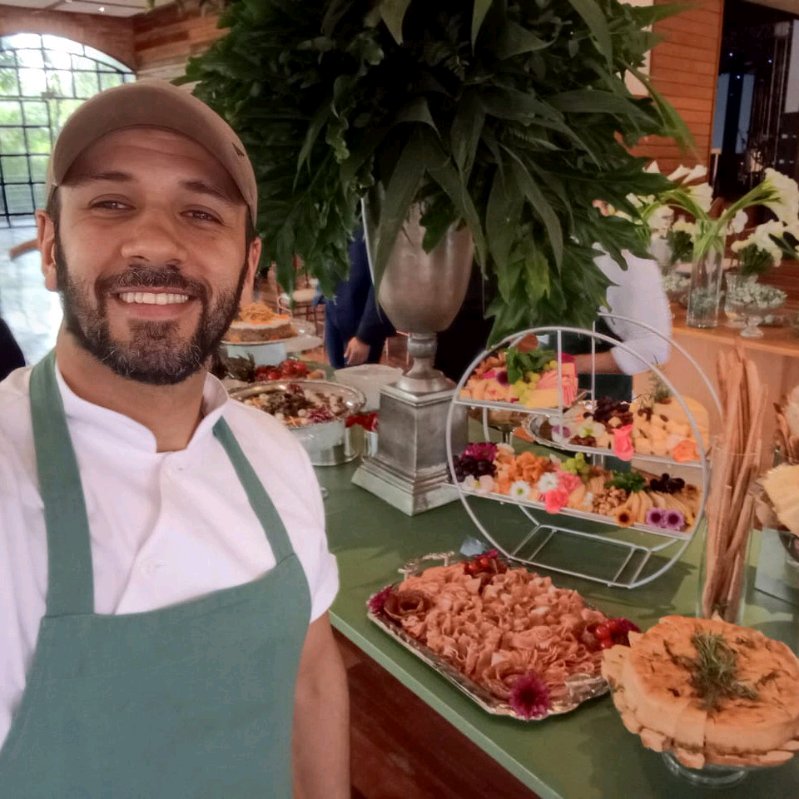
A professional churrasqueiro manages the fire for the entire event — from lighting the carvão to slicing the final cuts — while you are free to be a host. For groups of 10 or more, this is not an indulgence; it is a sensible division of labor. A churrasqueiro on myChef typically costs R$ 200 to R$ 500 for the service (excluding ingredients), depending on the size of the group and the duration.
Many myChef churrasqueiros will also advise on the cut selection and quantities, handle the sourcing of premium meats from trusted açougues, and manage the entire grilling sequence. If you want the social, cultural experience of a great churrasco without spending the entire afternoon 40 cm from a hot grill, booking a professional is the obvious answer.