Why Host a Cooking Class at Home?
Restaurant cooking classes have their appeal, but hosting at home offers something that a professional kitchen cannot: intimacy. Guests feel genuinely at ease in a familiar space, conversations flow naturally, and the food you cook together becomes the meal you sit down to eat afterward — with wine you chose yourself.
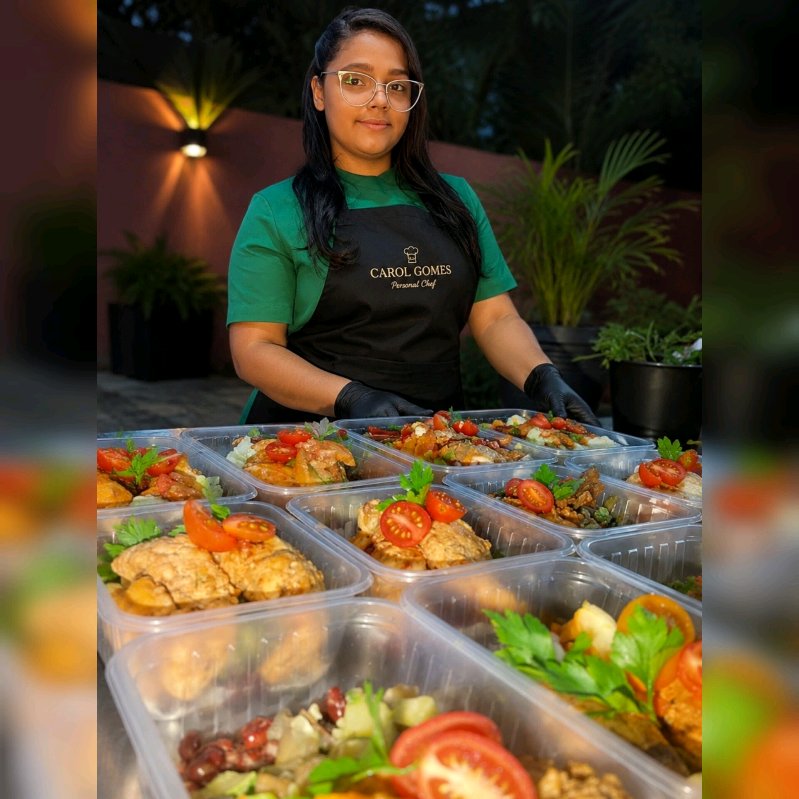
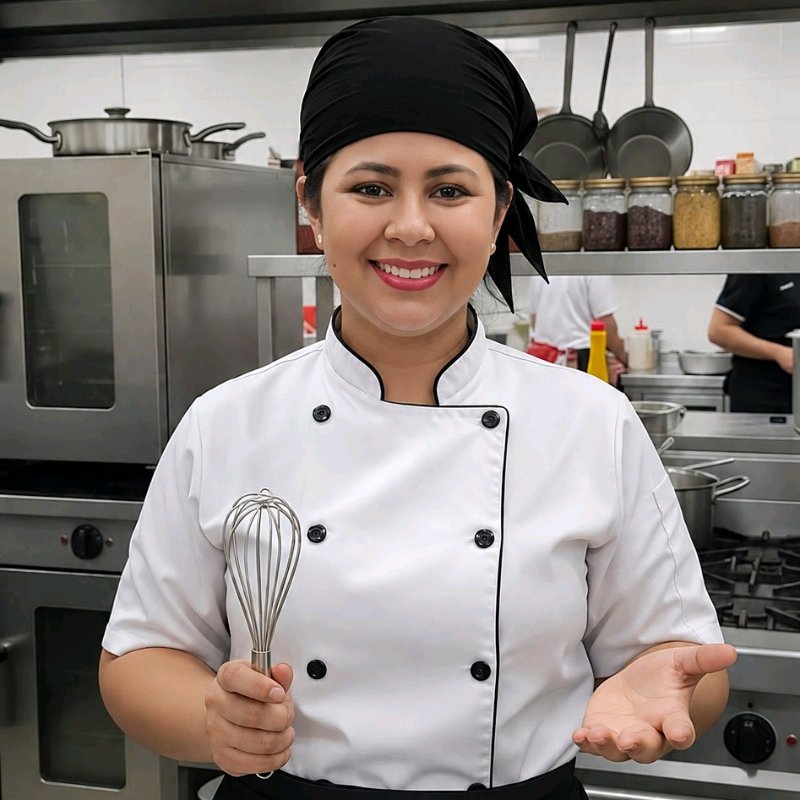
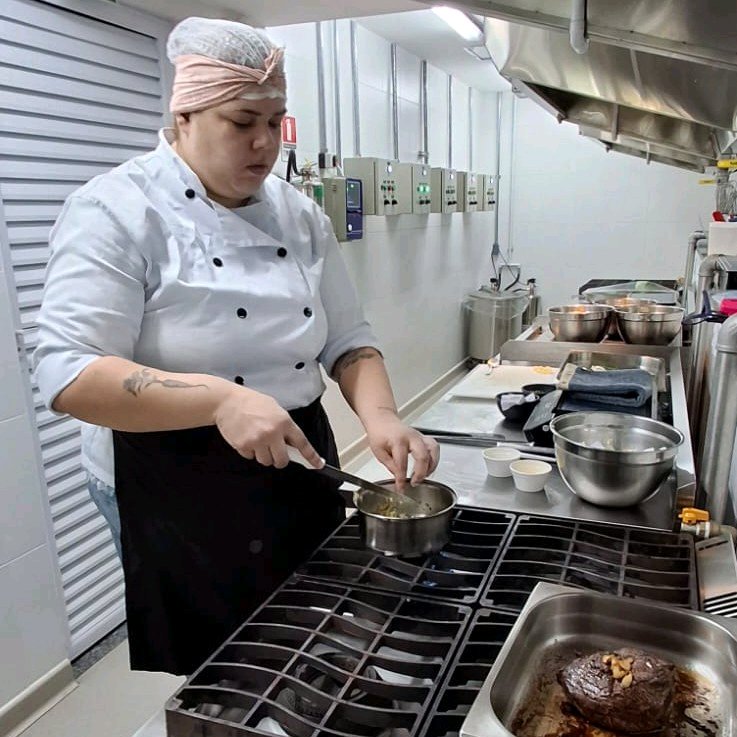
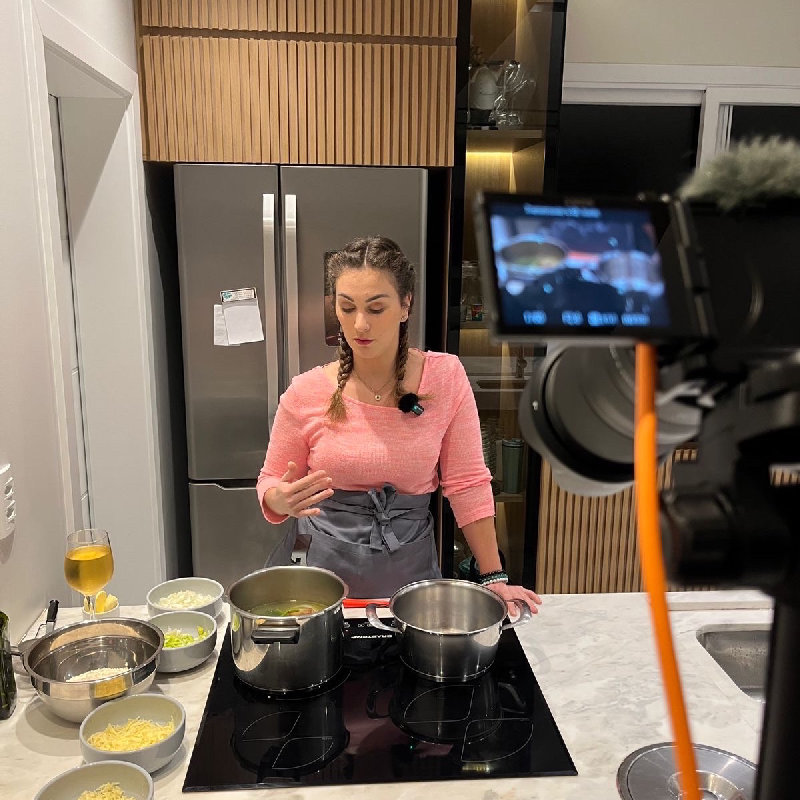
For the host, the logistics are simpler than you might think. A personal chef arrives with pre-portioned ingredients, printed recipe cards and all the specialty tools needed. Your job is to provide the workspace, rally your guests and enjoy the process alongside them.
In Brazil, home cooking classes have grown rapidly as both a gifting category and a social activity. The format works particularly well for couples wanting a date night with a skill-building twist, for groups of friends who prefer experiences over restaurant dinners, and for corporate team outings that prioritize genuine interaction over a standard lunch.
Choosing the Right Chef and Menu Theme
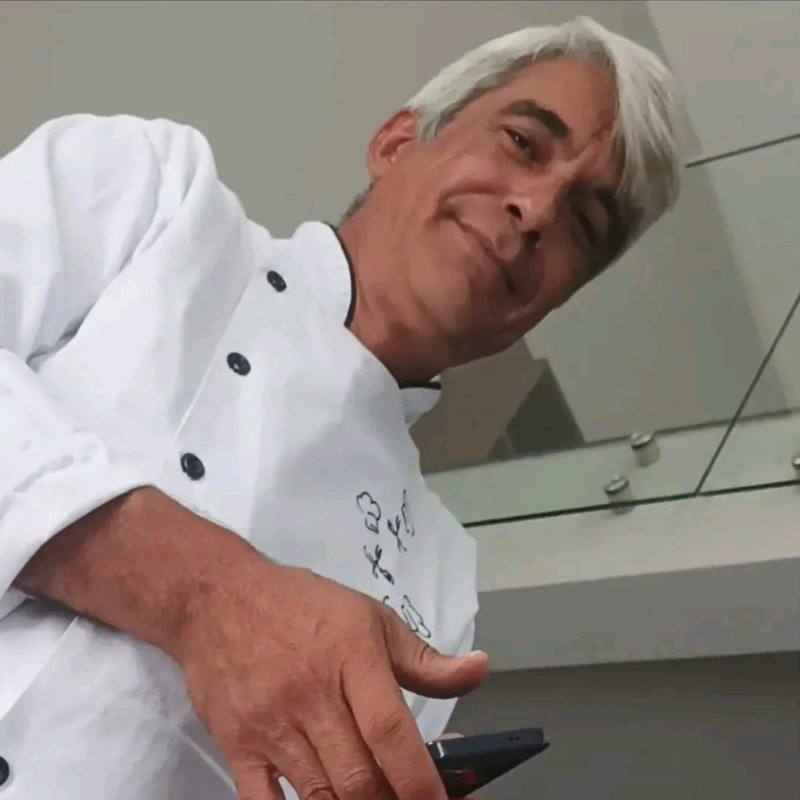
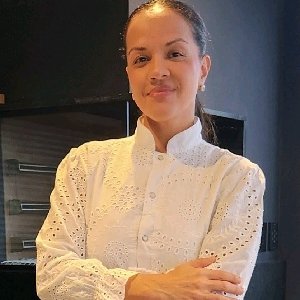
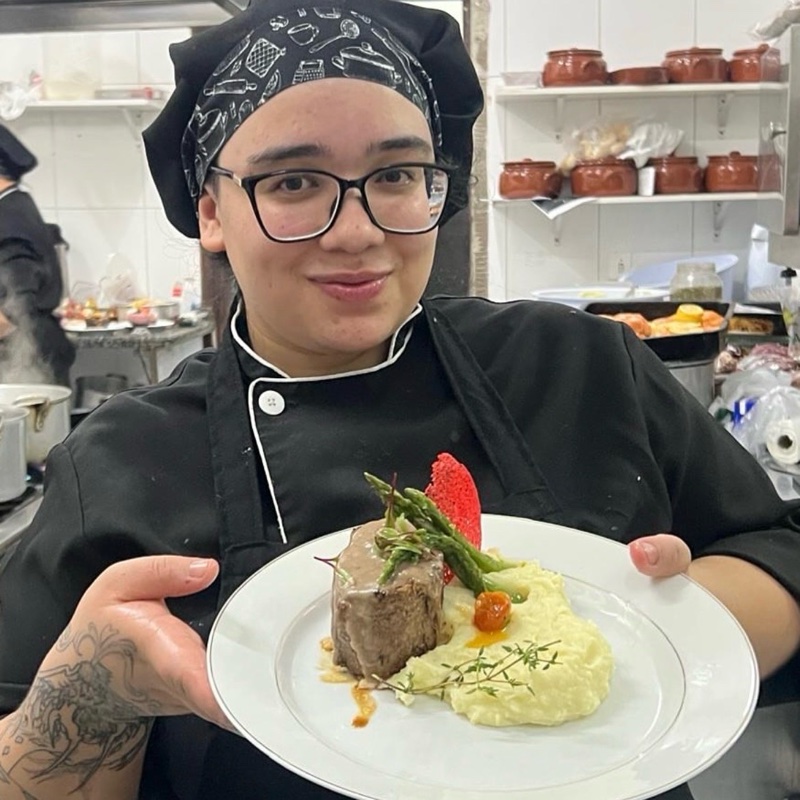
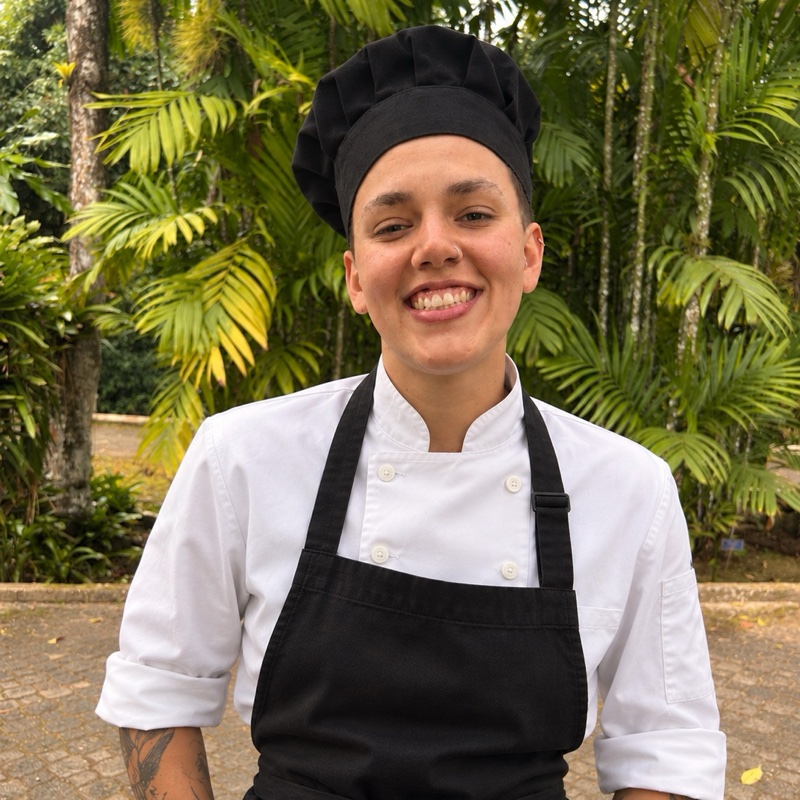
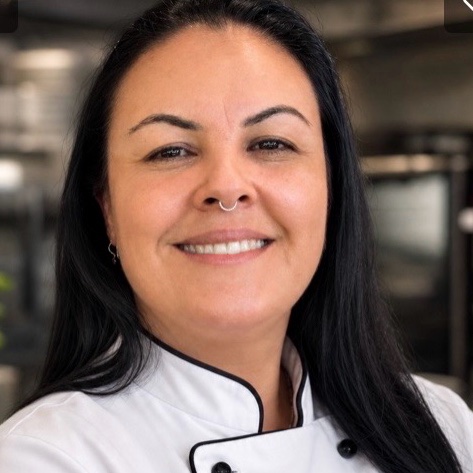
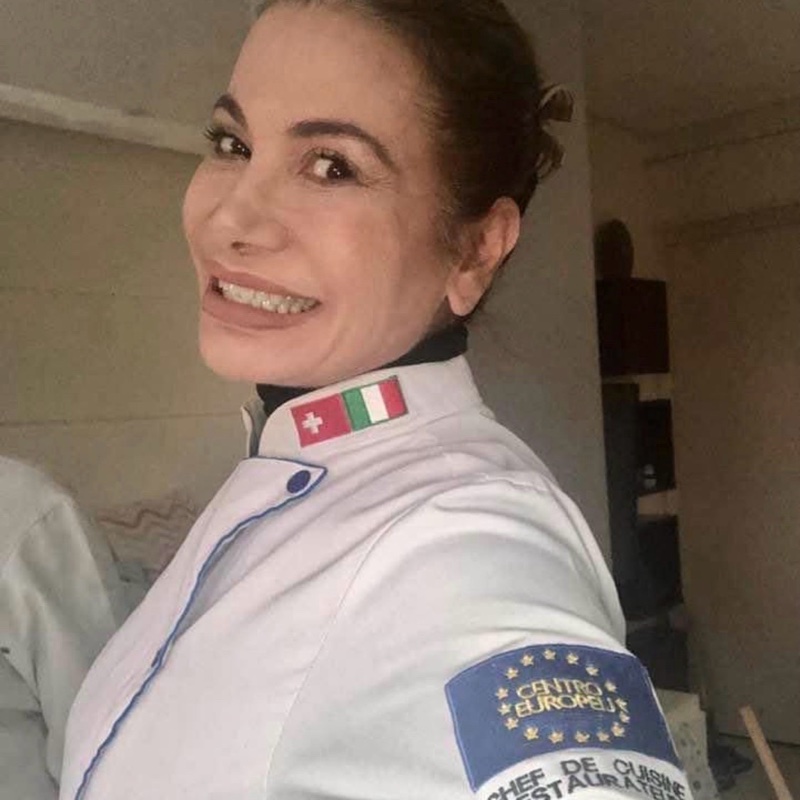
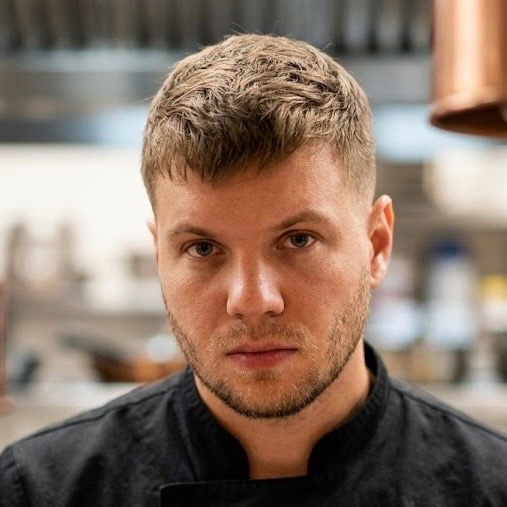
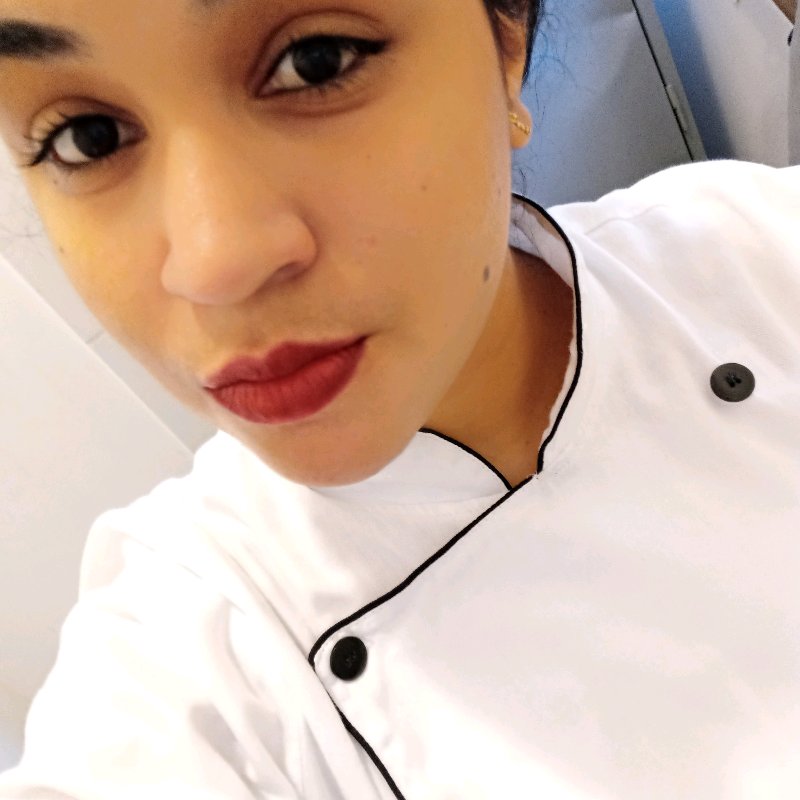
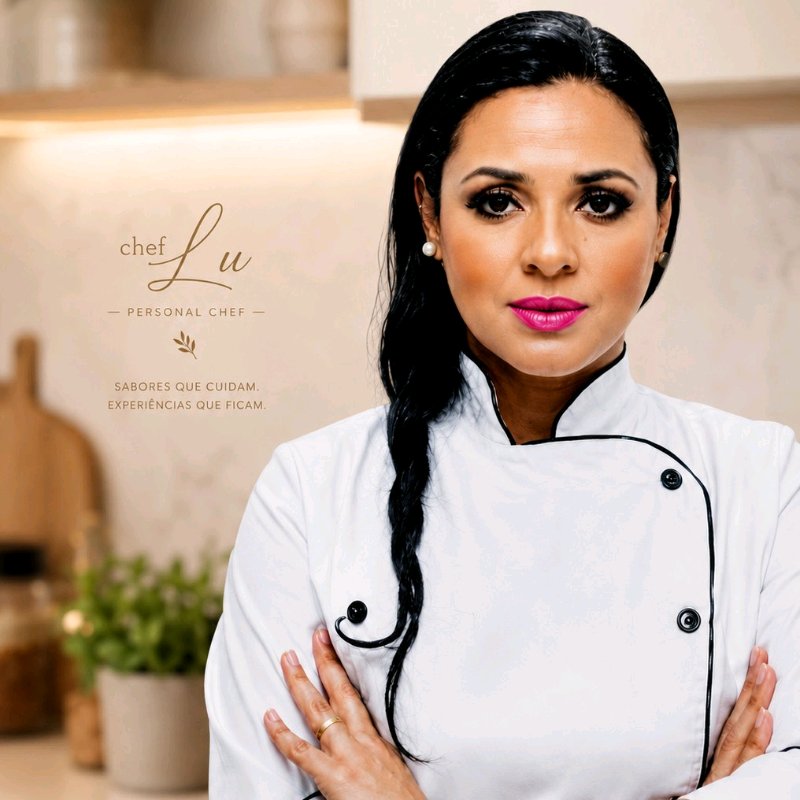
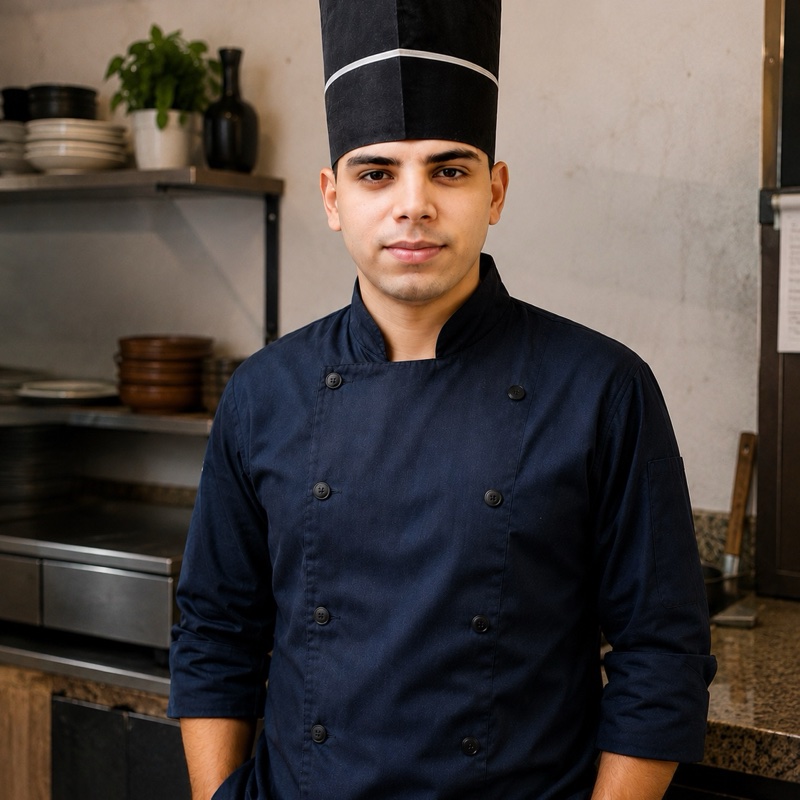
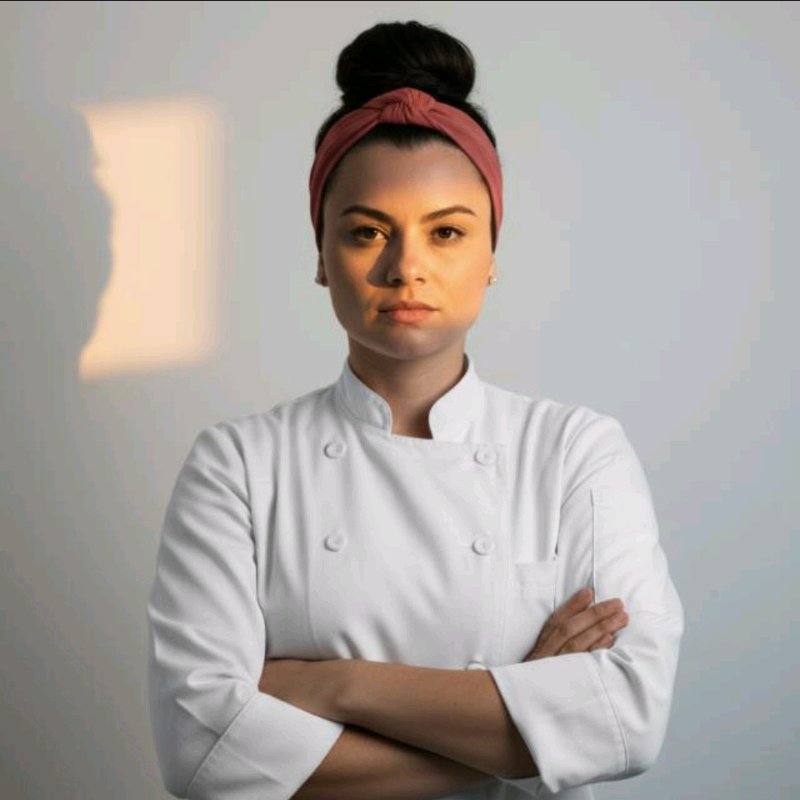
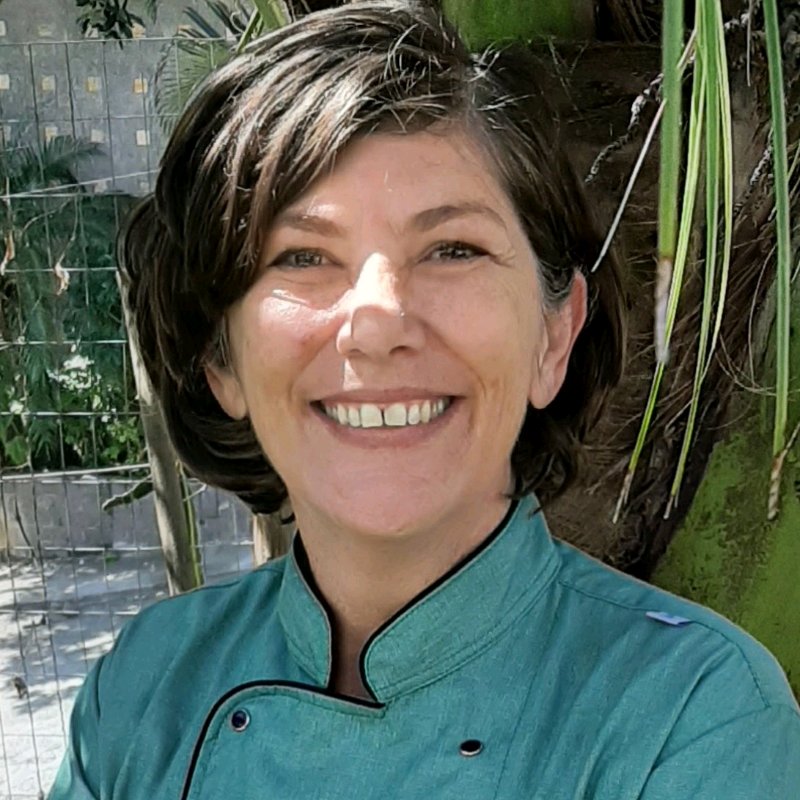
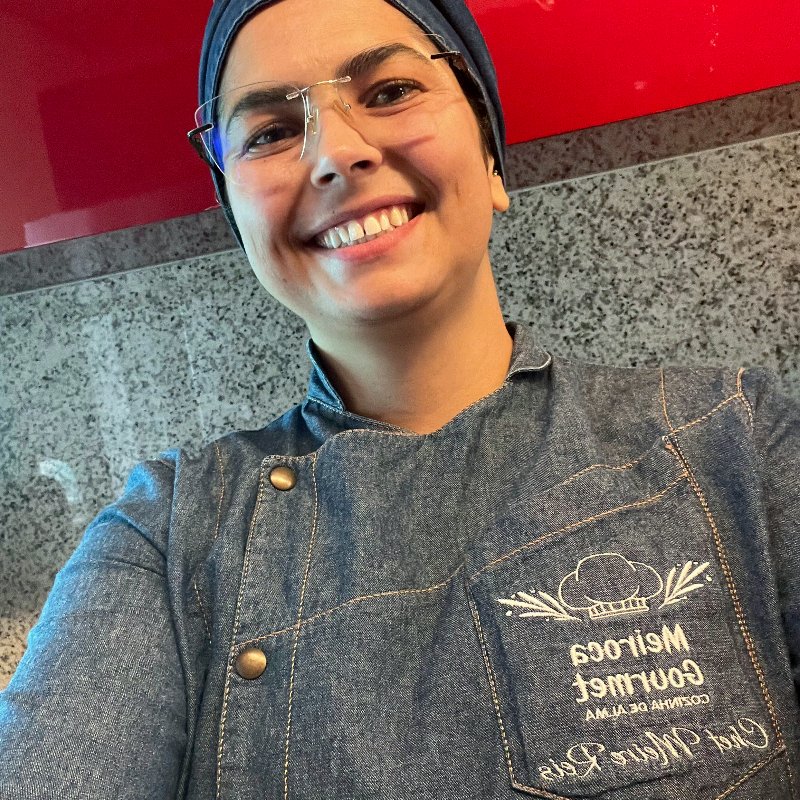
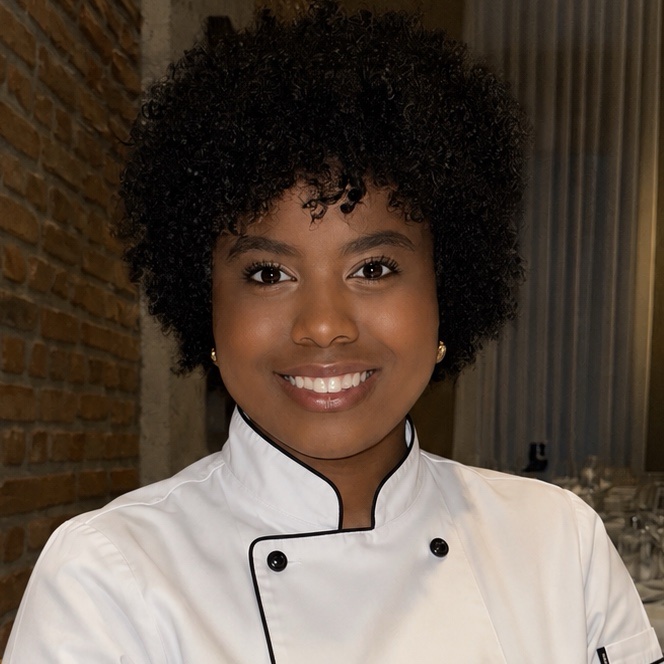
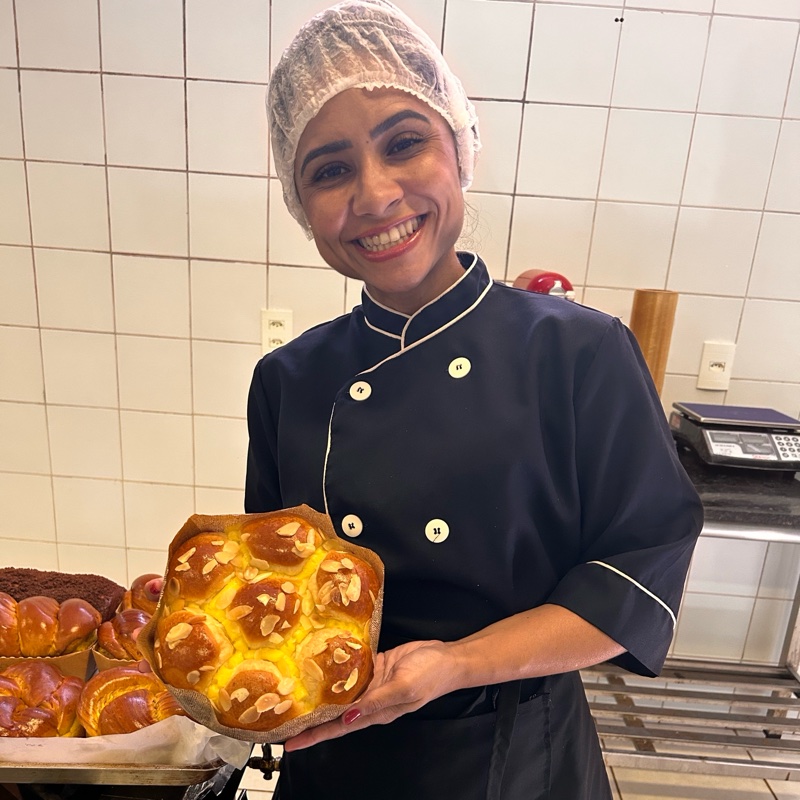
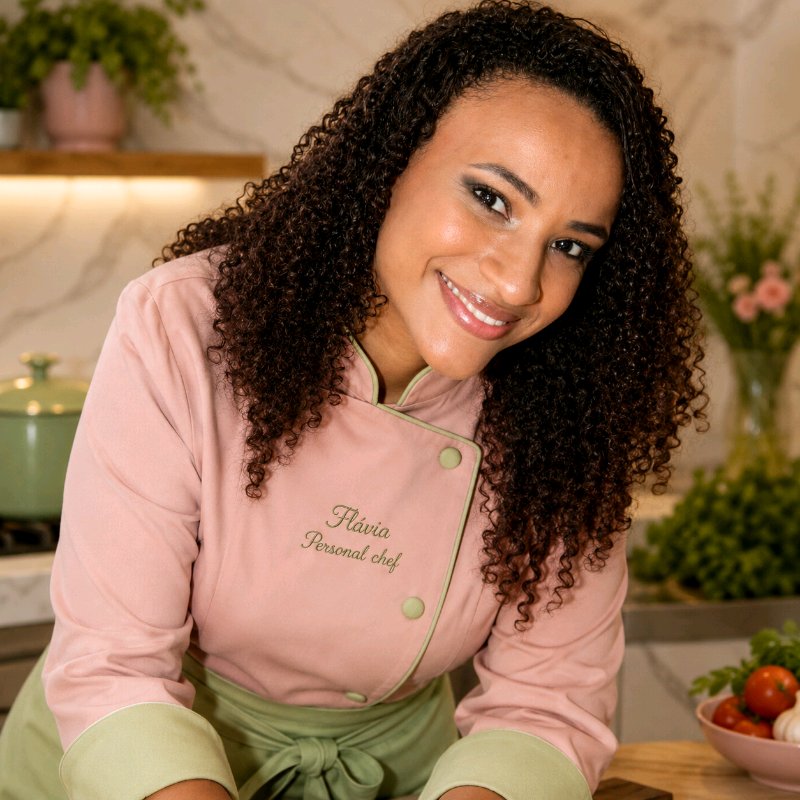
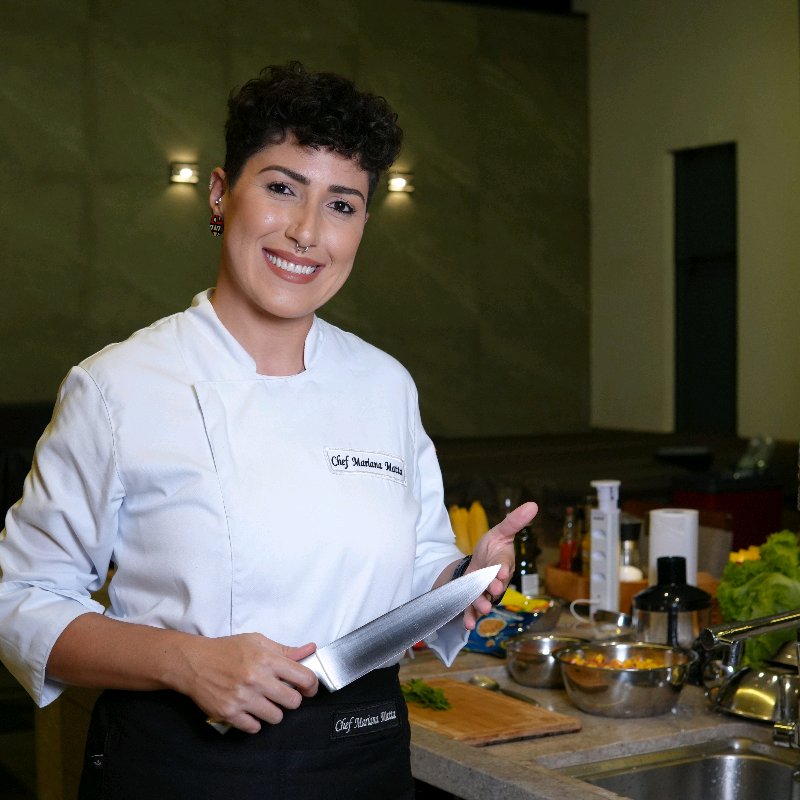
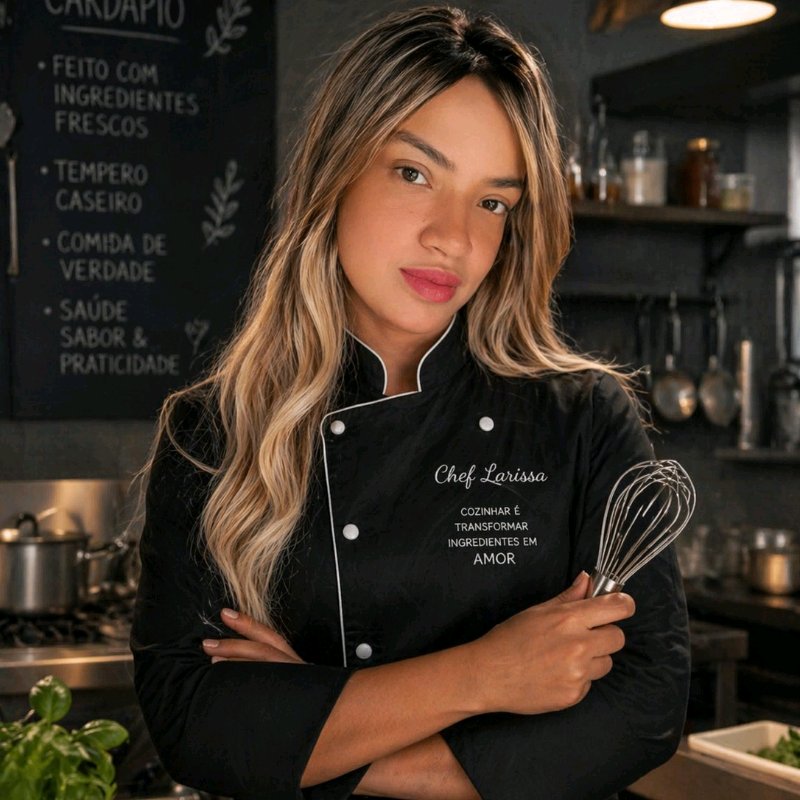
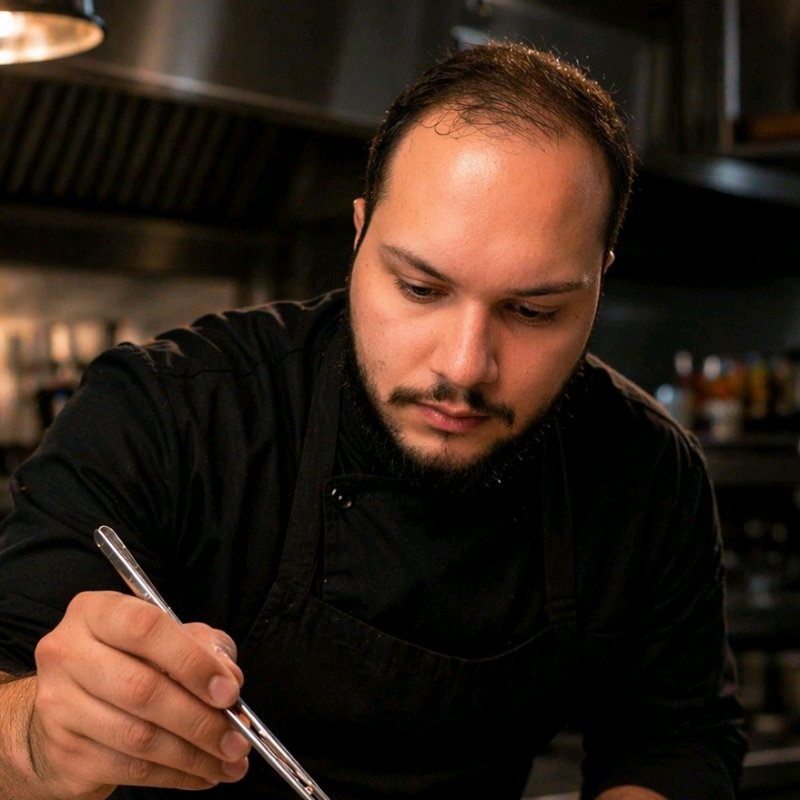
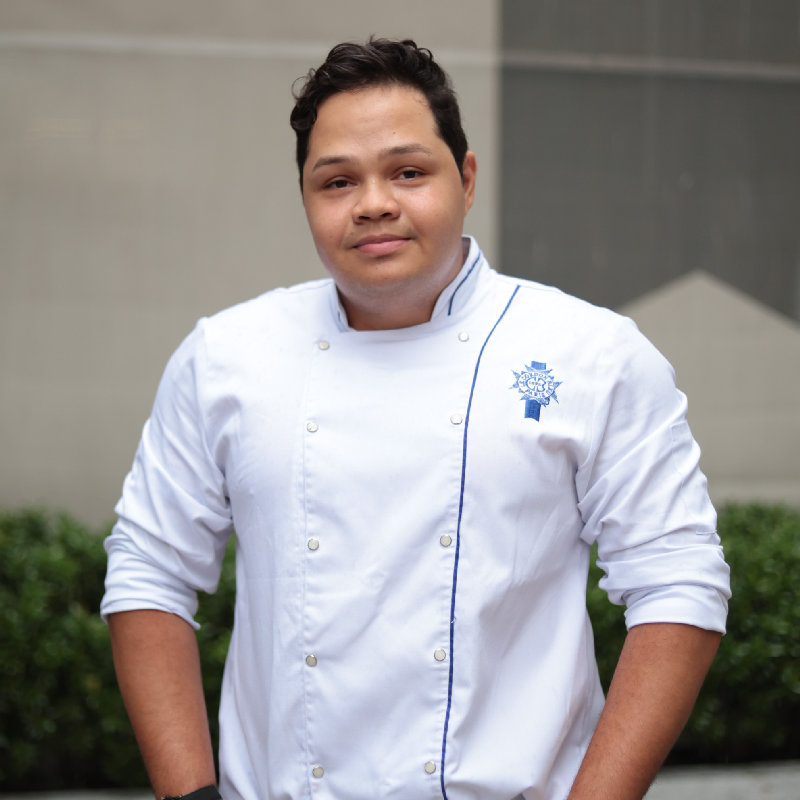
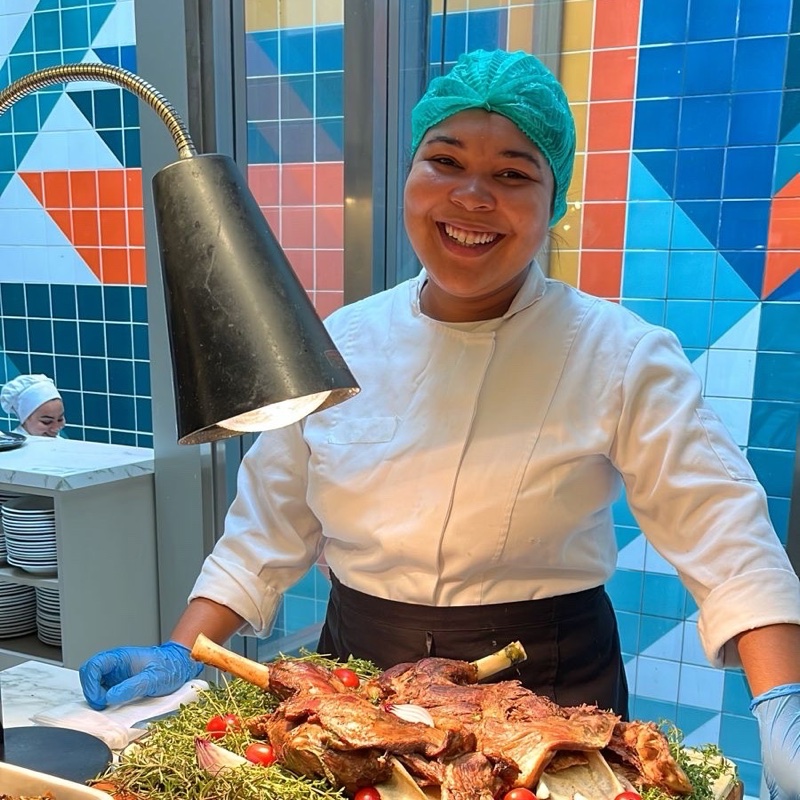
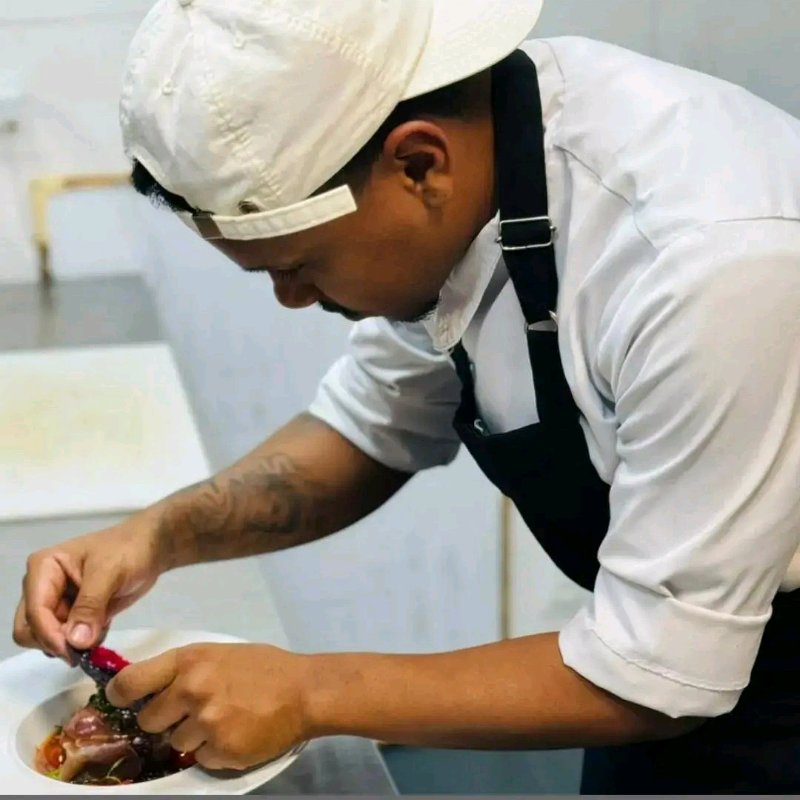
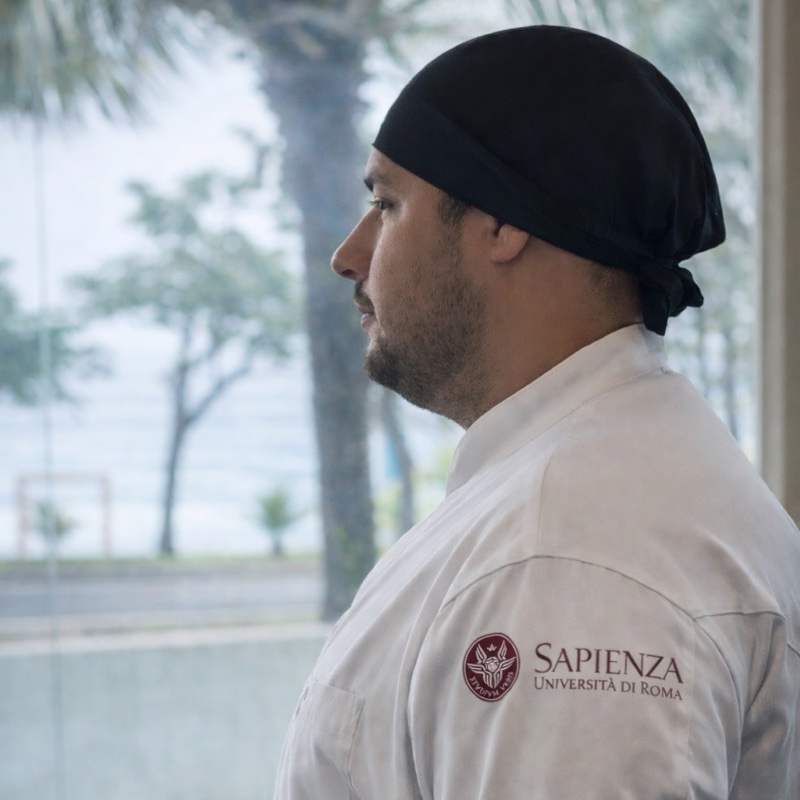
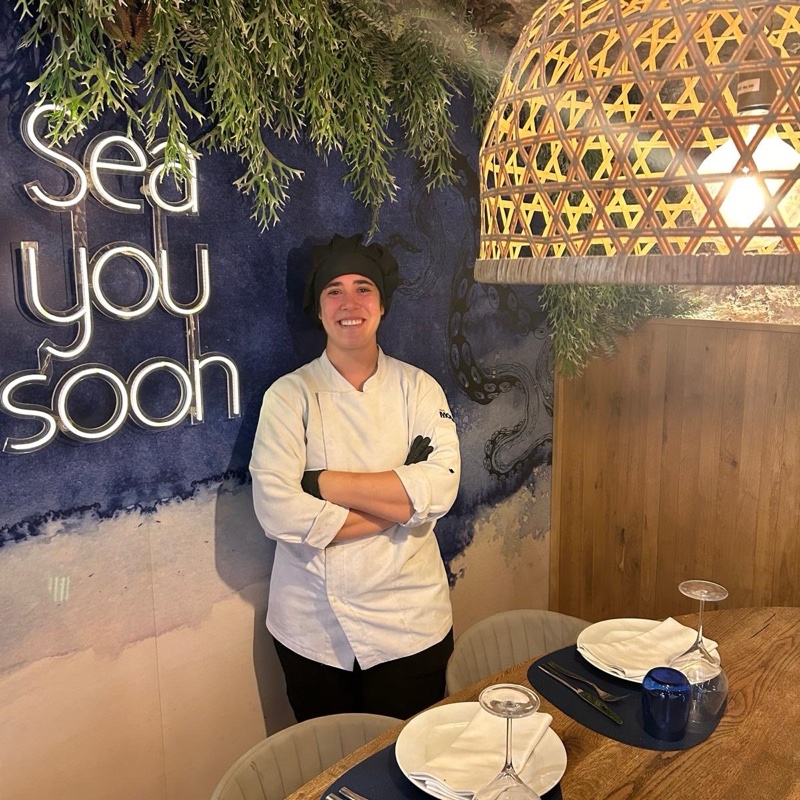
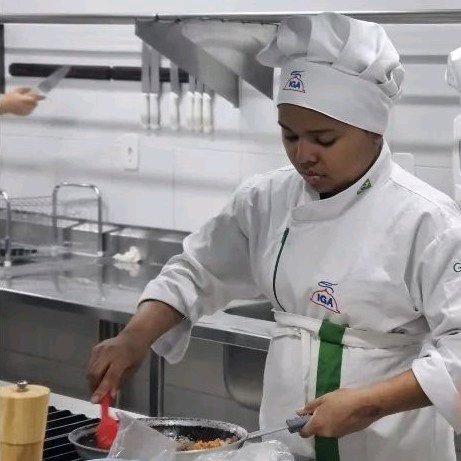
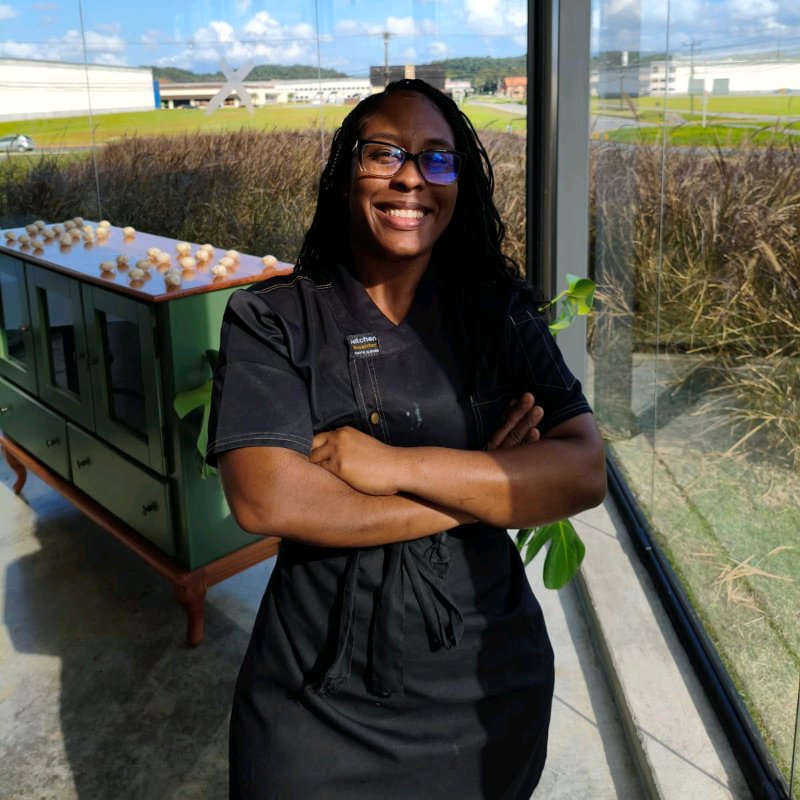
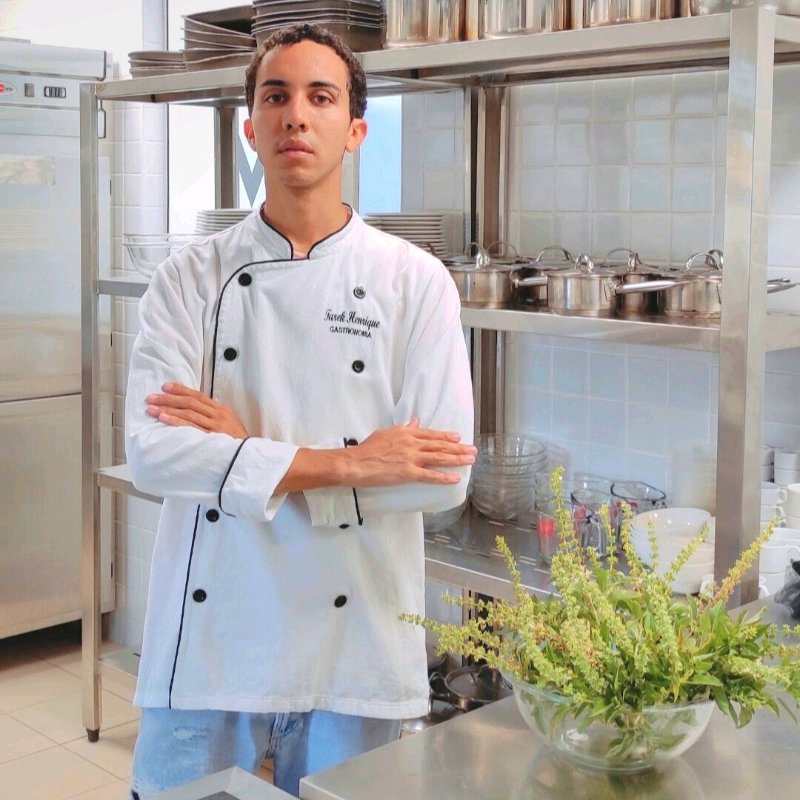
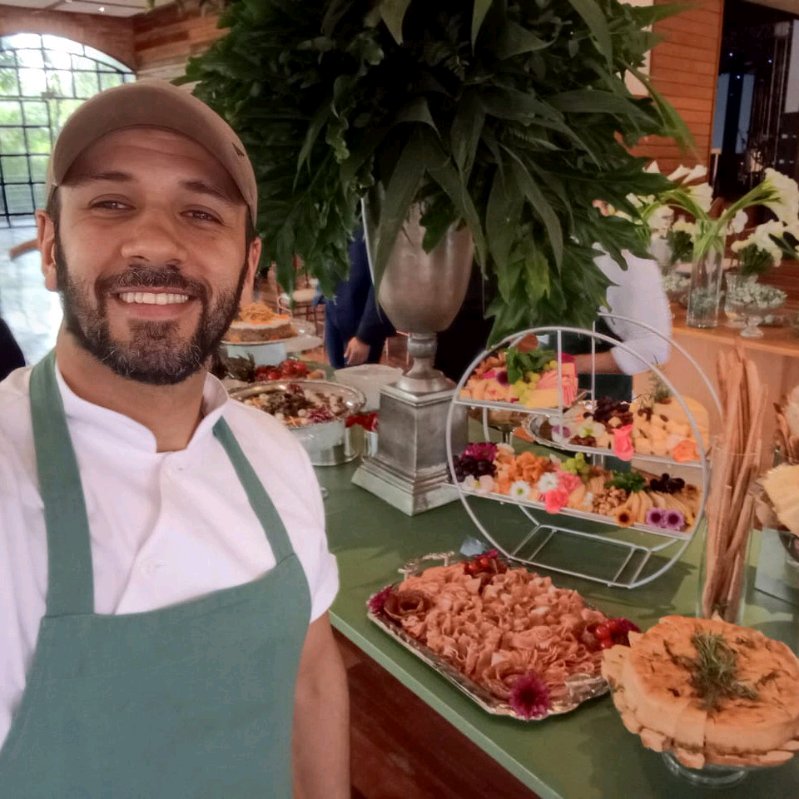
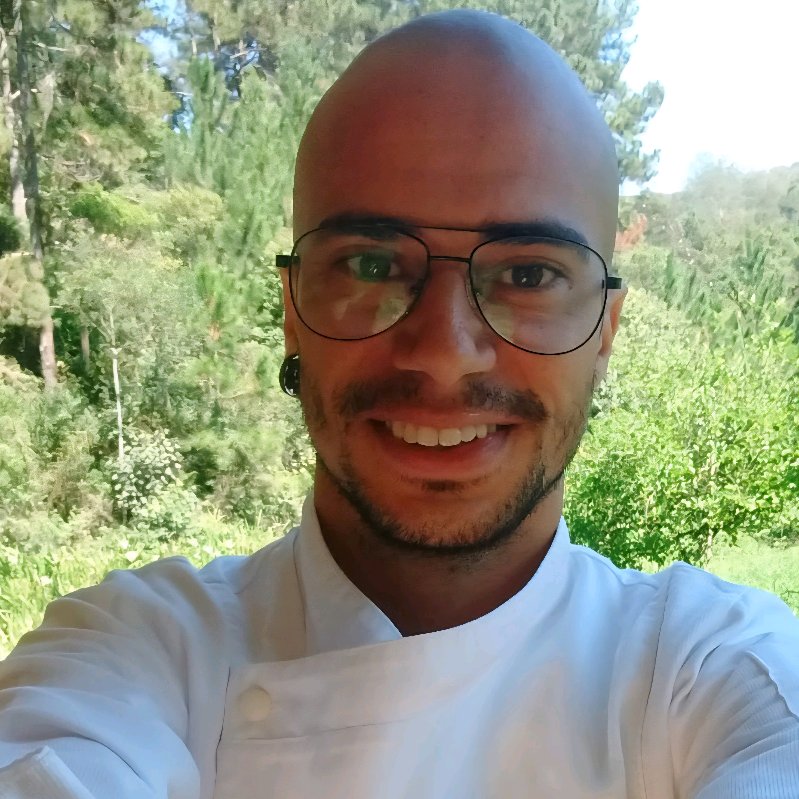
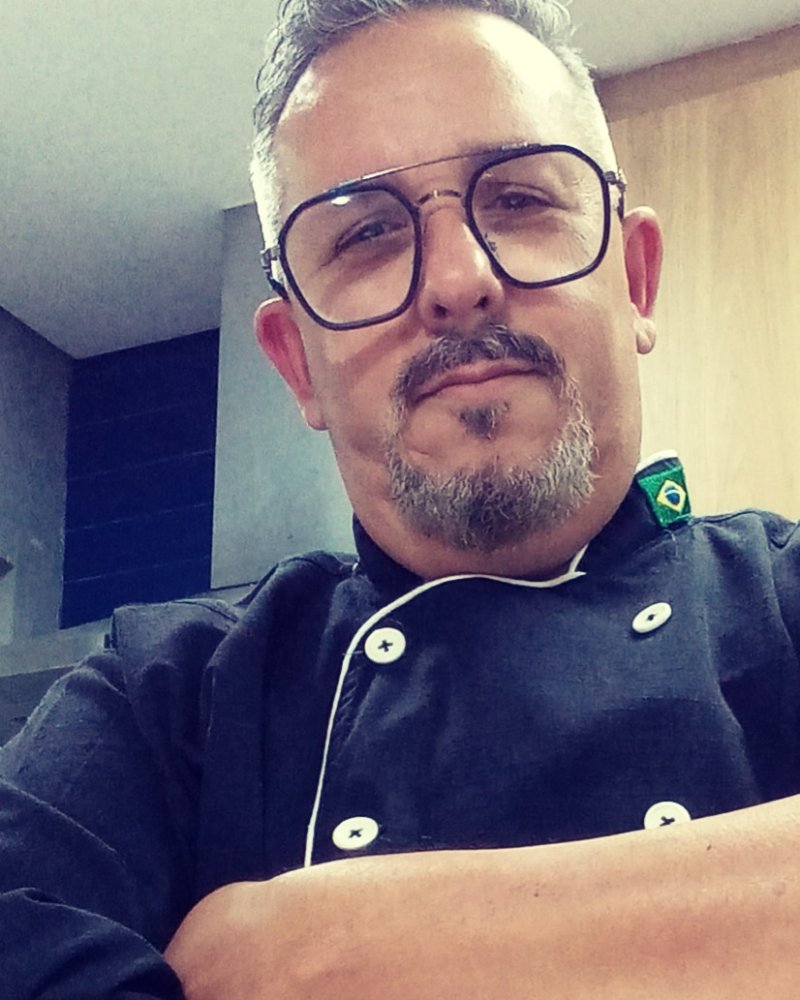
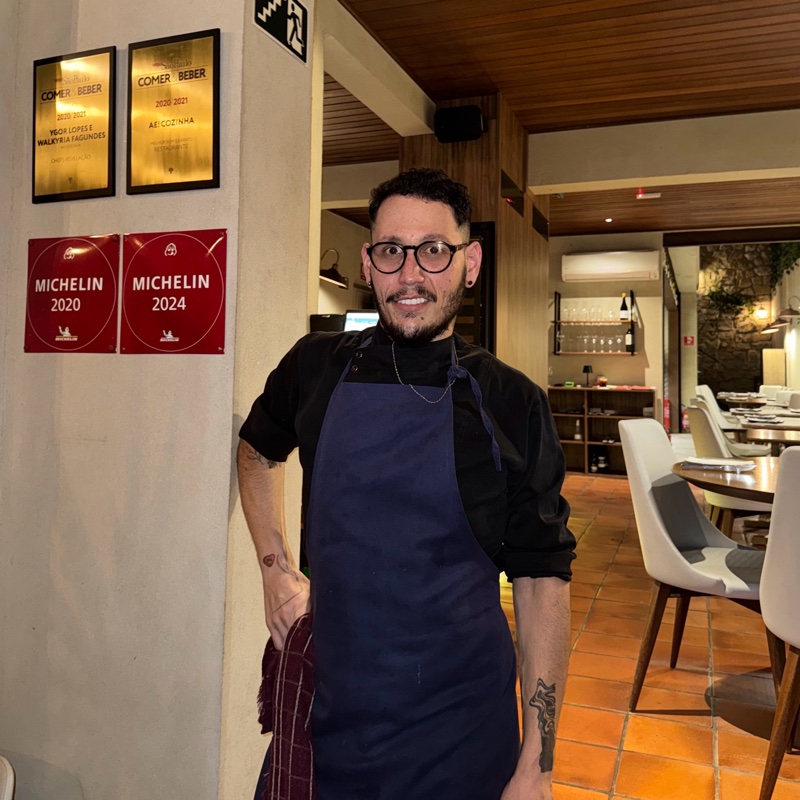
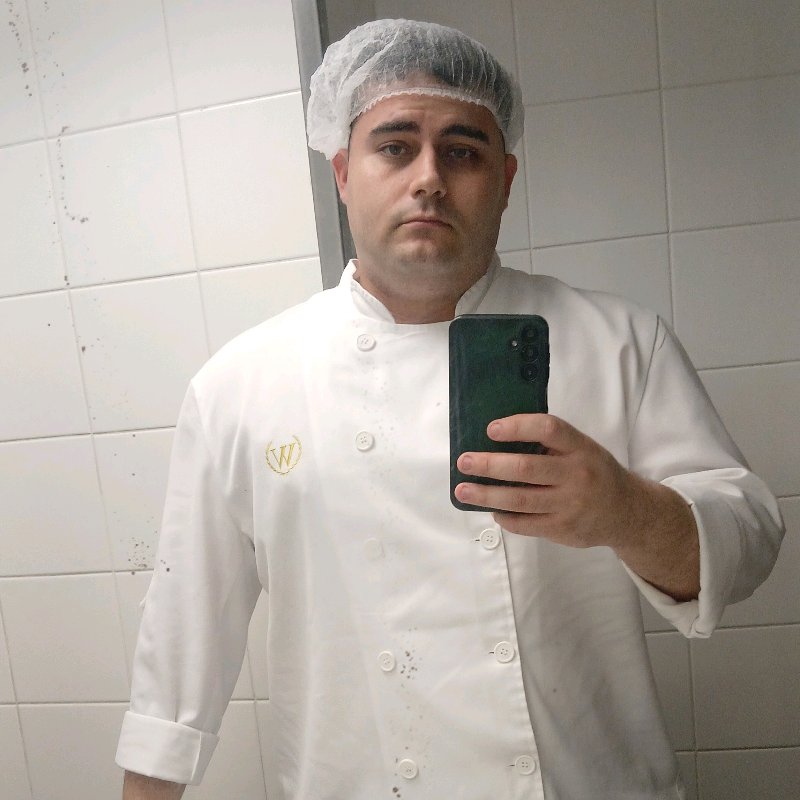
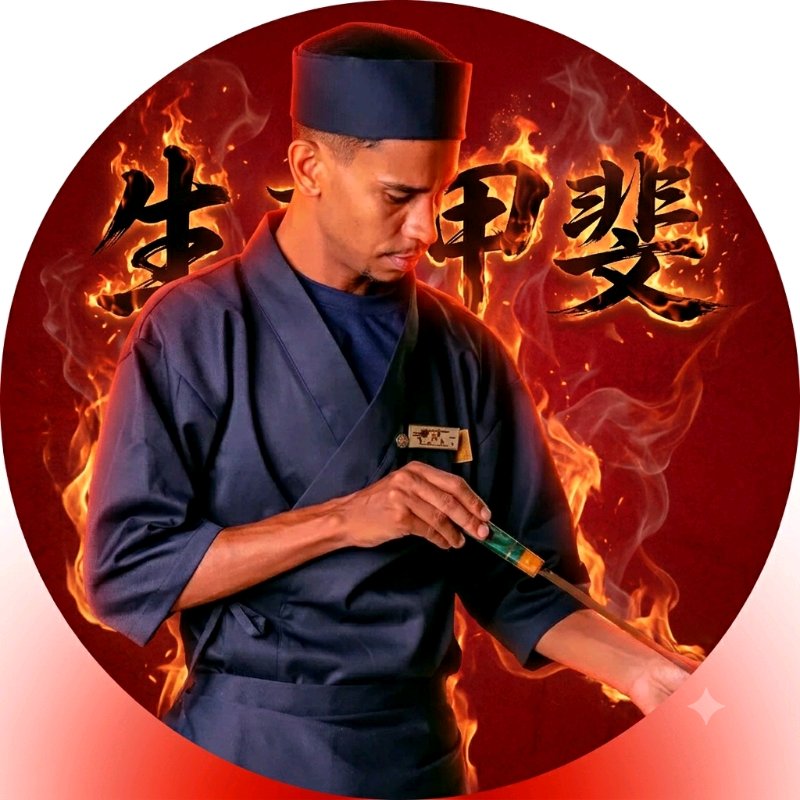
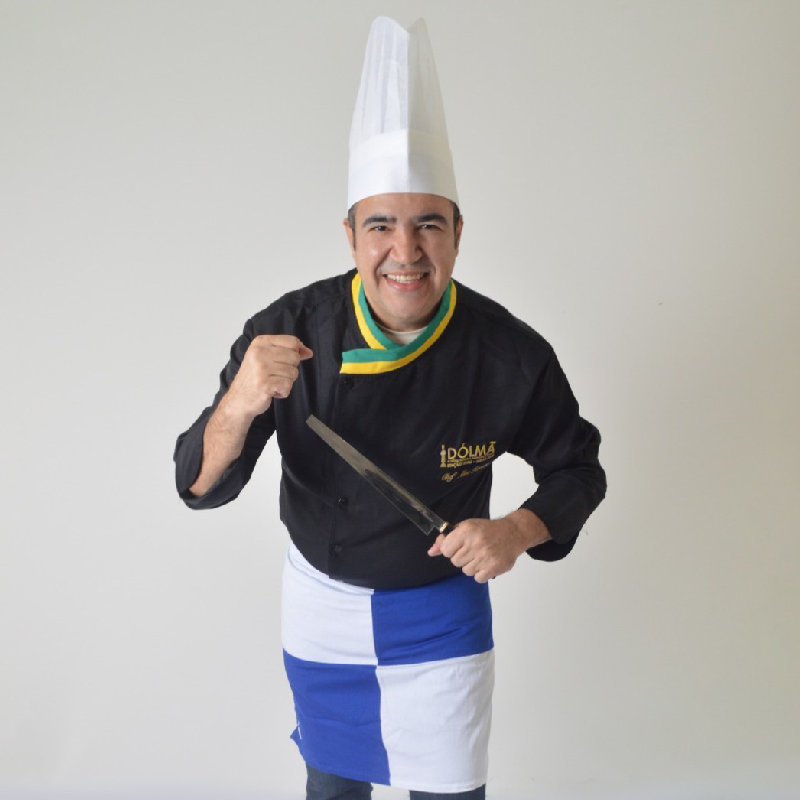
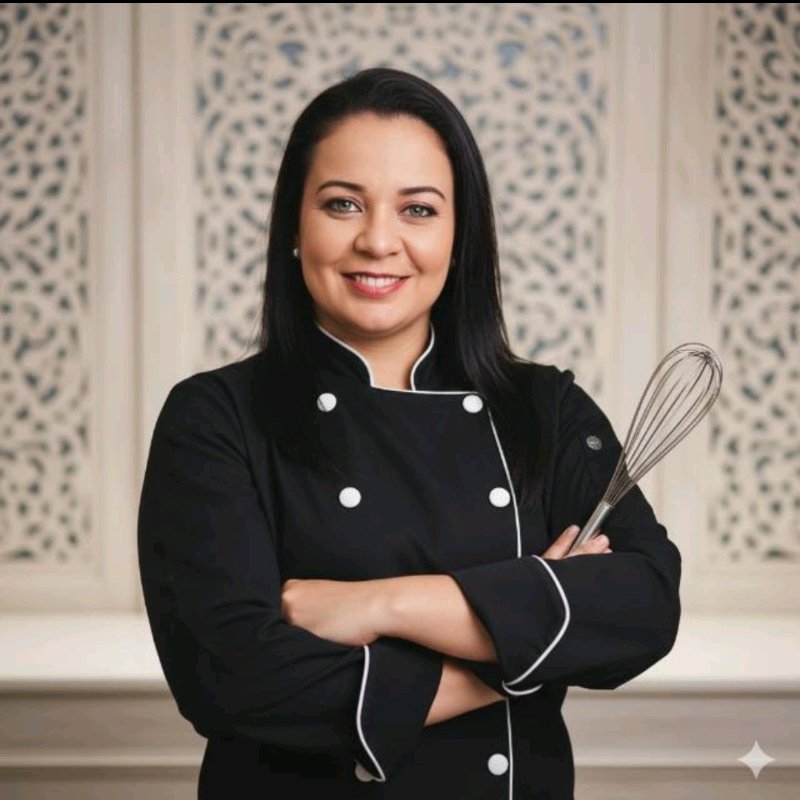
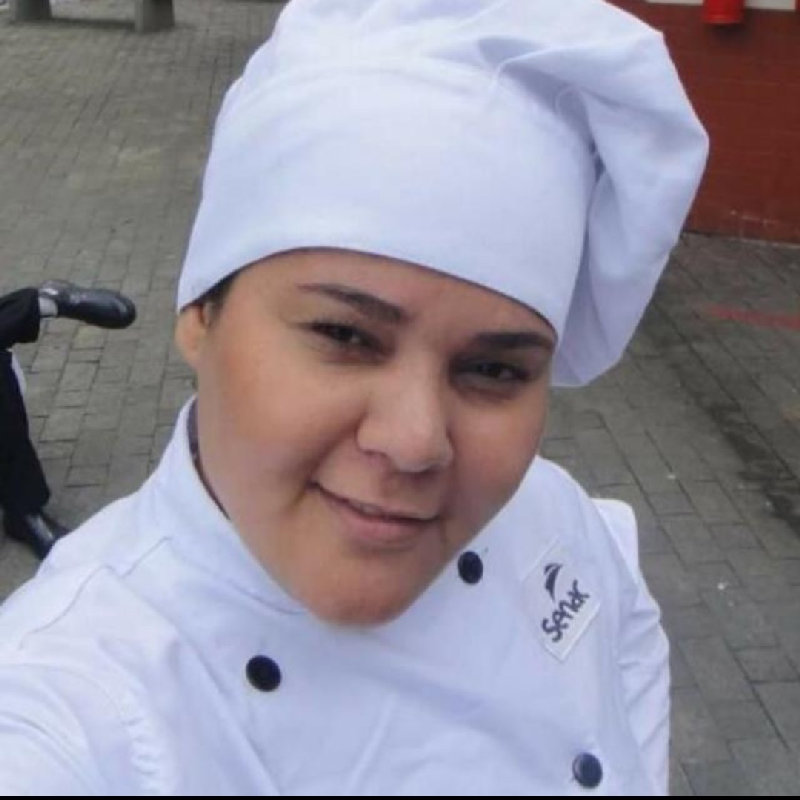
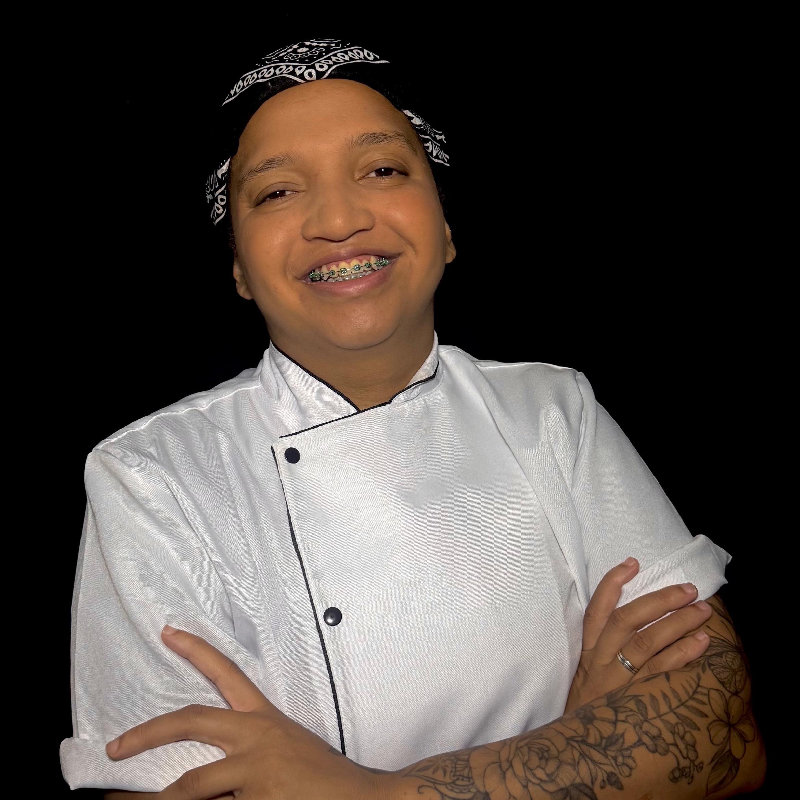
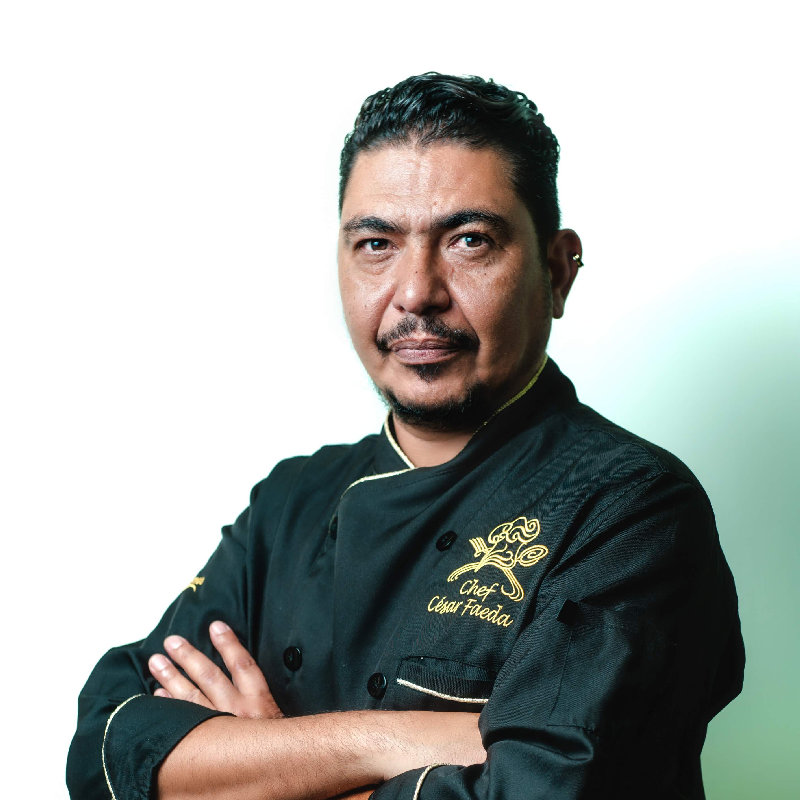
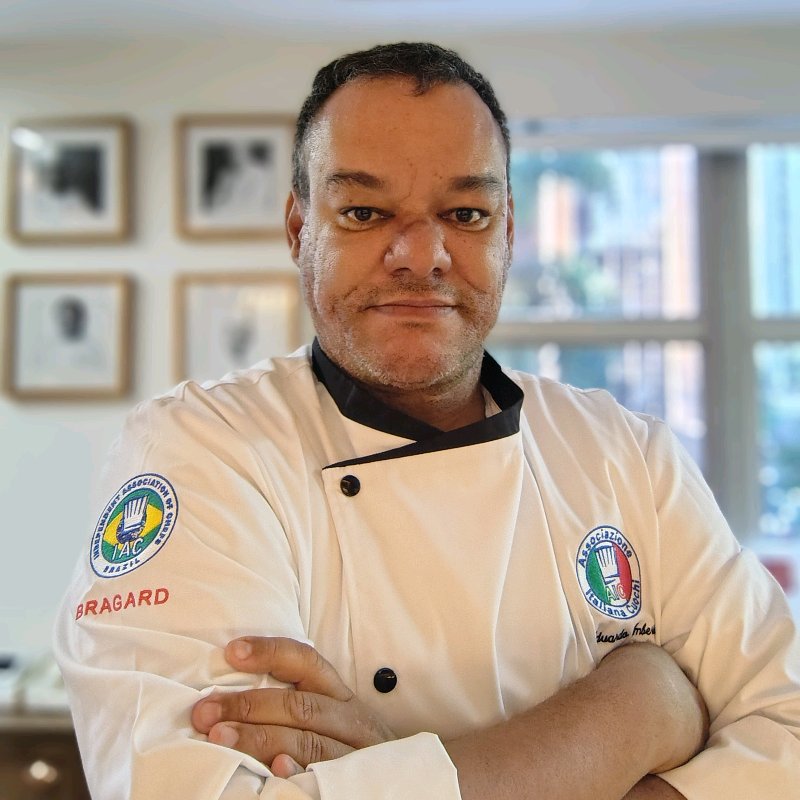
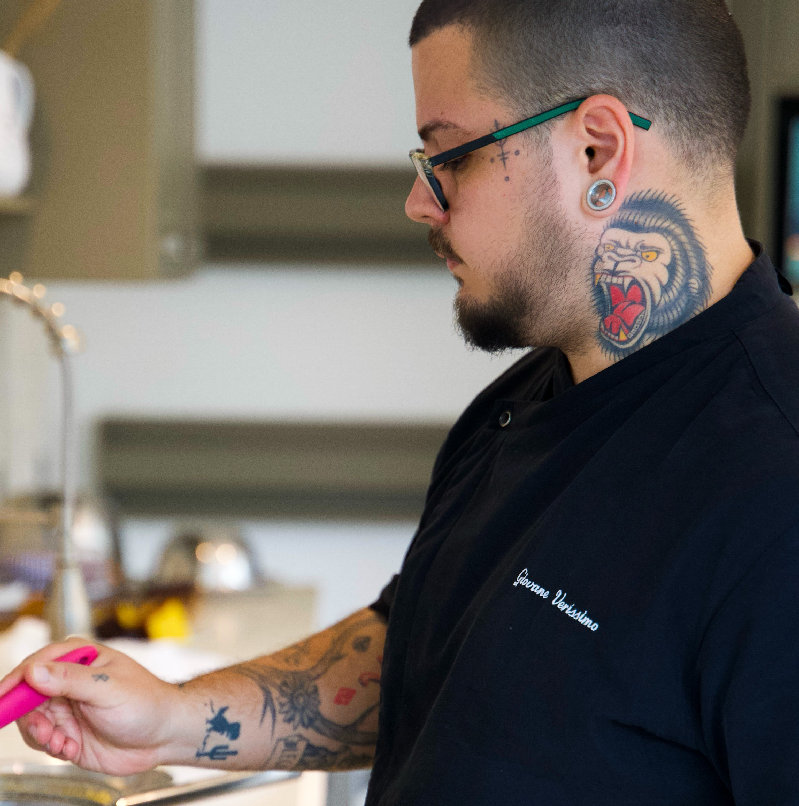
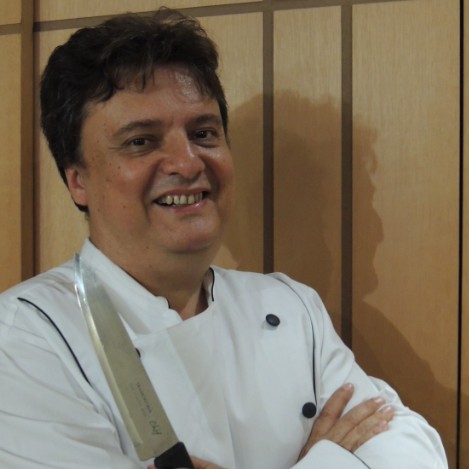
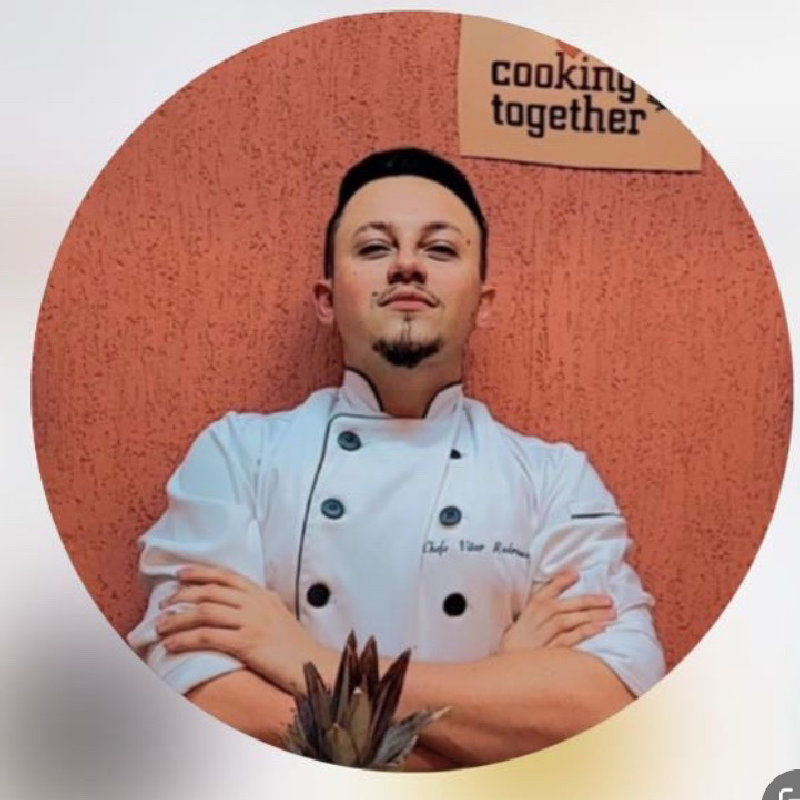
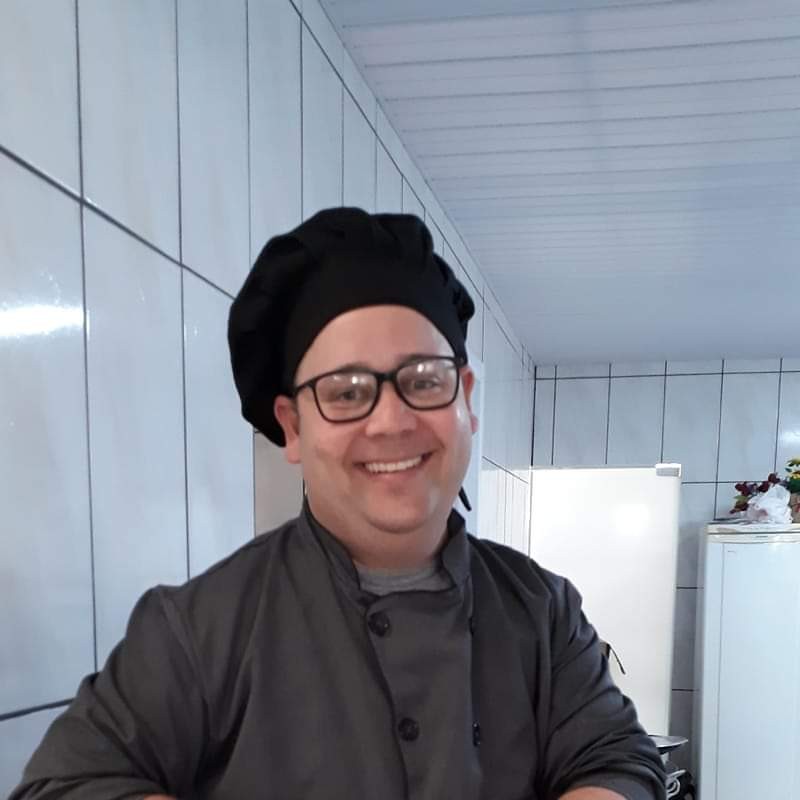
The chef you choose defines the entire experience. Look for someone whose culinary specialty excites your group — a chef with a background in fresh pasta and Italian technique will deliver a very different afternoon than one who specializes in sushi rolls or Brazilian regional cooking. Read the chef's profile carefully, paying attention to whether they describe themselves as pedagogical and patient, not just talented.
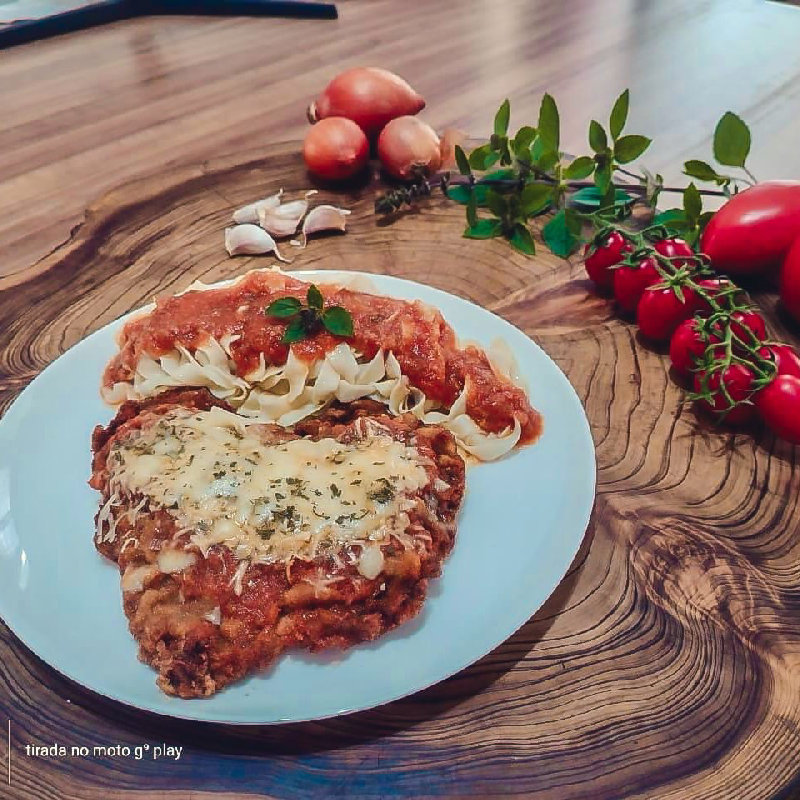
Menu theme is your biggest decision. Popular options for home classes in Brazil include fresh handmade pasta with multiple sauces, sushi and temaki from scratch, risotto and braised proteins, traditional pão de queijo and regional Mineiro dishes, or a dessert-focused class covering chocolate bonbons and petit gâteaux. Choose something the group genuinely wants to eat, not just to learn.
If your group has dietary restrictions, communicate them when booking. A skilled chef will adapt the curriculum — swapping butter for olive oil, offering a fish-free sushi alternative — without compromising the learning arc.
Pro Tip
Ask the chef to send a sample menu and recipe card before the event. It builds anticipation for guests and lets you spot any ingredient conflicts early.
Setting Up Your Kitchen and Space
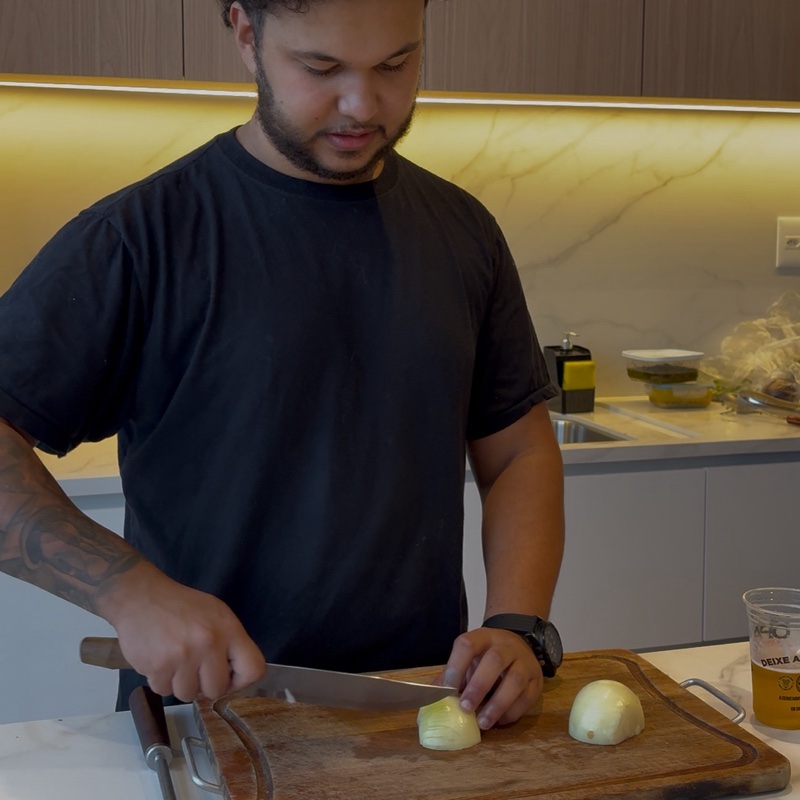
You do not need a professional kitchen, but a little preparation makes a real difference. Clear the countertops of everything non-essential and wipe down surfaces. Make sure there is enough counter space for the number of participants — roughly 60 cm of working width per person is a good rule. If your kitchen is small, set up a secondary prep station on a dining table covered with a cutting board.
Check that your stovetop burners all work and that you have at least two large pots and two wide pans available. The chef will bring specialty equipment, but they expect functioning standard appliances. Have plenty of tea towels, a roll of paper towels and a bin liner nearby.
Seating matters too. Cooking classes have a rhythm of standing, tasting and resting. Arrange bar stools or a bench close to the main work area so guests can watch during demonstration phases without crowding the chef.
✓Clear and wipe all counter surfaces
Remove appliances, decorative items and clutter to maximize working space.
✓Confirm all burners and the oven work
Test them the day before so there are no surprises when the chef arrives.
✓Have standard equipment accessible
Large pots, pans, a colander, mixing bowls and a sharp knife set should be within reach.
✓Set up a tasting/rest area
Stools or chairs near the kitchen allow guests to watch without crowding the prep zone.
✓Prepare drinks for arrival
Have sparkling water, juice or wine ready before the chef arrives so guests can settle in.
Structuring the Event for Your Guest List
Group size significantly shapes the experience. For 2-4 participants, almost everyone can have hands-on time at every step. For 6-10 guests, the chef will typically rotate tasks so that each person gets a meaningful role while others observe, taste and chat. Above 10 participants, the format shifts toward more demonstration with select interactive moments — closer to a show-cooking experience.
Duration is usually 2 to 3 hours, ending with the shared meal. The chef's standard structure is: welcome and ingredient overview (15 min), technique demonstrations with guided practice (60-90 min), plating and table setup (15 min), and the sit-down meal (30-45 min). Let guests know this arc in advance so they arrive hungry and expect to stay.
If you are organizing the class as a gift, consider adding a small printed recipe booklet so the recipient can recreate the dishes afterward. Many chefs offer this as an add-on; others will prepare one if you ask when booking.
What to Communicate to Your Chef Before the Class
The briefing conversation with your chef is the single most important preparatory step. Cover the following clearly: exact number of participants and their cooking skill level (beginner, intermediate or curious home cook), any dietary restrictions or strong dislikes, the occasion (birthday, team event, date night), your kitchen equipment, and whether you want the class to focus more on technique or on producing a specific dish.
Also clarify logistics: when the chef should arrive to set up (typically 30-45 minutes before guests), where to park or how to access your building, and whether you will provide drinks and table settings or whether that falls within the chef's scope. A well-briefed chef arrives relaxed and ready to deliver a tight experience from the first minute.
For corporate groups, share any dietary questionnaire results with the chef at least 48 hours in advance. For private events, a simple WhatsApp message covering the key points is usually enough.
Pro Tip
Ask the chef to bring printed recipe cards for every guest. It is a small detail that makes the class feel professional and gives participants something to take home.
Budgeting for a Home Cooking Class in Brazil
Pricing for a private cooking class in Brazil depends on group size, menu complexity and the chef's profile. For a class of up to 4 people, expect to invest between R$600 and R$1,200, including ingredients and all prep. For groups of 6-10, the range is typically R$1,000 to R$2,500. Corporate groups and thematic classes with premium ingredients (like a sushi or truffle pasta class) sit at the higher end.
Per-person, a private class almost always compares favorably to a restaurant cooking school experience. You also gain the convenience of your own space and the flexibility to customize everything from the menu to the start time.
Factor in drinks as a separate budget line — the chef generally does not supply alcohol. A good Brazilian sparkling wine from Serra Gaúcha (around R$60-120 per bottle) or artisanal craft beers pair well with hands-on cooking and make the event feel festive without complexity.
After the Class: Making Memories Last
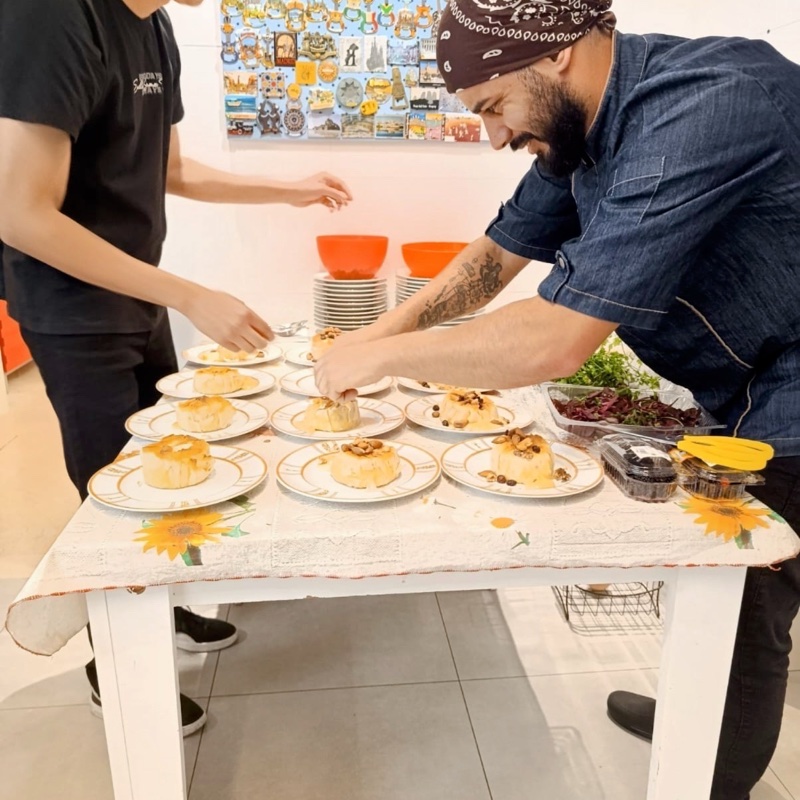
The best hosting detail is the one guests remember a week later. Designate someone in the group to take photos throughout — candid shots of hands working dough or plating dishes tend to capture the atmosphere better than posed group photos. Share these with everyone by the end of the evening.
If time and budget allow, put together a small goody bag for each guest with the recipe cards and a specialty ingredient they can use at home — a sachet of quality fleur de sel, a bag of imported pasta flour, or a jar of Brazilian wild mushrooms from a Feira da Aclimação vendor in São Paulo. These small touches transform a good event into a genuinely memorable one.
Finally, leave a note or message for your chef after the event. Word-of-mouth referrals and positive reviews are the primary way great chefs grow their practice in Brazil, and a genuine message of appreciation goes a long way.