Start with Guest Count and Guest Dynamics
The size of your dinner party determines almost everything that follows — the table configuration, the menu complexity, the serving style, and how much you can realistically cook alone. For most home cooks, 4-6 guests is the comfortable zone where cooking yourself is entirely manageable. From 8 upward, the complexity of timing multiple dishes for more plates increases exponentially.
Guest dynamics matter as much as numbers. A dinner party of 8 people who all know each other can sustain a longer, more relaxed evening than 8 people who are meeting for the first time and need careful seating and conversation facilitation. Know your crowd: if guests are being introduced to each other, seat people strategically and design conversation prompts into the menu itself — a dish with a story creates natural talking points.
In Brazil, dinner parties start late and run late by international standards. A 20h30 invitation typically means guests arrive between 21h and 21h30, sit for dinner at 22h, and the evening extends to midnight or 1am naturally. Plan your menu timing around this reality — dishes that hold well or can be timed for a flexible dinner start are far less stressful than preparations that must hit the table at exactly 21h00.
Pro Tip
Set your invitation for 30 minutes earlier than you want to eat. Brazilian social timing is real — build the buffer into the plan rather than stressing about it.
Menu Planning: The Foundation of a Stress-Free Evening
The menu is where most dinner party stress originates — either too ambitious for the host's skill level, too dependent on last-minute execution, or too restrictive for guests with dietary needs. A stress-free menu is one that has been thought through from preparation sequence to serving logistics, not just from taste.
Choose dishes at different temperature and timing requirements. A cold starter (ceviche, a composed salad, charcuterie) requires no last-minute work. A braise or roast that can be finished in the oven is far more host-friendly than a delicate sauté that needs your full attention at service time. Desserts made ahead — a chocolate mousse, a tarte Tatin, brigadeiros on a platter — let you relax completely after the main course.
Limit the number of dishes that require your presence at the stove during the dinner. The ideal dinner party menu has: one no-cook starter, one hands-off main (roasted, braised, or oven-finished), one side that can be made ahead, and one dessert prepared the day before. If you're serving 6 guests from this structure, you can cook everything yourself without being absent from the table for more than 15 minutes at a time.
✓One dish that requires zero last-minute work
A ceviche, bruschette, or charcuterie board that can be set out when guests arrive and requires no kitchen attention.
✓One make-ahead dish
A dish that can be fully prepared the day before and reheated or served cold. This is your insurance policy against a bad day.
✓One oven-managed main
Roasts, braises, and oven-baked mains free you from the stove during service. A whole chicken, a leg of lamb, or a slow-cooked pork shoulder is a dinner party anchor.
✓One dessert made the previous day
A mousse, tart, cake, or ice cream made ahead means dessert service is simply pulling something beautiful from the refrigerator.
The Preparation Timeline
A dinner party for 8 should not require 8 hours of cooking on the day. A good timeline spreads preparation across 3 days: Day -2 (shopping and any long-process preparations like stocks, brines, or marinating), Day -1 (make-ahead dishes, dessert, mise en place for everything else), Day of (finishing preparations, table setting, final seasoning, and getting yourself ready).
On the day itself, the goal is to have everything in its final form by 1 hour before guests arrive. This gives you a buffer to address anything that hasn't gone to plan, change clothes without rushing, and be genuinely ready to welcome guests when the doorbell rings — rather than answering it in an apron with sauce on your hands.
Write the timeline on paper (or a note on your phone) with specific tasks and times. 'Make dessert: Saturday afternoon' is actionable; 'prepare food' is not. A written timeline is the single most effective stress-reduction tool for dinner party hosting, and the most consistently skipped one.
Pro Tip
Do a full rehearsal of your menu once in the weeks before the dinner party if any dish is new to you. The rehearsal reveals the timing issues, the ingredient quantities, and the technique gaps that would only surface under guest pressure.
Table Setting and Atmosphere: Your Responsibility
When a personal chef is involved, the food is their responsibility. The atmosphere is yours — and it matters enormously. Guests who walk into a beautifully set table with thoughtful lighting, flowers, and a curated playlist arrive in a different emotional state than guests who walk into a chaotic space where the table was set five minutes ago.
Table setting doesn't require expensive equipment. Consistent glassware (it doesn't need to match perfectly, but shouldn't look random), cloth napkins folded simply, candles that create warm light rather than harsh overhead lighting, and a low centerpiece that doesn't block eye contact across the table — these are achievable in any home and they transform the dinner.
The playlist is underrated. Ambient music at a level where you can talk over it comfortably sets the mood from the moment guests arrive and fills silences naturally. In Brazil, a soft mix of MPB, jazz, bossa nova, or low-tempo samba is often perfect for a dinner party — familiar enough to be comfortable, interesting enough to be worth noticing. Test the volume in the actual dining space before guests arrive.
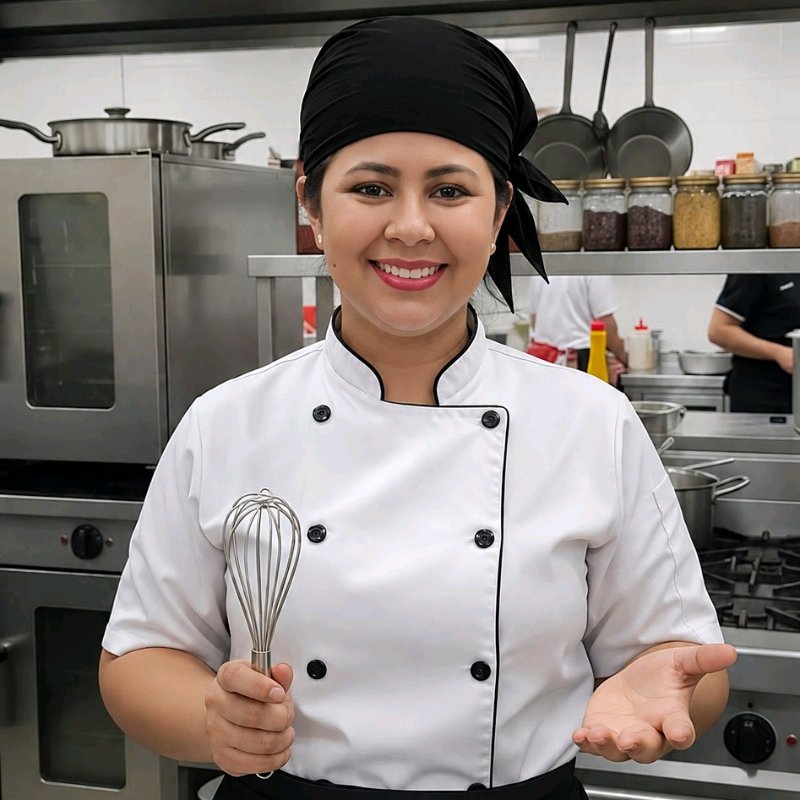
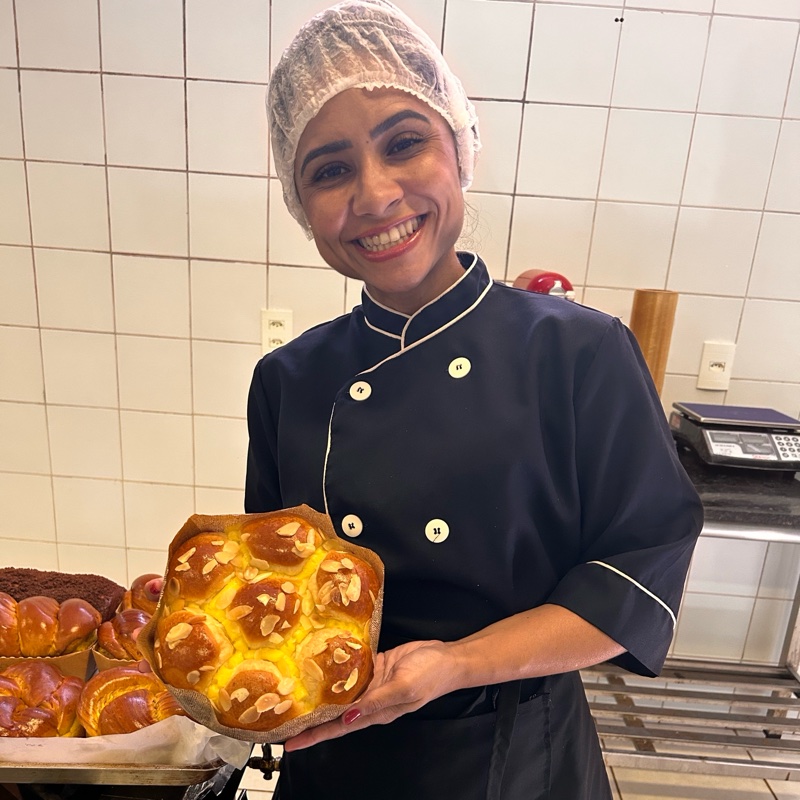
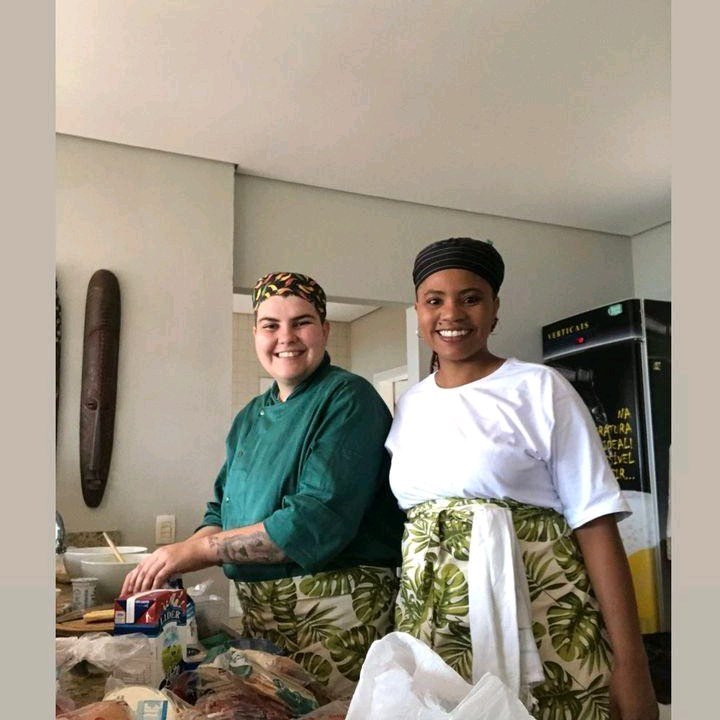
When to Call in a Personal Chef
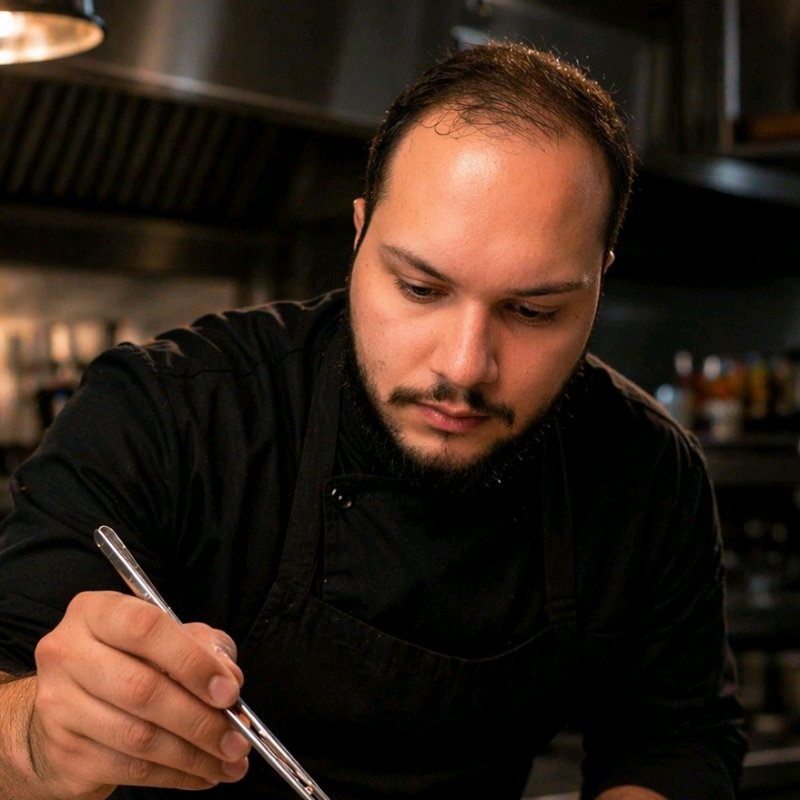
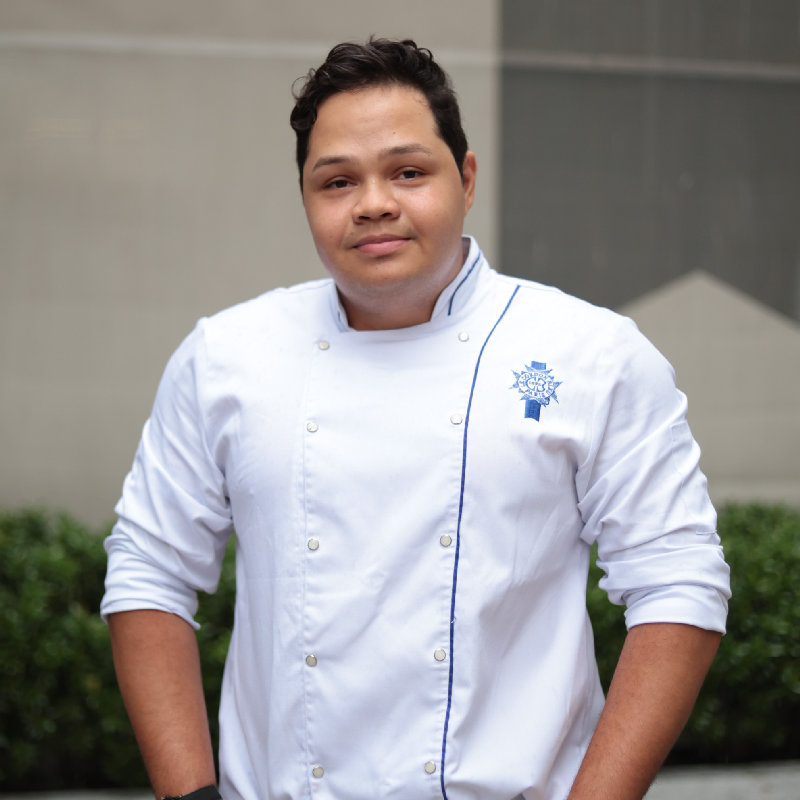
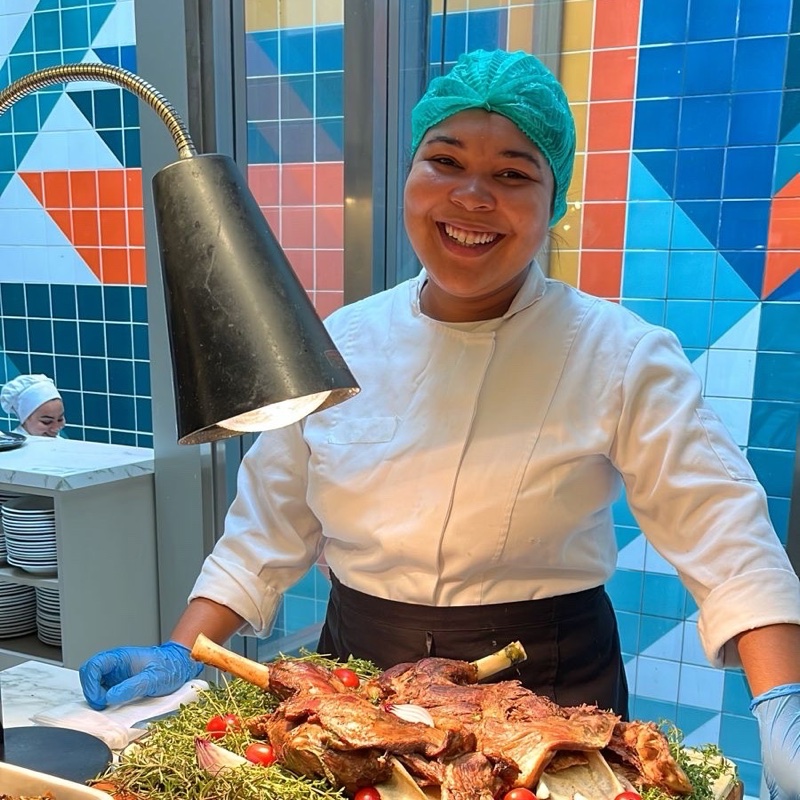
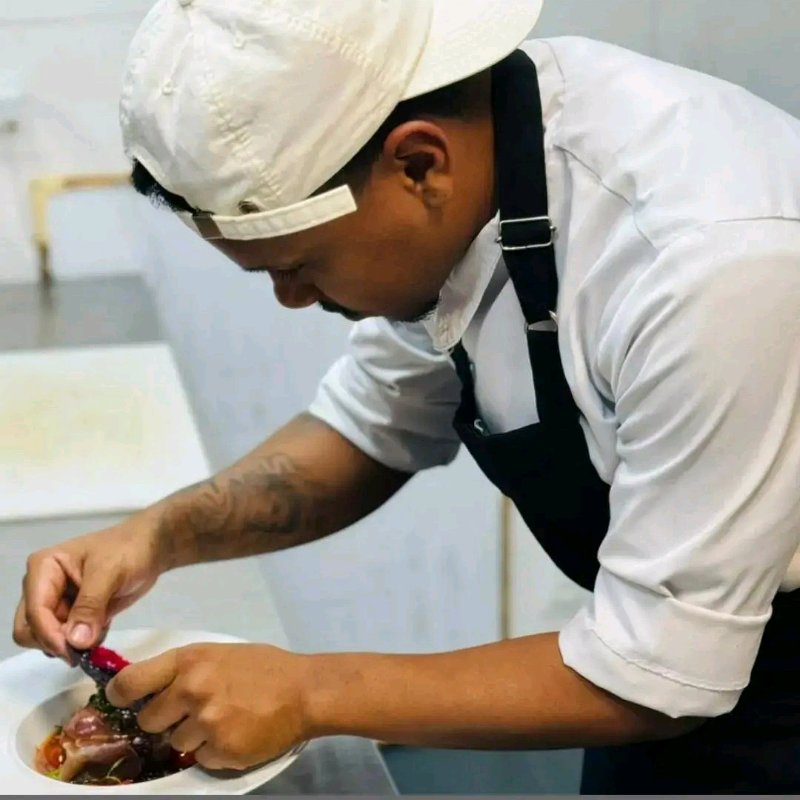
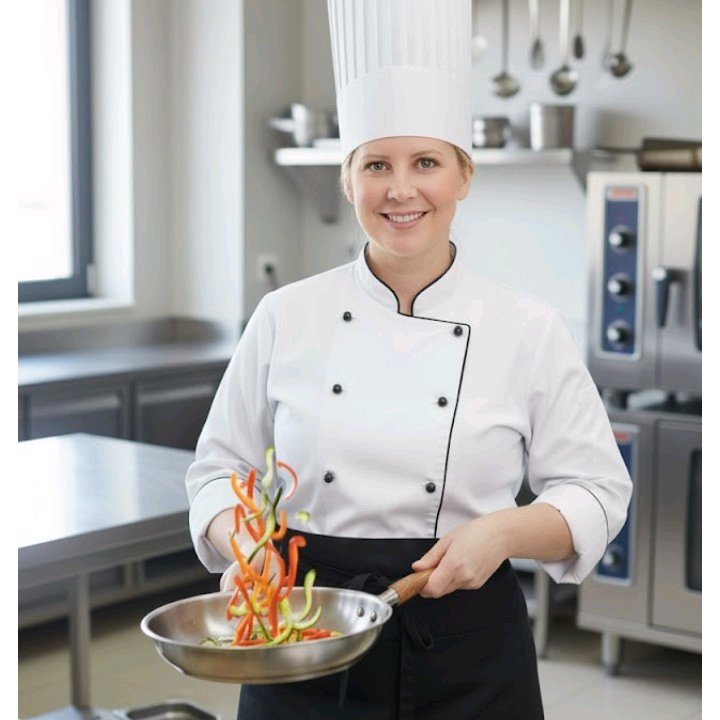
There are three clear signals that a personal chef will improve your dinner party experience rather than simply add cost. First: your guest list has grown beyond 8 and you've started feeling the logistics become overwhelming. Second: the occasion is important enough that food quality can't be a variable — a proposal dinner, a milestone birthday, a significant professional dinner. Third: you've hosted the same friends multiple times and your own repertoire is starting to repeat itself.
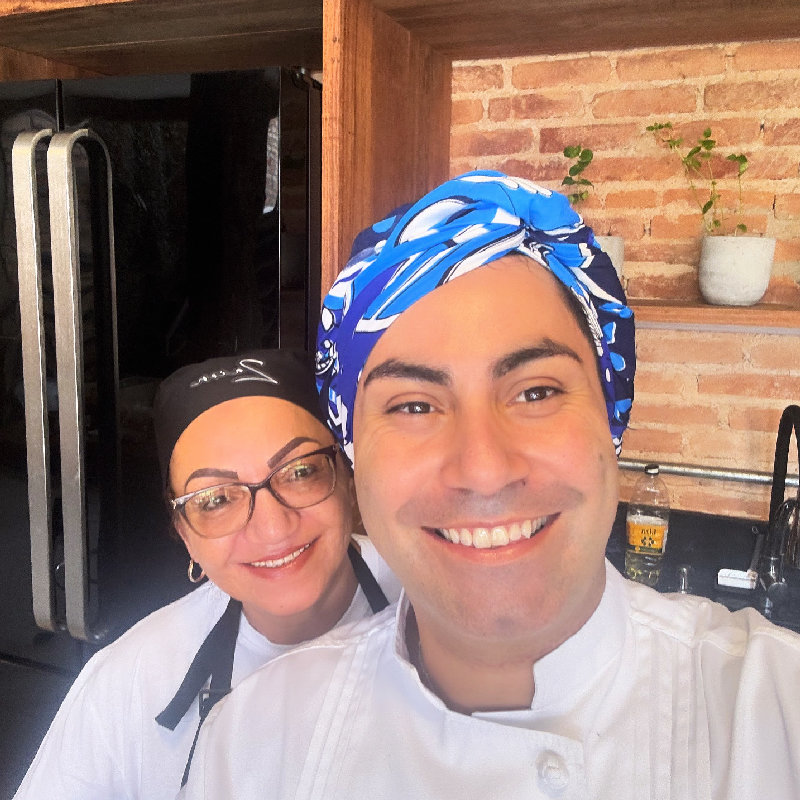
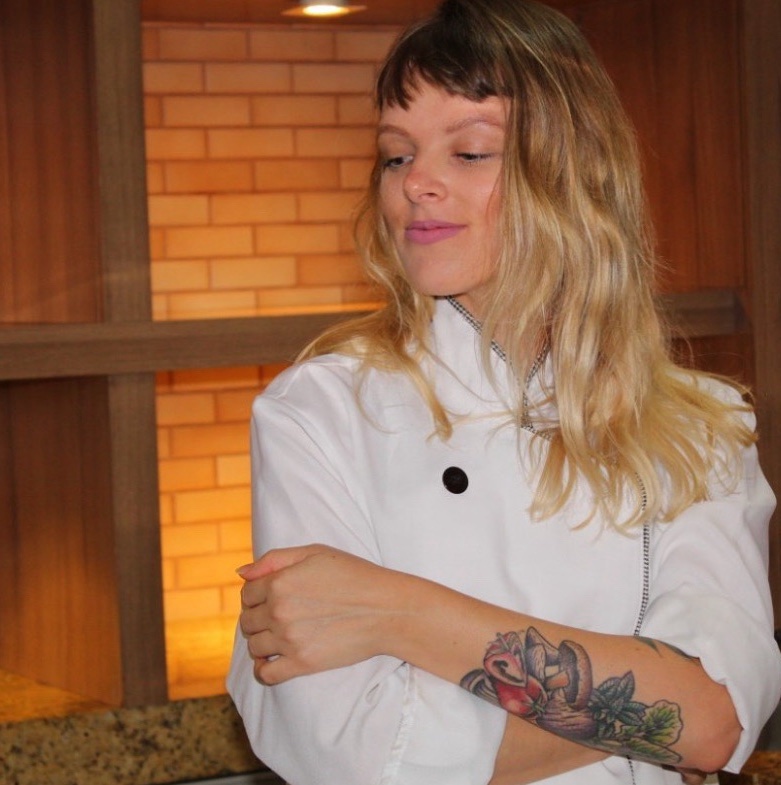
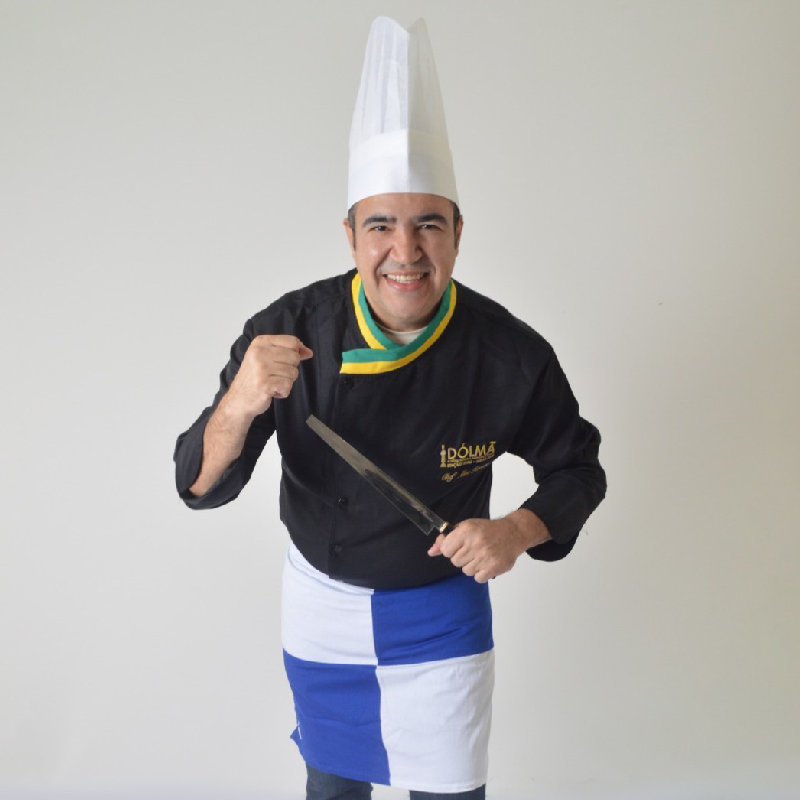
A personal chef changes the host's role fundamentally. You are freed from the kitchen entirely and become a true guest at your own table. You're present for the welcome, the conversation, and the moments that make the evening memorable — not managing burner timing or worrying about whether the risotto is overcooking.
The best personal chef experiences for dinner parties happen when the host gives the chef a clear brief: the number of guests, the occasion, any dietary restrictions, the cuisine style they prefer, and the atmosphere they're trying to create. A chef who understands the brief fully can design an evening — from the welcome bite to the dessert — that feels like it was made specifically for your guests. Because it was.
✓You have 8+ guests and feel overwhelmed by logistics
This is the clearest signal. Professional help at scale produces consistently better outcomes than a stressed host at their limit.
✓The occasion cannot afford food to be a variable
For proposals, milestone birthdays, or dinners with people you want to impress professionally, professional reliability removes risk.
✓You want to be present, not managing
If you've noticed you spend your own dinner parties in the kitchen, a chef is the most efficient solution to this specific problem.
✓Your repertoire for friends has repeated itself
A chef brings a different culinary reference and creativity. The same group of friends will experience something genuinely new.
The Night Itself: Being a Great Host
Great hosting on the night is mostly about presence and warmth, not performance. Welcome each guest personally when they arrive. Make sure everyone has a drink within the first 5 minutes. Introduce guests who don't know each other with a specific detail that gives them something to talk about — 'Gabriel, you should talk to Camila about photography; she just came back from the Pantanal' — not a generic 'you two should meet'.
Seat guests deliberately. Couples who attend together don't need to sit next to each other — seat them across so they have the full table to talk to. Seat guests who tend to lead conversation at the center rather than the ends. If there's one guest whose evening matters most (a birthday person, a guest of honor), center them in the energy of the table.
Let the evening breathe. Don't rush the transition between courses — some of the best dinner party conversations happen between plates, when guests are relaxed and the food has created a bond. A dinner party that runs long because everyone is enjoying themselves is a success; a dinner party that ends on schedule but felt rushed is a missed opportunity.
Pro Tip
Ask your guests one meaningful question during dinner that invites the whole table to respond — something like 'What's the most surprising thing you've eaten in the last year?' or 'Where are you most looking forward to traveling next?' It creates a shared conversation moment that unifies the table.
Cleanup and the Morning After
Let cleanup be tomorrow's problem unless your kitchen situation is genuinely uninhabitable overnight. Forcing yourself to clean up immediately after the last guest leaves burns out the warmth of the evening and makes you associate dinner parties with labor rather than pleasure.
If you have a personal chef, kitchen cleanup is typically part of the service scope — they leave the kitchen in roughly the state they found it before guests arrived. This is one of the most underappreciated aspects of hiring a chef for an event: the post-dinner cleanup that would have taken you an hour at midnight happens as a natural part of their work.
After the dinner, send a brief message the next day to guests who made the evening special. Thank the chef if you hired one. A dinner party is an act of generosity — acknowledging it from both sides is what makes people want to come to the next one.