Step 1: Define What You Want
Before you search for a chef, spend five minutes getting clear on three things: the type of service you want (a single dinner, recurring meal prep, a party, a cooking class), your guest count and any dietary restrictions or cuisine preferences. These details determine which chefs are right for you and what the experience will cost.
The most common bookings in Brazil fall into one of four categories: an intimate dinner for two or four guests; a dinner party for six to twelve people; a churrasco or casual gathering for up to 20; and weekly meal prep for one to four people. Each has a different rhythm, a different cost structure and a different set of chefs who specialise in it.
If you're not sure exactly what you want, that's fine too. A good marketplace or a responsive chef can ask you a few questions and suggest the format that fits your occasion best. The goal of this step is just to arrive at the search with a rough idea, not a final contract.
Step 2: Find and Choose Your Chef
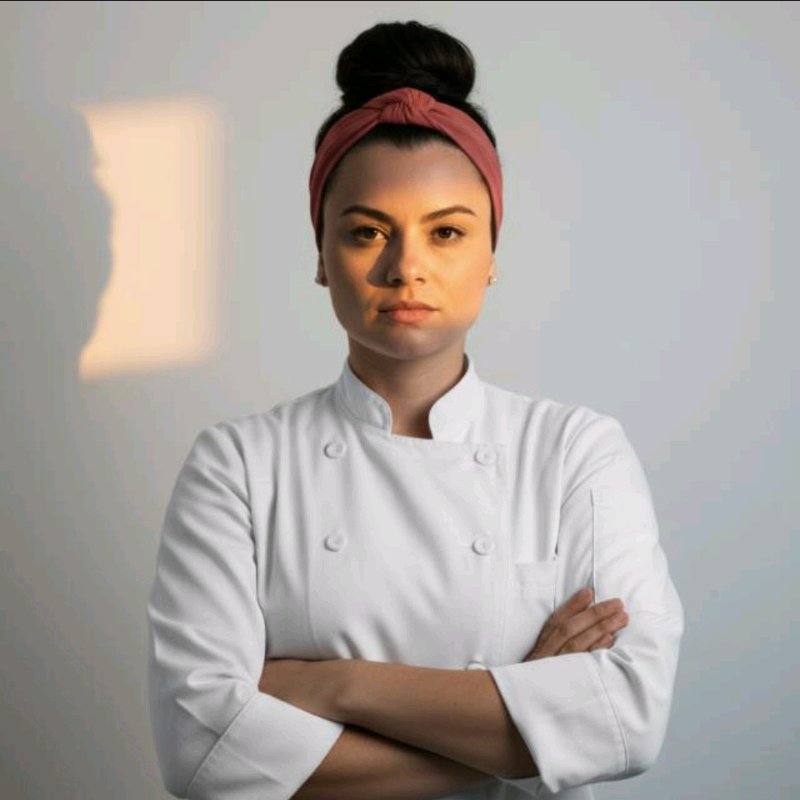
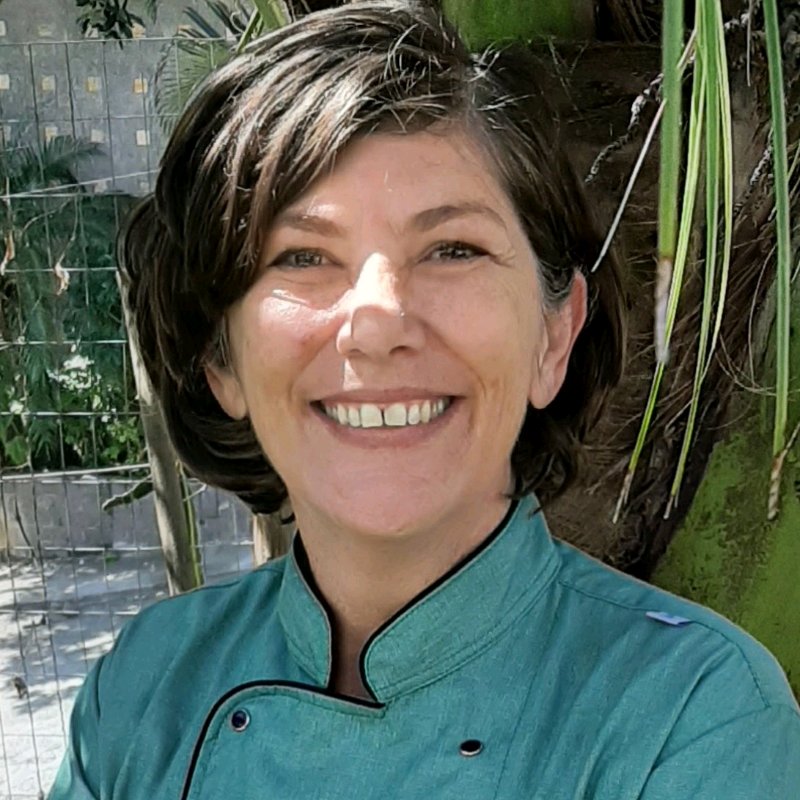
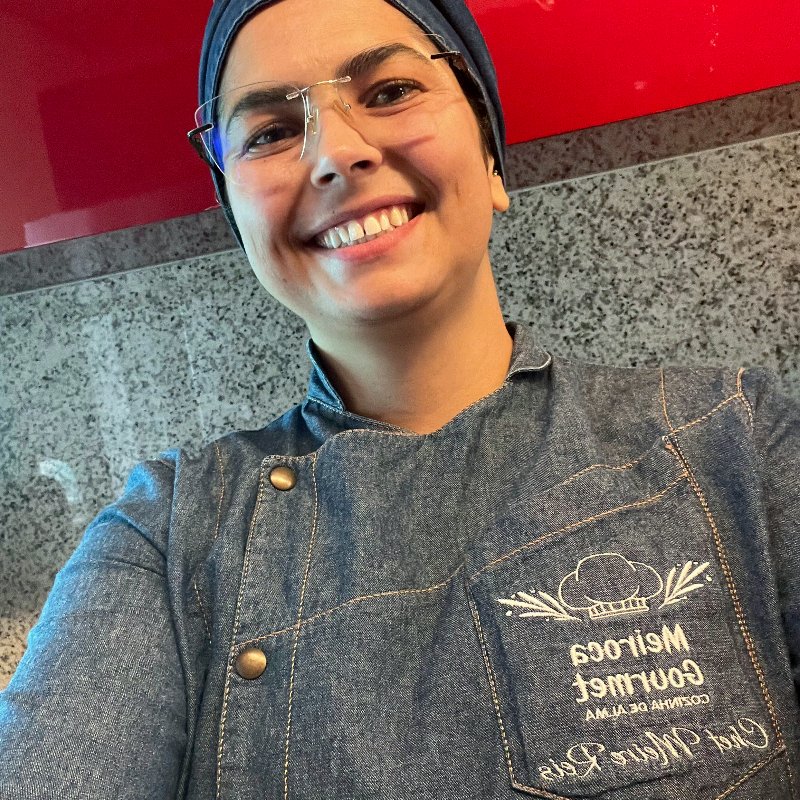
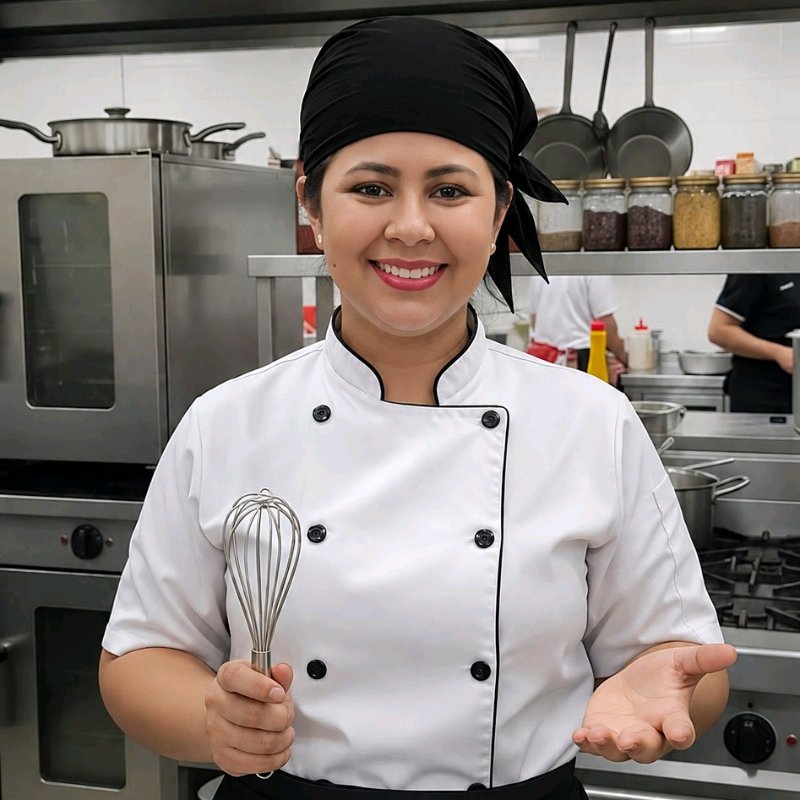
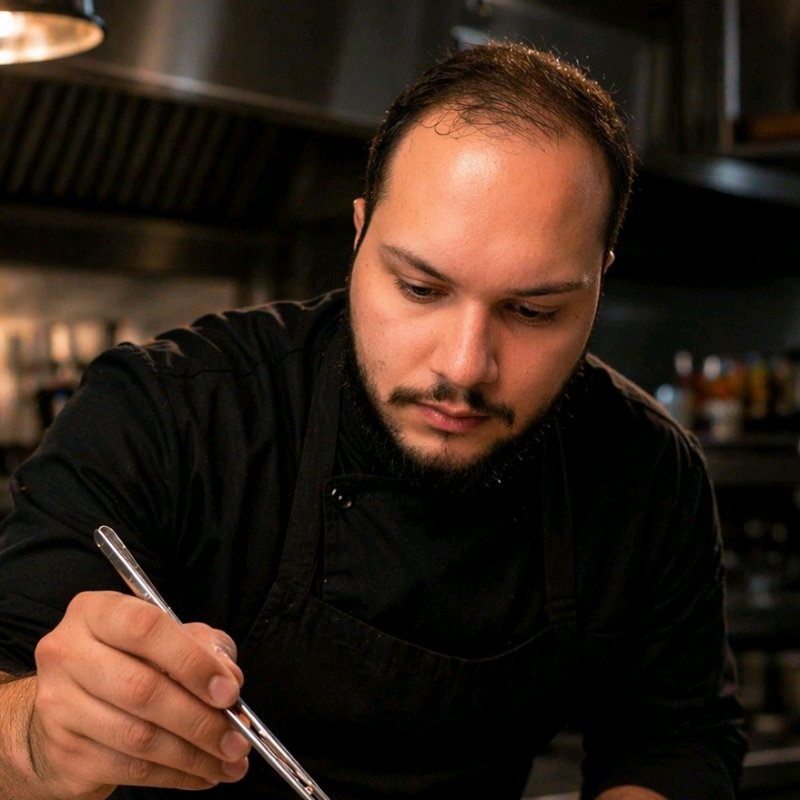
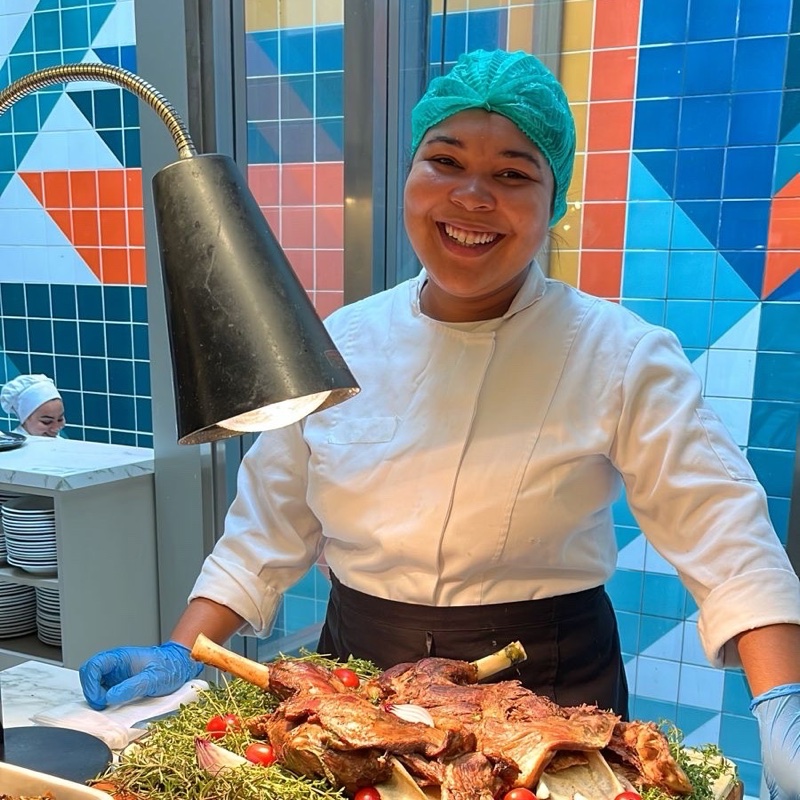
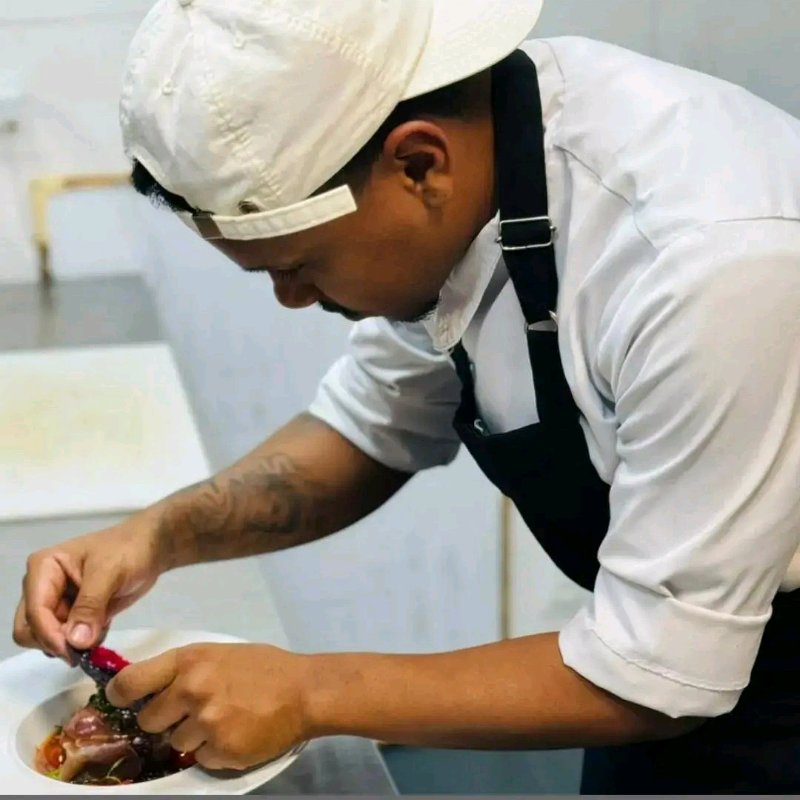
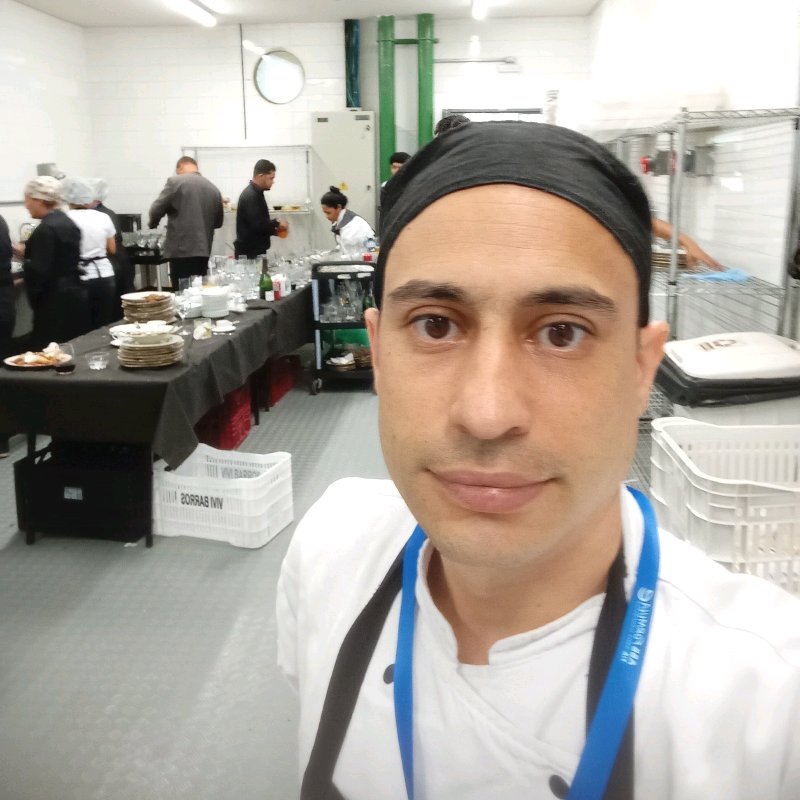
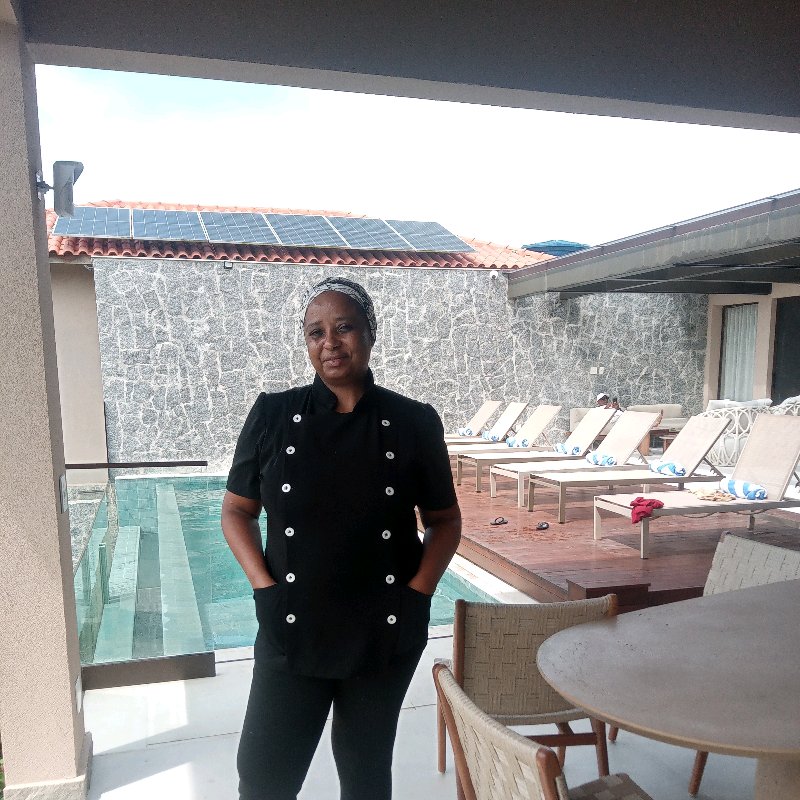
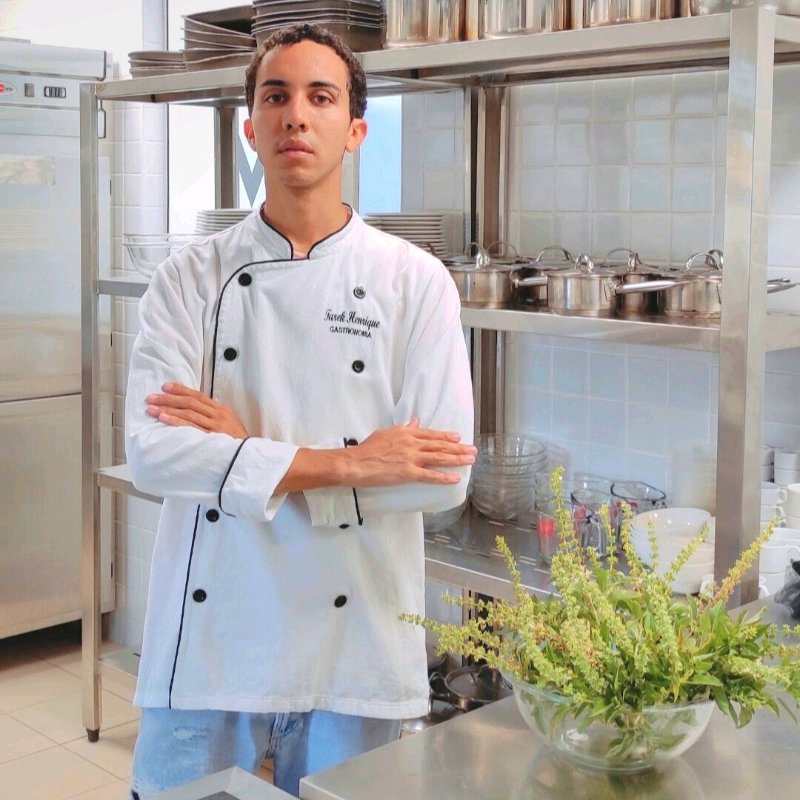
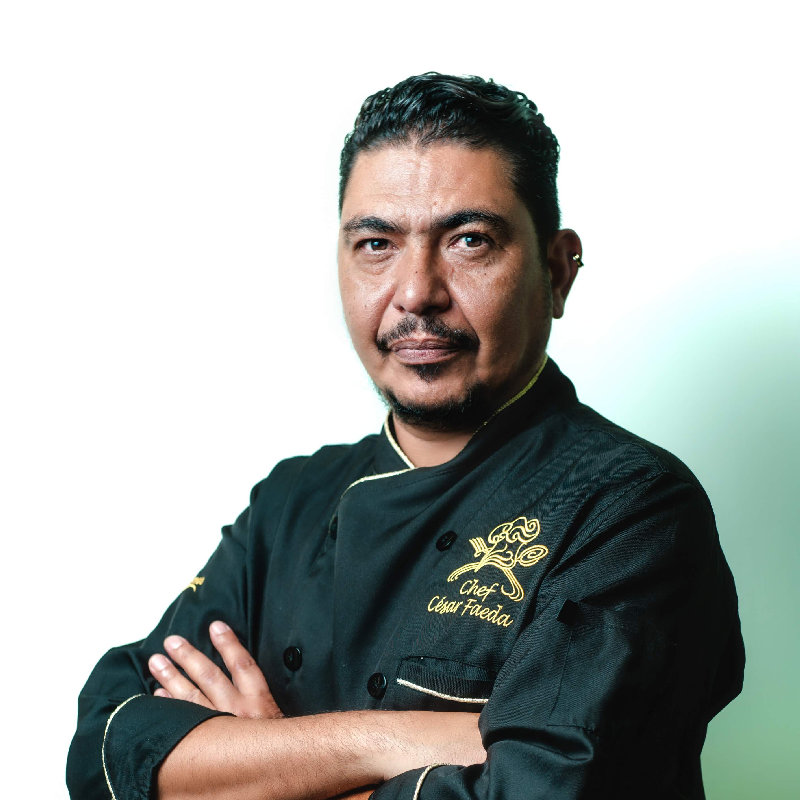
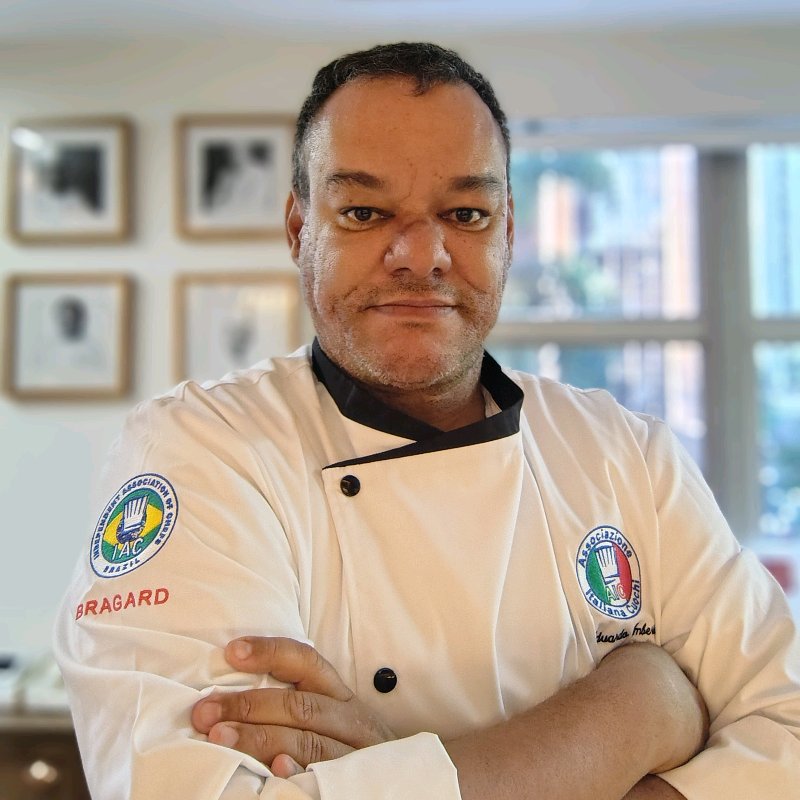
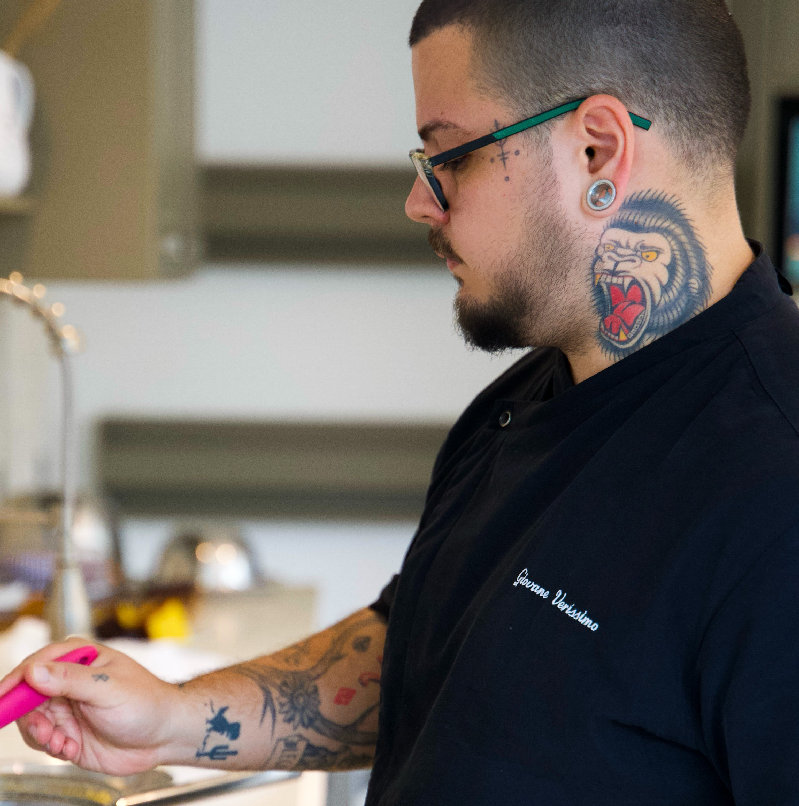
On a platform like myChef, you filter by city, cuisine, occasion and budget to see a curated list of available chefs. Each profile shows verified reviews, sample menus, their culinary background and their service fee range. You can scroll through options for São Paulo's Jardins neighbourhood, Ipanema in Rio, Savassi in Belo Horizonte or beachside Florianópolis — wherever you're hosting.
Read the reviews in detail, not just the star rating. The most useful reviews mention specific dishes, how the chef handled dietary restrictions and what the kitchen looked and smelled like after they left. A chef with 40 reviews averaging 4.8 stars is telling you something much more reliable than a chef with five perfect reviews from friends.
Once you've shortlisted one or two chefs, you can message them directly through the platform to ask questions, confirm availability for your date and request a sample menu for your occasion. Most chefs respond within a few hours.
Pro Tip
If two chefs seem equally strong, choose the one whose sample menu excites you more. The chef who is passionate about the food they're proposing will cook it better than one adapting a template they don't love.
Step 3: Brief the Chef and Confirm the Menu
Once you've chosen a chef, you'll share your brief: the exact date and time, your full address, the number of guests, dietary restrictions (allergies, intolerances, lifestyle choices like veganism or keto) and the mood or style you're after — 'relaxed and fun, like a dinner between close friends' versus 'elegant, like a restaurant tasting menu.'
The chef then proposes a menu tailored to your brief. This is not a rigid document — it's a starting point. You can ask for substitutions, add a course, remove one you don't love and request specific dishes. A good chef welcomes this collaboration because it produces a meal that genuinely reflects your taste.
Once the menu is agreed, the chef provides a full quote: their service fee, estimated ingredient cost and any additional charges for travel or an assistant for larger events. On a platform, you confirm and pay the deposit digitally. For direct bookings, a written confirmation via WhatsApp or email with the full details is the minimum standard.
At this point, you're confirmed. Everything from here is the chef's responsibility to organise.
Step 4: The Chef Shops for Ingredients
In most bookings in Brazil, the chef handles ingredient shopping — it's part of the service. This is an advantage, not a convenience feature: a professional chef knows exactly what quality looks like and where to find it. They know which fishmonger at the Mercado Municipal in São Paulo carries the freshest pargo, which farm in the interior of Minas supplies the best queijo minas and which supermarket in your neighbourhood has reliable imported ingredients.
Ingredient costs are charged at market price plus a handling fee of around 10–15%. You'll receive a breakdown of what was purchased. For meal prep arrangements, the chef may ask you for access to your local supermarket loyalty card or a preferred store — ask your chef what works best for their routine.
If you prefer to buy the ingredients yourself — to control costs or because you have a specific product in mind — discuss this with the chef before confirming. Some chefs are happy to work with client-provided ingredients; others prefer to maintain full control of the quality chain.
Step 5: The Chef Cooks at Your Home
On the day of the event, the chef arrives with their ingredients and their professional kit — knives, tools and any specialised equipment your menu requires. For an elaborate dinner, they typically arrive 2–3 hours before the meal time. For a meal prep session, arrival is usually in the morning with an estimated departure after 3–5 hours depending on the week's volume.
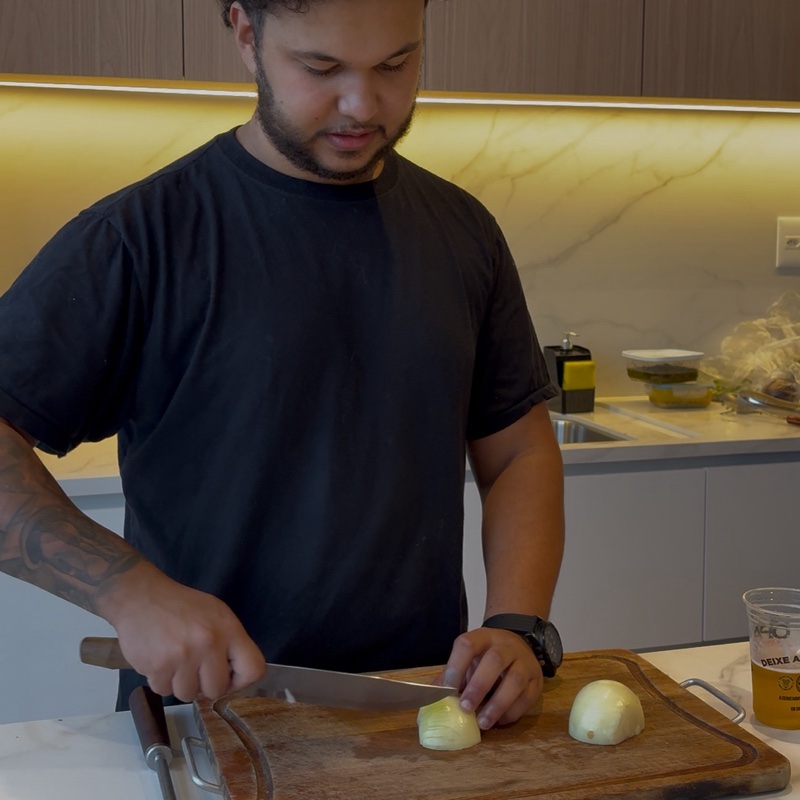
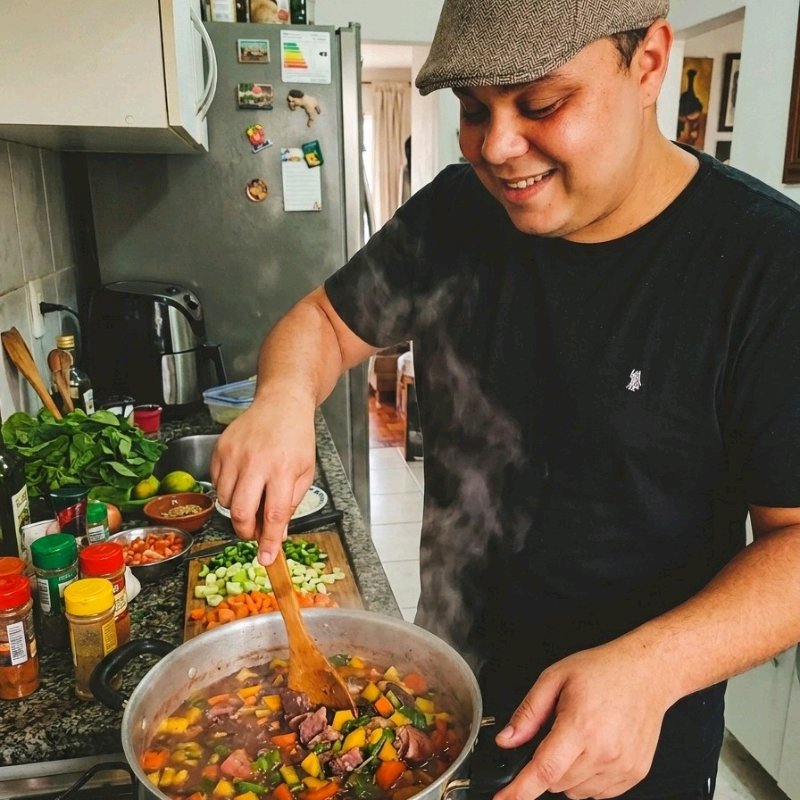
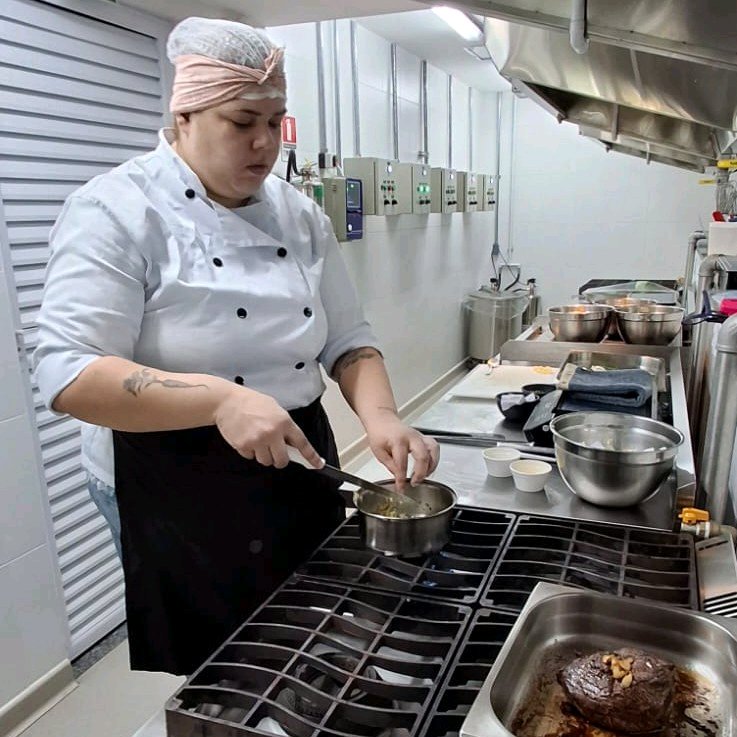
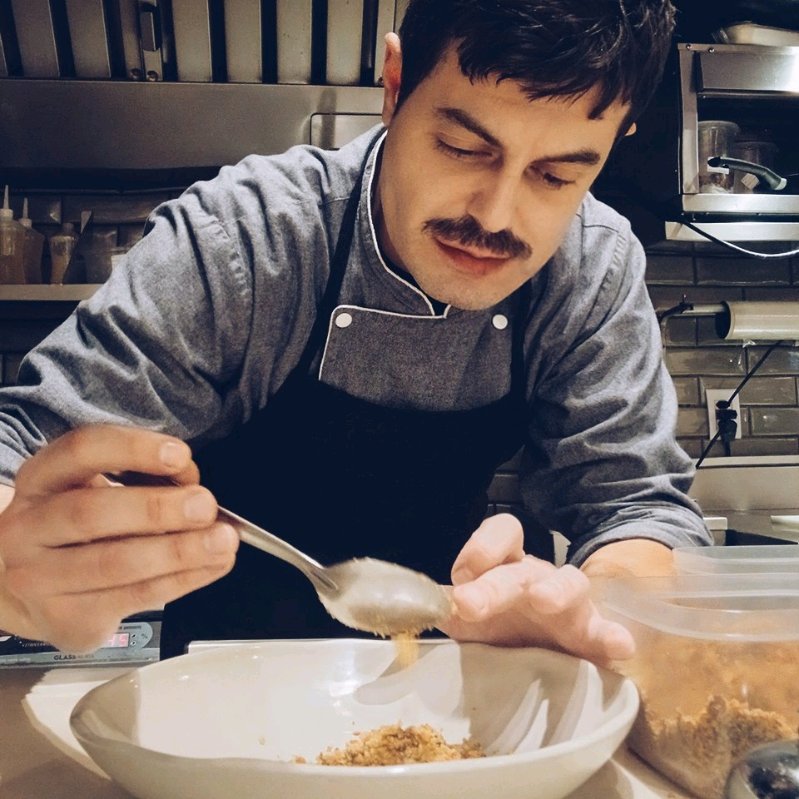
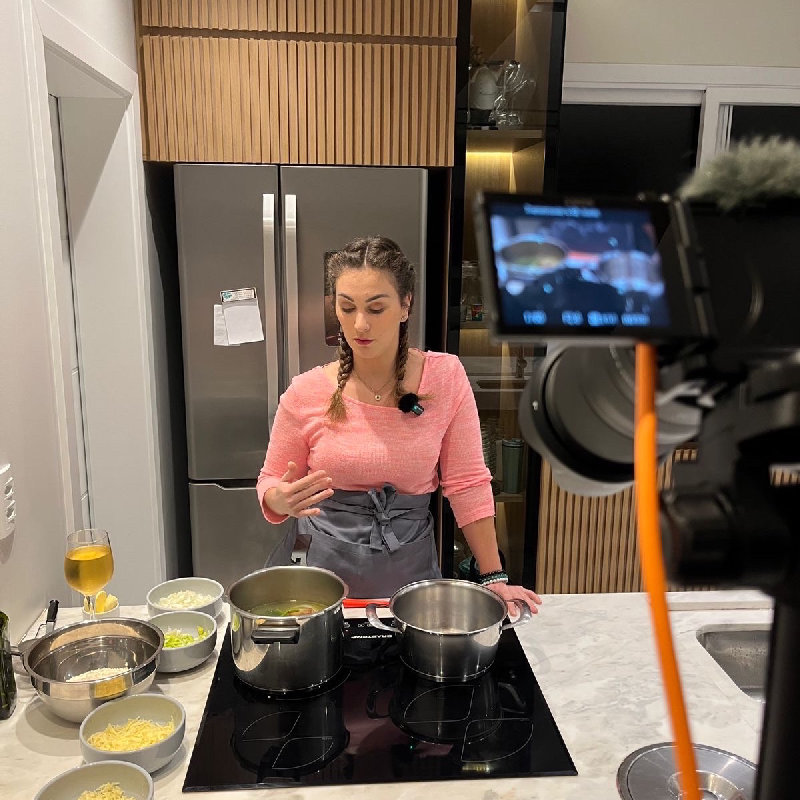
The chef sets up in your kitchen, organises their mise en place and begins cooking. You don't need to do anything during this time unless you want to watch or chat — some chefs are happy to narrate what they're doing, particularly for cooking-class style bookings. Others prefer to focus; respect their rhythm.
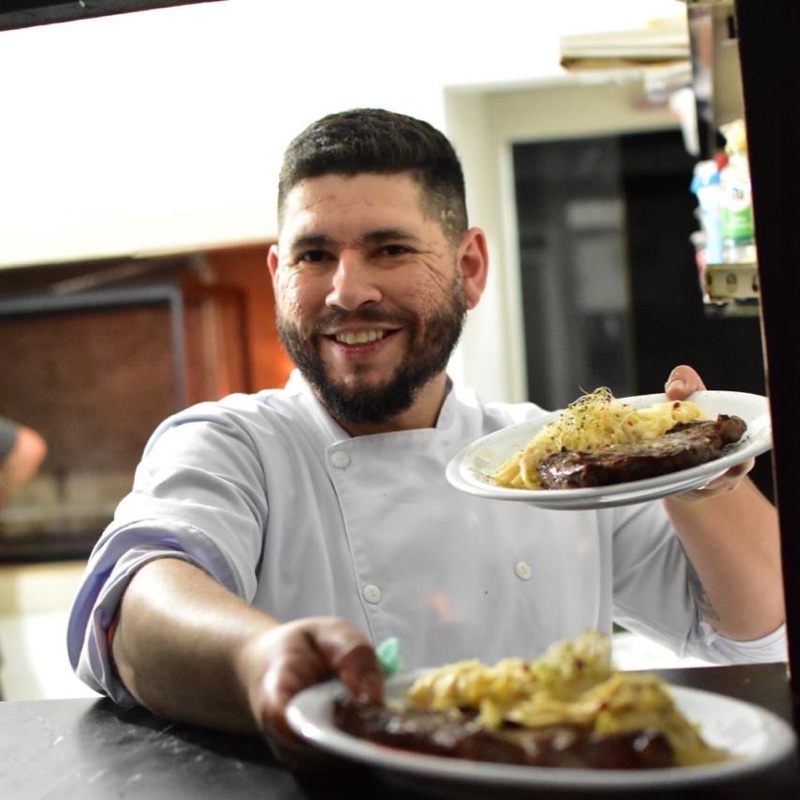
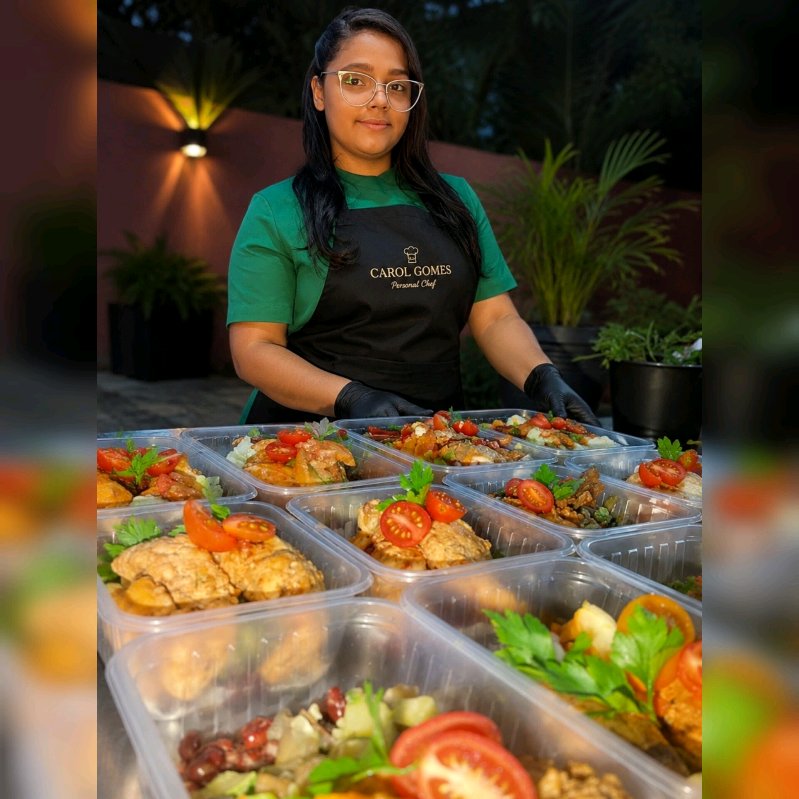
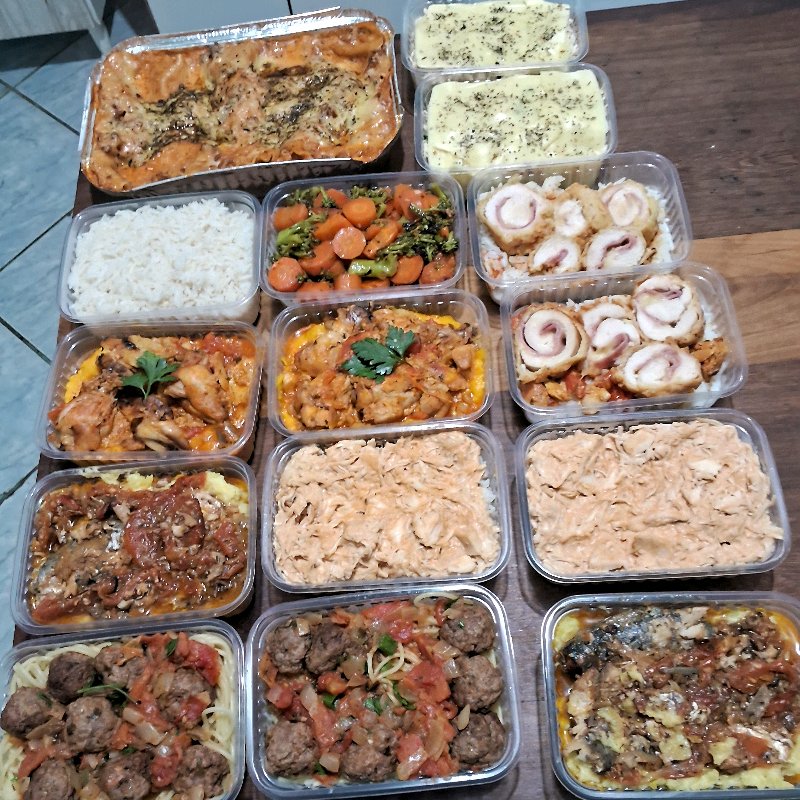
As courses are ready, the chef will plate and serve them (for dinner services) or portion and label containers for refrigerator storage (for meal prep). The level of service — full table service vs. dishes left on the kitchen counter for you to take — should be agreed in advance.
When the cooking and serving is complete, the chef cleans the kitchen. This is standard in Brazil: a professional personal chef leaves your kitchen cleaner than they found it, with every surface wiped, every dish washed and every rubbish bag tied. They leave quietly, usually without interrupting your dinner if guests are still at the table.
Pro Tip
Brief any children or pets before the chef arrives. A kitchen mid-service is a professional workspace with hot pans, sharp knives and a focused cook. Keeping pets in another room and letting children know the kitchen is 'the chef's space right now' makes the experience safer and the food better.
Step 6: After the Experience — Review and Rebook
Once your chef has left, you'll receive a request to leave a review on the platform. This is worth doing — it takes two minutes and helps future clients make informed decisions. Be specific: mention the dishes, note how the chef handled any dietary requests and share what the kitchen looked like when they left.
If the experience was great — and statistically, with a vetted platform, it usually is — rebook the chef directly. Many clients build an ongoing relationship with a single chef: the same person comes every Monday for meal prep, or returns for every birthday dinner. Familiarity benefits you (the chef knows your preferences, your kitchen, your family's dietary quirks) and it benefits the chef (reliable income, a motivated client).
For recurring meal prep arrangements, many chefs in Brazil offer a reduced rate for regular weekly bookings. Ask about this after your first session — it's often not advertised but it is a normal commercial arrangement that works in everyone's favour.