Start with the Occasion, Not the Chef
The single most effective way to narrow your chef search is to define the occasion first. A romantic dinner for two in a São Paulo apartment calls for a different chef than a 20-person family reunion churrasco in a house in Alphaville. A corporate dinner designed to impress international clients in Rio de Janeiro has a different brief than a casual Saturday brunch in a Recife beach house.
Each occasion has an implicit set of requirements: formality level, cuisine type, service style, number of courses, time frame and the kind of personality you want in your kitchen. A chef who excels at high-pressure, technically demanding tasting menus for eight may not be the warm, social cook who makes a 15-person birthday party feel effortless. Both are talented — they're just built for different contexts.
Before you open any chef profile, write down: What is this occasion? How many people? What mood do I want to create? What kind of food do my guests love? These four answers will filter 80% of the wrong choices before you've read a single review.
Match Cuisine Speciality to Your Taste
Brazil's personal chef market encompasses an extraordinary range of culinary traditions. You can find chefs who specialise in Bahian moquecas and vatapás with decades of Mercado São Joaquim sourcing behind them; chefs trained in the Japanese kitchens of Liberdade who prepare omakase with the same rigour as a Tokyo counter; Italian specialists who make their own pasta with tipo 00 flour and pair it with imported Barolo; and contemporary Brazilian chefs who blend Amazonian ingredients with modern French technique.
Matching cuisine speciality to your occasion produces dramatically better results than hiring a generalist. A chef who says 'I cook everything' may be competent across multiple cuisines, but they're rarely as precise or as passionate as a specialist. Ask potential chefs what they cook most often and what they love cooking most — the divergence between the two answers can be revealing.
Consider the preferences of your guests alongside your own. For a dinner party, the cuisine should be familiar enough that all guests can engage with it and specific enough that it feels like a genuine culinary experience rather than a generic restaurant menu. If you're hosting guests who've never tried Lebanese food, for instance, a Lebanese chef who can explain each dish and its cultural context will create a far richer evening than one who just delivers plates silently.
Pro Tip
Ask shortlisted chefs: 'What is your favourite dish to cook for a group like mine?' The specificity and enthusiasm of the answer tells you more about their true speciality than anything listed on a profile.
Evaluate Their Portfolio Carefully
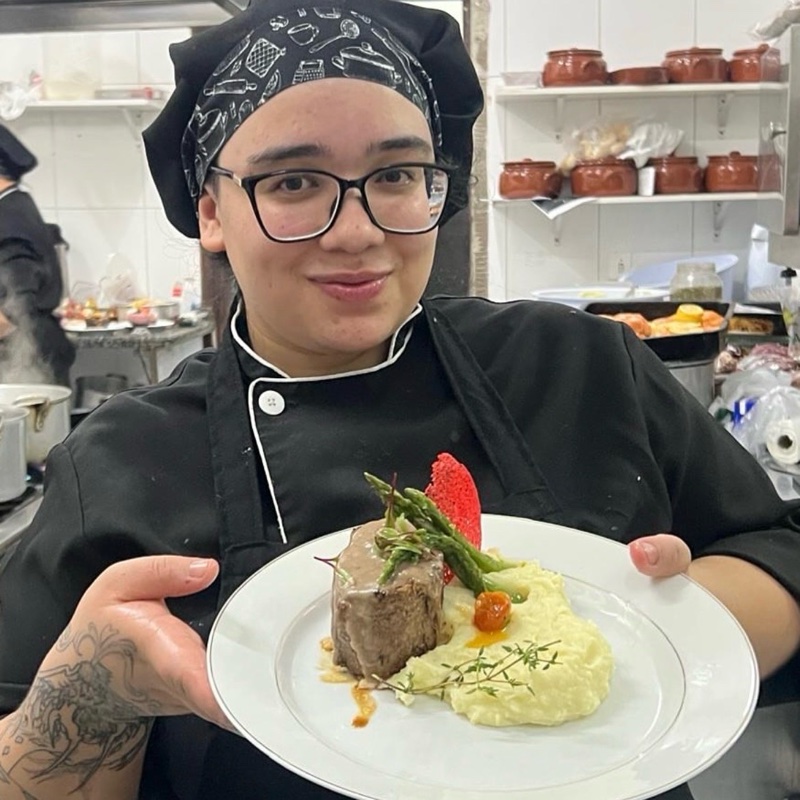
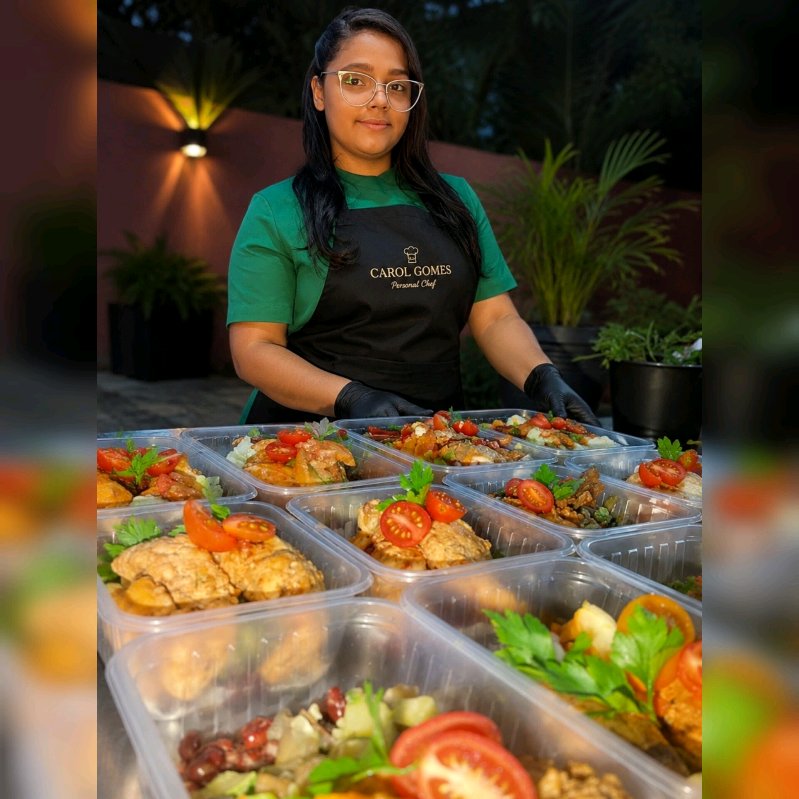
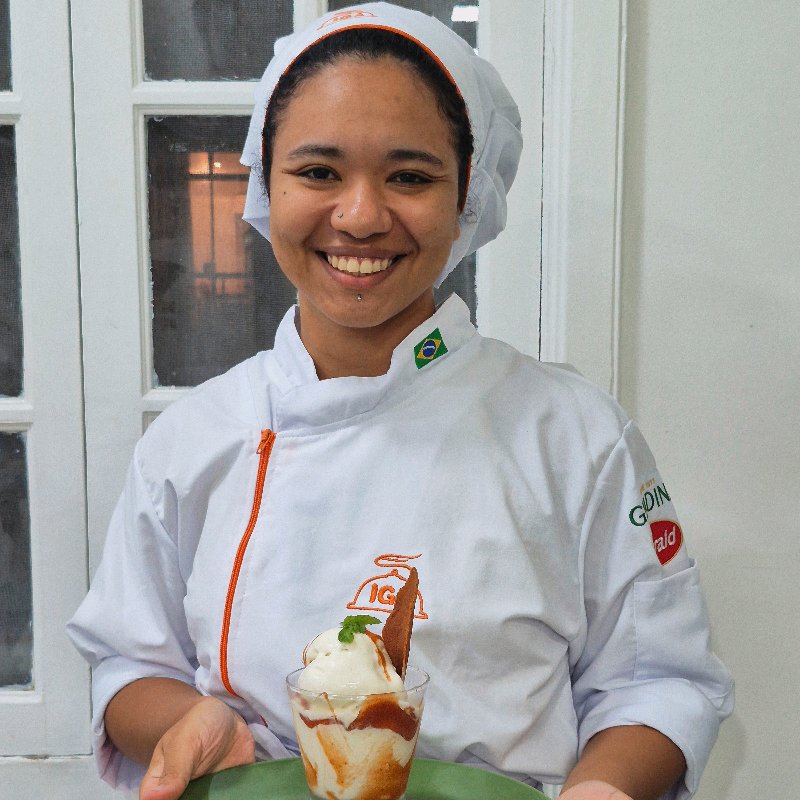
A chef's portfolio — their sample menus, dish photographs and event history — is the most objective evidence available before booking. Review it with a critical eye. Does the menu feel thoughtful and cohesive, or is it a list of disconnected dishes? Do the photographs show consistent plating quality, or are some courses clearly stronger than others? Is there variety across different types of occasions, or does every menu look identical?
Look for seasonal awareness. A chef whose menus in June feature caju (cashew fruit), jabuticaba and mandioca — ingredients at their peak in the Brazilian winter — is shopping the market, not a supermarket database. Seasonal menu thinking is a proxy for ingredient quality and culinary seriousness.
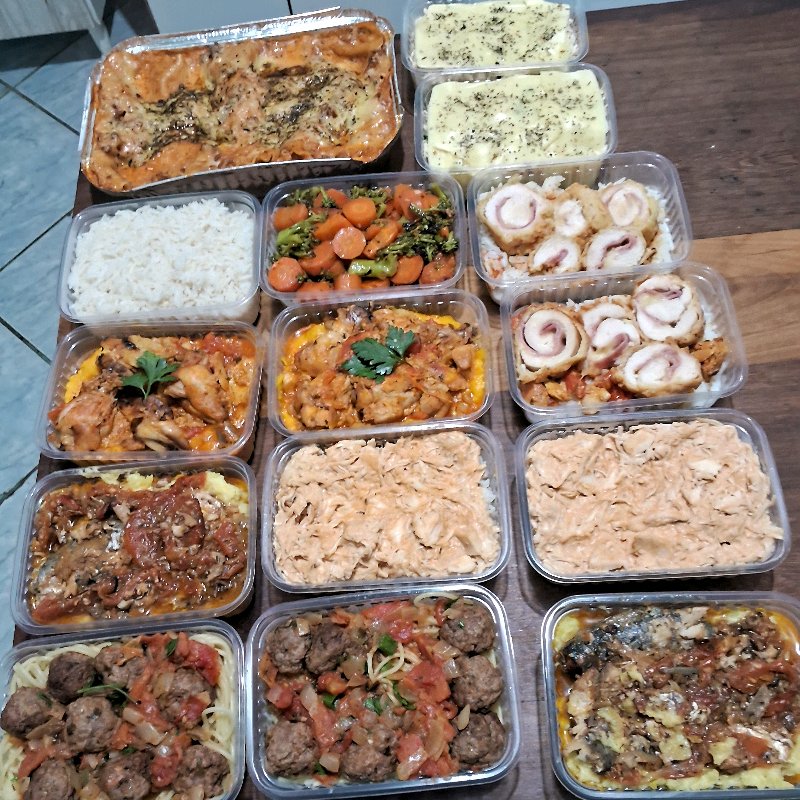
Portfolio variety also signals adaptability. A chef who has done romantic dinners, birthday parties, corporate events, cooking classes and weekly meal prep has developed the range of skills and social intelligence to handle your specific occasion with confidence.
✓Menus feel cohesive
Each course connects to the others in flavour and progression.
✓Photos show consistent quality
Not just one beautiful dish — consistent plating across multiple courses.
✓Seasonal awareness
Menus reflect what's actually in season in Brazil, not a static template.
✓Experience with your occasion type
They've done something similar to your booking, not just adjacent to it.
Read Reviews for Fit, Not Just Quality
Reviews are most useful when you read them as indicators of fit rather than just quality. A chef with uniformly glowing reviews for intimate romantic dinners may have a more mixed record for large group events — because their strengths (precision, a quiet elegance, meticulous plating) don't scale the same way. Read for patterns that match your specific context.
Look for these specific indicators in reviews: Did the chef communicate clearly before the event and respond promptly to messages? Did they handle dietary restrictions as promised? Was the kitchen clean when they left? Were they punctual? Did their personality match the mood of the occasion?
A chef with 4.7 stars across 50 verified reviews is more trustworthy than one with 5 stars from 8 bookings. Volume of reviews signals consistent experience; it's very difficult to maintain high ratings over dozens of different clients, kitchens and occasions without being genuinely excellent.
Assess Personality and Communication Style
The personality of a personal chef matters more than most clients realise before their first booking. A formal tasting menu dinner benefits from a chef who is technically precise, calm and slightly reserved — someone whose focus on the food communicates that this is a serious culinary event. A casual Friday dinner party for eight friends benefits from a warm, sociable chef who enjoys explaining dishes and engaging with guests between courses.
Message two or three shortlisted chefs before deciding. The speed, warmth and intelligence of their response tells you a great deal: Do they ask follow-up questions about your occasion, or do they send a template? Do they suggest ideas based on your brief, or just confirm availability? Do they write in a way that feels like a professional you'd enjoy having in your kitchen?
For chefs you're considering for recurring meal prep, communication style is the most important differentiator of all. You'll be sending weekly feedback, adjusting macros and changing preferences over time. A chef who communicates clearly and proactively makes that ongoing relationship a pleasure; one who is slow to respond or vague in confirmation messages makes it stressful.
Pro Tip
A chef who asks you good questions before the booking is demonstrating the same attentiveness they'll bring to the food. 'What flavours does your partner love?' and 'Do you prefer a formal seated dinner or something more relaxed?' are questions that signal a professional who thinks about the whole experience.
Price and Value: Understanding What You're Paying For
In Brazil's personal chef market, price is an indicator of experience and demand — not a reliable proxy for quality. Some of the most talented chefs in Curitiba or Fortaleza charge less than a mediocre generalist in Jardins simply because their local market supports a lower price point. Conversely, a high price in São Paulo doesn't guarantee excellence.
Look at price as one variable alongside portfolio quality, review volume and cuisine fit. For a high-stakes event — a wedding anniversary, a proposal dinner, a corporate client dinner — choosing a chef with 40+ reviews and an exceptional portfolio at a premium price is worth it. For a casual dinner, a slightly newer chef with 15 excellent reviews and a cuisine you love may be the better value.
When comparing two chefs at different price points, ask: what does each quote actually include? Service fee, ingredient costs, travel, cleanup, assistant for larger groups — a higher all-in quote may be less expensive than a lower service fee with multiple add-ons. Always compare total costs, not headline numbers.