Why Italian Cuisine Is the Most-Requested Personal Chef Style in Brazil
The demand for Italian personal chef experiences in Brazil is not merely about the food — it is about identity. In São Paulo alone, over six million people claim Italian descent, making it the most common European ancestry in the state. When a chef brings fresh pasta, imported Parmigiano-Reggiano, and a proper tiramisù to someone's home, they are often invoking a family memory, not just a flavor preference. This emotional resonance makes the Italian personal chef experience uniquely powerful.
Beyond sentiment, Italian food offers an extraordinary spectrum of occasions. A romantic dinner for two calls for pappardelle al funghi porcini with a Barolo; a family Sunday lunch demands a lasagna al ragù that takes three hours to build; a corporate entertaining dinner benefits from the elegance of a branzino al forno with caponata. No other cuisine shifts so gracefully across emotional registers.
The technique argument also matters. Italian food looks deceptively simple — pasta, olive oil, tomato — but the difference between adequate and transcendent lies in details that only years of practice produce: knowing when pasta dough has the right elasticity, when a risotto is ready a minute before the stove says so, how to emulsify pasta water into a sauce without breaking it. A personal chef brings that instinctive knowledge into your kitchen.
The Fresh Pasta Experience: A Centrepiece of the Italian Chef Visit
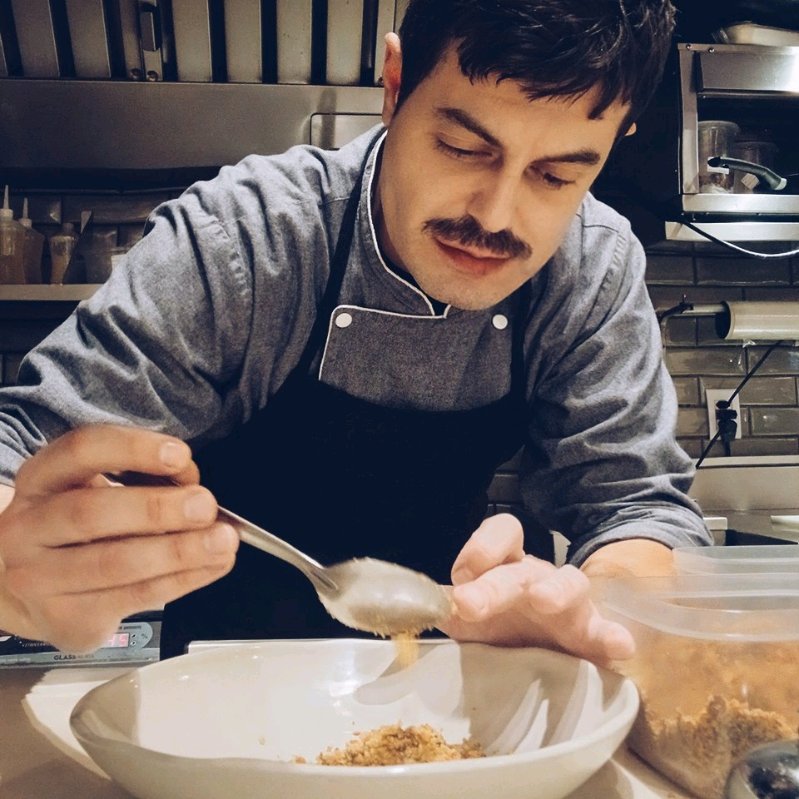
Fresh pasta made from scratch is the moment that defines most Italian personal chef experiences in Brazil. The chef arrives with the flour — typically '00' grano duro or semolina, sometimes a mix — and begins working the dough on your countertop while guests watch and ask questions. The smell of fresh pasta dough, the rhythm of the rolling, the delicate curtains of tagliatelle hung to dry: this is theatre as much as cooking.
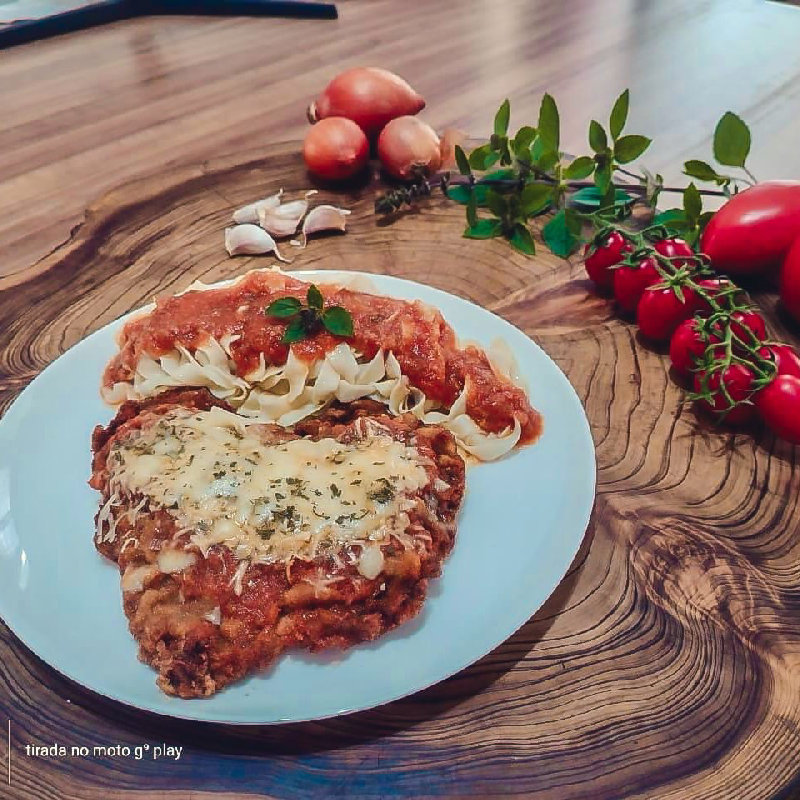
From a single dough, a skilled chef can produce wildly different results. Tagliatelle tossed with a slow-cooked ragù bolognese (the real version — no cream, no ground beef alone, but a blend of beef, pork, and a splash of whole milk). Ravioli stuffed with ricotta and spinach in a browned butter and sage sauce. Gnocchi di batata — made fresh, not from a packet — floating in a gorgonzola cream. The chef will typically ask your preference before the visit and design the pasta course around it.
For a cooking class format, fresh pasta is the ideal centrepiece: guests participate in making the dough, rolling it, and cutting it, which creates a convivial, hands-on experience that ends with dinner. This option is extremely popular for birthday dinners, date nights, and corporate team-building in Brazil.
Pro Tip
If you want the full pasta-making show, ask the chef to plan the pasta course as the main event rather than a side. This shapes the whole visit around it and gives the chef time to explain the technique, which is half the pleasure.
A Full Italian Menu: From Antipasto to Dolce
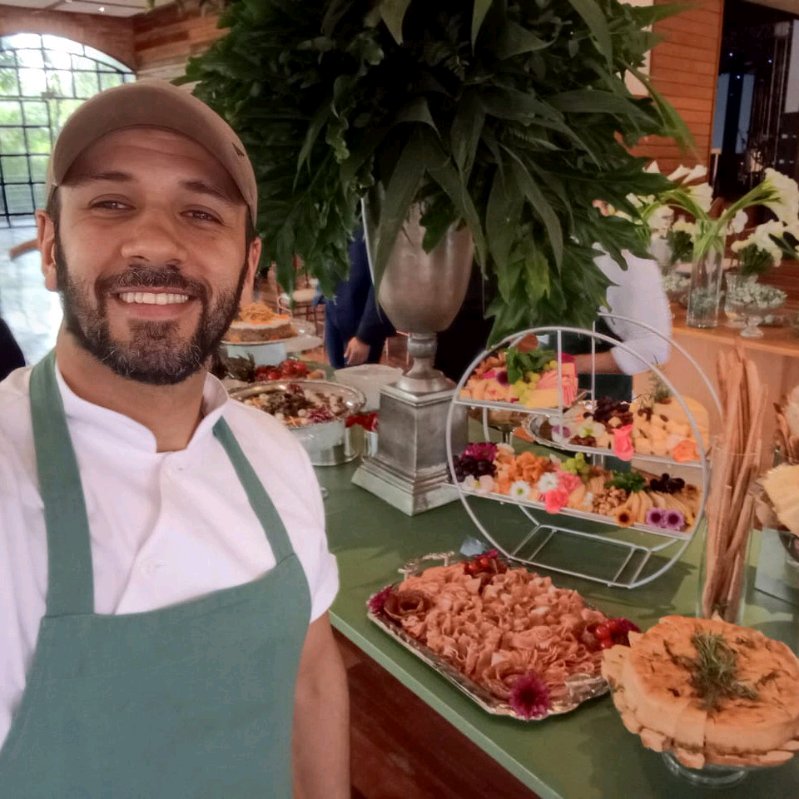
A formal Italian dinner at home unfolds in courses, each with its own pace and purpose. The antipasto opens with lightness: bruschetta with San Marzano tomatoes and fresh basil, vitello tonnato sliced paper-thin, a board of affettati (prosciutto, mortadella) with olives and pickled vegetables. The function of the antipasto is to wake the palate, not satiate it — a point that separates a professional chef's approach from a home cook's tendency to over-serve the opening course.
The primo is typically pasta or risotto — the soul of the meal. A risotto ai funghi porcini requires constant attention for 18–20 minutes, made properly only when the chef is present and focused. A primo sets the emotional tone: it is where the skill of the evening becomes undeniable. The secondo follows with a protein — ossobuco alla milanese over saffron risotto, a tagliata di manzo with rucola and Parmigiano, or branzino al cartoccio with herbs and lemon.
The dolce closes with something Italian and seasonal: a proper tiramisù made with mascarpone and savoiardi, a panna cotta with berry coulis, or a torta della nonna with pine nuts and lemon cream. The chef typically prepares dessert in advance so it can rest and set properly, served at the ideal temperature at the end of the evening.
Wine Pairing with an Italian Personal Chef
Italian cuisine and wine are inseparable, and a personal chef with Italian expertise typically arrives with pairing suggestions that match each course. For antipasto and lighter starters, a crisp Pinot Grigio or a Brazilian sparkling wine like Cave Geisse from the Serra Gaúcha provides excellent contrast. For pasta with rich meat sauces, a Chianti Classico or the increasingly respected Cabernet Sauvignon from the Vale dos Vinhedos is the natural companion.
Brazil's Serra Gaúcha region — with Italian immigrant roots as deep as the food itself — produces wines that pair extraordinarily well with Italian cuisine: the Merlot and Cabernet blends from Miolo and Casa Valduga, or the Moscato Giallo and Prosecco-style sparkling wines from smaller producers like Pizzato. A chef who knows this region can suggest a fully Brazilian wine pairing that still honors Italian tradition.
If you prefer to provide your own wine, share the menu with the chef in advance and ask for their pairing recommendations. Most Italian personal chefs are fluent in this conversation and will guide you confidently, whether you're drawing from a cellar or a supermarket wine aisle.
Pro Tip
Tell the chef your wine budget and whether you prefer Italian imports or Brazilian wines. A good Italian chef in Brazil is typically delighted to work with quality national wines from the Serra Gaúcha — it is a pairing story that combines two of Brazil's defining immigrant cultures.
Occasions Best Suited to an Italian Personal Chef
Romantic dinners are the quintessential Italian chef occasion. The cuisine's emotional weight, its natural candlelit aesthetic, and the intimacy of fresh pasta made in your kitchen create an atmosphere no restaurant can fully replicate. A proposal dinner, an anniversary, or a Valentine's celebration takes on a completely different emotional register when it is cooked personally, in your home, with ingredients chosen for you specifically.
Family Sunday lunches are another natural fit — particularly for Brazilian families with Italian heritage who want to recapture the nonna's kitchen experience at scale. A lasagna for twelve, a robust ribollita, a costela di maiale al vinho tinto: these are dishes that feed a crowd with generosity and are extraordinarily difficult to do well without professional help.
Corporate entertaining benefits from Italian cuisine's universal appeal and the elegance it signals. A business dinner with international guests, served in a private home with a multi-course Italian menu and wine pairings, communicates both sophistication and hospitality — the combination that makes deals and relationships happen.
What the Chef Needs from You Before Arriving
A successful Italian personal chef experience begins before the chef sets foot in your kitchen. The most important preparation is a clear brief: how many guests, what occasion, any dietary restrictions (gluten intolerance is a critical flag given the pasta focus), food preferences, and the desired level of formality. Send this at least 72 hours in advance to allow the chef to source ingredients properly — quality San Marzano tomatoes, fresh mozzarella di búfala, imported Parmigiano-Reggiano, and good cured meats are not always available last-minute.
Your kitchen should have a working oven, at least two stovetop burners free, and a large workspace. The chef will bring their own knives, pasta-making equipment (rolling pin or chitarra, cutters, drying rack), and specialty items. You do not need an Italian kitchen — just a functional one with adequate counter space.
Plan for the chef to arrive 90–120 minutes before you want to sit down for the first course. This allows time for setup, any last-minute prep, and the fresh pasta-making window that guests can observe if desired. Discuss timing when booking — for a 7:30pm sit-down, the chef typically arrives at 5:30–6:00pm.
✓Share all dietary restrictions in writing
Gluten intolerance, dairy allergy, or vegetarian preferences require fundamentally different menus. A gluten-intolerant guest does not mean no pasta — it means a rice flour or corn-based pasta that a skilled Italian chef can prepare beautifully.
✓Confirm the occasion and number of guests
This shapes every course decision: portion sizes, formality level, number of courses, and whether the pasta course is a show or discreet kitchen prep.
✓Clear counter space and confirm oven availability
A large, clear workspace is essential for pasta-making. Confirm your oven is working and that at least two stovetop burners will be free during the chef's working time.
✓Decide wine arrangement in advance
Will the chef bring wine suggestions, or will you source your own? Confirm this clearly so there are no gaps in the pairing experience on the night.