Why Japanese Personal Chef Experiences Are in a Category of Their Own
No cuisine demands more from its practitioners than Japanese cooking. The training required to become a competent sushiman — to select fish for its freshness with a glance and a touch, to season sushi rice to the exact acidity and temperature, to slice sashimi in the single confident stroke that preserves the protein strands — takes years of daily, focused repetition. This is the cuisine where the gap between a home cook and a professional is widest, which is precisely why a Japanese personal chef delivers an experience that is simply impossible to replicate at home without one.
In Brazil, Japanese food culture runs far deeper than the corner sushi delivery app suggests. The Nikkei community brought their culinary traditions intact — the patience of ramen broth simmered for 12 hours, the ritual of omakase where the chef makes every decision, the hyperseasonality of Japanese ingredient use. A Japanese personal chef in Brazil often carries this cultural heritage alongside formal culinary training, producing an experience that is authentic in a way that goes beyond technique.
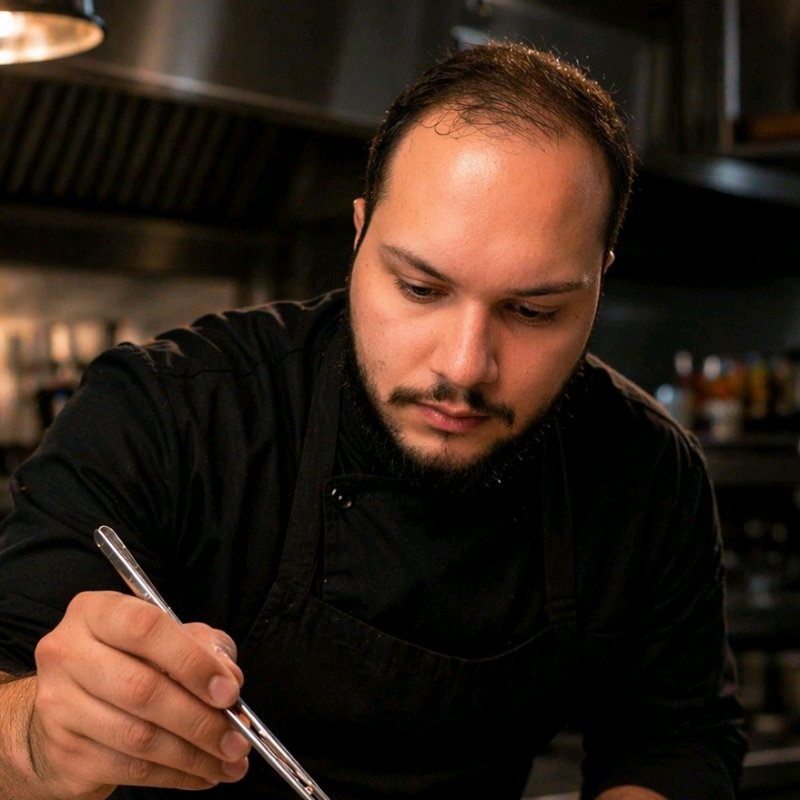
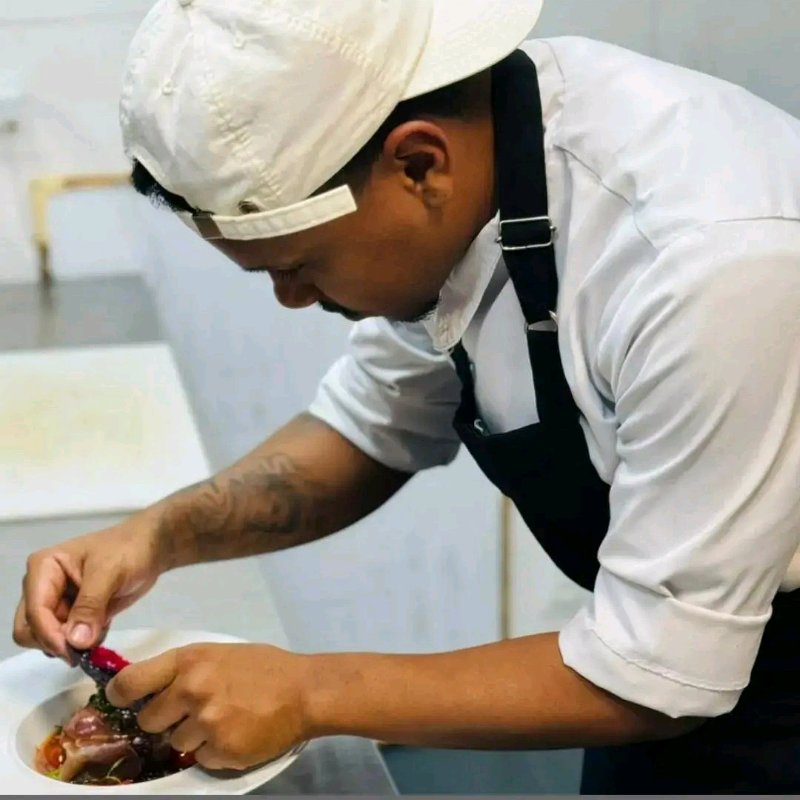
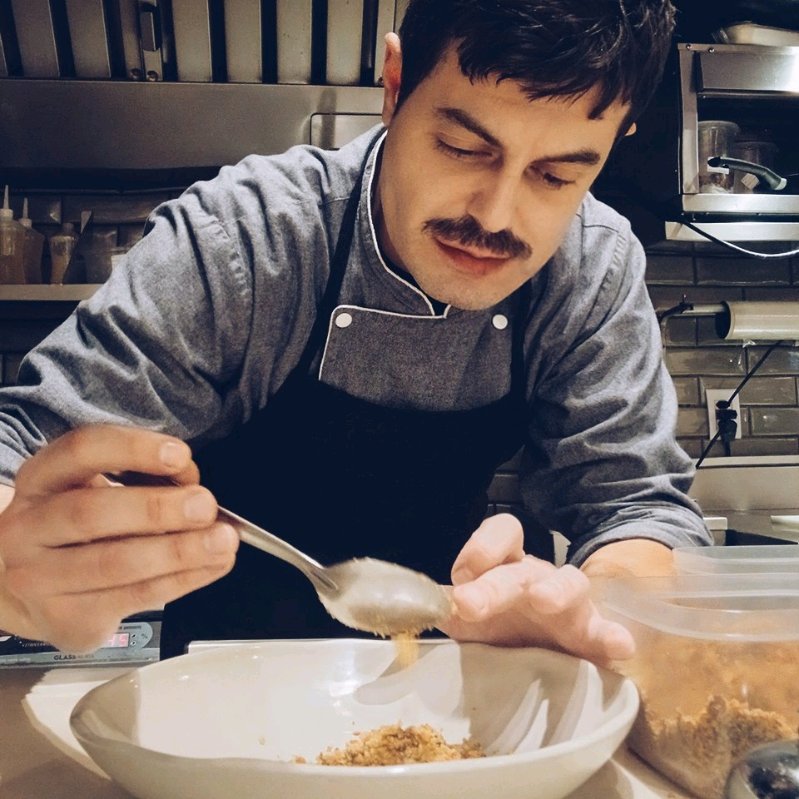
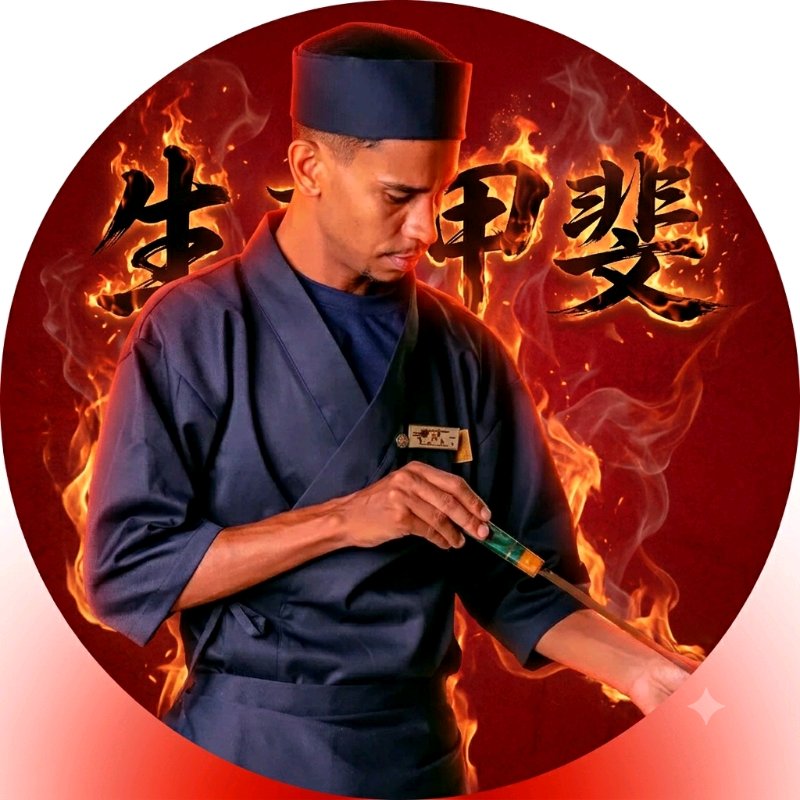
The visual dimension of Japanese cooking is also unmatched. When a sushiman works at your counter, the color of the fish, the geometry of each piece, and the quiet precision of the knife work create a performance that is as compelling to watch as it is to eat. This is food as art, served in your home.
The Omakase Experience at Home: What It Actually Means
Omakase — 'I trust you, chef' — is the ultimate expression of Japanese dining culture. In an omakase format, the chef chooses everything: the sequence of dishes, the fish species, the preparations, the portions, the pacing. There is no menu. There is no choosing. Guests simply arrive, sit, and receive the chef's vision of the meal — a sequence typically running 10 to 15 courses over 90 minutes to two hours.
At home, omakase takes on an intimacy that even the finest São Paulo sushi restaurants cannot match. The chef stands at your counter, often within arm's reach of the guests seated at a bar or dining table. Each piece is handed directly — sometimes by hand, as the most traditional sushimen prefer — with a brief explanation of the fish, where it came from, how it was prepared. The conversation is part of the experience.
A high-quality in-home omakase in Brazil begins with lighter preparations and builds progressively: a clear consommé, then delicate white fish sashimi, then nigiri from milder to more intensely flavored cuts, then a cooked dish like grilled kinmedai or seared wagyu, and finally a small sweet closure — a slice of fruit, a bite of dorayaki. The chef sequences the flavors with intention, and trusting that sequence is what makes omakase special.
Pro Tip
If you're hosting omakase for guests who are new to the format, tell the chef in advance. The best sushimen will pace the explanation of each dish to the guests' familiarity level — turning the experience into an education without making anyone feel self-conscious.
Signature Dishes a Japanese Personal Chef Brings to Your Home
Beyond omakase, a Japanese personal chef in Brazil can design menus around specific dishes that become the centrepiece of an evening. Sushi and sashimi are the obvious anchors — but within these categories lie worlds of variation. Temaki hand rolls made tableside, where guests hold the cone and eat immediately before the nori softens. A sashimi platter of five fish displayed on an ice bed, each sliced differently to match the protein structure of the species. Gunkan-maki topped with ouriço (sea urchin) or tobiko.
Ramen is an increasingly sought experience in in-home Japanese dining. A properly made tonkotsu broth — pork bones simmered for 12 to 18 hours until the liquid turns opaque and unctuous — is the foundation of one of Japan's most celebrated regional dishes. A chef who prepares this in your kitchen typically begins the broth the night before and finishes it on-site, serving it with chashu pork belly, a slow-cooked egg, bamboo shoots, nori, and house tare. It is a completely different experience from any delivery.
Tempura, made with a perfectly cold, barely mixed batter in a pot of oil at exactly the right temperature, is a remarkable live cooking experience. The chef works quickly — each piece of ebi, sweet potato, or negi goes in one at a time, is held in the oil with chopsticks, and is served immediately to the guest before moving to the next piece. This sequence, served as a course, shows Japanese technique in one of its most demanding and visually spectacular forms.
Fish Sourcing: The Foundation of Any Japanese Chef Experience
Japanese cuisine lives or dies on ingredient quality, and no ingredient is more critical than fish. A Japanese personal chef takes fish sourcing as seriously as any element of their craft. In São Paulo, trusted chefs know the fish importers in the CEAGESP who receive salmão norueguês and atum bluefin under strict cold chain protocols. In coastal cities like Santos, Florianópolis, or Recife, local catches — linguado, robalo, camarão rosa — can rival anything imported.
When a Japanese chef commits to an in-home experience, they typically visit the fish supplier early in the morning of the event — or the evening before, for certain preparations. This timing matters enormously: fish that was alive 24 hours before service is categorically different from fish that has been sitting in a display case for three days. Ask the chef when and where they source the fish for your event; a confident, specific answer is the mark of a professional.
Brazil's sashimi-grade fish availability has improved dramatically in the past decade, particularly in São Paulo and Rio de Janeiro. Beyond salmão and atum, skilled chefs now source pargo, robalo, linguado, and occasionally imported kinmedai or hamachi. For a coastal event in Florianópolis or Salvador, a Japanese chef might incorporate locally caught espada or garoupa in the omakase.
Pro Tip
Ask the chef to confirm fish sourcing 48 hours before the event. If a particular species they planned to use is not at the right quality, a good Japanese chef will adapt the menu rather than compromise on freshness — this flexibility is a sign of professionalism, not uncertainty.
Sake, Japanese Whisky, and Pairing with Your Dinner
Japanese cuisine has its own equally sophisticated drinking culture, and a Japanese personal chef can guide pairing choices that elevate the experience considerably. Sake — fermented rice wine — is the classical companion to Japanese food, and its range is astonishing: from clean, light junmai served cold alongside delicate sashimi, to aged koshu with earthy umami notes that match richer preparations. In Brazil, sake is more accessible than most hosts realize — imported options from Niigata and Kyoto are stocked in Japanese neighborhood shops in São Paulo's Liberdade.
Japanese whisky has become one of the world's most celebrated spirits, and it pairs magnificently with grilled or smoked preparations in a Japanese menu — yakitori, seared scallops, or a wagyu tataki. A small pour of Nikka from the Barrel or Suntory Toki alongside a charred skewer is one of the great pleasure combinations in Japanese gastronomy.
If sake and Japanese whisky are unfamiliar territory, a clean, dry Brazilian sparkling wine — or even a Belgian-style beer for a ramen dinner — works perfectly. The chef can recommend pairing options based on your beverage preferences when you brief them on the event.
What Your Kitchen Needs (and What It Doesn't)
One of the common misconceptions about hiring a Japanese personal chef is that you need a professional kitchen. You don't. A sushiman needs a clean, large cutting surface — a generous countertop or a portable butcher block the chef can bring — sharp space (theirs, not yours), cold water access, and room to lay out their fish. For ramen or cooked preparations, two or three burners and a large pot are sufficient.
The chef arrives with their own knives — often Japanese yanagiba and deba knives that represent years of investment — their own rice cooker for sushi rice, their own bamboo mats, nori, soy sauce, and specialty condiments. You do not need to provide any Japanese pantry items unless specifically requested.
Space for guests to observe is the one thing that matters most for the experience. For an omakase or sushi experience, position a few chairs near the kitchen counter so guests can watch the chef work. This proximity is what transforms a meal into an event — the sound of the knife, the smell of the vinegared rice, the color of the fish are all part of what you are paying for.
✓Confirm you have a large, clear cutting surface
The chef needs clean, flat space to work with fish. A kitchen island, a large dining table, or a portable butcher block the chef brings are all acceptable.
✓Alert the chef to any fish allergies or shellfish restrictions
Cross-contamination in a Japanese menu is a real concern. A guest with severe shellfish allergy in an omakase context requires a fundamental redesign of the sequence — communicate this at booking, not on the night.
✓Confirm the soy sauce preference — standard or low-sodium
For guests managing sodium intake, a tamari or reduced-sodium soy sauce can be substituted without compromising the experience.
✓Ask the chef about chopstick etiquette for guests
If hosting guests unfamiliar with Japanese dining customs, ask the chef to briefly explain the correct way to eat sashimi, nigiri (by hand is correct for nigiri), and ramen. This small touch prevents awkwardness and adds cultural depth.