Why Keto Is Particularly Hard to Maintain Without Help
The metabolic benefits of ketosis — fat adaptation, mental clarity, appetite suppression — only materialize when carbohydrate intake stays consistently below threshold. A single high-carb meal can kick you out of ketosis for 24-48 hours. This makes keto uniquely sensitive to preparation errors: a sauce thickened with flour, a marinade with honey, a 'healthy' dressing with sugar all have the potential to disrupt the protocol without the eater knowing.
In Brazil, this challenge is amplified. Brazilian cuisine is carbohydrate-centric: rice, beans, farofa, pão de queijo, tapioca and fruit are cultural staples at nearly every meal. Eating keto in Brazil means navigating a food culture that is built around the very macros the diet restricts, which makes every restaurant meal and every social occasion a potential compliance challenge.
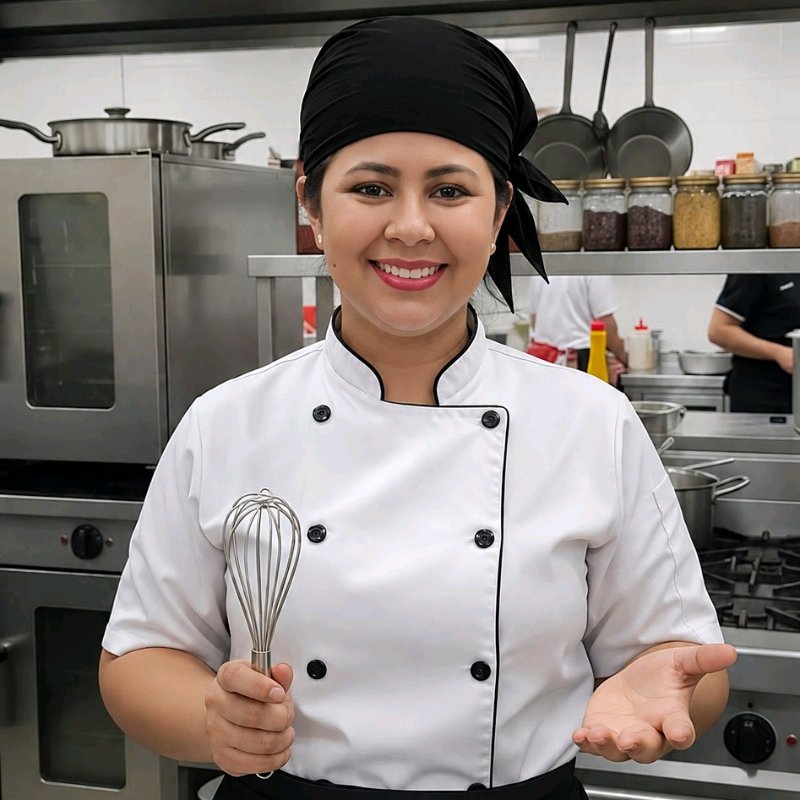
A personal chef who specializes in keto understands ingredient labels, knows which condiments are carb-free, avoids thickeners and starches as a matter of course, and designs a week's worth of meals that keep you in ketosis without requiring you to audit every ingredient yourself.
What to Look for in a Keto-Experienced Chef
Not every chef who says they can cook keto has deep knowledge of the protocol. Ask specific questions when evaluating chefs: How do you thicken sauces without starch? What are your go-to keto bread and snack alternatives? How do you calculate net carbs per meal? A chef who answers these questions fluently is genuinely experienced with ketogenic cooking; one who gives vague answers about 'low-carb eating' probably is not.
Look for a chef who demonstrates familiarity with keto-friendly substitutions using Brazilian ingredients: couve-flor rice instead of white rice, abobrinha noodles instead of pasta, cream cheese and creme de leite in sauces instead of starch-based roux, queijo parmesão crisps as a crackers replacement, and abacate used generously as a fat source rather than a topping.
Experience with keto baking is a bonus but not essential for meal prep. If you want keto bread, fat bombs or chocolate desserts, confirm the chef has made these before and can provide photos or a tasting. The gap between 'I can adapt that recipe' and 'I make this regularly' is large in keto baking.
Pro Tip
Ask the chef to send you a sample week of keto menus before you book. Review net carb counts per meal and confirm they align with your personal threshold (typically under 20g net carbs for strict keto, up to 50g for more flexible low-carb).
Briefing Your Chef on Your Keto Protocol
Keto is not a monolith. Your chef needs to know exactly which version of keto you follow: standard keto (SKD) with consistent macros, cyclical keto (CKD) with periodic high-carb refeeds, targeted keto (TKD) with carbs timed around workouts, or a more relaxed 'dirty keto' approach where carb limits are maintained but food quality is less prioritized. Each of these requires different meal design.
Specify your carbohydrate ceiling clearly — not a range, but a maximum. Specify your fat target (usually 65-75% of total calories) and your protein target (20-30% of calories, moderate enough to avoid excess gluconeogenesis). If you are working with a doctor or dietitian on the keto protocol, share their written guidelines with the chef.
Also share any foods you find genuinely enjoyable on keto — these are anchors the chef can build around. If you love cream-based sauces, smoked salmon, bacon, avocado and dark chocolate (85%+), a skilled chef can build surprising variety around these preferences within strict macro limits.
A Week of Keto Meals: What a Chef Can Create
A sample keto week designed around Brazilian ingredients might look like this: Monday starts with ovos mexidos com queijo brie e espinafre for breakfast, salmão grelhado com molho de alcaparras e abobrinha for lunch, and frango assado com couve no alho-e-óleo for dinner. Tuesday brings omelete de queijo e cogumelos, lombo de porco com ervas e batata baroa (in keto-appropriate portions) and a carne de sol with roasted cauliflower.
Mid-week variety comes through proteins less common in standard keto abroad but entirely appropriate in Brazil: peixe-espada grelhado com limão-siciliano e azeite, costela bovina assada lentamente com legumes da estação, or camarão ao alho e limão com arroz de couve-flor. Each of these is naturally low-carb, high-fat and high-flavor.
Snacks are prepared in advance: abacate com sal e limão (packaged in small portions to avoid overconsumption), queijo coalho grelhado, ovos cozidos, nuts in exact 30g portions, and sometimes keto fat bombs made with manteiga de amendoim (no sugar) and dark chocolate. The variety prevents the 'what can I eat' anxiety that derails many keto attempts.
Hidden Carbs: Where They Hide and How a Chef Prevents Them
The most dangerous carbs in keto are the ones you do not know you are eating. Common hiding places include: tomato sauce (often contains added sugar), commercial marinades and rubs (frequently include honey or brown sugar), dressings (many contain corn syrup), stock cubes (often contain maltodextrin or starch), flavored yogurts, processed meats (sausages often contain flour as a binder), and restaurant sauces of any kind.
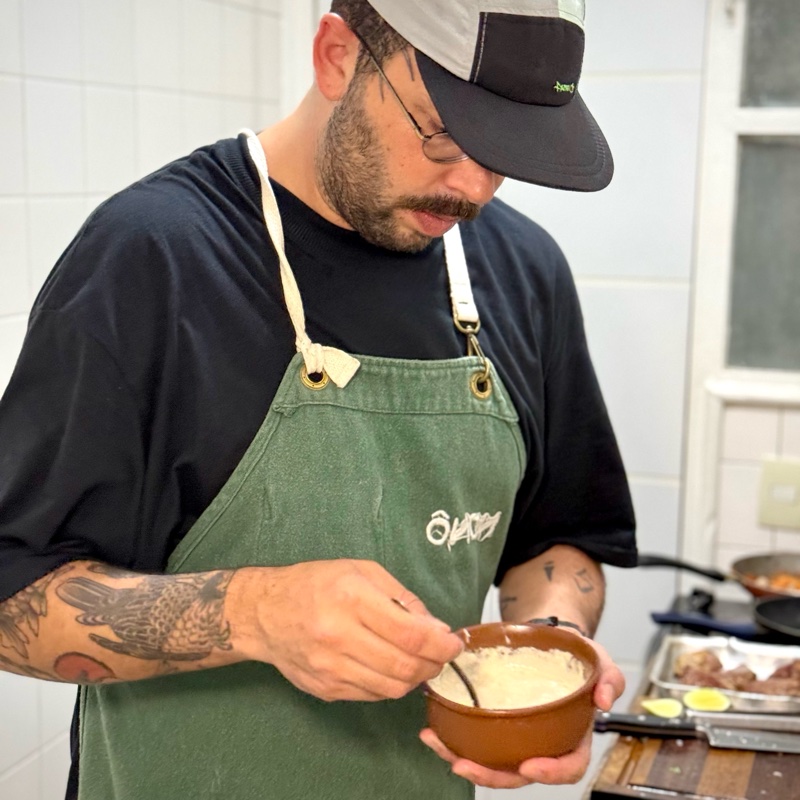
A chef who cooks keto from scratch eliminates most of these risks by default. They make their own stock, their own dressings with olive oil and vinegar, their own sauces from whole tomatoes without additives. They read ingredient labels on every commercial product used and substitute freely when a product contains hidden carbs.
Communicate that you want full transparency on ingredients if something concerns you. A confident keto chef will gladly share the net carb breakdown of any dish they prepare.
✓Confirm the chef avoids starch-based thickeners
Cornstarch, flour and arrowroot in sauces are among the most common sources of hidden carbs in chef-prepared food.
✓Ask about commercial sauces and condiments
Ketchup, teriyaki sauce, many mustards and BBQ sauces contain significant added sugar. Confirm the chef reads labels or makes from scratch.
✓Request net carb breakdowns per meal
Especially important in the first few weeks while you calibrate the protocol with this chef's cooking.
✓Clarify your position on dairy
Some keto approaches limit dairy; others embrace it fully. The chef needs to know your stance to avoid unexpected lactose or protein intake.
✓Specify alcohol and flavoring products
Vanilla extract, some vinegars and certain spice mixes contain trace sugars. Let the chef know your threshold.
Costs, Logistics and What to Expect
Keto meal prep typically costs slightly more than standard meal prep because high-fat protein sources (salmão, queijos especiais, carnes de qualidade) and keto-friendly specialty products (farinha de amêndoa, xilitol, chocolate 85%+) are pricier than carbohydrate staples. Expect to invest R$400-R$900 per weekly session in major Brazilian cities, covering 10-15 meals including ingredients.
Per-meal cost of R$30-R$60 compares favorably to keto delivery apps and restaurants, which often charge a premium for keto-labeled options. The customization and macro precision also far exceed what any delivery service can offer.
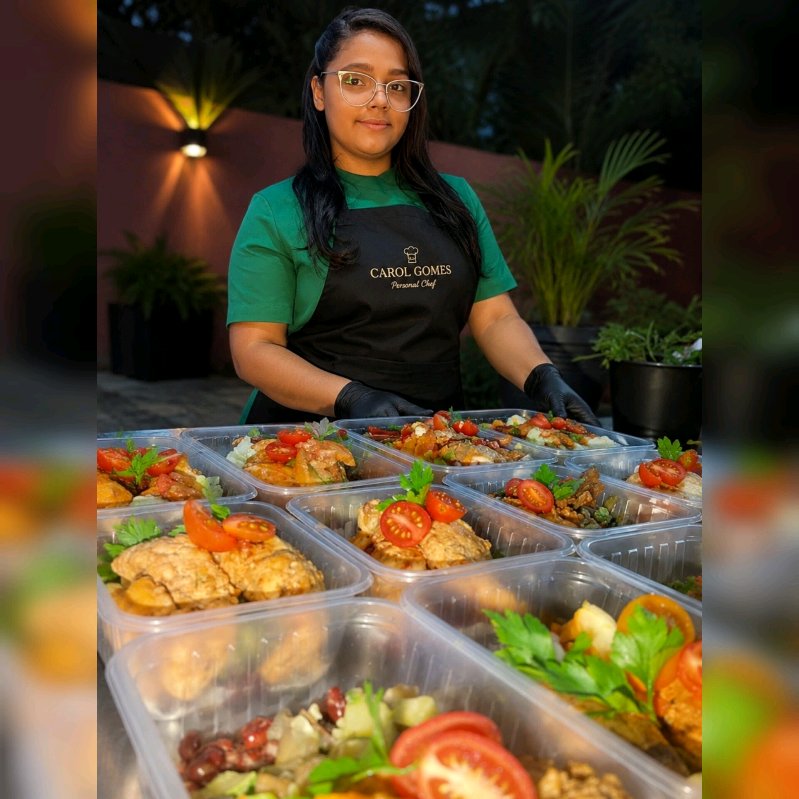
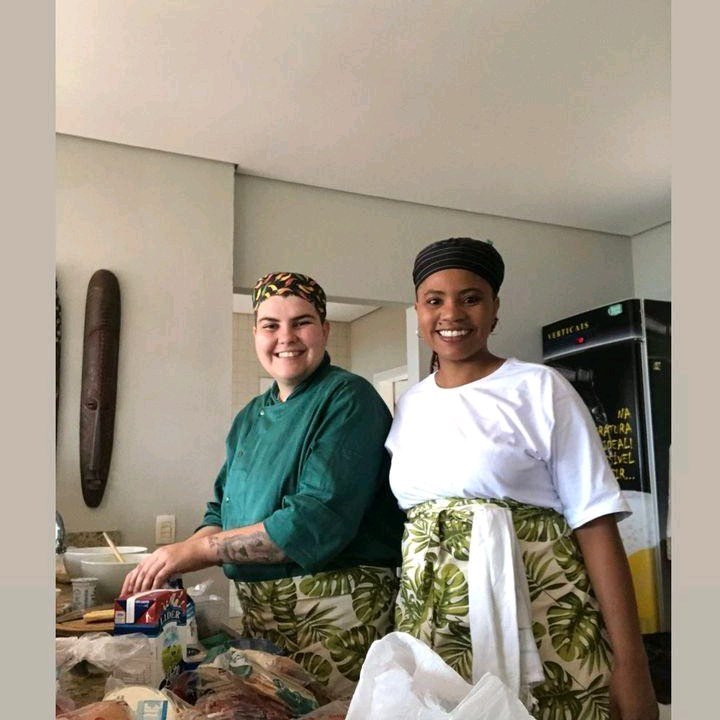
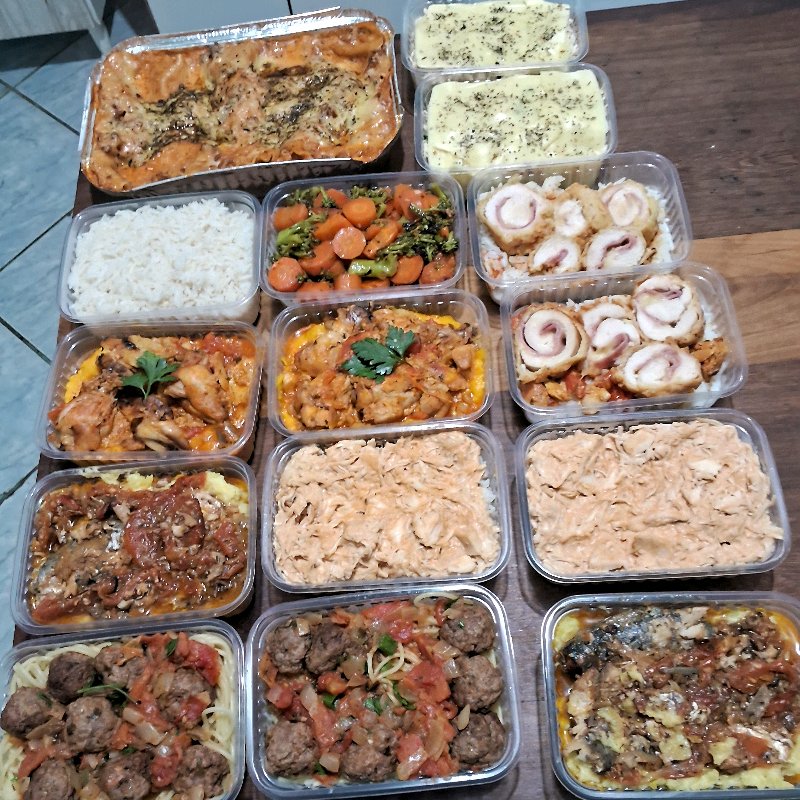
Logistics mirror standard meal prep: the chef arrives once per week, cooks for 3-4 hours, and leaves your refrigerator stocked. Containers should be glass, labeled with the dish name and net carb count. First-time clients should plan a 30-minute briefing call or message exchange before the first session to align on protocol, preferences and logistics.