What a Lebanese & Middle Eastern Personal Chef Brings
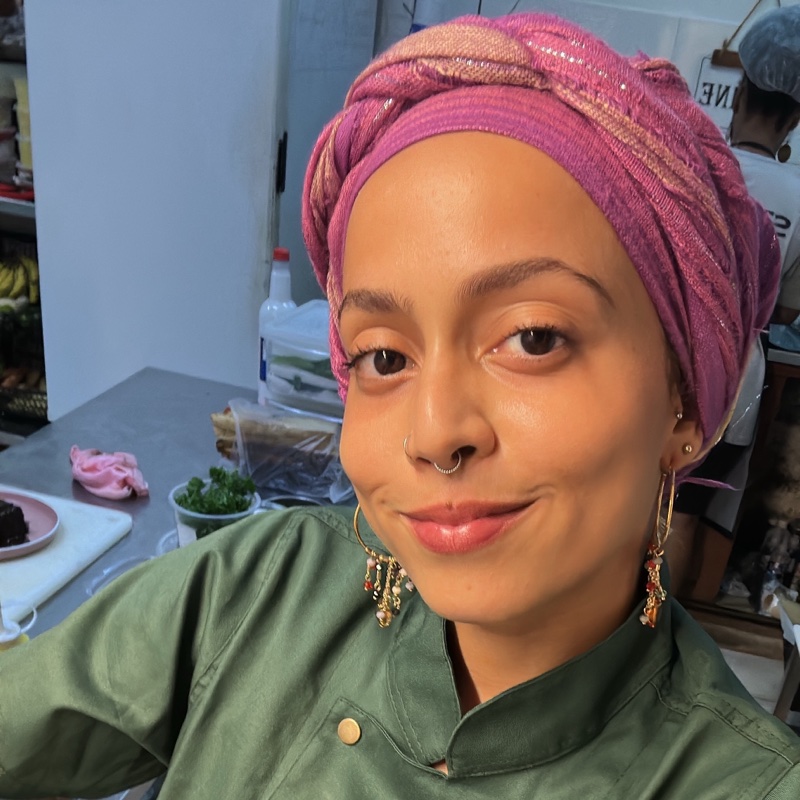
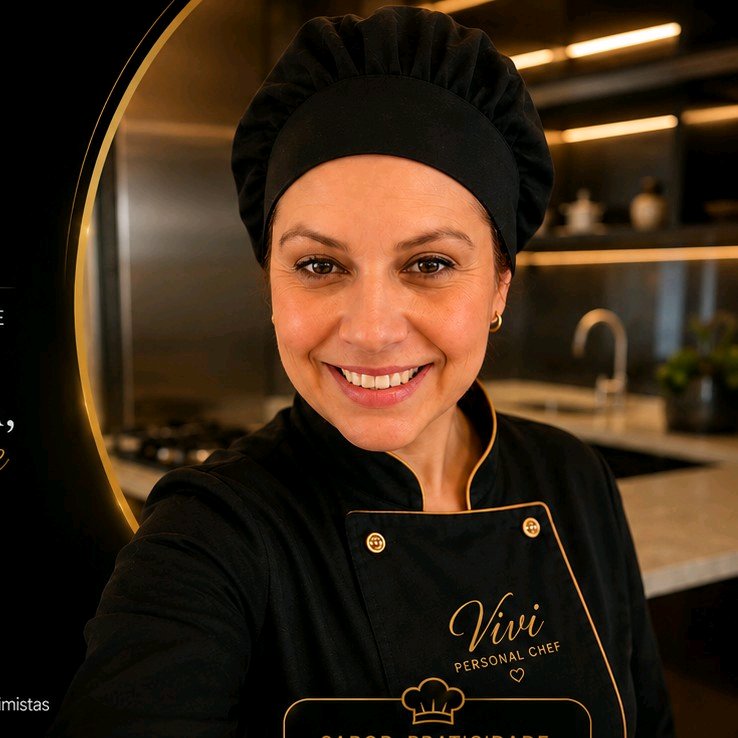
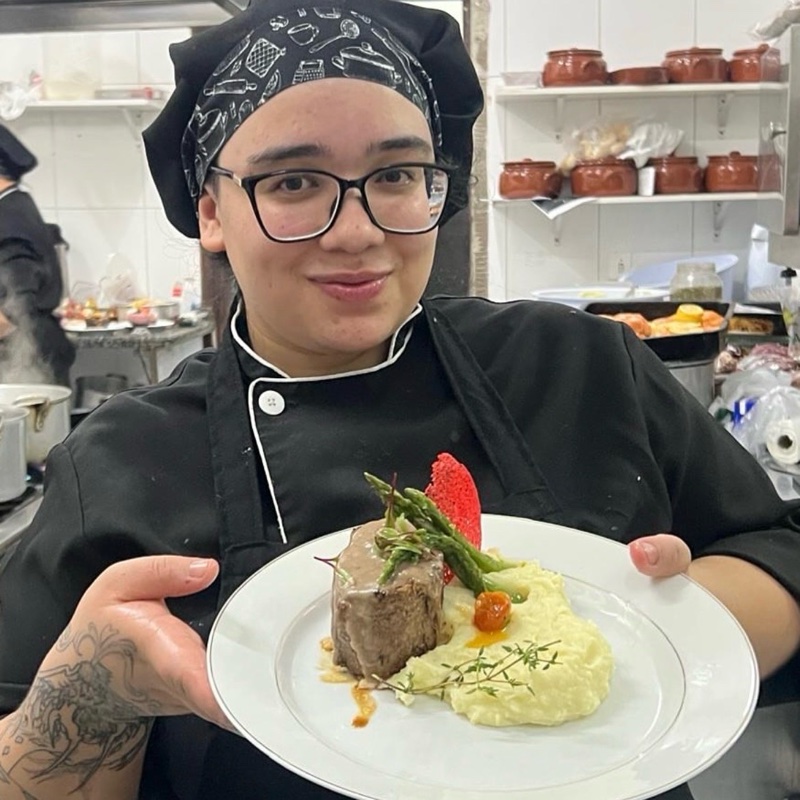
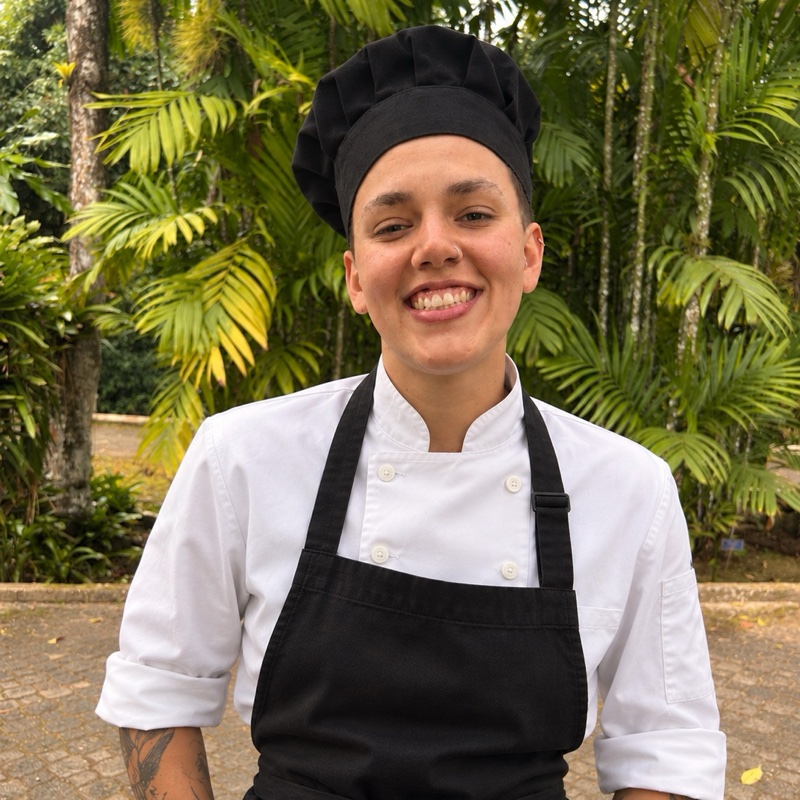
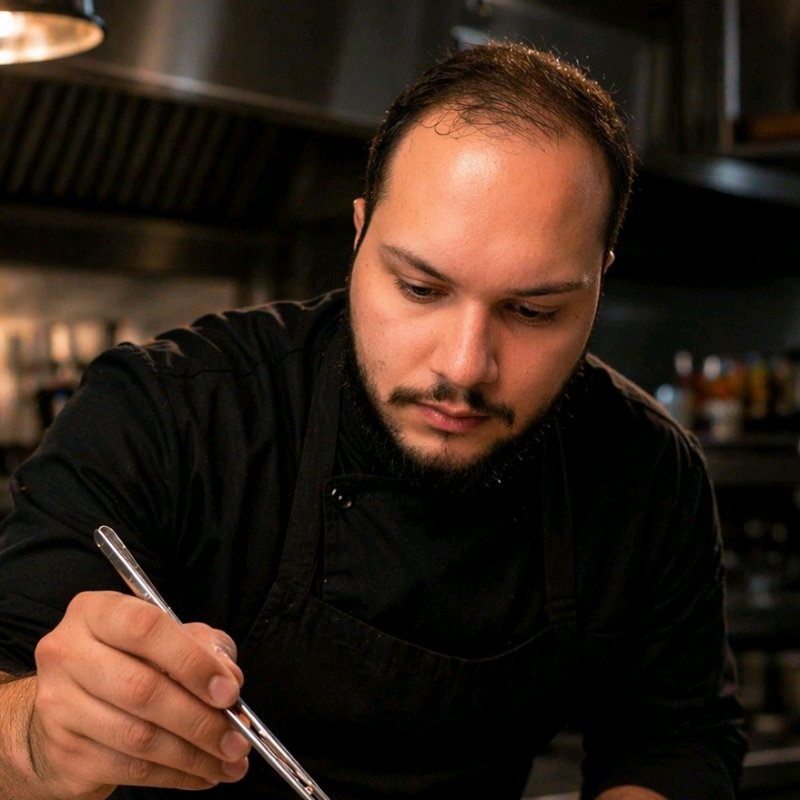
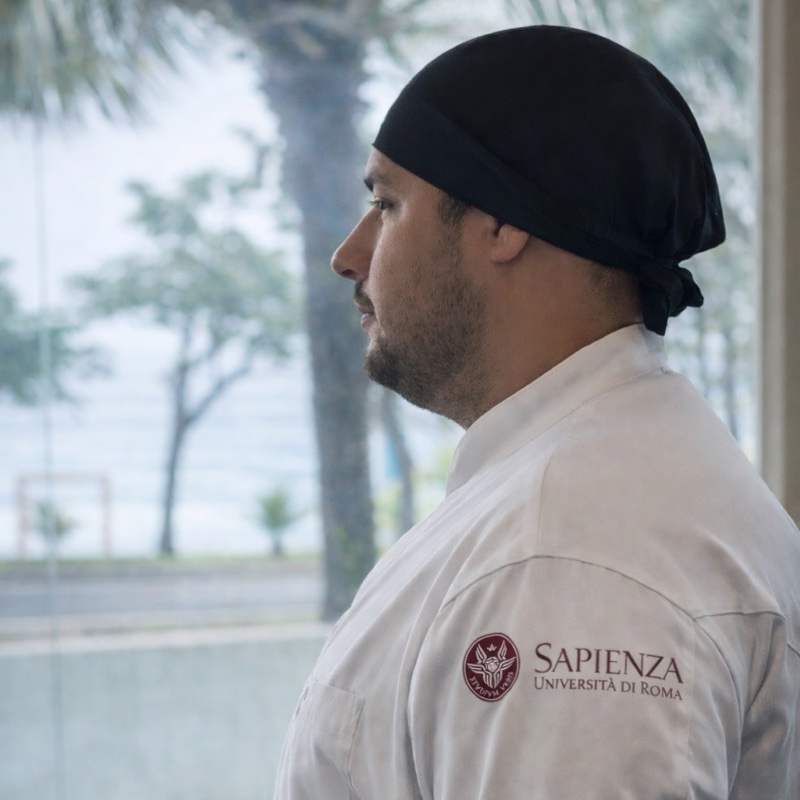
A Lebanese personal chef in Brazil is typically a culinary professional who grew up eating this cuisine — often in a family where Arabic-influenced dishes appeared every Sunday alongside the churrasco. Their repertoire spans the full breadth of the Levant: Lebanese, Syrian, Palestinian, and sometimes Persian and Egyptian influences, all adapted with a distinctly Brazilian pantry sensibility.
The defining philosophy of this cuisine is abundance. A Lebanese chef does not serve a starter followed by a main — they build a table: 8 to 15 small dishes arriving simultaneously, covering every flavour note from creamy hummus and bright tabbouleh to crispy falafel, smoky baba ganoush, stuffed grape leaves, and warm pita fresh from a hot pan. The table stays full throughout the meal.
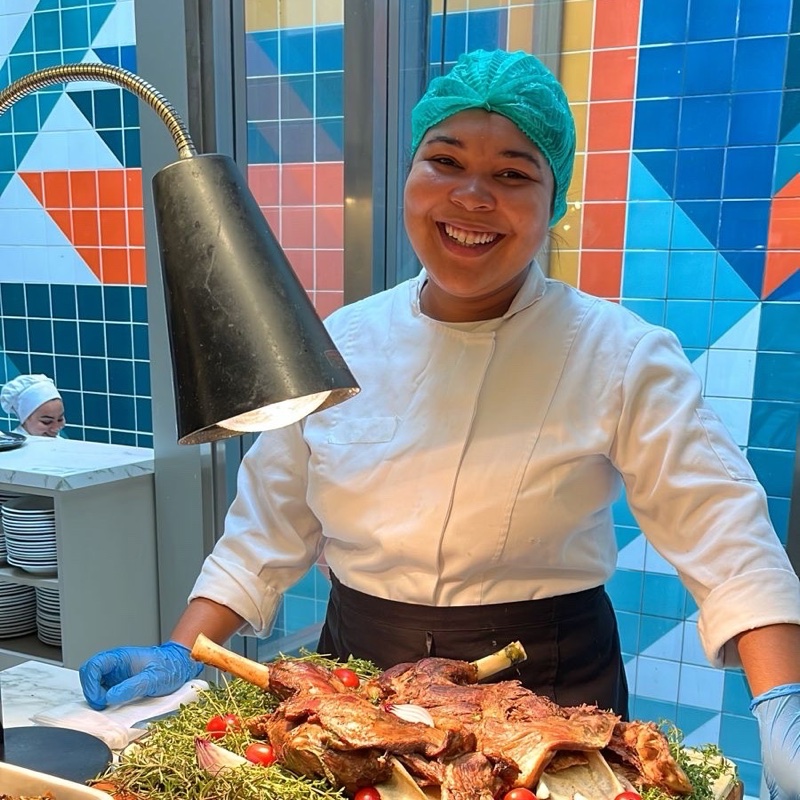
Beyond mezze, the chef brings mastery of long-cooked proteins: slow-roasted lamb shoulder marinated in baharat, kafta skewers grilled over charcoal, or a fragrant chicken musakhan with caramelised onions and sumac on flatbread. Desserts — knafeh, mamoul, basbousa — are as important as the savoury dishes and require their own specialist skill.
Pro Tip
Ask whether the chef makes pita from scratch on the day. Freshly baked pita served warm from the pan elevates the entire mezze experience and is a reliable indicator of a chef's commitment to authenticity.
The Signature Dishes You Can Expect
A full Lebanese mezze spread from a personal chef might include: homemade hummus b'tahini drizzled with olive oil and paprika, mutabal (smoky grilled-aubergine dip), fattoush salad with pomegranate molasses dressing, tabbouleh bursting with flat-leaf parsley and cracked wheat, warak dawali (stuffed vine leaves), sambousek (crispy fried pastries with cheese or meat), and labneh drizzled with za'atar and extra-virgin olive oil.
For mains, expect dishes like kafta bil-saniyeh (baked minced meat with tomatoes and onions), djej bil-roz (Lebanese roast chicken with spiced rice and toasted pine nuts and almonds), or shish tawook (marinated chicken skewers) with toum — the addictive Lebanese garlic cream that loyal fans often request in extra quantities.
Dessert highlights include knafeh bi jibneh (warm cheese pastry soaked in rose-water syrup and topped with crushed pistachios), basbousa (semolina cake), and assorted mamoul cookies filled with dates or walnuts, served alongside strong Arabic coffee scented with cardamom.
Vegetarian and vegan guests are exceptionally well served: at least half of the classic Lebanese mezze canon is plant-based, making this one of the most naturally inclusive cuisines for mixed dietary groups.
The In-Home Experience with a Lebanese Chef
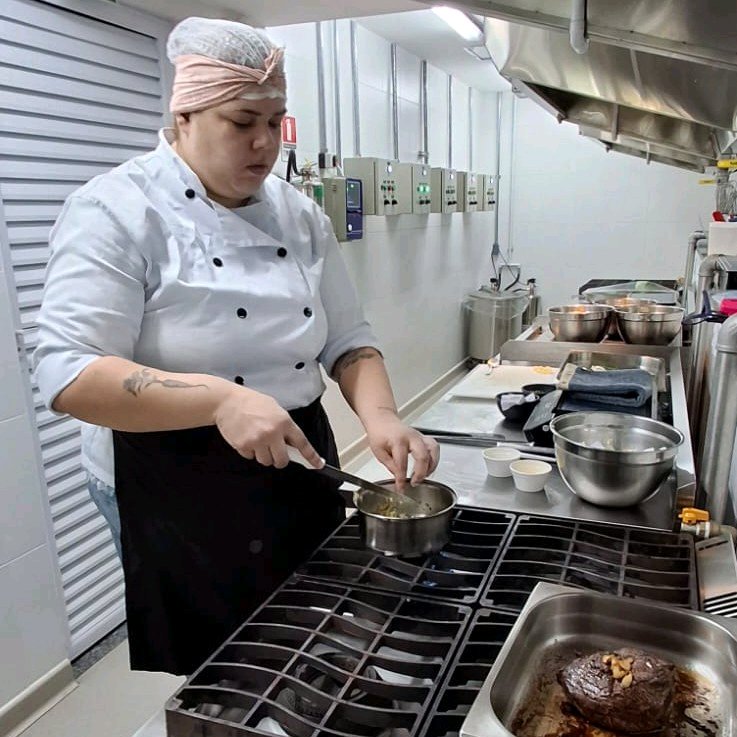
A Lebanese personal chef typically arrives 2–3 hours before the meal for a full mezze dinner, as many dishes require layered preparation: the kibbeh mixture must be seasoned and shaped, doughs need resting time, aubergines must be char-grilled whole before becoming mutabal. The kitchen fills with the aroma of warm spices — allspice, cinnamon, cumin, coriander, and sumac — well before the first guest sits down.
Service is deliberately communal: dishes are brought to the table gradually, with the chef sometimes explaining the origin and technique behind each one. This storytelling approach turns dinner into a cultural journey — particularly appreciated for dinner parties, corporate entertaining, and family celebrations.
By the end of the meal, the kitchen is cleaned and the chef departs, leaving only the lingering memory of spice and the satisfied silence of overfed guests.
✓Specify the occasion and guest count accurately
Lebanese abundance means the chef needs to calibrate quantity carefully — a mezze for 6 and a mezze for 20 are structurally different events.
✓Confirm dietary restrictions beyond the obvious
Sesame (tahini) and tree nuts (pine nuts, walnuts, pistachios) appear throughout Lebanese cuisine. Flag any allergies explicitly.
✓Request a mix of hot and cold dishes
A great mezze balances cold dips and salads with warm fried or baked items. Ask the chef to plan this balance from the start.
✓Discuss serving style
Do you want buffet-style (all dishes out simultaneously) or a guided course structure? Both work well; the choice depends on your table setup and guest count.
Pricing for a Lebanese Personal Chef in Brazil
A full Lebanese mezze dinner for 4–8 guests prepared by a personal chef in Brazil typically costs R$ 280–R$ 520 per person, inclusive of labour and ingredients. The spread — often 10 or more dishes — represents exceptional value compared to a Lebanese restaurant table at similar quality, where a comparable spread can reach R$ 300–R$ 450 per person before drinks.
For smaller, more intimate occasions (2–4 guests), a simplified 6–8 dish mezze with a main protein runs R$ 700–R$ 1,400 total. A cooking class in Lebanese cuisine — where guests participate in making hummus, kafta, and knafeh — is priced at R$ 400–R$ 700 per session for groups of 2–4.
Chefs who also provide dessert preparation (knafeh, mamoul) may charge a supplementary R$ 80–R$ 150 for the extra time and specialist ingredients. Confirm whether this is included in the initial quote.
Pro Tip
Lebanese cuisine scales beautifully — a mezze chef can cook for 6 or 60 with the same level of quality. If your guest count is above 12, discuss logistics (extra preparation time, additional equipment) at the booking stage.
Choosing the Right Lebanese Chef
In São Paulo, Lebanese and Arab chefs are relatively abundant — the Lebanese community in Bairro do Brás, Bom Retiro, and the broader Paulistano restaurant scene has trained a generation of specialists. In other cities, the pool is smaller, so advance booking and thorough vetting become more important.
Look for chefs who specify their regional specialisation: a chef trained in Lebanese home cooking (cozinha libanesa caseira) will produce different results from one who worked in a Lebanese restaurant or who studied at a culinary academy with a Middle Eastern focus. Both can be excellent — the context just tells you what to expect.
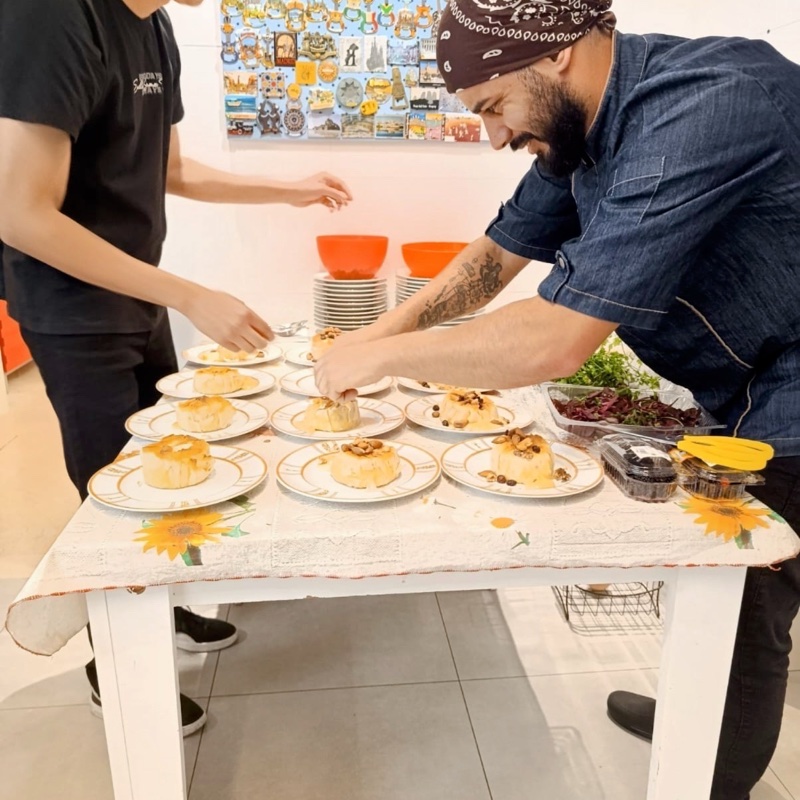
Request photos of their mezze spreads. The variety and visual abundance of the table — the colours of tabbouleh against hummus against baba ganoush — tell you immediately whether you are looking at an authentic spread or a simplified interpretation.
✓Verify Arabic or Lebanese heritage or training
Lived experience with this cuisine — whether from family or professional training — produces noticeably more authentic results than chefs who learned it academically.
✓Ask about spice sourcing
Authentic Lebanese cooking relies on freshly ground baharat, sumac, and za'atar. Chefs who source whole spices and grind them in-house produce far more aromatic food.
✓Check dessert capability
Not every Lebanese chef makes knafeh from scratch — it requires specialist pastry skills and specific ingredients (nabulsi cheese or a local substitute). Confirm before the booking.
✓Confirm they can source halal ingredients
For guests observing halal dietary requirements, the chef needs access to halal butchers — common in São Paulo and Curitiba but worth confirming in other cities.
✓Request references from group bookings
Lebanese cuisine is inherently social and best demonstrated at scale. References from dinner parties of 8+ people are more revealing than solo tasting feedback.
Setting the Scene for a Lebanese Dinner at Home
Lebanese dining is about generosity of spirit as much as food. Set the table with generosity: use the largest platters you own, arrange small bowls and dipping dishes centrally, and have plenty of extra bread ready. Arabic-influenced music (or contemporary Lebanese artists like Mashrou' Leila) sets a natural ambience.
Arak — the anise-flavoured Lebanese spirit — is the traditional aperitif, diluted with water and served over ice. A Brazilian adaptation often pairs the mezze with sparkling water and dry white wine or a fresh lime caipirinha. Discuss beverages with the chef; some include recommendations or can source Lebanese wine (Château Musar is exported to Brazil) at your request.
For a seated dinner, allow approximately one square metre of table space per person to accommodate the spread. A coffee table arrangement with floor cushions (estilo lounge) creates an immersive atmosphere for smaller groups and is increasingly popular for bachelorette parties and intimate celebrations.
Occasions Where Lebanese Cuisine Shines
Lebanese mezze is ideally suited to occasions where shared abundance is the point: family celebrations, birthday dinners, corporate entertaining, and anniversary meals. The social, grazing nature of the meal encourages conversation, lingering, and connection in a way that plated dinners often do not.
Cooking classes in Lebanese cuisine are among the most popular offered by personal chefs in Brazil — especially knafeh-making workshops, hummus and falafel sessions, and 'Arabic pastry evening' classes for groups of friends. They combine hands-on learning with a satisfying meal at the end.
For corporate events, a Lebanese mezze dinner projects cultural sophistication and gastronomy — a strong choice for impressing international clients or celebrating team milestones in a relaxed, memorable setting.
Pro Tip
If your occasion is a corporate dinner or client event, ask the chef to prepare menu cards explaining the origin and tradition of each dish. It turns a meal into a guided cultural experience your guests will remember.