What Macro-Based Meal Prep Actually Means
Tracking macros means setting daily targets for protein, carbohydrates and fat in grams, then eating to hit those numbers within a reasonable margin. For a recreational gym-goer, a target might look like 180g protein, 220g carbohydrate and 70g fat per day — each chosen based on body weight, training volume and goals like muscle gain, fat loss or body recomposition.
Cooking to these targets at home requires weighing raw ingredients before cooking (because cooked weights differ from raw), understanding the macronutrient composition of every ingredient, and building each meal so that the sum of daily meals hits the daily totals. This is manageable for some people but tedious for most — especially when protein variety, palatability and schedule are also in play.
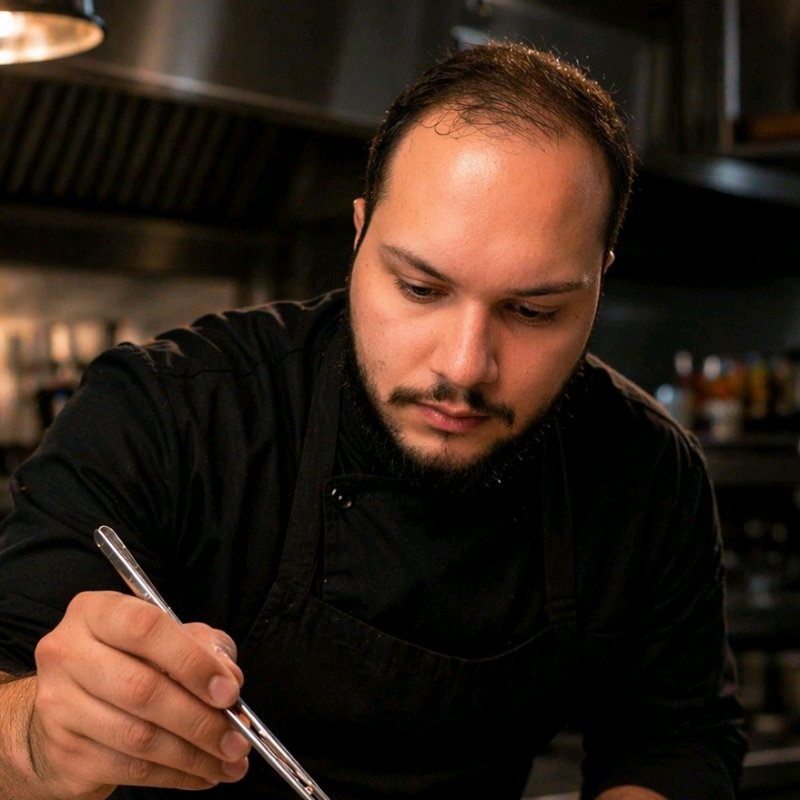
A personal chef who works with macro clients does all of this calculation in advance, designs meals that hit their targets with variety and flavor, and prepares everything with a scale. For the client, the week becomes: open container, heat if needed, eat. Tracking still happens in an app, but the numbers on each container are already there.
The Briefing: What Your Chef Needs to Know
An effective macro meal prep briefing covers six things: your daily macro targets in grams (not just calories), how many meals per day you need (typically 3 main meals and 1-2 snacks), your protein preferences and any foods you dislike or cannot eat, your training schedule and how you want meals distributed around it (higher carbs on training days, lower on rest days), your refrigerator and freezer capacity, and your budget for the weekly session.
If you are working with a nutritionist or sports dietitian, share their guidelines with the chef in writing. A PDF or a WhatsApp message with your targets is ideal. This alignment prevents the chef from designing meals that conflict with clinical recommendations.
Be specific about protein sources. Many macro clients default to chicken and tuna, but variety is important for both micronutrient balance and sustainability. A good chef will propose a weekly rotation across chicken, lean beef, fish (tilápia, salmão, atum), legumes (lentilha, grão-de-bico), eggs, cottage cheese and occasionally shrimp — calibrating the protein content of each meal to hit the daily target across different foods.
Pro Tip
Bring your current macro tracking app to the briefing conversation. Showing the chef a week of your actual logs — including the meals that went off-target — helps them understand where the plan needs the most support.
How a Chef Designs Macro-Accurate Meals
The chef's starting point is the protein source, because protein has the highest variability between ingredients and the most critical target to hit. They calculate the raw weight of protein needed per meal (typically 40-60g of cooked protein per meal for active adults), then build carbohydrate and fat components around it to reach the meal-level macro targets.
Carbohydrate sources are chosen for their glycemic profile and palatability: batata-doce, quinoa, arroz integral, aveia, mandioca, massas integrais. On training days, higher-GI sources like banana and arroz branco may appear in pre- or post-workout meals for rapid energy and glycogen replenishment. On rest days, the carbohydrate sources shift toward lower-glycemic, higher-fiber options.
Fat sources are carefully controlled because fat is calorically dense (9 kcal/g versus 4 for protein and carbs) and small measurement errors compound quickly across the week. A chef working with macro targets uses olive oil measured by the gram rather than poured freely, includes avocado in portions calculated for its fat content, and avoids high-fat cooking methods (deep frying, heavy cream sauces) unless the macro budget explicitly allows them.
Labeling, Tracking and Adjusting
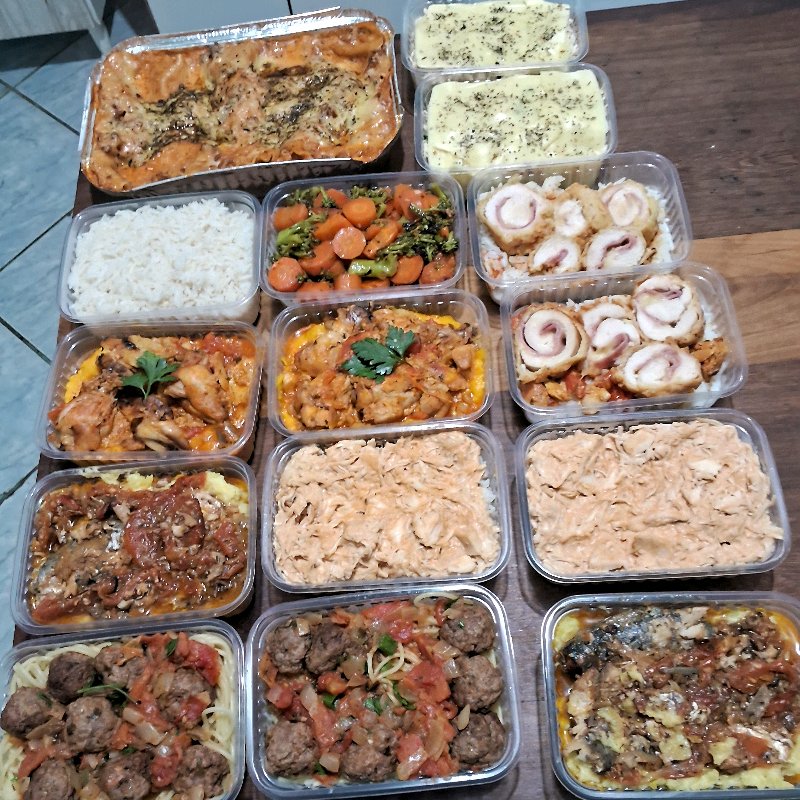
Every container from a macro-focused meal prep should carry a label with the meal name, macro breakdown (protein / carbohydrate / fat in grams) and total calories. This lets clients log accurately in apps like MyFitnessPal or Notion, and compare their actual intake against targets at the end of each day without estimation.
The first two weeks of chef meal prep are calibration. Clients often discover that their stated targets were theoretical, not what their body actually responds to — they may feel underfed at 2,400 kcal or find that a certain protein source creates digestive issues. Sharing this feedback with the chef after week one allows real-time menu adjustment that makes week two more effective than week one.
Most macro-focused chefs offer a fortnightly or monthly check-in to review how the plan is working and adjust targets if goals have shifted — for example, transitioning from a cutting phase to a maintenance phase after reaching a body composition goal.
✓Confirm containers include macro labels
Every meal should be labeled with protein, carbohydrate, fat and total calories in grams.
✓Log meals in your tracking app for at least the first two weeks
This builds the accuracy habit and reveals whether chef targets align with your app's database values.
✓Weigh yourself at the same time weekly
Use weekly average weight (not daily) to assess whether the macro plan is producing the expected results.
✓Review week 1 feedback with your chef before week 2
Meals that tasted good and meals that were skipped or substituted are both useful data for adjusting the plan.
✓Flag any digestive issues immediately
High-protein diets occasionally cause bloating or discomfort. The chef can adjust protein sources or fiber levels quickly if you communicate early.
Carb Cycling and Training Day Variations
Advanced macro protocols like carb cycling — where carbohydrate intake is higher on training days and lower on rest days — require more complex meal prep logistics but are very manageable with a chef. The standard approach is to prepare two distinct sets of meals: high-carb versions for training days and lower-carb versions for rest days, typically stored in separately labeled containers.
A training-day lunch might be frango grelhado (120g cooked) with quinoa (80g cooked) and roasted vegetables in olive oil — around 500 kcal, 45g protein, 40g carbs, 14g fat. The same meal adapted for a rest day swaps the quinoa for extra roasted abobrinha and a larger portion of grilled courgette — around 380 kcal, 44g protein, 15g carbs, 13g fat.
This level of precision is laborious to execute daily but straightforward within a weekly batch prep session. The chef plans the two variants, shops for the appropriate quantities of each carbohydrate source, and labels each container clearly. The client simply grabs the right container based on whether they trained that day.
Cost and Practical Logistics
Macro-focused meal prep sessions in Brazil run slightly higher than standard meal prep because of the precision involved — more time is spent calculating, measuring and labeling. Expect to pay R$350-R$800 per weekly session for 12-20 meals, including ingredients. Per meal, this is R$25-R$50, which is comparable to or cheaper than quality fitness delivery apps and substantially more customized.
The chef typically needs 3-5 hours in your kitchen per session. For clients with limited kitchen space, this is important: clear your refrigerator before the chef arrives, have containers clean and ready, and ensure there is counter space for the prep and labeling station.
For busy professionals, Monday morning delivery (the chef cooks Sunday, drops off Monday before 8am) is an increasingly popular format. Discuss logistics with your chef when booking — many are flexible about timing and some offer a 'cook while you work from home' arrangement where they come during your workday.