Why Busy Professionals Fail at Meal Prep
Sunday meal prep as a DIY exercise sounds achievable in theory and collapses in practice for predictable reasons. After a demanding work week, the cognitive bandwidth required to plan a menu, shop for ingredients, cook five different protein and vegetable combinations, portion correctly and clean up is simply unavailable. Decision fatigue is real — the same mental resource that drives complex professional decisions is depleted by 6pm on a Friday, and 'I will just order delivery' always wins.
Even professionals who manage one successful meal prep Sunday often abandon the practice after two or three weeks. The problem is not motivation; it is that meal prep is a second job added to an already full schedule. Delegating it to a chef removes it from your cognitive load entirely, the same way you delegate accounting, legal work or home cleaning.
The market reality in Brazil is favorable. The personal-chef meal-prep category has grown substantially since 2022, with dozens of verified chefs in cities like São Paulo, Rio, Curitiba and Porto Alegre offering weekly prep services starting at R$350 per session. The model works, and it is increasingly accessible.
Building Your Meal Prep Brief
The quality of your meal prep is directly proportional to the quality of your brief. A well-designed brief gives the chef everything needed to work autonomously week after week with minimal back-and-forth. An inadequate brief produces generic results that drift from your actual needs over time.
The core elements of a solid brief are: your dietary goals (weight management, muscle building, general health, managing a specific condition), your macro targets or at least a sense of your caloric needs, foods you genuinely enjoy, foods you dislike or cannot eat, allergies and intolerances, how many meals per day you need covered, and whether you eat lunch at home, at the office, or skip it. Secondary elements include how much variety you want week to week versus reliable consistency, whether you prefer heating from the fridge or eating cold, and whether weekends need coverage.
A one-page document or a voice-memo converted to text is sufficient. The more specific, the better: 'I hate cilantro but love salsinha' is more useful than 'I eat everything.' Your brief should evolve — update it whenever your goals, preferences or schedule change.
✓Define how many meals per day to cover
Breakfast, lunch, dinner and snacks are separate decisions. Most professionals start with lunch and dinner only, adding breakfast components if the system works.
✓Specify your protein preference
Animal protein, plant-based, pescatarian or flexitarian — this single variable shapes the entire prep session.
✓State your flavor profile
Brazilian comfort food, Mediterranean-leaning, Asian-inspired, or purely clean-and-simple — a chef will adapt to your taste, not impose theirs.
✓Confirm refrigerator space
A full weekly prep for a single person requires about half a standard Brazilian refrigerator. More than this may need a second mini-fridge or a freezer strategy.
What a Weekly Prep Session Looks Like
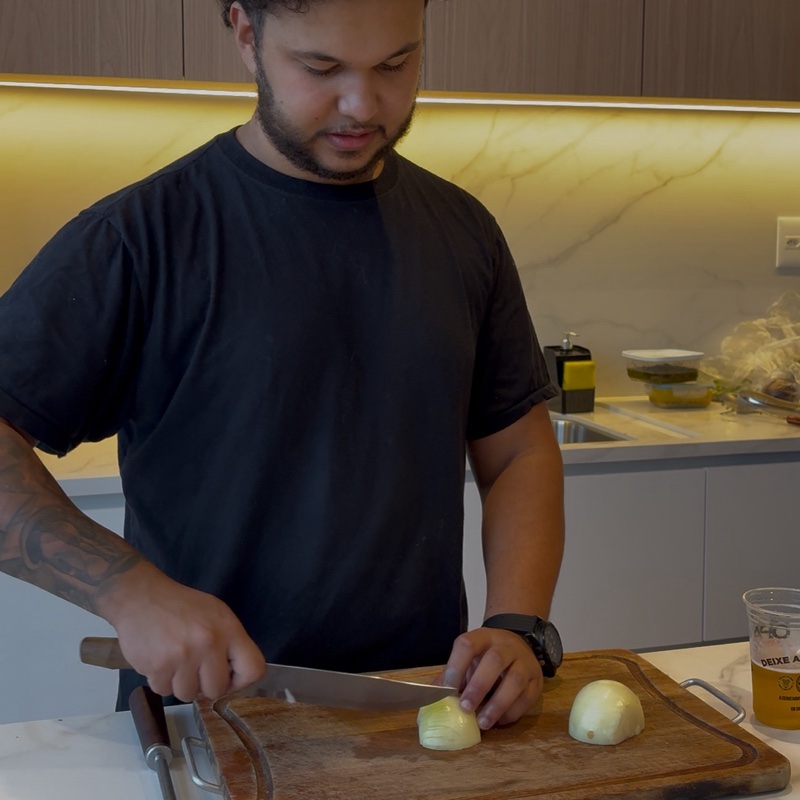
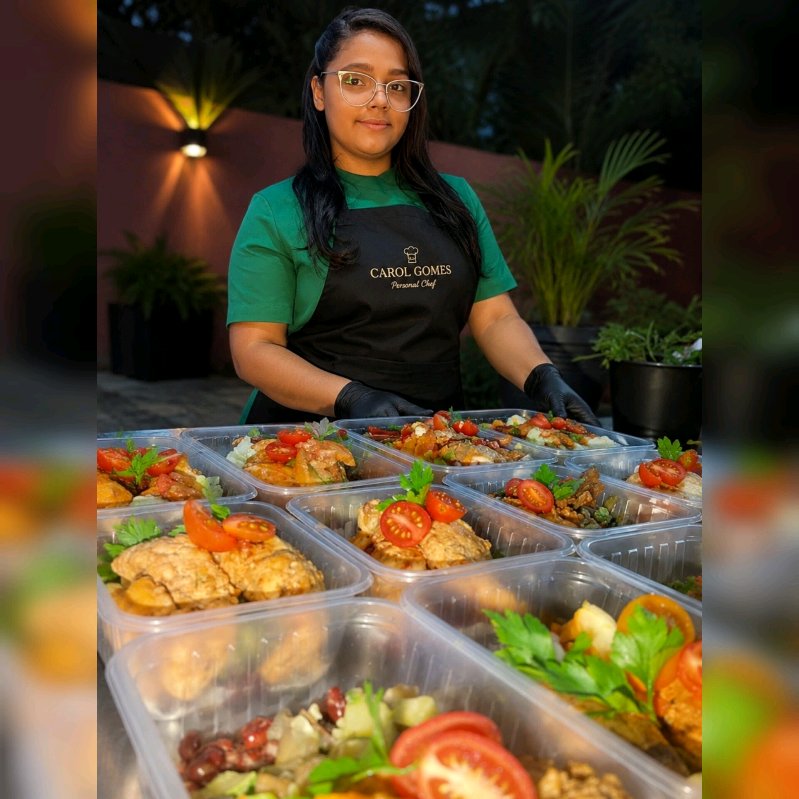
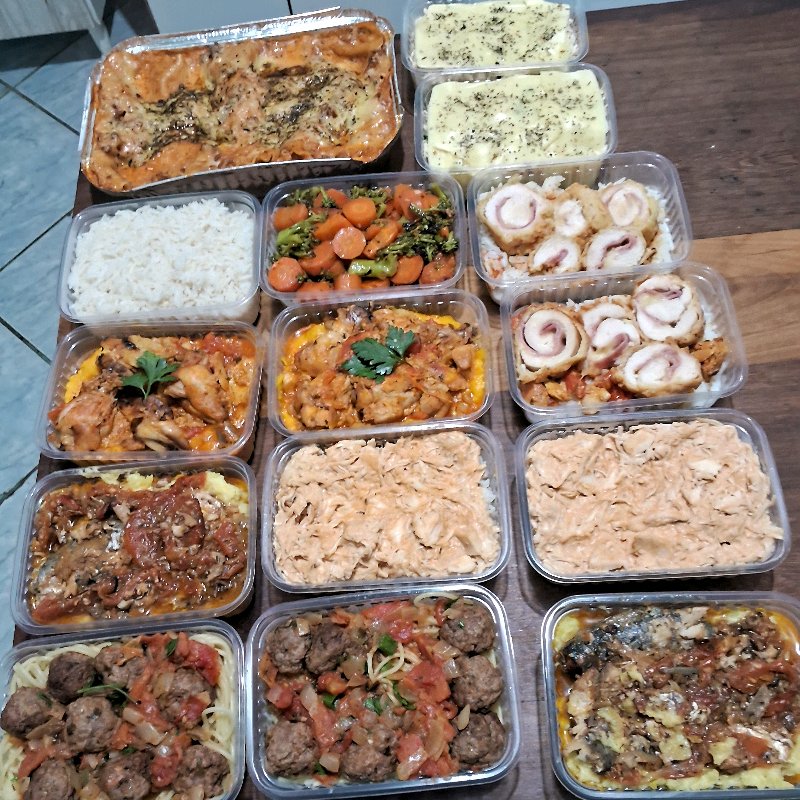
A typical session for a single professional runs two to three hours and produces 10–14 individual meal portions. The chef arrives with pre-purchased ingredients (shopping is included in the service) or shops on arrival if you have a trusted local mercado nearby. In São Paulo, many chefs source from Hortifruti or the Mercadão Municipal; in Recife, from markets near Casa Forte or Boa Viagem; in Porto Alegre, from quality suppliers in Moinhos de Vento.
Cooking follows a logical sequence: proteins first (they take longest and set the foundation for everything else), then grains and legumes (arroz integral, feijão, lentilhas, quinoa), then roasted or sautéed vegetables, then any sauces, dressings or finishing elements. Everything is portioned, labeled with meal type and date, and arranged in the fridge in a logical order — ready-to-eat portions at the front, components that assemble at the back.
The chef cleans as they work and leaves the kitchen in the state they found it. Most clients arrive home after a long day to discover a spotless kitchen and a refrigerator full of labeled, ready-to-eat meals. The psychological impact of this is significant — it removes one of the most stressful variables of a demanding professional life.
Pro Tip
Ask the chef to leave a card or photo in the fridge listing every meal prepared and the recommended consumption order (which to eat Monday, which to save for Thursday). This tiny organizational detail saves mental energy every single evening.
Meal Types That Work Best for Professional Schedules
Busy professional meals need to satisfy three constraints simultaneously: they must reheat quickly (under three minutes), taste good at room temperature for when reheating is impossible, and work as grab-and-go if the workday runs over. A chef familiar with professional clients builds the prep session around these constraints naturally.
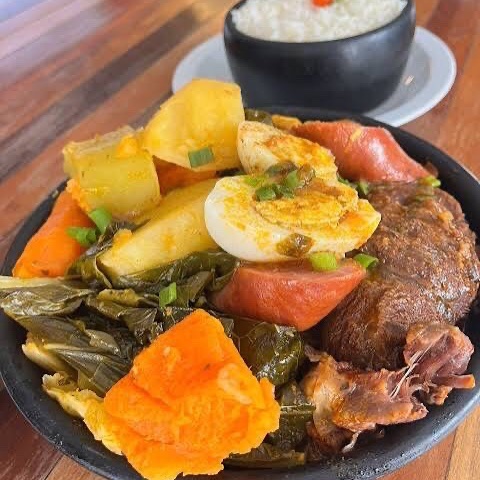
High-performers in this category include: bowl-format meals where grains, protein and vegetables are layered and require no cooking to assemble; hot meals that reheat perfectly in a microwave without losing texture (frango ao molho de tomates frescos, carne ao caldo caseiro, peixe ao forno com ervas); and room-temperature proteins like fatias de peito de frango temperado or atum selado que ficam bons frios. Cold salads with robust dressings — like couve com limão-siciliano, quinoa com vegetais assados, grão-de-bico ao vinagrete — hold beautifully for three to four days.
Breakfast prep for professionals who want to eat before leaving home often means overnight oats (aveia de geladeira com frutas e mel), egg muffins portioned individually, or acaí bowls with toppings pre-portioned separately. Five-minute morning nutrition without any decision-making is the goal.
The Economics: Chef vs. Daily Delivery
A professional spending R$60–R$120 daily on iFood or similar apps — a typical range in São Paulo for a nutritionally reasonable two-meal order — spends R$1,200–R$2,400 per month on delivery. A weekly personal chef session covering the same meals costs R$400–R$800 in service fees plus R$200–R$400 in ingredients per month, totaling R$600–R$1,200. The math typically favors the chef by 30–50% on a pure cost basis.
The quality comparison is starker. Chef-prepared meals use ingredients you chose, cooked with techniques you can observe, in a kitchen you own, with no packaging waste and no mystery sodium. Delivery meals from most apps in Brazil are prepared in industrial kitchens or cloud kitchens with cost-efficiency as the primary variable — nutritional quality is secondary.
The time variable tips the comparison further. The average professional spends 45–90 minutes per day on food decisions, ordering, waiting and logistics. A weekly chef prep session eliminates almost all of this friction. Across a month, that is 15–40 hours returned to your life.
Managing the Chef Relationship at Scale
The first one to two sessions are a calibration phase. Portions may not be exactly right, a dish may not land the way it sounded in the brief, or the chef may need to refine their timing in your specific kitchen. This is normal and expected — provide feedback directly and specifically after each session.
By session three, most professional clients and their chefs are operating in a comfortable rhythm. Many professionals find that a brief two-minute WhatsApp exchange Sunday morning — 'this week I need more lunch portions, I am travelling Thursday to Saturday' — is all the management required. The chef handles everything else.
For professionals who travel frequently, the prep schedule can shift to align with weeks in the city. A session every ten days rather than every seven, producing slightly larger batches, often works better than forcing a rigid weekly cadence. The chef adapts to your schedule, not the other way around.
Pro Tip
For professionals who entertain at home occasionally, brief the chef to leave one 'dinner party upgrade' in the freezer — a quality protein preparation that can be finished in the oven and elevated with a simple sauce for impromptu guests. No separate booking required.
Finding and Vetting a Meal Prep Chef
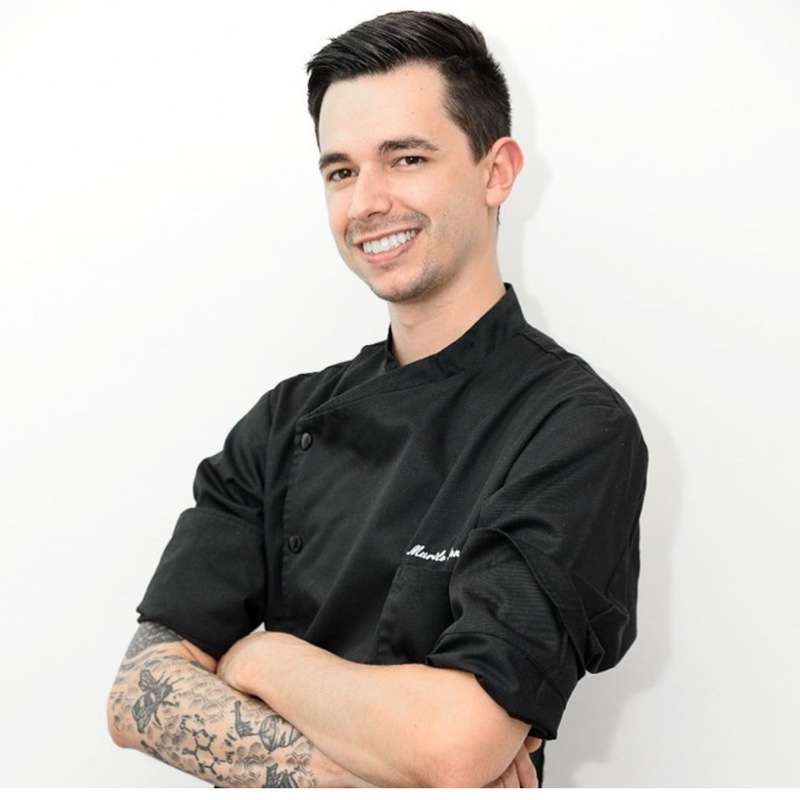
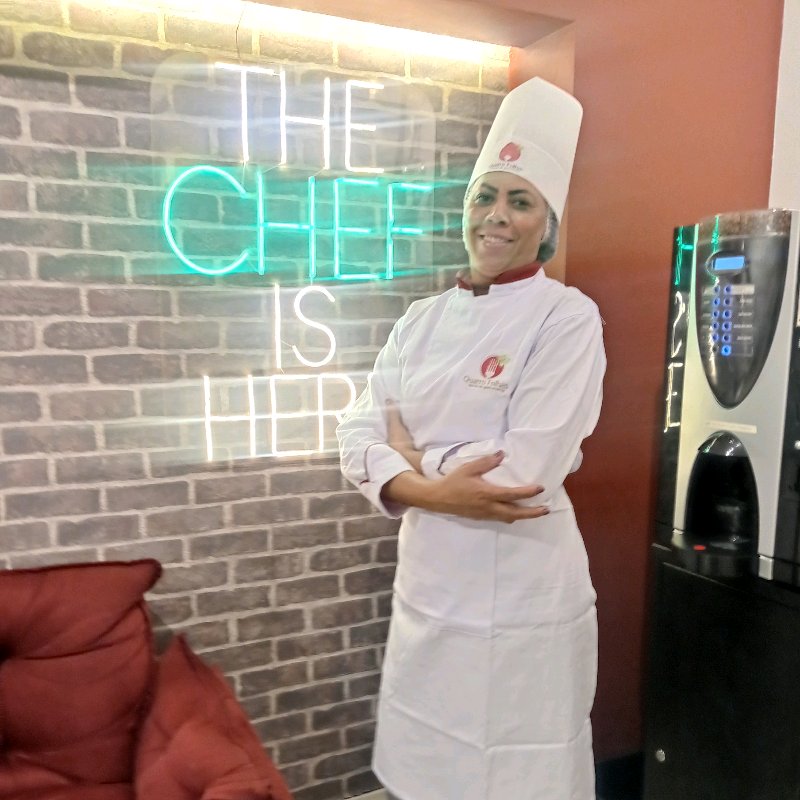
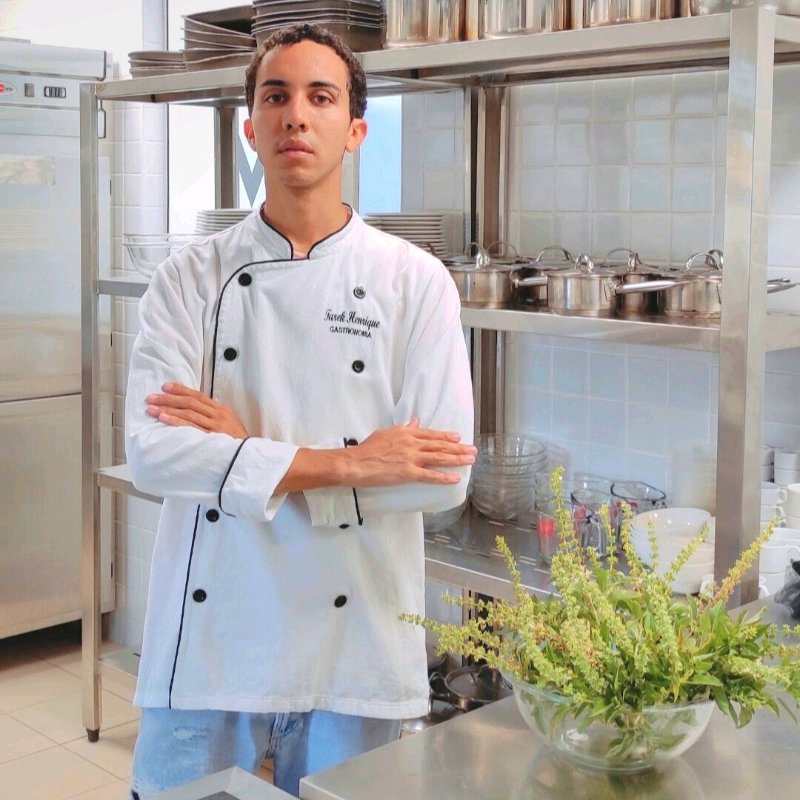
Not every personal chef excels at meal prep. The skill set differs from event cooking: meal prep requires systematic batch thinking, precise portioning, great labeling habits, an understanding of food storage safety, and an ability to produce food that tastes as good on day four as day one. When evaluating a meal prep chef, ask directly about their prep experience and request references from current recurring clients.
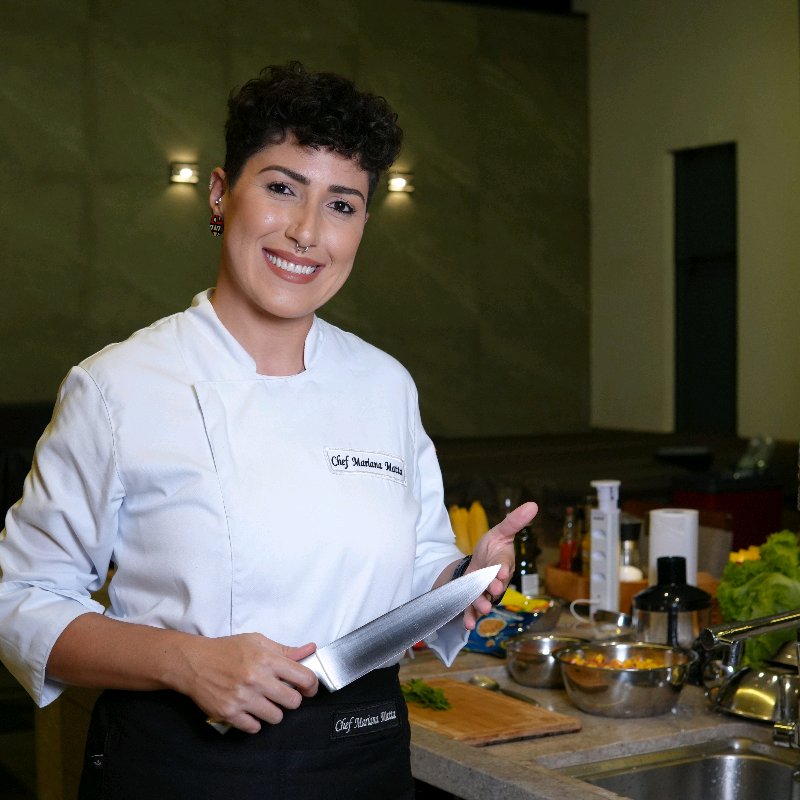
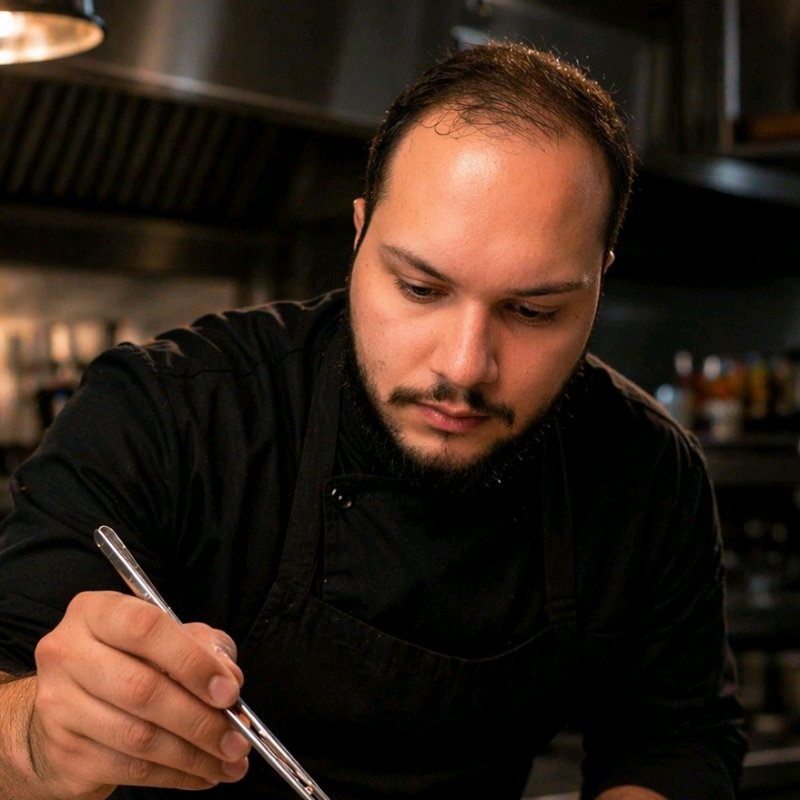
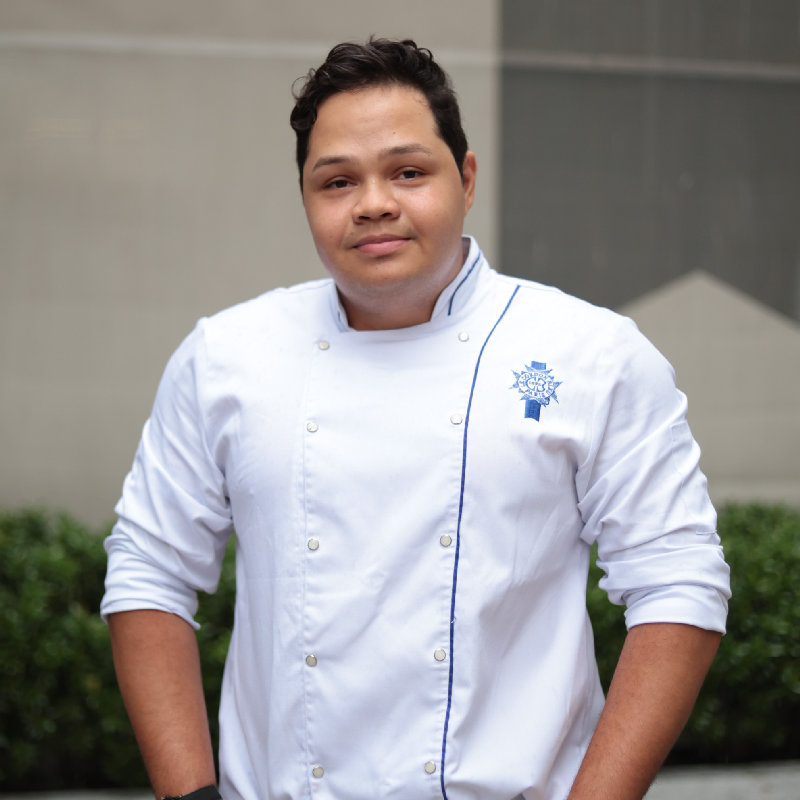
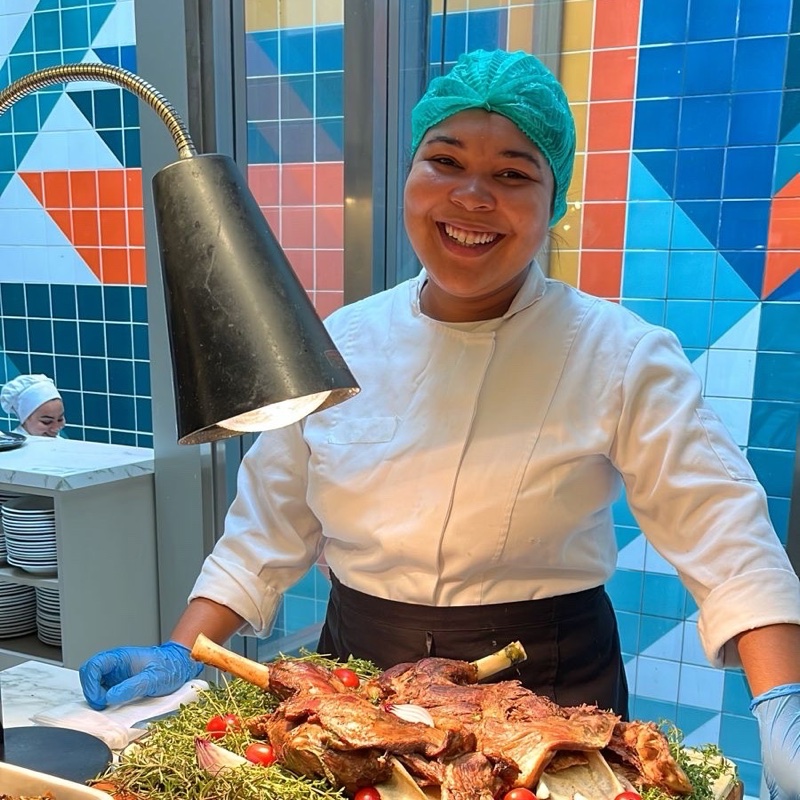
On myChef, chef profiles indicate specialization — look for chefs who list 'meal prep semanal' or 'marmitas fitness' among their services. Read reviews that specifically mention consistency, portion accuracy and communication. A chef with fifty one-off dinner event reviews tells you less about meal prep quality than five reviews from recurring weekly clients.
A trial session before committing to a monthly arrangement is standard practice and any professional chef should welcome it. Use the trial to assess food quality on day one, day two and day three — ask a colleague to try one of the portions to get a second opinion. The tasting feedback from day three is often the most telling indicator of quality.