What Is Chef Meal Prep, Exactly?
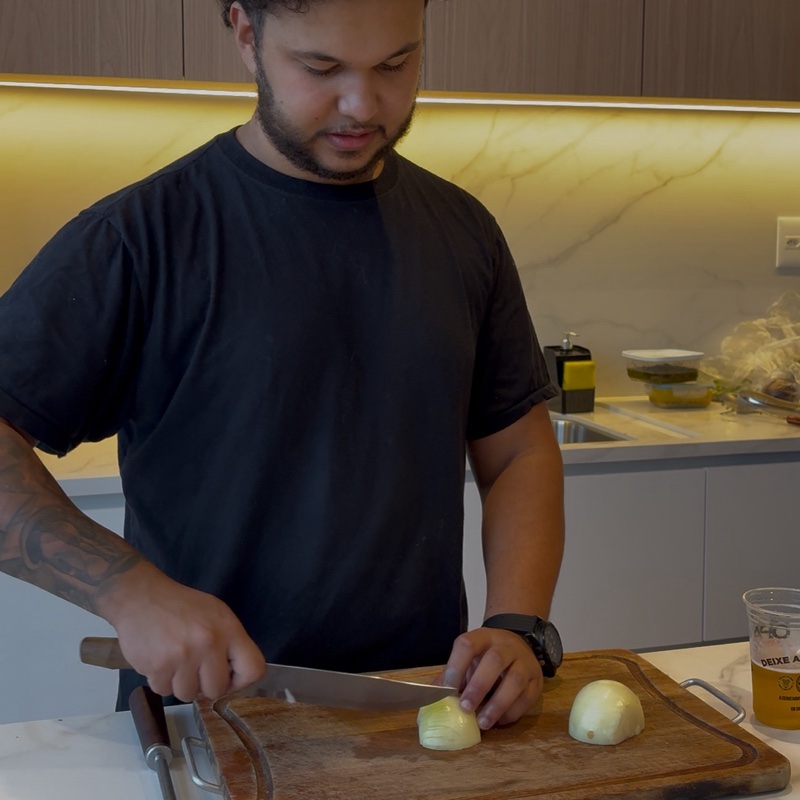
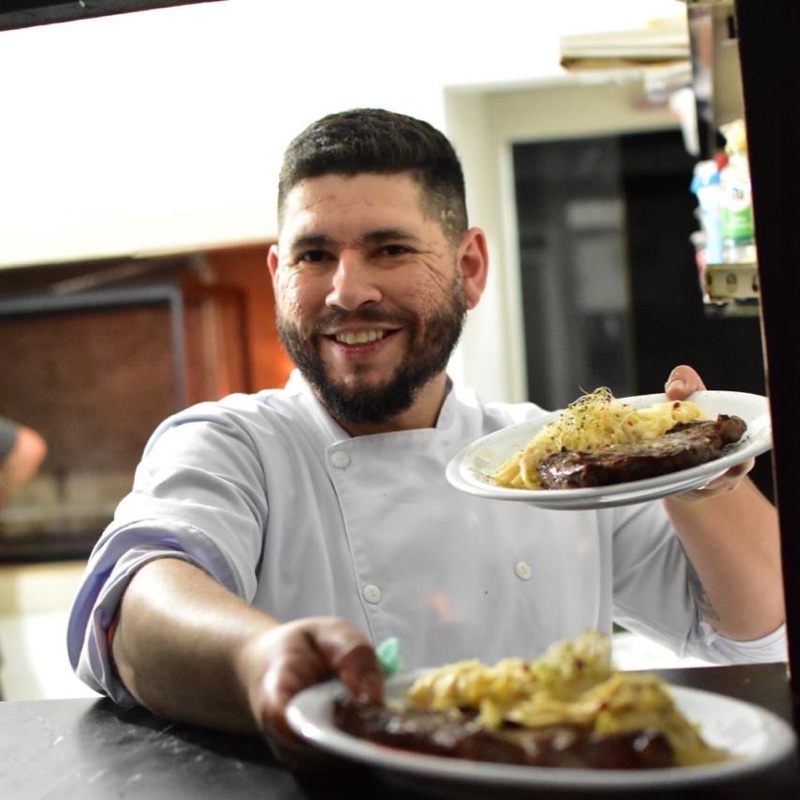
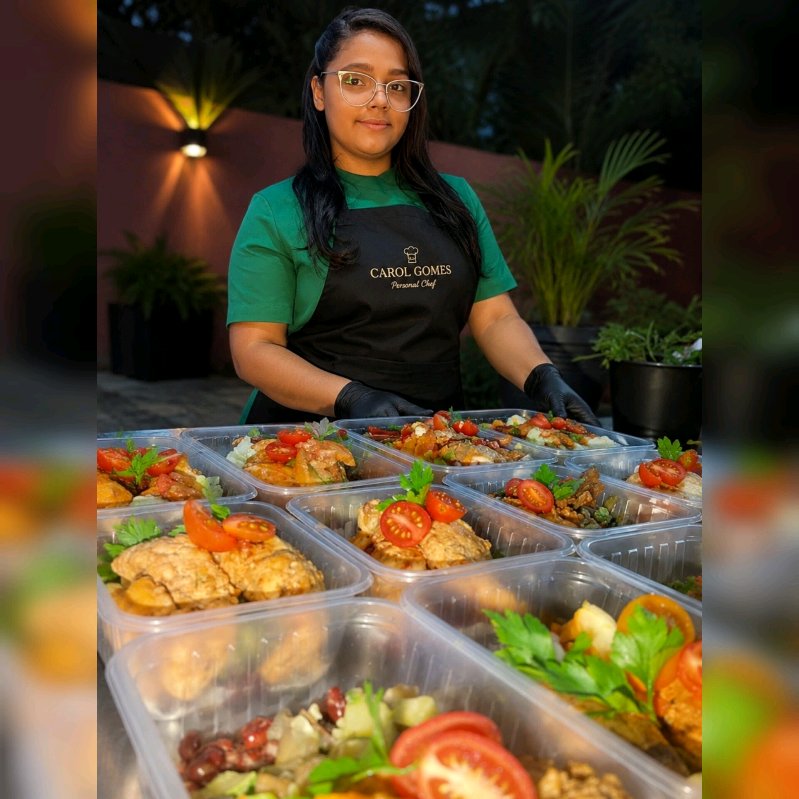
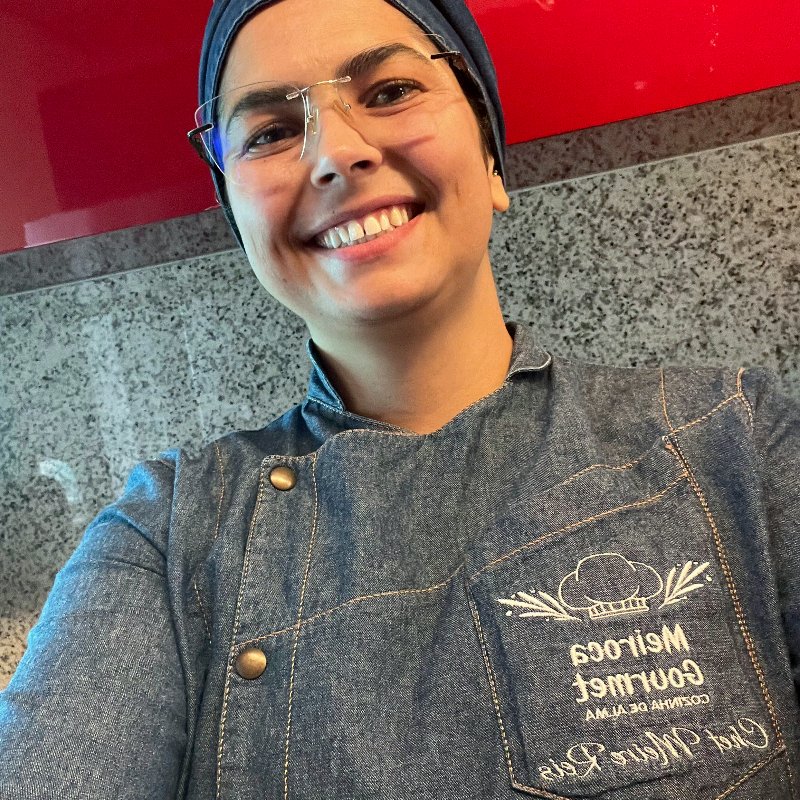
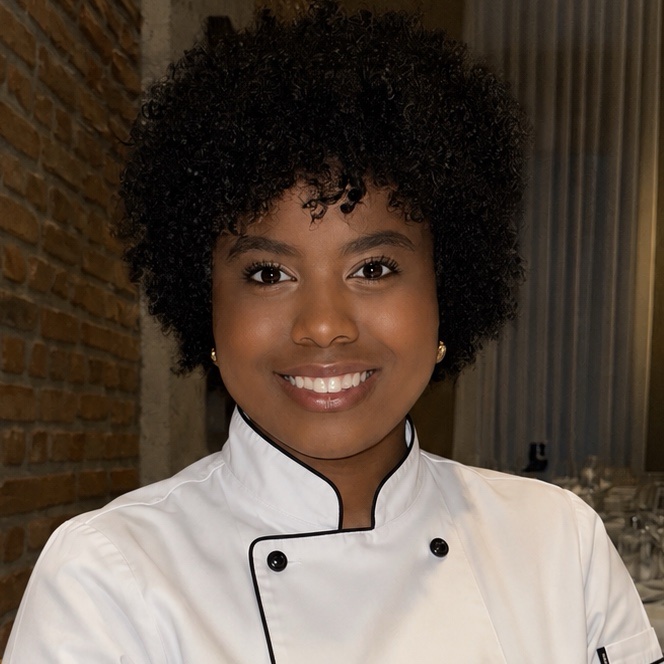
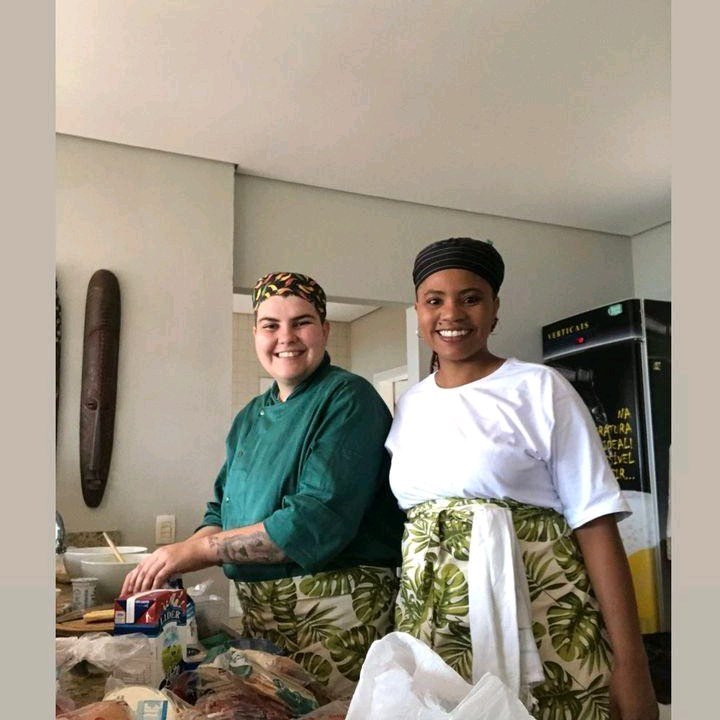
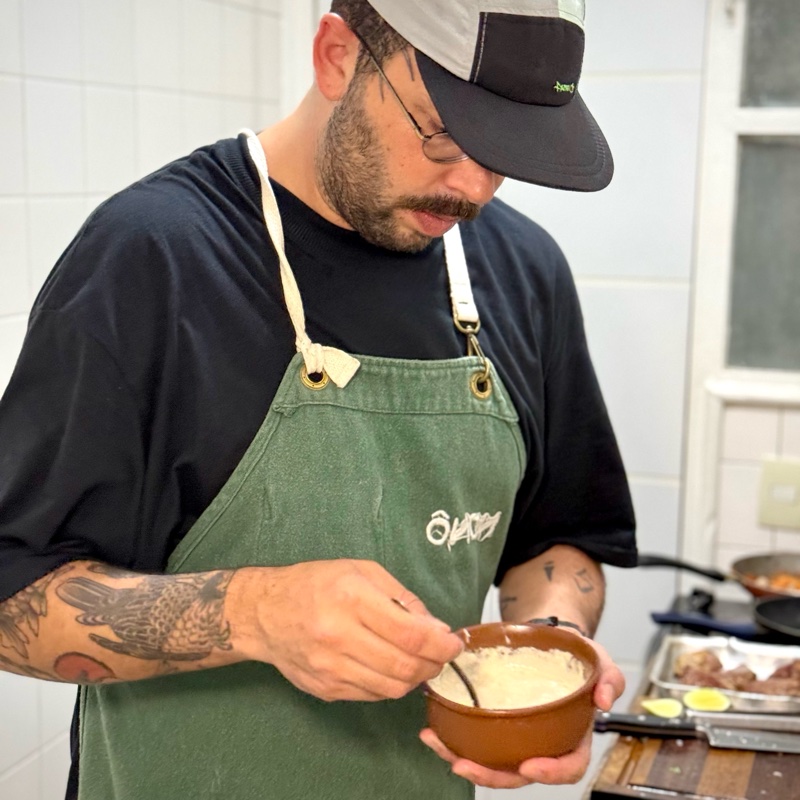
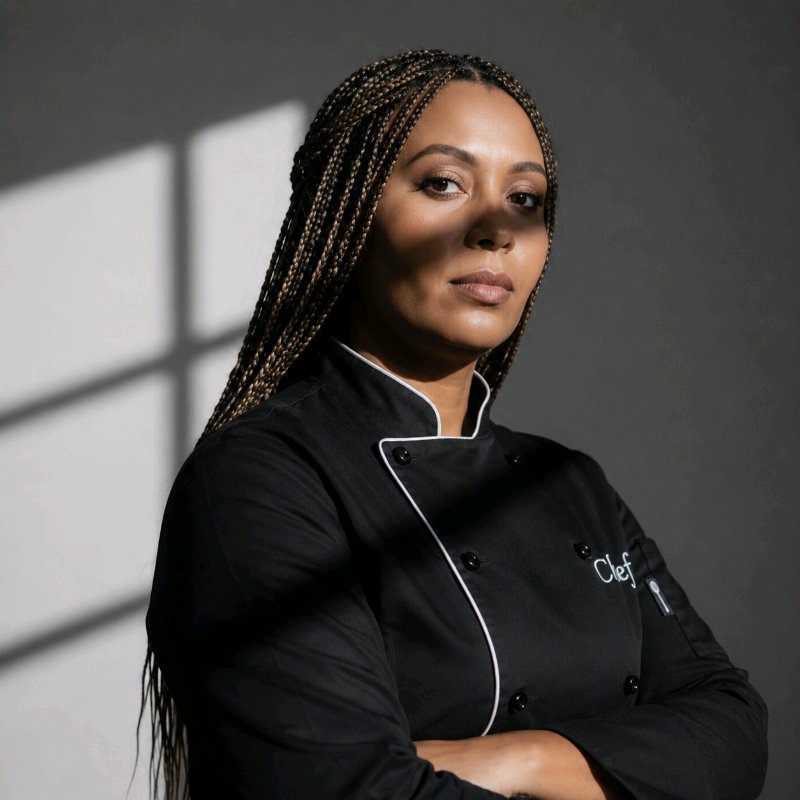
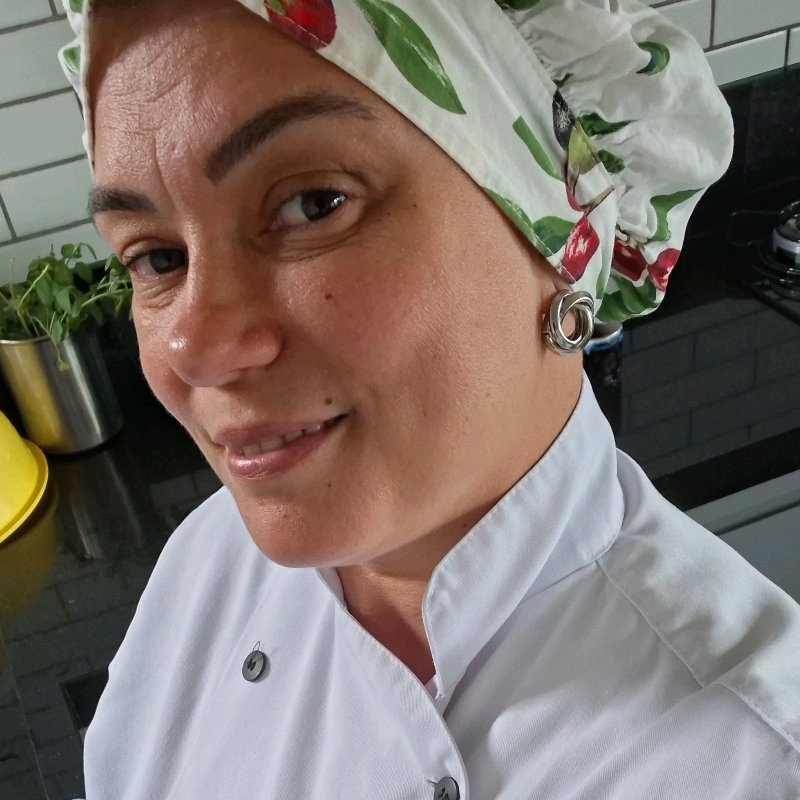
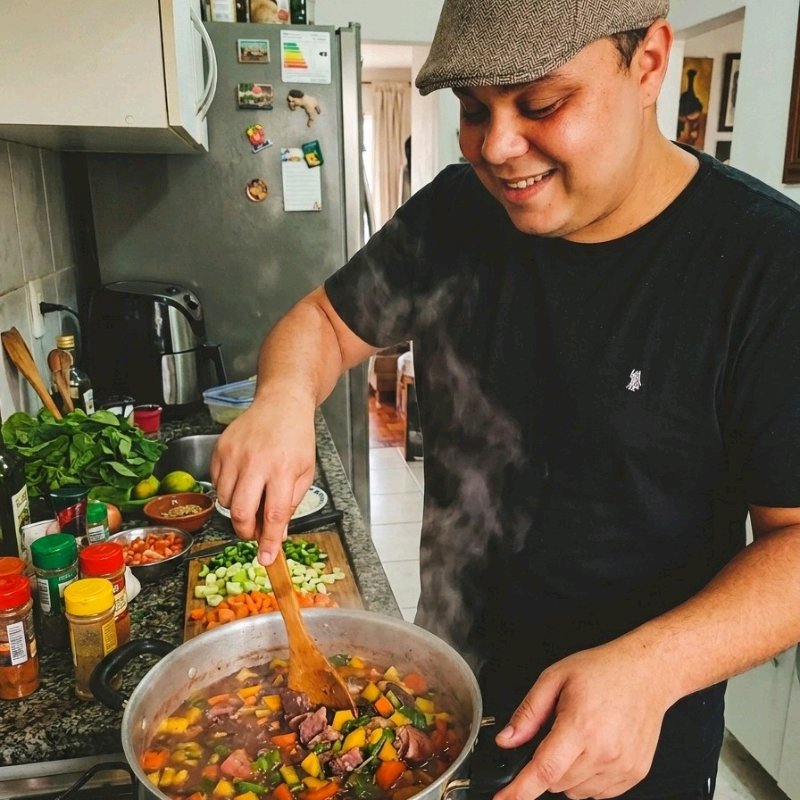
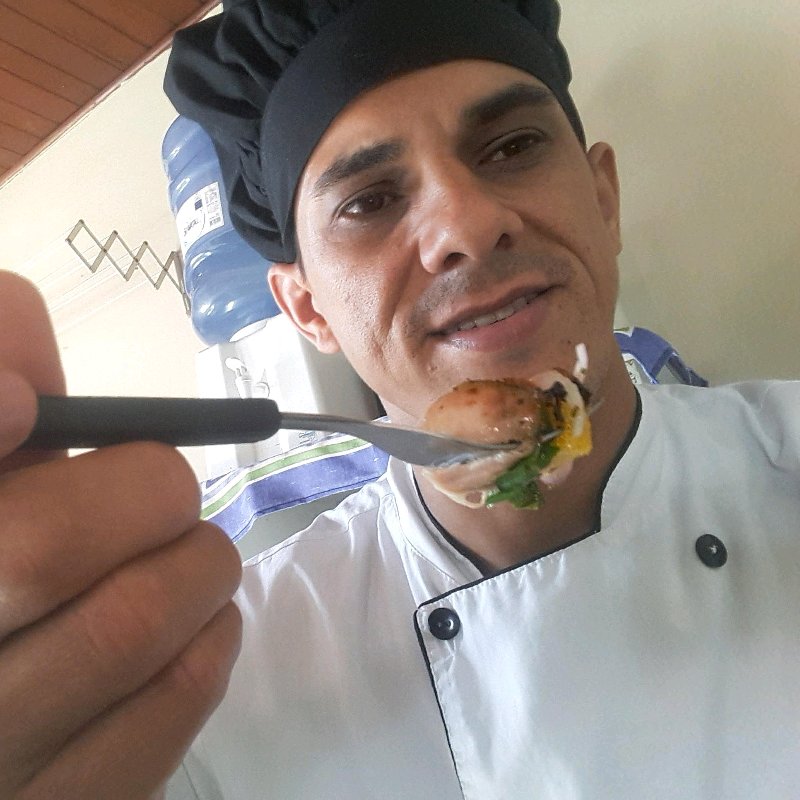
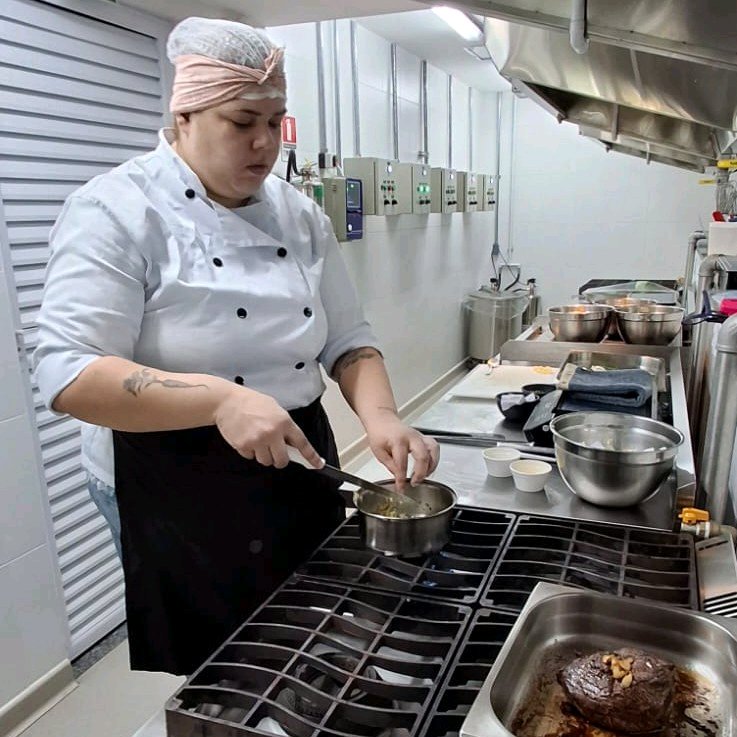
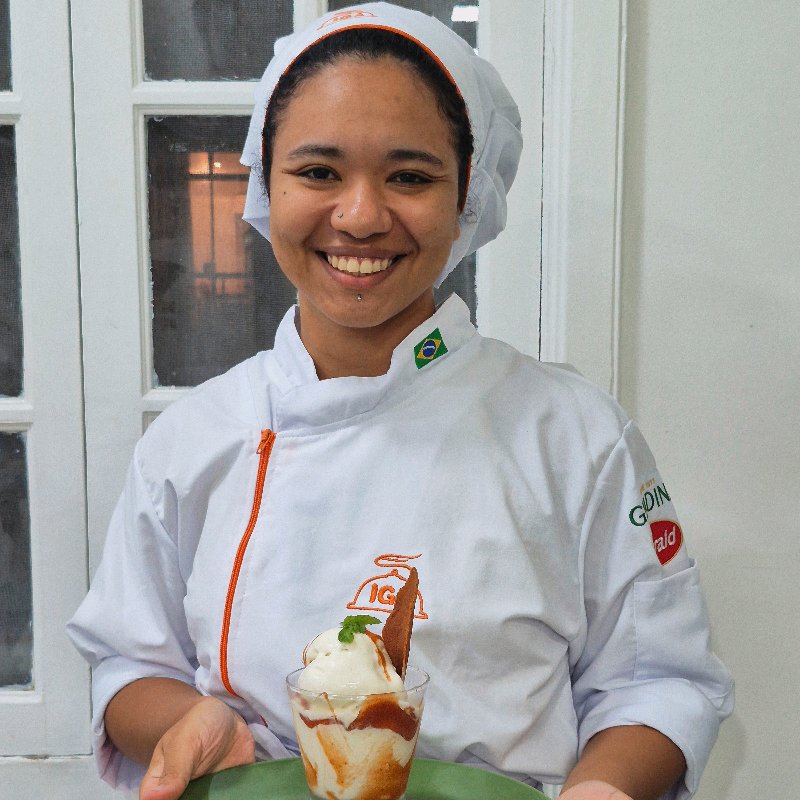
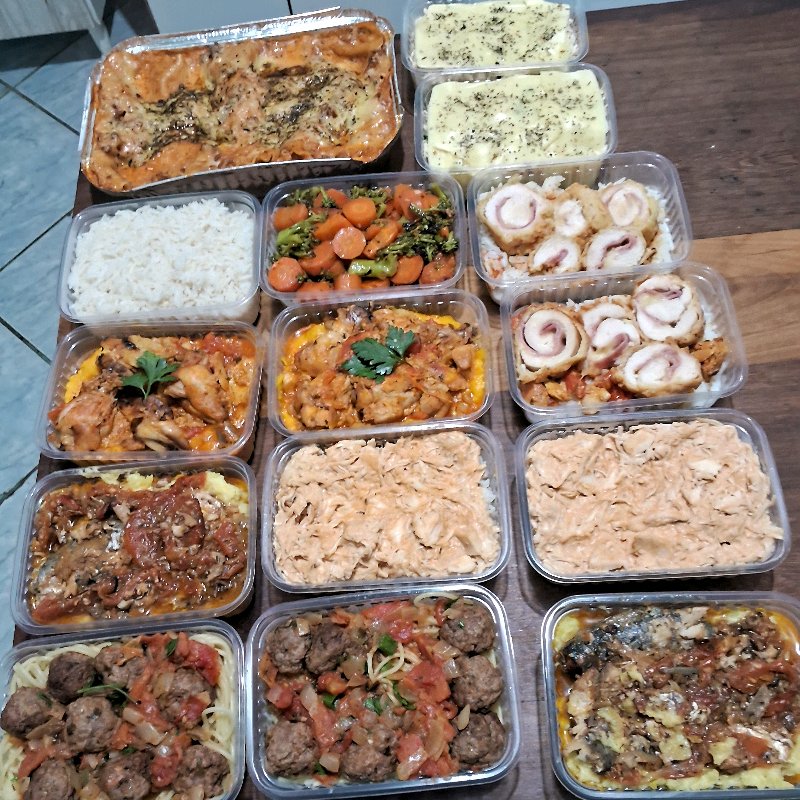
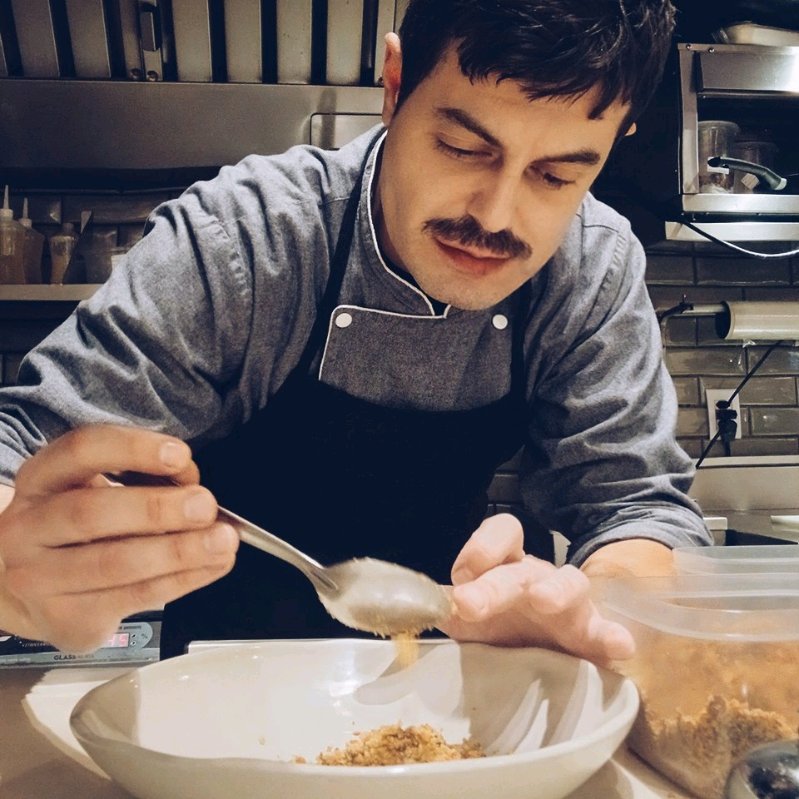
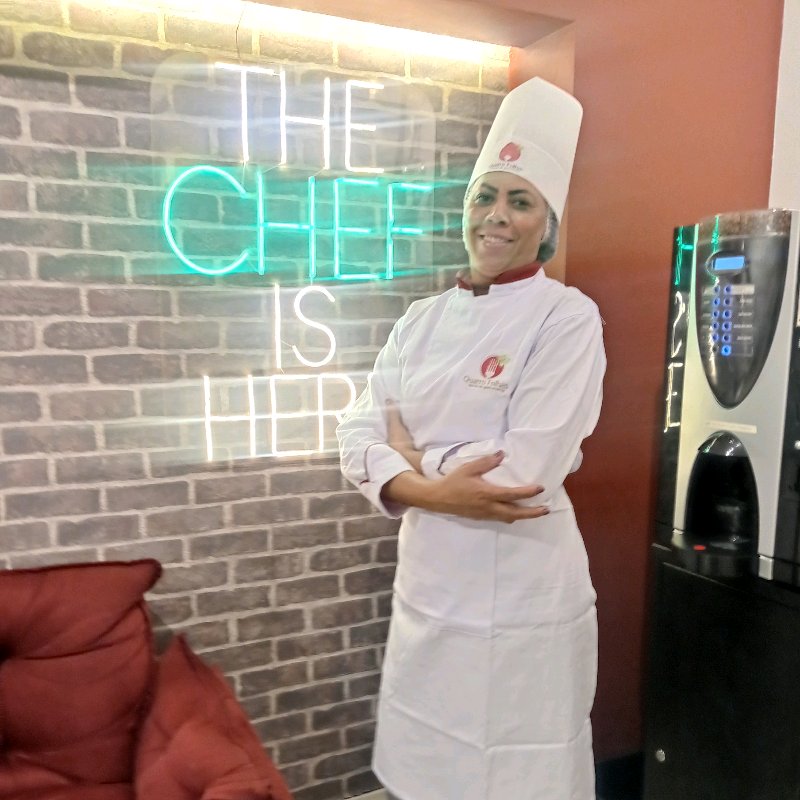
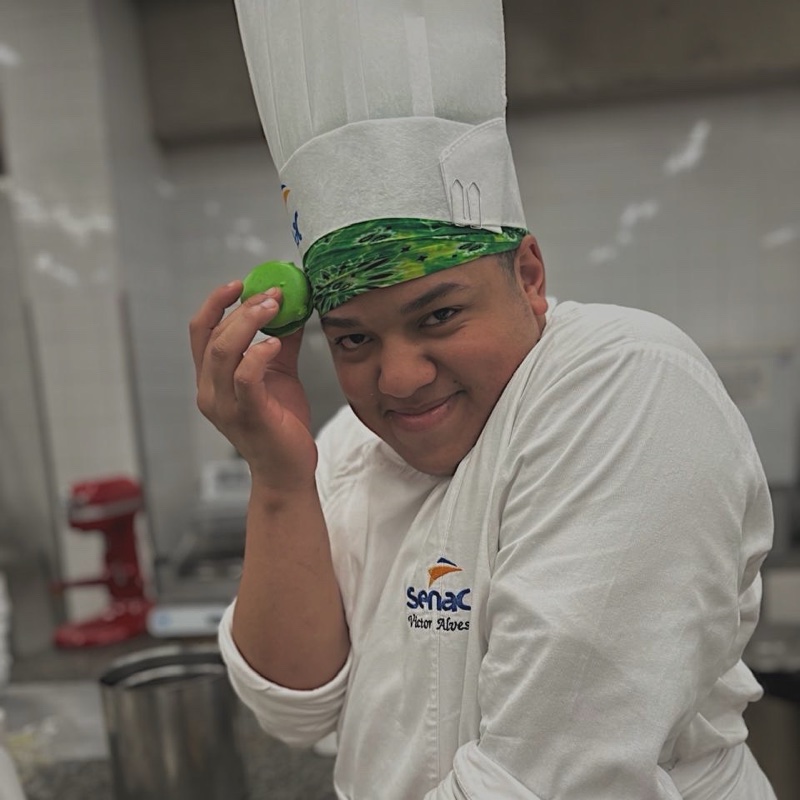
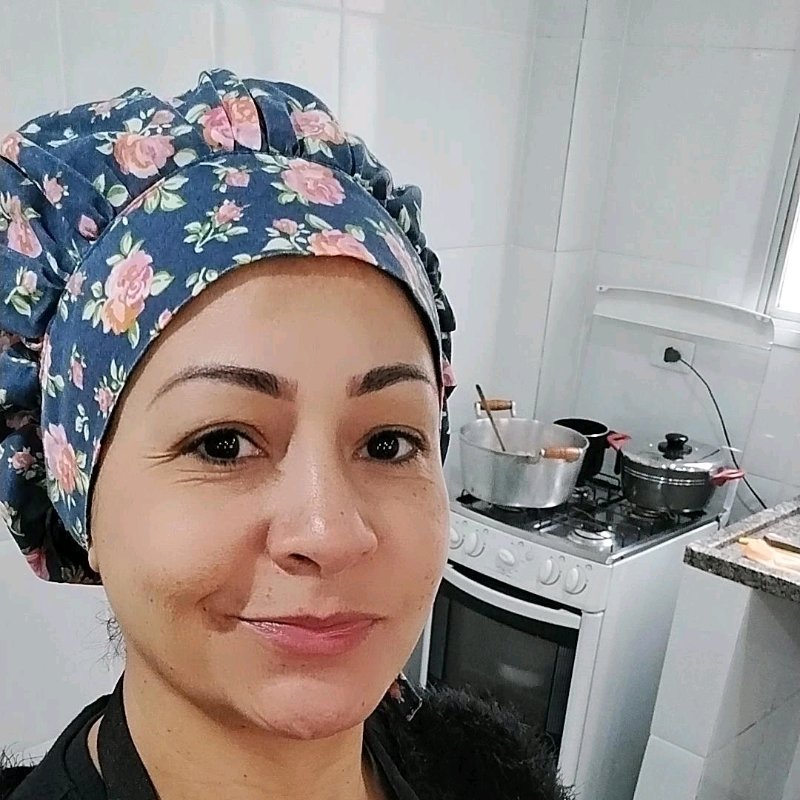
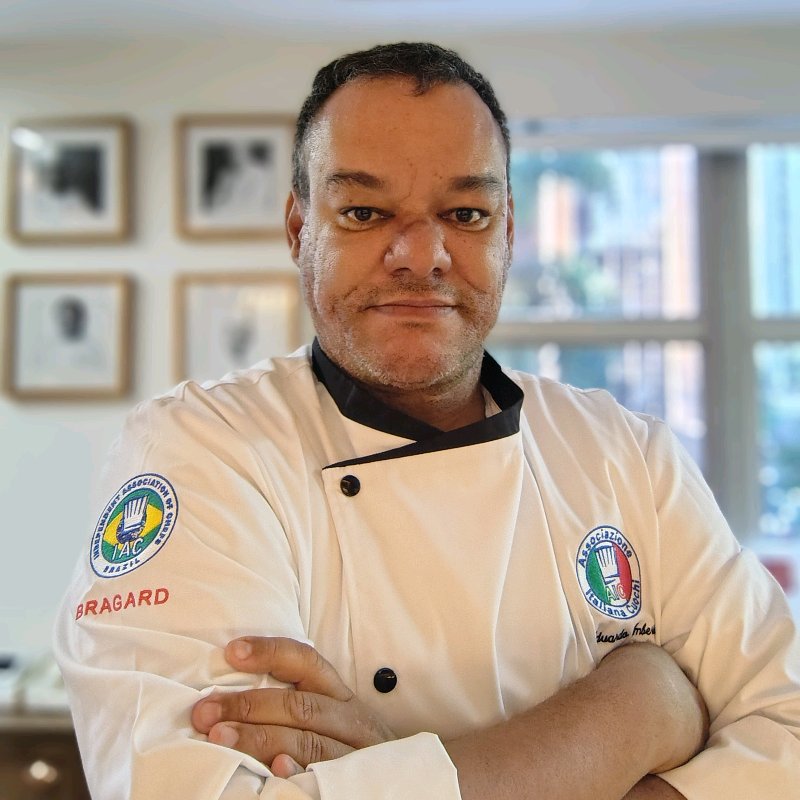
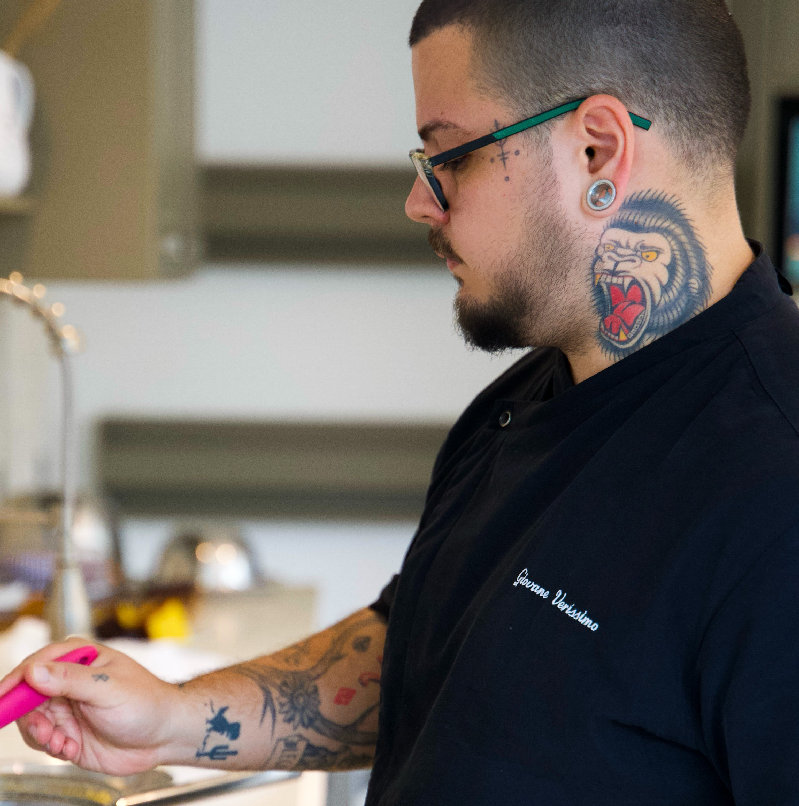
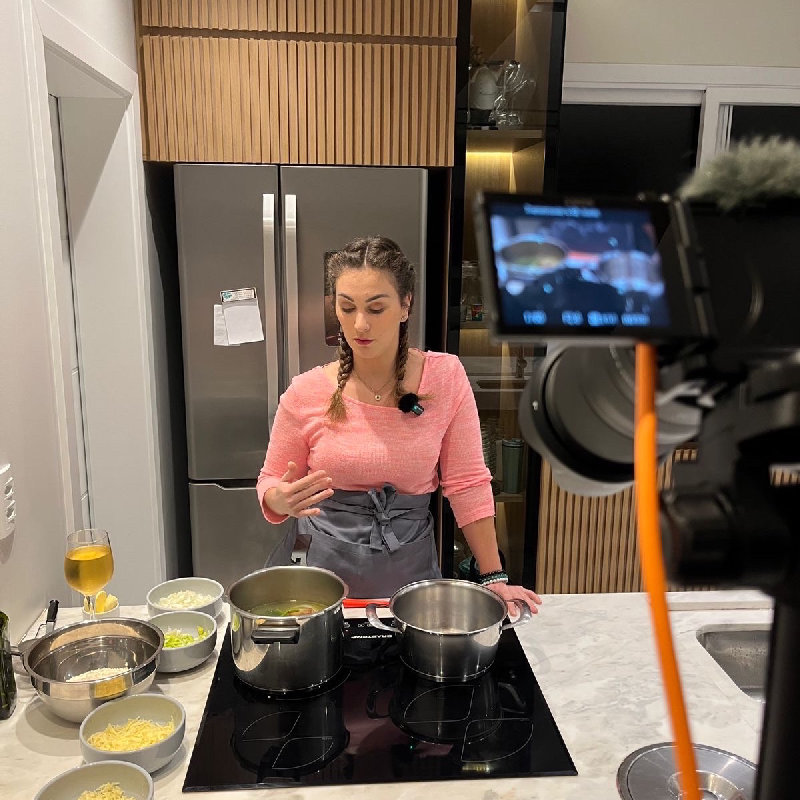
Chef meal prep is a scheduled service in which a personal chef visits your home — typically once or twice a week — to cook a batch of portioned meals in advance. The chef arrives with the ingredients (or works with what you have sourced), prepares a defined number of meals, portions them into labeled containers and stores them in your fridge or freezer. You eat them throughout the week — no daily cooking, no delivery apps, no sad desk lunches.
The service is completely personalized. You set the dietary framework: macros for fitness goals, low-glycemic for diabetes management, plant-based for ethical reasons, low-FODMAP for digestive health or simply 'varied, nutritious and not boring' for a busy professional with no specific restrictions. Unlike delivery apps, a chef who visits your kitchen has met you, understands your palate and adjusts in real time.
In Brazil, meal prep with a chef is most common in São Paulo's Itaim Bibi, Pinheiros and Vila Olímpia neighborhoods, in Rio de Janeiro's Leblon and Barra da Tijuca, and in Belo Horizonte's Savassi. Demand is growing in Curitiba, Porto Alegre and Brasília as the wellness economy expands nationally.
What You Pay: The Session Fee
The core cost of chef meal prep is the session fee — what you pay for the chef's time, expertise and kitchen work. In São Paulo and Rio de Janeiro, professional chef meal-prep sessions typically cost between R$350 and R$800 per session, depending on the chef's experience, the number of meals prepared and the complexity of the menu.
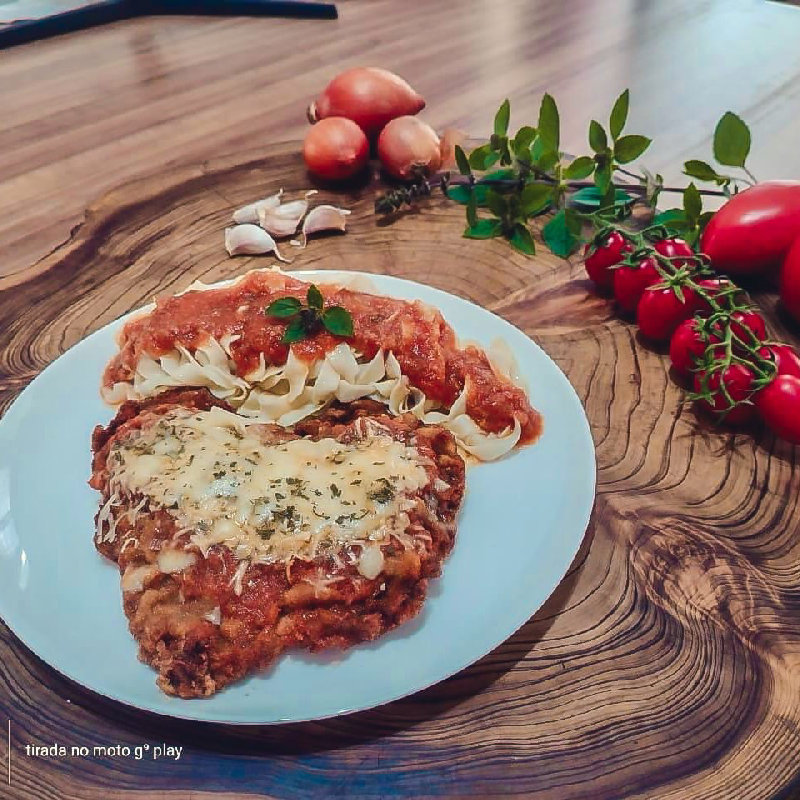
At the R$350–R$500 range, expect a session producing 8–12 portioned meals, well-executed everyday recipes — frango grelhado com legumes, omelets, soups, salads, grain bowls. At the R$500–R$700 range, the chef typically produces 12–15 meals with more varied preparations: slow-cooked proteins, house-made sauces, marinated options, macro-calculated portions. At the R$700–R$900+ range, you are engaging an experienced chef who designs genuinely nutritious and culinarily interesting meals each week — variety, texture contrast, seasonal ingredients, no repetition.
In smaller cities — Curitiba, Fortaleza, Manaus, Salvador — session fees trend 15–25% lower, reflecting lower cost-of-living baselines. In Florianópolis during summer, availability tightens and prices can edge higher.
Pro Tip
The cheapest way to reduce your per-meal cost is to increase the number of meals per session. The chef's fixed costs — travel, setup, sourcing — are spread across however many meals are produced. Twelve meals at R$500 (R$42/meal) beats six meals at R$350 (R$58/meal), even though the session fee is lower in the second case.
Ingredient Costs: What to Add to the Session Fee
The session fee covers the chef's labor. Ingredients are typically a separate line item, purchased on your behalf by the chef at market rates. For a standard meal-prep session producing 12–15 meals, expect ingredient costs of R$200–R$500 depending on your menu preferences.
A lean protein, vegetable and grain menu — chicken (frango), turkey (peru), tilapia, broccoli, sweet potato, quinoa, brown rice — costs around R$20–R$30 per portion in ingredient terms. A menu that includes premium proteins — picanha, salmon, shrimp, duck — can reach R$40–R$60 per portion in ingredients.
Organic produce, specialty health foods (golden milk powder, spirulina, specific supplements for blending into meals) and imported items (certain seeds, specialty grains) add to ingredient cost. If budget is a consideration, Brazilian seasonal produce from a Ceagesp market day is the most cost-effective sourcing strategy — and often more nutritious than refrigerated supermarket produce.
✓Standard session (12 meals, basic proteins)
Session fee R$350–R$500 + ingredients R$250–R$350 = total R$600–R$850, or R$50–R$71 per meal.
✓Mid-range session (15 meals, varied menu)
Session fee R$500–R$700 + ingredients R$300–R$500 = total R$800–R$1,200, or R$53–R$80 per meal.
✓Premium session (15+ meals, premium proteins)
Session fee R$700–R$900 + ingredients R$450–R$700 = total R$1,150–R$1,600, or R$77–R$107 per meal.
✓Fitness/macro-calculated session
Add R$50–R$100 per session for the chef's extra time calculating and documenting macros per container.
✓Organic produce premium
Expect ingredients to cost 20–40% more when sourcing from organic suppliers like Hortifruti Natural da Terra.
How Chef Meal Prep Compares to Delivery Apps
The honest comparison requires looking at the total weekly cost, not the per-order price. A typical busy professional in São Paulo using iFood or Rappi for lunch and dinner five days a week spends R$50–R$120 per order, with delivery fees (R$5–R$15) and service charges added. Five lunches and five dinners at an average of R$75 per order = R$750 per week, or R$3,000 per month — for food that is reheated in packaging, assembled in a central kitchen without knowledge of your preferences and delivered with variable quality.
A chef meal-prep subscription (two sessions per week) producing fifteen meals each session costs, at the mid-range, around R$1,000–R$1,400 per week including ingredients. That is thirty portioned meals — lunches and dinners — at R$33–R$47 per meal. The chef knows your name, remembers that you disliked the quinoa-heavy week, adjusted the macros when you started a new training block and sources fresh from the Ceagesp market the morning of the session.
The delivery app offers convenience per order. The chef offers a relationship, genuine personalization and meaningfully better nutrition. For clients who have tried both, the switch to chef meal prep is typically permanent once the economics and the quality differential become clear.
Pro Tip
Do a four-week delivery app audit before deciding. Add up everything you spent on food delivery in a month — including late-night orders, breakfast deliveries and top-up orders — and compare it to what a twice-weekly chef session would cost. Many clients are surprised to discover delivery is not cheaper.
Meal Prep for Specific Dietary Goals
Fitness-focused meal prep — macro-balanced, portion-controlled, high-protein — is the most common specialty category on myChef. Chefs who specialize in this segment calculate macros per container, photograph the nutritional layout and often coordinate with the client's personal trainer or nutritionist. Expect to pay R$50–R$100 extra per session for this precision work, on top of the standard session fee.
For medical dietary requirements — post-bariatric surgery, renal diet, diabetic-friendly cooking, post-cancer treatment nutrition — the chef is working with stricter parameters and sometimes in coordination with a healthcare team. These sessions tend to sit at the premium end of the price range and are best handled by chefs with documented experience in clinical nutrition adaptations.
Plant-based and vegan meal prep requires creative ingredient strategy to ensure complete protein profiles and dietary variety across the week. Chefs who specialize in plant-based cooking in Brazil tend to build around legumes (feijão, lentilha, grão de bico), jackfruit (jaca), hearts of palm (palmito), Brazilian grains and tropical vegetables — producing diverse menus that do not feel repetitive within the week.
Frequency and Subscription Models
Most meal-prep clients settle into a rhythm of one or two chef sessions per week. Weekly clients with high volume (a family of four, or a single client with high daily meal needs) typically book twice weekly. Individuals with moderate needs often find one weekly session of 10–12 meals covers lunches Monday through Friday with a couple of dinners included.
Some chefs on myChef offer subscription pricing — a fixed monthly rate for a defined number of sessions per month, with a modest discount for commitment. A four-session monthly package at, say, 10% below the per-session rate works well for clients who want to lock in their chef's schedule and avoid competition for peak slots.
Trial your preferred arrangement with a single session before committing to a monthly subscription. The chemistry between client and chef, the flavor profile fit and the practical logistics of the chef's visit all need to work in your home. One session tells you whether it does.