How Each Model Actually Works
Daily delivery means opening an app, choosing from hundreds of restaurants, and receiving your meal within 30-60 minutes. The appeal is zero commitment and infinite variety on paper. In practice, most people cycle through the same 8-10 restaurants, and 'variety' quickly becomes a habit loop driven by ratings and promotions rather than nutritional intention.
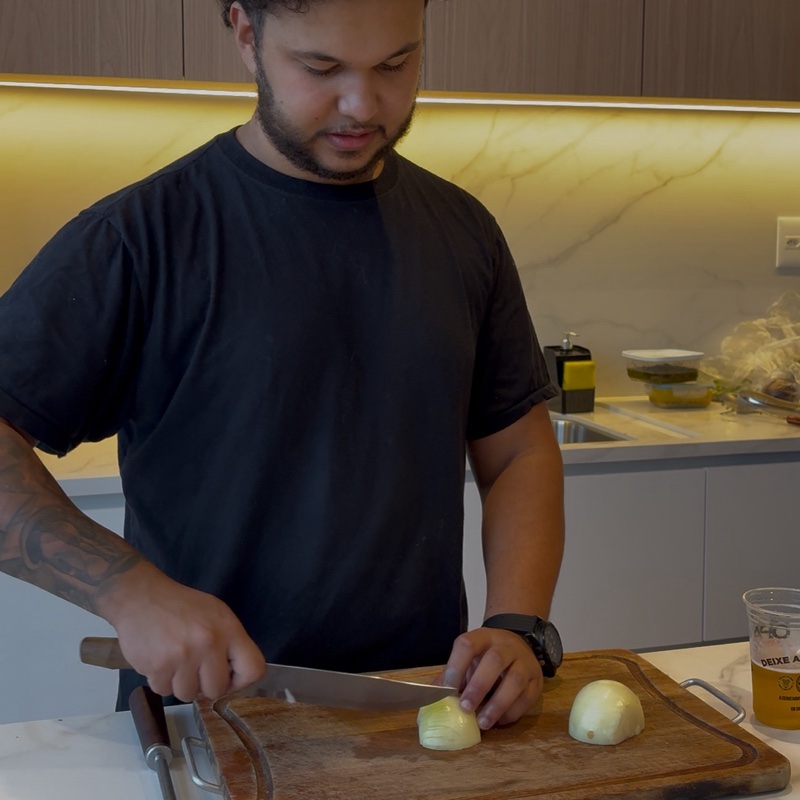
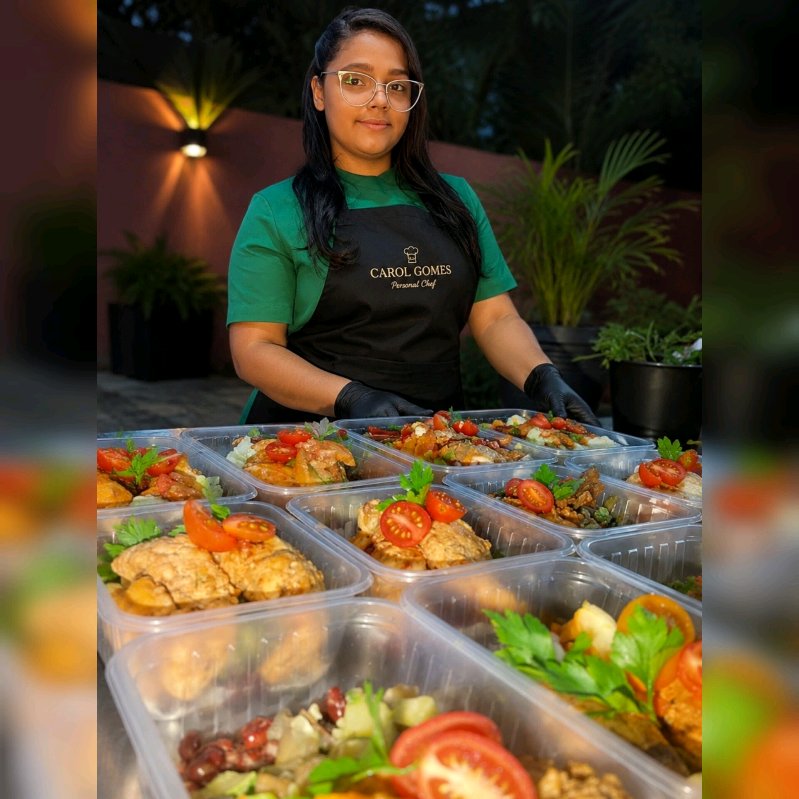
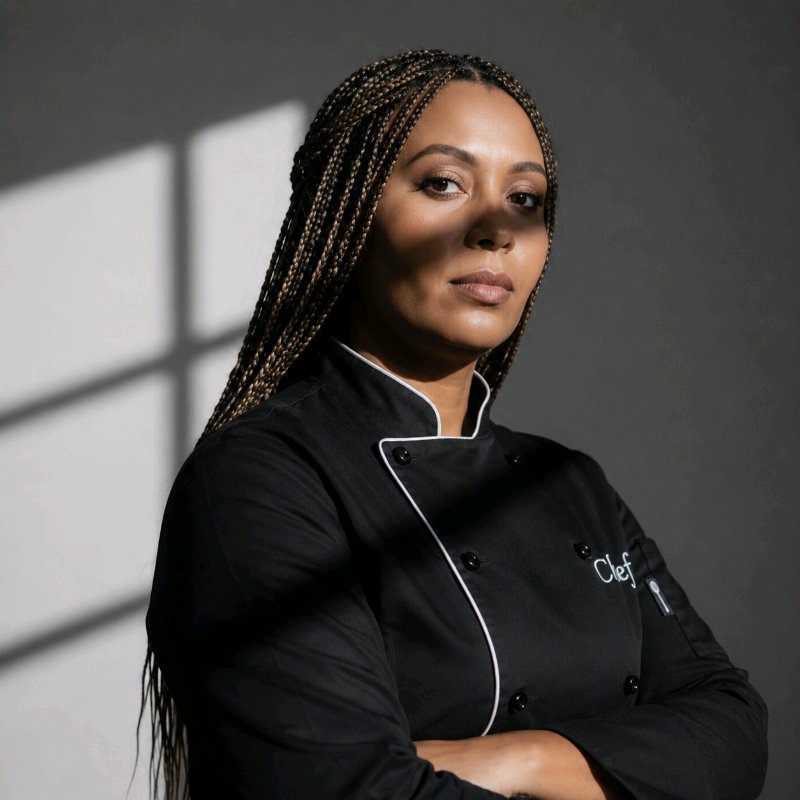
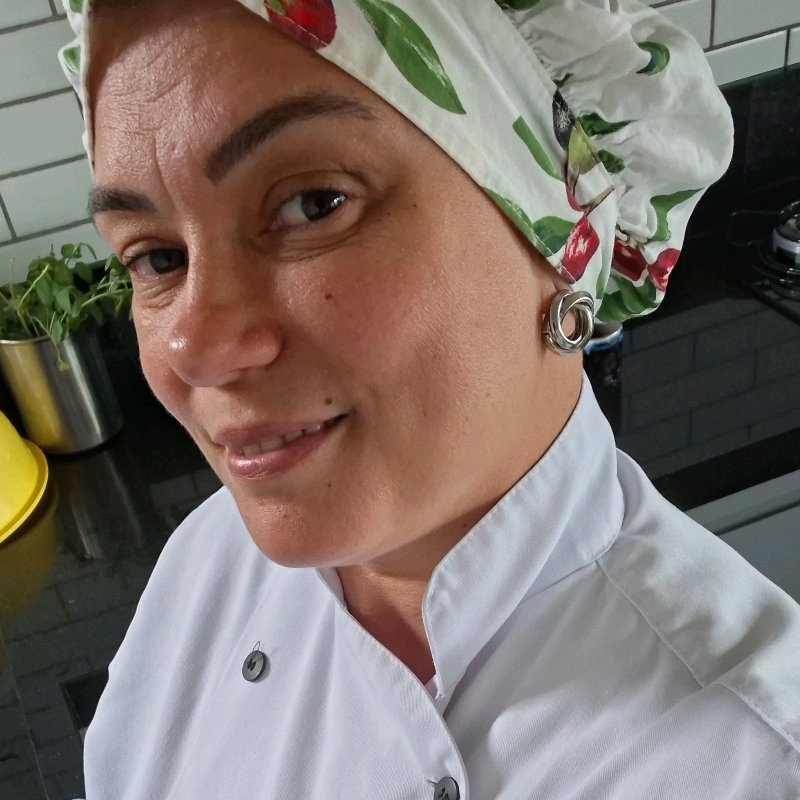
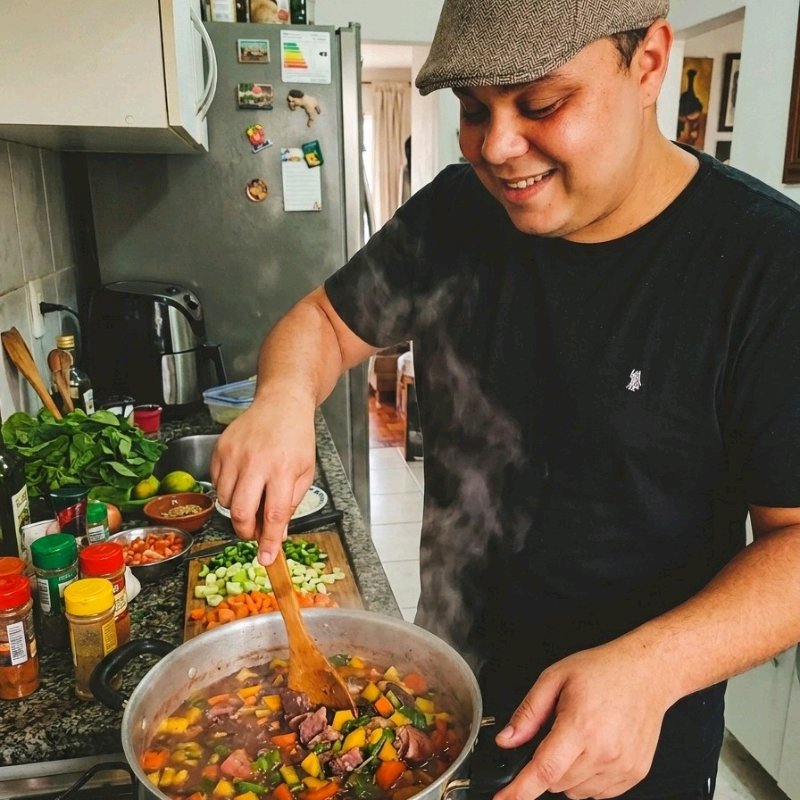
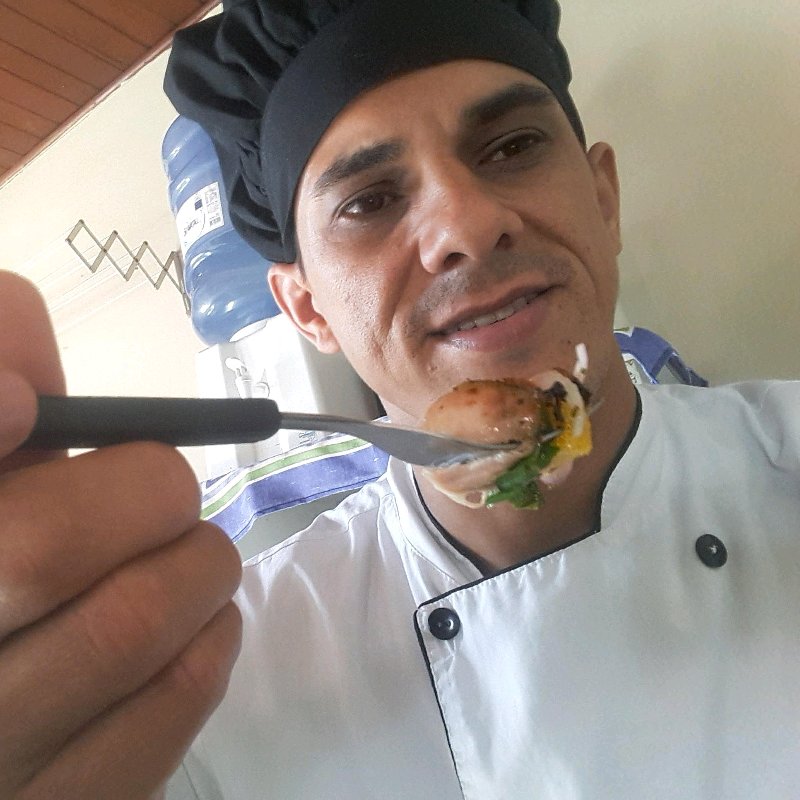
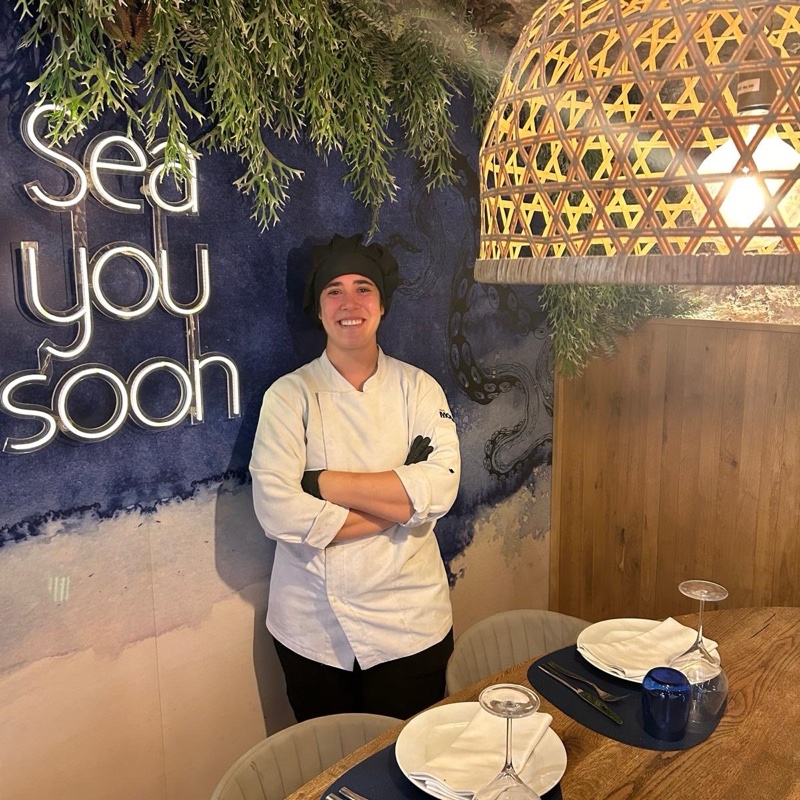
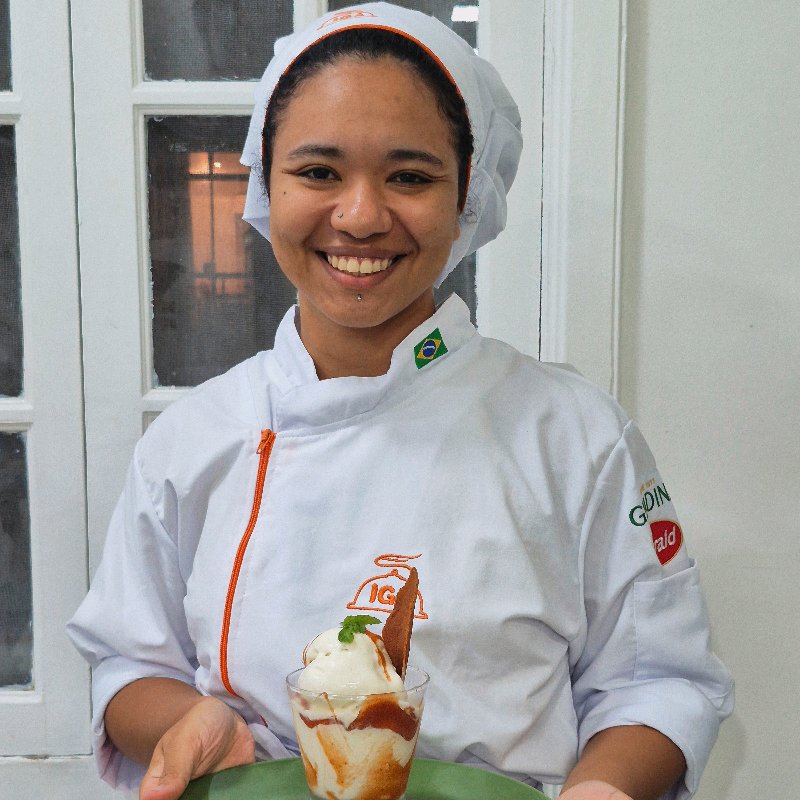
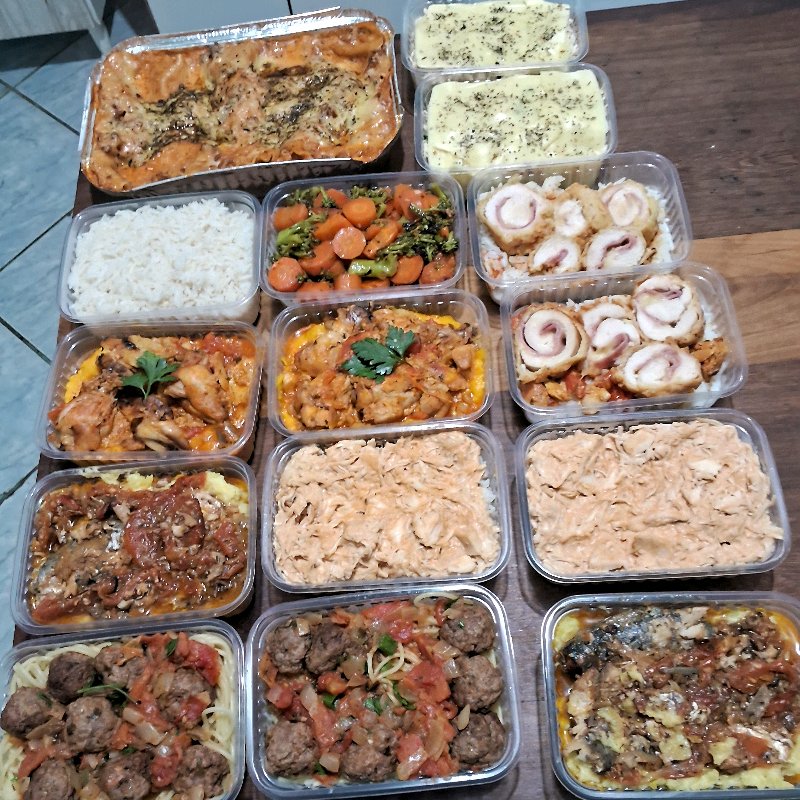
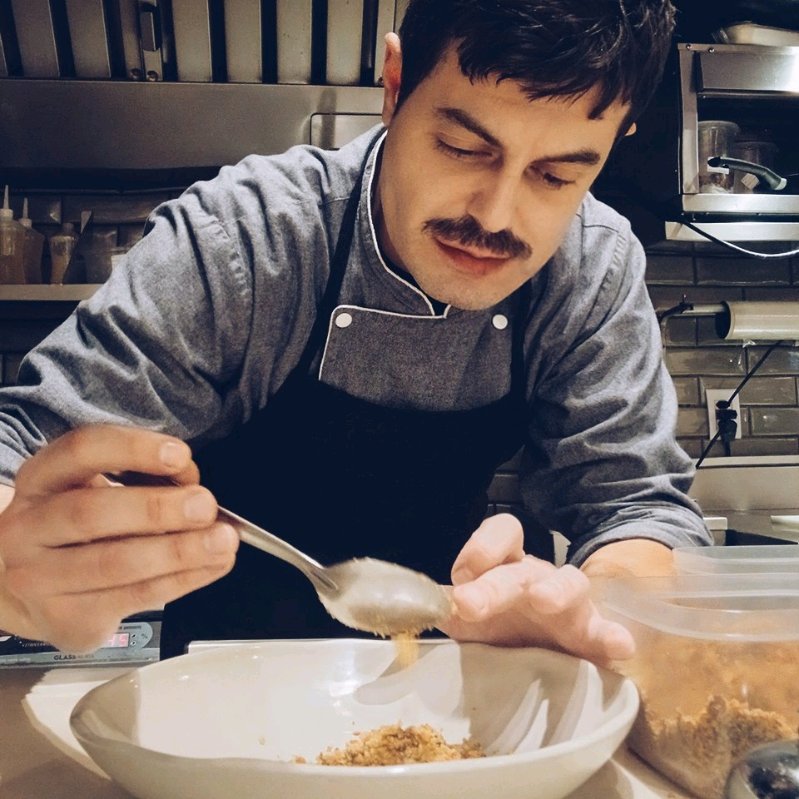
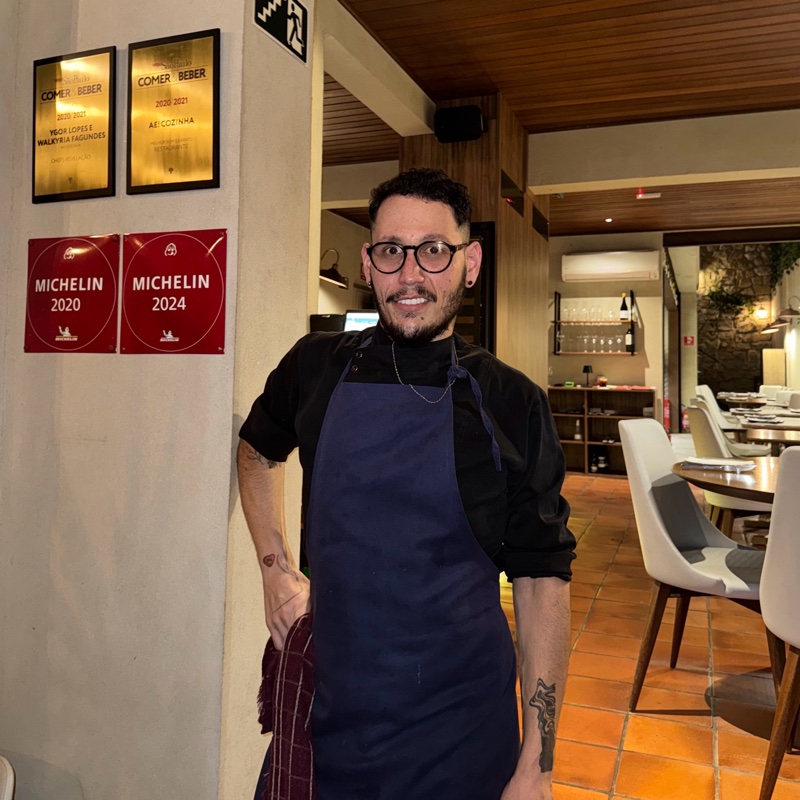
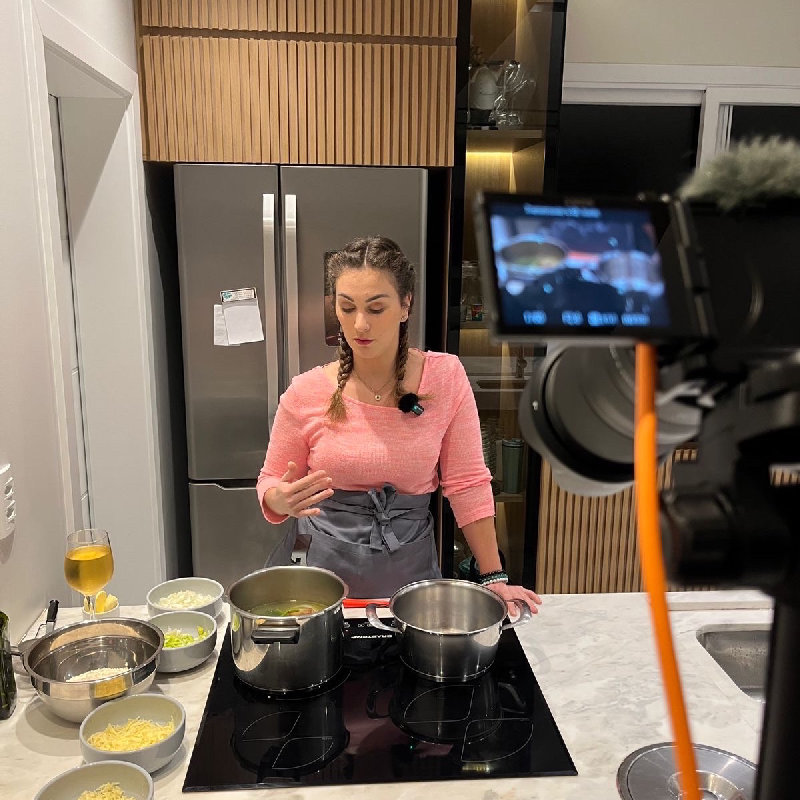
Chef meal prep works differently. A personal chef arrives at your home — typically on Sunday afternoon or Monday morning — with market-sourced ingredients, cooks 8-15 portions across 4-5 dishes, portions and labels everything, cleans the kitchen, and leaves. You reheat for 5 days. The prep session usually takes 3-4 hours; your daily effort is 3 minutes with a microwave.
The key structural difference is intentionality. Delivery is reactive — you decide at the moment of hunger, which is the worst time to make nutritional decisions. Chef meal prep is proactive — the week's food is already aligned with your goals before Monday begins.
Pro Tip
Ask your chef to use glass containers with labels showing macros and reheating times. It eliminates the 'what is this' moment on Wednesday night.
The Real Cost Comparison
The delivery cost trap is real. A single lunch from a mid-tier São Paulo restaurant via iFood — main dish, delivery fee, service fee, and the occasional surge — consistently lands between R$35 and R$65. Dinner from a sit-down-quality restaurant often exceeds R$80. Run those numbers for 5 lunches and 5 dinners per week and you're spending R$350-R$700 weekly, or R$1,400-R$2,800 per month — before weekend meals.
A weekly chef meal prep session for one person in São Paulo typically costs R$250-R$450 for the chef's fee, plus R$150-R$250 in ingredients, totalling R$400-R$700 per week — covering 10-15 complete meals. The per-meal cost drops to R$30-R$55, often matching or undercutting basic delivery while delivering restaurant-quality nutrition. For couples sharing a session, the per-person cost falls further.
There are also hidden costs on the delivery side that the price tag doesn't show: packaging waste, the ambient temptation to add extras at checkout, and the nutritional cost of meals optimized for palatability rather than health. A chef meal prep budget is predictable and fixed; delivery spending tends to creep upward month after month.
✓Audit your last 30 days of delivery spending
Pull your iFood or Rappi statement and add up the total. Most people are surprised it exceeds R$1,500/month.
✓Get a meal prep quote from a chef
Request quotes from 2-3 chefs specifying your dietary goals, number of meals, and portion count. Compare to your actual delivery spend.
✓Factor in ingredient cost separately
Some chefs charge a flat fee and you pay ingredients; others bundle everything. Understand what's included before comparing.
✓Calculate the per-meal cost
Divide the total weekly cost by the number of portions produced. This is the honest unit of comparison.
Nutritional Quality: Where the Gap Is Widest
Restaurant food delivered to your door is engineered to taste great in the moment, which means liberal use of sodium, refined oils, and portion sizes calibrated to make you feel satisfied mid-box, not post-meal. A 2023 study from USP's School of Nutrition found that ultra-processed delivered meals averaged 40% more sodium and 60% more saturated fat than home-prepared equivalents with the same caloric content.
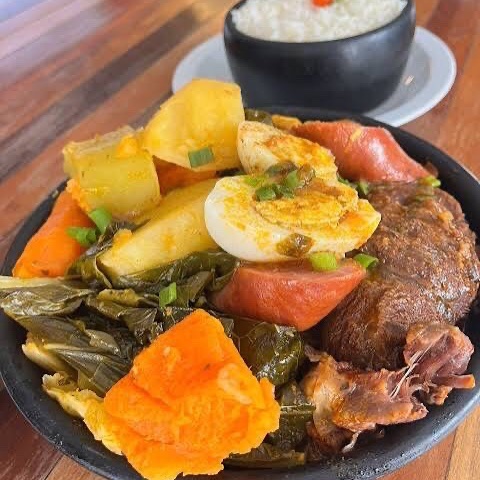
A chef working on your meal prep can hit specific macro targets — say, 35g of protein per portion at 450 calories — using whole ingredients like filé mignon strips, frango caipira, atum fresco, or legumes from Mercado Municipal. They can accommodate lactose intolerance, gluten sensitivity, low-FODMAP requirements, or intermittent fasting windows. No delivery app can do that.
The most underrated nutritional advantage is freshness. Delivery food is often prepared hours before arrival and reheated in transit. Chef meal prep food is cooked that morning and refrigerated correctly. For salads, grain bowls, and fish dishes especially, the textural and nutritional difference is significant.
Pro Tip
Give your chef a written brief with your health goals, current dietary restrictions, foods you dislike, and any macros you track. The more specific you are, the better the output.
Variety and Culinary Creativity
Delivery apps appear to offer endless variety, but behavioral data tells a different story: the average Brazilian delivery user orders from the same 5 establishments 80% of the time. Ratings, habit, and the cognitive load of choosing from 200 options paradoxically narrow your actual diet.
A skilled personal chef rotates your meal prep menu weekly based on seasonal availability at feiras and Ceagesp, your feedback, and culinary progression. In one month you might cycle through quinoa bowls with roasted vegetables, Nordestino-inspired dishes with carne de sol and macaxeira, Japanese-inflected grain bowls, and Mediterranean-style baked fish. The rotation is intentional, not algorithmic.
The right chef also introduces you to ingredients and preparations you'd never order from an app — burrata with tomatoes from Holambra, fresh hearts of palm from Juréia, or heirloom feijão varieties from Minas. Over time, a meal prep chef genuinely expands your palate.
Convenience: The Real Trade-offs
Delivery wins on zero-planning convenience. If your schedule is genuinely unpredictable — frequent last-minute travel, variable meal times, no pattern to your week — daily delivery may genuinely serve you better than paying for meals you won't eat.
Chef meal prep wins on frictionless execution of an intentional plan. If you have consistent meal times, health goals you care about, and predictable weekdays, the 3-minute microwave routine is dramatically lower friction than opening an app, choosing, waiting 45 minutes, and cleaning up packaging every single day.
The honest answer is that most professionals with structured weekdays find meal prep dramatically reduces decision fatigue and the 'I'll just order something' slip that derails health goals. The flexibility trade-off is real but smaller than it looks — most chefs can accommodate a short week (fewer portions) or frozen-ahead portions for travel weeks.
Who Should Choose Each Option
Chef meal prep is the stronger choice if: you have specific nutritional goals (weight loss, muscle gain, managing a health condition), you eat at home on most weekdays, you're currently spending over R$1,200/month on delivery, or you value knowing exactly what's in your food. It's also a significant upgrade for families — one prep session can feed two adults and two children lunch and dinner for a week.
Daily delivery is the more honest choice if: your schedule is genuinely unpredictable, you travel frequently enough that prepped food would go to waste, you live with others whose schedules and preferences are too diverse to plan around, or you genuinely derive enjoyment from the choosing-and-waiting ritual. There's no shame in this — the math only favors prep when you'll actually eat what's prepared.
A hybrid model works well for many people: chef meal prep covers weekday lunches and dinners, while delivery or restaurant visits remain for social occasions and the days that simply don't go to plan. This keeps the per-meal cost of meal prep low while preserving flexibility.
✓Track how many delivered meals you actually finish
Food waste is a hidden delivery cost. If you're throwing away 20% of what arrives, your real per-consumed-meal cost is much higher.
✓Assess your weekly schedule predictability
If Monday-Friday follows a pattern, meal prep will fit. If every week is different, delivery may genuinely be more practical.
✓Consider starting with a trial session
Book one meal prep session before committing to weekly. Most people convert immediately; a few realize the model isn't for them.
✓Calculate total household food spend, not just delivery
Include supermarket purchases that go unused. Meal prep often replaces both delivery spend and wasteful grocery shopping.
Making the Transition to Chef Meal Prep
The first step is finding a chef whose specialty matches your dietary preferences. myChef profiles show each chef's cuisine strengths, dietary expertise, and verified reviews from meal prep clients. Filtering for 'meal prep' and your city shows chefs who specialize in exactly this service.
Once you've chosen a chef, the onboarding brief is the most important document you'll write. Include: how many portions per day, how many days, your macro targets if relevant, a list of ingredients you dislike, any allergies or intolerances, and your preferred cuisine style. A detailed brief produces dramatically better results than 'healthy food please'.
Give the model three weeks before judging it. The first session is always a calibration — the chef learns your preferences and portions. By week three, the food arriving in your fridge will be reliably aligned with what you actually want to eat.
Pro Tip
Schedule the chef session for Sunday afternoon so the food is fresh when your week begins Monday. Ask them to note which dishes are best frozen for days 4-5 to maintain quality throughout the week.