Why Meal Prep Works for Weight Loss (And Why Most People Quit)
The evidence for meal prepping as a weight-management tool is solid: people who eat home-prepared meals consistently consume fewer calories, eat more vegetables, and make fewer impulsive food choices than those who rely on delivery or restaurants. When your fridge contains ready-to-eat, correctly portioned meals, the path of least resistance is also the healthiest one.
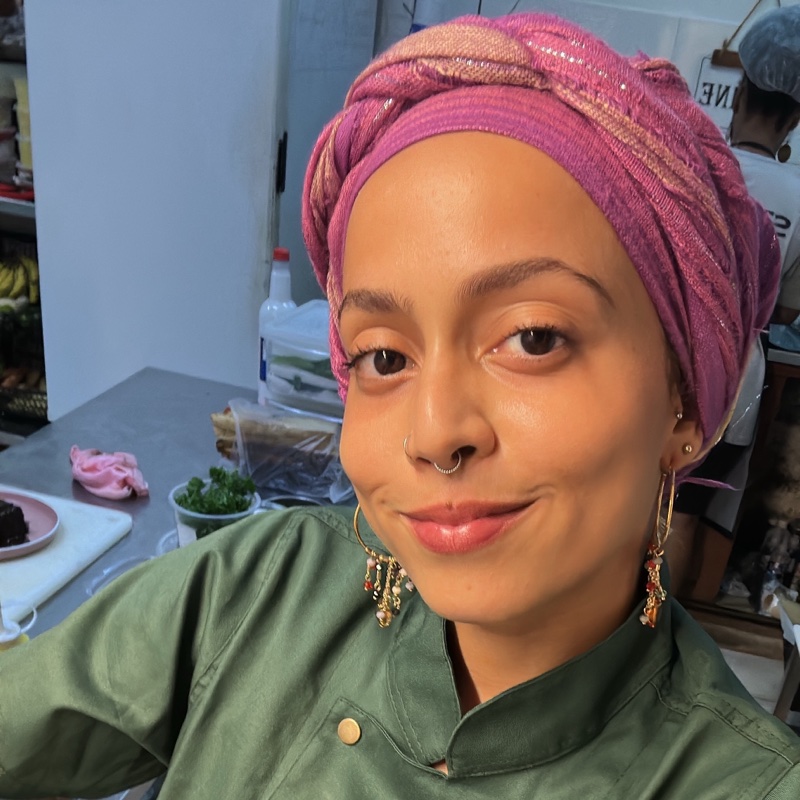
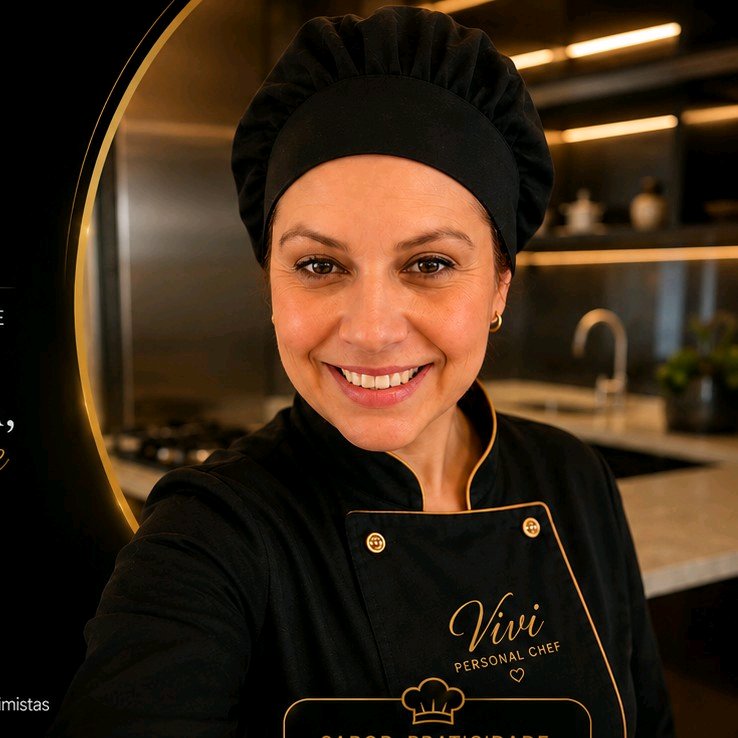
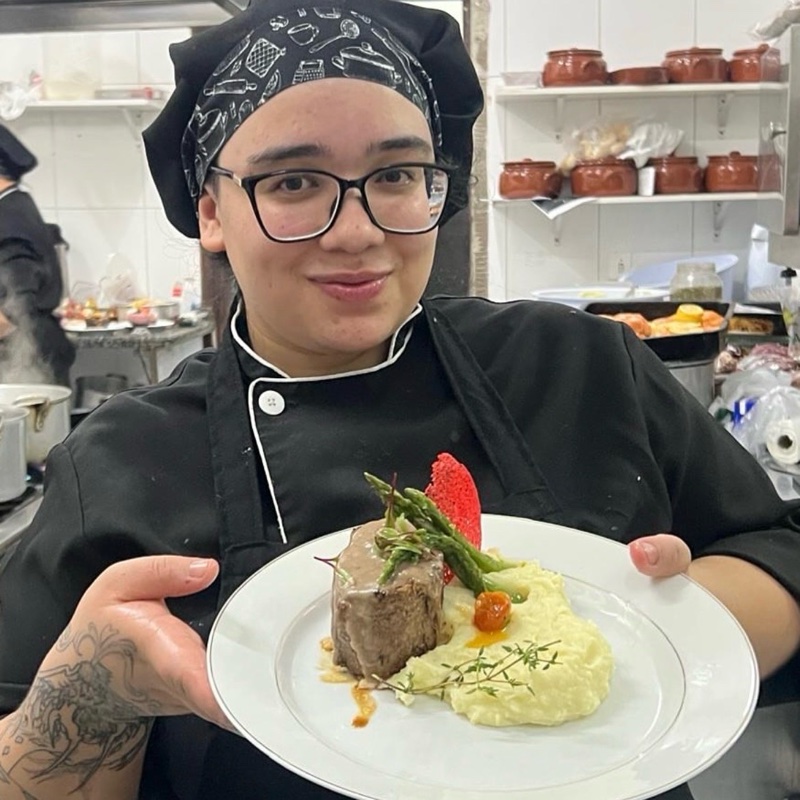
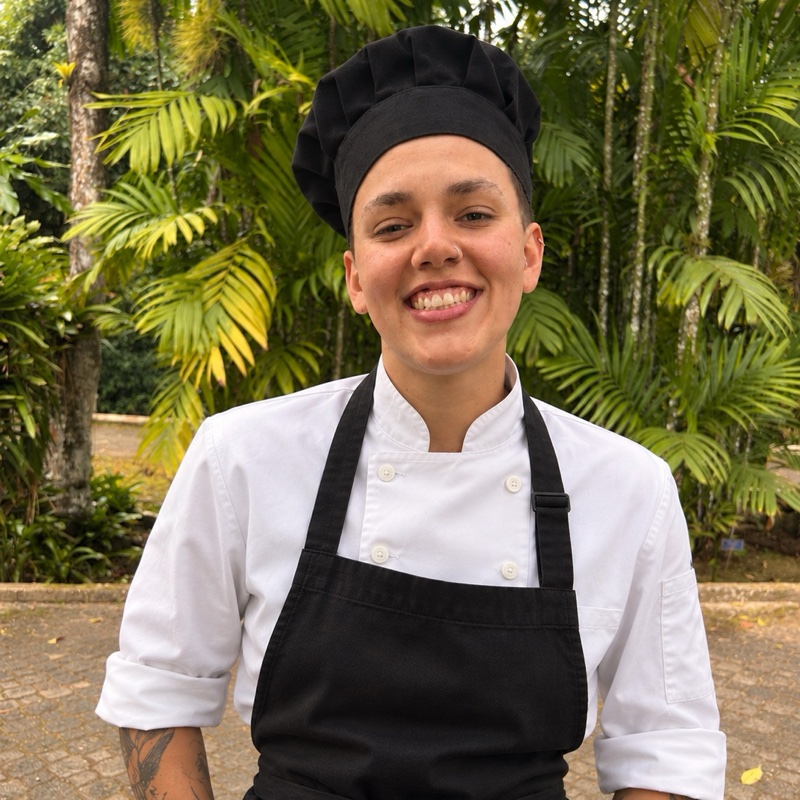
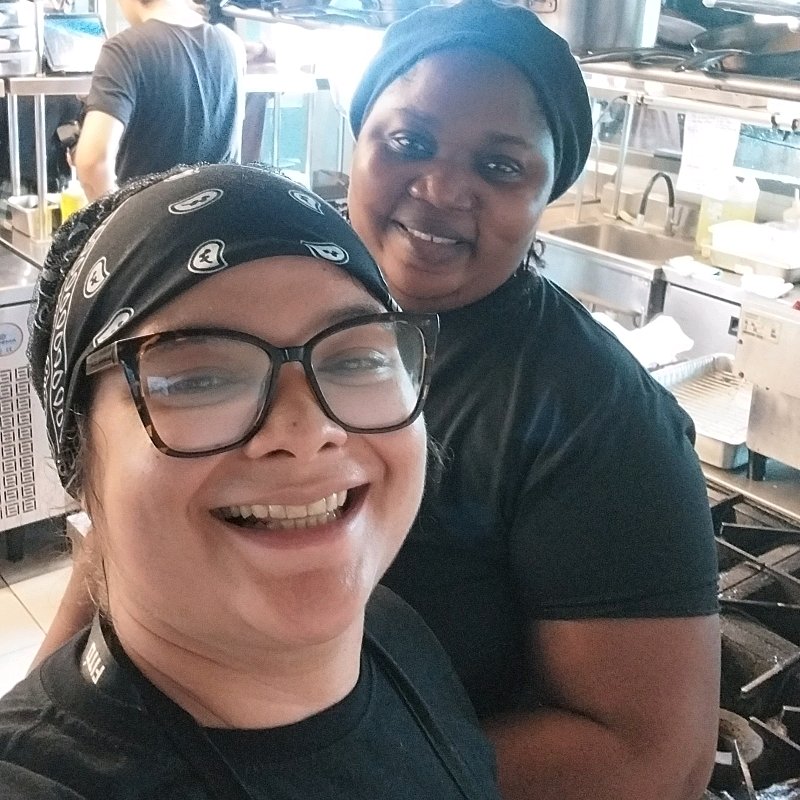
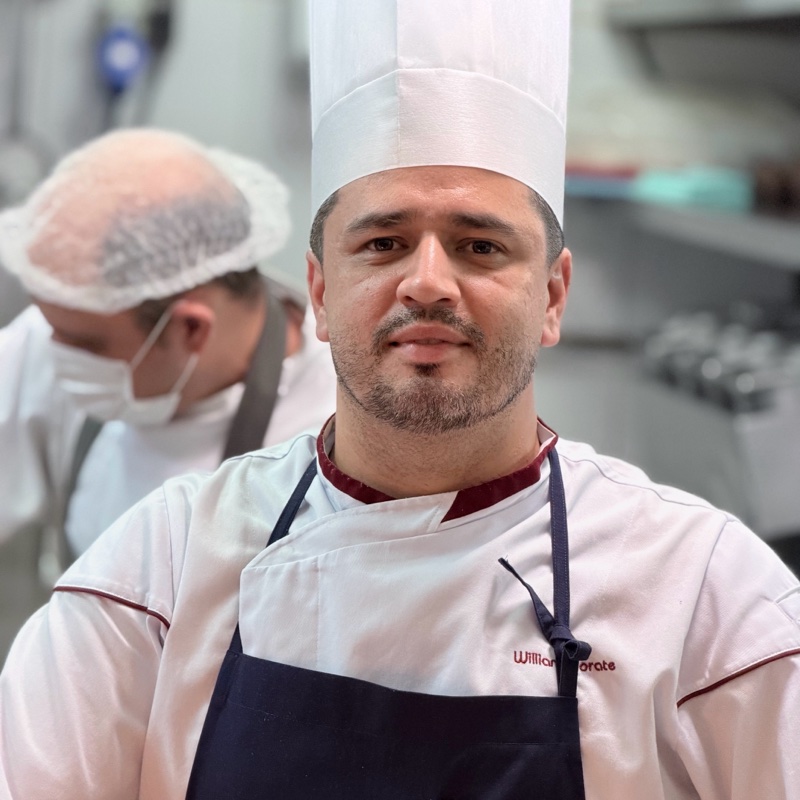
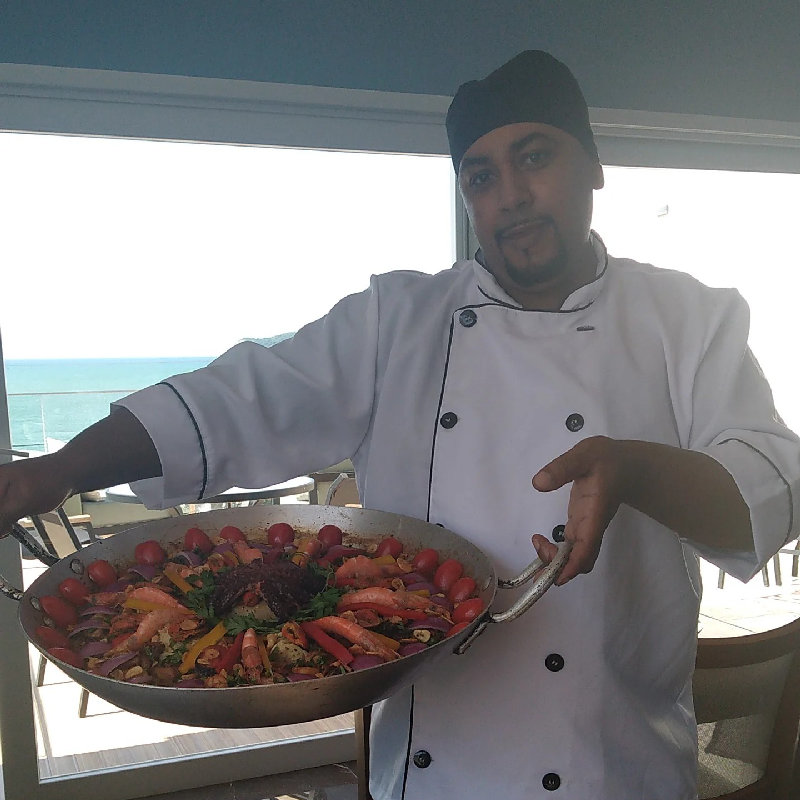
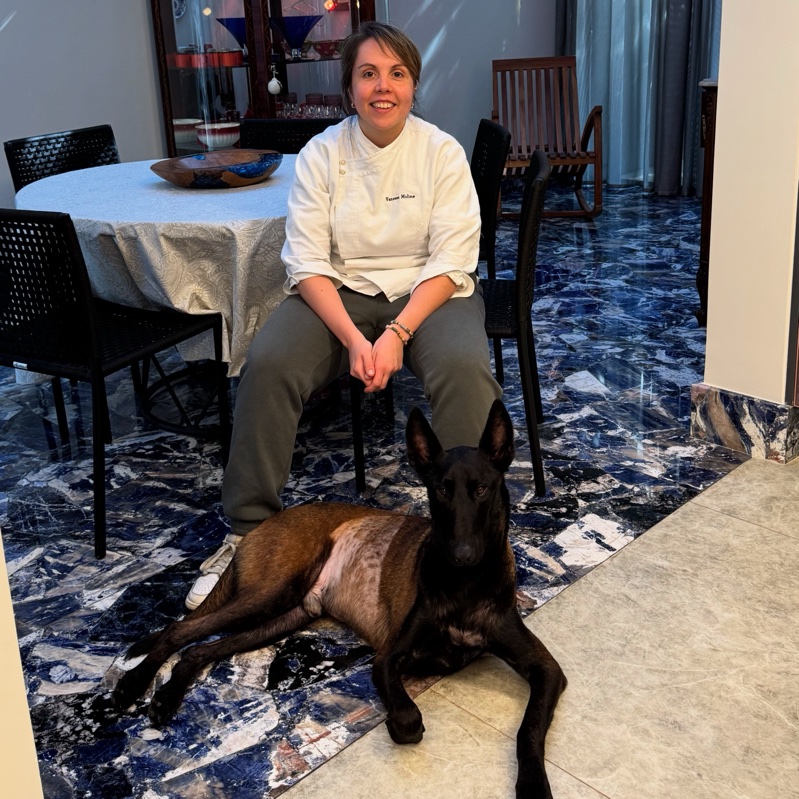
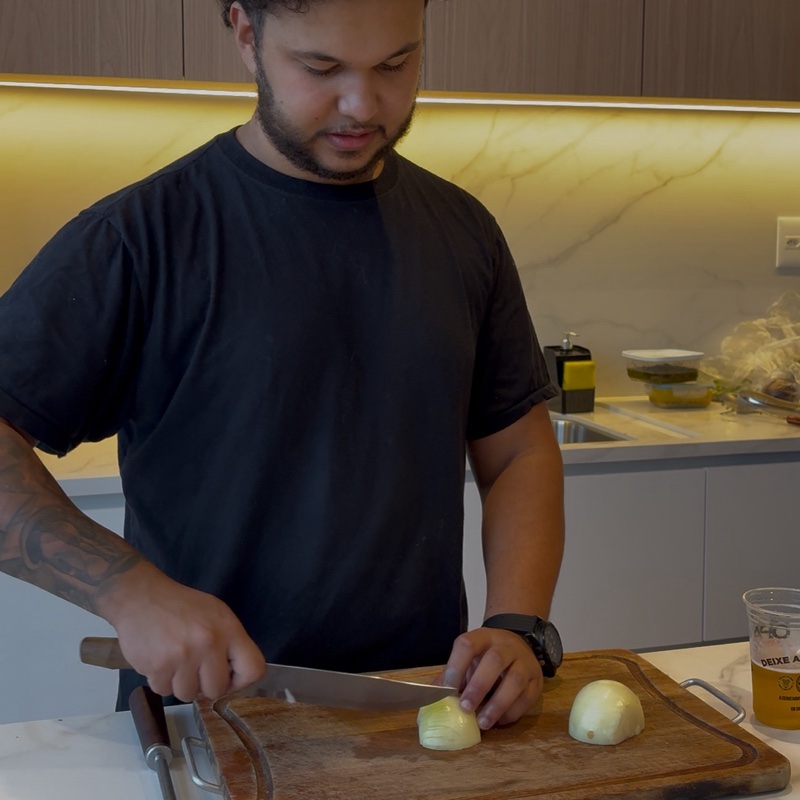
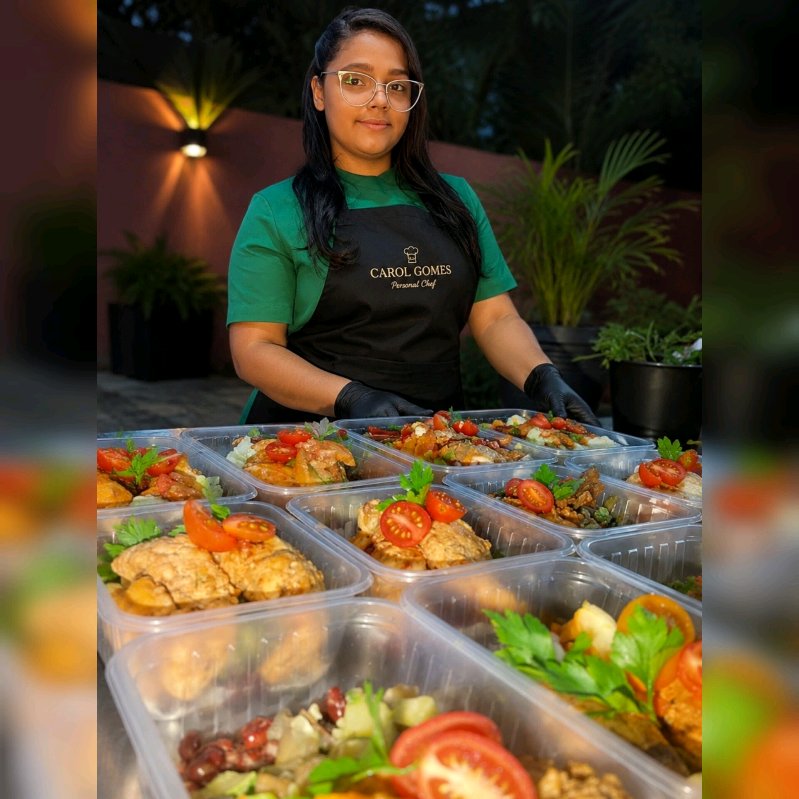
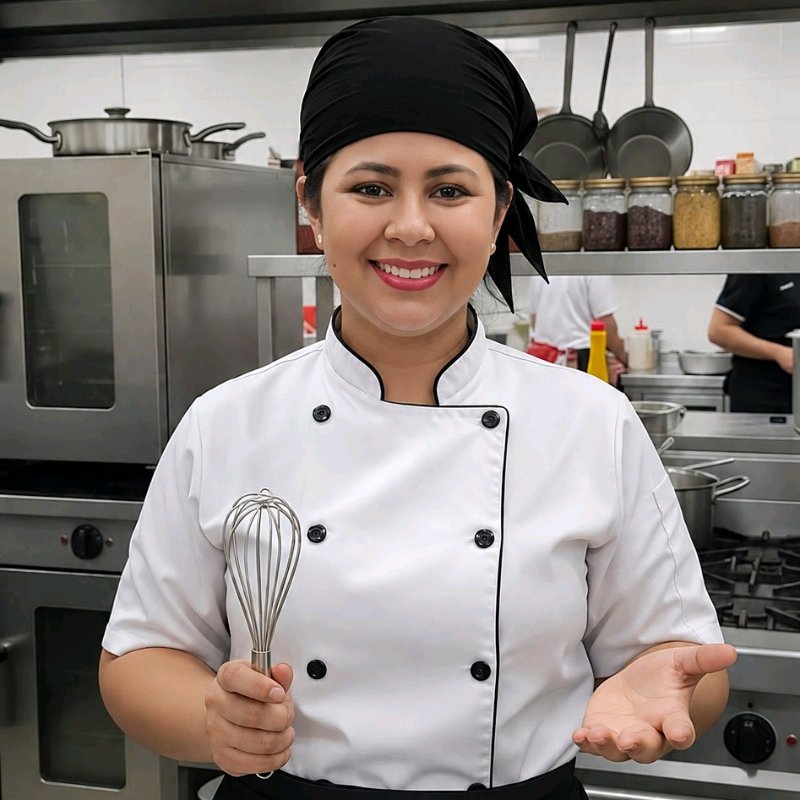
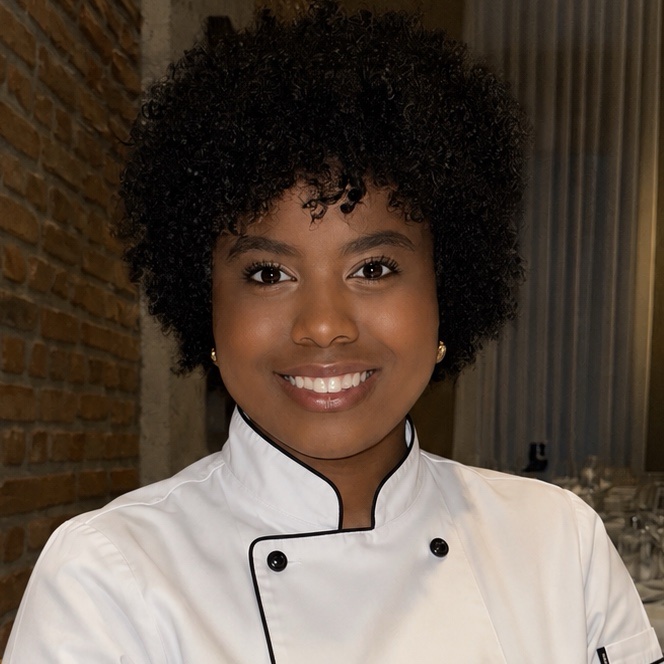
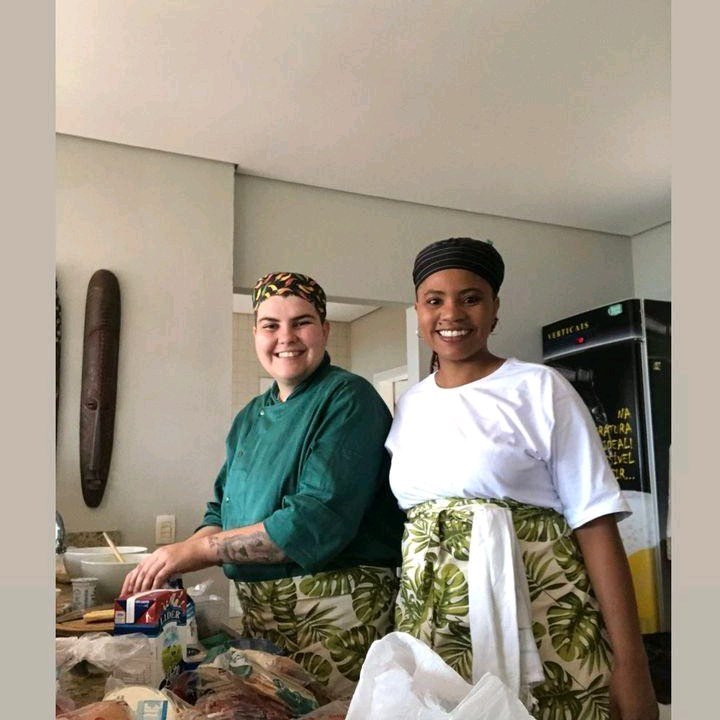
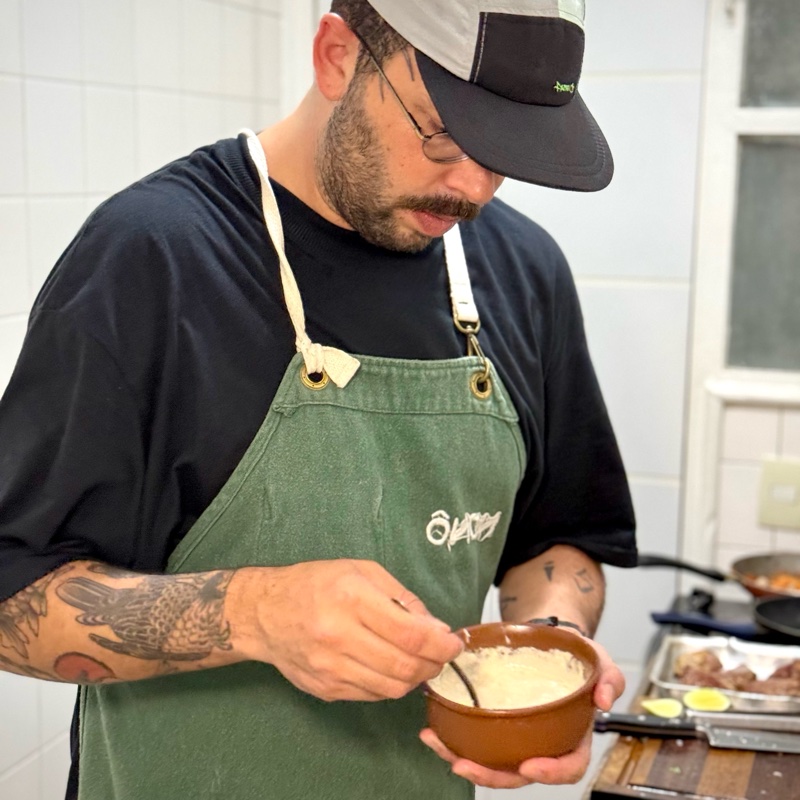
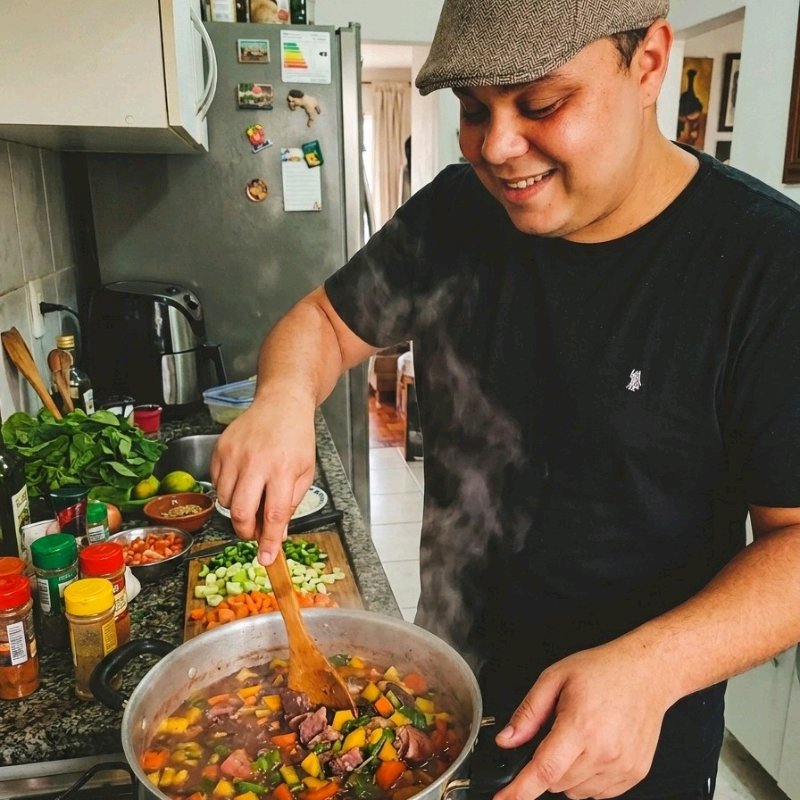
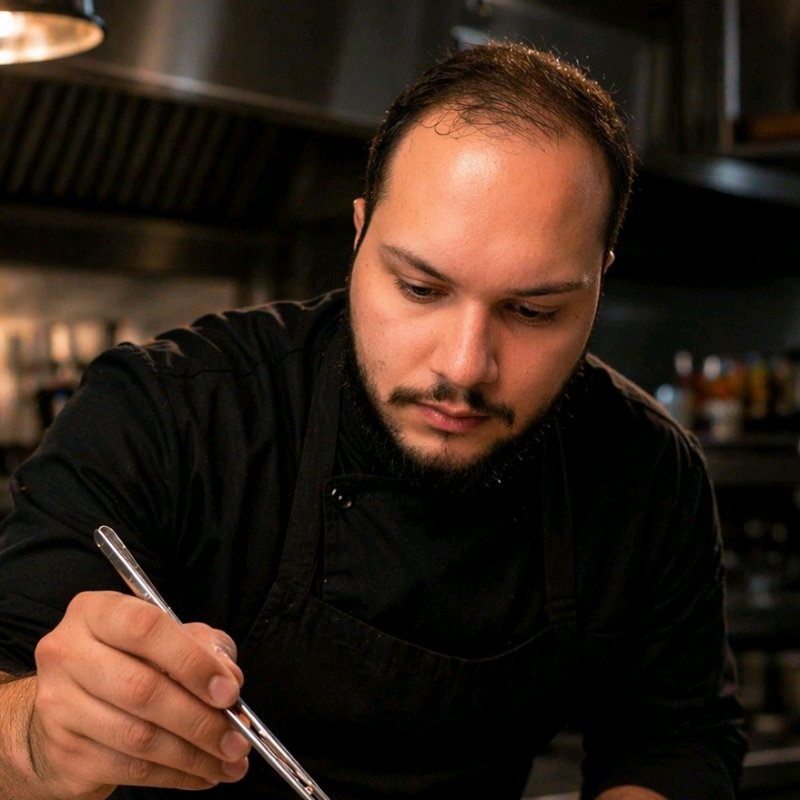
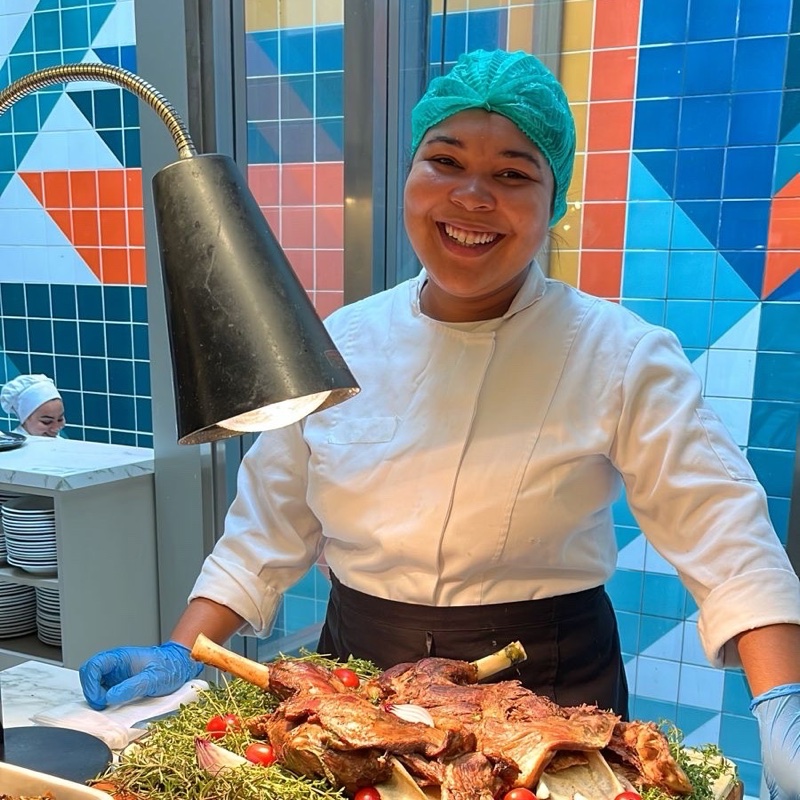
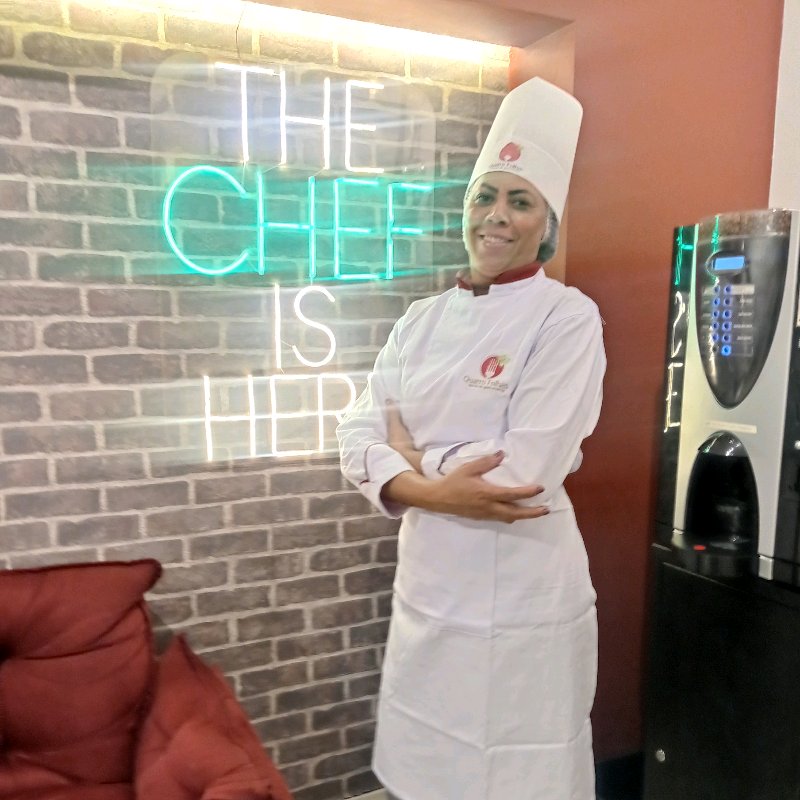
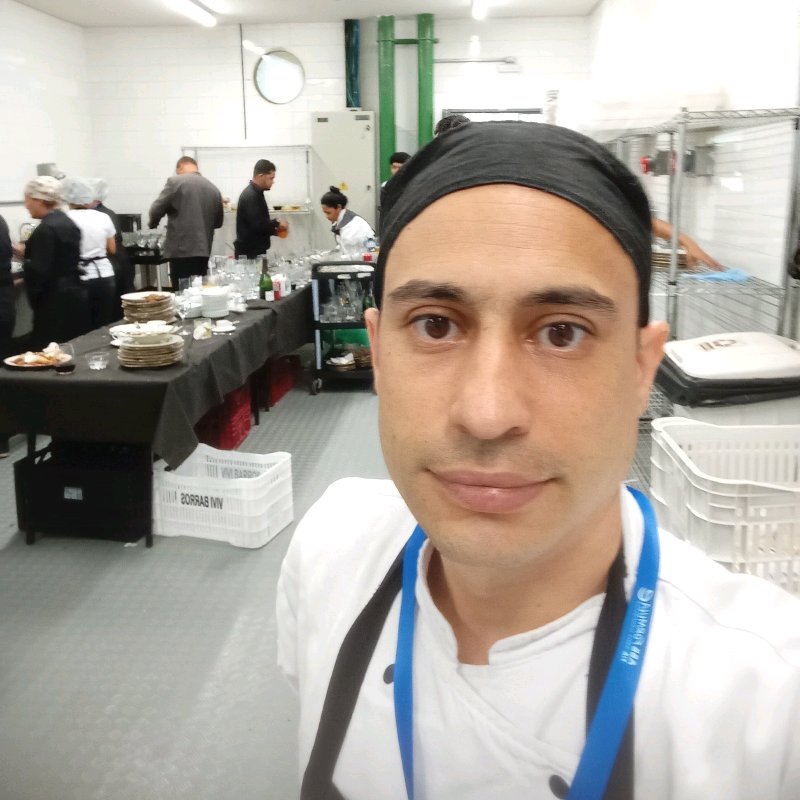
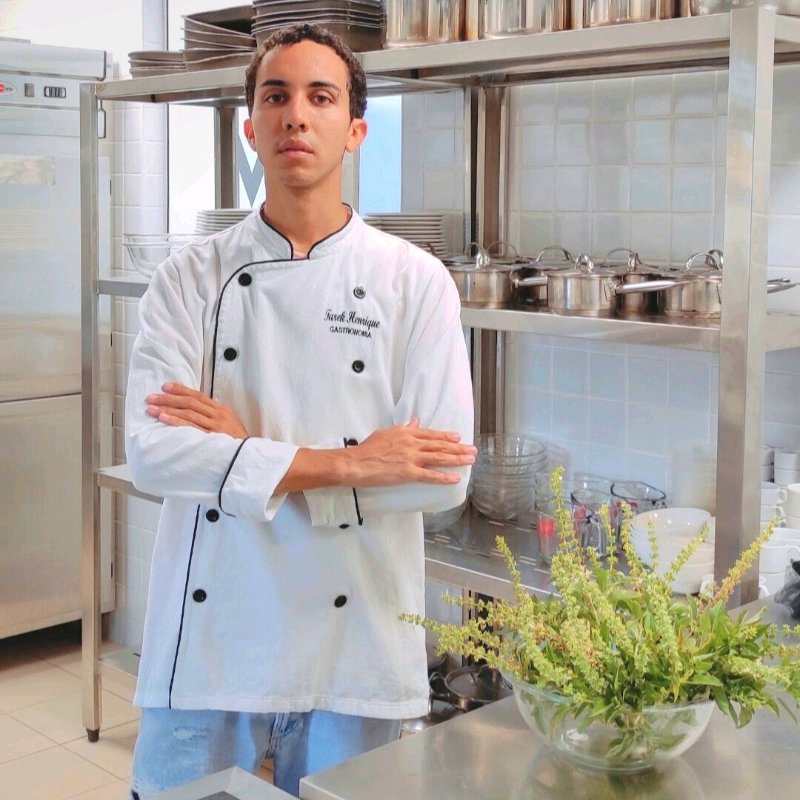
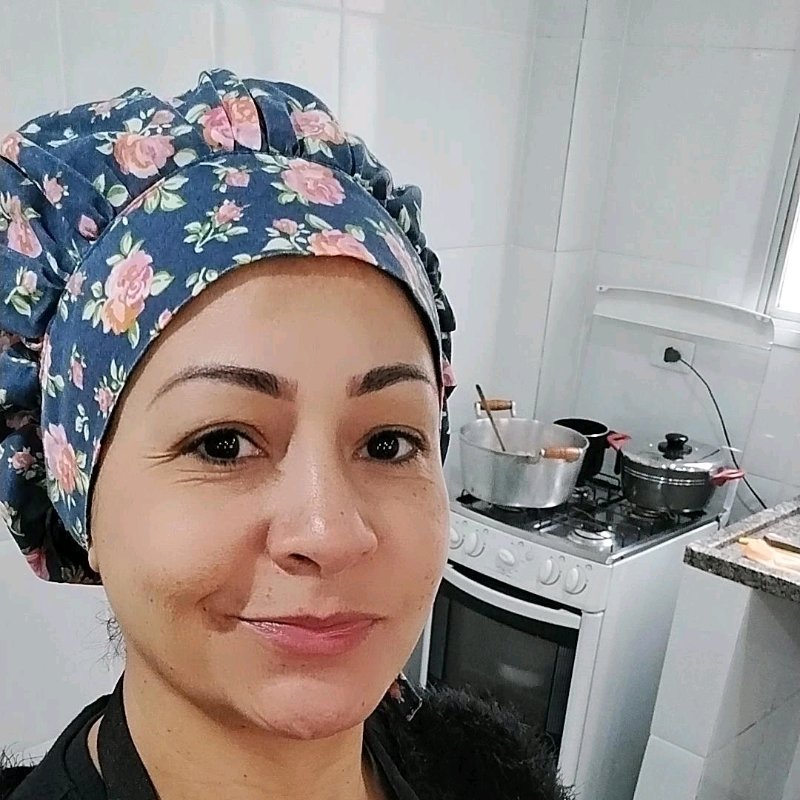
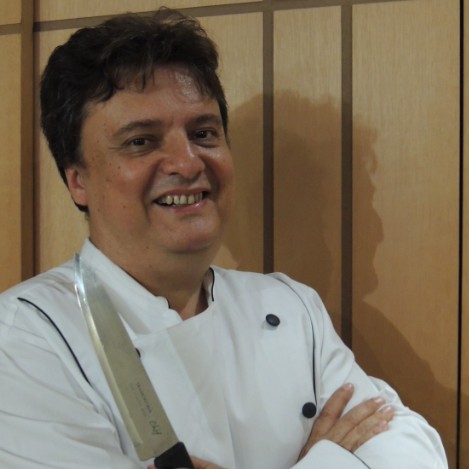
The reason most people stop meal prepping is not commitment — it is the Sunday afternoon kitchen marathon. Spending 3-4 hours chopping, cooking and packing containers is a significant time investment, and when a busy week intervenes, the habit collapses. Chef-prepared meal prep removes this friction entirely: one session per week, the chef comes to you, and you return to a full fridge of meals calibrated to your goals.
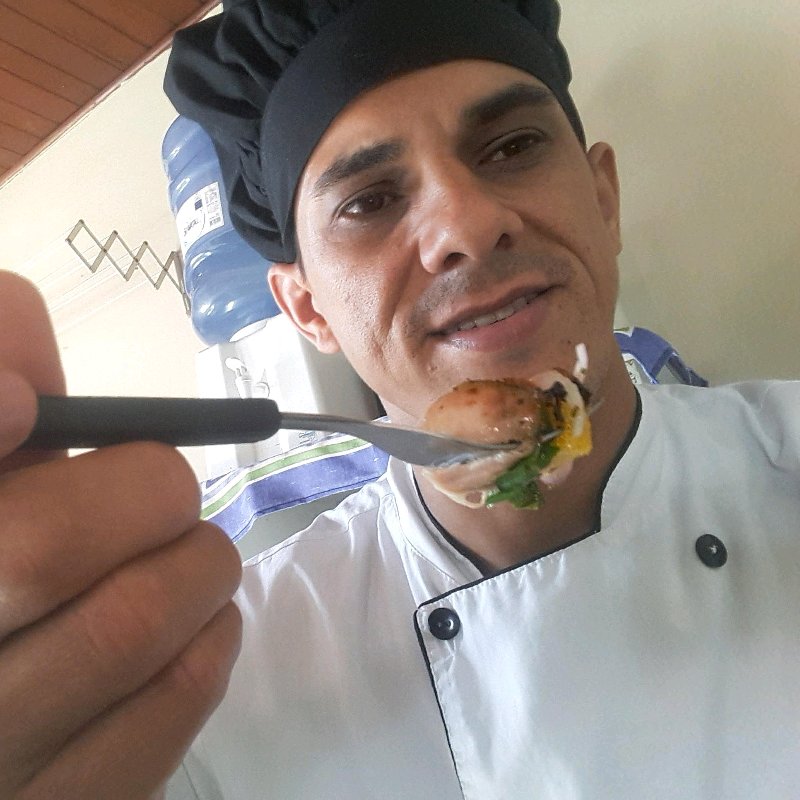
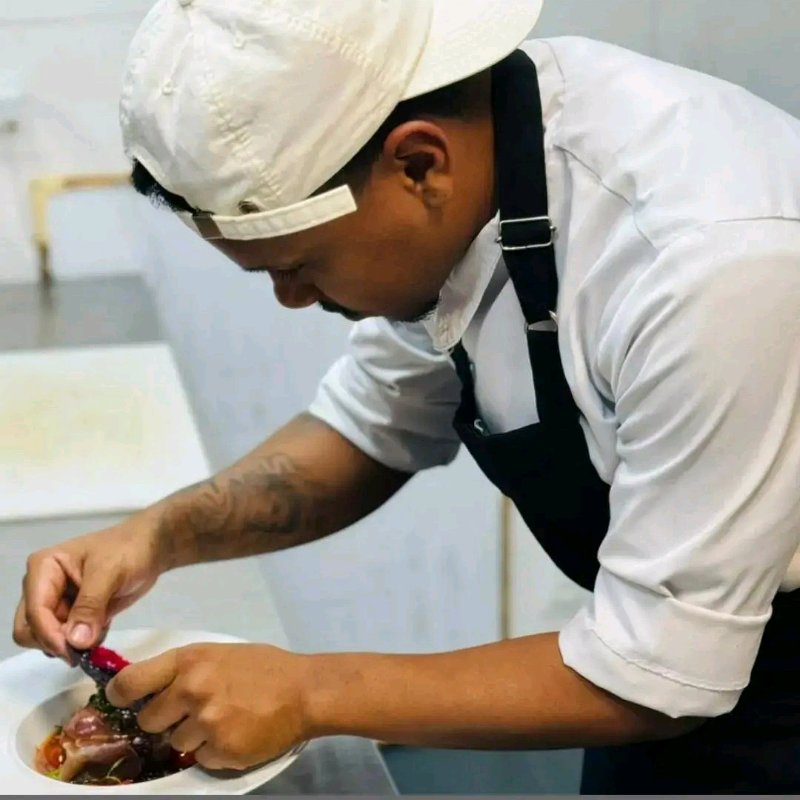
A second reason meal prep fails is flavor fatigue. Chicken and broccoli on repeat is medically adequate but psychologically unsustainable. A skilled chef brings technique and variety — different proteins, cooking methods, seasonings and vegetables — that make the same caloric target feel like genuinely different meals each day.
What a Personal Chef Brings to Your Weight Loss Plan
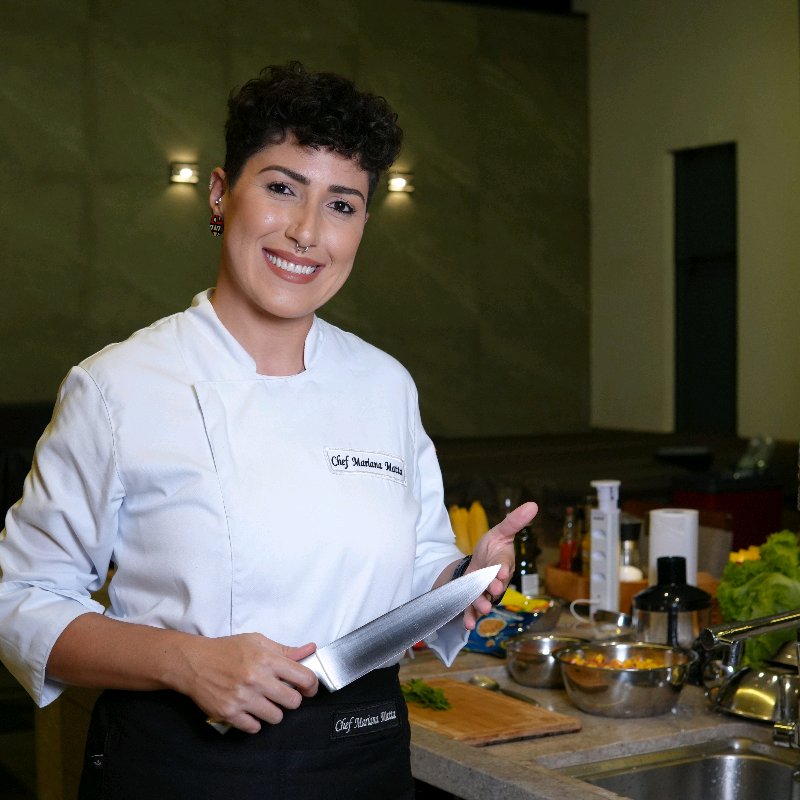
Before any cooking begins, a good meal-prep chef has a detailed briefing conversation with you. They want to understand your daily caloric target or range, your macro split (if you are tracking protein, carbohydrates and fat), your protein preferences, any foods you dislike or cannot eat, and your weekly rhythm — which days are hardest, when you tend to eat out, and how many meals per day you need prepared.
From this brief, the chef designs a weekly rotation that hits your targets while offering real variety. A sample week might include: grilled tilápia with quinoa and roasted legumes on Monday, frango ao molho de maracujá (passion fruit chicken) with sweet potato on Tuesday, carne moída temperada in lettuce cups on Wednesday, a vegetable curry over arroz integral on Thursday, and a salmão grelhado with a fresh herb salad on Friday.
Every container arrives labeled with the contents and, if agreed, the caloric and macro breakdown. This eliminates guesswork and removes one of the most common traps in weight loss: honest uncertainty about what you just ate.
Pro Tip
Ask your chef to batch-prep protein separately from carbohydrate bases so you can adjust portions at mealtime. On days when you exercised more, add an extra scoop of rice. On lighter days, skip it. This flexibility within structure is what keeps the plan working long-term.
Portion Control: The Chef Advantage
Home cooks who weigh ingredients and portion meals are a small minority. Most people estimate, and estimates grow over time. A chef who meal-preps for weight loss clients uses a kitchen scale as a matter of course — every portion is accurate to the brief, not estimated by eye.
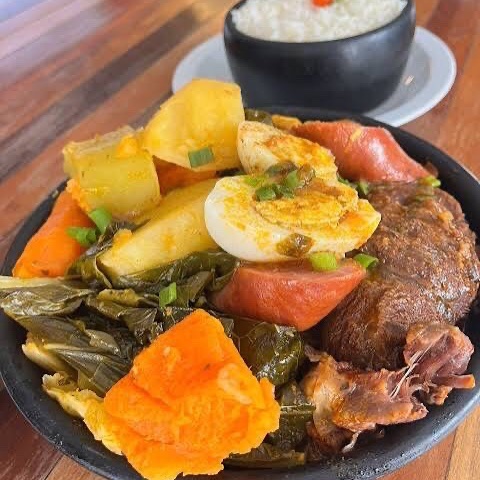
In Brazil, portion drift is particularly common with carbohydrate staples like arroz branco and feijão, both of which are calorie-dense when consumed in restaurant-sized quantities. A chef who understands this will calibrate those staples precisely, substituting arroz integral or couve-flor in place of white rice when appropriate, and offering high-volume, low-calorie vegetables like chuchu, abobrinha and escarola to fill the plate without inflating the count.
Consistency across the week is the real value. When every meal is portioned the same way, every single week, caloric intake becomes genuinely predictable — and predictable intake is what produces consistent results.
Macro Targeting: Protein, Carbs and Fat
Most weight loss protocols emphasize higher protein intake (typically 1.6-2.2g per kg of body weight) because protein is satiating, thermogenic and preserves muscle mass during a caloric deficit. A chef experienced in fitness-oriented meal prep knows how to build meals that hit these protein targets using a variety of sources — not just chicken, but also atum, lentilhas, grão-de-bico, ovos, queijo cottage and whey protein incorporated into natural recipes.
Carbohydrate management is equally important and equally nuanced. Rather than eliminating carbs — an approach that is hard to sustain in a country where rice and beans are cultural staples — a good chef modulates them: larger portions before or after training, smaller portions on rest days, and consistent use of lower-glycemic alternatives like batata-doce, quinoa and mandioca.
Fat sources are chosen for satiety and nutritional value: avocado (abacate) in salads, azeite de oliva for cooking, nuts and seeds as toppings. The chef's shopping list reflects these choices, meaning you eat better fat than you would if you were assembling meals yourself.
Variety and Flavor: Keeping the Plan Sustainable
Sustainable weight loss is built on sustainable eating habits. If the food you eat during a weight loss phase is satisfying and varied, you are far more likely to maintain the habits — and the results — after you reach your goal. If the food is monotonous and joyless, you will eventually abandon the approach and return to old patterns.
A skilled chef treats a weight loss brief as a flavor challenge, not a flavor limitation. Brazilian regional ingredients offer enormous variety within a calorie-controlled framework: camarão with coconut and lime, galinha caipira slow-cooked with herbs, roasted abóbora com especiarias, grilled coração de frango — all of these are protein-rich, relatively low-calorie and genuinely delicious.
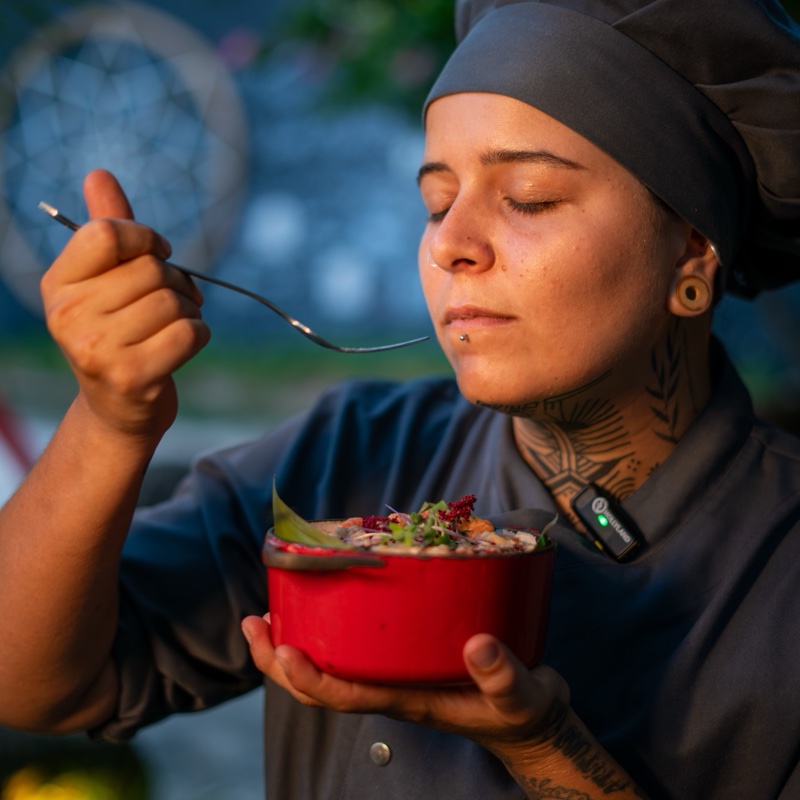
Spice use, fresh herbs, citrus and good acidity are the chef's tools for making simple, clean food feel complete. A well-seasoned grilled fish over arroz de couve-flor tastes like a restaurant dish. The same fish plain over cold plain rice tastes like a punishment.
Pro Tip
Rotate your protein sources each week. If you ate fish three times last week, ask for more legume and chicken-based meals this week. Variety prevents the flavor fatigue that derails most weight loss meal plans.
Logistics and Costs in Brazil
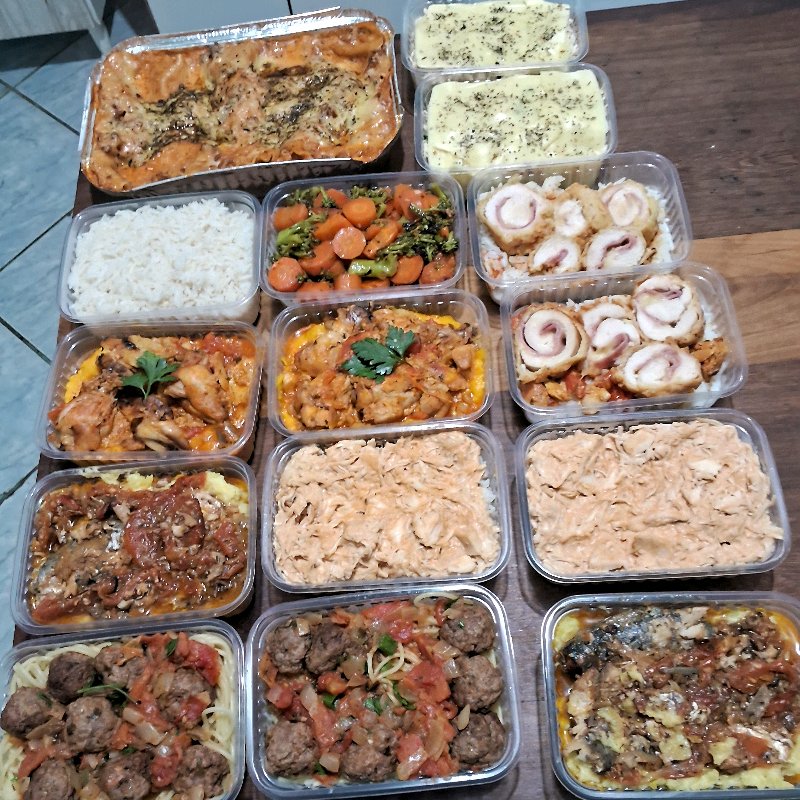
A weekly meal prep service in Brazil typically involves the chef arriving at your home once per week, cooking for 3-4 hours, and leaving your fridge stocked with 10-15 individual meals in airtight containers. The cost depends on city, chef experience and menu complexity, but ranges from R$300 to R$700 per weekly session for 10-15 meals, including ingredients. Per-meal, this is R$25-R$55, which compares very favorably to healthy delivery apps.
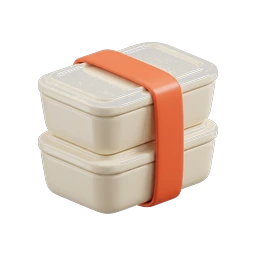
Most chefs ask that you provide containers, or they bring their own. Glass containers are preferred for weight-loss clients because they allow you to see exactly what you have at a glance, which reduces the temptation to order delivery when the fridge looks 'empty'. A set of 15-20 glass containers with lids is a worthwhile one-time investment.
Scheduling is flexible — most clients choose Monday as prep day so the week starts stocked, or Sunday for those who prefer to start Monday morning with no logistics to handle. Many chefs also offer fortnightly check-ins by WhatsApp to adjust portions or swap meals that are not working.