What a Mediterranean Personal Chef Specialises In
A Mediterranean personal chef specialises in the culinary traditions that border the Mediterranean Sea — broadly divided into Southern European (Greek, Italian, Spanish, Portuguese coast), North African (Moroccan, Tunisian), and Eastern Mediterranean (Turkish, Lebanese, Israeli). These traditions share foundational ingredients — olive oil, fresh vegetables, legumes, whole grains, seafood, and fresh herbs — but express them with distinct regional personalities.
In Brazil, Mediterranean cuisine is particularly well suited to the domestic market because many of its key ingredients thrive locally: olive oil of increasing quality is produced in the Rio Grande do Sul, fresh fish is abundant along the coast, and Mediterranean herbs (rosemary, thyme, oregano, sage) grow easily in the Brazilian climate.
The Mediterranean diet's emphasis on plant-forward eating, quality olive oil, and fresh proteins naturally aligns with Brazil's growing wellness consciousness. A Mediterranean personal chef is frequently booked not just for special occasions but as a regular meal prep service for health-focused clients seeking the dual benefit of eating beautifully and eating well.
Pro Tip
Specify which Mediterranean regional tradition you prefer before booking: Greek (lemon, herbs, grilled fish, mezze), Italian coastal (simplicity, olive oil, pasta), Moroccan (tagine, spice, couscous), or Lebanese (see our dedicated Lebanese guide) each feel very different at the table.
Signature Dishes on a Mediterranean Chef's Menu
Greek-inspired starters and mezze: tzatziki (strained yogurt, cucumber, dill, garlic), spanakopita (filo pastry with spinach and feta), dolmades (vine leaves stuffed with herbed rice), grilled halloumi with lemon and honey, horiatiki salad (tomato, cucumber, olive, feta, red onion, with the best olive oil you can source), and taramosalata (salted cured fish roe dip).
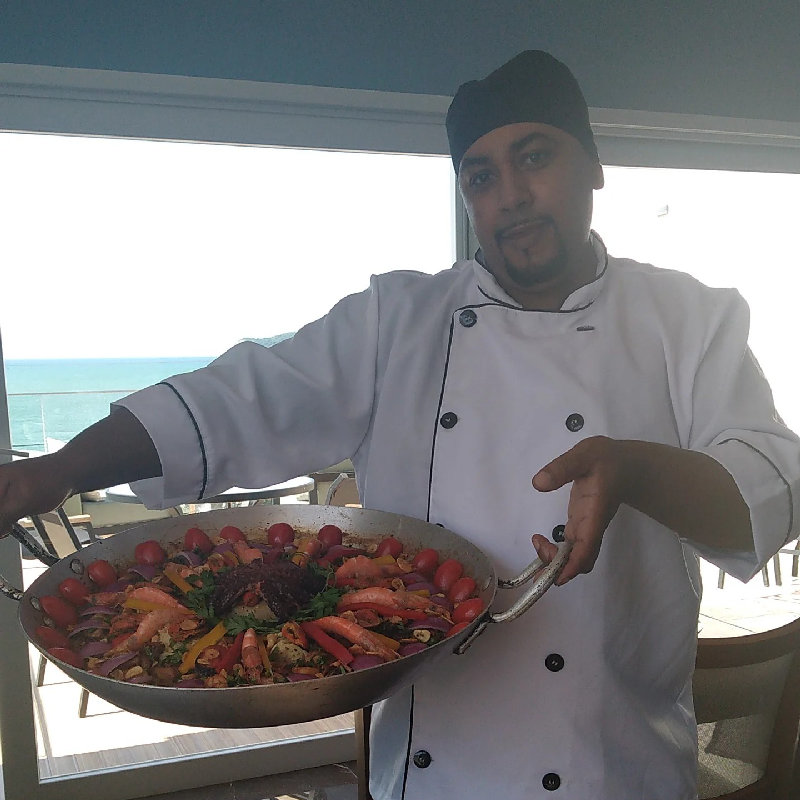
Main courses spanning the region: grilled branzino or daurade (sea bass or sea bream) with lemon, capers, and fresh herbs; Spanish-style paella de mariscos with local prawns, squid, and seasonal shellfish; Moroccan lamb tagine with preserved lemon, olives, and apricots slow-cooked in a clay vessel; Italian coastal pasta with bottarga, clams, and cherry tomatoes; Greek-style roasted chicken with orzo, feta, and kalamata olives baked in a single pan.
Vegetable and grain dishes that deserve centre-plate status: shakshuka (eggs poached in a vibrant spiced tomato sauce), Moroccan couscous with seven vegetables and harissa, Greek spanakoryzo (spinach and rice with lemon and dill), ratatouille (Provençal slow-roasted vegetable medley), and fattoush with pomegranate molasses.
Desserts: baklava with pistachios and rose-water honey syrup, crème brûlée, panna cotta with fresh berry coulis, Moroccan orange salad with cinnamon and orange blossom water, and Greek loukoumades (honey-drizzled fried dough balls) for a more casual occasion.
The In-Home Mediterranean Dining Experience
Mediterranean dining is characterised by abundance and generosity — many dishes, shared and communal, with extra bread always on the table. A Mediterranean personal chef typically sets up a mezze-style table of 6–8 cold starters before moving to the warm main courses, mimicking the taverna experience where food arrives continuously and conversation flows between dishes.
The aromas of a Mediterranean kitchen are among the most universally welcoming in cooking: olive oil warming in a pan, fresh herbs releasing as they touch heat, lemon zesting over a finished plate. The experience is convivial rather than theatrical — this is not cuisine that requires explanation, only appreciation.
Service is typically relaxed and generous. Mediterranean chefs are known for adding 'one more thing' — an extra dish, a bonus starter, a dessert that was not on the original menu but that the chef felt the occasion called for. This generosity of spirit is part of the tradition.
✓Specify your regional Mediterranean preference
Greek, Italian, Moroccan, Spanish, and Middle Eastern Mediterranean styles are each distinct. Choosing a focus produces more coherent, authentic menus than a generic 'Mediterranean' spread.
✓Confirm olive oil quality
Ask whether the chef brings their own extra-virgin olive oil or uses yours. Mediterranean cooking's flavour is inseparable from olive oil quality — a great chef will not compromise on this.
✓Discuss seafood freshness sourcing
Greek and Spanish Mediterranean dishes rely on day-fresh seafood. Confirm where the chef sources fish and shellfish and verify it is market-fresh on the day.
✓Clarify the service format
Mezze-style communal sharing or plated courses — both work beautifully for Mediterranean food. The choice depends on your occasion and guest count.
Pricing for a Mediterranean Personal Chef in Brazil
A Mediterranean dinner for 4–8 guests — a generous mezze spread, a main fish or meat dish, and dessert — typically costs R$ 250–R$ 450 per person in Brazil, inclusive of labour and ingredients. A full 5–6 course Mediterranean tasting menu focusing on a single regional tradition (e.g., Greek islands or Moroccan) costs R$ 400–R$ 600 per person.
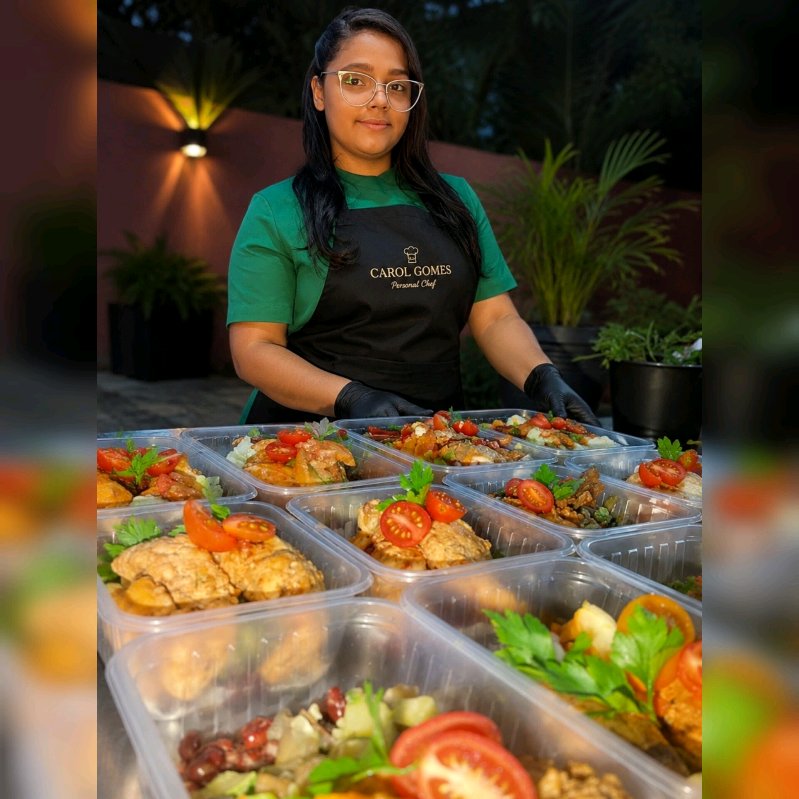
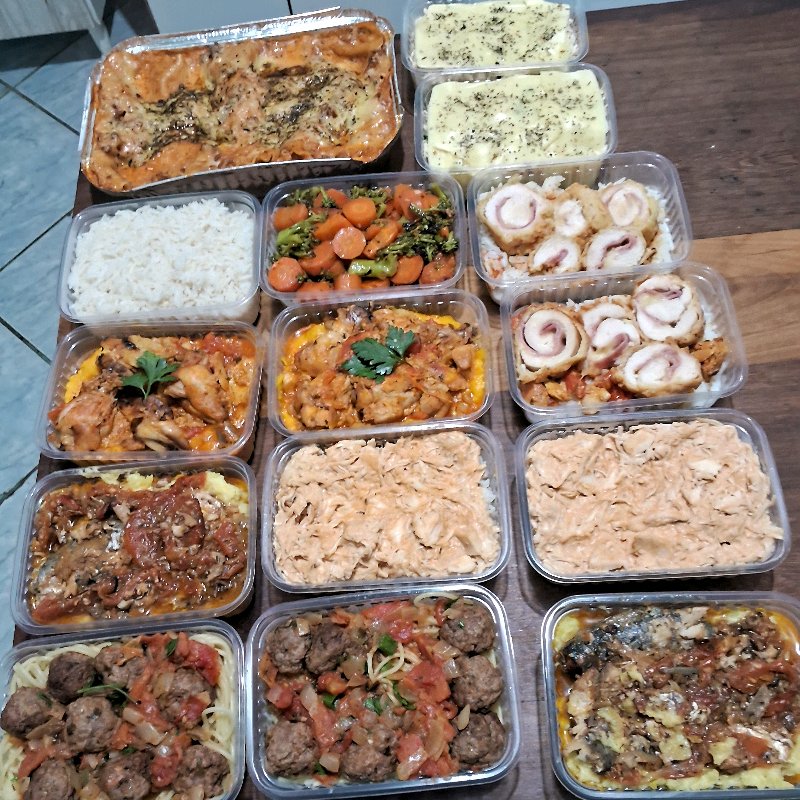
Mediterranean meal prep — popular with health-conscious clients seeking weekly preparation of anti-inflammatory, nutrient-dense meals — runs R$ 700–R$ 1,300 per biweekly session for a couple, producing 12–16 portions of salads, grains, roasted proteins, and soups inspired by the traditional Mediterranean diet.
A Mediterranean cooking class — learning to make fresh pasta, tzatziki, and a one-pot Greek chicken or Moroccan tagine — for 2–4 people runs R$ 380–R$ 600. These classes are particularly popular as couple experiences, birthday gifts, and team-building events.
Pro Tip
Mediterranean meal prep is the easiest entry point for clients new to personal chef services — the cooking is relatively approachable to understand and observe, the results are immediately useful for the whole week, and the health benefits are well-documented and motivating.
Choosing the Right Mediterranean Chef
The Mediterranean region spans a huge cultural and culinary range. The first question to ask any prospective chef is: which part of the Mediterranean do you specialise in? A Greek-trained chef and a Moroccan-trained chef both use olive oil and fresh vegetables but will produce very different dinners. Neither is better — they are simply different occasions.
Look for chefs with lived experience in the Mediterranean region — ideally time spent cooking or eating in Greece, Italy, Turkey, Morocco, or the Levant. This immersive reference is the foundation of authentic Mediterranean cooking. A chef who has eaten moussaka in Thessaloniki or couscous in Marrakech cooks with a qualitative understanding that no cookbook can substitute.
For health-focused meal prep clients, look for chefs who understand the nutritional philosophy of the Mediterranean diet — not just the recipes but the underlying principles of olive oil quality, fish-to-meat ratio, legume frequency, and seasonal vegetable variety. This knowledge base ensures the meal prep is as scientifically sound as it is delicious.
✓Ask about regional specialisation
Greek, Italian, Moroccan, Spanish, or a broader Mediterranean — the focus shapes every dish. Be specific about what you want.
✓Verify olive oil sourcing
Great Mediterranean cooking starts and ends with great olive oil. A chef who brings their own trusted extra-virgin olive oil takes the cuisine seriously.
✓Request a sample seasonal menu
Mediterranean cooking is deeply seasonal. A chef who builds their menu around what is beautiful in the market this week is operating at specialist level.
✓Check bread capability
Fresh pita, focaccia, or crusty country bread made on the day is a significant upgrade to any Mediterranean dinner. Confirm whether the chef includes this.
✓Ask about their approach to the Mediterranean diet
Chefs who can explain the diet's health principles (not just the recipes) are better equipped for meal prep clients with specific health goals.
Mediterranean Meal Prep: A Healthy Weekly Routine
The Mediterranean diet has more peer-reviewed research supporting its health benefits than any other dietary pattern — reduced cardiovascular risk, improved cognitive function, anti-inflammatory effects, and sustainable weight management. A Mediterranean personal chef who understands this science can translate it into a weekly meal prep service that is both nutritionally optimal and genuinely delicious.
A typical Mediterranean meal prep week might include: quinoa tabbouleh with pomegranate and toasted pine nuts, baked salmon with Provençal herbs and ratatouille, Greek lemon chicken with roasted chickpeas and sweet potato, lentil soup with carrot, cumin, and lemon, and a large batch of fattoush salad with its dressing separate. Every dish is Mediterranean in spirit and anti-inflammatory in design.
For clients working with a registered dietitian or following a specific health protocol, a Mediterranean chef can adjust the macro profile of each week's prep — increasing protein for athletic clients, reducing sodium for those managing blood pressure, or emphasising omega-3-rich fish for cardiovascular health.
Setting the Scene for a Mediterranean Dinner
Mediterranean table setting is generous and textural: a linen tablecloth, terracotta or ceramic serving bowls, abundant bread in a basket, fresh flowers (sunflowers, lavender, or a small olive branch if you can find one), and candles. The aesthetic is sun-drenched simplicity rather than formal precision.
The drinks: Greek-style retsina or Assyrtiko white wine if you can source them, an Alentejo or Douro rosé for a southern European mood, Moroccan mint tea or a sparkling lemon-and-herb water for non-alcoholic guests. Some Mediterranean chefs also prepare a traditional Greek ouzo or Turkish raki aperitif service with appropriate small mezze.
Music sets the tone immediately — Greek bouzouki, Spanish guitar, or North African percussion creates an atmosphere that requires no explanation. Your guests arrive; the table smells of lemon and herbs and olive oil; the mezze is already laid. This is the Mediterranean at home.
Pro Tip
Serve the olive oil as a centrepiece, not a condiment. A small dish of the chef's best extra-virgin olive oil with sea salt and good bread, placed in the centre of the table as guests sit down, is the oldest and most eloquent welcome in Mediterranean hospitality.