Understanding the Two-Part Cost Structure
Every personal chef quote has two components: the service fee and the ingredient cost. The service fee covers the chef's labor — planning, shopping time, cooking, plating, and cleanup. It reflects the chef's experience level, the complexity of your menu, and the duration of the service. This number is typically fixed for a given scope of work.
Ingredient cost is variable and depends entirely on what you choose to eat. A menu built around seasonal Brazilian produce, quality local proteins, and simple preparation techniques will cost far less than one featuring imported cheeses, specialty seafood, or luxury products like truffle. Most chefs bill ingredients at market cost plus a small 10–15% administration fee.
When budgeting, plan for both numbers separately. Ask the chef: 'What is your service fee for this occasion, and what is your estimated ingredient cost for the menu we've discussed?' A reputable chef will give you both figures before you commit.
Pro Tip
Always request an itemized quote. If a chef gives you a single all-in number without breaking down service fee and ingredients, ask for the breakdown — it helps you know where to adjust if the total is above your target.
Price Tiers: What to Expect at Each Level
Entry tier (R$150–R$250 per person): Chefs at this level typically have solid culinary training and 2–5 years of professional experience. Menus are focused and well-executed: a three-course dinner with quality ingredients and thoughtful preparation. Ideal for casual dinner parties, family lunches, and first-time experiences. Expect excellent home cooking elevated by professional technique.
Mid tier (R$250–R$450 per person): The largest and most versatile segment. Chefs here bring 5–10+ years of experience, often with restaurant backgrounds. Menus can extend to four to five courses with more ambitious techniques and ingredients — better proteins, more complex preparations, a clearly restaurant-caliber result. This is the right tier for most special occasions.
Premium tier (R$450–R$900+ per person): Chefs with serious credentials — culinary school abroad, senior positions in celebrated restaurants, deep specialization in a cuisine. This tier delivers tasting-menu experiences, exceptional ingredient sourcing, and a level of polish indistinguishable from a high-end restaurant. Reserve for once-a-year events where the meal itself is the occasion.
Building Your Budget: A Step-by-Step Framework
Step 1: Establish your total budget. Be honest with yourself about the all-in number you're comfortable spending on the entire experience, including wine. Working backwards from a total is more useful than trying to price individual components and hoping they add up to something comfortable.
Step 2: Decide on group size. More guests is almost always better for per-person cost. If your total budget is R$3,000 and you were planning for four guests, consider whether inviting two more would give each person a meaningfully better experience at the same total spend.
Step 3: Subtract your beverage budget. Wine, beer, spirits — plan for these separately and bring your own. If you're serving wine to six guests over three hours, three bottles at R$60–R$120 each is a realistic range. Set that aside before allocating the remaining budget to the chef.
✓Set your total all-in budget first
Include food, chef service, and beverages in one number before breaking it down.
✓Allocate beverages separately
Subtract your wine/drinks budget from the total before discussing food cost with the chef.
✓Divide the remainder by guest count
This gives you a per-person food budget to share with the chef as a target.
✓Add a 10–15% buffer for ingredient overruns
Ingredient prices fluctuate with markets. A small buffer avoids tension at billing time.
✓Confirm what's included in the service fee
Ask explicitly whether cleanup, table service, and equipment are in the fee or billed separately.
How to Reduce Cost Without Reducing Quality
The most effective cost lever is group size. Adding two guests to a dinner of four reduces the per-person cost by 20–30% on the fixed service fee component alone. If you have the space, invite more people.
The second lever is menu complexity. Discuss with the chef the difference in cost between a four-course and a six-course menu. Often the jump in price for additional courses is disproportionate to the experience gain — particularly for guests who are there for the company, not the full tasting progression.
The third lever is ingredient choice. A menu built around what's freshest at market — seasonal vegetables, excellent local proteins, Brazilian cheeses — often outperforms one built around imported luxury ingredients. Ask the chef to suggest a 'market menu' within your target budget. This is frequently where the best meals come from.
Pro Tip
Tell the chef your per-person budget target explicitly. A good chef will design a menu that maximizes quality within that number rather than building from scratch and presenting a number you didn't expect.
What to Budget for Different Experience Types
Romantic dinner for two (R$700–R$1,200 all-in without wine): This is the use case where personal chefs are least cost-competitive with a restaurant, but most competitive on experience. If privacy and customization matter for your occasion — anniversary, proposal — the premium over a restaurant is modest and the experience is incomparable.
Dinner party for six to eight (R$1,800–R$3,500 all-in without wine): The sweet spot. Per-person costs at this group size often match or beat a quality restaurant while delivering a fully private experience. Budget at the mid tier for a reliably excellent result.
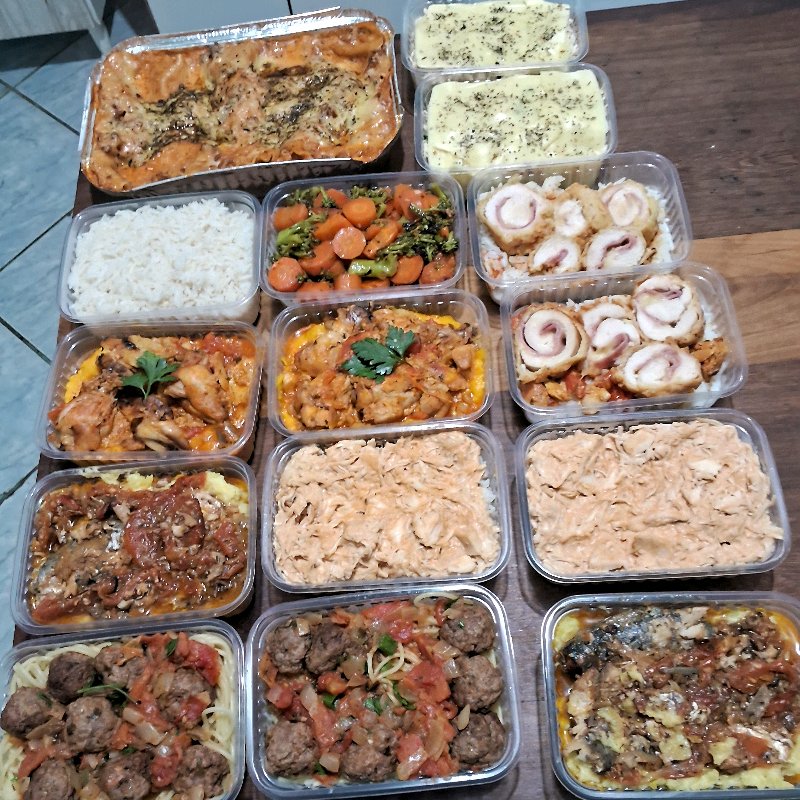
Weekly meal prep (R$600–R$1,000 per session, covering 15–20 meals): When divided across a week's worth of lunches and dinners, the per-meal cost is R$40–R$60 — competitive with quality delivery. Budget for one session to evaluate, then decide whether to regularize.
Avoiding Surprise Costs
The most common sources of unexpected costs are: ingredient price overruns (seasonal items cost more than estimated), specialty equipment rental if your kitchen lacks something the menu requires, and travel fees if the chef operates outside your area. All three are avoidable with a specific pre-booking conversation.
Ask directly: 'Is there a travel fee for my address?' and 'If ingredient costs come in above estimate, how do we handle the difference?' A professional chef will have a clear answer and will commit to alerting you before any overrun rather than presenting a surprise at billing.
Wine and beverages are almost never included in a chef's quote. Assuming they are included is the most common misunderstanding that leads to budget shock. Explicitly ask about beverages and plan to purchase your own.