Temperature Control: The Core of Food Safety
The most common cause of foodborne illness is improper temperature management. Bacteria multiply rapidly between 5°C and 60°C — what food scientists call the 'danger zone.' A professional chef knows that cold food must stay below 5°C and hot food must stay above 60°C, and they plan every stage of their service around that principle.
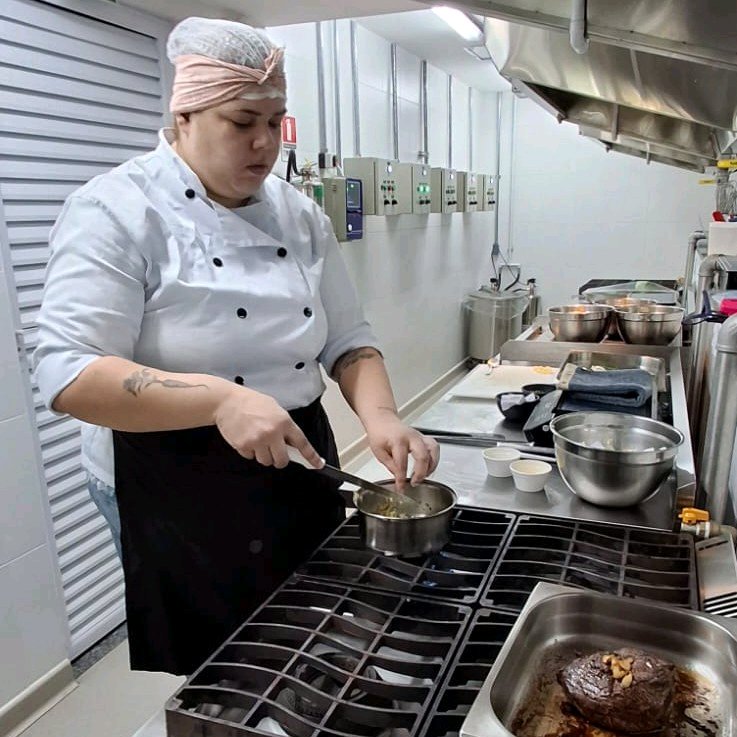
In practice, this means a chef should arrive with a thermometer, transport cold proteins (fish, shrimp, chicken) in a cooler box with ice, and check the temperature of your fridge before unloading. When cooking, they verify internal temperatures — 75°C for poultry, 65°C for fish — rather than judging by sight alone. During service, hot dishes are kept in a bain-marie or oven at holding temperature.
If you are hosting a buffet or a long multi-course dinner, ask the chef specifically how they handle temperature during service. Food left at room temperature for more than two hours in a 25°C+ São Paulo summer kitchen enters the danger zone. A good chef stages courses, keeps covers on dishes and monitors timing precisely.
Pro Tip
Ask your chef at booking: 'How do you transport and store proteins before cooking?' A chef who mentions a cooler box, ice packs and thermometer checks is demonstrating real temperature-control habit.
Personal Hygiene: What to Look For When the Chef Arrives
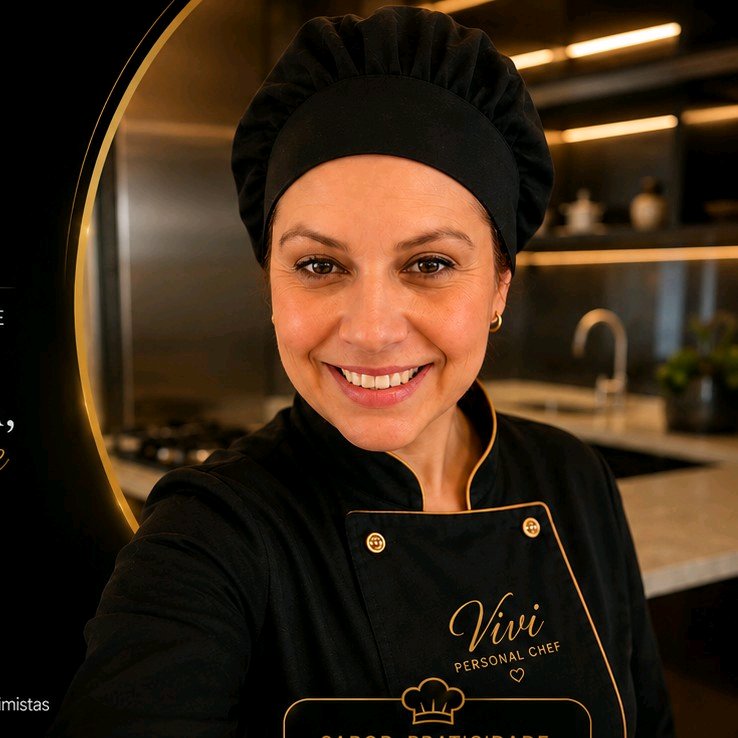
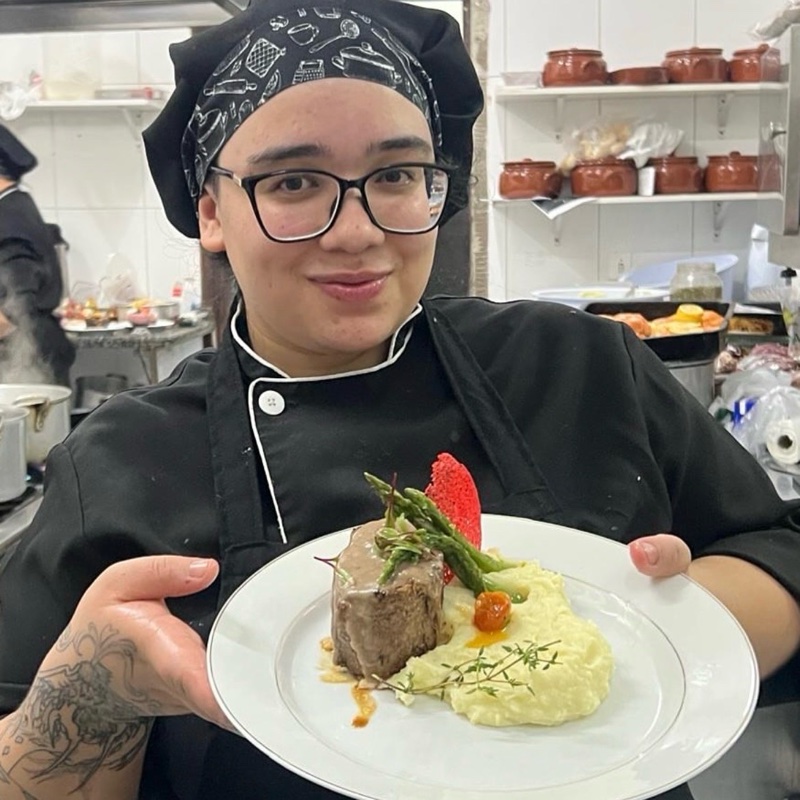
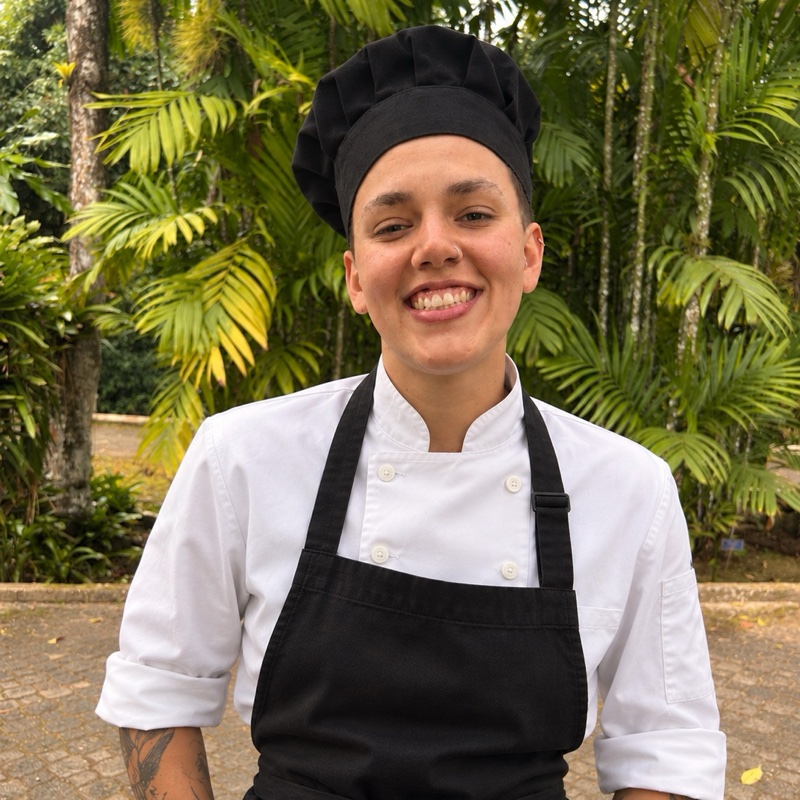
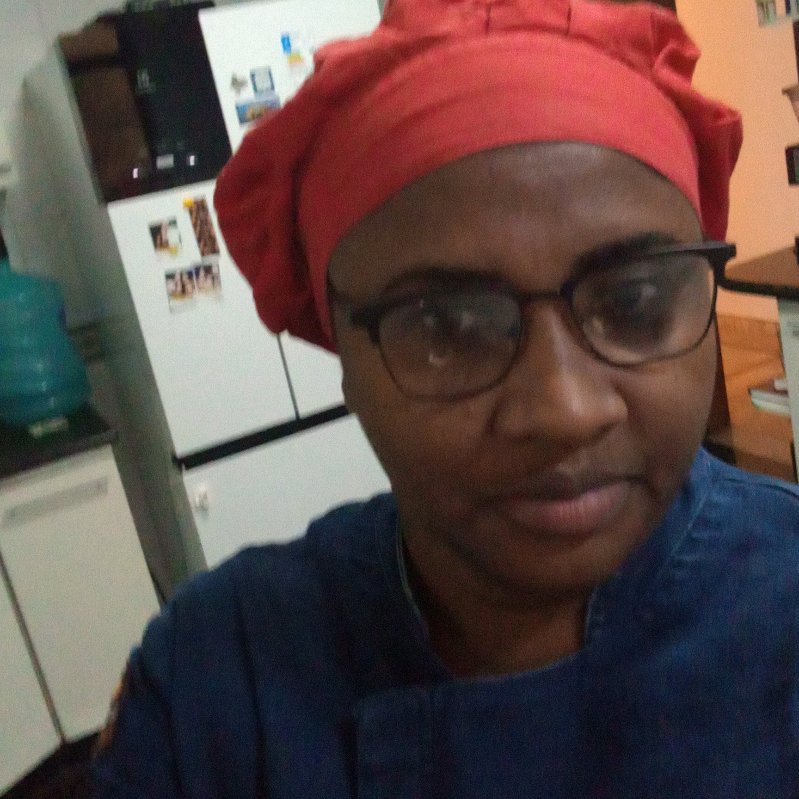
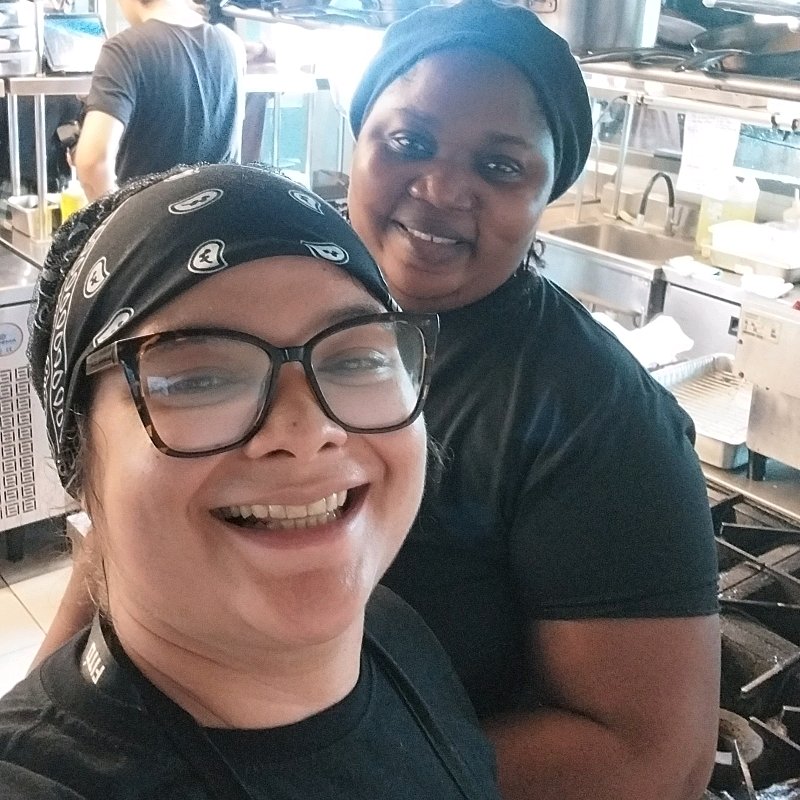
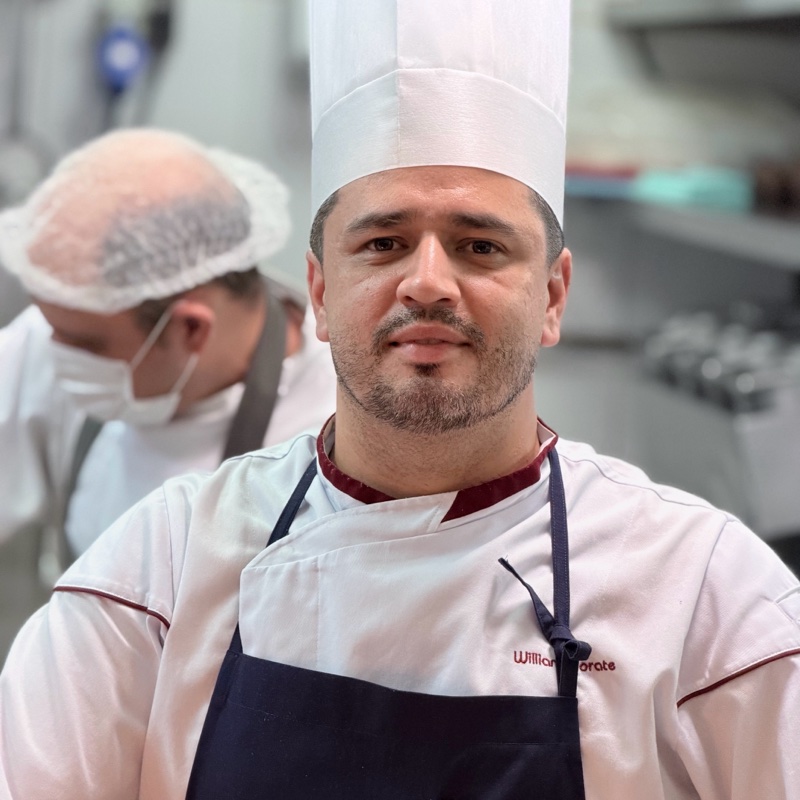
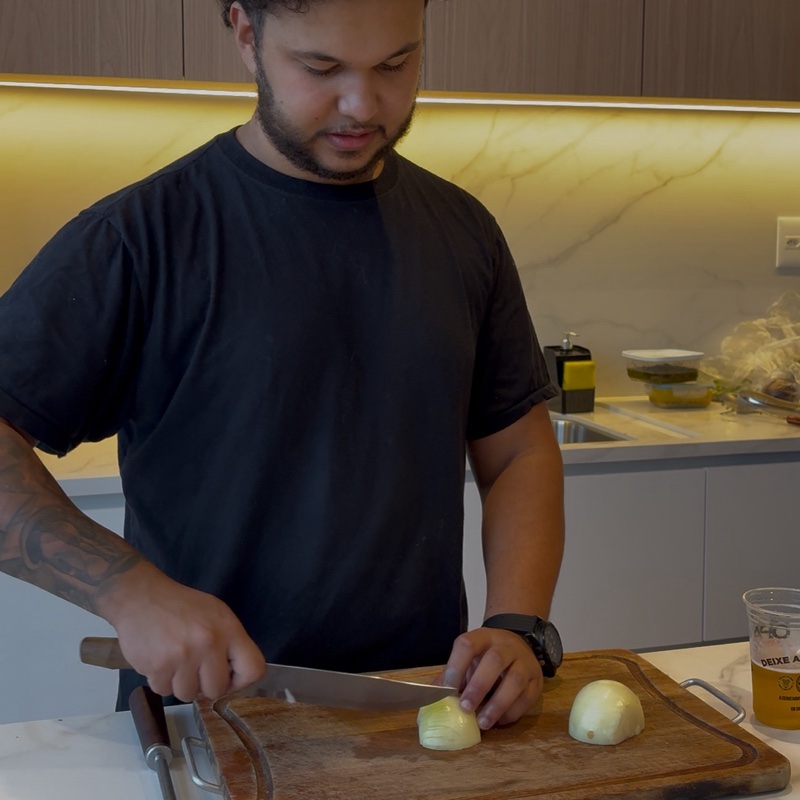
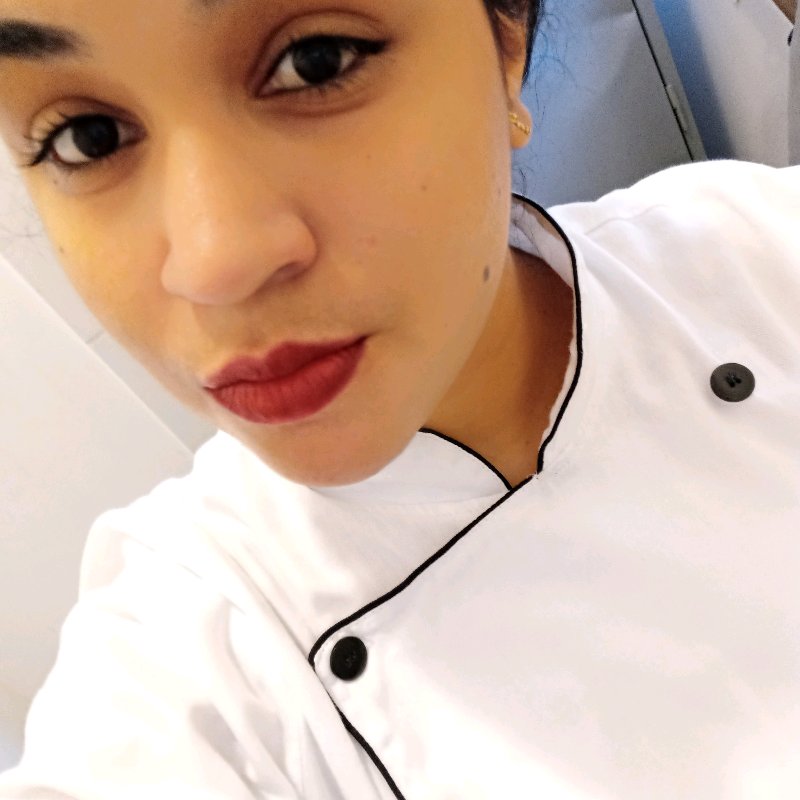
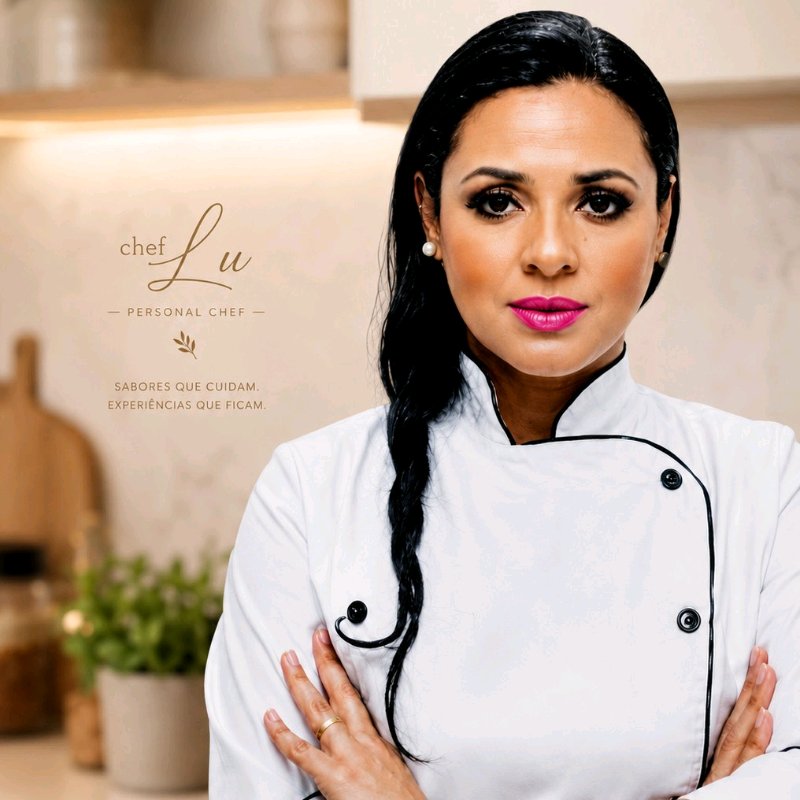
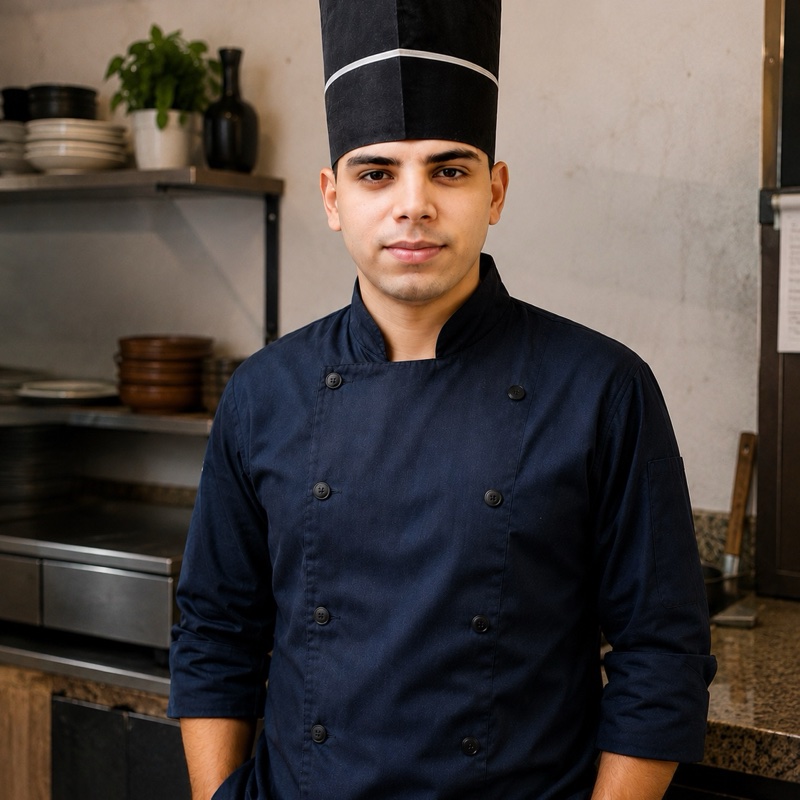
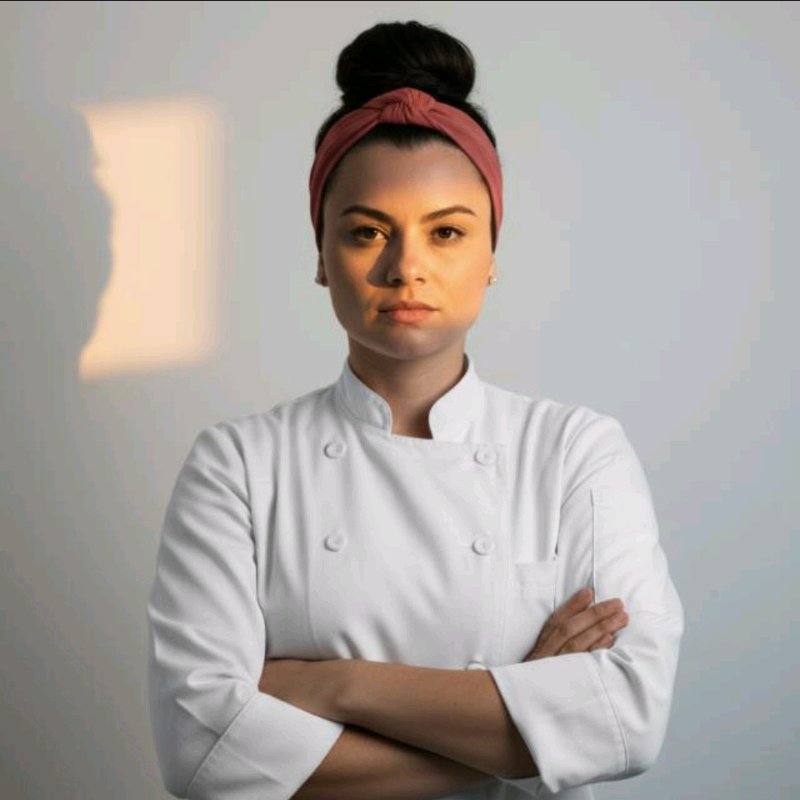
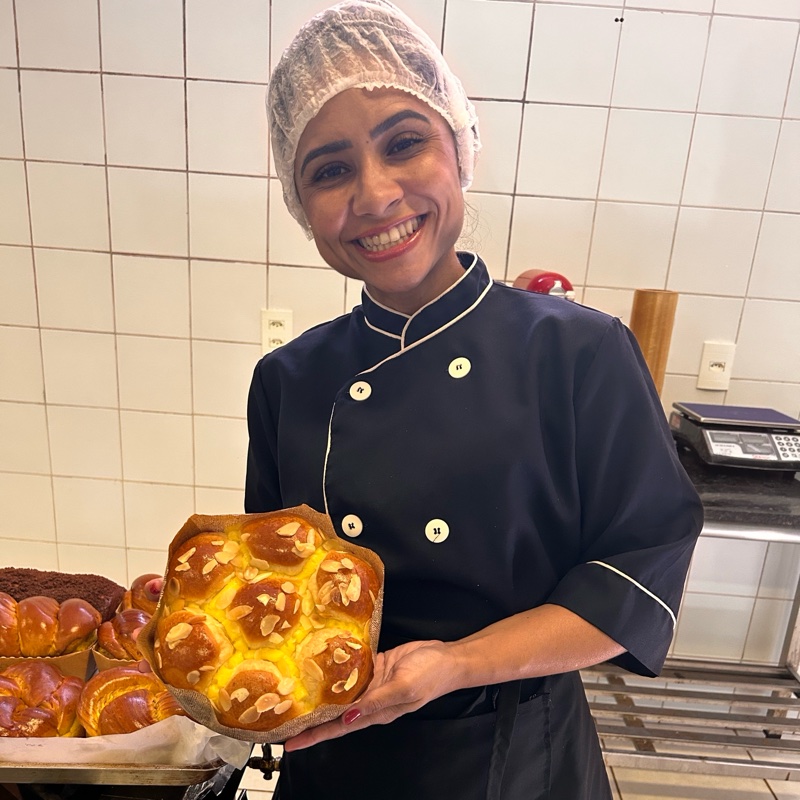
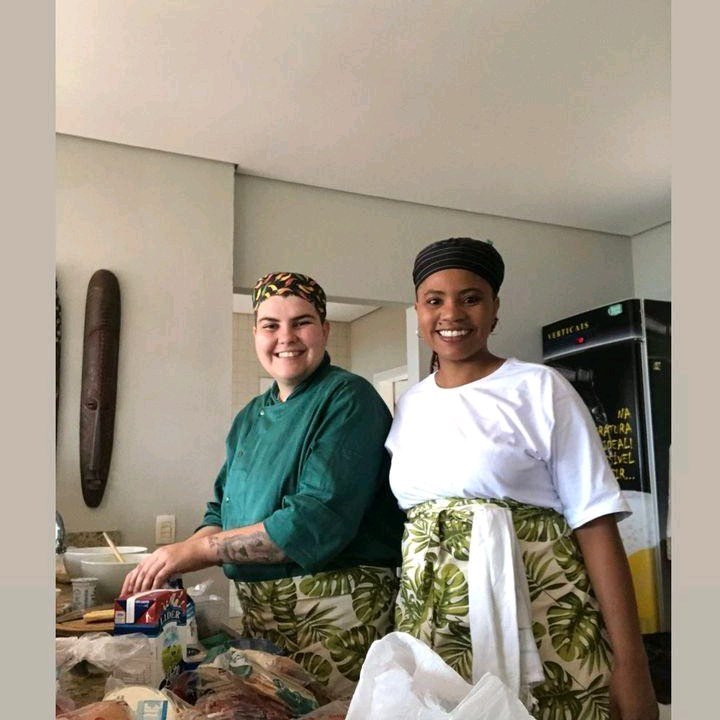
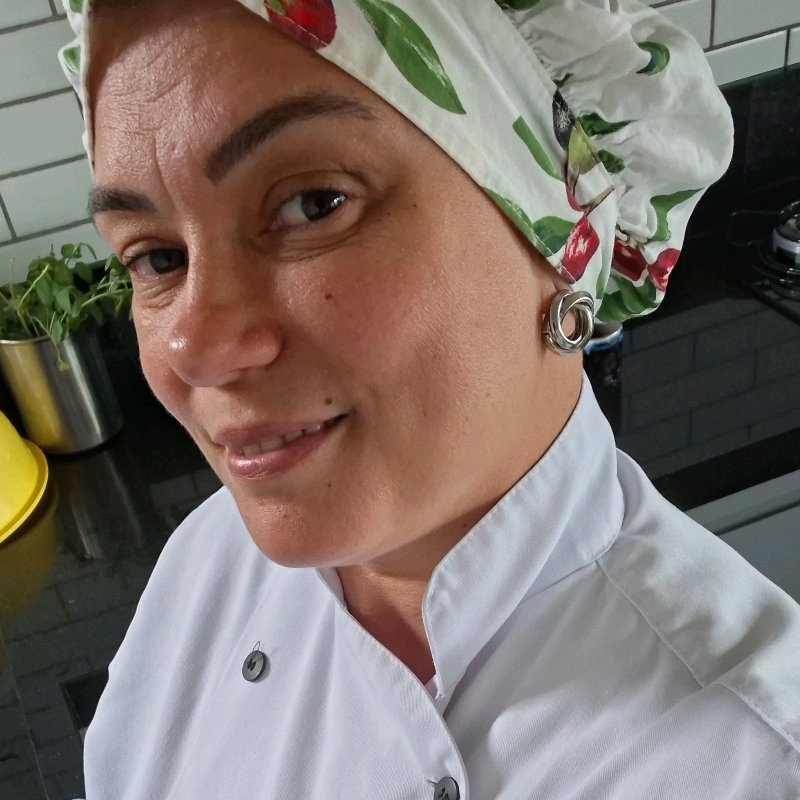
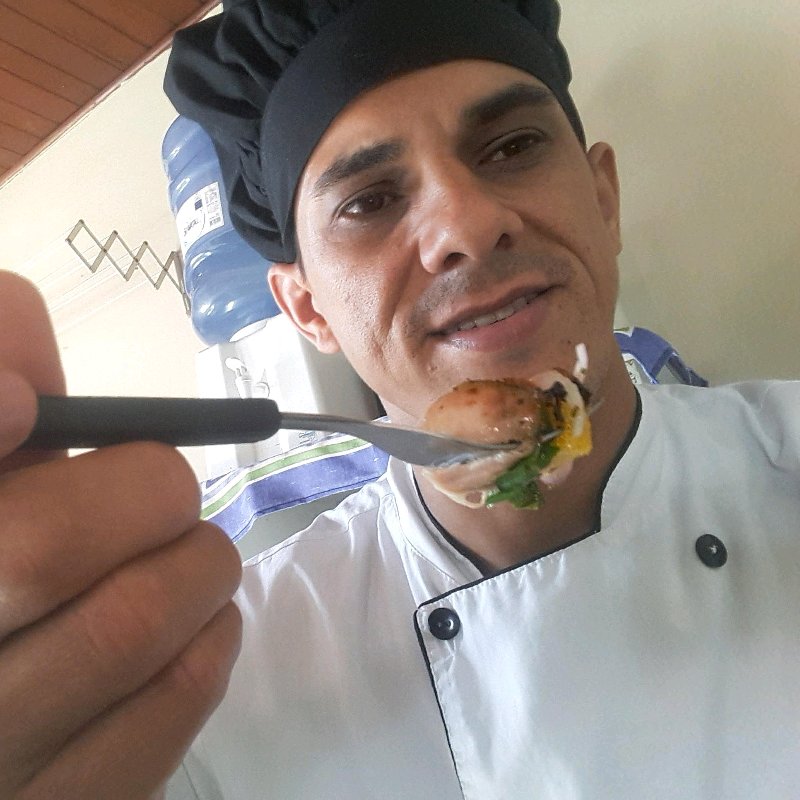
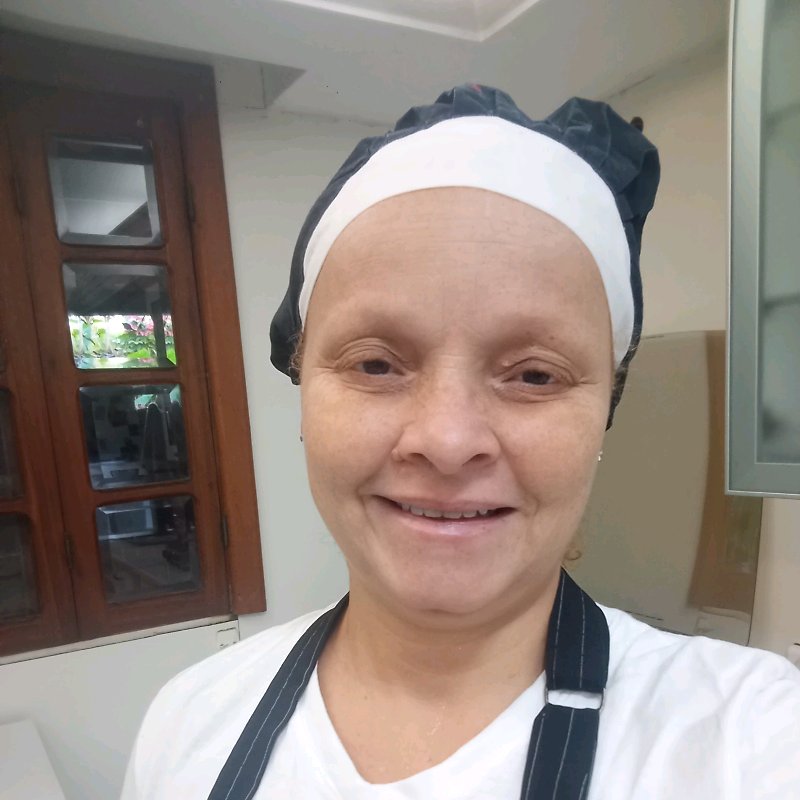
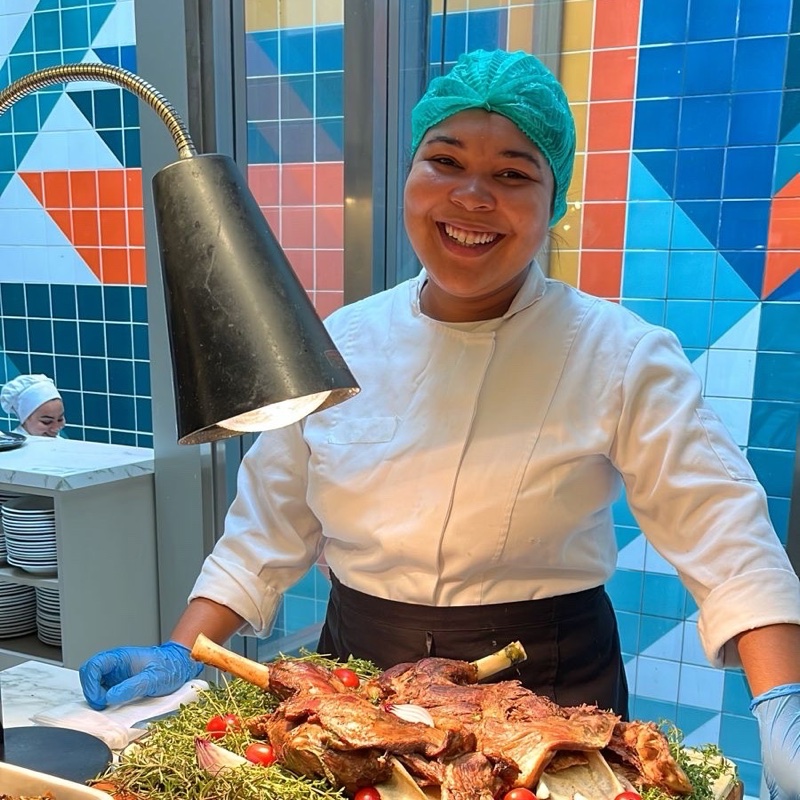
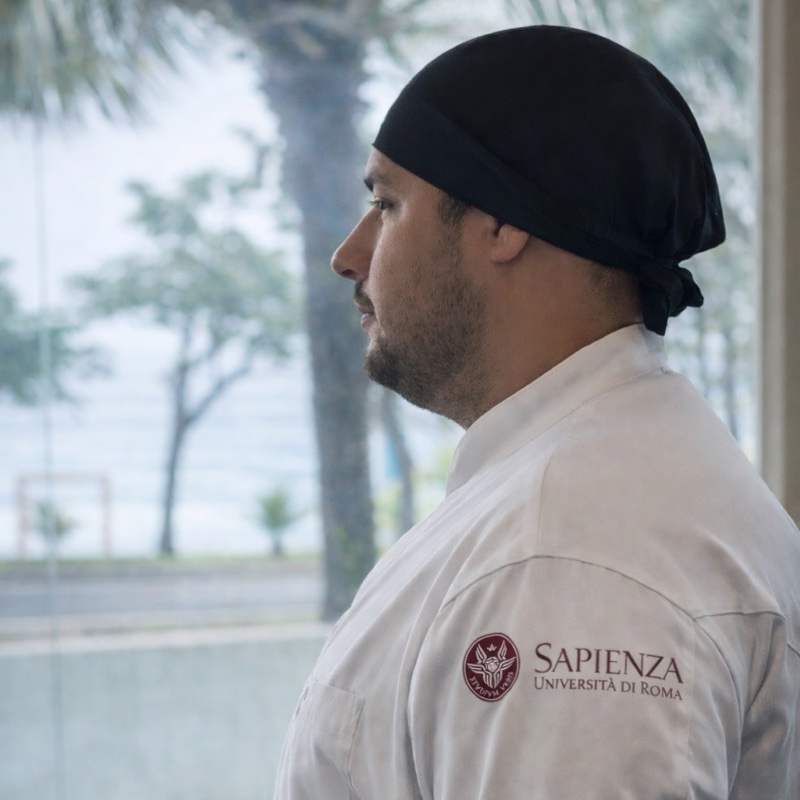
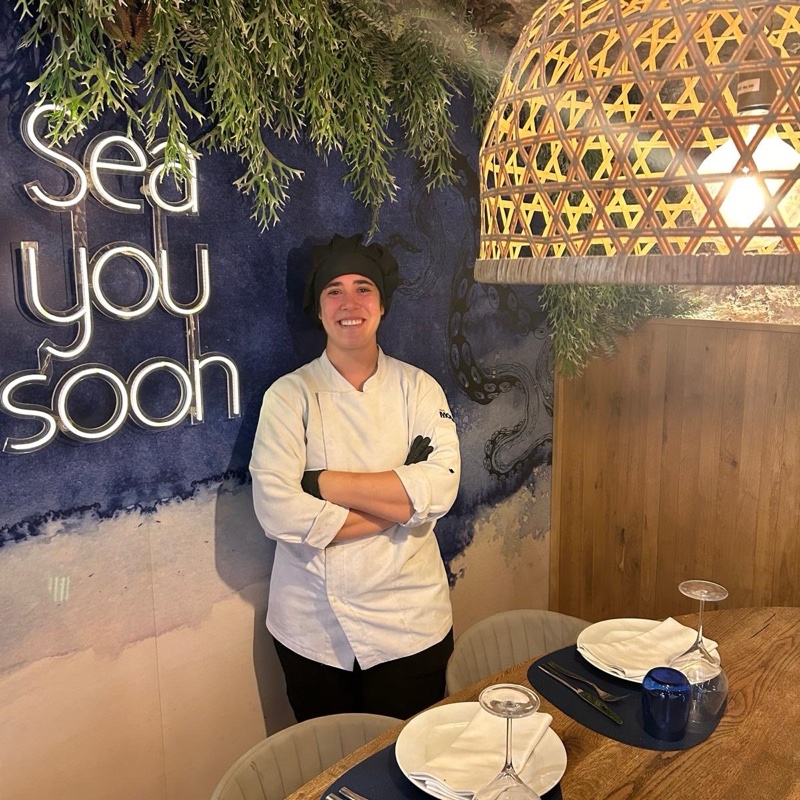
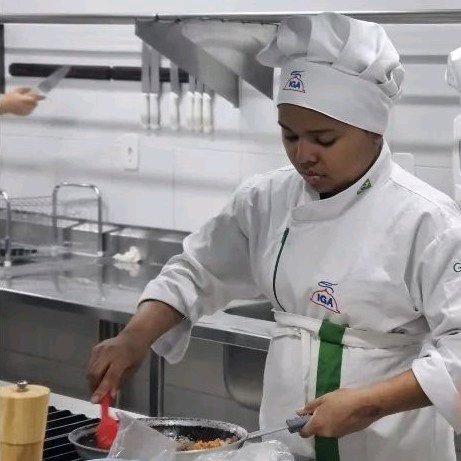
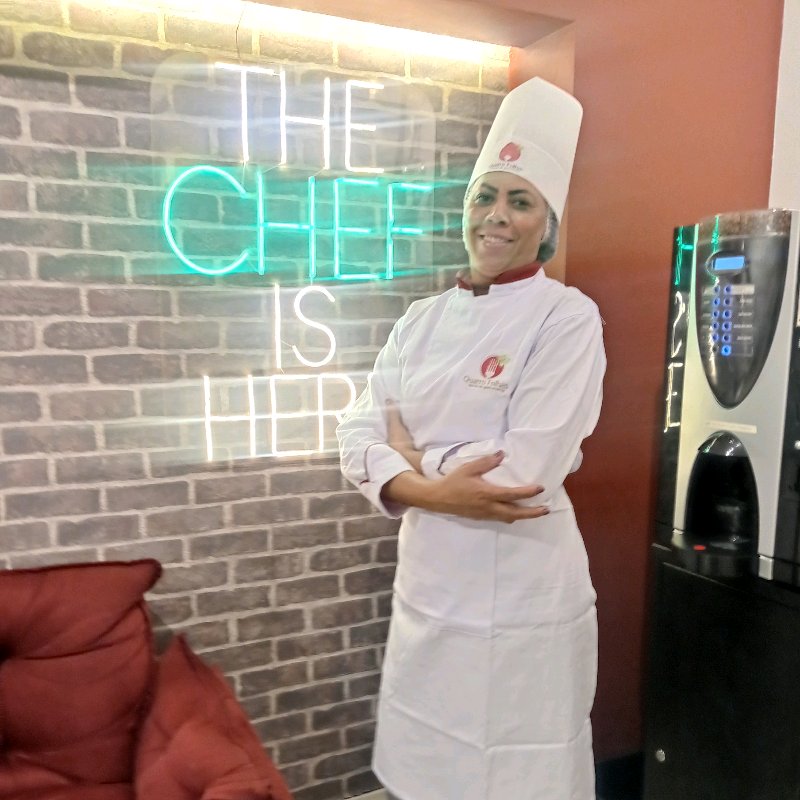
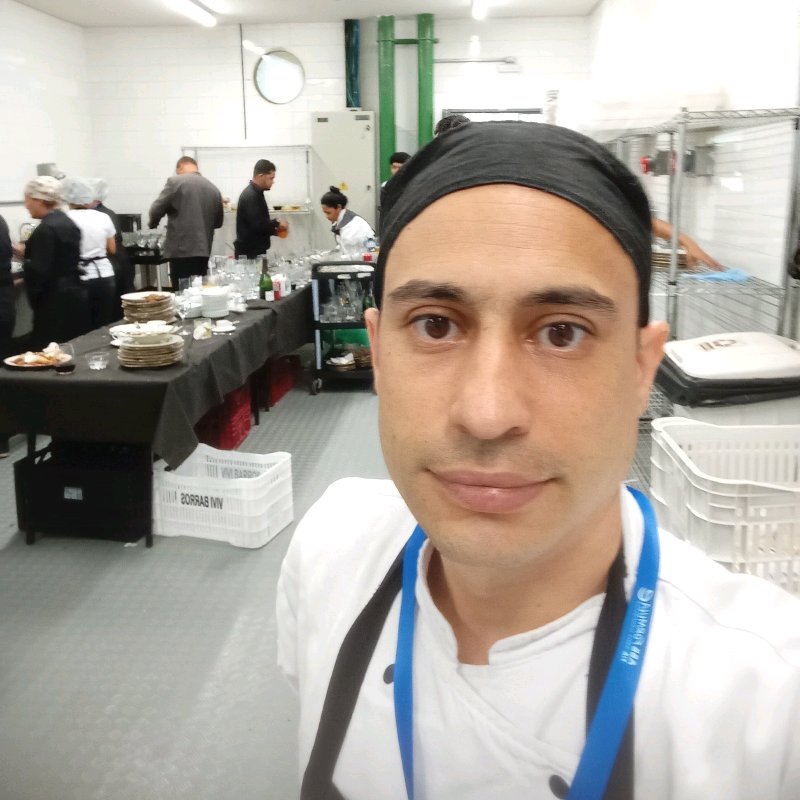
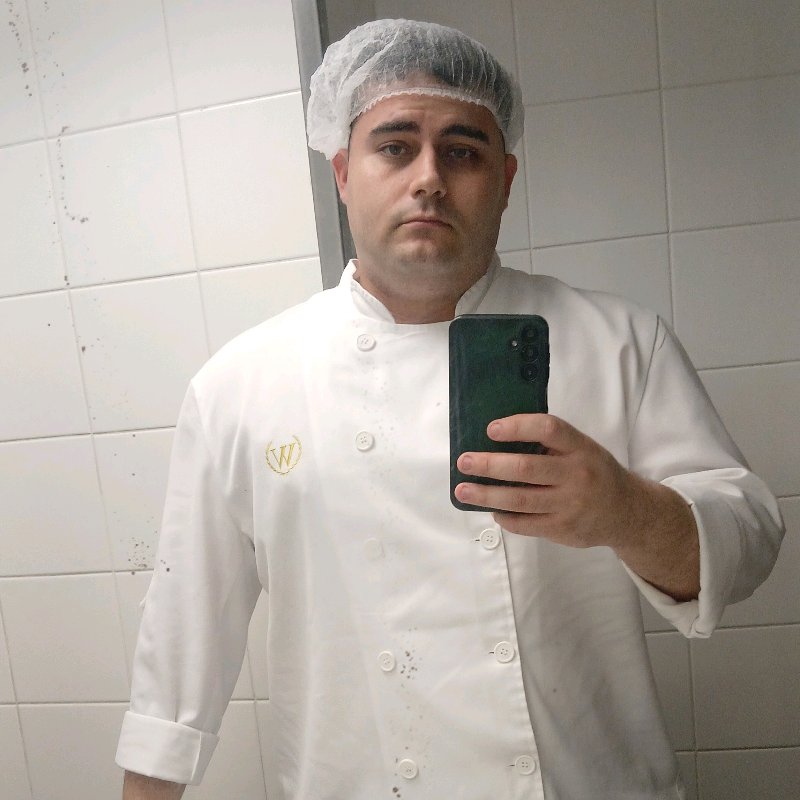
A professional chef arrives clean, with hair tied back or covered, fingernails short and clean, and no loose jewelry that could fall into food. They wash their hands immediately on arrival — before touching anything — and again after handling raw proteins, after touching their face, and after any interruption to cooking.
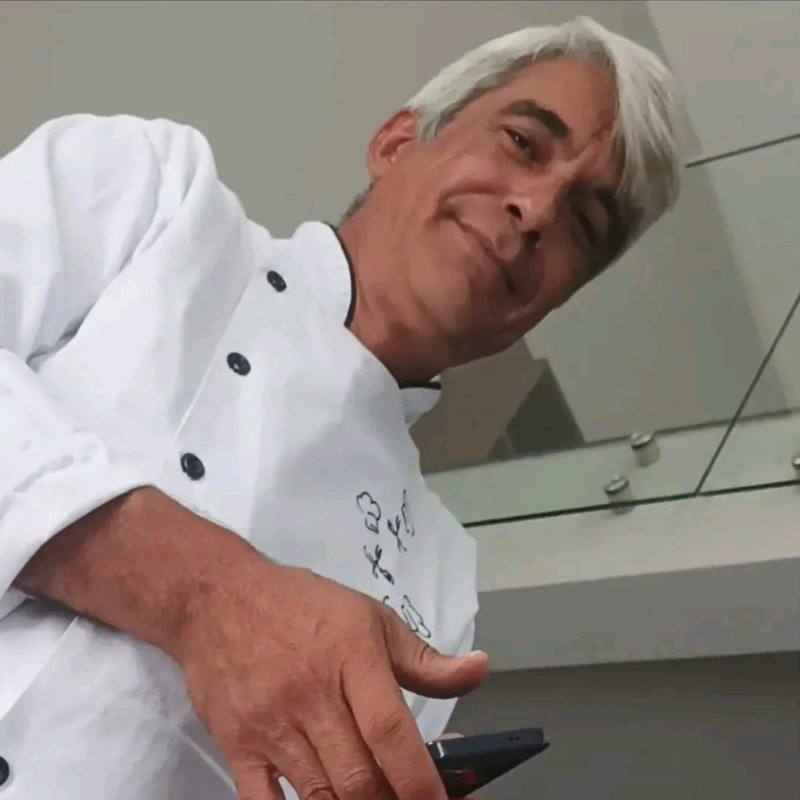
Gloves are used for handling ready-to-eat food, but hand-washing is not replaced by gloves — it supplements them. A chef who puts on gloves and then handles their phone or touches their hair has defeated the purpose. Look for a chef who understands the full hygiene protocol, not just its surface appearance.
A clean uniform or apron is standard. The chef's equipment — knives, boards, containers — should arrive already clean and should be washed or sanitized in your kitchen before use. If the chef pulls utensils out of a dirty bag and begins cooking without washing them, that is a clear red flag.
✓Hair tied back or covered
Long hair should be secured. Many chefs bring a hat or hair net for enclosed prep environments.
✓Short, clean fingernails
No nail polish that can chip into food. Nail extensions are incompatible with professional food handling.
✓No loose jewelry
Rings, bracelets and dangling earrings present both contamination and safety risks near heat.
✓Immediate hand-washing on arrival
Before touching any surface, ingredient or utensil in your kitchen.
✓Clean equipment out of the bag
Knives and boards should arrive clean; the chef should rewash them in your kitchen before use.
Cross-Contamination Prevention in Your Home Kitchen
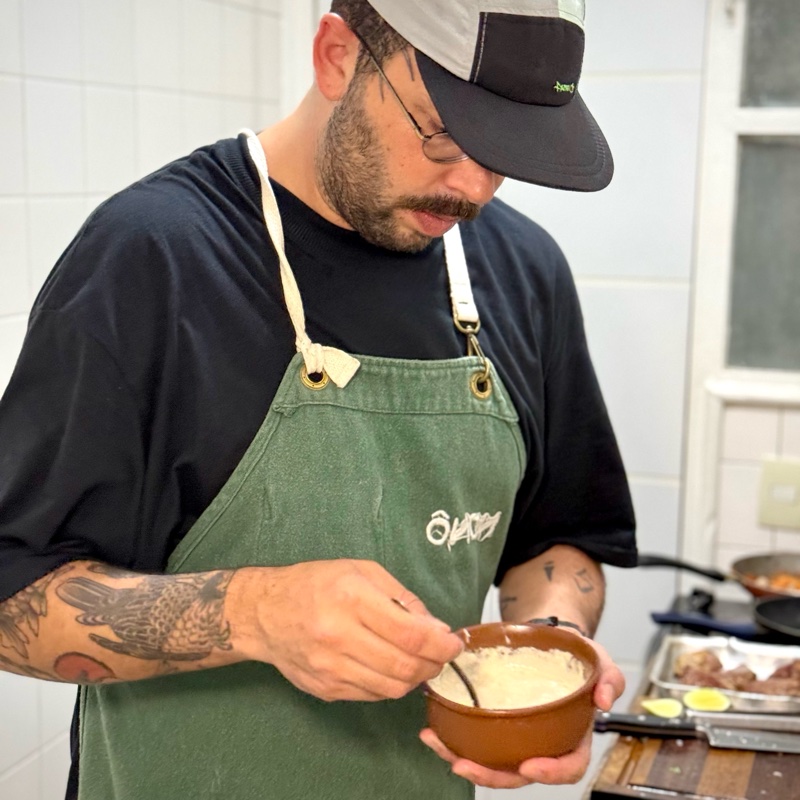
Your home kitchen was not designed for professional food-safety protocols, which means a good chef brings their own system with them. The minimum expectation is separate cutting boards for raw proteins and vegetables or ready-to-eat foods. Colour-coded boards (red for meat, green for vegetables) are the international standard, and professional chefs in Brazil's gastronomic scene routinely carry their own.
Raw chicken, beef, pork and fish must never share a surface, knife or container with ingredients that will be served uncooked — salads, fruit, cured meats, cheeses. If a chef uses the same knife for raw chicken and then slices fresh tomatoes without washing it, that is a serious hygiene failure.
Equally important is allergen cross-contamination. For clients with celiac disease or nut allergies, a chef should prepare allergen-free components first, clean the workspace with fresh detergent and water, and only then introduce allergens for other courses. Ask about this process explicitly if it applies to your event.
Pro Tip
The best personal chefs arrive with their own colour-coded boards and a small spray bottle of food-safe sanitizer. If you see these in a chef's kit, it signals real professional formation.
Ingredient Sourcing and Freshness
A professional chef sources ingredients the day of or the day before the event, not days ahead. Fish purchased on Tuesday for a Friday dinner is not a professional standard. When a chef shops on your behalf — which is included in most myChef bookings — they buy at reputable suppliers: the Mercado Municipal in São Paulo, Bairro Liberdade for Asian ingredients, Feira da Luz or similar fresh markets with fast product turnover.
Shellfish and raw fish deserve particular attention. Oysters, shrimp, and sashimi-grade fish must come from refrigerated display cases with clear date marking, not from ambient market stalls. A chef who sources live oysters (ostras) from a certified supplier in Florianópolis or shrimp from a refrigerated Ceasinha is operating to a higher standard than one who picks up seafood from a roadside stall.
Clients are entitled to ask where the chef is shopping. A confident professional will tell you exactly which market or supplier they use and why. This transparency is a hallmark of chefs who take food safety seriously — not just as a legal obligation, but as a point of professional pride.
Certifications and Training
In Brazil, food service professionals are expected to be familiar with ANVISA Resolution RDC 216/2004, which governs hygiene and good practices in food services. Many personal chefs hold a Manipulador de Alimentos certificate — a food-handler's hygiene certification that covers temperature control, personal hygiene, cross-contamination and proper storage.
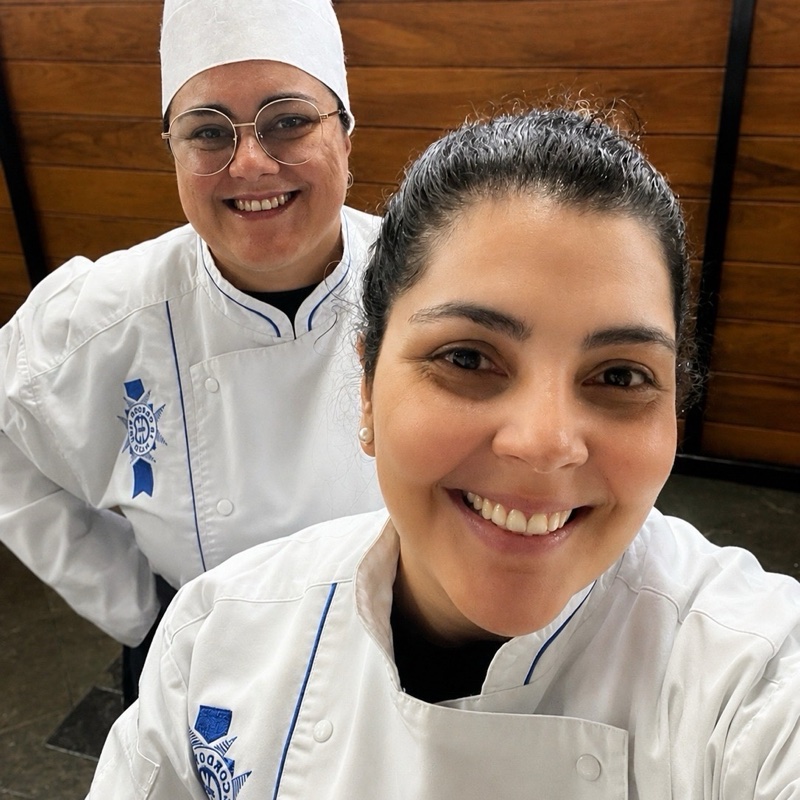
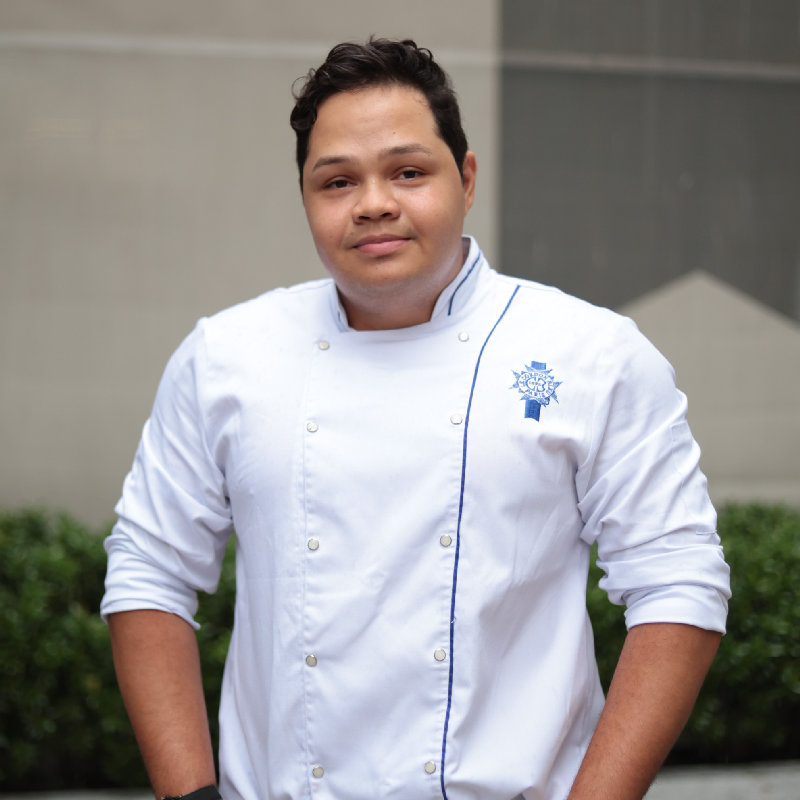
Beyond the baseline certificate, look for chefs who trained at recognized culinary schools: Senac (present in every major Brazilian city), Instituto Gourmet, Basque Culinary Center (for those who studied abroad), Le Cordon Bleu São Paulo or the culinary programs at UNIP and Anhembi-Morumbi. These programs include structured food-safety training as a core module, not a footnote.
On myChef, you can view each chef's education and certifications on their profile. A chef with a formal culinary education and an active Manipulador de Alimentos certificate has been tested on food-safety knowledge. That does not guarantee perfection, but it establishes a baseline of awareness you can verify.
✓Manipulador de Alimentos certificate
Brazil's standard food-handler hygiene certification — look for a current, valid certificate.
✓Culinary school training
Graduates of Senac, Instituto Gourmet or equivalent programs have formal food-safety instruction.
✓ANVISA RDC 216 awareness
A chef who references this regulation by name is demonstrating professional literacy.
✓First aid awareness
Chefs working with allergens should know the signs of anaphylaxis and the location of the nearest hospital.
✓Reviews mentioning cleanliness
Past client reviews are the most candid signal — search for 'limpeza' or 'higiene' in reviews.
Kitchen Cleanliness During and After Service
A professional personal chef leaves your kitchen in the same condition — or better — than they found it. The standard expectation is that all used equipment is washed, dried and returned to where it was found, surfaces are wiped with a clean cloth (not a used dish rag), the bin is closed and food waste is bagged. Leftover ingredients are labeled and refrigerated or disposed of as appropriate.
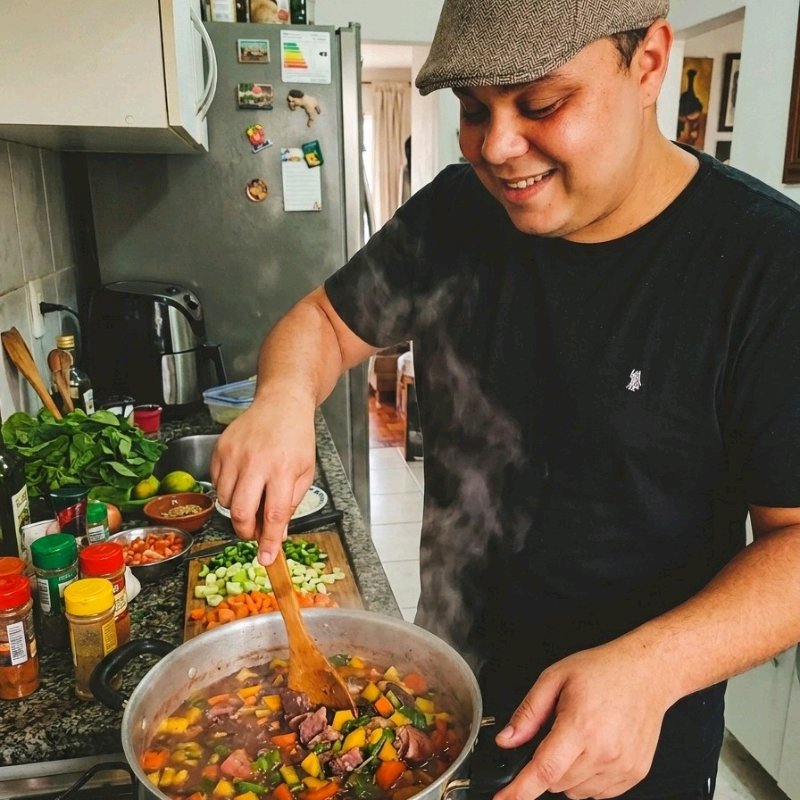
During cooking, a skilled chef practices 'clean as you go' — the kitchen principle of wiping surfaces, washing boards and removing scraps continuously rather than allowing mess to accumulate. This is not just aesthetic; it prevents cross-contamination from building up between prep stages.
If a chef leaves your kitchen in disarray — grease on the hob, used boards stacked unwashed, a full bin left open — document it in your myChef review. It is not a minor inconvenience; it reflects the same lack of discipline that creates food safety risks during cooking.
Pro Tip
Before the chef leaves, do a quick walkthrough of the kitchen together. This is normal professional etiquette, not a surveillance exercise — it gives the chef a chance to catch anything missed and ensures you are happy before signing off.
Red Flags to Watch For
Some warning signs are visible from the moment the chef arrives. Dirty equipment pulled from a bag without washing, food transported in uncovered containers at ambient temperature, a phone used constantly during food prep without hand-washing afterward — these are all clear departures from professional hygiene practice.
More subtle red flags include a chef who dismisses your allergy concerns ('a little bit won't hurt'), who cannot tell you the internal temperature their proteins reach, or who thaws frozen proteins at room temperature rather than in a fridge or under cold running water. These gaps in knowledge reflect training deficiencies, not just bad habits.
If a chef's price is significantly below the market rate in your city, ask why. It is sometimes a sign of inexperience or of corners being cut in ingredient quality or food-safety practice. The personal chef market in Brazil has a wide price range — understanding what is included at each level protects you.