The Performance Gap Between Eating Well and Eating Right
Most athletes in Brazil already eat 'well' in a general sense — they avoid junk food, eat protein, and hydrate. The gap between that and eating right for performance is enormous, and it lives in the details: the ratio of carbohydrates to protein before a long run, the precise window for post-workout protein absorption, the anti-inflammatory ingredients that support tendon recovery after heavy lifts, and the carb periodization that keeps body composition lean while fueling intense sessions.
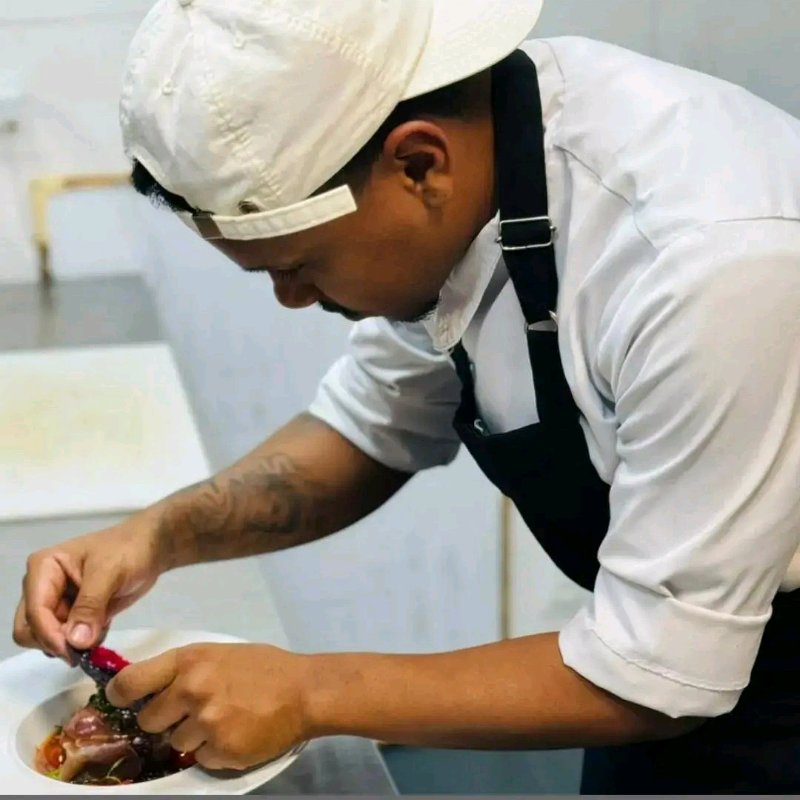
A personal chef who works with athletes doesn't just cook — they function as the culinary arm of your nutrition strategy. If you work with a sports nutritionist, the chef executes that plan with professional precision. If you don't, an experienced sports-nutrition-oriented chef can provide structured guidance based on your training type, goals, and body composition targets.
The Brazilian sports context adds another layer: training in year-round heat, the cultural pressure of weekend churrasco that can derail a carefully planned deficit week, and the difficulty of sourcing quality high-protein ingredients consistently. A chef who operates in this environment knows how to navigate all of it.
What an Athlete's Weekly Chef Service Looks Like
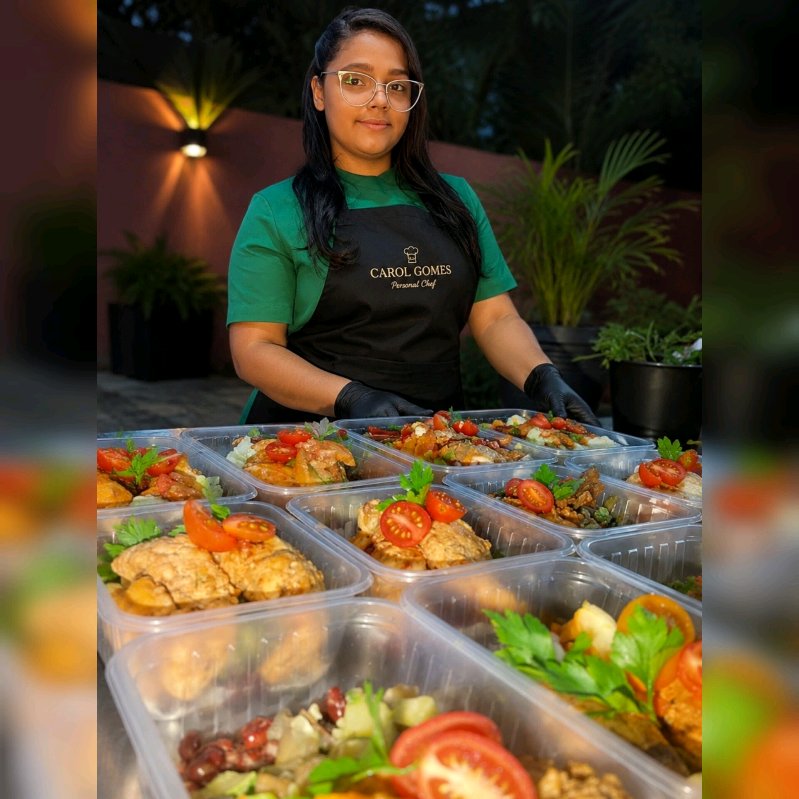
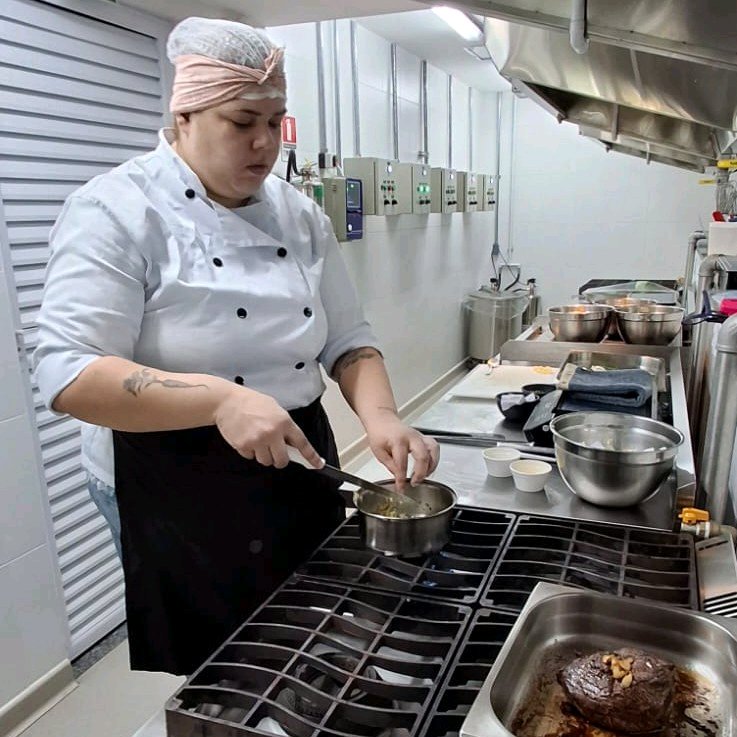
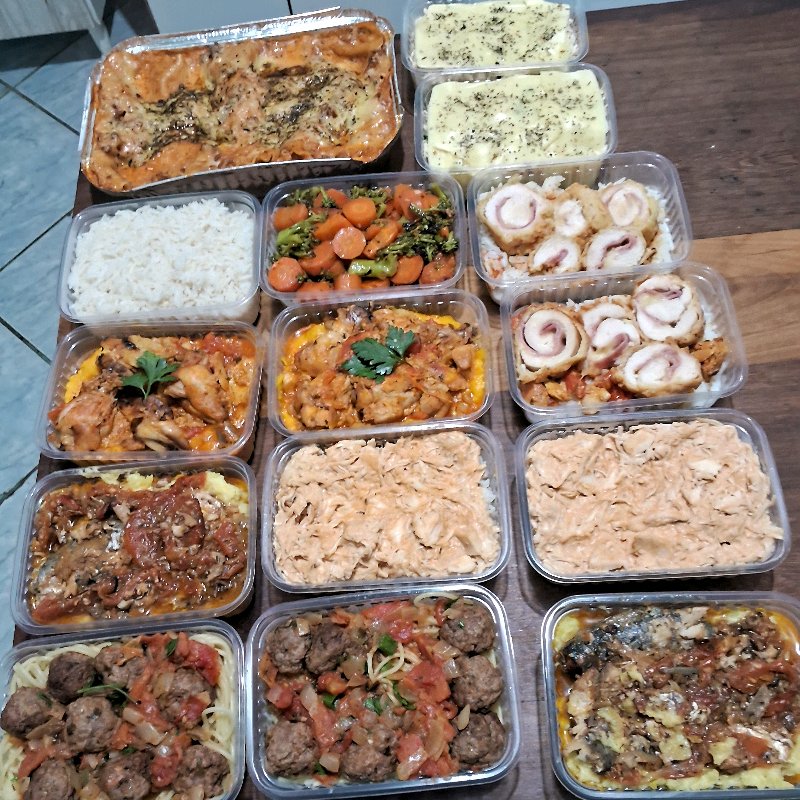
A typical athlete-focused personal chef service in Brazil operates on a weekly batch-cook model. The chef visits two or three times per week — often Sunday evening and Wednesday — and prepares 14 to 21 portioned meals covering lunches, dinners, and pre/post-workout snacks. Each container is labeled with macronutrient counts, reheating time, and the meal's intended training context (pre-workout, rest day, post-competition, etc.).
Before each cooking session, the chef reviews the week's training schedule. High-volume training days get carbohydrate-rich meals — quinoa, sweet potato, white rice — while rest or active-recovery days shift toward higher fat content and moderate carbs. Protein targets remain constant across the week, usually hitting 2.0–2.4g per kilogram of body weight for strength or endurance athletes.
The chef also takes care of ingredient sourcing — one of the most time-consuming parts of eating for performance. This means securing quality cuts of frango caipira, fresh peixes ricos em ômega-3 like atum and salmão, seasonal vegetables from the feira, and premium carbohydrate sources. In cities like São Paulo, a well-connected chef can access suppliers that athletes rarely find on their own.
Pro Tip
Share your training app or calendar with your chef at the start of each week. A chef who can see that Thursday is a double-session and Saturday is a rest day will calibrate your meals accordingly without needing a detailed briefing every time.
Macro Architecture: How a Chef Builds an Athlete's Menu
The foundation of any athlete's nutrition plan is macro balance, and a chef specializing in this space builds menus with the same rigor a coach applies to training programming. Protein is the anchor: lean sources like frango grelhado, ovos inteiros, atum natural, patinho moído, and cottage cheese are distributed across every meal to keep muscle protein synthesis elevated throughout the day.
Carbohydrates are periodized rather than fixed. On high-intensity training days — interval sessions, heavy lifting, competition — the chef increases carbohydrate density: arroz integral, batata doce, macarrão de espelta, aveia. On lower-intensity or rest days, carbohydrate portions drop and fiber-rich vegetables and legumes take up more plate space. This simple cycle makes a measurable difference in body composition over time.
Fats are not an afterthought. Anti-inflammatory sources like azeite de oliva extra virgem, abacate, salmão, sardinha, and nuts work actively to reduce training-induced inflammation and support hormone production. A chef with sports nutrition awareness builds these in as culinary anchors rather than optional additions.
✓Define your primary training goal upfront
Muscle gain, fat loss, endurance maintenance, and competition peak have different macro structures. Communicate your goal clearly — and if it shifts between phases, update the chef immediately.
✓Provide your current body weight and protein target
Even an approximate target (e.g., 'I aim for 180g protein daily') allows the chef to design meals that consistently hit that number without you having to track every gram.
✓Flag any supplements to avoid duplication
If you take creatine, protein shakes, or other supplements, the chef can account for that protein and calorie load and avoid redundancy in food-based servings.
✓Specify any intolerances or food dislikes
Performance eating only works if you eat the food. A chef who knows you dislike beterraba or can't digest lactose builds around those preferences from day one.
✓Discuss competition week protocols
If your sport involves weight class management or carb-loading before events, alert the chef well in advance so they can prepare a specific competition-week menu.
Pre-Workout, During, and Recovery: Meal Timing Precision
Meal timing is where casual healthy eating diverges sharply from performance nutrition. A pre-workout meal served 90–120 minutes before training should be easily digestible, moderately high in carbohydrates, moderate in protein, and low in fat and fiber — which slow digestion and can cause discomfort during intense effort. A chef who understands this will serve banana com aveia e mel, torrada integral com ovo mexido, or arroz branco com peito de frango before your sessions — not a heavy bean stew.
Post-workout nutrition is even more time-sensitive. The 45–60 minute window after training is when muscles are most receptive to protein and glycogen replenishment. A chef who batch-cooks for athletes designs one or two 'post-workout containers' that are immediately ready to heat and eat — high protein, moderate carb, minimal fat. Classic examples: atum com batata doce e brócolis, or frango desfiado com arroz integral e cenoura.
For athletes training twice a day — a reality for many serious futebol players, triathletes, and CrossFitters in Brazil — the chef must plan around two recovery windows. This level of planning, executed with fresh, quality ingredients, is simply beyond what even the most motivated athlete can sustain alone on top of full training loads.
Beyond Macros: The Foods That Actually Accelerate Recovery
Recovery nutrition goes beyond protein and carbohydrate totals. A chef who has worked with athletes knows that certain ingredients actively reduce inflammation, support sleep quality, and accelerate tissue repair — and builds these into your weekly menu with intention. Cúrcuma combined with pimenta-do-reino (which activates its bioavailability) is a standard add-in for athlete-focused chefs, appearing in soups, rice dishes, and marinades. Gengibre, cherries, and dark leafy greens (espinafre, rúcula, couve) provide additional anti-inflammatory load.
Sleep is when most physical adaptation happens, and nutrition directly influences sleep quality. A chef might include foods rich in magnesium (semente de abóbora, amêndoas, espinafre) and tryptophan (banana, peru, ovos) in evening meals to support melatonin production and deep sleep — something most athletes never think to optimize through food.
Gut health also matters for athletes, especially those under high training stress, which can compromise intestinal permeability. A chef who includes naturally fermented foods — iogurte natural integral, kefir de leite, or couve refogada — and high-fiber prebiotic vegetables in the meal rotation supports a healthy gut microbiome that improves nutrient absorption and immune resilience.
Pro Tip
Ask your chef to prepare a weekly 'recovery soup' — a nutrient-dense bone broth or vegetable-based caldo with anti-inflammatory additions — for the evening after your hardest training sessions. It's one of the highest-ROI single dishes in an athlete's diet.
Cost and ROI: Is a Personal Chef Worth It for an Athlete?
A personal chef service for athletes in Brazil typically costs between R$400 and R$700 per cooking session, with ingredients on top. For two sessions per week producing 18–20 meals, the total weekly investment ranges from R$1,200 to R$2,000 including food. This sounds significant until you compare it against the cost of performance nutrition done through alternative means: high-end meal prep apps, frequent restaurant meals, protein supplements to compensate for inadequate whole-food protein intake, and — above all — the financial and personal cost of poor performance, slower recovery, or injury caused by inadequate nutrition.
For professional athletes, the ROI calculation is straightforward. For serious amateurs investing R$500–R$1,000 per month in training fees, gym memberships, supplements, and equipment, spending a comparable amount on the ingredient that most directly determines results — nutrition — is a logical extension of their commitment to the sport.
Many athletes who hire a chef for the first time report improvements in energy levels, training consistency, and body composition within the first four to six weeks — before any change in their actual training program. The food was the variable they had been underestimating.
How to Start: Your First Week with a Sports Nutrition Chef
Before the first session, prepare a one-page athlete brief: your sport and training frequency, current body weight and goal, macro targets (or a description of your goals if you don't have specific numbers), any dietary restrictions, and your weekly training schedule. If you work with a sports nutritionist, include their name and guidelines. This document is the chef's brief and makes the first session dramatically more productive.
In the first week, allow the chef some creative latitude within your parameters rather than specifying every meal. Experienced athlete chefs have repertoires of high-performance dishes they've refined over many clients — let them show you what works before you lock in a fixed rotation. After week one, a feedback session helps you fine-tune the flavors, portions, and timing.
Use myChef to find chefs with specific experience in athlete nutrition or sports meal prep. In your booking message, highlight that you're an athlete training X days per week with specific performance goals — this helps the platform match you with chefs who have the right background rather than generalist cooks.