Why Elderly Family Members Have Unique Nutritional Needs
As the body ages, appetite often decreases while nutritional requirements remain high or even increase in specific areas. Older adults typically need more protein to maintain muscle mass, more calcium and vitamin D for bone health, and higher fiber intake to support digestion — all while consuming fewer overall calories. Getting this balance right from scratch, every day, is a tall order for any home cook.
Many elderly Brazilians live with chronic conditions like hypertension, diabetes, or renal insufficiency that impose additional dietary restrictions. A low-sodium diet for someone with high blood pressure, for instance, must not sacrifice flavor — otherwise the person simply stops eating adequately. A professional chef understands how to build layers of taste using herbs, citrus, and proper cooking techniques without reaching for the salt shaker.
Chewing difficulties are another reality that goes largely unaddressed in family kitchens. Dysphagia (swallowing difficulties) and dental issues can make beloved foods genuinely painful to eat. A personal chef knows how to prepare macios (soft) and pureed versions of classic Brazilian dishes — from caldo de feijão to arroz cremoso — that are both medically appropriate and emotionally familiar.
Pro Tip
When briefing a chef for an elderly family member, share any medical dietary guidelines directly (cardiologist or nutritionist notes work well). A good chef will adapt the menu accordingly and can flag any conflicts they notice.
What a Personal Chef Dedicated to Elder Care Actually Does
An elder-focused personal chef visit typically begins with a thorough conversation — about medical restrictions, food preferences, cultural traditions, and even the textures and temperatures the person tolerates best. This intake goes far beyond a standard menu briefing; it's a form of care in itself, giving the elderly person a voice in what they eat.
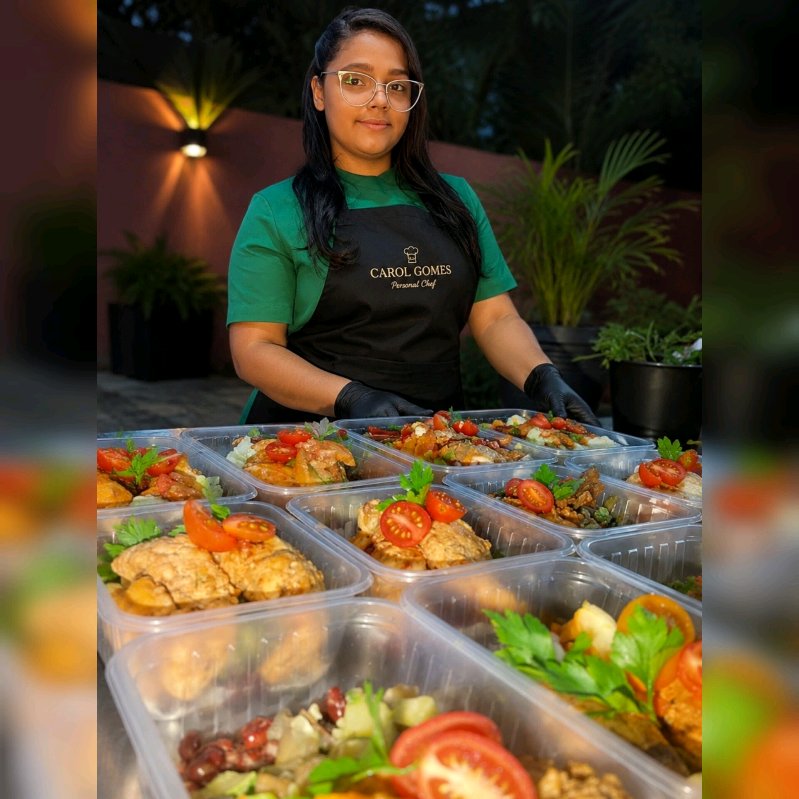
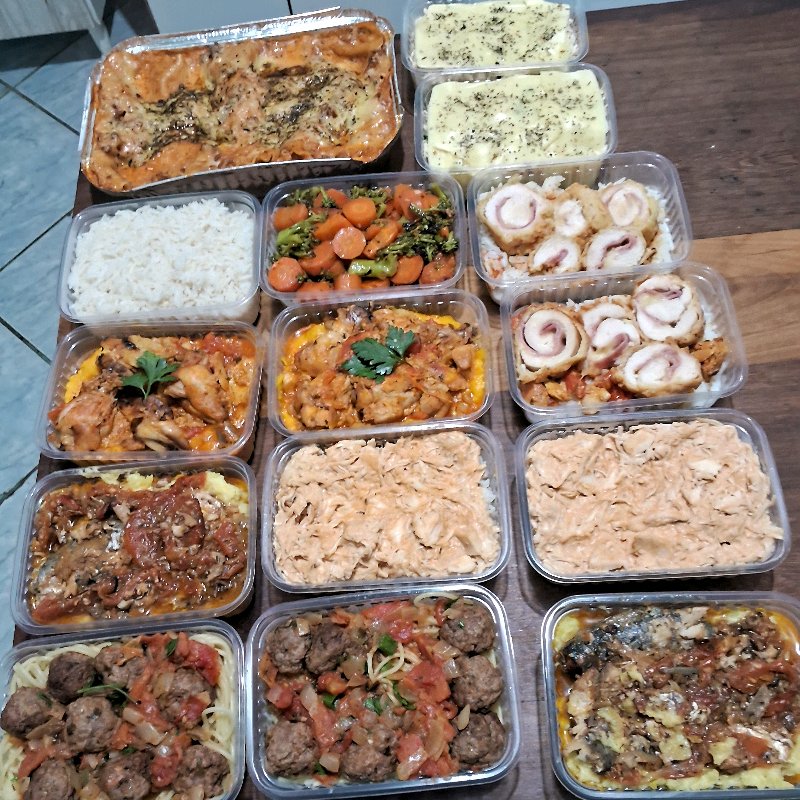
The chef then plans a week's worth of meals, shops for the freshest ingredients, and cooks everything in the family's kitchen, portioning meals into clearly labeled containers with reheating instructions that any family member can follow. Depending on the agreement, they may cook on-site two or three times per week, or prepare larger batches designed to last several days with minimal quality loss.
Beyond food, a skilled chef who works regularly with older clients often notices things — declining appetite, difficulty holding utensils, confusion about which meal they last ate — that families may miss. This attentiveness makes the chef an unexpected member of the care network.
✓Confirm all medical dietary restrictions in writing
Ask the family's doctor or nutritionist for a written list of restrictions (sodium, potassium, sugar, fat). Hand this directly to the chef before the first visit.
✓Discuss texture preferences and chewing capacity
Note whether the person can eat full pieces, needs soft-cooked options, or requires blended/pureed textures for certain foods.
✓List cultural and emotional food preferences
Comfort foods matter enormously. Note beloved dishes from childhood or regional preferences — a mineiro who grew up on feijão tropeiro will feel far more nourished by a well-adapted version than by a generic 'healthy' bowl.
✓Agree on a labeling and storage protocol
Establish how meals will be labeled (date, contents, reheating instructions) so any caregiver or family member can serve them confidently.
✓Schedule a weekly check-in call
A brief call between chef and family ensures the menu evolves as the person's appetite, health, or preferences shift.
Signature Dishes Adapted for Elderly Nutrition
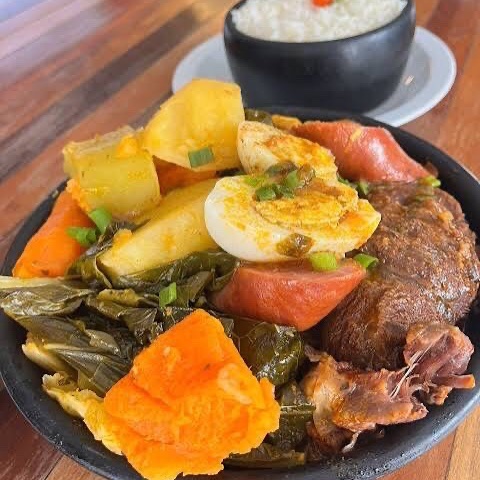
The best elder-focused menus don't abandon beloved foods — they reimagine them. A classic caldo de carne becomes a rich, low-sodium bone broth with very tender shredded beef and soft-cooked vegetables. A traditional arroz com frango is transformed into a creamy, easy-to-chew frango desfiado com arroz cremoso packed with zinc and protein. Sopa de legumes gets an upgrade with a drizzle of good olive oil and a sprinkle of herbs, keeping its soul while boosting nutritional density.
For dessert, fresh fruit creams, sugar-reduced pureed mamão com mel de agave, or small portions of vitamin-rich açaí sem açúcar offer sweetness without blood sugar spikes. A creative chef will also include high-protein snacks between meals — a small pot of iogurte natural with ground flaxseed, or a warm caldo de cenoura e gengibre — to counteract the common elder pattern of skipping meals.
Hydration is often an overlooked challenge. Elderly people frequently underdrink, especially when water tastes 'flat' to them. A thoughtful chef can prepare flavored água de pepino e hortelã, chilled hibiscus tea with no added sugar, or warm broths that double as fluid intake — making hydration feel like a treat rather than a chore.
Cost and Scheduling: What to Expect in Brazil
A personal chef focused on elder meal support in Brazil typically charges between R$300 and R$600 per visit, depending on the city, the number of meals prepared, and any special ingredient sourcing required. In São Paulo and Rio de Janeiro, rates skew higher; in Belo Horizonte or Porto Alegre, mid-range pricing is more common. Ingredients are usually charged separately at cost, with the chef presenting receipts.
Many families find that two visits per week — producing roughly 10–14 portioned meals — is a sustainable rhythm that balances freshness with budget. This works out to roughly R$800–R$1,200 per week total (labor + ingredients), which compares favorably with the cumulative cost of daily delivery apps for a nutritionally appropriate elderly diet, and far surpasses them in food quality and personalization.
It is worth checking whether the elderly person's health plan or caregiving arrangement covers any nutritional services. Some premium planos de saúde and home-care packages in Brazil have begun including chef or nutritionist consultations as part of chronic disease management programs.
Pro Tip
Ask the chef to prepare a sample weekly menu before committing to a recurring plan. This helps identify any gaps — and lets the elderly person feel involved in approving what they'll eat.
Finding the Right Chef: What Qualities Matter Most
Not every skilled personal chef is the right fit for elder meal support. Beyond technical cooking ability, look for someone with demonstrable patience, genuine empathy, and ideally some experience cooking for older adults or people with chronic conditions. A chef who has worked with nutritionists or in clinical kitchen settings brings an extra layer of confidence.
Cultural sensitivity matters enormously in Brazil's diverse family contexts. A chef who understands the difference between comida mineira comfort and northeastern flavors — and who respects the emotional weight of a familiar dish — will connect far better with an elderly client than one who imposes a purely clinical, flavorless diet.
Reliability is non-negotiable. For elderly family members, consistency is part of safety. A chef who shows up on schedule, communicates clearly, and maintains the same quality every visit becomes a trusted fixture of the daily routine — not just a service provider.
✓Ask for references from other elder or medical-diet clients
A chef with prior experience in this niche will have specific stories to share. Red flags include vague answers or no prior experience at all.
✓Verify food safety certification
Look for a chef with a current Boas Práticas de Manipulação de Alimentos certificate or equivalent training in food safety.
✓Assess communication style in person or by video call
The chef should be able to speak warmly and clearly with the elderly person directly, not just through family intermediaries.
✓Discuss what happens when they're sick or unavailable
A professional will have a backup plan — a substitute or advance batch preparation — rather than leaving the family without meals.
The Emotional Dimension: Food as Care and Connection
For elderly people, especially those who spent decades as the family's cooks, having someone cook for them can feel disorienting — even like a loss of identity. A skilled elder-care chef understands this and approaches the role with humility, often involving the person in the kitchen in small ways: asking for their opinion on seasoning, having them stir a pot, or simply sharing the story of a dish. These micro-moments carry enormous therapeutic weight.
There is also the powerful link between familiar flavors and memory. Research on taste and cognitive health consistently shows that familiar foods can evoke positive memories and emotional wellbeing in older adults, including those with early-stage dementia. A chef who prepares the specific regional dishes someone grew up with — a pernambucano's carne de sol com macaxeira, a paulistana's arroz com suã — is doing far more than meeting caloric requirements.
Families who invest in this kind of meal support often report something unexpected: the quality of the whole family's interactions around mealtimes improves. When the food challenge is handled professionally, visits become about presence and conversation rather than the anxiety of whether grandma ate today.
Getting Started: The First Booking
Start by making a list of the elderly family member's top 10 favorite dishes, their confirmed medical dietary restrictions, and any foods they actively dislike or cannot tolerate. This document, along with any nutritionist or doctor's guidelines, becomes the chef's brief and can be shared through myChef when making the booking.
The first visit should be treated as a pilot session — ideally with a family member present to observe, ask questions, and establish rapport between the chef and the elderly person. After this session, schedule a brief feedback call to refine the menu and routine. Most families find a comfortable working rhythm by the third or fourth visit.
From there, the goal is to make mealtimes a source of daily joy rather than a logistical worry — which, for both the elderly person and their family, is worth every real invested.