What a Personal Chef Delivers for Events
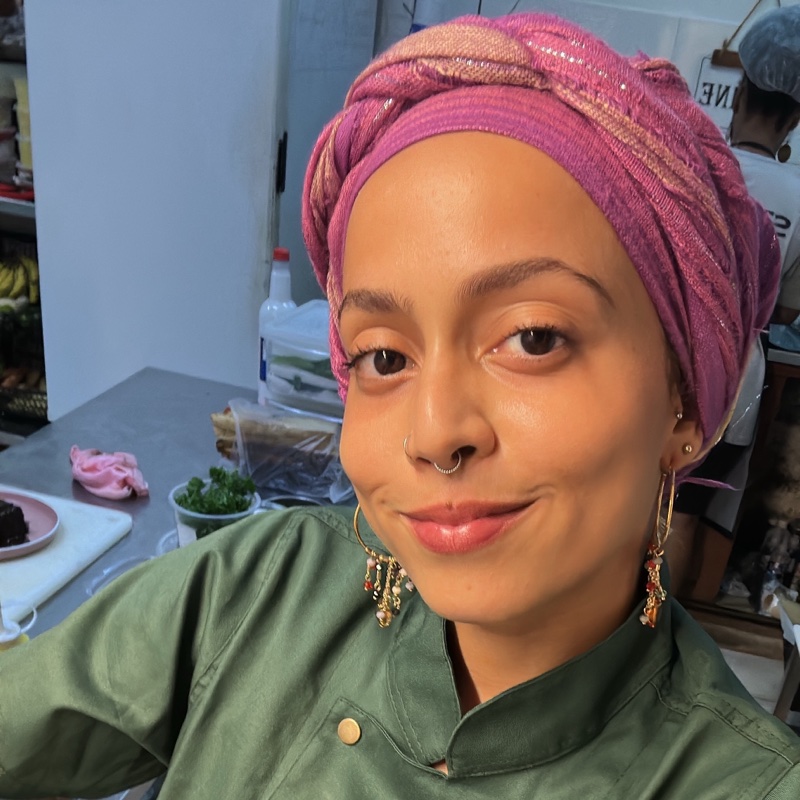
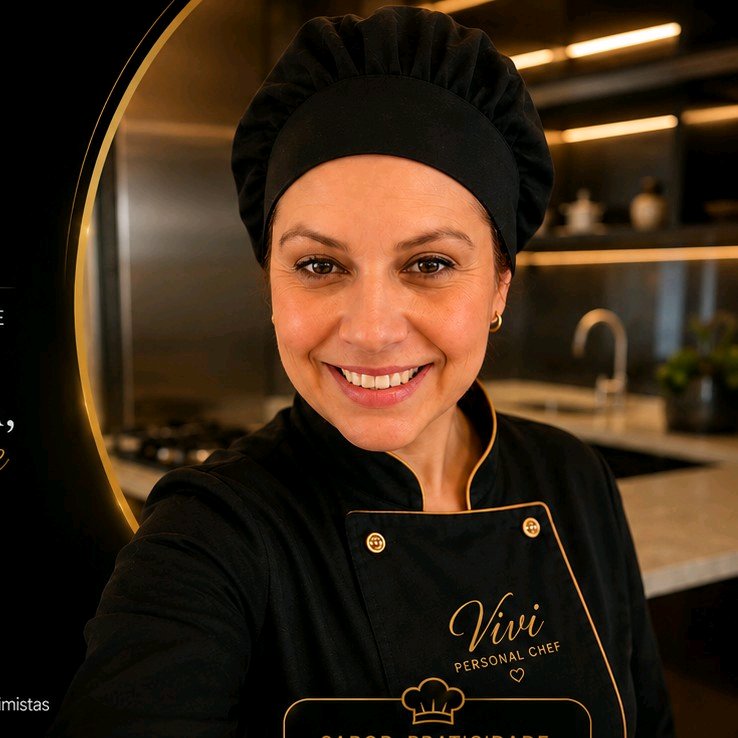
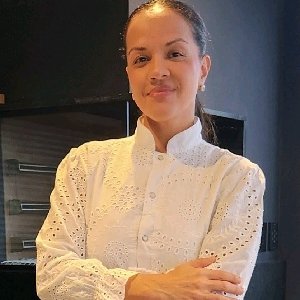
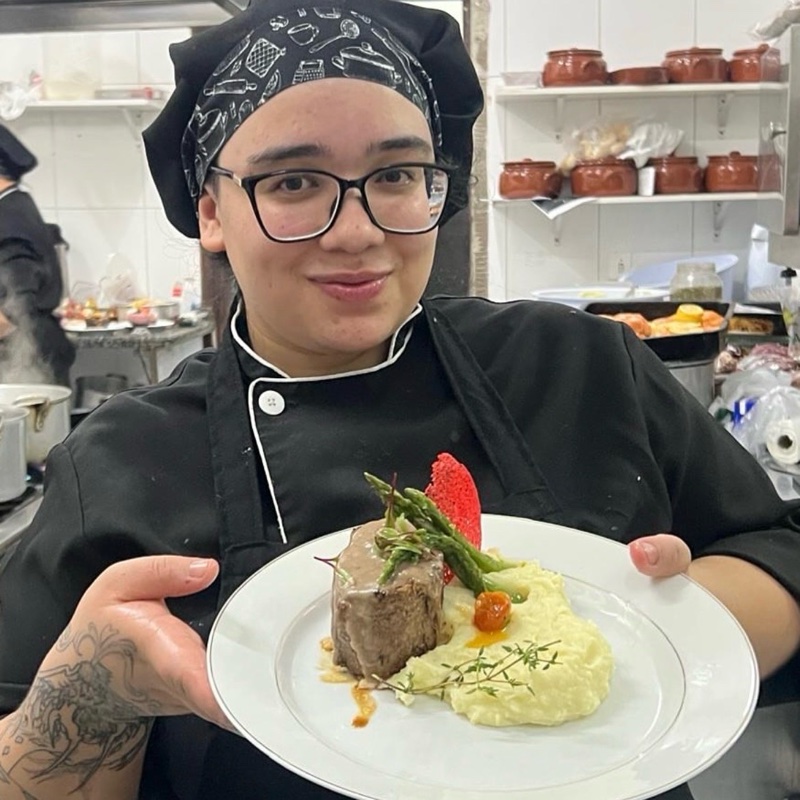
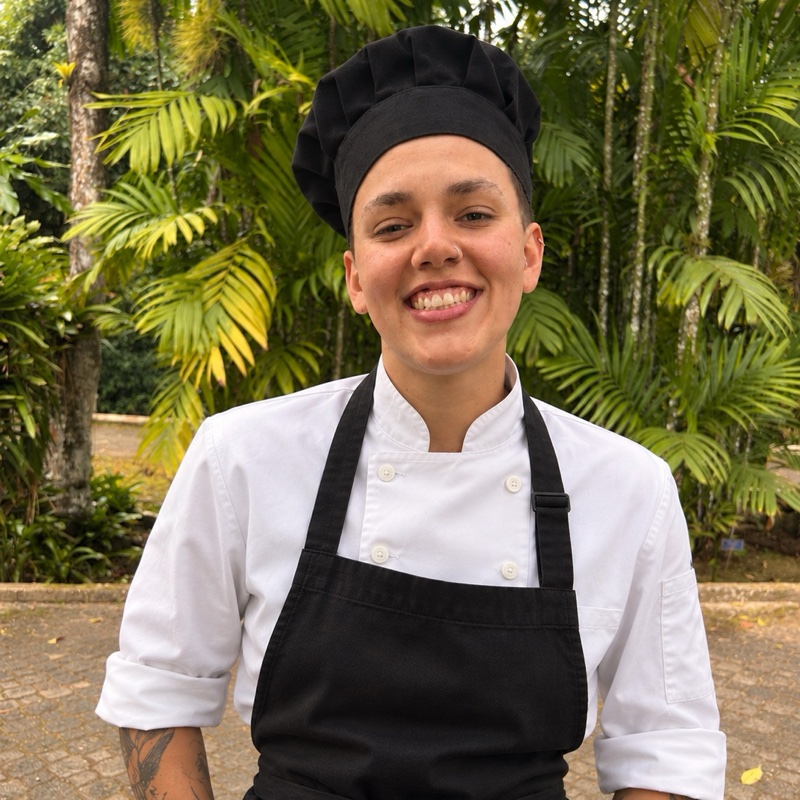
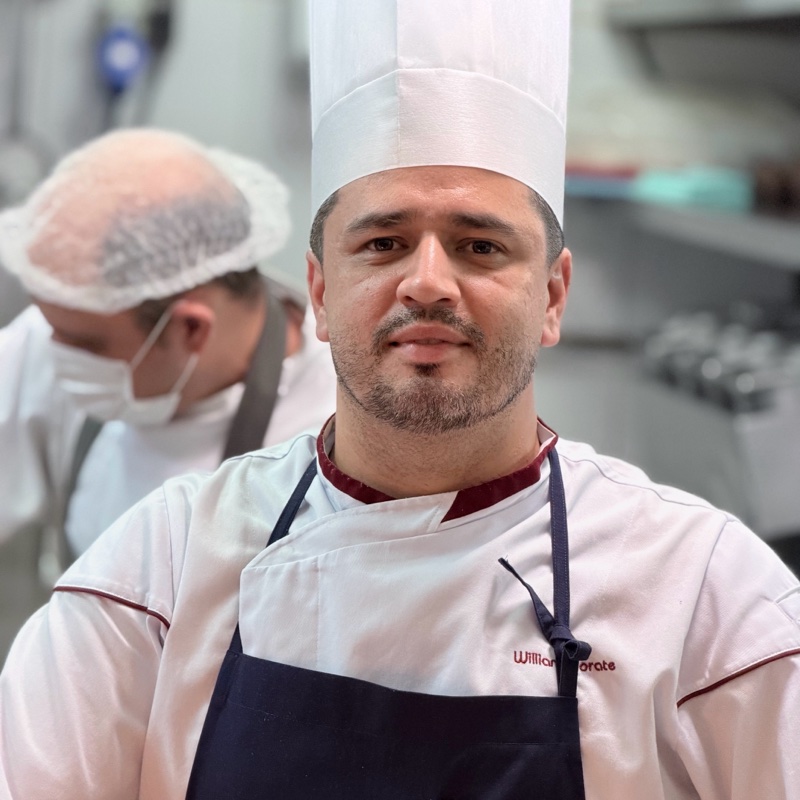
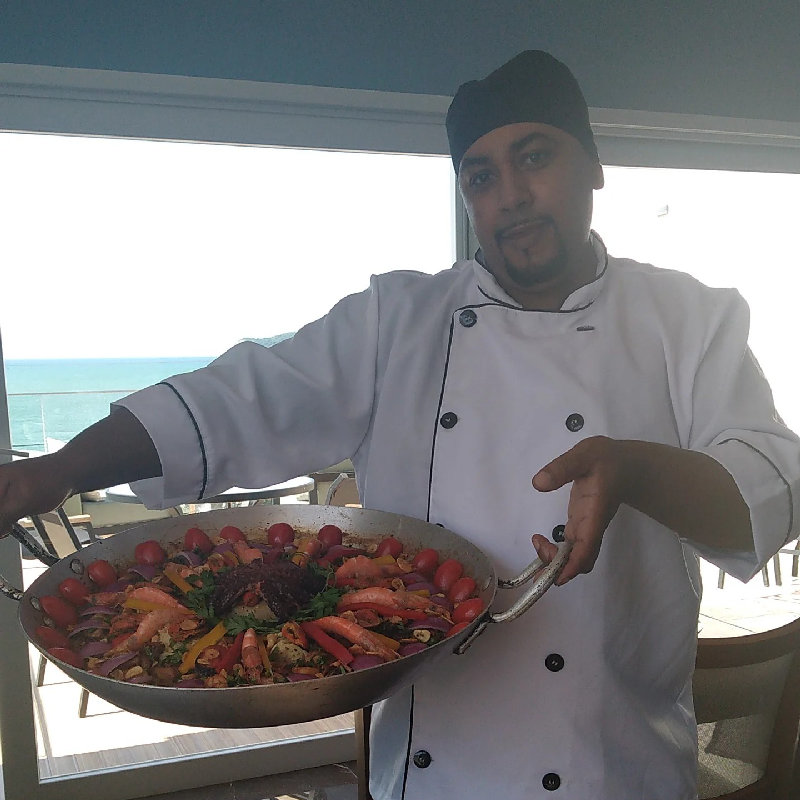
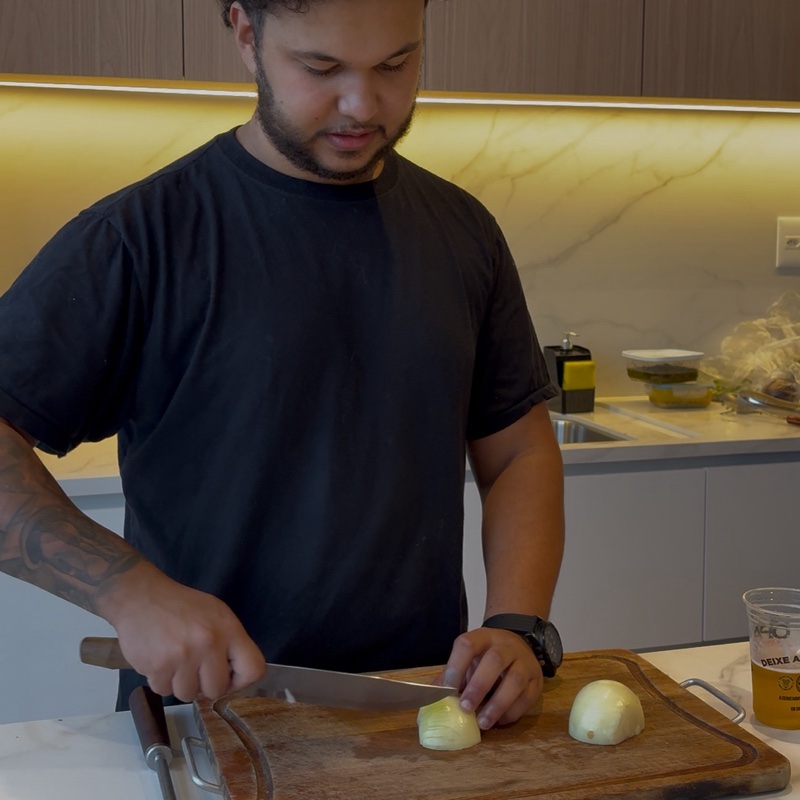
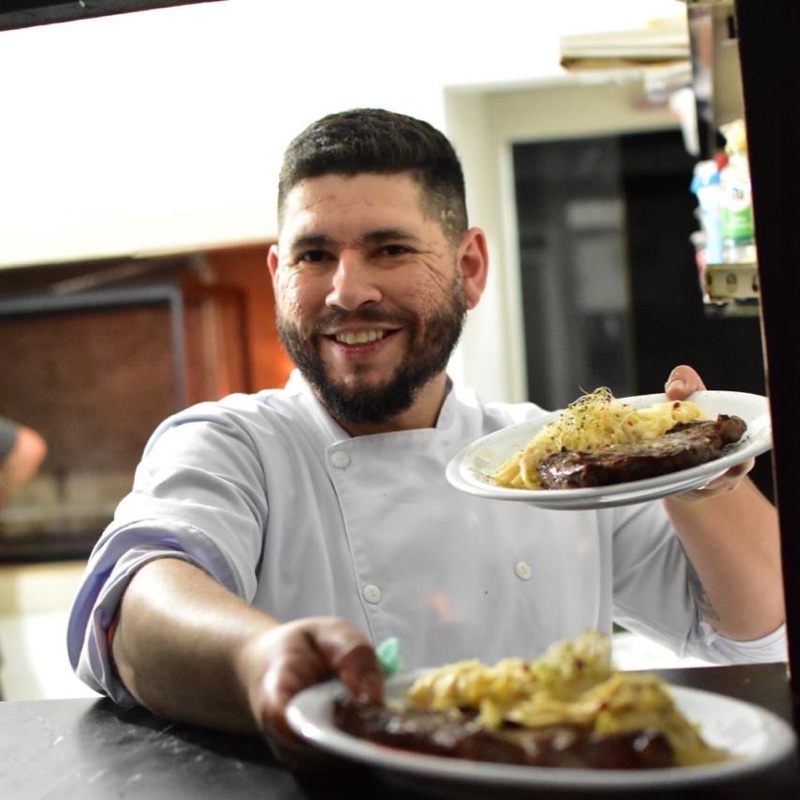
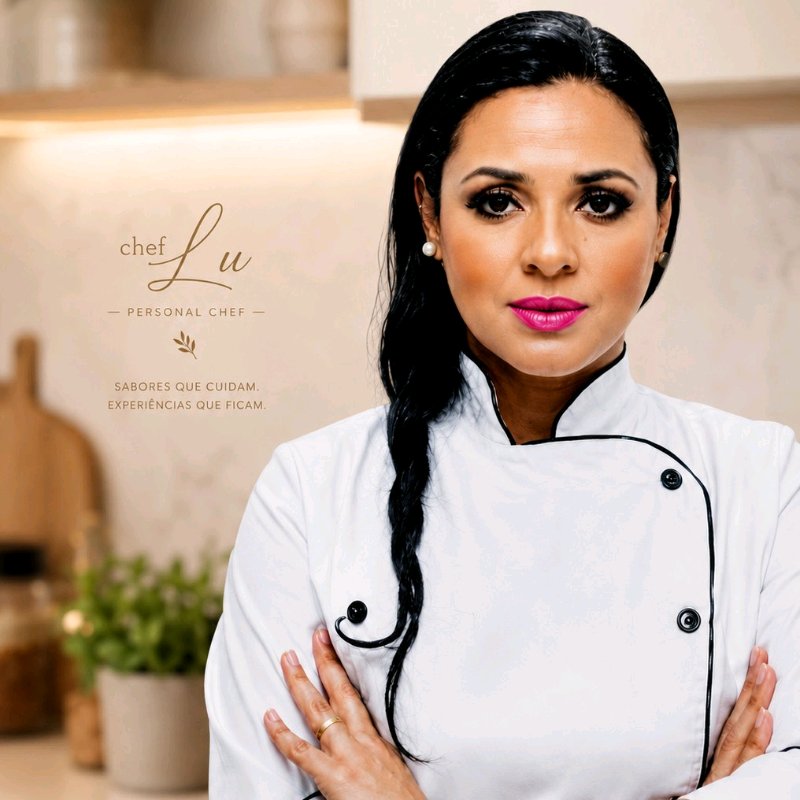
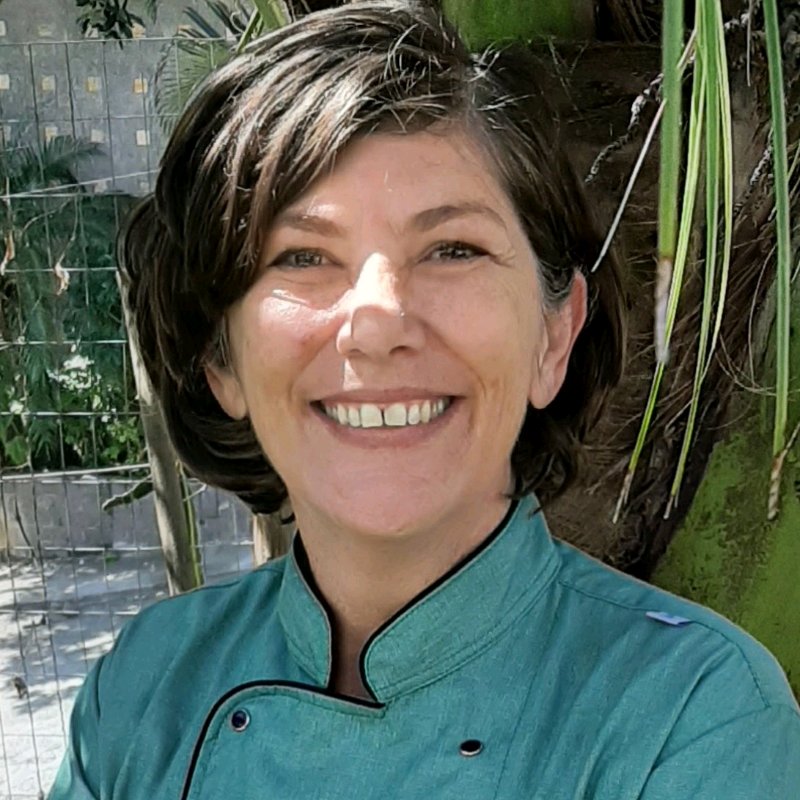
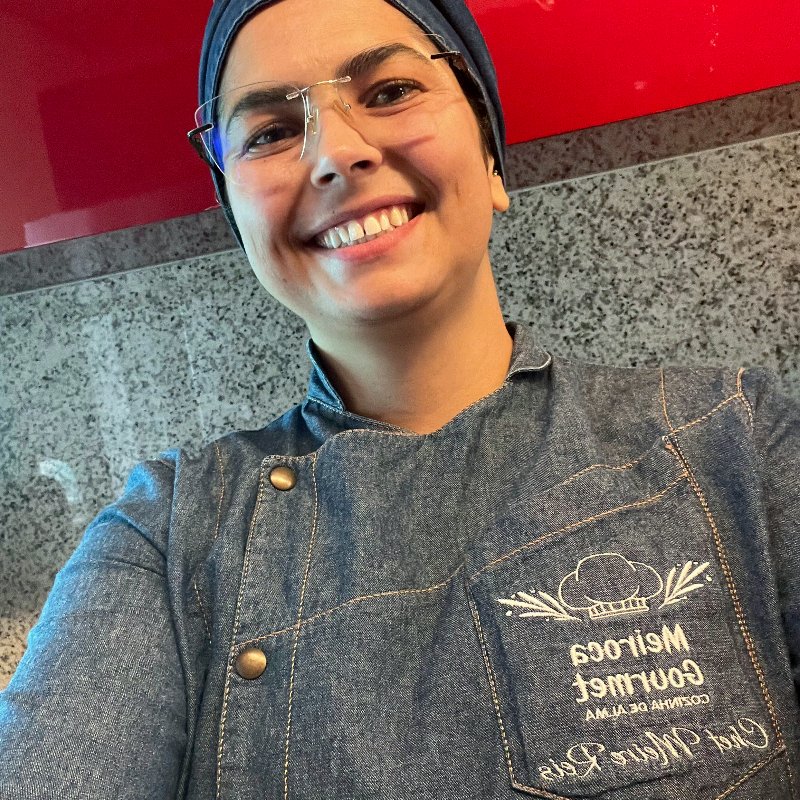
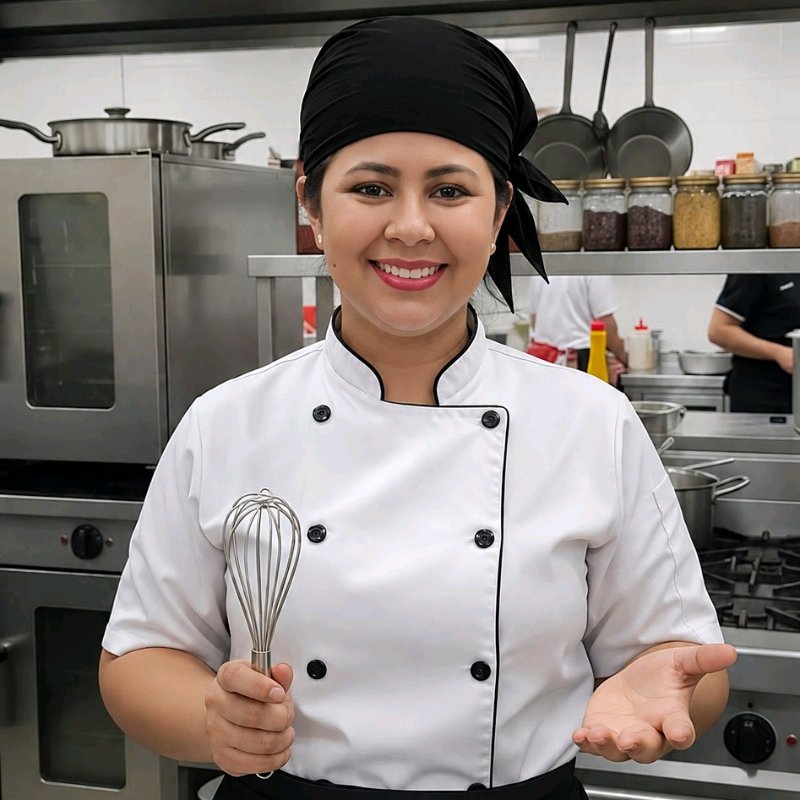
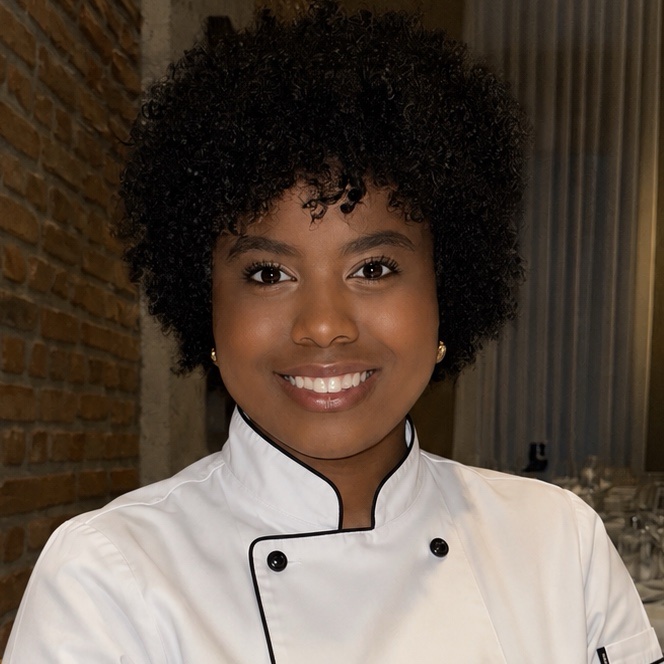
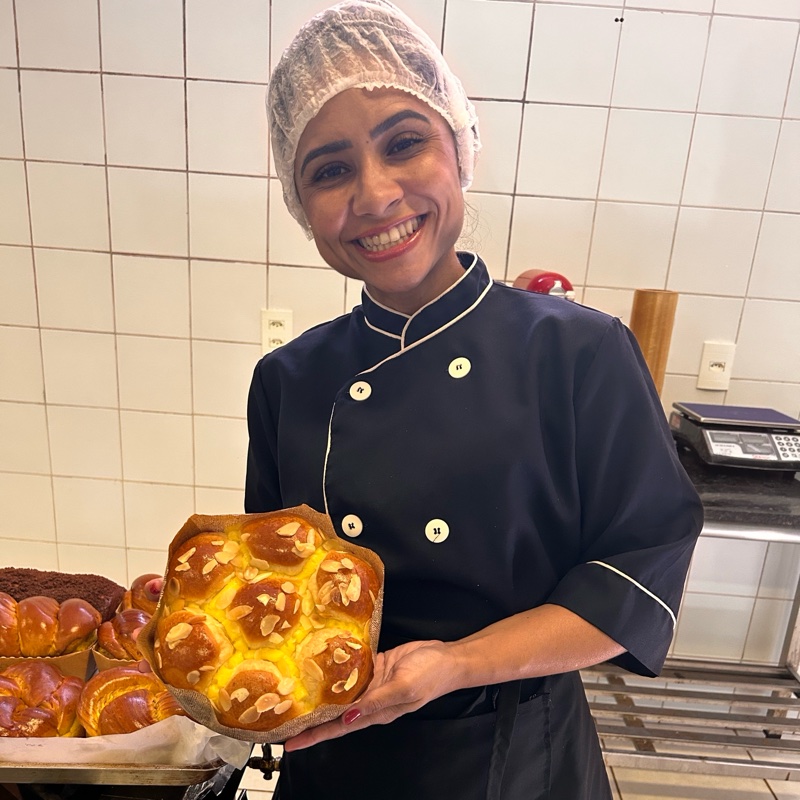
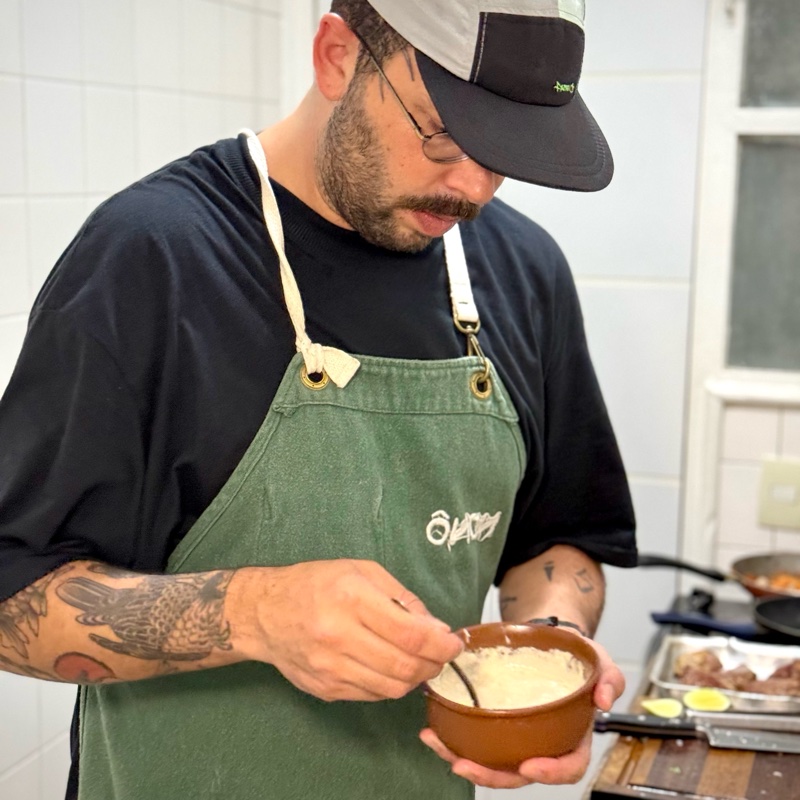
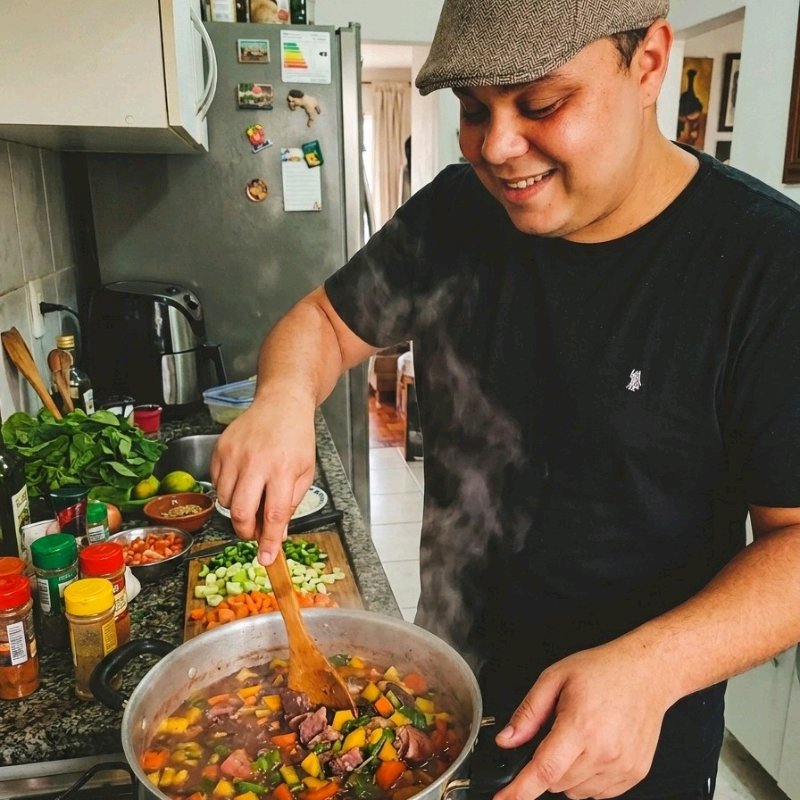
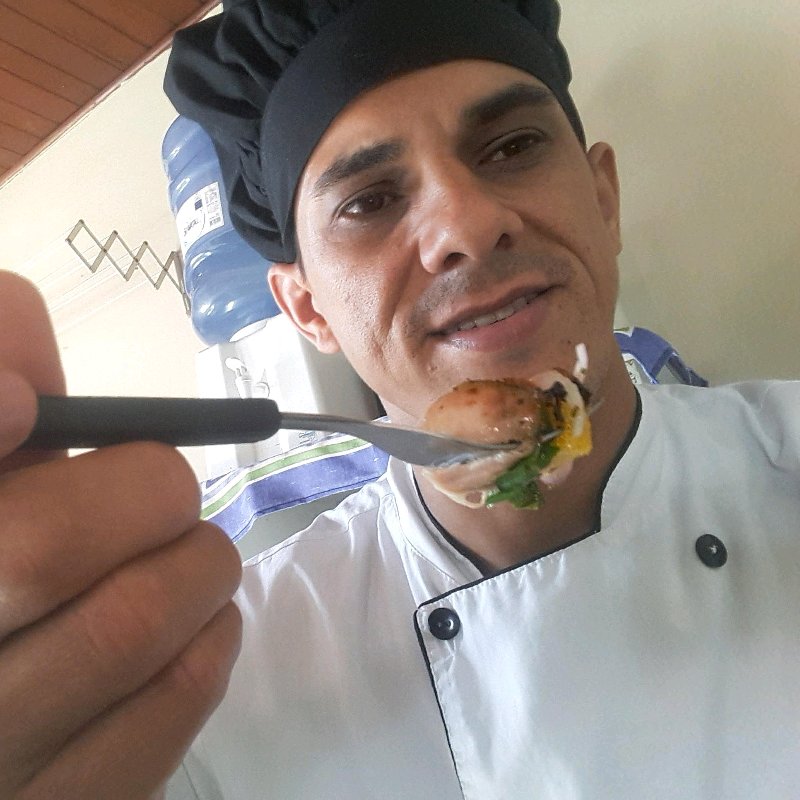
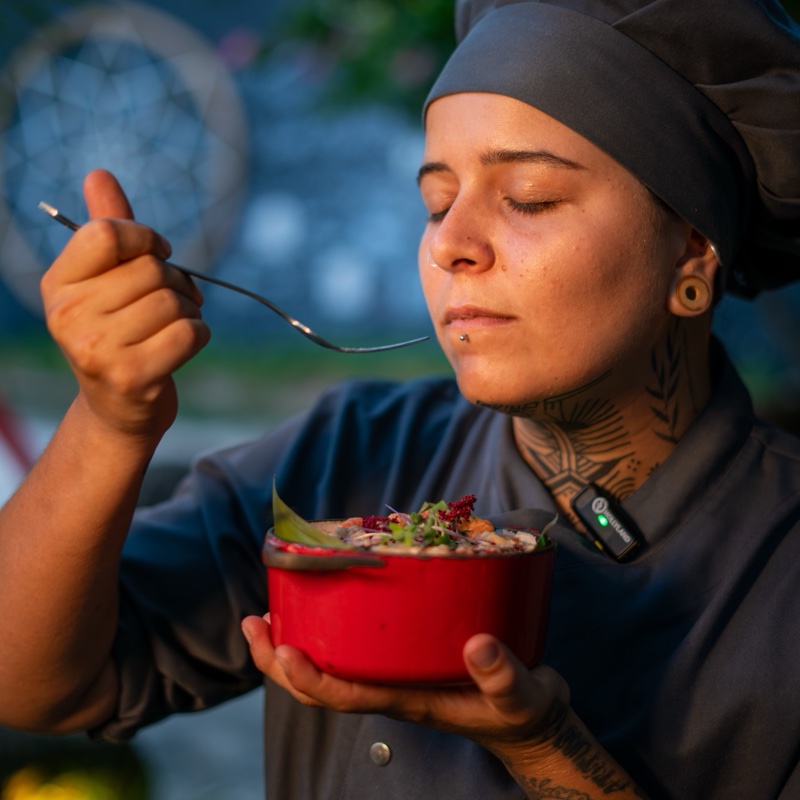
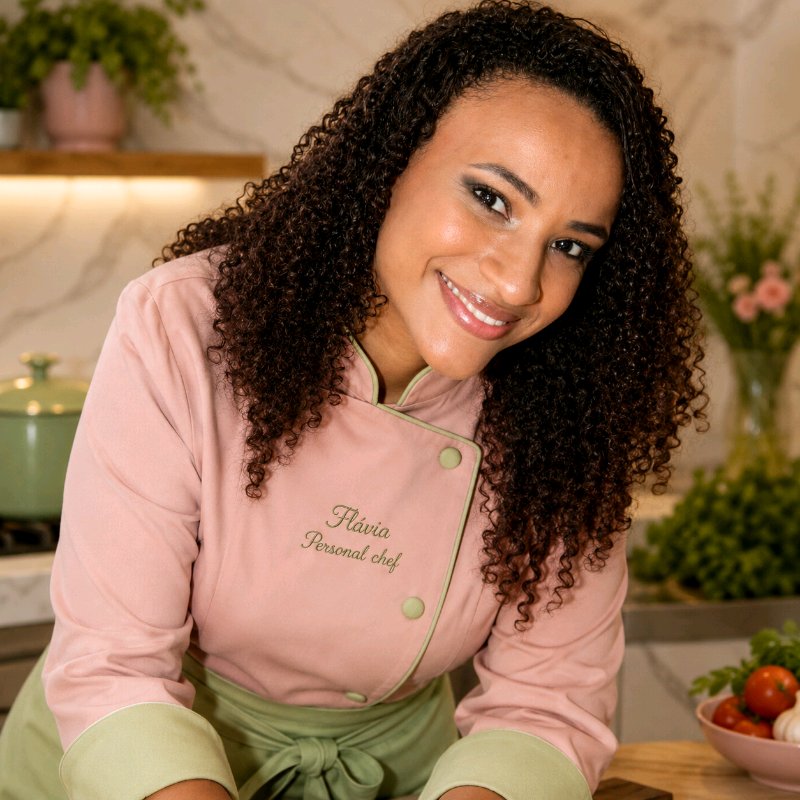
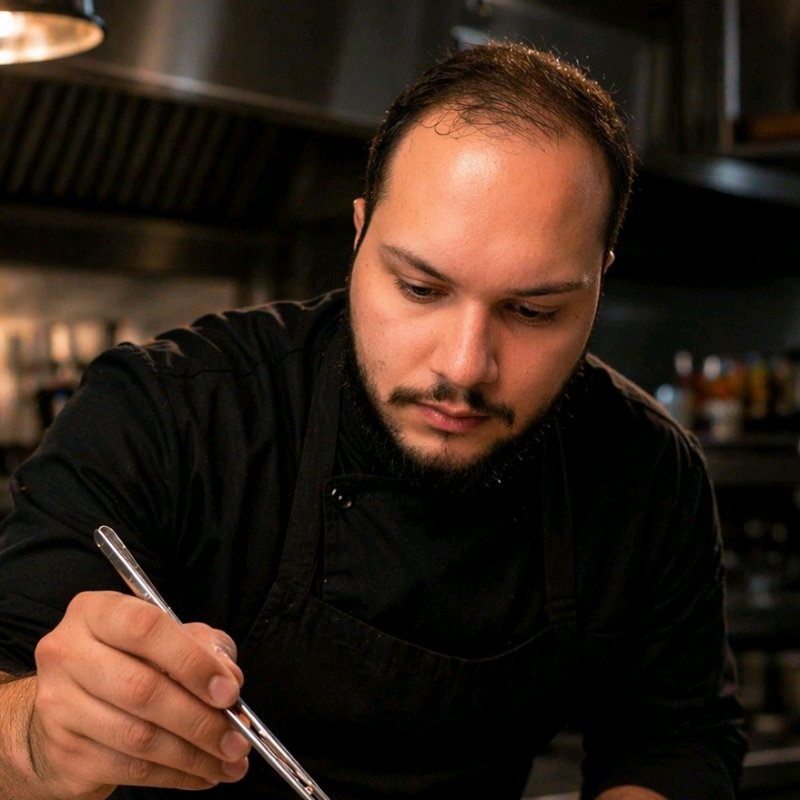
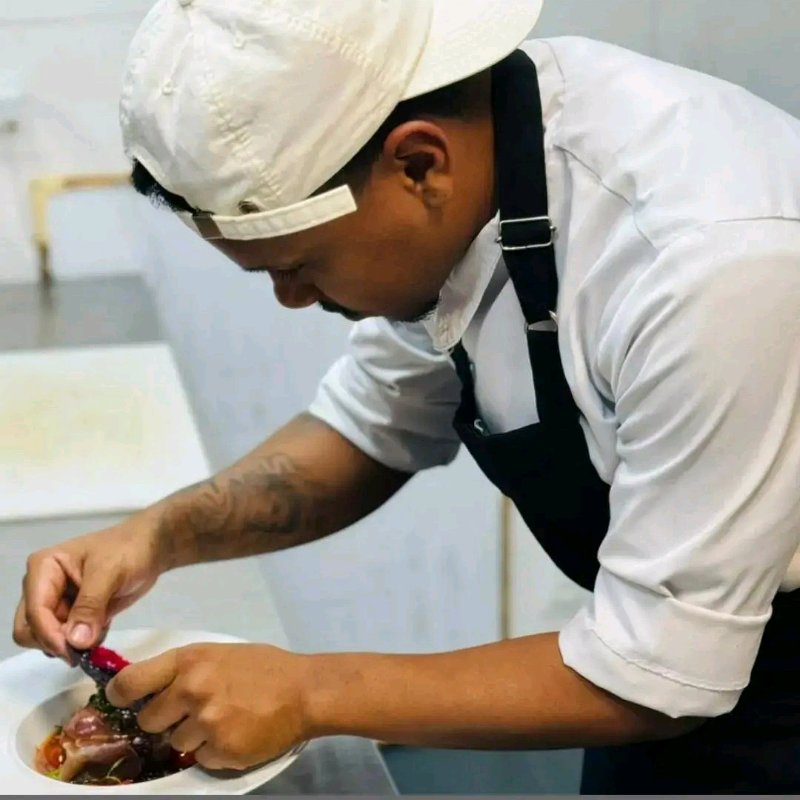
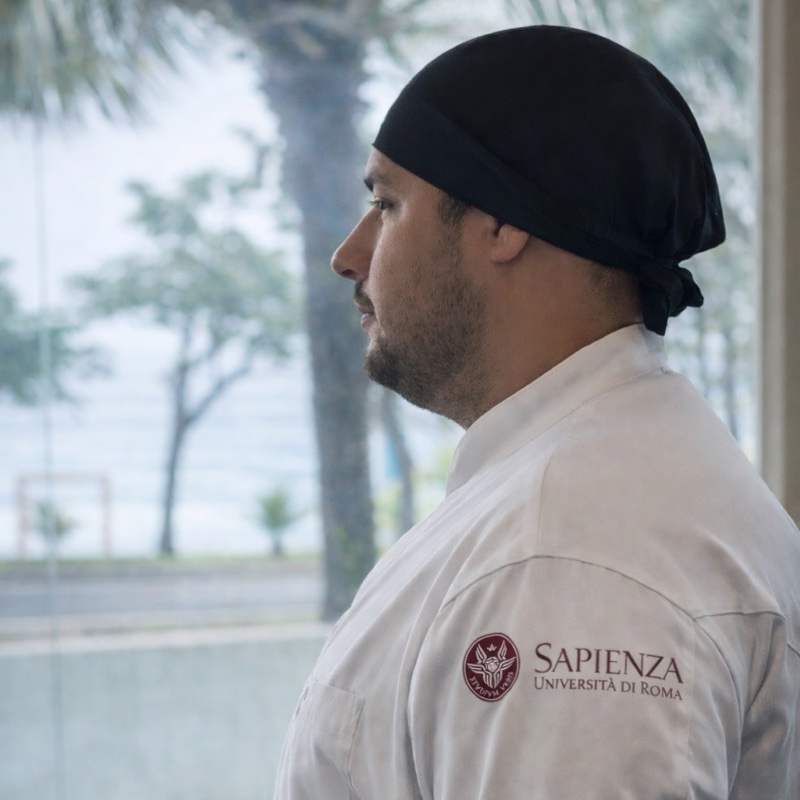
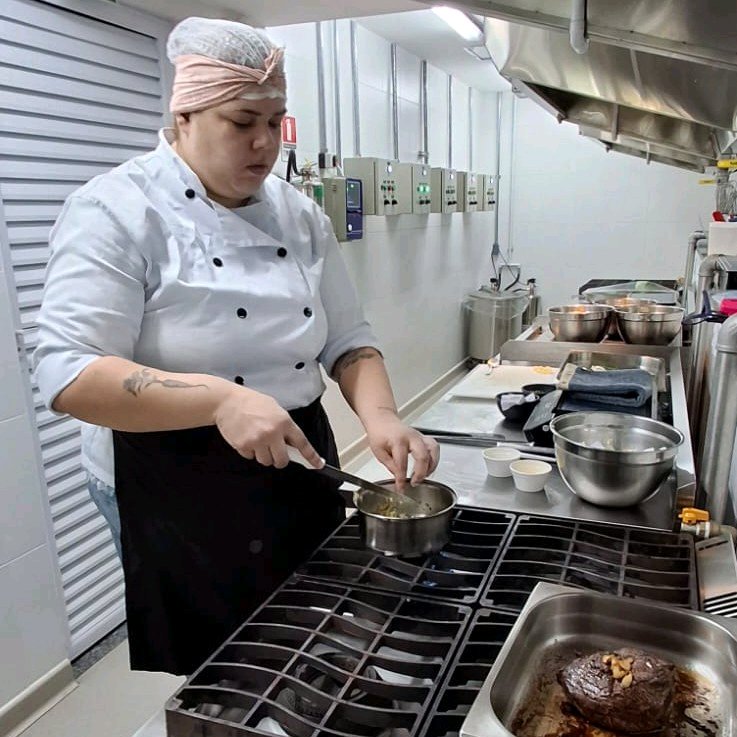
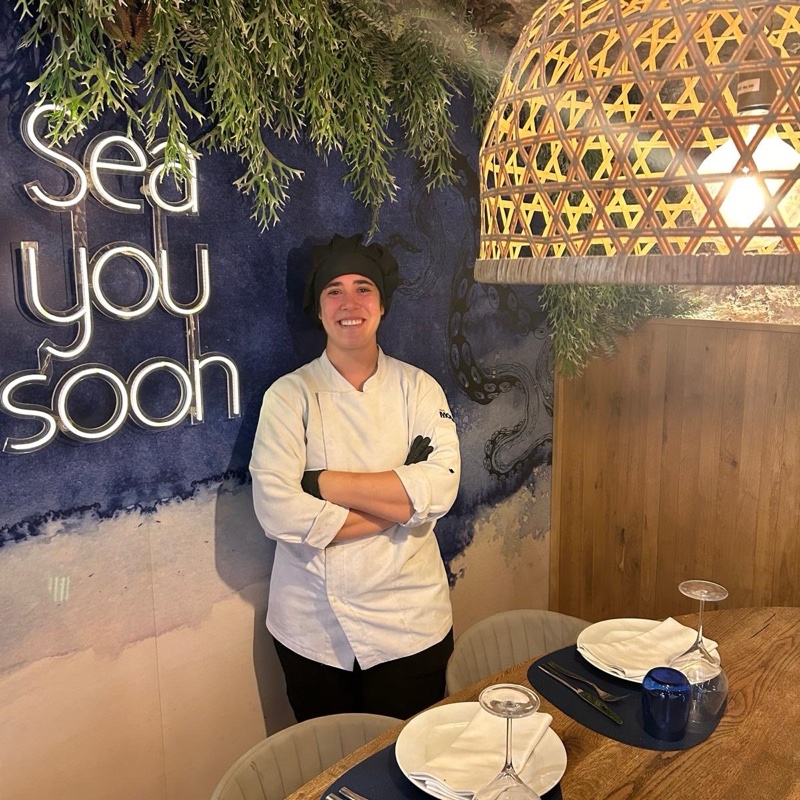
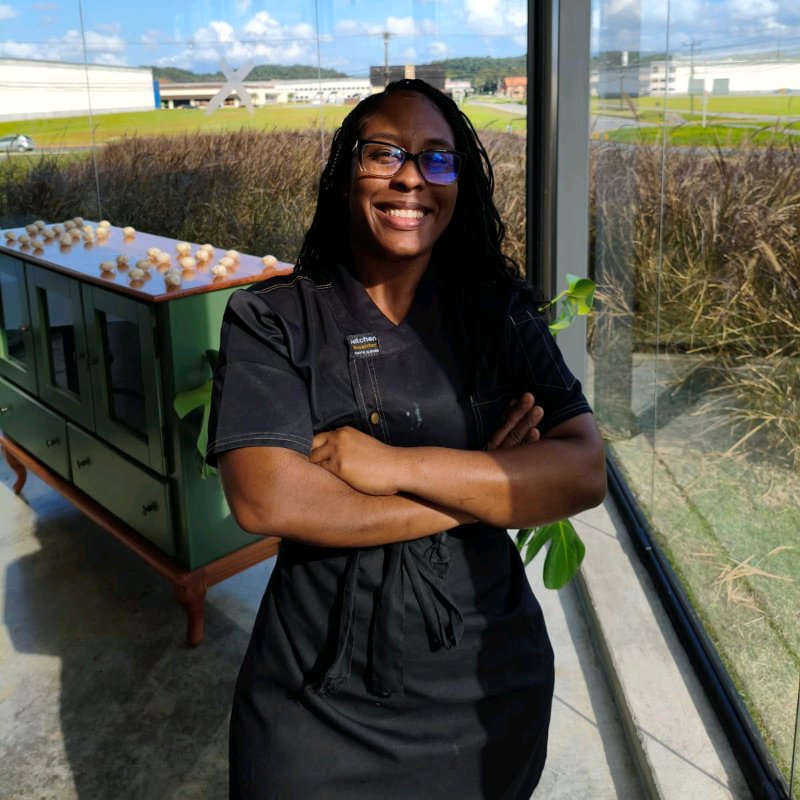
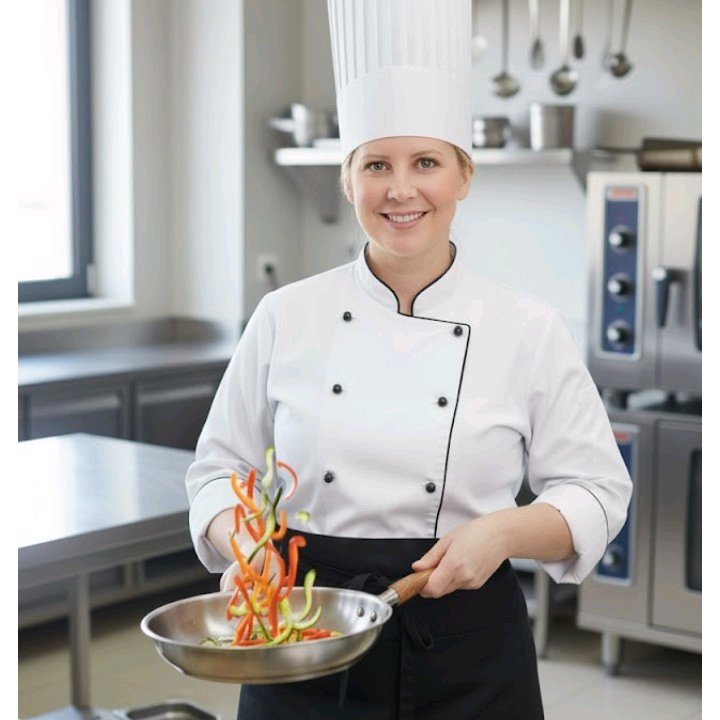
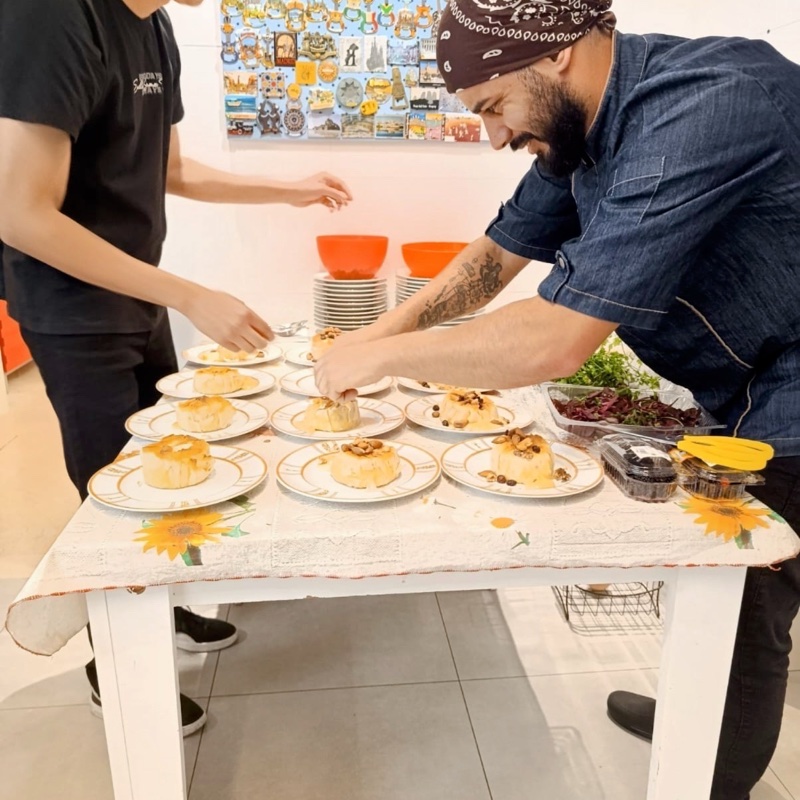
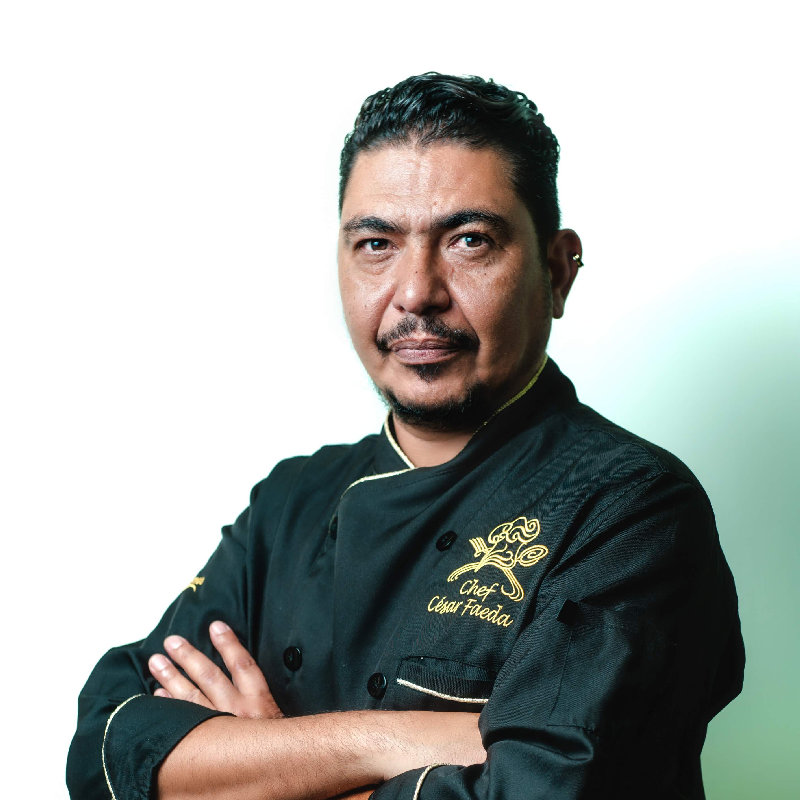
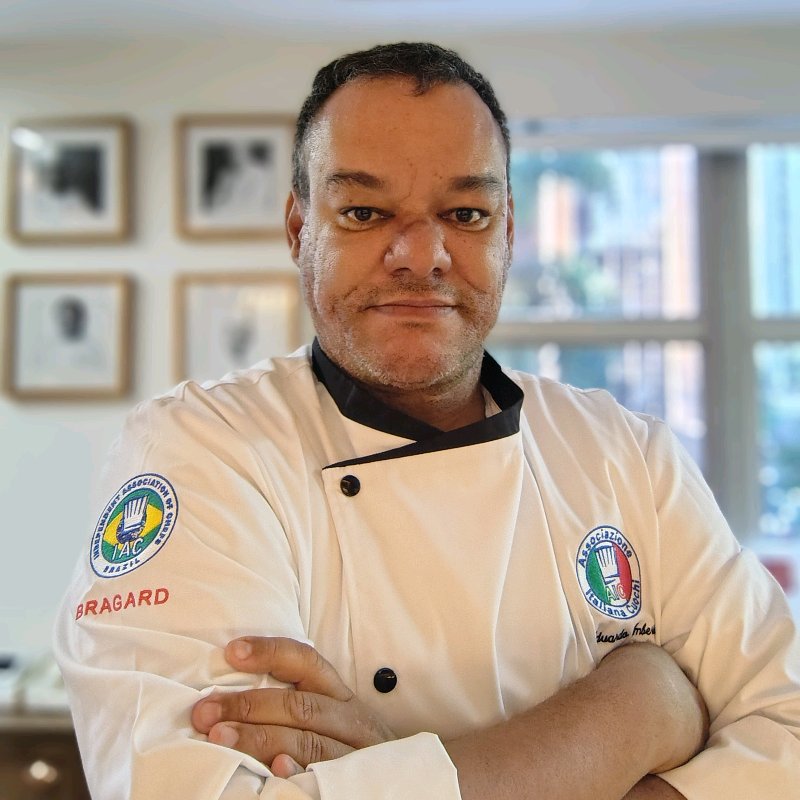
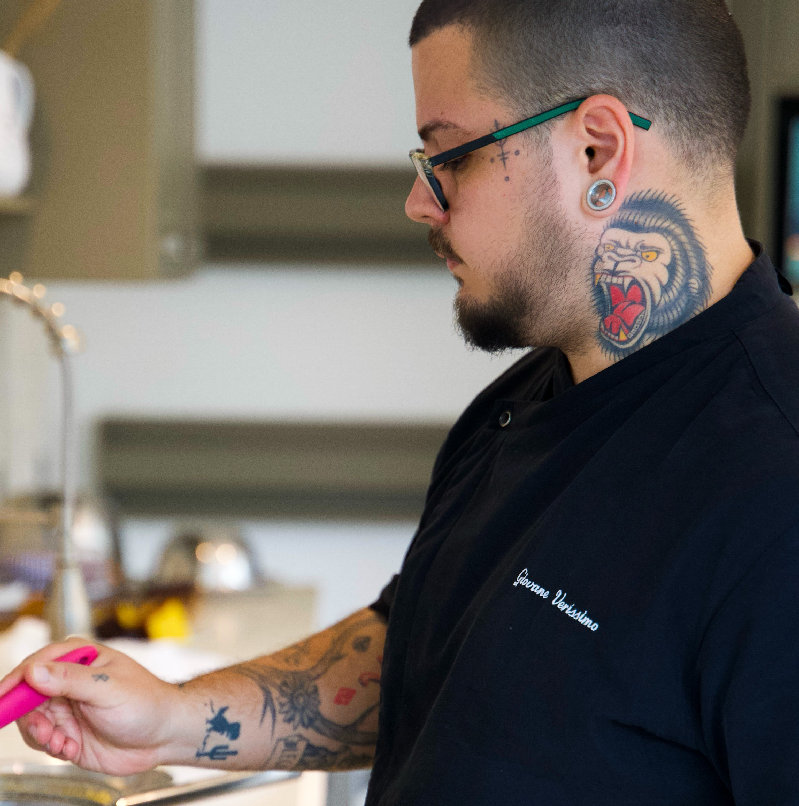
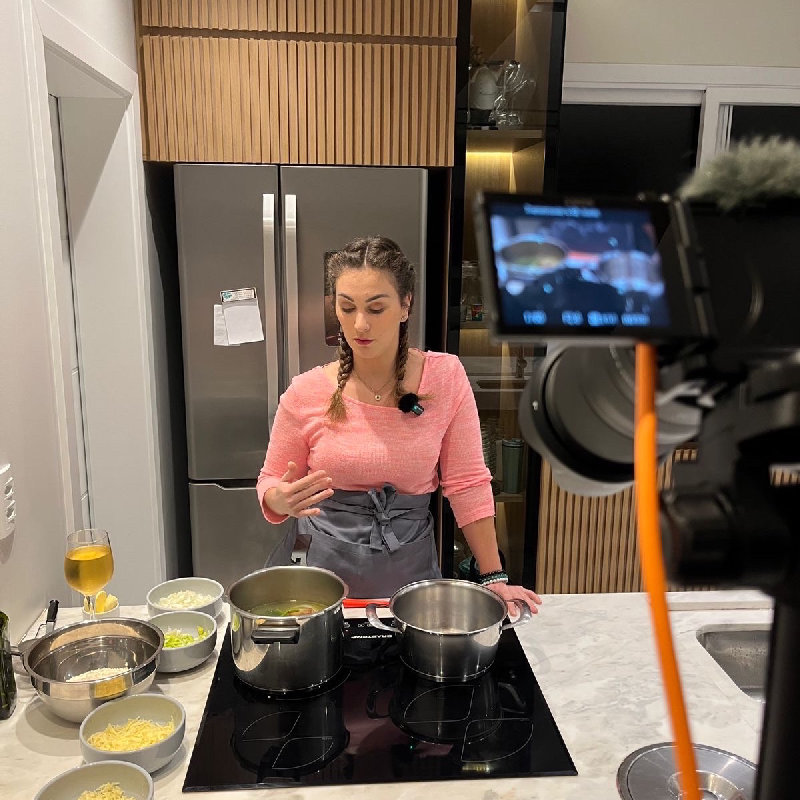
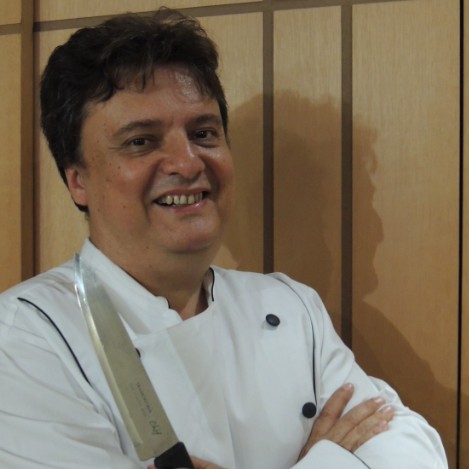
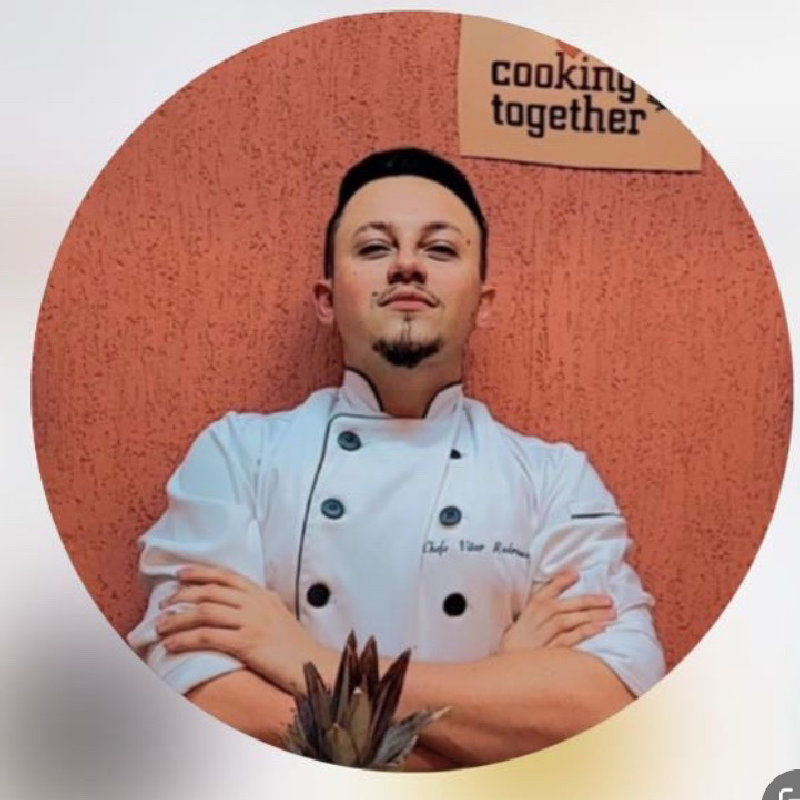
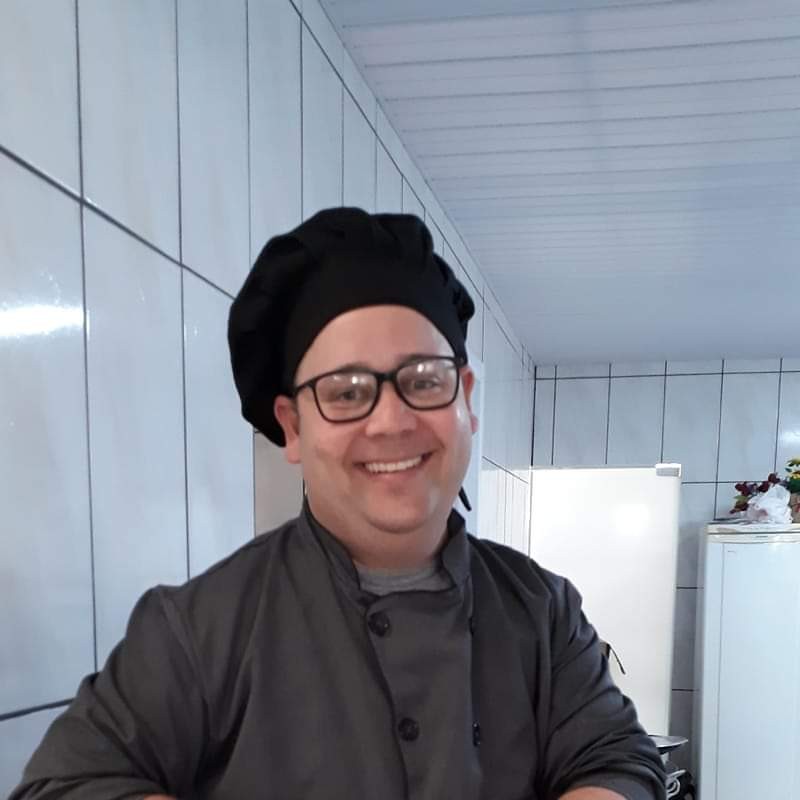
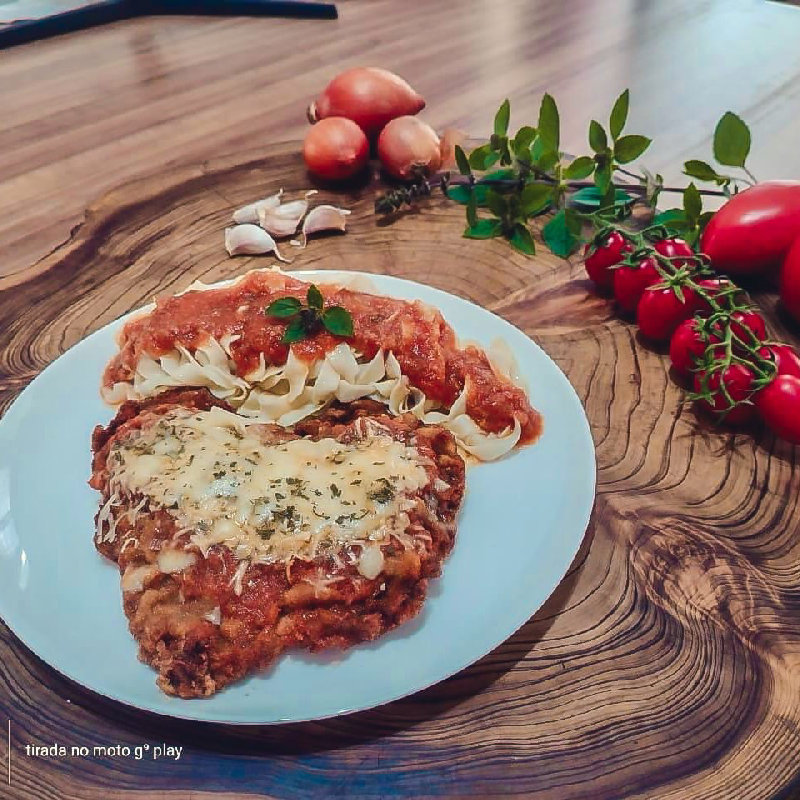
A personal chef cooking for an event creates a dining experience that is fully bespoke: every course designed for your specific group, sourced fresh, and cooked on-site at your venue. The food is made to order (or as close as the format allows), not transported from a central kitchen. For events of up to 20 people, this model produces food quality that a catering company's transported buffet fundamentally cannot match.
The intimacy of a chef-cooked event changes how guests relate to the food. Watching a skilled cook at work in an open kitchen — whether that's a home dining room, a chácara, or a rooftop terrace in Ipanema — transforms the meal from background to centerpiece. Guests talk about what they're eating, ask questions, and leave with a specific memory of the event's food.
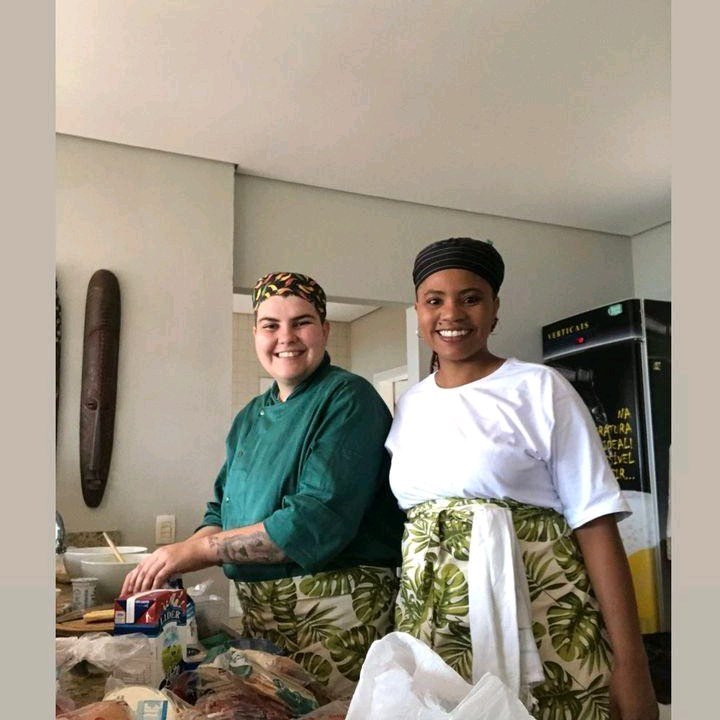
Personal chefs for events in Brazil typically handle groups of 6 to 25 guests comfortably without additional kitchen staff. For 15–25 guests, many chefs bring a kitchen assistant. Above 25, the model starts straining unless the chef has a full support team — which is where catering infrastructure becomes relevant.
What a Catering Company Delivers for Events
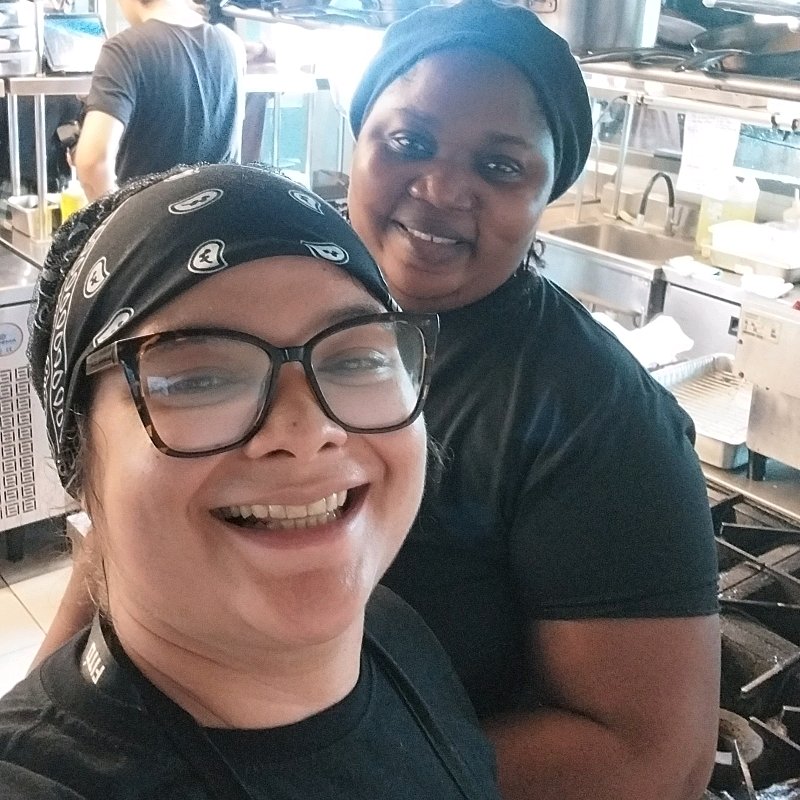
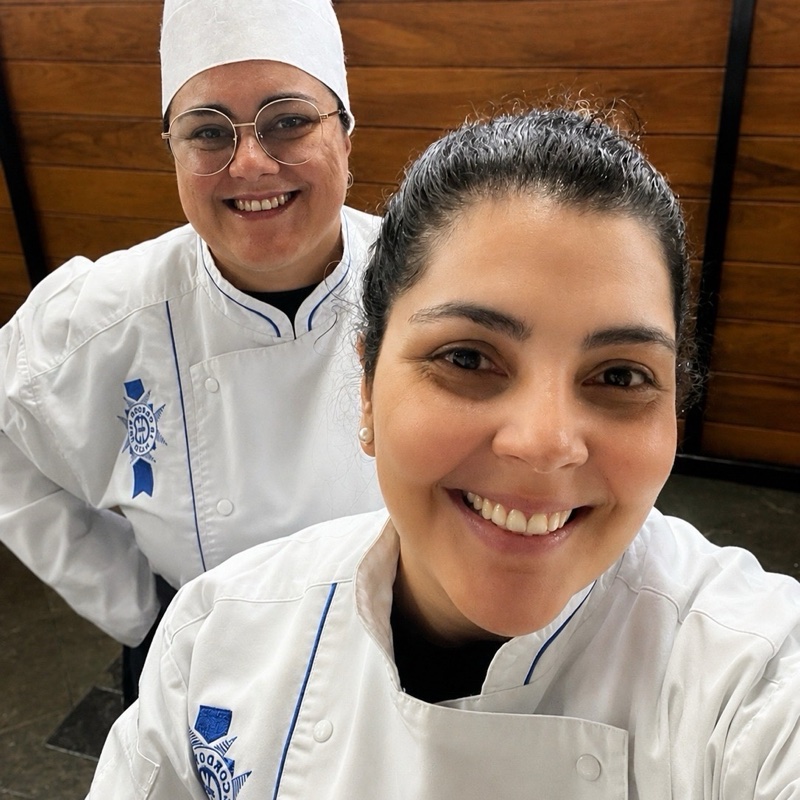
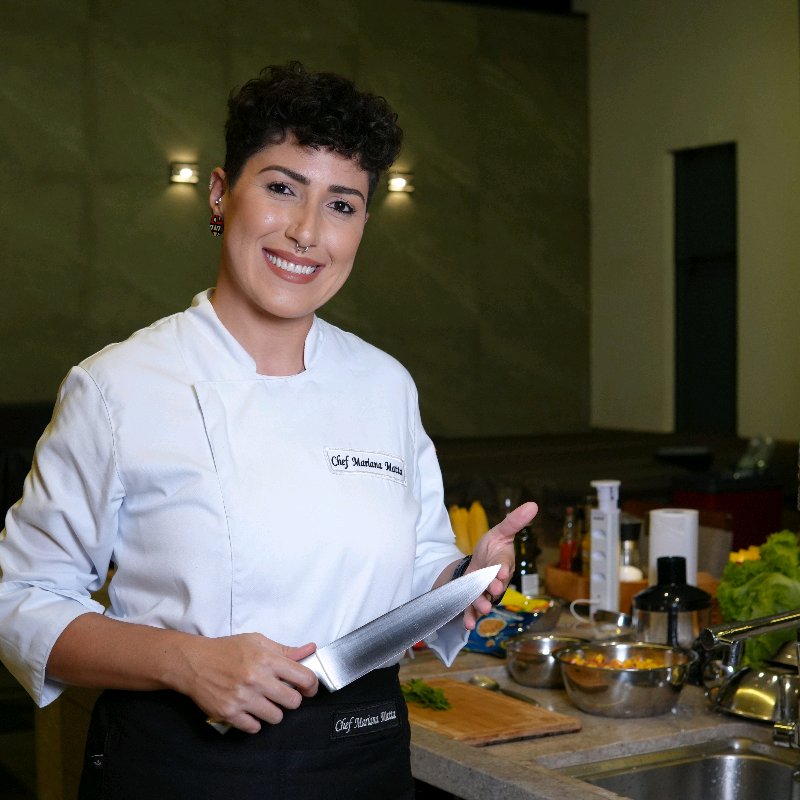
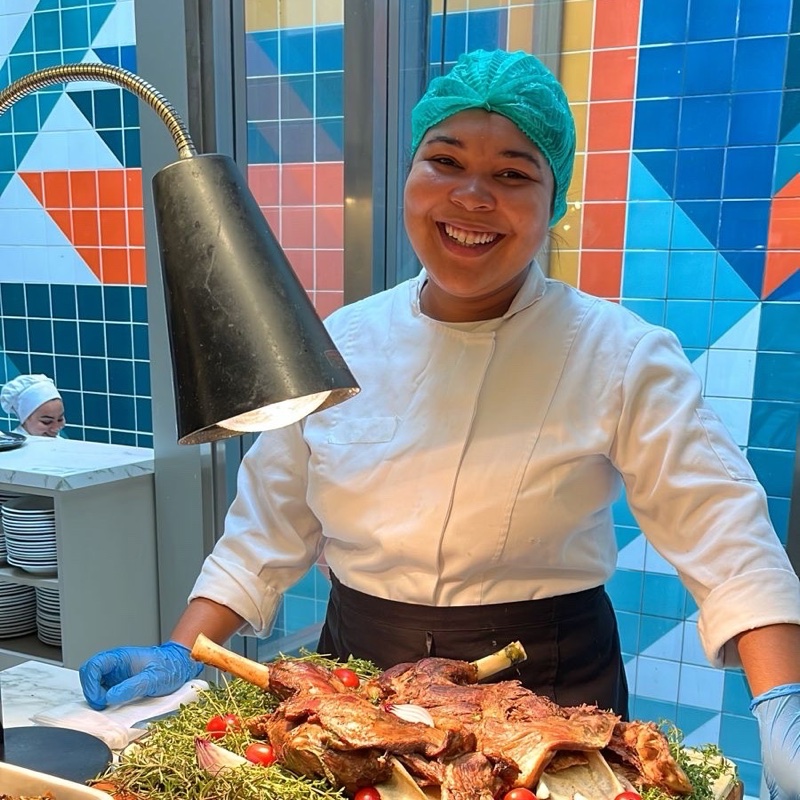
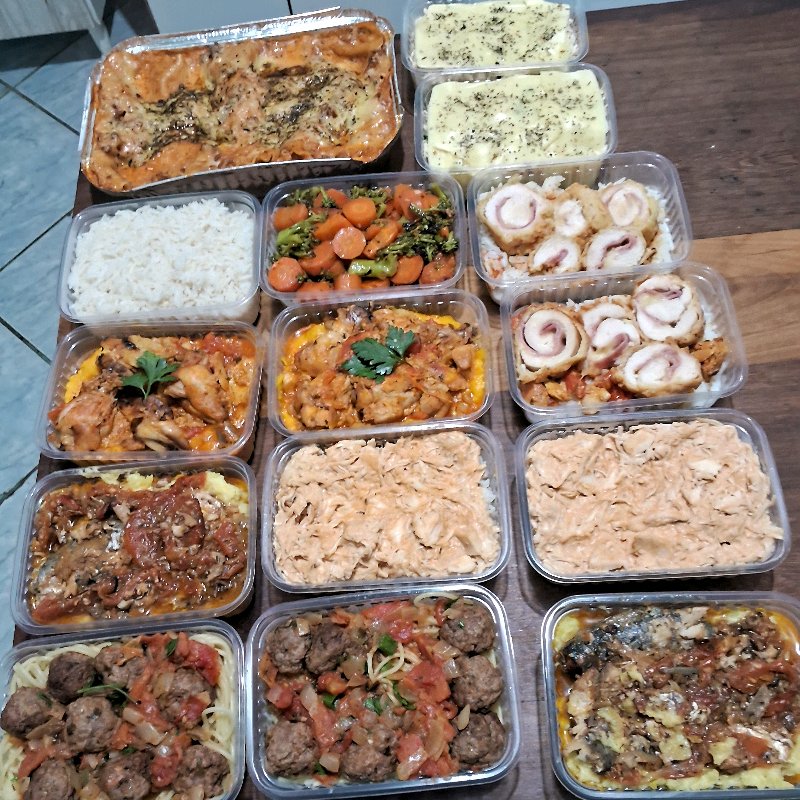
Catering companies bring operational capacity that no single chef can match: a central production kitchen, a full service team (garçons, baristas, coordinators), logistical experience with large groups, and the equipment to maintain food safety and temperature across dozens or hundreds of portions.
For events above 30 people, catering companies offer reliability and scale that is genuinely difficult for a personal chef to replicate. The tradeoff is personalization: catering menus are typically built around formats (buffet, finger food, coquetel) that optimize for throughput rather than bespoke experience. The food is good, sometimes very good, but it's calibrated for many rather than crafted for you.
Catering companies also handle logistics that personal chefs typically don't: folding tables, linen rental, glassware and cutlery at scale, service staff ratios, and breakdown after the event. For a large event where logistics coordination is its own full-time job, having that bundled into one contract is genuinely valuable.
Pro Tip
Ask any catering company whether they cook on-site or transport pre-prepared food. On-site cooking (even for large groups) produces significantly better results than reheated transportation — it's worth paying more for if the caterer offers it.
Cost Comparison: Personal Chef vs. Catering
For events of 8–15 guests, a personal chef and a mid-range catering company often land in a similar price range: R$150–R$350 per person for food service. The chef's higher per-person cost is partially offset by the absence of rental fees, service staff surcharges, and the operational overhead built into catering company pricing.
For 20–40 guests, catering companies generally become more cost-efficient on a per-person basis because their fixed infrastructure costs amortize across more plates. A chef cooking for 35 guests may need two kitchen assistants and additional equipment rental — costs that quickly approach catering company territory without the operational experience.
For events above 40 guests, catering is almost always the more appropriate choice on both cost and logistics grounds, unless the event is structured around a specific chef experience (a celebrity chef dinner, a curated tasting for VIP guests) where the chef is the event.
✓Count guests first
Below 20 guests, a personal chef is usually the better choice. Above 30, catering company infrastructure becomes the more reliable option.
✓Decide how central the food experience is
If the food is the event (tasting dinner, culinary celebration), go with a chef. If the food supports the event (corporate cocktail, large birthday party), catering is more appropriate.
✓Ask about on-site vs. transported food
This single question matters more than any other for food quality when evaluating a catering company.
✓Check what's included in each quote
Chef quotes often exclude service staff and equipment; catering quotes often include them. Normalize to apples-to-apples before comparing numbers.
✓Consider dietary complexity
A personal chef can build every dish around complex dietary needs from scratch. Large-scale catering handles dietary restrictions as exceptions, not the base design.
The Experience Gap: Where Each Wins
Personal chefs win decisively on experience for intimate events where food quality, customization, and the warmth of a meal cooked specifically for your group are the primary metrics. A chef who cooks a seven-course dinner for ten wedding guests at a micro-wedding in a Gramado vineyard produces something that no catering company can replicate — because the catering model is not designed for that kind of intimacy.
Catering companies win decisively on execution for large events where operational reliability — every guest served within fifteen minutes, dietary alternatives handled smoothly, the event moving on schedule — is the primary metric. A corporate event for 200 people where the food is late, cold, or poorly distributed is a disaster; a catering company's entire value proposition is preventing exactly that.
There is a middle category: events of 15–30 guests where both options are viable. Here, the decision usually comes down to whether you want the event's food to be memorable or merely good. For a significant family occasion — a 50th wedding anniversary, a milestone birthday with a sit-down dinner for 25 — a personal chef will produce something people talk about for years. For the same guest count at a professional launch party, catering is the safer, more logistically comfortable choice.
Hybrid Approaches: When You Use Both
Some events use a personal chef for the premium moments and catering infrastructure for the supporting elements. A wedding might hire a chef to create a bespoke tasting menu for the head table or a small VIP dinner the night before the ceremony, while engaging a catering company for the main reception buffet.
Similarly, a corporate event might hire a chef to produce a curated welcome reception for 15 executives, then transition to catering service for the broader dinner of 80. This hybrid approach lets you optimize for experience where it matters most and for logistics where scale is the priority.
When using a hybrid approach, ensure the two vendors coordinate on timing, service flow, and the kitchen space available. Communication failures between a personal chef and a catering team can disrupt service for both.
Questions to Ask Before You Decide
For a personal chef: How many guests have you cooked for solo versus with an assistant? What's the largest event you've managed, and what did you learn from it? Can you provide references from events of similar size and format to mine? Do you have all the equipment needed, or will there be rental costs?
For a catering company: Is the food cooked on-site or transported? What is the staffing ratio (servers per guest)? Who is my main point of contact on the event day? What is your process for dietary accommodations at scale? Can I visit your central kitchen or taste a sample menu?
Both: What happens if there's a problem on the day — illness, a supplier issue, a service delay? Understanding the contingency plan tells you more about a vendor's professionalism than any sales presentation.