The Real Weekly Cost of Meal Delivery Apps
The average delivery order in a major Brazilian city runs R$60–R$120 for one person and R$100–R$200 for two, including delivery fees and service charges. For a household eating two delivery meals per day, five days a week, total weekly spend lands between R$1,000 and R$2,000. Monthly, that's R$4,000–R$8,000 — a number many delivery-dependent households don't consciously track.
Delivery fees on platforms like iFood and Rappi add R$5–R$20 per order depending on distance and restaurant. On a monthly basis, fees alone can amount to R$200–R$400 for a family that orders daily. A minimum order threshold also drives up spending — adding an extra item to qualify for free delivery is a standard behavior that inflates order sizes.
Food quality on delivery apps also degrades in transit. A dish that takes 30–45 minutes to arrive has typically been sitting in packaging for a significant portion of that time. Crispy items soften; sauces pool; presentation collapses. What arrives is edible, often good, but consistently inferior to the same dish eaten at the source — a gap that compounds across a week of lunches and dinners.
Pro Tip
Track your household's delivery spending for four consecutive weeks using your bank app's categorization. Most households are surprised by the actual monthly total — and that number reframes the personal chef comparison immediately.
The Real Weekly Cost of Personal Chef Meal Prep
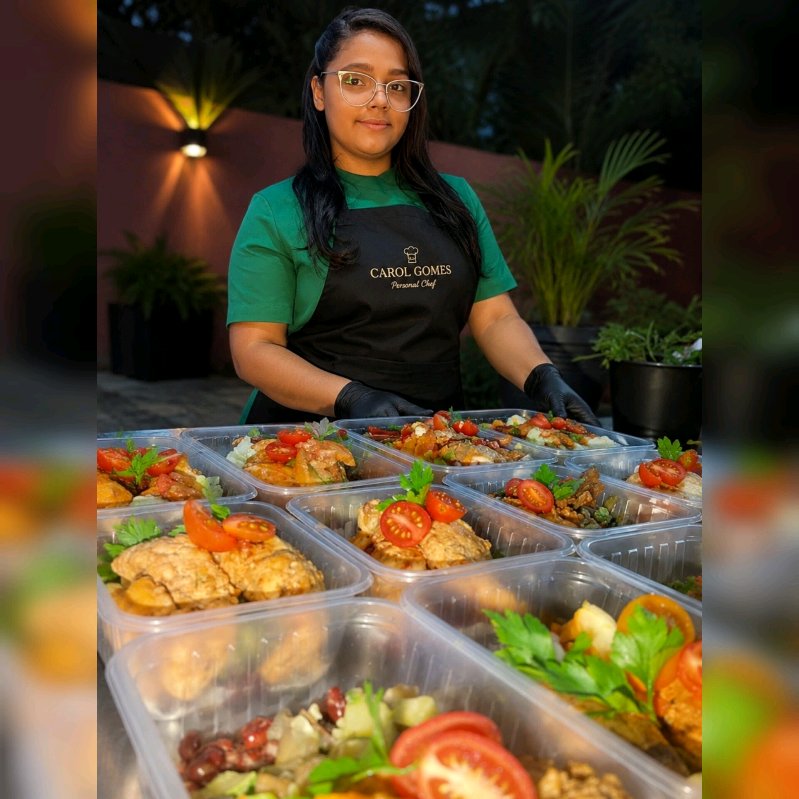
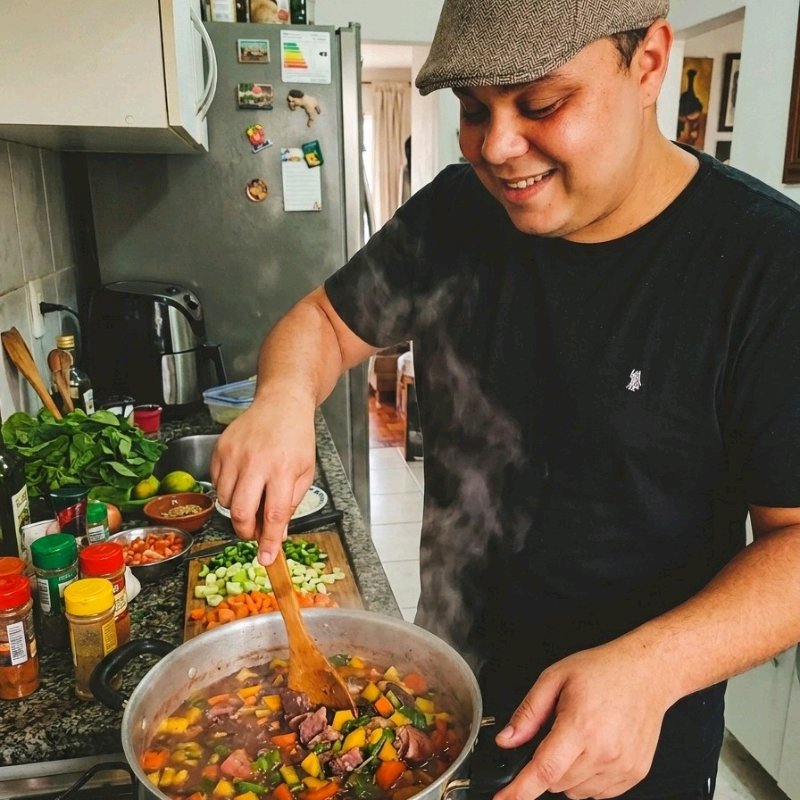
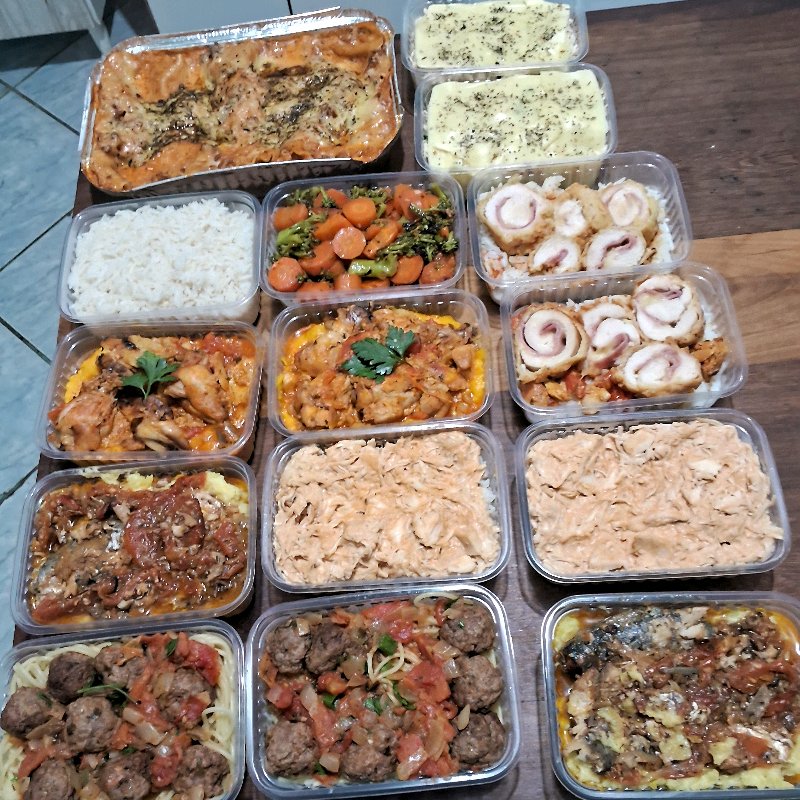
A personal chef meal-prep session in Brazil — typically 4–5 hours in your kitchen on a Sunday — produces 15–25 portioned, varied, labeled meals for the week ahead. The total cost, including service fee and ingredients, typically runs R$700–R$1,100 per session for a household of two.
Divided across 15–20 meals, the per-meal cost is R$40–R$70. For a household that currently spends R$80–R$120 per delivery meal, that's a saving of R$30–R$60 per meal — a difference that accumulates to R$900–R$1,800 per month for a two-person household.
These meals are cooked fresh, portioned correctly, and designed around your household's specific nutritional goals and flavor preferences. They keep for 4–5 days refrigerated and can be frozen for longer storage. Reheating takes 3–5 minutes — comparable to the time spent placing and waiting for a delivery order.
Nutritional Quality: Where the Gap Is Largest
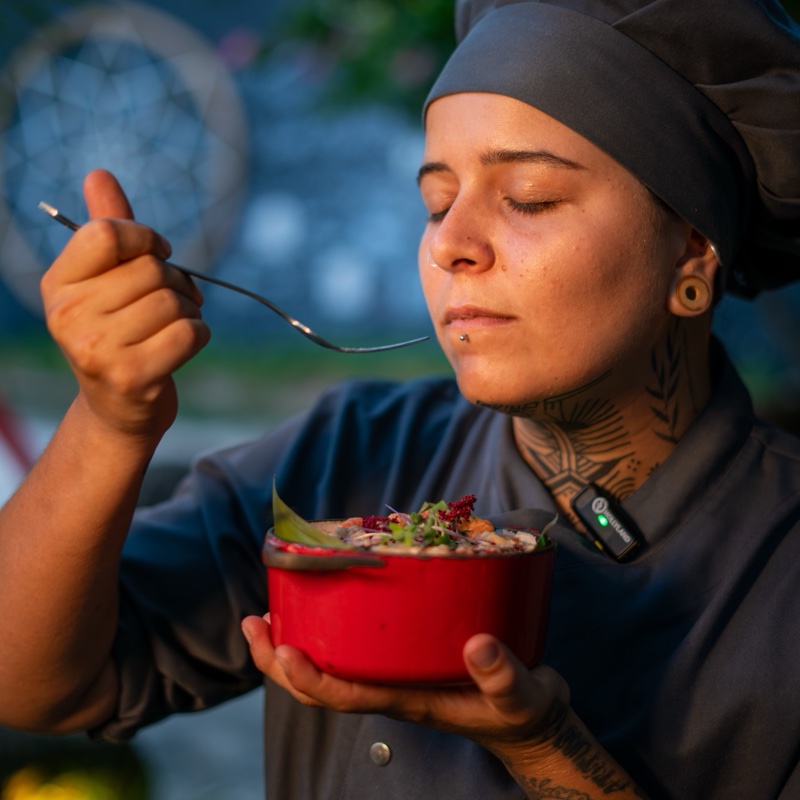
Restaurant and delivery food is optimized for sensory satisfaction — not for nutritional balance. Commercial kitchens use significantly more salt, fat, and sugar than home cooking, because these elements drive the palatability scores that generate repeat orders. A delivery order of frango grelhado com salada from a popular São Paulo restaurant may contain two to three times the sodium content of the same dish cooked at home by a chef.
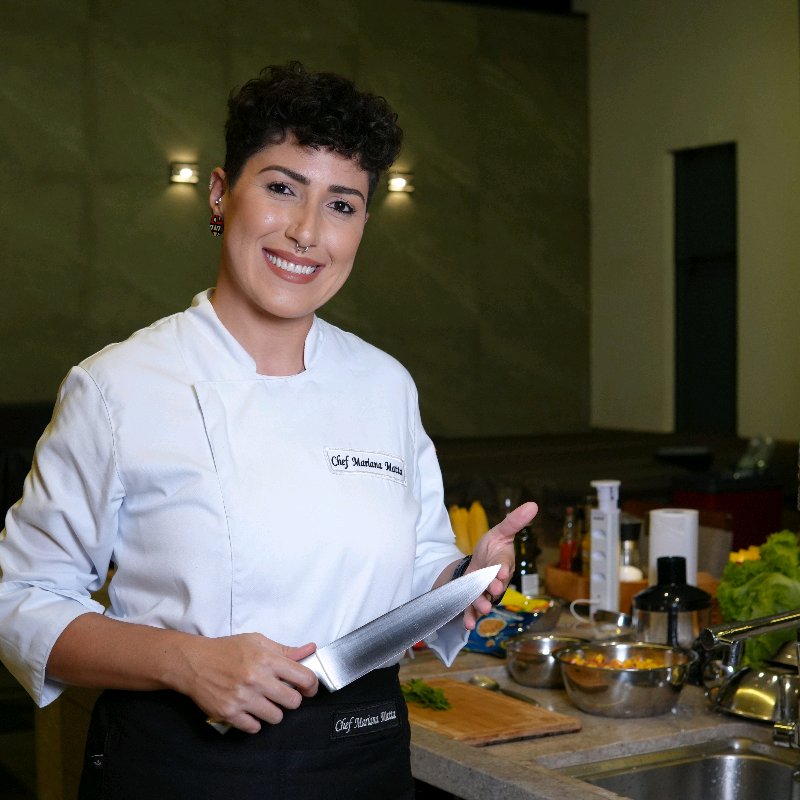
A personal chef working on a meal-prep brief can track macros, control sodium, adjust portion sizes, and design meals around specific dietary goals — fitness, weight management, blood sugar stability, cardiovascular health. This level of nutritional control is structurally impossible through delivery apps, which are intermediaries between you and a commercial kitchen you cannot direct.
For households with a specific health goal — an athlete managing macros, a post-bariatric patient following a strict nutrition plan, a person managing type 2 diabetes — the personal chef meal-prep model isn't a luxury comparison to delivery apps. It's functionally a different tool that delivery cannot replicate at any price.
Freshness and Ingredient Quality
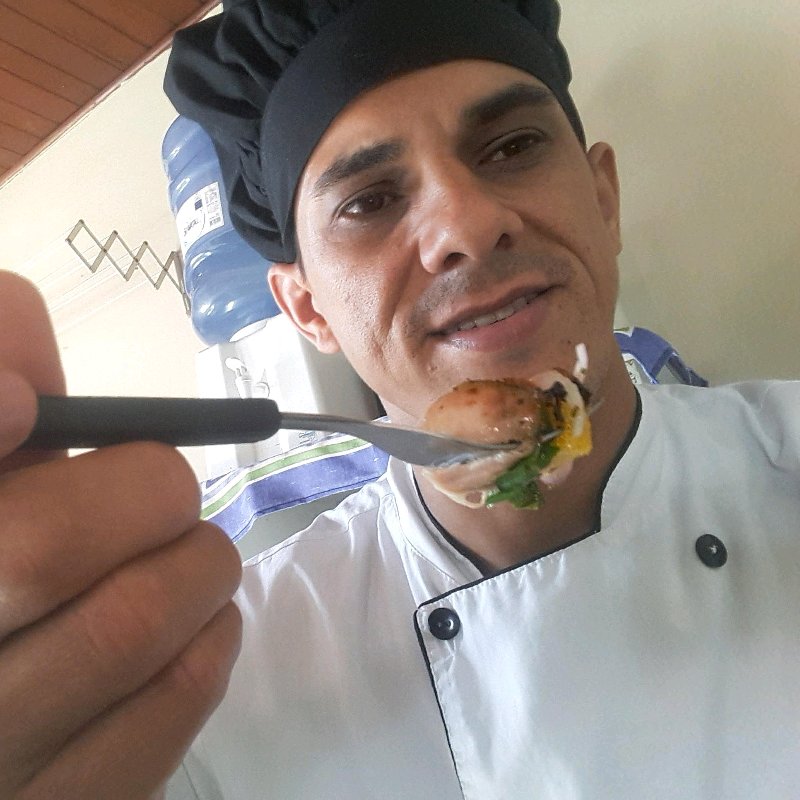
A personal chef shopping for your meal-prep session visits a market or trusted supplier the morning of (or the day before) the session. Ingredients are at peak freshness and purchased specifically for your meals. There are no multi-day supply chains, no sitting in a delivery bag at ambient temperature, and no portion cuts taken to meet commercial kitchen cost targets.
Delivery apps source from commercial kitchens whose ingredient turnover depends on volume. The chicken breast in your delivery may have been purchased two days ago; the salad greens may be approaching the end of their useful life. This isn't negligence — it's the economics of high-volume production. But it represents a consistent ingredient quality gap relative to a chef who shops for you specifically.
The difference is most visible in proteins and fresh produce: a sea bass fillet sourced that morning from a trusted fishmonger in São Paulo's Mercado Municipal tastes meaningfully different from one that arrived at a commercial kitchen's receiving dock on Tuesday.
Convenience: Where Delivery Apps Win
Delivery apps win comprehensively on spontaneity and zero-coordination convenience. Open an app, choose from hundreds of restaurants, order in two minutes, and receive food in 30–45 minutes. No planning, no briefing, no scheduling. For genuinely unplanned meals, delivery apps are simply the right tool.
Personal chef meal prep requires lead time — at minimum 48 hours to find, message, and brief a chef, and typically a week or more for popular chefs on weekends. It requires you to be home during the cooking session (typically 4–5 hours). And it requires the planning discipline to eat the meals prepared rather than defaulting to delivery when something more appealing appears on an app.
Delivery apps also offer variety by default: access to hundreds of cuisines, thousands of dishes, and the freedom to eat something different every meal without any coordination. Meal prep produces variety, but it's pre-planned variety — the meals you agreed on during the briefing.
When Each Option Wins Decisively
Delivery apps win when: the need is genuinely unplanned, the meal is casual and without specific nutritional requirements, the household's schedule prevents consistent meal planning, or the per-meal spend is below R$60 (where delivery can approach home-cooking prices for simple dishes).
A personal chef wins when: the household spends more than R$80–R$100 per delivery meal on average, nutritional quality and dietary control matter, the household has consistent weekday eating habits that a prep session can serve, or the sheer cognitive load of daily delivery decisions has become a source of stress. For families with young children, a week's worth of healthy meals that require only reheating is a qualitatively different life from managing daily delivery orders.
The comparison is most interesting in the R$80–R$120/meal delivery range — which is exactly where most urban professionals in São Paulo, Rio de Janeiro, Belo Horizonte, and Brasília currently spend. At that price point, a chef-prepared meal costs the same or less, with substantially better nutritional quality and freshness.
Pro Tip
A practical two-week experiment: use a personal chef for one week's lunches and dinners, then return to delivery for the following week. Track both the cost and how you feel eating each option. Most households find the comparison less close than they expected.
The Hybrid Approach That Works Best
The most satisfied clients on myChef don't use a personal chef instead of delivery — they use both, with a clear division of use cases. A chef handles Monday through Friday lunches and dinners via a Sunday prep session. Delivery handles Friday night (when you want to order from your favorite pizza place in Vila Madalena), Saturday (spontaneous), and any meal where the prep meals have run out or the week went differently than planned.
This hybrid reduces delivery spending by 50–70% for most households, improves average meal quality across the week, and eliminates the daily 'what are we eating?' decision fatigue on weeknights. The delivery app doesn't disappear — it just stops being the default.
For households new to this model, starting with a biweekly chef session and delivery for the remaining gaps is a natural entry point. As the meal-prep routine becomes established, many households find they extend the chef's scope while reducing delivery further.