What Makes Peruvian Cooking Unique
Peruvian cuisine is built on three geographic layers — the Pacific coast (seafood, citrus, chilli), the Andean highlands (potatoes in hundreds of varieties, corn, quinoa, lamb, guinea pig), and the Amazon basin (exotic fruits, river fish, herbs) — and a remarkable history of cultural synthesis. Each wave of immigration — Chinese in the 19th century (producing chifa cuisine), Japanese in the early 20th century (producing nikkei) — left permanent, delicious marks on the national table.
The result is a cuisine of staggering variety. In a single Peruvian meal you might eat a Japanese-influenced tiradito of raw fish in yuzu leche de tigre, a Cantonese-inspired lomo saltado stir-fried with soy sauce and tomatoes, an Andean causa rellena built from yellow potato paste, and a dessert of suspiro limeño that came from a Spanish colonial kitchen.
The chillies of Peru are irreplaceable: ají amarillo, ají panca, and rocoto define the flavour architecture of this cuisine in ways that no substitute fully replicates. A serious Peruvian chef in Brazil either brings these dried and pastes prepared from Peru, sources them from specialist importers in São Paulo, or — increasingly — grows their own.
Pro Tip
Ask your Peruvian chef which chillies they use and where they source them. A chef who uses fresh-ground ají amarillo paste they have sourced from a Peruvian importer in São Paulo will produce dramatically more authentic results than one using a generic red pepper substitute.
Signature Dishes to Expect from a Peruvian Chef
Ceviche is the national anthem of Peruvian cooking and the dish by which every Peruvian chef is judged. A proper ceviche is assembled moments before serving: the freshest white fish (linguado, robalo, or Saint Peter's fish) cut into precise pieces, dressed in freshly squeezed lime juice, ají amarillo, red onion, and coriander, then finished with the creamy, spicy, intensely citrus leche de tigre. It should be served at room temperature — never cold — and consumed immediately.
Beyond ceviche: tiradito (raw fish in a style closer to Japanese sashimi, with a Peruvian chilli dressing), causa rellena (cold yellow potato terrine stuffed with tuna, prawn, or chicken), lomo saltado (wok-flashed beef strips with soy, tomatoes, and yellow chilli served with rice and fries), ají de gallina (slow-cooked pulled chicken in a creamy walnut-and-yellow-chilli sauce), and arroz con leche and mazamorra morada (purple corn pudding) for dessert.
For a nikkei tasting menu — the Japanese-Peruvian fusion tradition that has taken the world's top restaurants by storm — expect dishes like tuna tataki with ají amarillo ponzu, tiradito de conchas with aguachile verde, and Wagyu lomo saltado with truffle oil and crispy quinoa.
Vegetarians are well served: potato-based dishes (causa, papa a la huancaína), quinoa stews, and corn-forward preparations offer a rich plant-based thread running through the entire cuisine.
The In-Home Experience with a Peruvian Chef
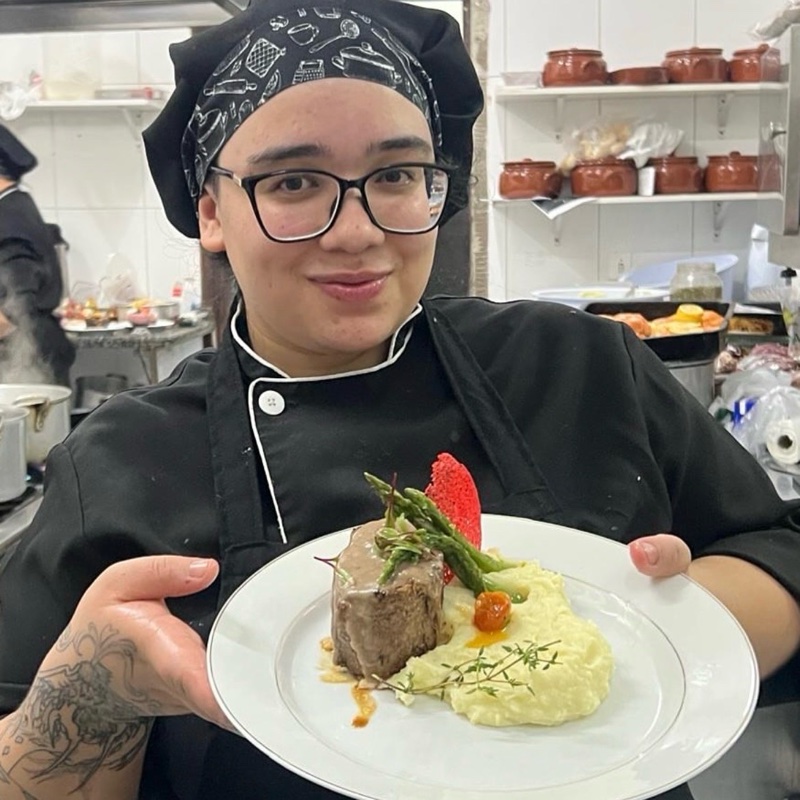
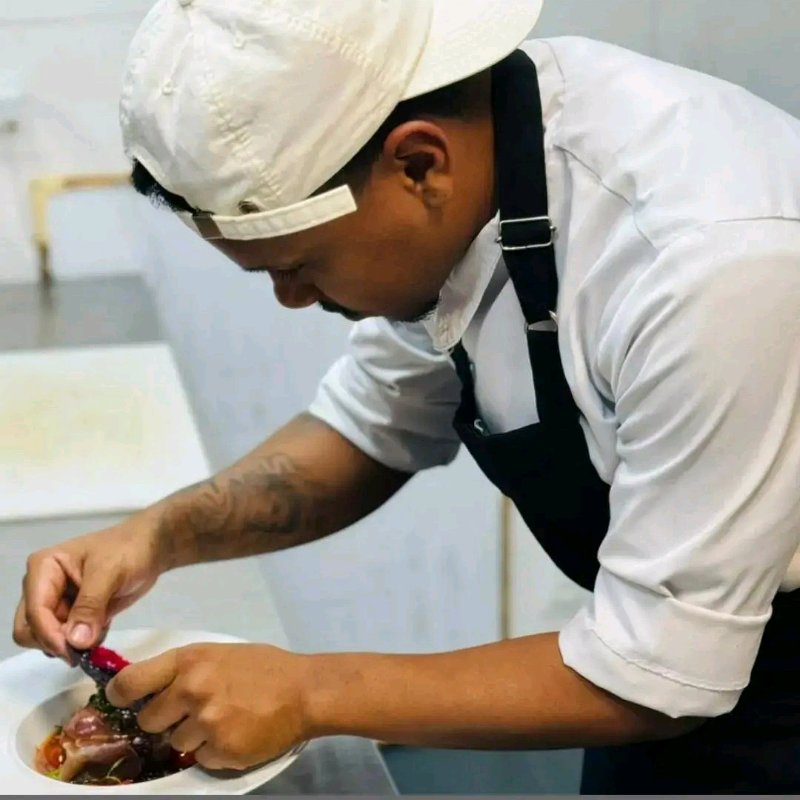
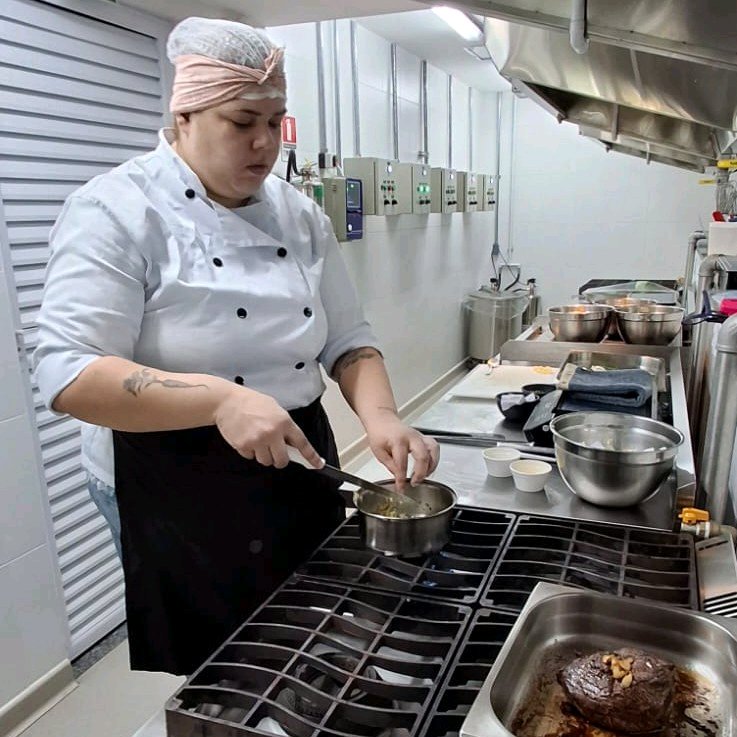
A Peruvian dinner is built around freshness. The ceviche cannot be pre-made — it is assembled and dressed minutes before serving, which means the chef needs to be working actively during the dinner rather than simply reheating pre-prepared food. This live-cooking element is part of the experience: the sound of the wok for lomo saltado, the smell of lime and chilli as the ceviche is dressed, the precision of plating.
Expect the chef to arrive 1.5–2 hours before service for a dinner party. The mise en place — carefully sourced fish, pre-cut vegetables, chilli pastes prepared in advance — is the foundation. The cooking itself happens in real time, often in deliberate stages so that hot dishes arrive hot and cold dishes cold.
Many Peruvian chefs also offer pisco sour preparation as part of the experience: the cocktail — made with pisco, lime, egg white, and Angostura bitters — is an essential aperitif, and a chef who makes it well sets an electrifying tone for the evening ahead.
✓Confirm fish freshness sourcing
Ceviche lives or dies on the freshness of the fish. Ask the chef where they source it and confirm it is day-of-purchase or at most one day old.
✓Request ají amarillo authenticity
Ask specifically whether they use real ají amarillo paste (fresh or imported) or a substitute. This one ingredient defines the flavour of Peruvian cooking.
✓Plan your table layout for course-by-course service
Peruvian dinners work best with a seated, course-by-course structure — ceviche first, then warm dishes. Unlike Lebanese mezze, everything is not on the table simultaneously.
✓Discuss pisco sour service
If the chef offers pisco sour preparation, include it — it is one of the great aperitif rituals in world gastronomy and costs relatively little to add.
Pricing for a Peruvian Personal Chef in Brazil
A Peruvian dinner experience for 4–8 guests — typically 3–4 courses including ceviche, a hot main, and dessert — costs R$ 300–R$ 550 per person in Brazil, inclusive of labour and ingredients. A premium nikkei tasting menu of 5–7 courses runs R$ 500–R$ 750 per person, reflecting the higher quality of proteins and the additional preparation time involved.
The ingredient cost of a serious Peruvian dinner is modestly higher than a typical home meal because fresh quality fish, imported Peruvian chillies, and specialty items like leche evaporada and pan de molde (for ají de gallina) are specific purchases. Expect ingredient costs of R$ 80–R$ 150 per person on top of the chef's service fee if using an itemised pricing model.
A ceviche-making class for 2–4 guests — learning to make the perfect ceviche, tiradito, and leche de tigre at home — is priced at R$ 450–R$ 700 per session and is one of the most popular cooking-class formats in Brazil, often requested as a gift experience or bachelorette party activity.
Pro Tip
A ceviche tasting session for two people — where the chef prepares three styles of ceviche (classic, nikkei, and Amazonian) with a pisco sour — is a perfect introductory experience and often available for R$ 400–R$ 600 all-inclusive.
Choosing the Right Peruvian Chef
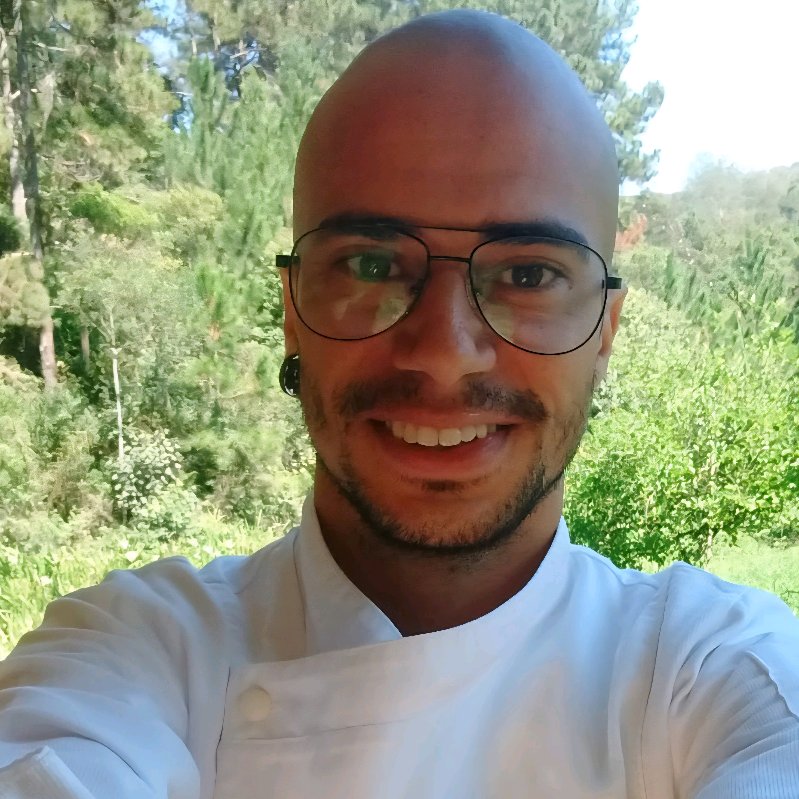
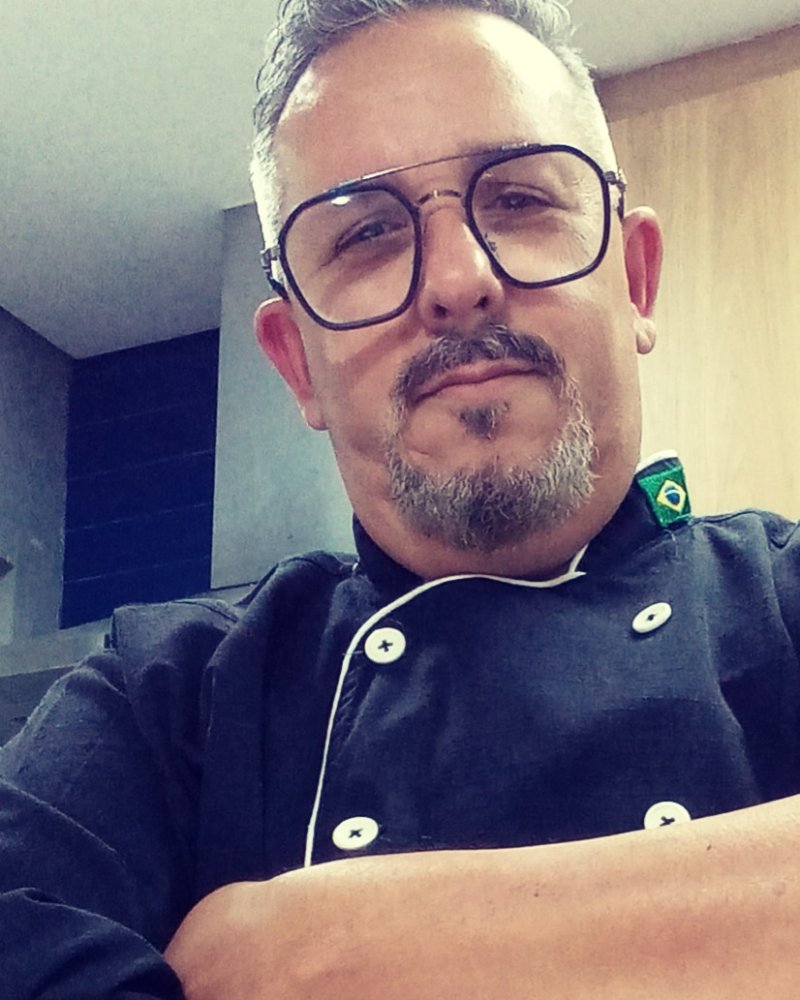
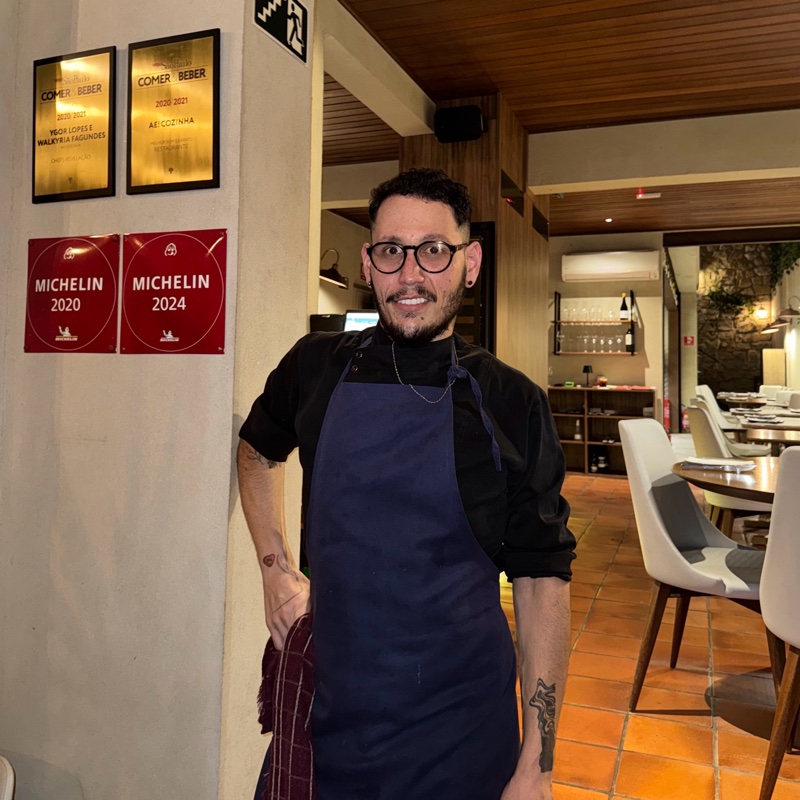
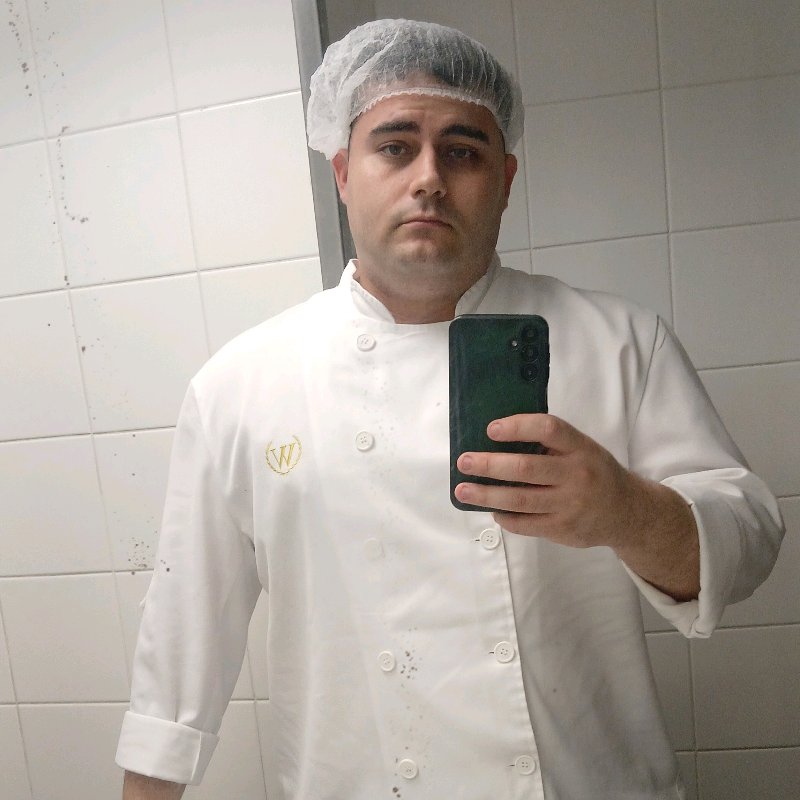
São Paulo has a growing Peruvian community and several excellent private Peruvian chefs, many of whom trained in the city's top Peruvian restaurants before transitioning to private dining. The best ones often have direct connections to Peru — family, recent training trips, or regular imports of specialty ingredients.
Test the chef's ceviche philosophy in conversation. A real Peruvian chef has strong opinions about fish type (never salmon for a traditional ceviche), lemon-to-lime ratio, and leche de tigre consistency. If they are vague or deferential on these points, they have not cooked enough ceviche.
For a nikkei or modern tasting menu, look for chefs who have worked in fine-dining restaurants and can demonstrate a portfolio of multi-course plated menus. The technique for nikkei is close to Japanese kaiseki in its precision and requires genuine fine-dining experience.
✓Ask about their ceviche fish preference
Serious Peruvian chefs have strong views: white fish only for traditional ceviche (linguado, robalo), salmon only for nikkei styles. Their answer reveals their depth.
✓Verify chilli sourcing
Confirm they source real ají amarillo, ají panca, and rocoto — not generic substitutes. São Paulo suppliers include specialist Peruvian and Latin American importers.
✓Check their leche de tigre
Request a description or, ideally, a tasting of their leche de tigre. This citrus-chilli-fish-stock base defines every ceviche they make and reveals their technique.
✓Ask about their dessert repertoire
A chef who can execute suspiro limeño and mazamorra morada from scratch rounds out the menu beautifully — not all Peruvian chefs prioritise desserts.
✓Request references from multi-course dinners
Peruvian tasting menus are complex operations requiring precise timing. References from previous multi-course dinner parties are the best proof of capability.
Occasions Where Peruvian Cuisine Excels
A Peruvian dinner is an ideal choice whenever you want to offer guests something genuinely unexpected and sophisticated. The cuisine's dramatic flavour range — acid, heat, umami, sweetness — produces a natural arc of surprise and delight across the courses that keeps guests engaged throughout the meal.
Romantic dinners for two are a particularly strong match: a ceviche starter, a warm lomo saltado or arroz con mariscos main, and a suspiro limeño for dessert creates an intimate, multi-sensory experience with minimal formality.
Birthday celebrations and farewell dinners benefit from the cuisine's celebratory abundance — multiple dishes, pisco sours flowing, and the theatrical element of ceviche prepared at the table if the chef is willing to do a live demonstration.
Making the Experience Memorable
Brief the chef to serve the leche de tigre as a shooter in a small glass alongside the ceviche — it is one of the great one-sip experiences in world gastronomy, and guests who have never had it before tend to remember the moment vividly.
Ask the chef to explain the cultural background of each dish as it is served, or alternatively to provide a printed one-page menu with brief origin notes. Peruvian gastronomy has one of the richest cultural backstories of any world cuisine — the Chinese, Japanese, African, and Inca influences are genuinely fascinating to unpack.
If you have adventurous guests, ask the chef whether they offer any Amazonian ingredients — tucumã fruit, citrus-sharp camu camu, or wild river fish. These ingredients from Peru's jungle interior produce some of the most surprising and conversation-generating dishes in the cuisine.
Pro Tip
Keep the dinner intimate — 6–8 guests is the ideal number for a Peruvian personal chef experience. It allows for the live-cooking theatre of ceviche assembly and the conversational intimacy that makes the meal memorable.