Understand the Occasion Before Choosing a Single Dish
The occasion shapes the menu more than your personal preferences do. A casual birthday dinner among close friends in Rio calls for a completely different register than a business dinner at home in São Paulo or a romantic anniversary menu for two. Before you think about specific dishes, define the occasion's formality, the emotional tone you want to create, and the guest profile you're cooking for.
Formality determines course count. Casual dinner: 2-3 courses, family-style or simple service. Semi-formal: 3 courses, individually plated or neatly served. Formal: 4-5 courses, sequenced and paced. For home cooking, 3 courses is the sweet spot that allows quality without overwhelming the cook or the guests.
The guest profile determines the cuisine direction. Are your guests adventurous eaters who want to be surprised, or is this a family gathering where comfort and familiarity matter most? Are there children at the table? Is there a specific cuisine that connects to the occasion — a guest's cultural background, a shared memory, a theme you want to honor? Answering these before looking at recipes focuses the planning.
Pro Tip
Write down three words that describe the atmosphere you want the dinner to have — 'warm, intimate, celebratory' or 'sophisticated, surprising, elegant'. Use these as a filter when evaluating specific dishes. A dish that fits the words belongs; one that doesn't, doesn't.
Collect Dietary Information Before Planning the Menu
Collecting dietary information after you've planned the menu creates awkward retrofitting. Collect it first and design inclusively from the start. Send a brief message to guests — 'just checking if there are any dietary restrictions or allergies I should know about before planning the menu' — a week or more before the dinner.
In Brazil, the most common restrictions you'll encounter: lactose intolerance (very prevalent), gluten sensitivity or celiac disease, vegetarian and vegan diets, pork restrictions (among guests with Muslim or Jewish backgrounds), seafood aversions, and nut allergies. Any single one of these is manageable if you know in advance; multiple overlapping ones require more careful menu architecture.
Design the menu so that guests with restrictions eat the full experience, not a reduced version. A menu where the vegetarian guest eats only sides and salad while everyone else has the main course is a hosting failure. The goal is inclusive design: a fish main that everyone can eat, or a plant-based option that's as appealing as the meat dish — not an afterthought.
✓Send a dietary check message at least one week before
A brief, warm message asking for restrictions gives guests time to respond and gives you time to adapt without pressure.
✓Identify your most restrictive guest
Design the base menu around your most restrictive guest's needs, then add optional elements for guests without restrictions — not the reverse.
✓Separate severe allergies from preferences
A severe nut allergy (cross-contamination risk) requires different handling than 'I don't love mushrooms'. Treat them very differently in your planning.
✓Inform the chef if you're hiring one
Share the full dietary list in your chef brief. This is the most important information they need to design a menu that works for everyone.
Designing the Arc of the Menu
A dinner party menu is a sequence, not a collection. It should have an arc — building in richness, intensity, and complexity as it progresses, then offering relief through a dessert that balances or contrasts the main. The classic structure exists for a reason: it works for the digestive system, for the palate, and for the evening's energy.
Start light and fresh: an entrada that awakens the appetite without saturating it. In Brazil, this is often a ceviche, a carpaccio, a salad with bold acidity, or a soup with clean flavors. Acid, freshness, and restraint are the characteristics of a good first course — the opposite of richness and density.
Build toward the main: the main course is the centerpiece, the dish with the most richness, the most complexity, and the most presence. It can be a protein-led dish, a substantial pasta or risotto, or a showcase of a specific technique. The sides should complement rather than compete — they're the supporting cast, not co-stars. Close with dessert that resolves: sweet but not cloying, rich if the main was light, fresh if the main was heavy. The dessert should feel like a conclusion, not an afterthought.
Balancing Flavors, Textures, and Colors
A menu where every dish is rich, heavy, and brown is exhausting by course three. A menu where every dish is acidic and light feels incomplete. Deliberate contrast — in richness, in acidity, in texture, in color — creates a menu that keeps the palate interested across the full evening.
Think in terms of textural contrast: if the starter is smooth (a soup or a purée), the main should have textural complexity (a crispy skin, a crunchy element, something to contrast with soft elements). If the main is all soft and braised, dessert should have crunch — a praline, a crispy tuile, a texturally interesting garnish.
Color matters for presentation and appetite. A menu that arrives at the table with vibrant greens, deep reds, and golden browns feels more alive than one that's all beige. This isn't about decoration for its own sake — it's about using the full palette of ingredients that are naturally colorful: roasted beets, fresh herbs, charred lemon, vivid sauces, microgreens, or the deep purple of a good wine reduction.
Pro Tip
Before finalizing your menu, write out each course's dominant flavor (acidic, rich, sweet, umami, bitter, fresh) and dominant texture (smooth, crunchy, tender, creamy). Ensure adjacent courses contrast in at least one of these dimensions.
Seasonality and Local Sourcing in Brazil
Brazil's ingredient calendar is generous but real. Planning your menu around what's peak in the market — mangas in December-February, goiabas in autumn, pinhão in the cold South, fresh milho in the rainy season, figos in late summer — produces dramatically better dishes than fighting against the season with out-of-season imports.
For hosts in São Paulo, the Mercado Municipal da Cantareira (Mercadão) and neighborhood feiras are the best sources of seasonal peak-quality produce. Frutos do mar from the coast arrive freshest on Thursdays and Saturdays. Indigenous Brazilian ingredients — açaí, cupuaçu, baru nuts, pequi, ora-pro-nóbis — are increasingly available and create menus that feel specifically Brazilian rather than generically European.
When you build a menu around what's genuinely in season, the dishes don't need technique to be impressive — the ingredients do the work. A ceviche of linguado fresco caught that week beats a technically complex ceviche of inferior fish every time. Teach your guests to notice this by mentioning where key ingredients came from — it creates conversation and context.
Logistics: Matching the Menu to Your Kitchen Reality
The best written menu is worthless if it can't be executed in your kitchen with your equipment. Assess honestly: how many burners do you have, what's your oven capacity, how much counter space exists, and how experienced are you with the specific techniques the menu requires?
The biggest logistics mistake is overloading the stove at service time. If every dish requires active stovetop attention simultaneously, you'll spend the entire dinner service standing at the stove instead of at the table. Design your menu so that only one dish requires active attention at service — everything else should be in the oven, at rest, or already plated.
Build buffer time into every step. Roasts need resting time after the oven. Soups that are too thick need dilution and tasting. Desserts that need to set require refrigerator time you cannot compress. The menu that works on paper may not work with tight timing in a real dinner party. Add 20-30 minutes of buffer at every preparation stage and the evening runs smoothly; eliminate the buffer and you're racing all night.
✓Identify which dishes require active stovetop attention at service
Limit these to one dish maximum. Everything else should be oven-managed, at room temperature, or pre-plated.
✓Confirm your oven can handle the menu's timing
If your main needs 200°C and your dessert needs 160°C simultaneously, you have a timing conflict. Resolve it in planning.
✓Assign every dish to a preparation window
Day before, morning of, 2 hours before, at service. Every dish should have an assigned time. Unassigned dishes cause last-minute panic.
✓Prepare your mise en place completely before guests arrive
Everything measured, chopped, portioned, and organized before the first doorbell. You should be cooking, not prepping, during service.
When to Ask a Personal Chef to Design the Menu
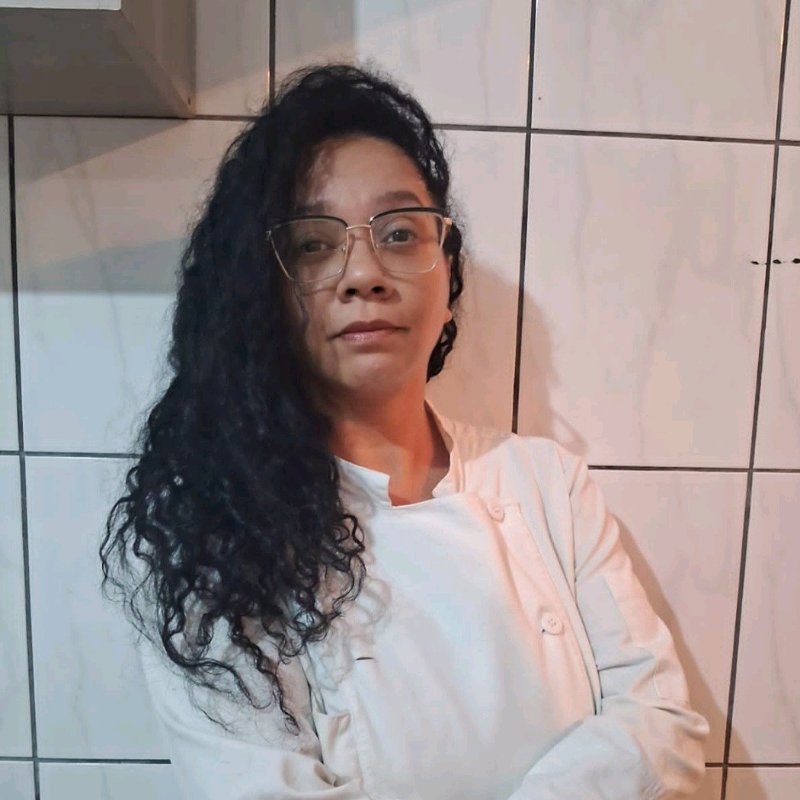
A personal chef designing your dinner party menu brings professional menu-building expertise that most home cooks haven't developed. They think in terms of course arc, ingredient pairing, seasonal availability, dietary accommodation, and service logistics simultaneously — as a trained discipline rather than intuition.
The most valuable thing a personal chef brings to menu design is their knowledge of what works together at the experienced level: flavor combinations that seem counterintuitive but are extraordinary, ingredient preparations that home cooks wouldn't attempt, seasonal ingredients that aren't yet common knowledge but are at peak quality now. When you brief a chef on your occasion, guest profile, and cuisine preferences, they generate a menu that you couldn't have designed yourself — and that's the point.
If you're working with a chef, review their proposed menu critically: does each course follow logically from the last, is there a clear escalation of richness that resolves in the dessert, does the menu accommodate your guests' restrictions fully without feeling reduced? A professional chef should welcome this engagement — it's how the best dinners are built.
Pro Tip
Ask the chef to explain their menu design rationale in one or two sentences per dish when they propose it. Understanding why each dish is where it is teaches you something about menu design and lets you evaluate whether the reasoning aligns with your vision.