Four Weeks Out: The Planning Foundation
Start your planning four weeks before the holiday. Confirm your guest count with some precision — knowing whether you are feeding 10 or 20 people changes every calculation that follows. Send your invitations (or WhatsApp confirmations) and ask explicitly about dietary restrictions. In a Brazilian family context, lactose intolerance, gluten intolerance and vegetarian guests are common and should be known far in advance.
Decide on your central protein at this stage. The classic Brazilian ceia de Natal anchors on either peru (turkey), chester or leitão (suckling pig). Chester is the most practical choice for home cooks: it has more breast meat than a conventional turkey, cooks more predictably, and is widely available from Sadia or Perdigão. If you prefer a premium option, a heritage turkey or a whole leitão from a quality supplier requires ordering weeks in advance.
Plan your full menu now: protein, sides, salads, desserts and drinks. Write everything down in a single document. This master list becomes your shopping list template, your cooking schedule and your day-of checklist. The plan is not what you follow perfectly — it is what gives you the confidence to adapt when something does not go exactly right.
✓Confirm guest count and dietary restrictions
Target: 4 weeks before. Adjust all quantities from this baseline number.
✓Choose and order the central protein
Peru, chester, leitão or a premium roast beef — anything requiring a specific size should be pre-ordered by early December.
✓Plan full menu with sides, salads and desserts
Create a master document. Every item, every quantity, every source.
✓Book a personal chef if applicable
December is the busiest period for myChef chefs — availability fills up by early December for the holiday dates.
✓Audit your kitchen equipment
Do you have a large enough asadeira? A thermometer for the turkey? Enough serving platters? Order or borrow anything missing now.
Classic Brazilian Holiday Menu: What Actually Works
The Brazilian ceia de Natal is a specific cultural repertoire. A reliable holiday menu includes: chester or peru assado as the centerpiece (with a good basting and resting protocol), arroz com passas e amêndoas (rice with raisins and almonds — a holiday signature), farofa de castanhas, salpicão de frango, lentilha (for the Réveillon — a tradition for prosperity), frutas natalinas (ameixas, cerejas, uvas), rabanetes e azeitonas for garnish, and panetone and rabanada for dessert.
Salpicão de frango — a creamy chicken salad with vegetables, batata palha and a mayonnaise dressing — is one of the most beloved and practical holiday sides because it can be made completely the day before. It improves with refrigeration overnight and is served cold, which is a genuine relief during a busy cooking day.
For the Réveillon, the focus shifts slightly: lentilha is traditional (cooked simply with bacon, linguiça and bay leaf), seafood becomes more prominent (camarões grelhados, a pescado assado), and the dessert tends toward something lighter — a mousse de maracujá, a pavê or a geleia de frutas — given the summer heat at the end of December.
Pro Tip
Assign each major side dish to a different family member or couple attending the dinner. Sharing the cooking load transforms the ceia from a solo production into a collaborative family event — and experienced cooks in a Brazilian family network often have excellent versions of salpicão, farofa and rice. Your job becomes coordination, not execution of everything.
The Week Before: Shopping, Prep and Equipment Check
One week before, do your main non-perishable shopping: dry goods, wines, non-refrigerated sides, serving equipment, decorations. Christmas shopping lines in Brazilian supermarkets in the final week are long and stressful — avoid them by buying everything that does not need to be fresh at least a week early.
This week, also prepare any make-ahead dishes: the salpicão base (without the batata palha, which goes on at serving), the farofa de castanhas (toasted dry, kept in an airtight container), any cookies or bolacha-style desserts, and your stock or braised components. Every dish you can move off the December 24th or 31st cooking schedule reduces pressure on the day.
Test your oven on a practice run. Brazilian ovens, especially in older apartment buildings, can have wildly inaccurate temperature dials. A simple oven thermometer tells you the truth. If your oven runs 20°C hot, you will know to adjust your chester roasting time before it matters.
December 23rd/30th: The Day Before the Feast
The day before the holiday dinner is your most important cooking day — not the day of. On this day: brine or marinate the turkey or chester overnight (a 12-hour brine in water, salt, brown sugar, orange, garlic and herbs transforms the final texture); prepare all cold salads and sides; clean and prep all vegetables; set the table; chill wines and drinks; and handle any complex desserts.
Having the chester in its marinade overnight, all salads ready to serve, the table set and all wines chilled means that on December 24th, your main job is roasting the meat, warming pre-cooked items and receiving your guests. This is the professional approach — restaurant kitchens do most of their holiday prep days in advance, not hours before service.
Confirm logistics with anyone bringing dishes: what time they are arriving, whether their dish needs oven space, whether you have the right serving vessel for them. A brief coordination call on December 23rd avoids awkward conflicts on the 24th when two dishes both need the oven at the same time.
Pro Tip
Put a printed cooking schedule on the kitchen counter for December 24th. Every item, every time: 'Chester out of fridge 9:00, oven 160°C on at 10:00, chester in at 10:30, baste every 45 minutes, rest at 13:30, carve at 14:15.' Having it printed means you can follow the schedule without holding everything in your head while managing guests.
The Day Of: Managing Service, Timing and Stress
The central protein dominates the day-of schedule. For a 4 kg chester, plan approximately 3.5 to 4 hours at 160°C covered in foil, then 30–45 minutes uncovered to brown the skin. An internal temperature of 75°C at the thickest part of the thigh confirms it is safely cooked. Rest it for at least 20 minutes under loose foil before carving — this is non-negotiable for juicy meat.
Warm your pre-made sides in the oven in the final hour before service. Do them in order of longest warming time first: the farofa needs 15 minutes covered, the rice needs 10 minutes with a splash of water added, the lentilha needs 20 minutes. Have everything at the table when the protein is carved — staggered service of a holiday ceia feels chaotic.
Manage your own energy. Eat something before your guests arrive — a host who skips lunch and runs on coffee by the time the turkey is carved is a host who cannot enjoy their own party. Set a guest to be your day-of assistant (assigning tasks to a willing family member reduces your cognitive load and keeps them from hovering in your kitchen asking how they can help).
When to Hire a Personal Chef for the Holiday Feast
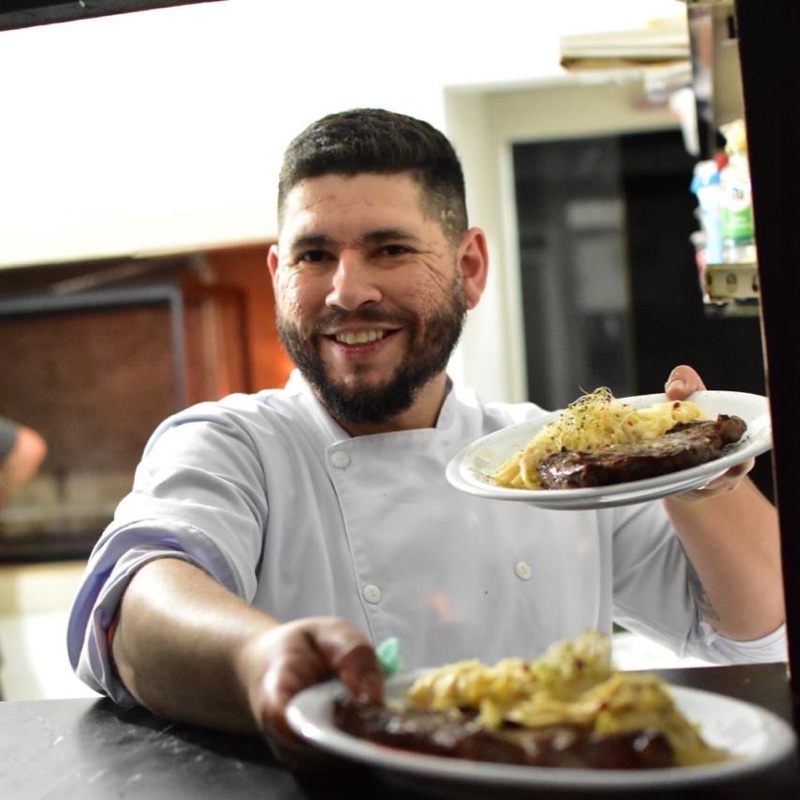
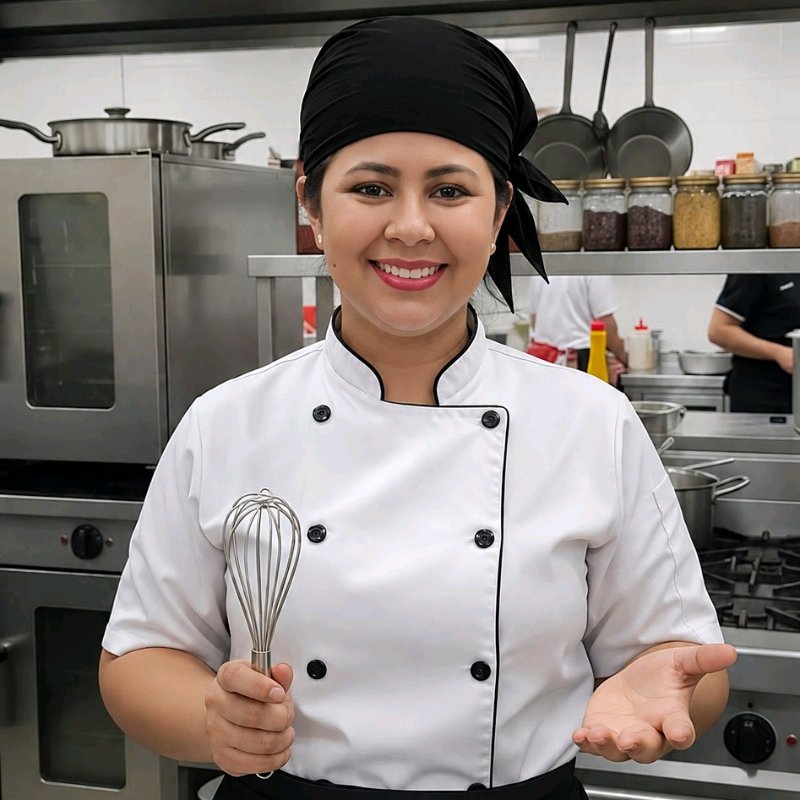
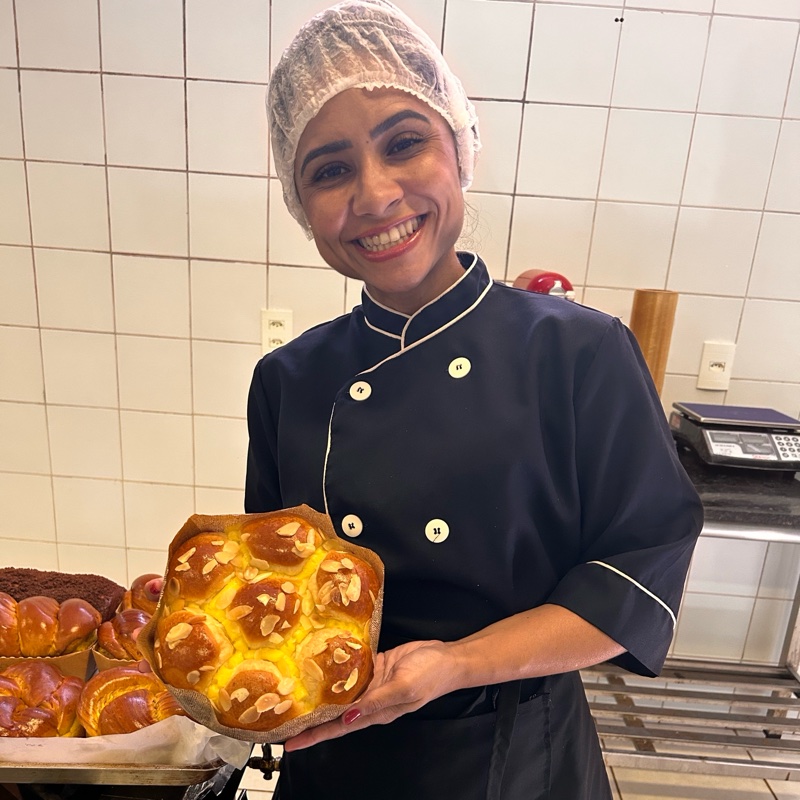
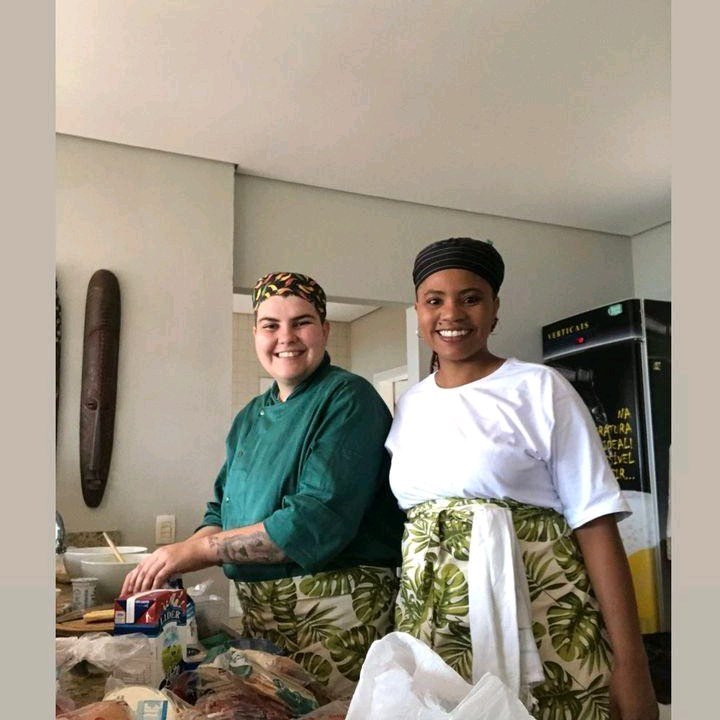
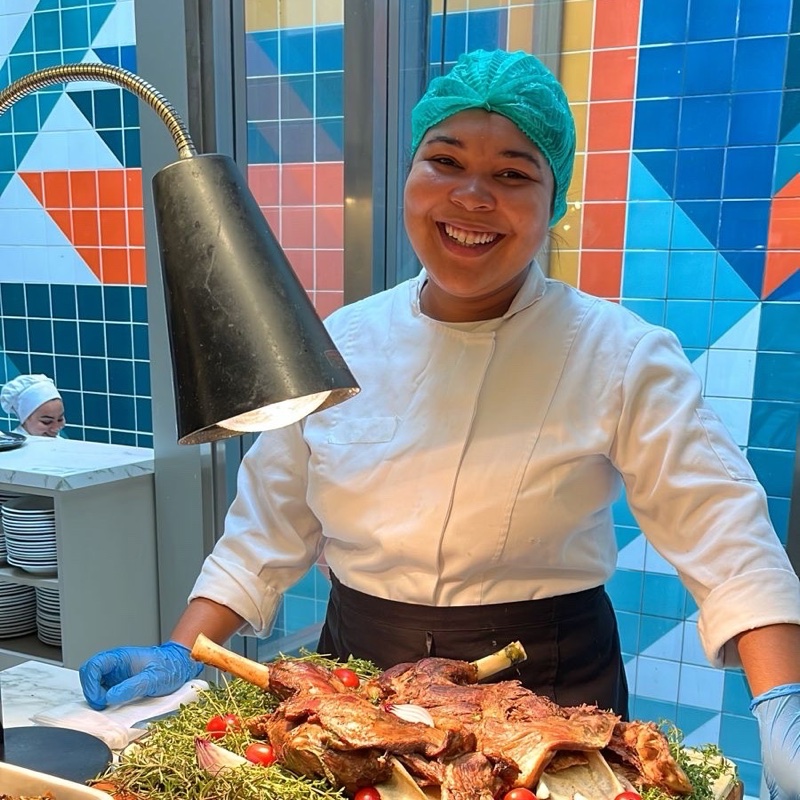
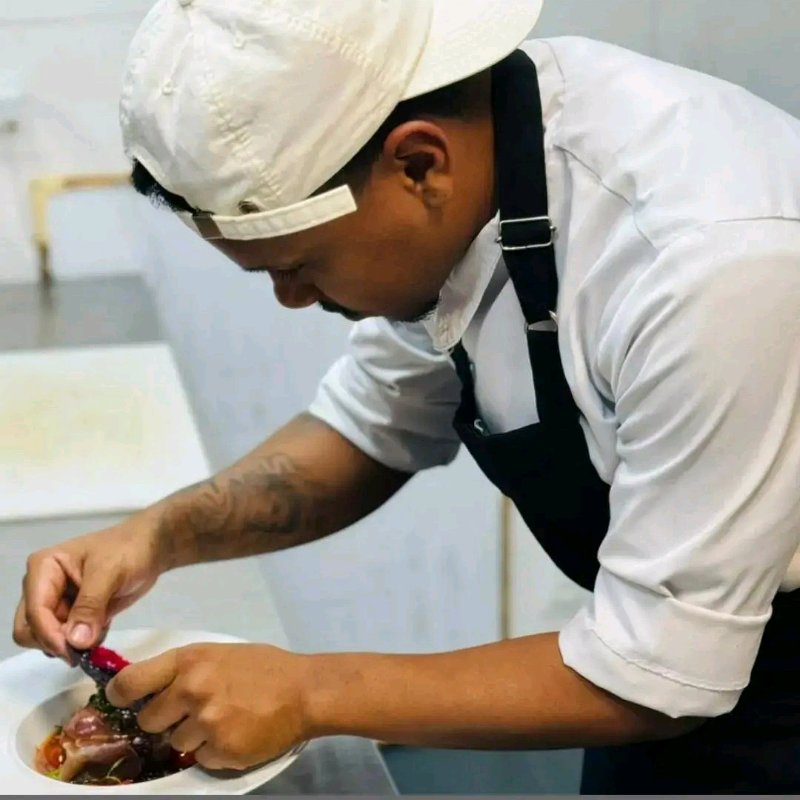
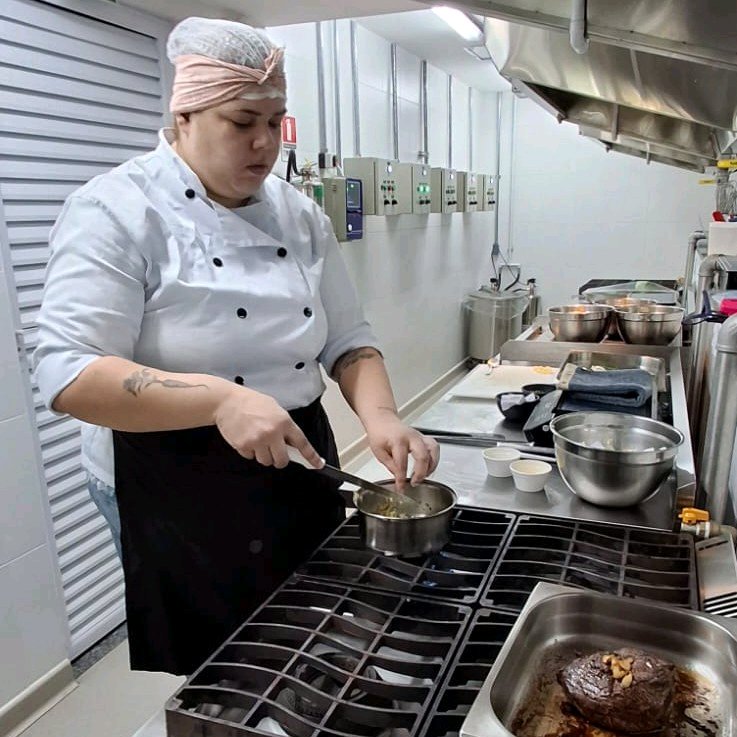
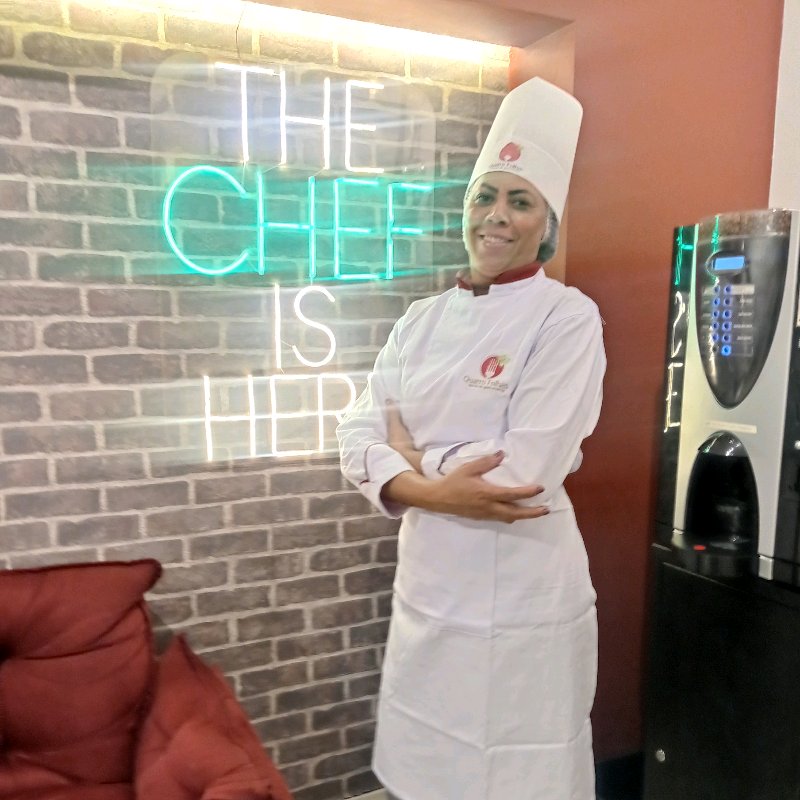
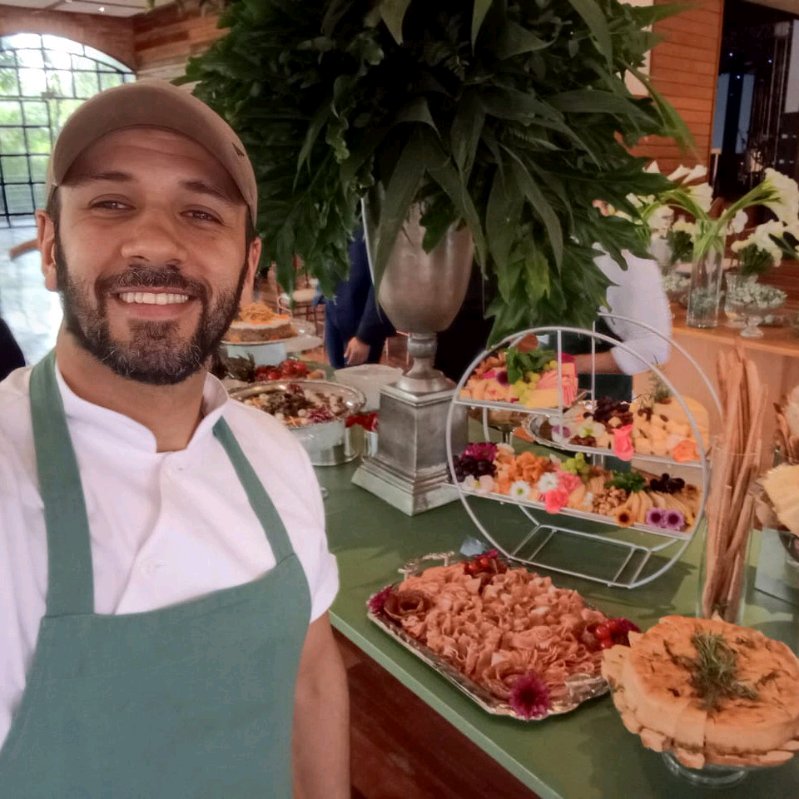
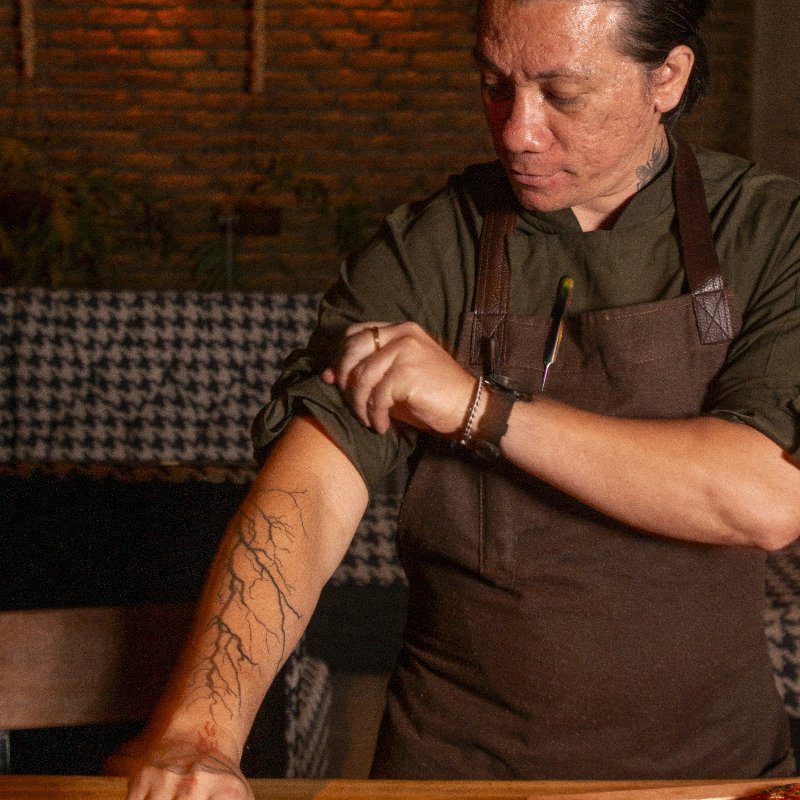
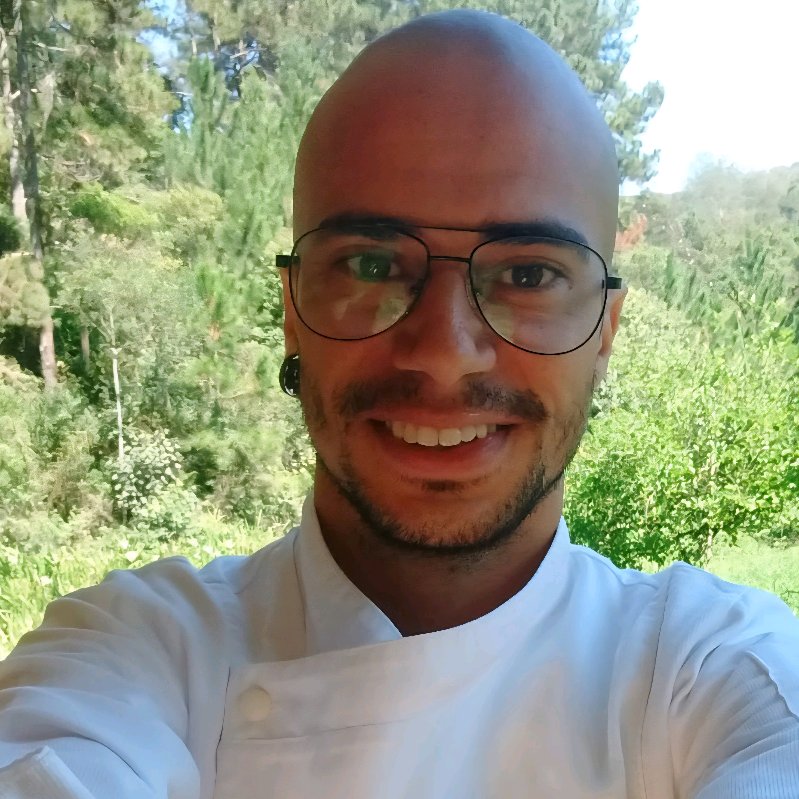
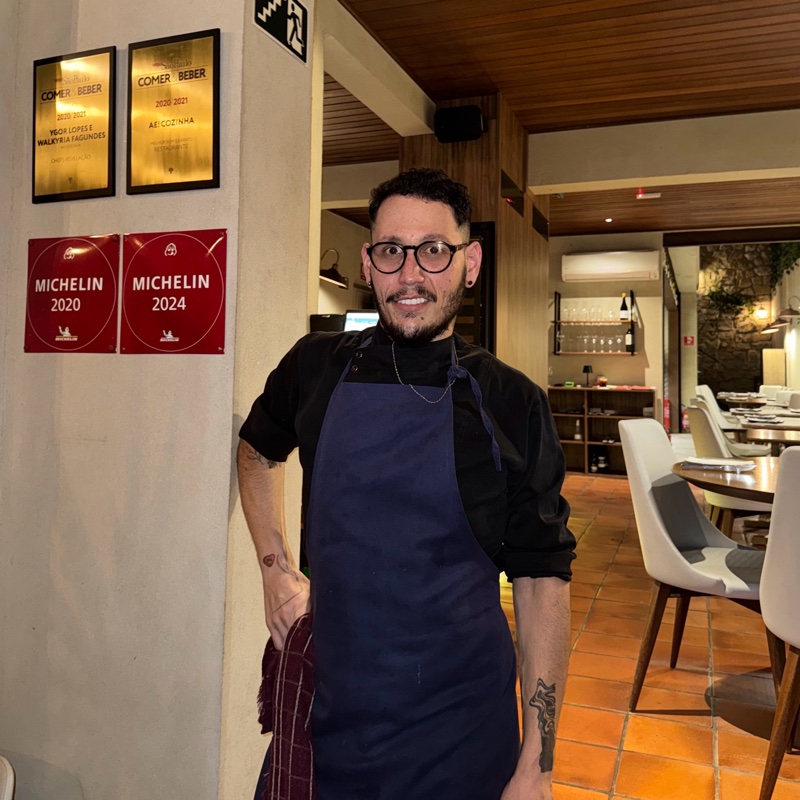
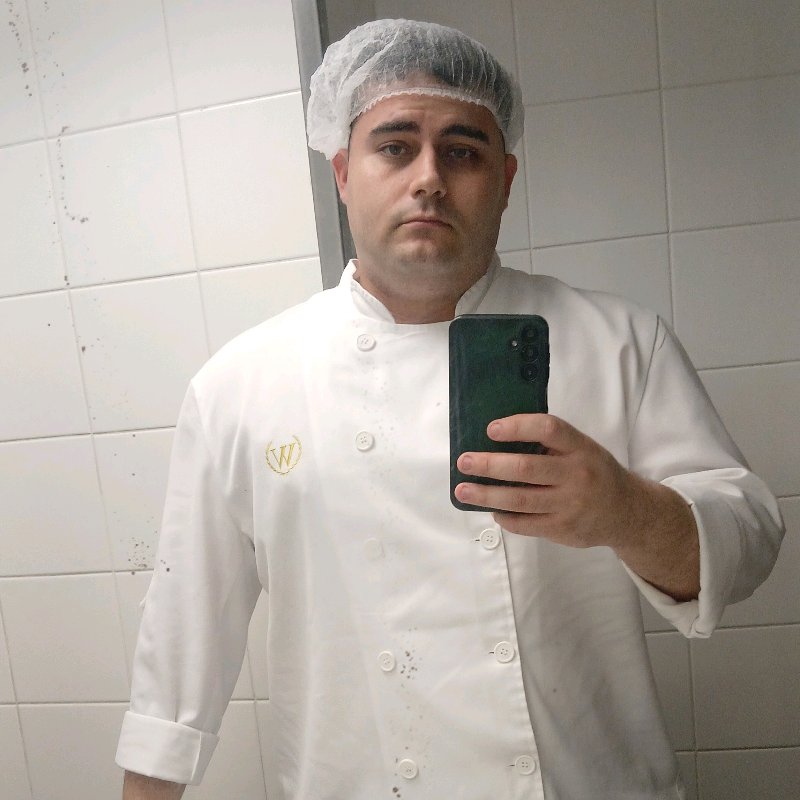
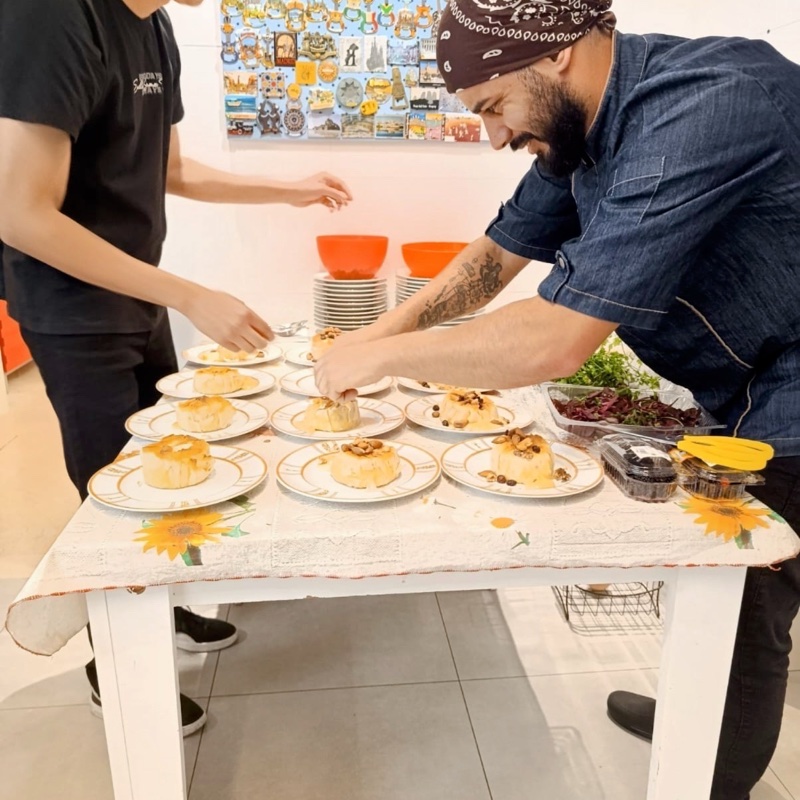
The holiday feast is the occasion where the value of a personal chef is most obvious and most commonly realized. A myChef chef hired for Christmas Eve or New Year's Eve takes on the entire cooking responsibility — buying the protein and all ingredients, arriving 3–4 hours before the meal, executing every course and managing the service — while you spend those hours with family.
December availability fills fast. If you are considering hiring a personal chef for a holiday feast, the time to book is late October or early November at the latest. Holiday chefs at myChef typically charge R$ 300 to R$ 700 per guest for a full ceia service including ingredients — the full cost, compared against restaurant prices in December (which are elevated, often with mandatory minimum menus), is frequently competitive and the experience is incomparably more personal.