What a Tasting Menu Actually Is
A tasting menu (menu degustação) is a sequence of small, intentionally ordered courses — typically 5 to 10 — where each portion is smaller than a standard restaurant dish. The goal is variety, progression and storytelling rather than filling guests up on a single plate. Guests leave satisfied but not heavy; stimulated by the variety of flavors they have experienced.
Unlike a traditional three-course structure, a tasting menu creates many small moments of anticipation and discovery. This is why it works particularly well for special occasions — an anniversary dinner, a birthday celebration or a dinner party where the meal is the entertainment itself.
For a home setting, 5 to 7 courses is the practical sweet spot. More than 7 becomes exhausting to execute solo; fewer than 5 loses the cumulative narrative effect that makes a tasting menu feel distinct from a regular dinner.
Pro Tip
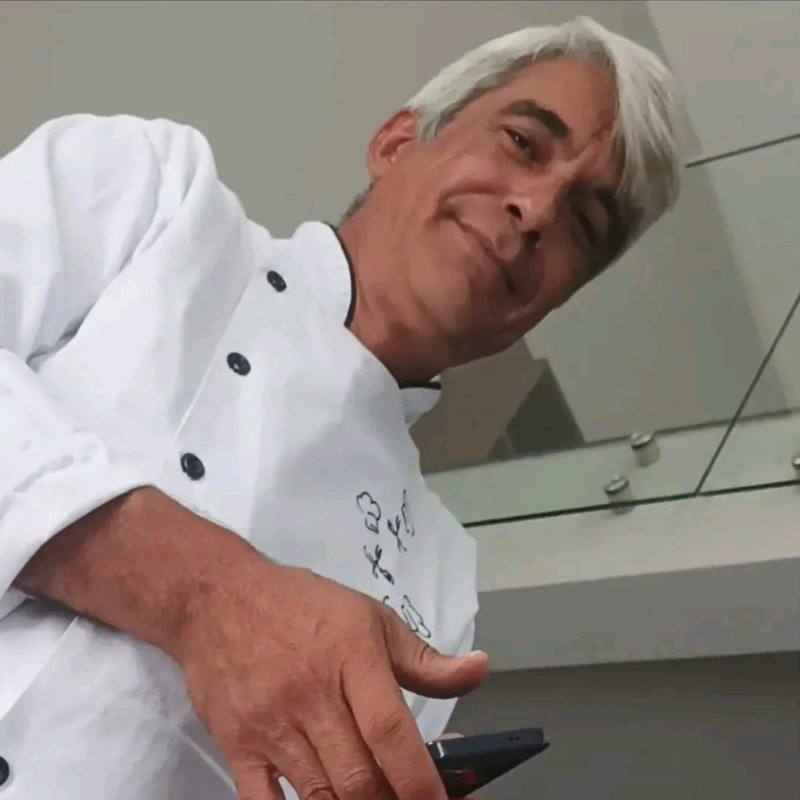
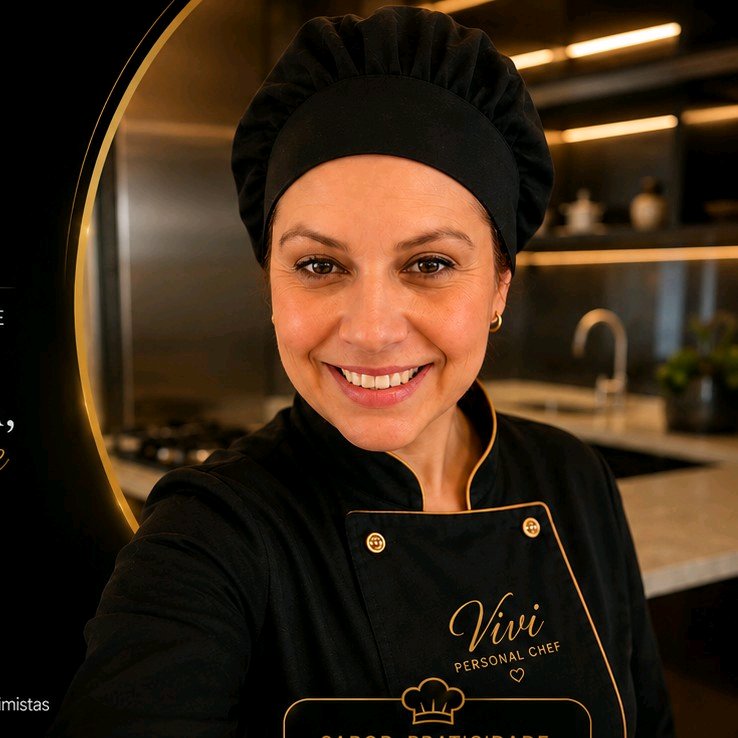
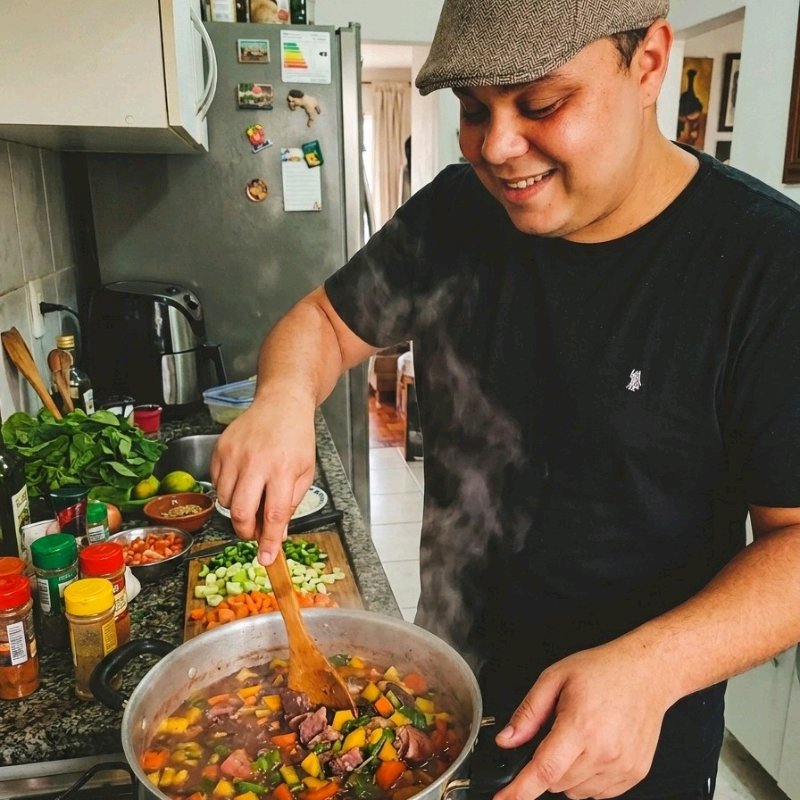
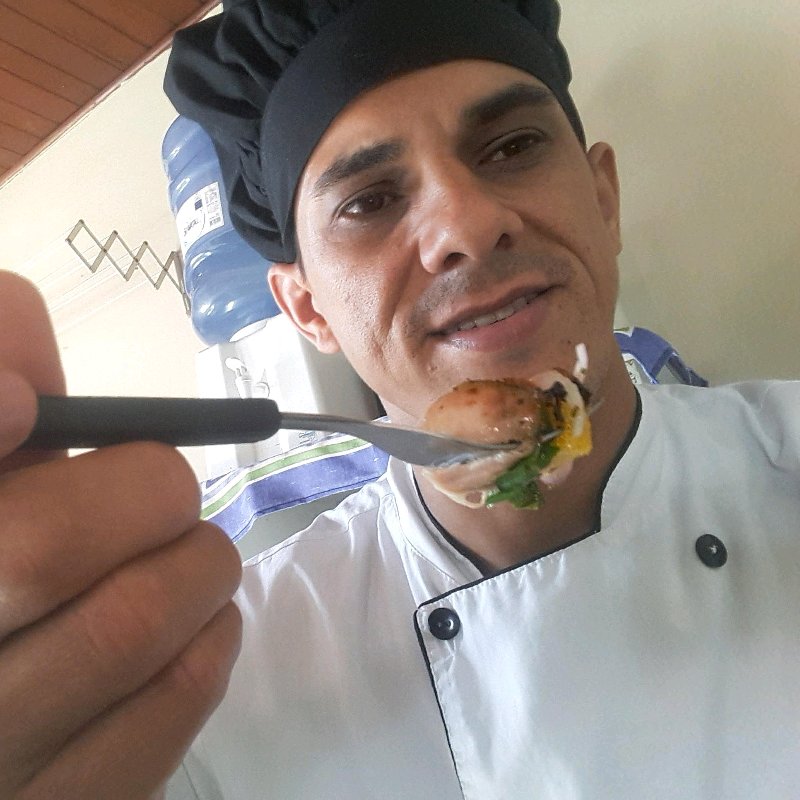
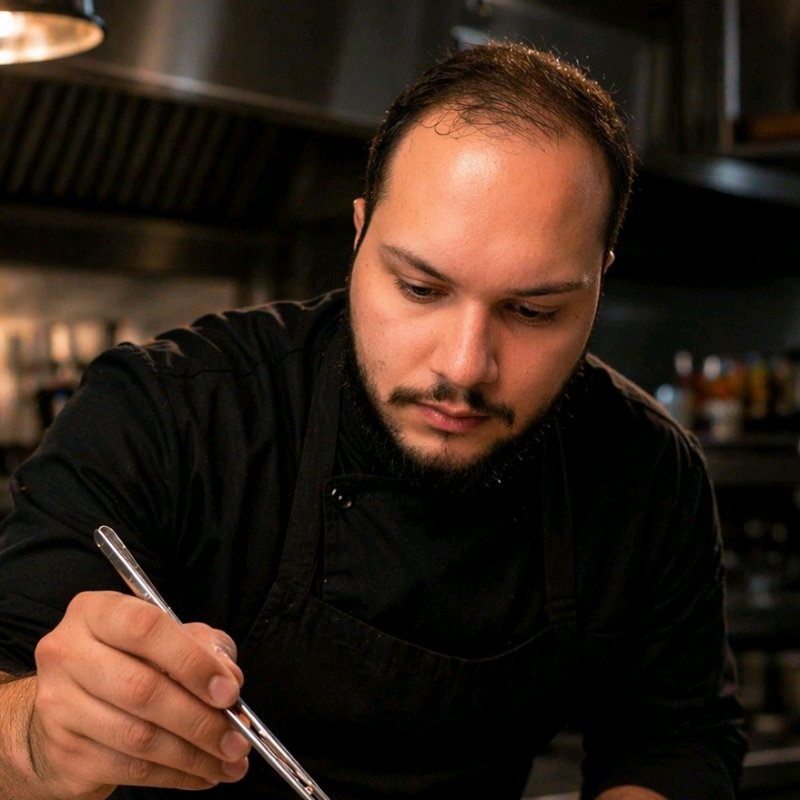
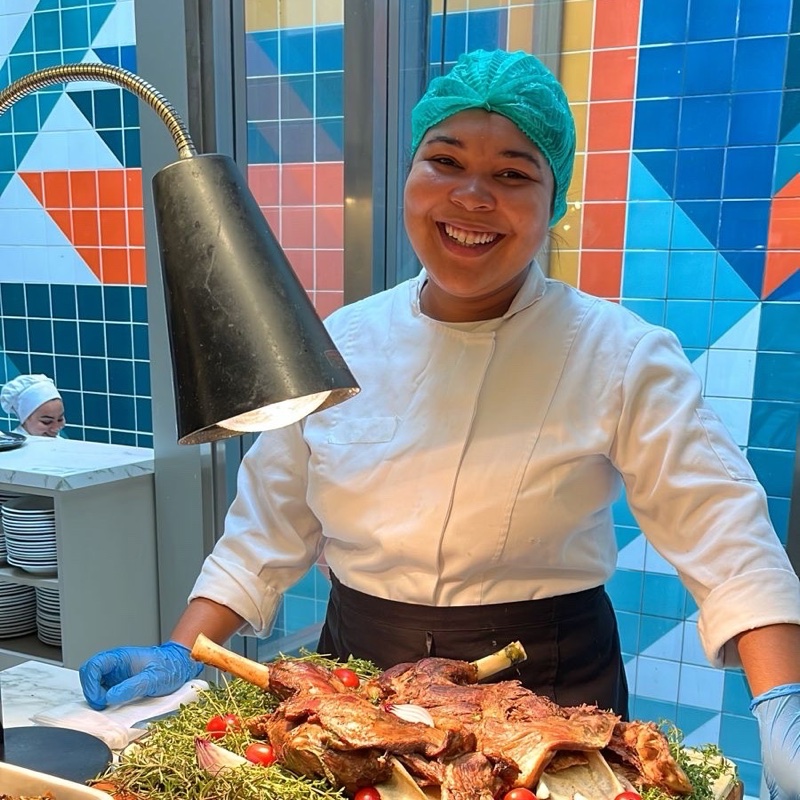
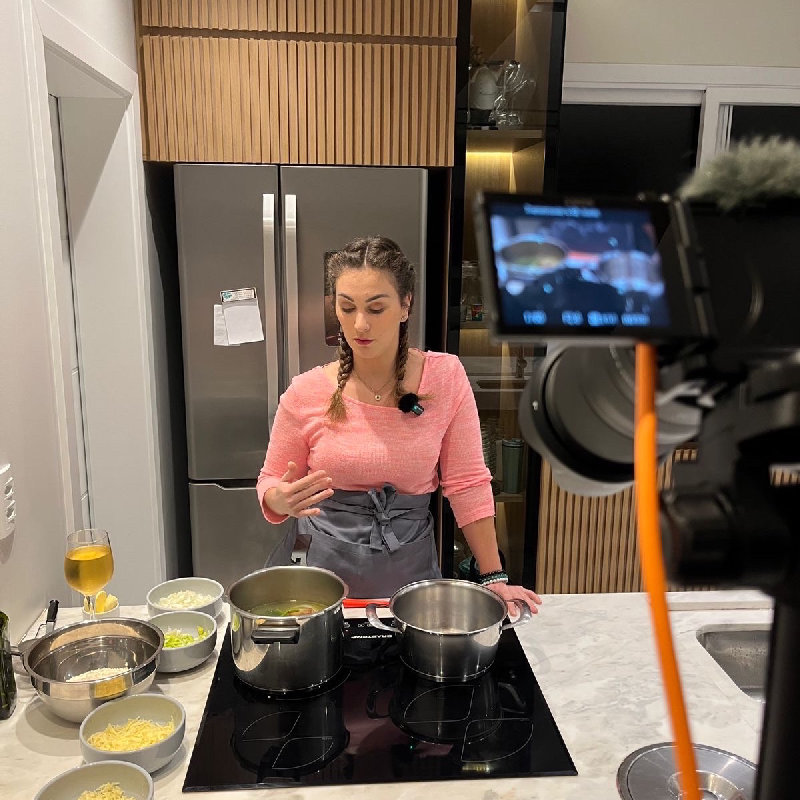
Decide upfront whether you are cooking solo or hiring a personal chef. A 7-course menu cooked alone is achievable — but it means you will spend almost the entire evening in the kitchen. A myChef personal chef can execute the full sequence while you stay at the table with your guests.
Structuring the Progression: Flavor and Weight
The classic tasting menu arc moves from light to rich, from clean and acidic flavors to deep and savory ones, then finishes with something sweet. A typical structure might look like: amuse-bouche → cold starter (acid, fresh) → hot starter (umami, warming) → palate cleanser (citrus granita or sorbet) → main → cheese course → dessert.
Acidity is your greatest structural tool. Dishes with citrus, fermented elements or light vinaigrettes should come early, before the palate tires. Rich, fatty or heavily seasoned dishes belong in the middle and toward the main. Sweetness comes last — the palate remembers it longest, and it signals closure.
Think about temperature too. A sequence of cold → warm → hot creates physical progression that guests feel as well as taste. And vary textures intentionally: a creamy course should be followed by something crunchy or crisp, to reset the palate and create contrast.
✓Amuse-bouche (1 bite)
A single perfect mouthful that sets the tone. A pão de queijo with truffle cream, a ceviche spoon or a shot of gazpacho.
✓Cold starter (1–2 small plates)
Light, acidic, refreshing — think carpaccio, ceviche, a delicate salad with citrus dressing or a chilled soup.
✓Hot starter (1 plate)
Something warming with umami depth — risotto, a small soup, a tartlet or a delicate piece of grilled fish.
✓Palate cleanser (optional)
A tiny acidic or herbal intermezzo — maracujá sorbet, a lime granita or a small glass of sparkling water with cucumber.
✓Main course (1 plate)
The richest, most substantial course — a refined protein preparation with complementary garnishes.
✓Cheese (optional)
One or three excellent cheeses (odd numbers work visually) with honeycomb, quince paste or fig jam.
✓Dessert (1–2 plates)
Move from lighter (petit fours or a sorbet) to richer (chocolate, caramel or a cream-based dessert) if doing two dessert courses.
Planning the Menu Around Skill and Equipment
Before you finalize your courses, audit your kitchen honestly. Do you have enough oven space to hold multiple elements warm? Do you own the right rings and molds for elegant plating? A tasting menu benefits from a small amount of specialized equipment: a mandolin for thin vegetable cuts, a squeeze bottle for sauce work, ring molds for precise presentations.
Play to your strengths. If you make an exceptional risotto, let that anchor the hot starter. If your desserts are reliable, close with confidence. A tasting menu is a showcase — every course should be something you are genuinely proud of rather than a dish you are cooking for the first time under pressure.
Choose dishes that allow advance preparation. Most cold starters, sauces, stocks, dessert components and palate cleansers can be made fully or partially ahead. Limit the number of elements that need last-minute cooking to one or two — ideally the main course only — so you are not constantly leaving the table.
Service Pacing and Presentation at the Table
Pacing is everything in a tasting menu. Leave 15–20 minutes between courses to allow conversation, digestion and anticipation. If you rush courses out, guests feel pressured; if you wait too long, energy drops. Brief your co-host (if you have one) on timing so someone can manage the kitchen while you remain with your guests.
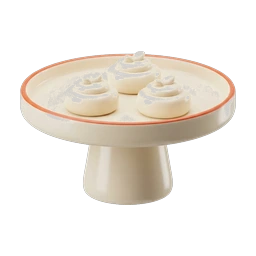
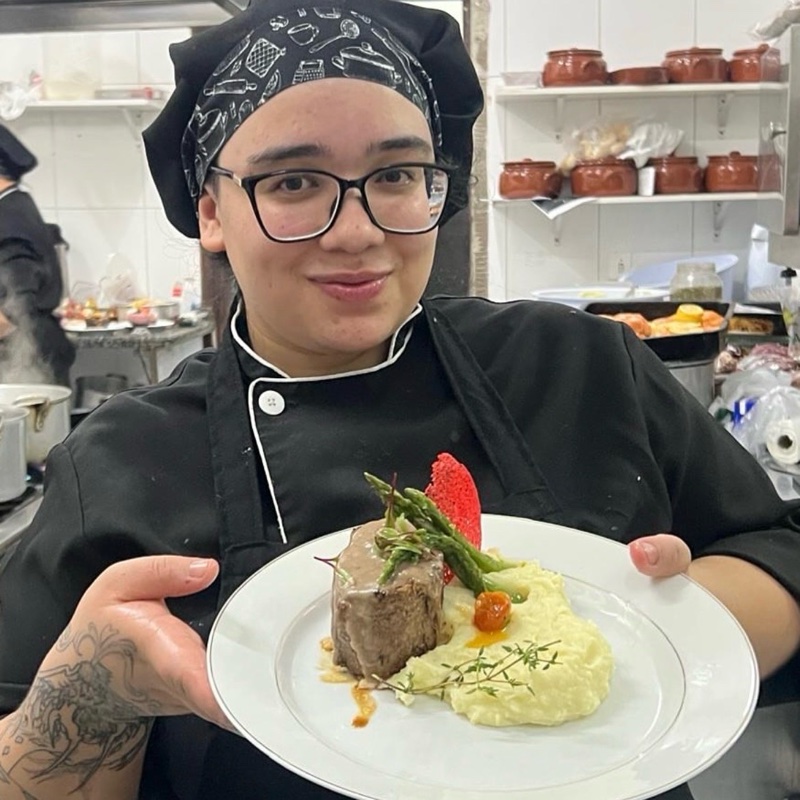
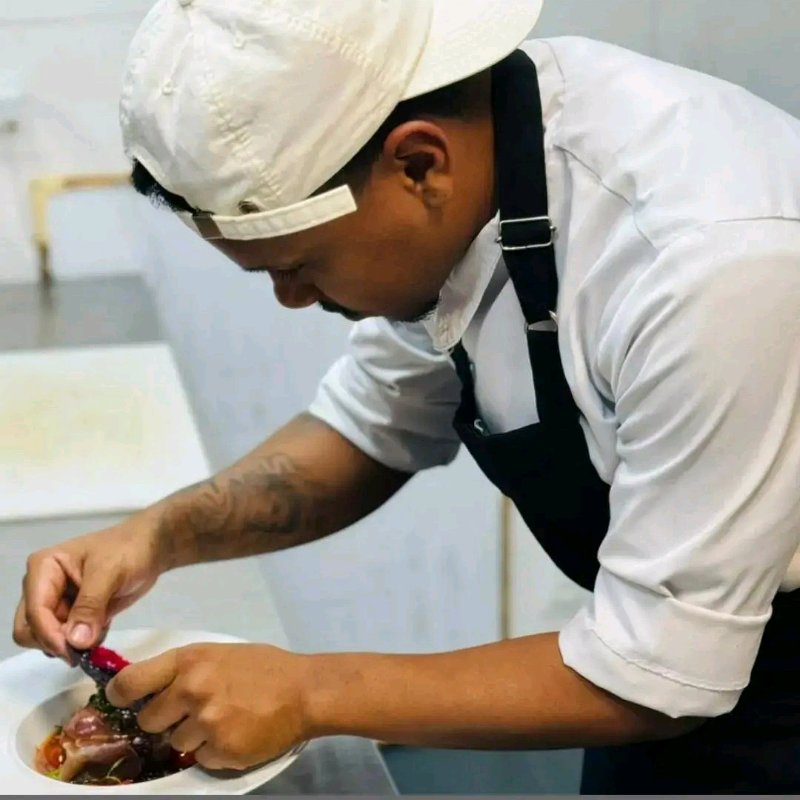
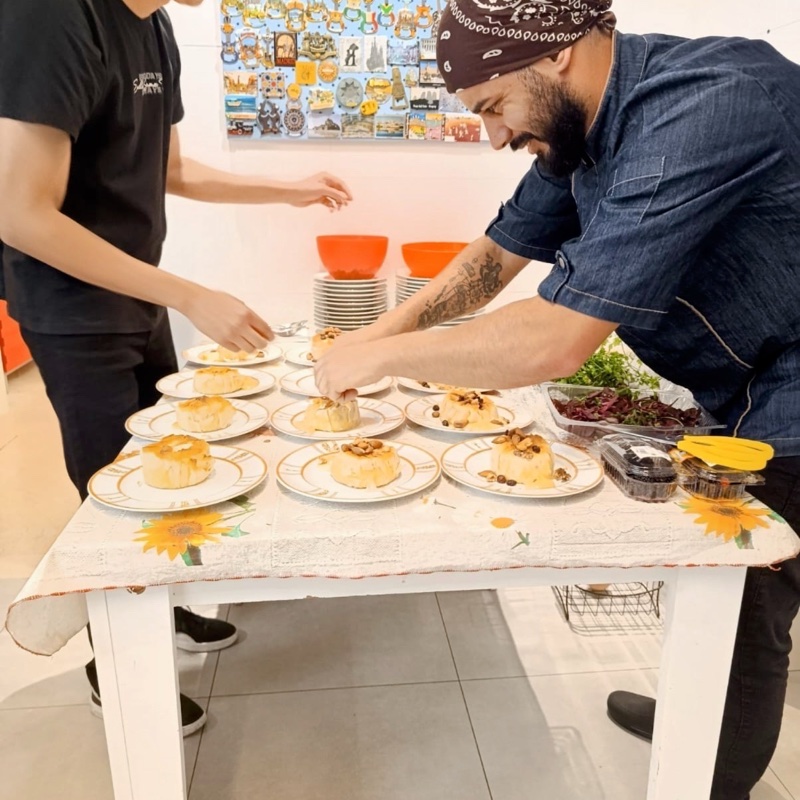
For home plating, simple is powerful. A smear of sauce, a precise arrangement of protein, a single herb leaf or a pinch of fleur de sel: these controlled choices read as intentional and elegant. Resist the urge to overcrowd the plate — in a tasting menu context, negative space on a plate signals confidence.
Announce each course with one sentence: what it is, its key ingredient and any relevant provenance or preparation story. 'This is a ceviche of pargo vermelho from the Ceará coast, cured in maracujá juice and dressed with aji amarelo' turns a plate of fish into an experience. Guests remember these details.
Pro Tip
Warm your plates in the oven (50°C) before plating hot courses. A warm plate keeps food at the right temperature through the time it takes to present to all guests — especially important when cooking solo for a larger table.
Brazilian Ingredients That Elevate a Tasting Menu
Brazil's extraordinary pantry gives a home tasting menu a character no restaurant abroad can replicate. Build courses around ingredients that are local, seasonal and unusual to your guests: pupunha (heart of palm) from Pará, jambu leaves whose electric tingle follows the Amazonian tradition of tacacá, pequi from the cerrado in a butter for finishing a fish course, or baru nuts from Goiás as a textural element in a dessert.
The açaí bowl is too familiar to impress — but an açaí purée beneath a grilled duck breast with tucupi reduction is the kind of unexpected Brazilian-fine-dining moment that defines a personal menu. Think about the country's regional diversity: the flavors of Bahia (dendê, coco, vatapá), Minas Gerais (queijo, doce de leite, ora-pro-nóbis), or the São Paulo Japanese-Brazilian fusion tradition are all source material for a tasting menu that tells a story about the country.
Sourcing well makes a tangible difference. A morning visit to Mercado Municipal in São Paulo, Mercado do Produtor in Curitiba or Feira da Liberdade will yield ingredients at peak freshness — and the stories behind them become part of your narration at the table.
When to Work with a Personal Chef
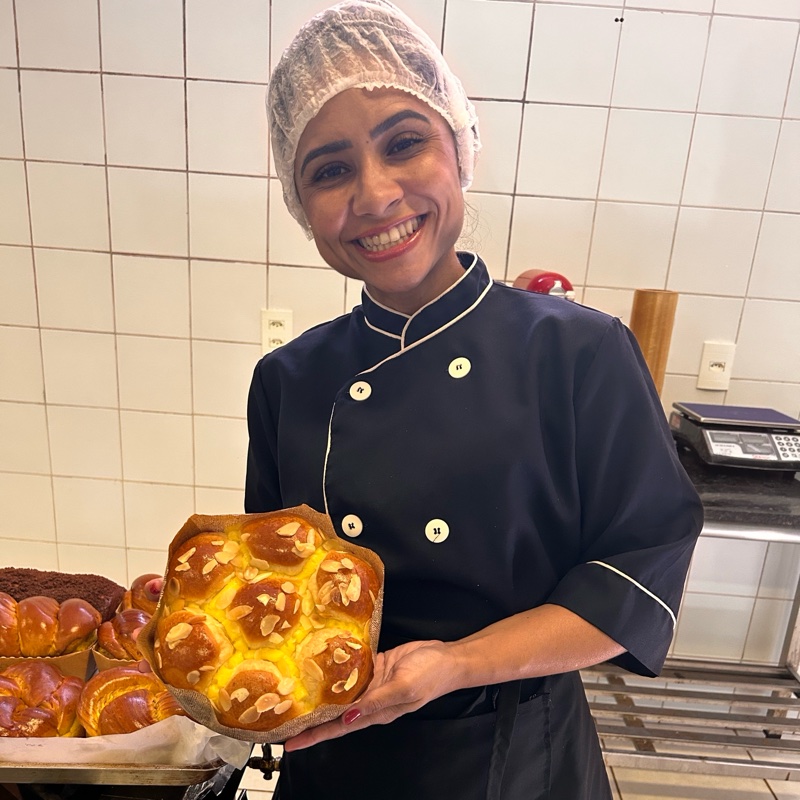
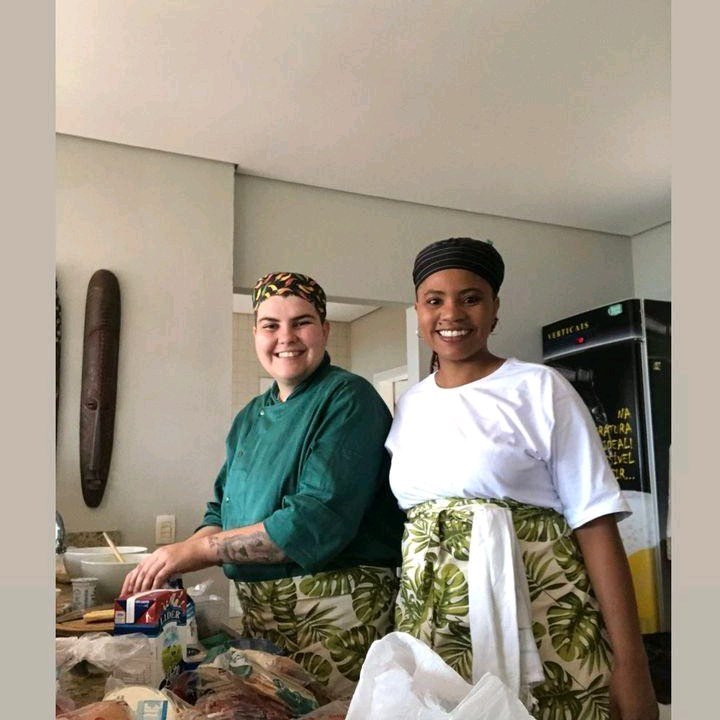
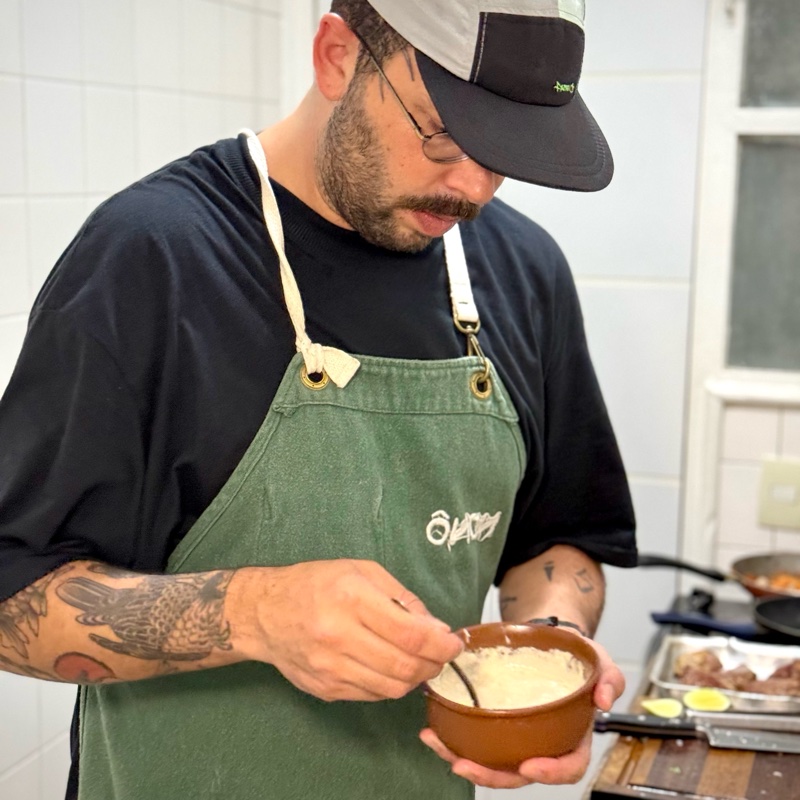
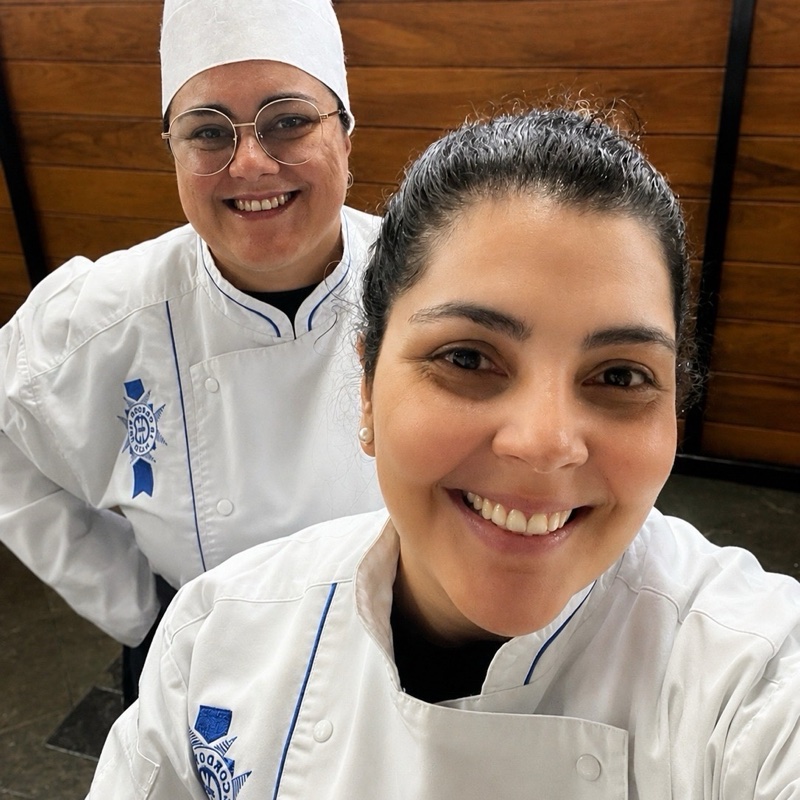
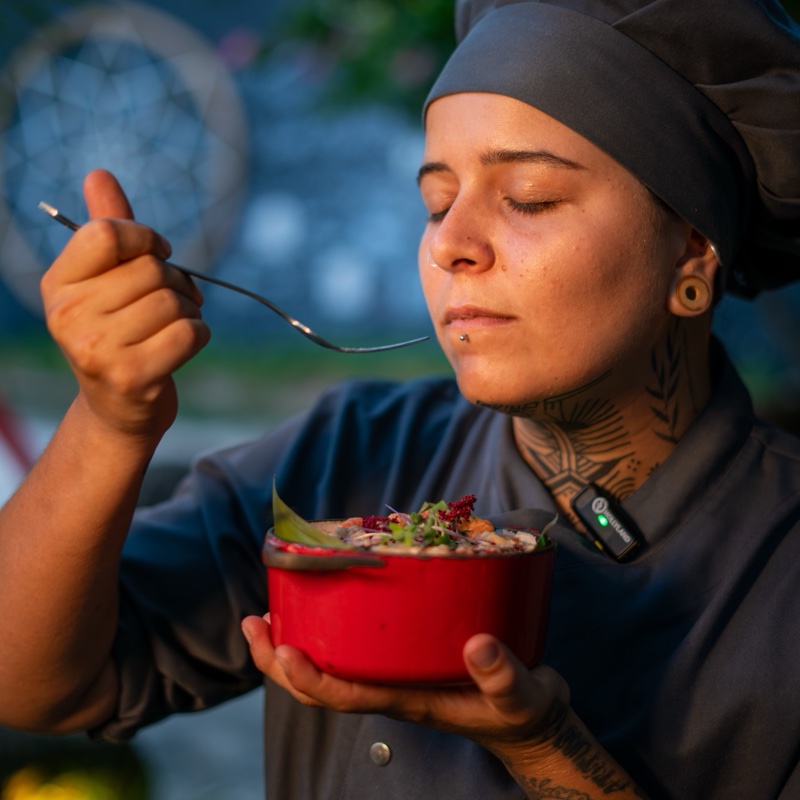
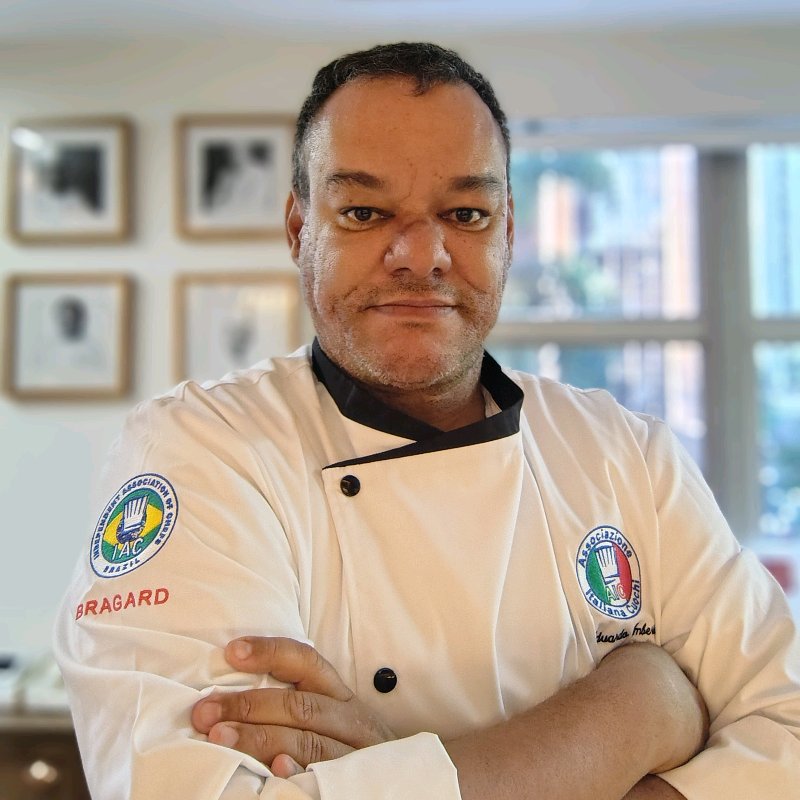
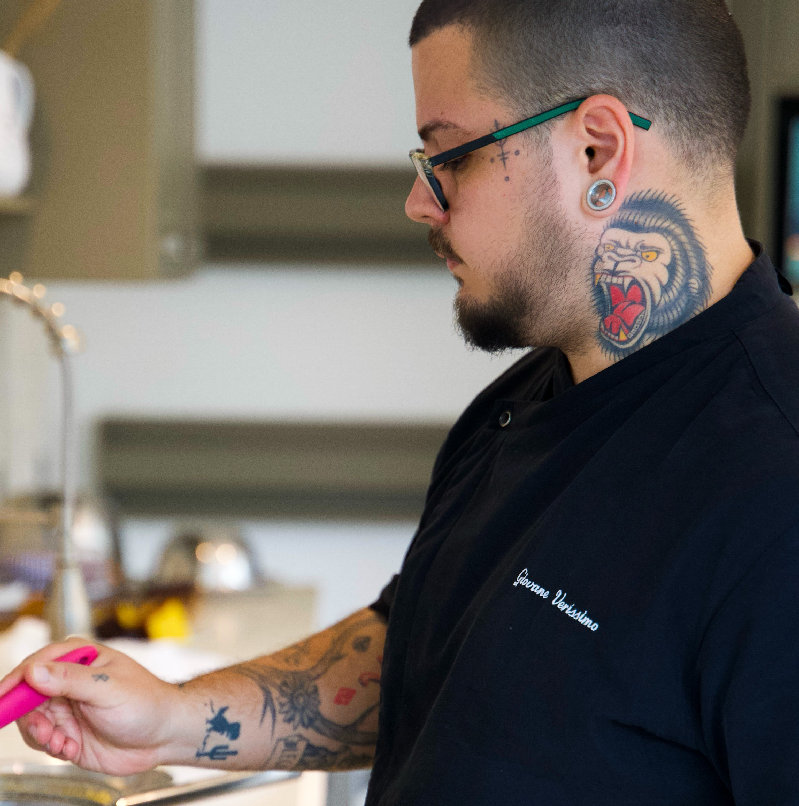
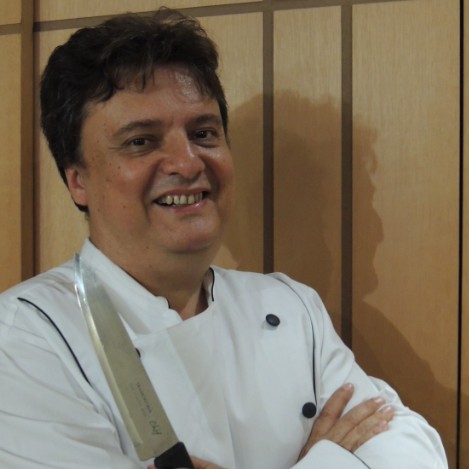
A personal chef specializing in fine dining or tasting menus removes every logistical burden and brings years of professional plating and service experience. When you hire a myChef personal chef for a tasting menu dinner, you agree on the number of courses, your preferred direction (modern Brazilian, Japanese-Brazilian, European, etc.), any dietary restrictions and your budget.
The chef arrives several hours before service to prep, stages the kitchen, and executes each course to order while you host. For 4 to 8 guests, a personal chef tasting menu in Brazilian cities like São Paulo, Rio or Belo Horizonte typically runs between R$ 350 and R$ 900 per person including ingredients. The investment covers not just the cooking but the conceptual design of the meal — making it one of the most memorable gifts you can give your guests or yourself.