What a Portuguese Personal Chef Specialises In
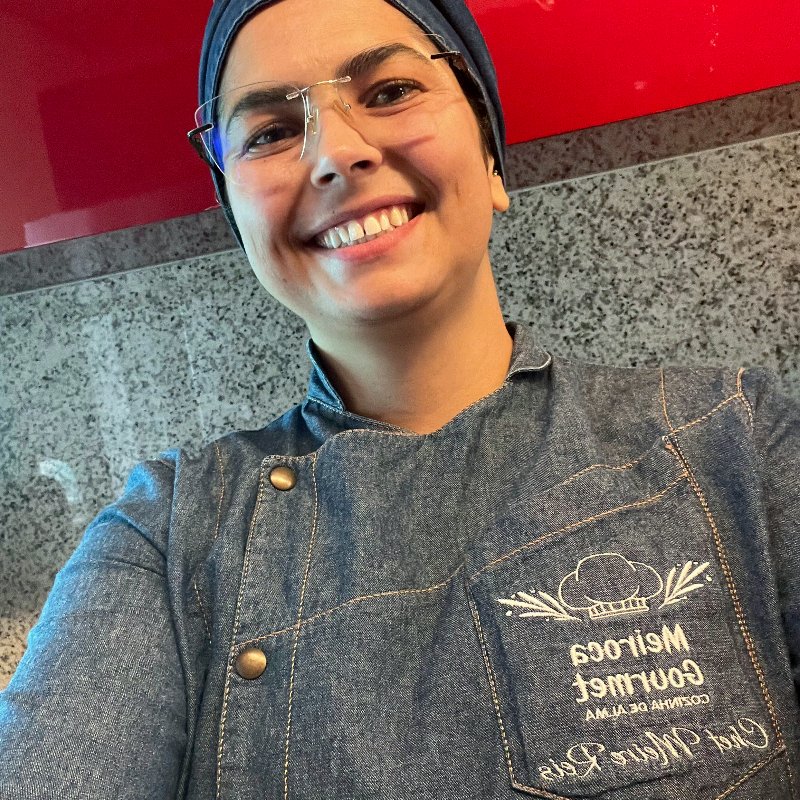
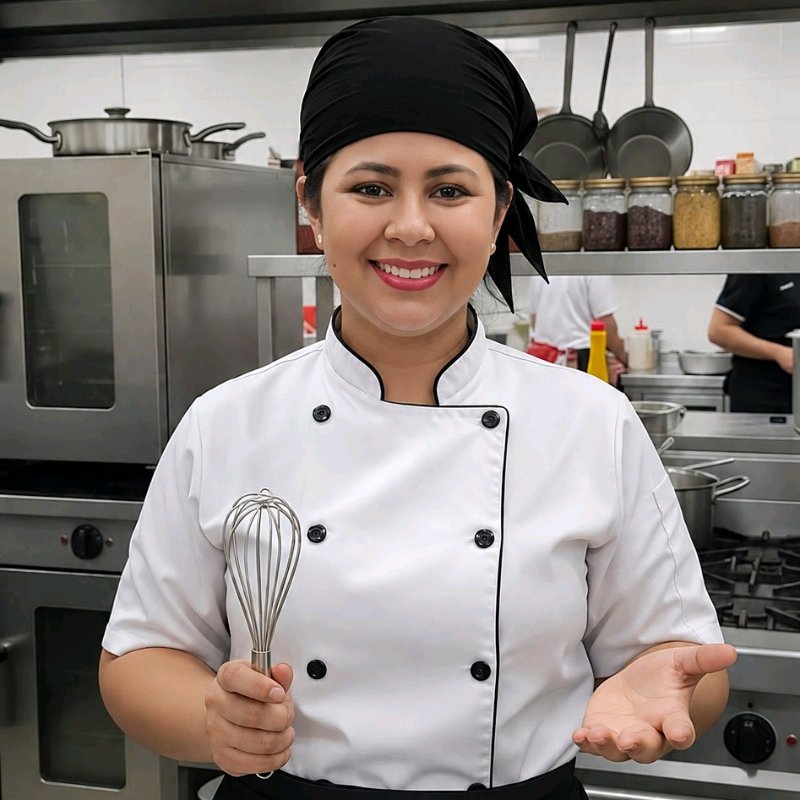
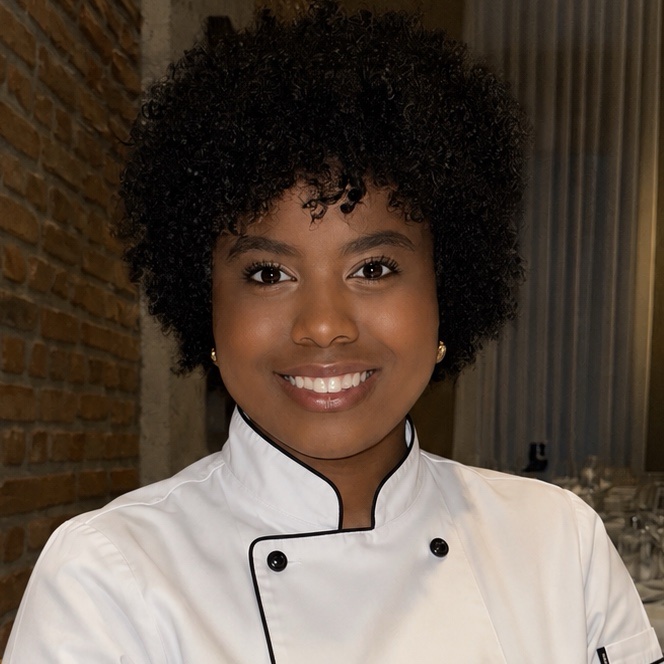
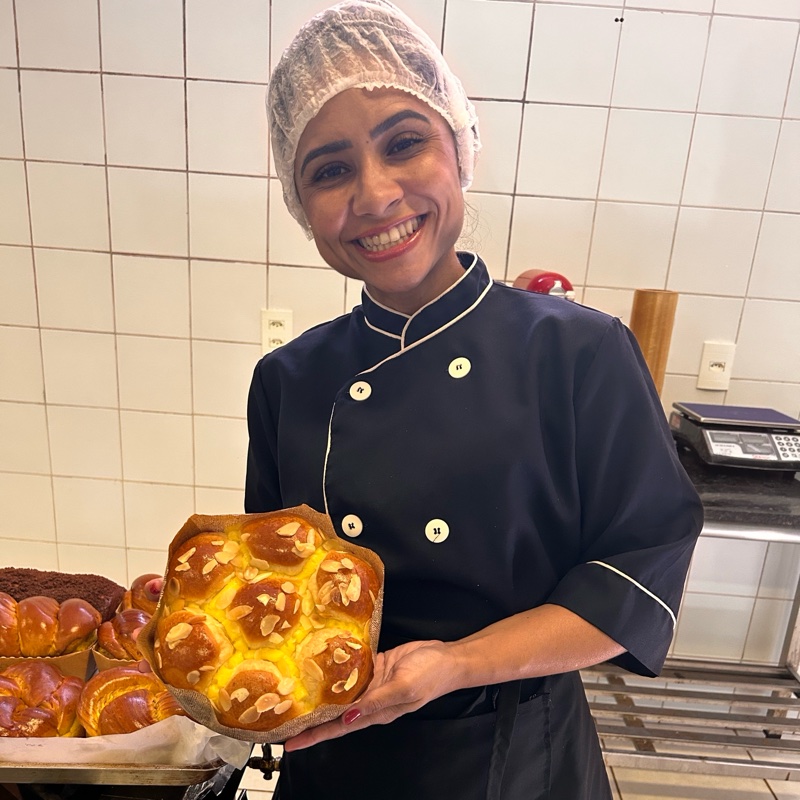
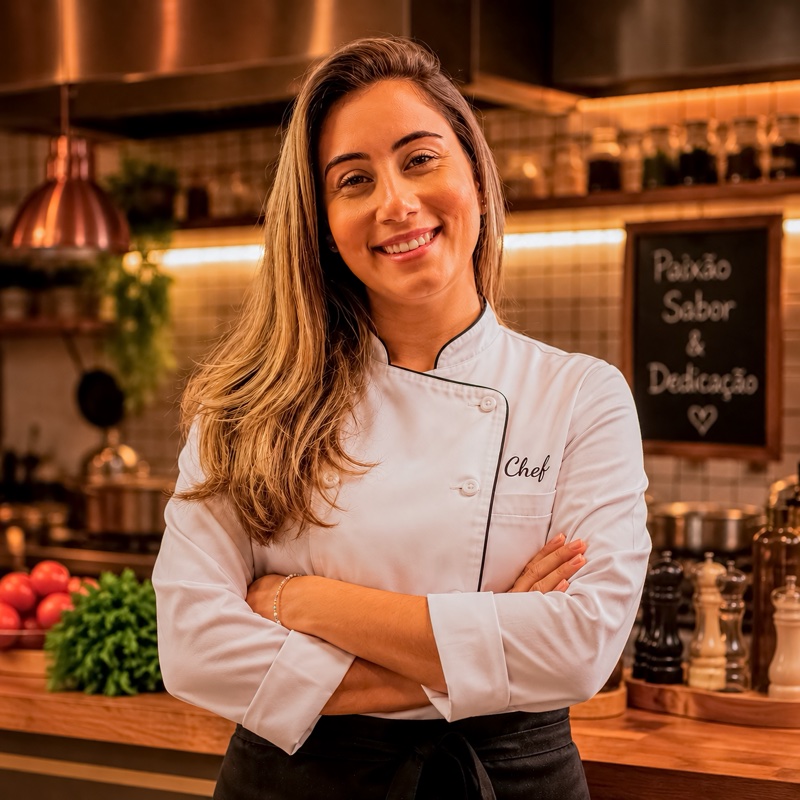
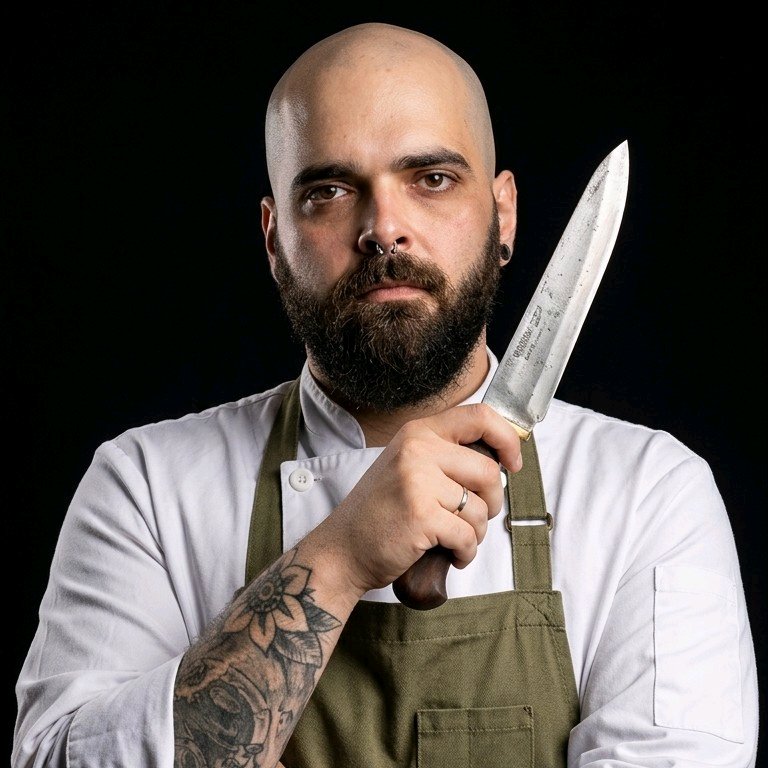
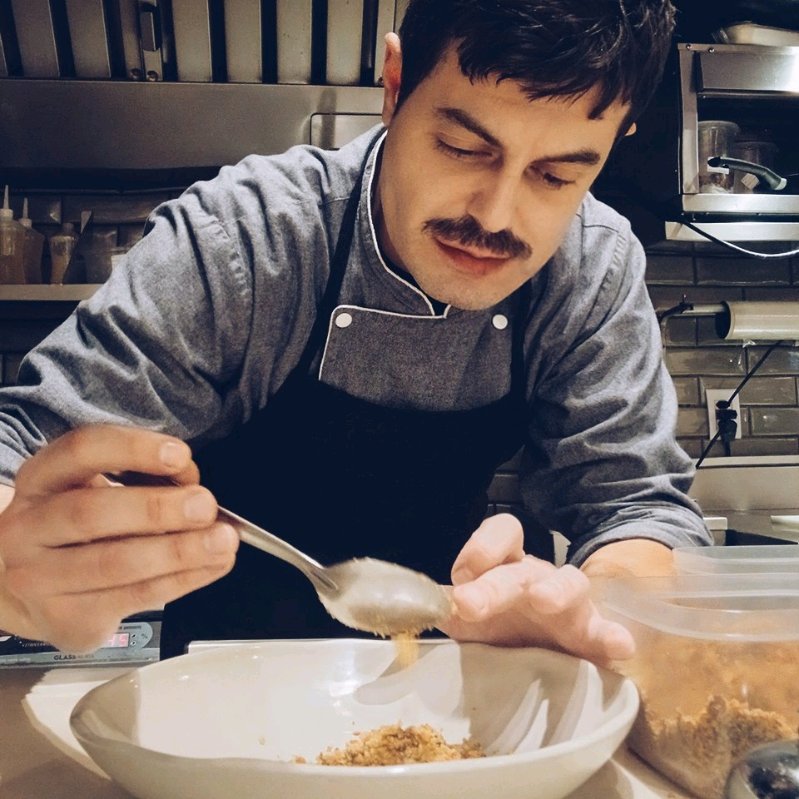
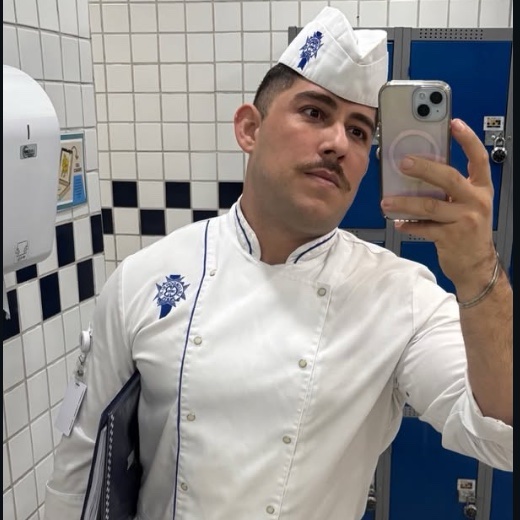
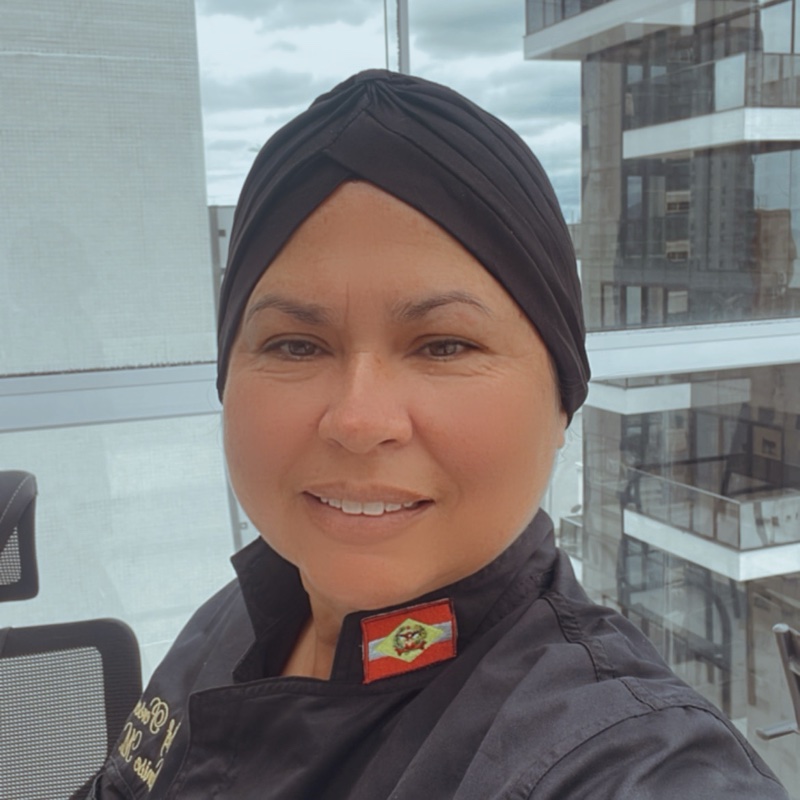
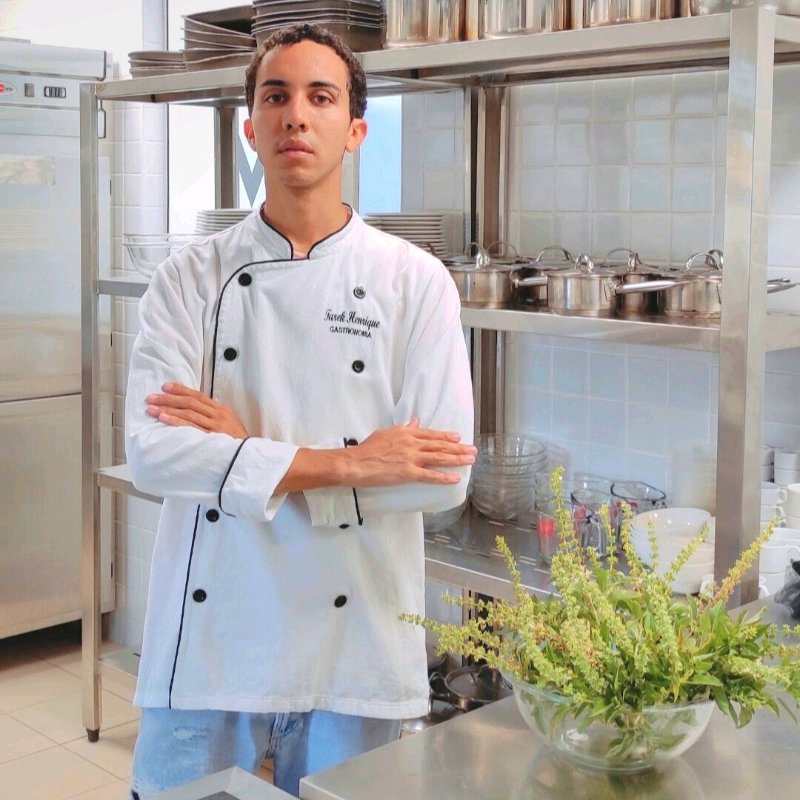
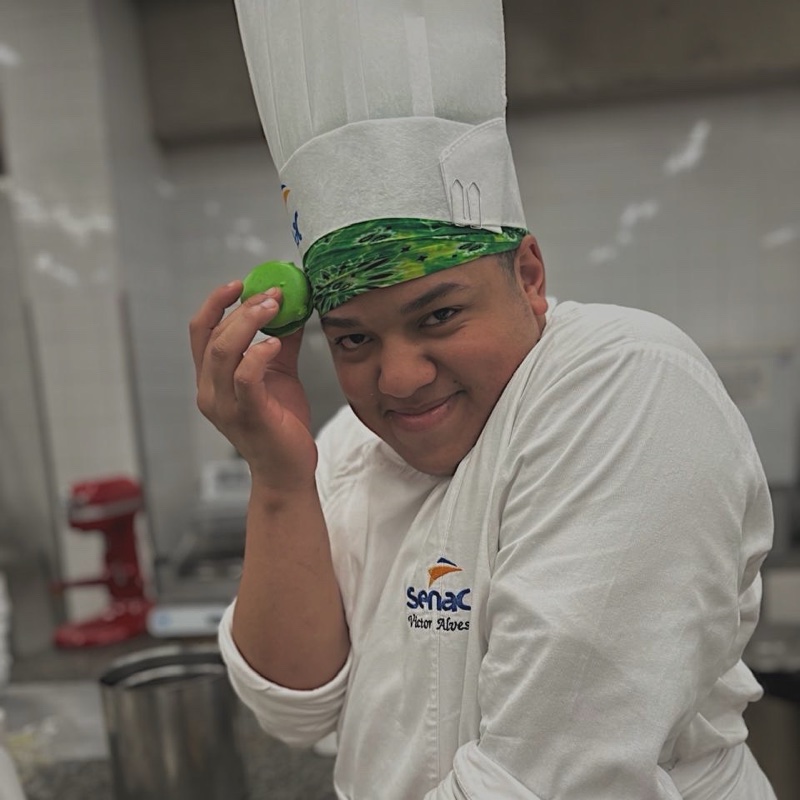
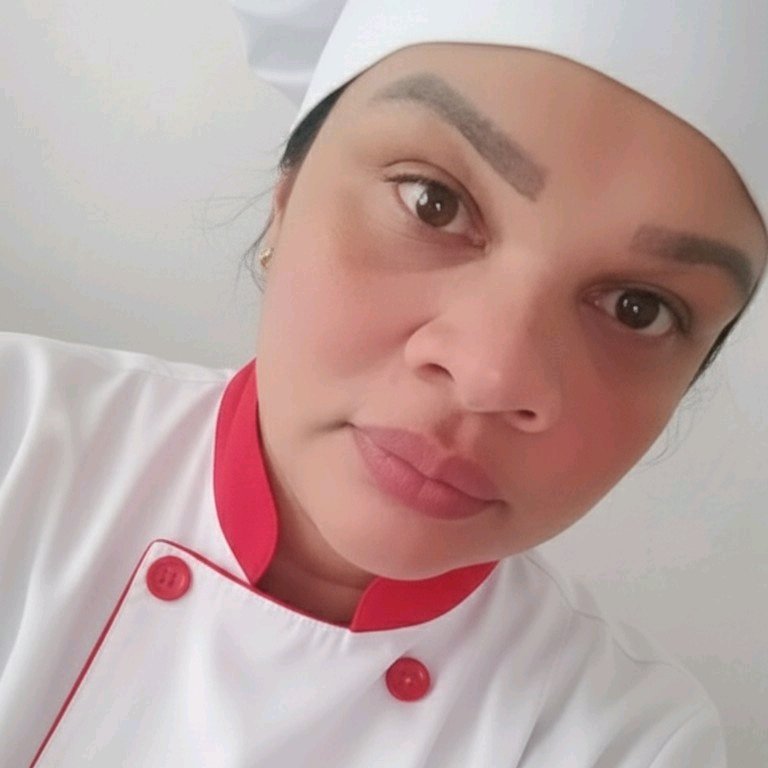
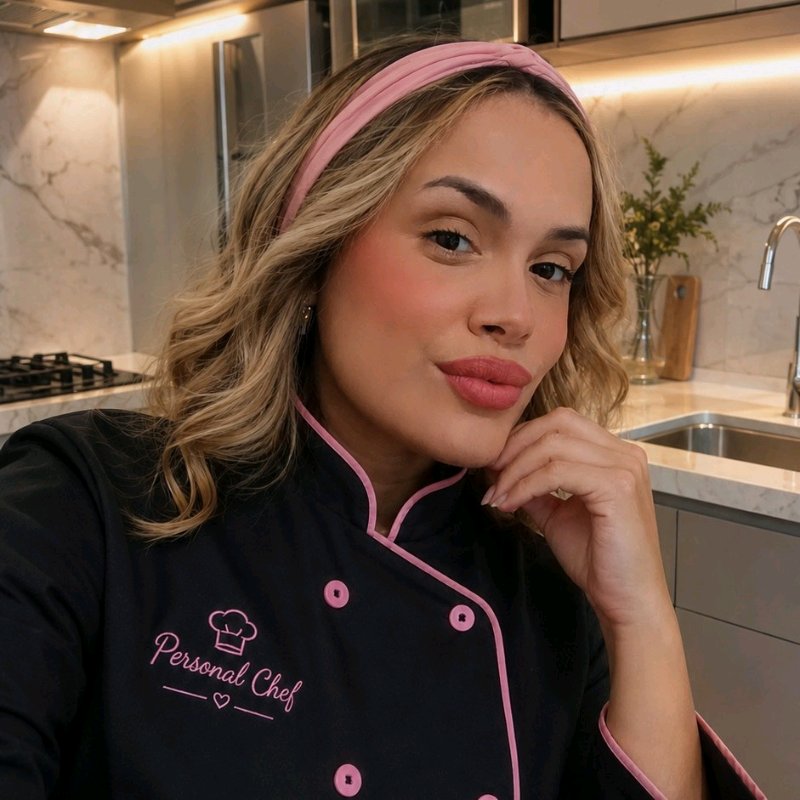
A Portuguese personal chef is a culinary professional trained in the classical and regional traditions of Portuguese cooking. In Brazil, this often means someone with Portuguese heritage — many families emigrated from the Minho, Alentejo, and the islands of Madeira and the Azores — who learned the cuisine at home before formalising their training in a professional kitchen.
The defining ingredients of this cuisine are bacalhau (salt cod), olive oil, garlic, and the piri-piri pepper. Portuguese cooking uses these with extraordinary creativity: there are said to be 365 ways to prepare bacalhau — one for every day of the year — and a skilled chef knows dozens of them intimately.
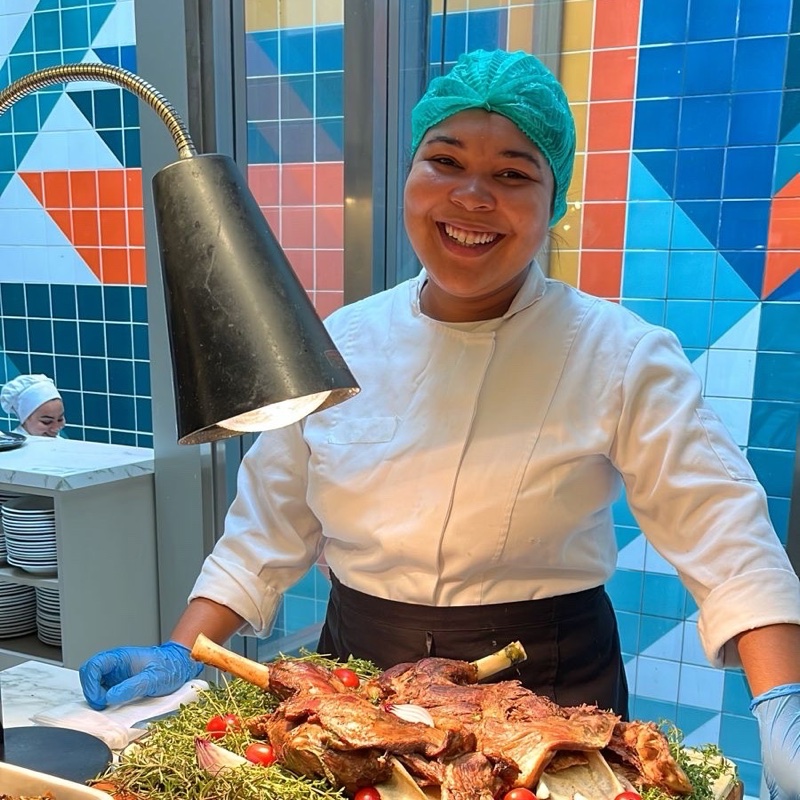
Beyond bacalhau, the repertoire spans slow-braised lamb, charcoal-grilled sardines, suckling pig (leitão), the magnificent alentejano carne de porco à alentejana (pork with clams), and a rich tradition of egg-yolk based pastries that gave Brazil its queijadinha and olho-de-sogra.
Pro Tip
If you want to experience Portuguese cooking at its finest, ask the chef to design a menu that centres on one regional tradition — Alentejo, Minho, or the Algarve. Regional focus produces more coherent, deeply characterful menus than a greatest-hits sampling.
Signature Dishes on a Portuguese Chef's Menu
Bacalhau is the inevitable star. A serious Portuguese chef will not limit themselves to one preparation: expect bacalhau à Brás (shredded salt cod with straw potatoes and scrambled egg), bacalhau com natas (salt cod gratin with cream and potato), bacalhau à Gomes de Sá (layered with potato, olive oil, and hard-boiled egg), or a simply grilled bacalhau à lagareiro bathed in a river of Alentejo olive oil and roasted garlic.
Starters might include caldo verde (silky kale and potato soup with slices of linguiça), pataniscas de bacalhau (salt-cod fritters), amêijoas à Bulhão Pato (clams steamed in white wine, garlic, and fresh coriander), or a board of queijo da Serra and presunto from specialist Portuguese deli suppliers.
Desserts are a high point: pastéis de nata with their caramelised custard tops — if the chef makes them from scratch on the day, you are in for a revelatory experience — alongside arroz doce (creamy Portuguese rice pudding dusted with cinnamon), and serradura (Portuguese sawdust pudding) made with whipped cream and crushed Maria biscuits.
For wine, the chef may suggest a Vinho Verde for the seafood courses and a Douro red for the heavier mains — Portuguese wines are increasingly available in Brazil's better bottle shops and make an authentic pairing.
The In-Home Experience with a Portuguese Chef
Portuguese cooking rewards patience. Bacalhau must be desalted 24–48 hours before service; slow-braises like borrego à alentejana need hours on the stove. This means a competent Portuguese chef will contact you 2–3 days before the booking to confirm the menu and begin ingredient sourcing — or, if the event calls for it, will visit your home the day before to start preparations.
On the day of the dinner, expect the chef to arrive 2–3 hours before the meal. The kitchen will fill with the unmistakable aroma of garlic sizzling gently in olive oil — the base of nearly every Portuguese dish. Service is typically warm and conversational; Portuguese chefs tend to share stories behind the dishes they are cooking, which adds a layer of cultural intimacy to the experience.
The meal is served generously: portion sizes in Portuguese tradition lean toward abundance rather than restraint. Expect side dishes (petiscos-style accompaniments of roasted potatoes, grilled vegetables, and salads) to appear alongside the main dishes.
✓Confirm bacalhau desalting lead time
Quality bacalhau requires 24–48 hours of soaking and water changes. Confirm the chef will handle this preparation before the booking date.
✓Clarify the seafood guest count
Clams, prawns, and fish need to be sourced fresh — precise guest counts help the chef shop correctly and avoid waste.
✓Mention any bacalhau fatigue
Not all guests share the Portuguese reverence for salt cod. Let the chef know if some guests would prefer an alternative centrepiece — most Portuguese menus offer plenty of options.
✓Discuss wine pairing
Ask the chef whether they can recommend or source Portuguese wines. Vinho Verde, Alentejo reds, and Moscatel de Setúbal are all available in Brazil's major cities.
Pricing for a Portuguese Personal Chef in Brazil
A private Portuguese dinner for 2–6 guests, covering starters, a main bacalhau course, sides, and dessert, typically costs R$ 280–R$ 500 per person, inclusive of the chef's labour and ingredients. Premium ingredients (quality salt cod, Portuguese olive oil, amêijoas) push this toward the higher end.
Bacalhau as an ingredient has a higher unit cost than most proteins — expect the chef to factor in R$ 80–R$ 150 per kilogram for quality dried salt cod, with each person requiring roughly 150–200g pre-hydration. This ingredient reality means Portuguese dinners sit at a slightly higher price point than other European cuisine experiences.
A pastéis de nata baking class for 2–4 people — learning to make the iconic custard tarts from scratch — is priced at R$ 350–R$ 550 per session and is one of the most popular Portuguese cooking-class formats in Brazil. It makes an excellent gift experience for Portuguese heritage families.
Pro Tip
Ask whether the chef can source quality Portuguese olive oil (Azeite Português) and bacalhau from an importer. The difference between premium imported bacalhau and generic supermarket salt cod is immediately perceptible in the final dish.
Choosing the Right Portuguese Chef
São Paulo has a strong Portuguese community in Bairro do Ipiranga and the broader ABC region, with several excellent Portuguese chefs operating privately. In Rio de Janeiro, the historical Portuguese connection means there is solid supply of specialists. In other cities, conduct more due diligence — not all chefs who list Portuguese cuisine have the depth needed for a serious bacalhau dinner.
Ask specifically about bacalhau: How many preparations do you know? Which is your signature? What quality of salt cod do you source? A chef who answers enthusiastically and specifically is in a different league from one who says 'I can do bacalhau à Brás' and stops there.
Regional background matters here more than in some other cuisines. A chef from a Minhota family will produce different food from one with Alentejo roots — ask where their training and heritage come from and design the menu accordingly.
✓Ask about their bacalhau repertoire
A serious Portuguese chef knows at least 8–10 distinct bacalhau preparations. The breadth of their answer tells you everything.
✓Verify Portuguese heritage or professional training
Lived familiarity with this cuisine — whether from family or time spent in Portugal — produces noticeably more authentic results.
✓Check if they make pastéis de nata from scratch
This is a specialist pastry skill. A chef who can make these from scratch on the day is rare and worth paying a premium for.
✓Request photos of a full Portuguese dinner
The visual abundance and colour of a properly assembled Portuguese table — petiscos, main, and dessert — should be immediately recognisable.
✓Confirm ingredient sourcing strategy
For an authentic experience, the chef should know where to source quality bacalhau, Portuguese olive oil, and, ideally, Portuguese wines in your city.
Occasions Where Portuguese Cuisine Is Perfect
Portuguese cuisine is ideally suited to family celebrations — the generosity of portion sizes and the sociability of the table make it a natural fit for birthday lunches, Sunday family reunions, and anniversary dinners. The bacalhau centrepiece always generates conversation.
A bacalhau dinner is also an excellent choice for Portuguese heritage families looking to reconnect with a culinary tradition, or for hosts who want to offer their guests a European dining experience that feels genuinely authentic rather than generic 'continental' food.
For more intimate occasions — a romantic anniversary, a Lovers' Night dinner for two — a Portuguese chef might design a refined tasting menu: a single petisco to start, a perfectly grilled sole or robalo fillet with razor clams, and a deconstructed serradura for dessert. Elegant rather than abundant.
Preparing Your Home for a Portuguese Chef
Portuguese cooking generates rich, olive-oil-forward aromas that linger pleasantly. Ensure your kitchen has good ventilation if you have guests who are sensitive to cooking smells, particularly during the garlic-frying and fish-cooking stages.
For a full dinner service, ensure your oven is functional (several Portuguese dishes require oven finishing) and that you have a large, deep casserole dish for braises. The chef will bring their own tools but benefits from having an oven that can sustain 180–200°C reliably.
If you are planning a pastéis de nata class, clear significant counter space — the laminated pastry dough requires rolling room. The chef may also need access to a muffin tin or tart moulds, which they should confirm they are bringing in advance.
Pro Tip
Source Portuguese table wine before the dinner — even a simple Vinho Verde available in large Brazilian supermarkets will dramatically elevate the meal. Ask your chef for a specific recommendation based on the menu they are preparing.