Why Post-Workout Nutrition Is So Hard to Get Right Consistently
Most athletes know the theory: consume fast-digesting protein and a moderate amount of carbohydrates within the recovery window, minimize excess fat that slows gastric emptying, and hit this target day after day. The problem is execution. After a two-hour weight session at a gym in Moema or a long run along Avenida Paulista, willpower is the last resource you have left.
Meal delivery apps offer convenience but rarely the macro precision that performance demands. A pastel de frango from iFood can vary wildly in protein content, and ultra-processed ready meals spike sodium and seed oils in ways that interfere with recovery. Home cooking during peak training weeks is theoretically ideal but practically impossible for professionals juggling 50-hour workweeks.
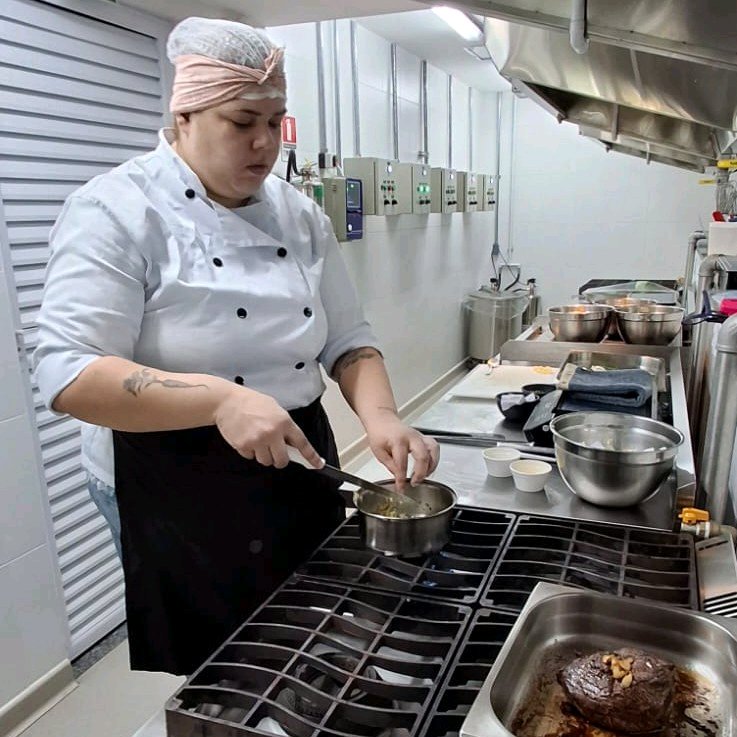
A personal chef solves this by doing all the shopping, portioning, cooking and labeling in a single visit — typically two to four hours — so your fridge is stocked with ready-to-eat meals that already hit your targets. You reheat and eat. That is it.
✓Share your training schedule
Let the chef know which days are heavy sessions vs. rest days so portion sizes and carb content adjust accordingly.
✓Provide your macro targets
Even rough numbers (e.g. 180g protein/day) give the chef the parameters needed to portion correctly.
✓List your food preferences and restrictions
Whey or whole-food protein only? No lactose? Pescatarian? The chef needs this before grocery planning.
✓Agree on a prep day
Sunday or Monday works for most training weeks. The chef arrives, preps, and labels everything for the days ahead.
What a Post-Workout Meal Actually Needs
For muscle protein synthesis, research consistently points to 25–40g of complete protein per meal, consumed within two hours post-training. In practical Brazilian kitchen terms, that means around 150–200g of frango (chicken breast), 200g of tilápia or salmão, 180g of carne bovina magra, or a combination of eggs and legumes for those avoiding meat.
Carbohydrates replenish muscle glycogen — the primary fuel burned during resistance and high-intensity exercise. Arroz integral, batata-doce, mandioca, cuscuz paulista and aveia are all staples a skilled chef can rotate through the week to prevent food boredom while keeping the glycemic load appropriate to training intensity.
Micronutrients are often the neglected third pillar of recovery. Magnesium (found in dark leafy vegetables, pumpkin seeds), zinc (in beef and shellfish), and vitamin C (in acerola, pimentão) all directly support muscle repair and immune function — nutrients a chef naturally builds into meals when given the full picture of your goals.
Pro Tip
Ask your chef to keep a rotating mix of at least three different protein sources per prep session. Variety prevents adaptation fatigue and ensures a broader amino-acid profile across the week.
How a Personal Chef Structures Your Weekly Prep
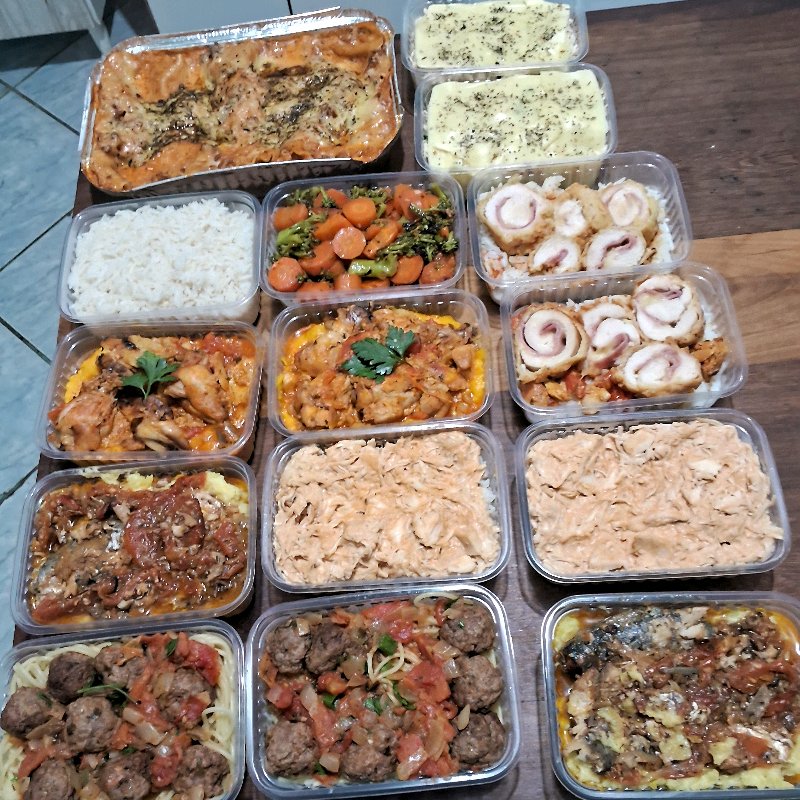
A typical post-workout meal prep session produces 10–14 individual portions covering three to five meals per day, depending on your caloric needs. The chef shops at the beginning of the session — often at local suppliers like Hortifruti or Mercadão — then returns to your kitchen to batch cook everything in sequence.
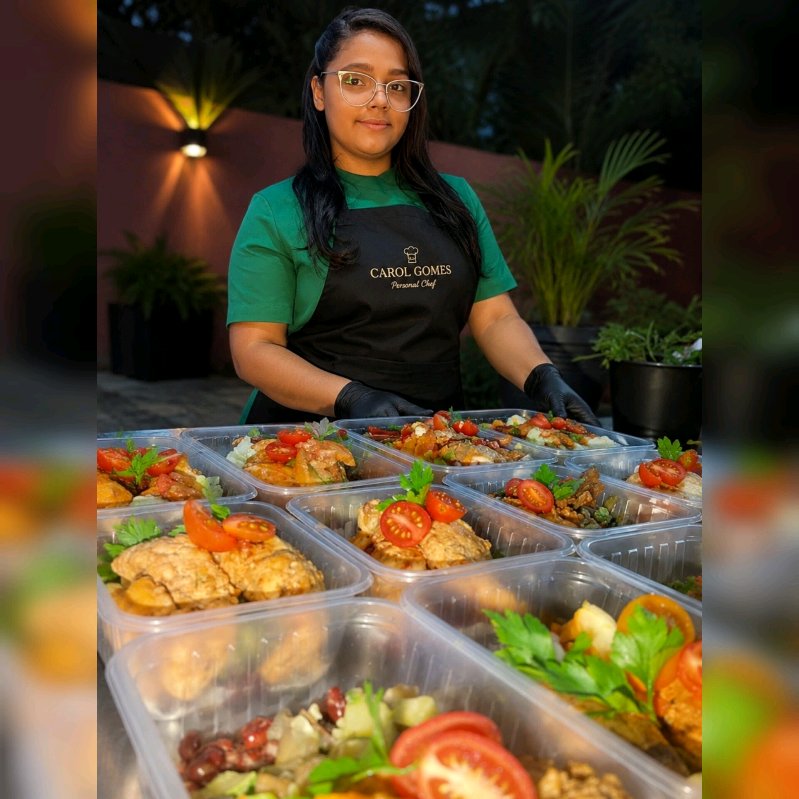
Protein sources are typically cooked first since they require the longest preparation and can be safely stored for four to five days refrigerated. Grains and root vegetables are processed in parallel. The final stage is portioning into labeled containers by meal type — post-workout, pre-sleep, general lunch — so you never have to think about what to grab.
High-end preparations go beyond boiled chicken: a chef might prepare frango marinado com limão-siciliano e ervas frescas, salmão grelhado com crosta de gergelim, carne de panela desfiada low-carb, or ovos mexidos com cogumelos paris e espinafre. Food that performs like fuel but tastes like a meal you actually want.
Protein Sources a Chef Rotates Through Your Prep Week
Monotony is the primary reason people abandon meal prep. When you eat the same grilled chicken breast every day for two weeks, compliance collapses. A trained chef has the repertoire to keep your macros consistent while the actual dishes change meaningfully each prep cycle.
Animal proteins commonly featured include frango (grilled, baked, slow-cooked, or pounded into schnitzel), tilápia and salmão (baked en papillote with herbs, citrus-glazed, or poached), carne bovina magra (picanha grelhada magra, alcatra fatiada, carne moída temperada), atum fresco when available from coastal cities like Florianópolis or Recife, and eggs prepared a dozen different ways.
Plant-based and flexitarian athletes are equally well served. Grão-de-bico (chickpeas), feijão-verde, edamame, tempeh, and a combination of arroz e feijão — which together form a complete protein with the full amino-acid profile — give a chef plenty of building blocks to work with without reaching for processed supplements.
✓Cycle proteins every 3–4 days
Prevents palate fatigue and ensures a broader range of amino acids and micronutrients across the week.
✓Request at least one fish-based meal per session
Fatty fish like salmão and atum deliver omega-3s that reduce exercise-induced inflammation.
✓Include a legume-based option
Even if you eat meat, lentils and chickpeas add fiber and minerals that animal proteins lack.
✓Ask for lower-sodium seasoning
Restaurant-level sodium loads retained water and can obscure body composition changes during training phases.
Carbohydrate Strategy Around Training
Not all training days are equal, and a chef who understands periodization will adjust carbohydrate portions accordingly. Heavy leg days or long cardio sessions demand more glycogen replenishment — think 60–80g of carbs in the post-workout meal. Lighter upper-body days or rest days call for less — typically 30–40g, with a greater proportion of vegetables filling the volume.
Brazilian cuisine offers some of the best naturally performance-friendly carbohydrate sources in the world. Batata-doce is a perennial favorite for its moderate glycemic index and high vitamin A content. Mandioca (cassava) provides resistant starch that feeds gut microbiome diversity. Cuscuz nordestino from milho de canjiquinha is a regional staple that works beautifully as a post-workout base. Inhame and cará are underused but nutritionally dense root vegetables a skilled chef can incorporate with elegance.
Pro Tip
For two-a-day training sessions — common among CrossFit athletes and triathletes in São Paulo and Rio — ask your chef to prep a dedicated mid-day recovery snack container (e.g., Greek yogurt with banana and mel de abelha) in addition to main meal portions.
Timing Your Chef Visit Around Your Training Week
The sweet spot for most clients is a Sunday prep session that covers Monday through Thursday, followed by a midweek top-up on Wednesday or Thursday covering the weekend. This keeps food at peak freshness and allows the chef to adjust quantities based on how your week actually unfolded versus planned.
If your training follows a periodized block — say, a deload week every fourth week — communicate this in advance so the chef scales portions down accordingly and perhaps incorporates more anti-inflammatory ingredients like cúrcuma, gengibre, and azeite de oliva extra virgem during the recovery phase.
Clients in cities like Belo Horizonte, Curitiba, and Porto Alegre who train at home or in private studios often find a single weekly session of three to four hours sufficient for full week coverage. Athletes in São Paulo with gym-based training and longer commutes sometimes opt for twice-weekly shorter sessions to maximize freshness.
What to Expect on Your First Chef Visit
Before the chef arrives, a brief intake conversation (usually over WhatsApp or a short call) covers your current training phase, macro targets, preferred proteins, foods you dislike, and any allergies or intolerances. The chef then builds a shopping list, arrives with everything needed, and asks only for access to your kitchen and equipment.
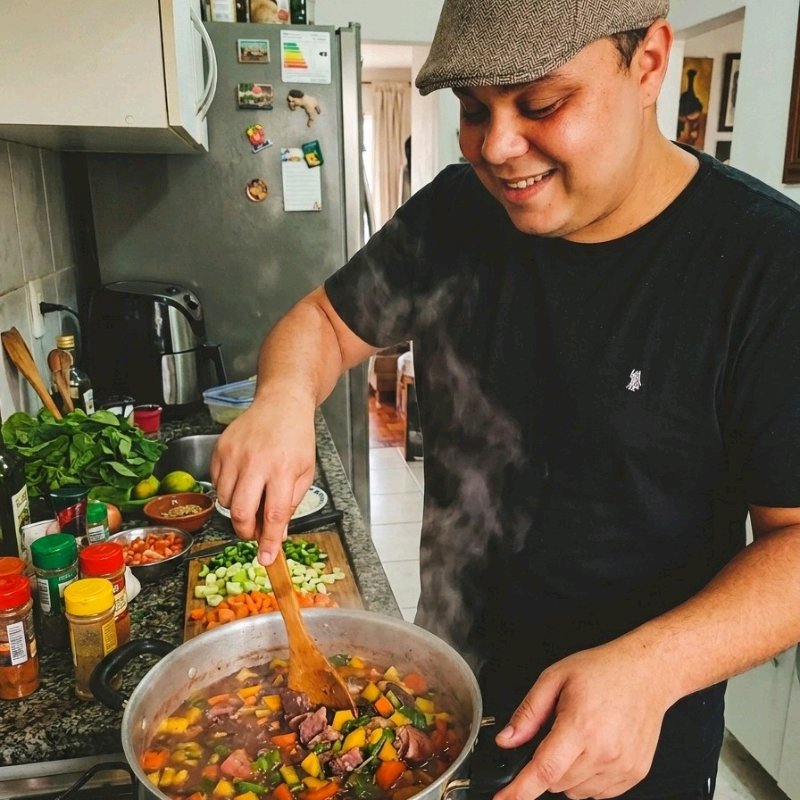
During the session — usually two to four hours depending on batch size — your kitchen will smell extraordinary. The chef works cleanly, using your pots and pans, and leaves the kitchen as tidy as found. Every container gets labeled with the meal name, macros per portion, and the date prepared. No guesswork at 9pm after a double session.
After the first visit, most clients find they need minimal adjustments. A two-session feedback loop is usually enough to dial in portions, flavors and variety to exactly what works for your lifestyle and performance goals. From there, it becomes a system that runs in the background of your week.