The Essential Kitchen Prep (15 Minutes Total)
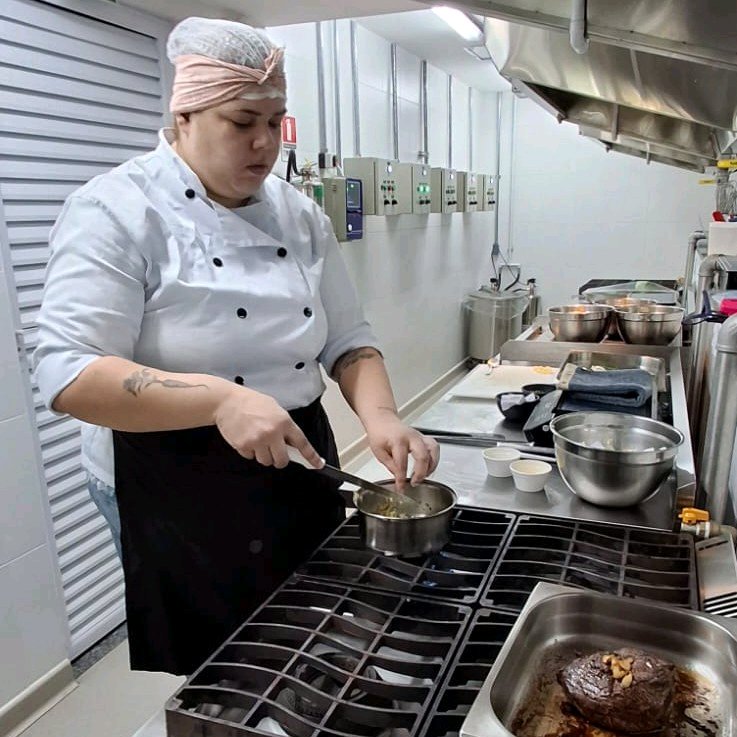
The preparation that actually matters to a personal chef is almost entirely about access and space. They arrive ready to work — all they need is a clear counter, an accessible stove and a refrigerator with room for fresh ingredients. These are not high bars.
Empty the dishwasher before they arrive. This is the single most useful thing you can do: a chef who cleans as they cook needs somewhere to put clean items immediately. A full dishwasher means cleaned items pile up on your counter or in the sink, which creates clutter and slows the kitchen down.
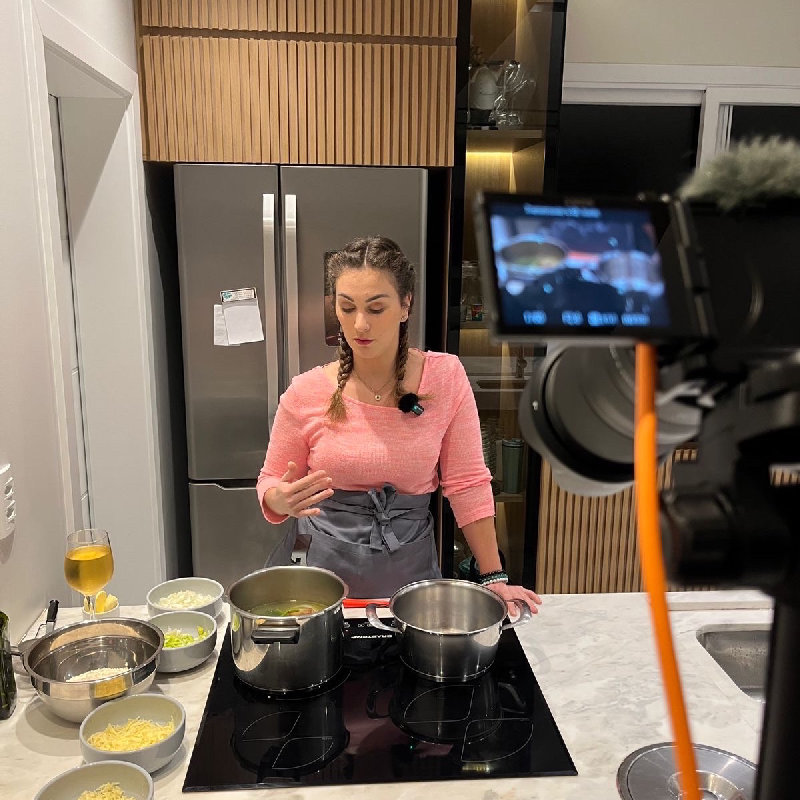
Clear at least one large section of counter space — ideally the section closest to the stove. A chef's mise en place (the organised prepping of every ingredient before cooking begins) requires a dedicated area. Even in a compact kitchen, 60–80cm of clear counter is enough for a professional to work efficiently.
✓Empty the dishwasher
The single most impactful thing you can do — gives the chef somewhere to put clean items throughout the session.
✓Clear kitchen counters
Free up at least 60cm of prep space near the stove. Remove appliances, decorative items and anything that isn't needed.
✓Free up fridge space
The chef arrives with fresh ingredients that need to be refrigerated immediately. Clear out old leftovers and condiment overflow.
✓Put a fresh bin bag in the kitchen bin
Chefs generate organic waste during prep. A fresh bag at the start means they can work cleanly from the first cut.
✓Have clean dish towels available
Two or three clean dish towels — for drying hands, covering proofing dough, wiping surfaces — are a professional's basic toolkit.
What to Tell Your Chef About the Kitchen Before They Arrive
A brief, honest description of your kitchen before the booking is confirmed prevents surprises on the day. The key details that affect a chef's planning are: stove type (gas, electric or induction), oven size and whether it runs hot or cool, the number of working burners, and any equipment limitations — no blender, no stand mixer, no cast iron skillet.
Stove type matters more than anything else. A chef planning a dish that requires the high, direct heat of a gas flame will adjust their technique if you have induction — but they need to know in advance, not when they arrive and open the cabinet. Similarly, an oven that runs 20°C hot is not a problem if the chef knows it; it's a disaster if they assume calibration.
Mention your kitchen layout briefly: is the sink on the opposite side from the stove? Is there a kitchen island? Is the fridge accessible from the cooking area or does it require walking past the dining table? These details take a minute to communicate and save ten minutes of the chef's setup time.
Pro Tip
Take a 30-second video of your kitchen on your phone and send it to the chef when you confirm the booking. More informative than any written description, and most chefs genuinely appreciate it.
The Dining and Living Space: What to Prepare
The chef's responsibility ends at the kitchen pass — the dining table, the living room arrangement, the lighting and the music are entirely yours. For a dinner, set the table before the chef arrives so you're not doing it during their cooking window, when the kitchen is active and plates may be moving.
Good lighting transforms a meal. Dimmer switches or portable candlelight create an atmosphere that restaurant food can't produce at home. Spend five minutes adjusting your lighting before guests arrive — it costs nothing and changes everything.
If you're hosting in a space where the kitchen is open to the dining area (a popular layout in Brazilian apartments built since the 2010s), consider whether you want guests to see the cooking. For some events this is part of the fun — watching a chef in full flow is genuinely entertaining. For a formal dinner or a surprise event, you may want a screen or a closed kitchen arrangement. Discuss this with your chef when briefing.
Managing Pets and Children
A kitchen during a professional cooking session is not the place for pets or young children. Hot pans, sharp knives, a focused cook managing multiple timers simultaneously and surfaces covered with prepped ingredients create real risks. A pet who jumps up or a toddler who runs in is not a minor inconvenience — it's a safety concern and a disruption that costs the chef focus at the worst possible moment.
Plan pet arrangements before the booking. A calm room elsewhere in the house, a dog walker for the evening or a neighbouring friend who's happy to have the dog for a few hours are all valid solutions. For events where children are guests, agree with the chef in advance whether children will be in the kitchen and what the rules are.
This is not about being unwelcoming — it's about being a considerate host to the professional you've invited to do skilled work in your space. Most chefs will not ask you directly to manage pets (it's awkward), but they universally appreciate when the kitchen is clear.
✓Arrange pet accommodation for the session
A separate room, a dog walker or a neighbour's house — off the kitchen floor during cooking.
✓Brief children in advance
Let them know the kitchen belongs to the chef during cooking time and when they can expect to eat.
✓Confirm kitchen access for building guests
If your event includes guests who don't know your home, brief them about the kitchen boundary.
Things You Absolutely Do Not Need to Do
You do not need to deep-clean your kitchen. A professional chef brings their own surfaces clean (cutting boards, prep mats) and focuses on a defined area of your kitchen. The dusty top shelf or the inside of your microwave are irrelevant to their work. A reasonable level of cleanliness — wiped counters, a clean stove top — is enough.
You do not need to stock your pantry with chef-grade ingredients. The chef is either bringing their own ingredients (the standard arrangement in Brazil) or you've agreed on a shopping list that covers everything needed. Your olive oil, your salt and your regular pantry are background infrastructure, not the main event.
You do not need to apologise for your kitchen. A professional personal chef has cooked in kitchens far smaller and less equipped than yours and produced extraordinary food. Small, modest or imperfectly equipped kitchens are not obstacles — they're normal working conditions. Arriving with a positive, relaxed energy is worth far more than a perfect kitchen.
Pro Tip
The chefs we spoke with consistently named the same thing as their ideal client preparation: 'A clear counter and an empty dishwasher.' Everything else is secondary.
Day-Of Logistics: Access, Parking and Timing
The morning before the booking, confirm the chef's arrival time and provide any access information they need: your building's entrance procedure, the doorman's name, a buzzer code, where to park or the nearest paid parking in your neighbourhood. In São Paulo and Rio, parking logistics can consume 20–30 minutes if not planned — time that should be in the kitchen.
Share your full address (not just the street) including building number, apartment number, floor and any specific entrance instructions. In São Paulo neighbourhoods like Moema or Perdizes, buildings with multiple towers or addresses that redirect on Waze are a common source of confusion. A clear message the evening before with all of this information eliminates it.
Confirm the chef's arrival time relative to your guests. A typical dinner setup has the chef arriving 2 hours before the first guest, giving them time to set up, start long-prep items and have the kitchen under full control before anyone else walks through the door. For a cooking class or interactive event, the chef may arrive closer to the guest arrival time.